
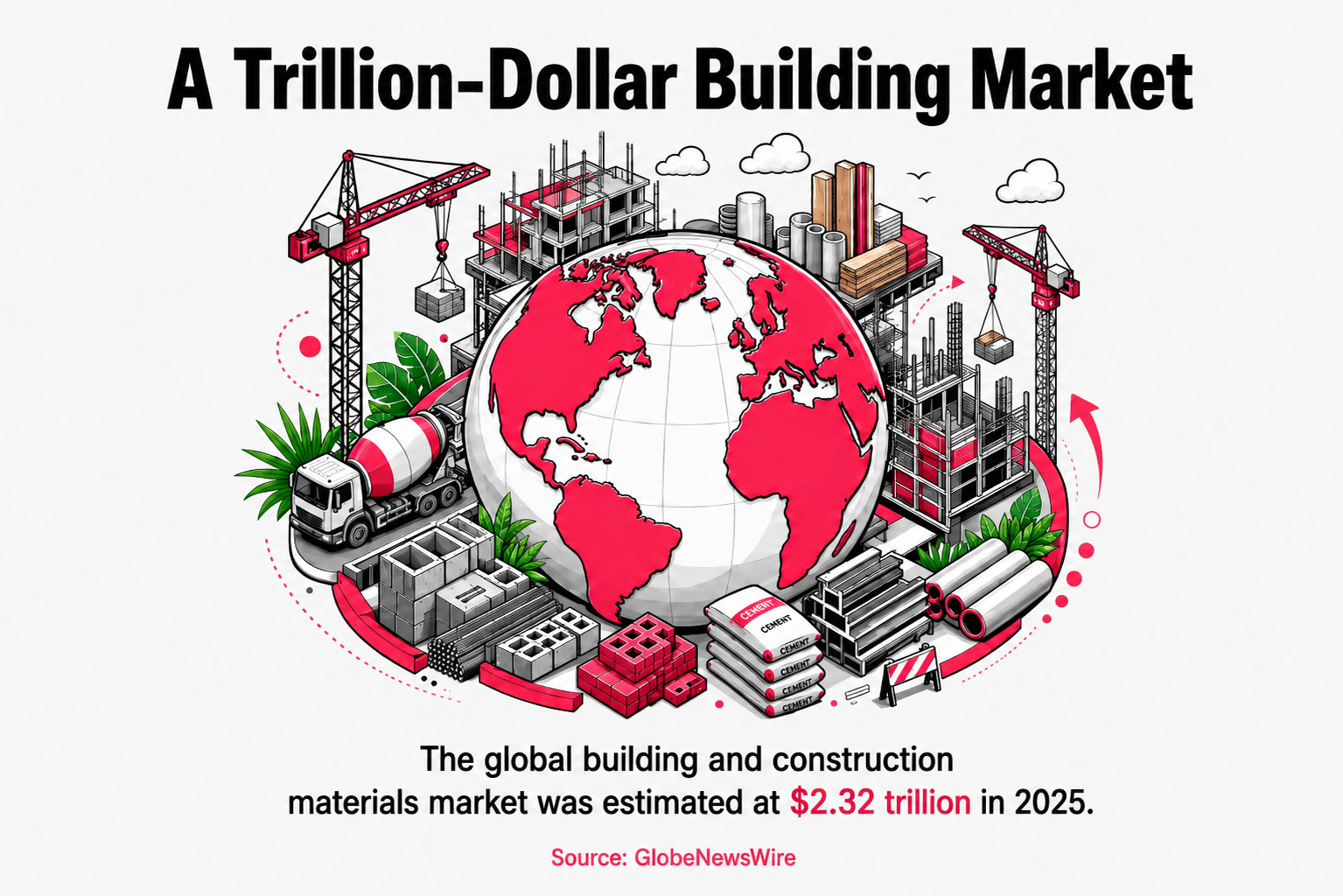
Lead generation for building products companies works best when you match the right message to the right buyer at the right moment in their project cycle. The global building and construction materials market was estimated at $2.32 trillion in 2025, according to GlobeNewsWire's market analysis, which puts the scale of the opportunity in clear terms. Your buyers range from residential contractors ordering siding to procurement managers specifying commercial insulation, and each one enters the market with different intent signals, different timelines, and very different tolerance for sales friction.
Most building products companies I see are still treating digital marketing like a trade show booth: show up, hand out brochures, hope someone calls. That is a slow way to fill a sales pipeline. The contractors, architects, and distributors buying from you are now researching online long before they pick up the phone, and if your digital presence does not meet them there, your competitor's will.
Lead generation for building products companies is the process of attracting and qualifying potential buyers, including contractors, architects, distributors, and procurement managers, so they enter your sales pipeline at the right stage with enough intent to convert.
That definition matters because it rules out a lot of wasted effort. Generating traffic is not the same as generating leads. Getting someone to download a spec sheet is not the same as capturing a qualified buyer who has a live project. The distinction shapes every tactic worth using.
The U.S. construction industry alone comprises over 3.9 million companies, according to WebFX's construction industry statistics. That is a large pool of potential buyers, but most of them are not your buyers right now. Effective lead generation for building products narrows that pool fast by targeting job type, project size, geography, and buying stage.
For a strong B2B lead generation pipeline, building products companies need three things working together: visibility in channels where buyers research, a website that converts that traffic, and a follow-up system that keeps warm leads from going cold.
Building products buyers fall into distinct segments, and each segment behaves differently online, responds to different content, and has a different relationship with the purchase decision.
Millennials and Gen Z now account for 71% of B2B buyers, up from 64% in 2022, according to Sopro's B2B buyer research. That is not a demographic footnote. It means your buyers are digital-first, they research independently, and they are skeptical of cold outreach. Your buyer persona work needs to account for this shift.

Start with these four buyer personas before building any campaign.
Each buyer persona needs its own ideal customer profile with job title, project type, purchase frequency, and preferred research channel. One generic campaign trying to reach all four will underperform a focused campaign built for one.
Not all construction leads carry the same purchase intent, and treating a cold website visitor the same as a contractor who just pulled a permit is one of the fastest ways to waste a sales team's time.
Three lead types matter most in building products lead generation.
An Information Qualified Lead (IQL) has engaged with your content but shown no purchase signal. They downloaded a guide, visited your product pages, or followed you on LinkedIn. They need nurturing, not a sales call. Push them too hard and they disappear.
A Marketing Qualified Lead (MQL) has shown enough engagement to suggest real interest: multiple site visits, a spec sheet download paired with a contact form submission, or a demo request. These are the leads worth scoring and routing to your sales team.
A trigger-based lead is the highest-intent category. Something external has signaled that a project is live: a building permit has been filed, a contractor has been awarded a bid, or a construction project has broken ground. These leads are time-sensitive. The contractor of record on a new commercial permit needs roofing, insulation, windows, and framing products now. Getting in front of them before your competitor does is the whole game.
The connection between lead type and outreach timing is worth committing to memory. IQLs get content. MQLs get a follow-up sequence. Trigger-based leads get a phone call today.
The most effective lead generation strategies for building products companies combine digital marketing channels with industry-specific targeting methods that competitors relying on trade shows alone will miss entirely.
Here is what actually moves the needle, ranked by impact on qualified leads in the pipeline.
Contractors and architects search for product information online constantly. "Fiber cement siding installation guide," "commercial insulation R-value requirements," "best waterproofing membrane for below-grade walls" are all real searches with real buyers behind them. SEO captures these buyers at the exact moment they are researching.
The SEO strategy for contractors versus distributors differs significantly. Contractors often search by product application and project type. Distributors search by brand, SKU, and wholesale terms. Build separate content clusters for each if you want organic search to generate genuinely qualified leads rather than generic traffic.
Paid search for building products works best when campaigns are segmented by buyer persona and funnel stage. A contractor searching "bulk drywall pricing near me" is closer to purchase than one searching "types of drywall explained." Bid strategy and ad copy should reflect that difference.
Paid search strategies for reaching high-value buyers in construction can accelerate lead generation dramatically when paired with strong landing pages and a clear call to action. Without both, you are paying for clicks that go nowhere.
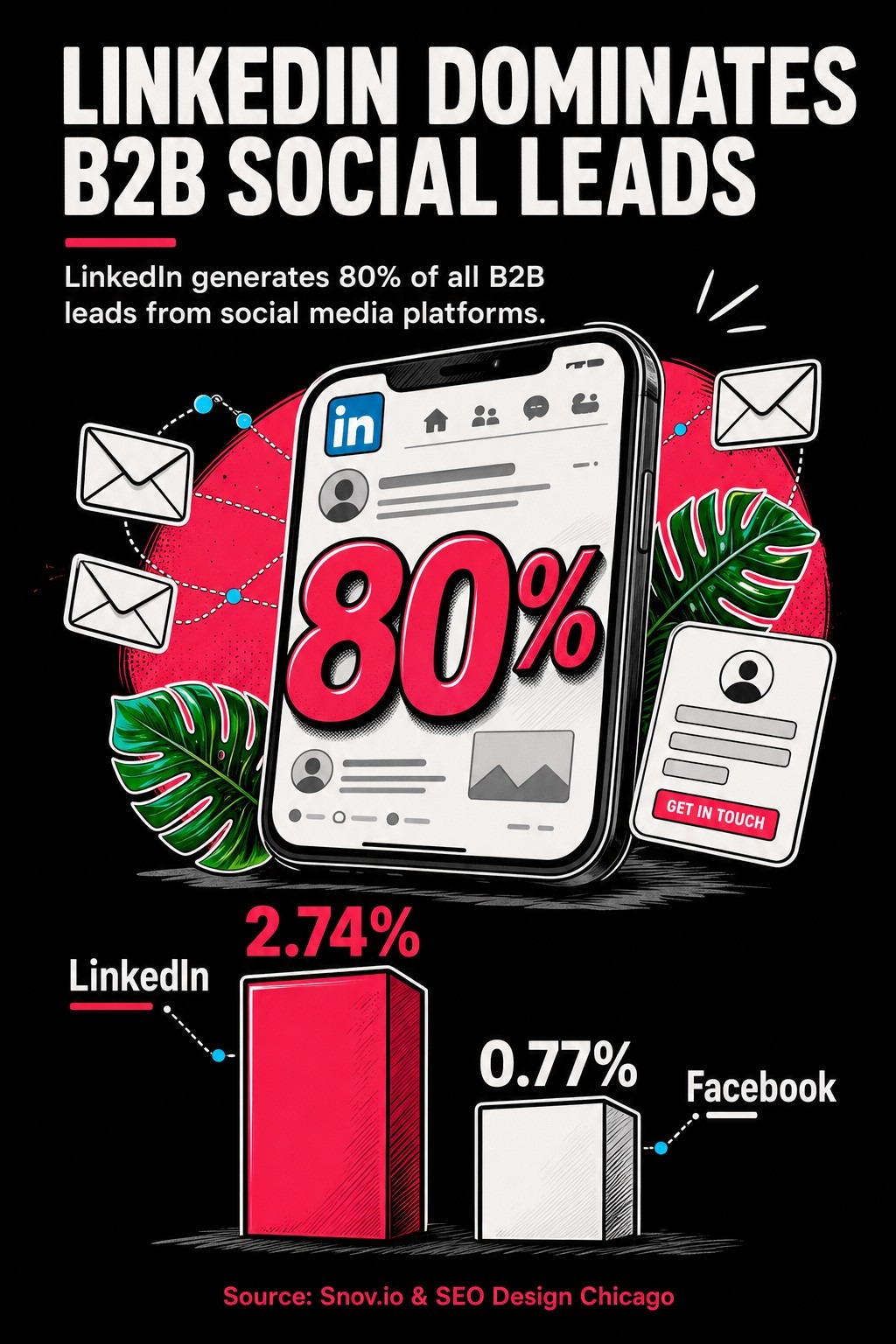
LinkedIn generates 80% of all B2B leads from social media platforms, according to data cited by Snov.io's LinkedIn statistics analysis. For building products companies targeting architects, commercial contractors, and procurement managers, that concentration is impossible to ignore. LinkedIn's visitor-to-lead conversion rate runs at approximately 2.74%, versus roughly 0.77% on Facebook, per HubSpot. That gap is meaningful when you are running campaigns at scale.
Use LinkedIn Lead Gen Forms for gated content like technical guides and product comparison tools. Target by job title, company size, and industry vertical. Follow up fast. The lead gen form submission is the signal; the call or email within 24 hours is what converts it.
Email remains one of the most cost-effective channels for keeping building products leads warm between their initial contact and their purchase decision. A contractor who downloaded your installation guide in January may not need your product until March. A drip sequence that delivers relevant content across that window keeps you front of mind when the order decision arrives.
Segment email lists by buyer persona and project type. A general contractor and a commercial architect have nothing in common in terms of what they need from you. Send each one content built for their specific situation.
Building permit data is one of the most direct trigger-based lead generation tools available to building products companies, because a filed permit is a confirmed, dated signal that a construction project is moving forward and products will need to be purchased.
Most companies skip permit data entirely. That is a real competitive gap worth closing.
A building permit record typically contains the project address, permit type (new construction, renovation, addition), estimated job value, and the contractor of record. That combination tells you what kind of project is happening, how big it is, and who is buying materials for it.
Permit type narrows your targeting fast. A residential roofing permit is not the same lead as a commercial ground-up construction permit. Your ideal customer profile determines which permit types match your product line. Filter by permit type, job value threshold, and geography to build a list of genuinely relevant construction leads before your outreach even starts.
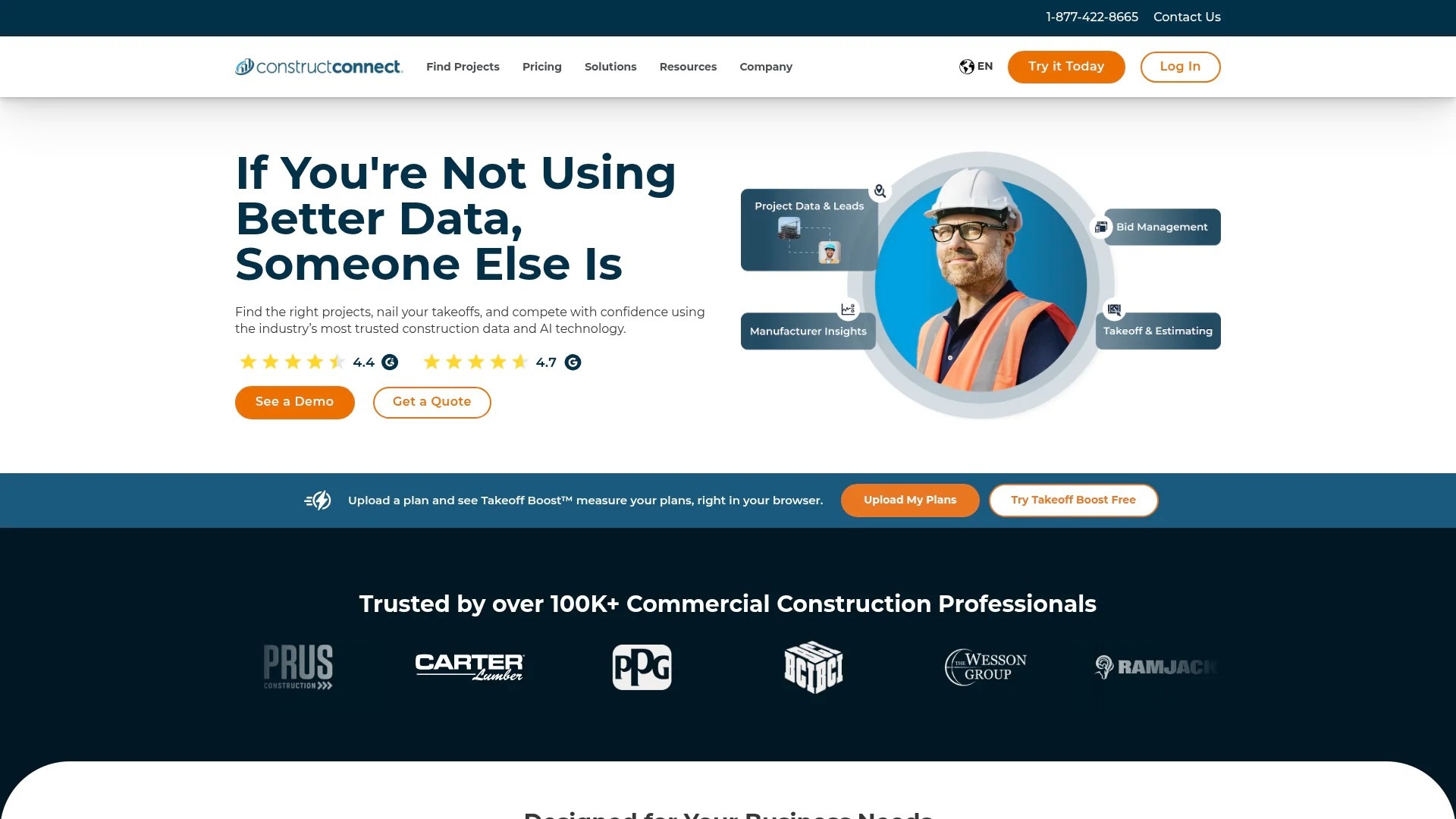
Tools like ConstructConnect and Shovels aggregate permit data and make it searchable by project type, location, and contractor. Both platforms allow you to identify the contractor of record on live permits and pull contact information for outreach.
Timing is the critical variable. Contact a contractor within the first two weeks of permit issuance and you are in the specification window. Contact them after framing is complete and the window for your product category may already be closed. Build a workflow that routes new permit matches to your sales team within 48 hours.
Pair permit-based outreach with a specific call to action tied to the project type. "We saw you just pulled a permit for a 12-unit residential addition in [city]. We supply the fiber cement siding spec'd in most projects like this in your area" is far more effective than a generic product introduction.
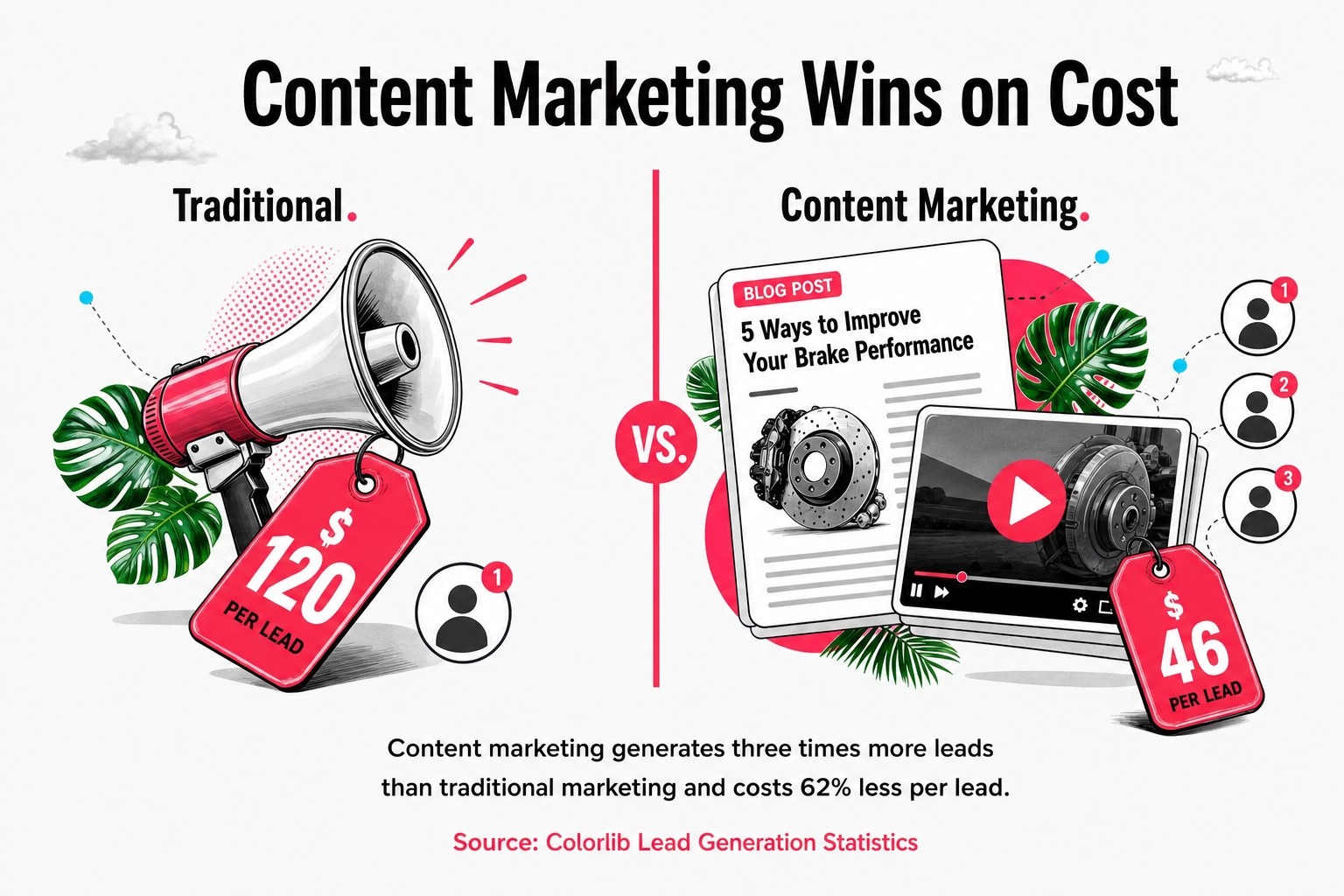
Content marketing generates three times more leads than traditional marketing and costs 62% less per lead, according to Colorlib's lead generation statistics. For building products companies, that efficiency advantage is significant, because technical buyers like architects and engineers are actively looking for exactly the kind of detailed content that most marketing teams find tedious to produce.
That is the opportunity. Most of your competitors are not producing genuinely useful technical content. You can own that space with modest investment.
The best lead magnets for building materials buyers are specific, technical, and immediately useful. Generic ebooks about "how to choose building materials" attract IQLs at best. The following formats attract MQLs and trigger faster sales conversations.
Each lead magnet needs a dedicated landing page with a single call to action. No navigation menu competing for attention, no links sending visitors elsewhere. Just the offer, the form, and the submit button.
For a deeper look at how manufacturers can structure this content approach, the complete guide to B2B content marketing for manufacturers covers the full framework.
Only 49% of B2B buyers in the construction industry report that their suppliers' websites meet their expectations "to a great extent," according to Sana Commerce's construction industry B2B research. That number is damning. More than half of your potential buyers land on your website and walk away disappointed.
A website that fails to convert is not a design problem. It is a lead generation problem.
The most common conversion failures I see on building products websites are not about aesthetics. They are structural.
Contact forms that ask for twelve fields when five would do. Product pages with no call to action beyond "contact us." Mobile experiences that require pinching and zooming to read a spec sheet. These friction points kill lead generation before it starts.
Fix the form first. Ask for name, email, company, project type, and timeline. That is enough to qualify a lead and start a conversation. Every additional field you add reduces completion rates.
Every digital marketing campaign needs a dedicated landing page, not a homepage redirect. The landing page should match the ad's promise exactly: same headline, same offer, same visual language. Mismatches between ad and landing page are where qualified leads evaporate.
Place your primary call to action above the fold. "Download the spec sheet," "Request a sample," "Get a contractor quote" are all specific enough to attract genuine intent. Vague calls to action like "Learn more" attract IQLs and annoy MQLs who already know what they want.
Test mobile performance on an actual phone. A significant portion of contractor traffic arrives on mobile devices. If your contact form does not load cleanly on a 5-inch screen, you are losing construction leads that your sales team will never see.
Building products lead generation works faster and more reliably when the right tools handle the tasks that would otherwise consume your sales team's time: finding contacts, tracking engagement, scoring leads, and routing them to the right person.
The digital marketing shift in construction is real. The U.S. construction industry is rapidly increasing its allocation to digital marketing, according to Improve and Grow's contractor market report. That means more competitors are investing in the same tools. Getting set up now matters.
Start with these categories and add complexity only when the basics are working.


CRM integration is where most building products companies stall. Leads come in from multiple channels, get logged in different spreadsheets, and never make it into a consistent follow-up workflow. Pick one CRM, connect your lead capture forms to it, and build a lead scoring model that routes MQLs to sales within a defined SLA. 24 hours is the standard. Beyond that, conversion rates drop sharply.
The feedback loop between sales and marketing is also worth building early. If your sales team tells you that "roofing contractor" leads from Google Ads never convert but "commercial GC" leads from LinkedIn close at 30%, that data should change your campaign budget the next week. Sales alignment is not a quarterly conversation. It is a weekly one.
For the broader digital strategy context, the construction marketing guide that drives leads walks through how these channels connect into a full system.
Lead generation for building products companies works when it is a system, not a series of one-off campaigns. The most durable sales pipelines in this industry combine inbound digital marketing, outbound permit-based prospecting, and a CRM-driven follow-up process that keeps qualified leads moving toward a decision.
Referrals are great. Build on them. But a business that depends entirely on referrals is one slow quarter away from a pipeline crisis.
Start with two things this week. First, audit your website's contact form and cut every field beyond five. Second, pull a list of building permits filed in your top three markets in the past 30 days using a permit data tool. Those two actions will surface more qualified construction leads than most companies see in a quarter of trade show attendance.
Gartner's March 2026 survey found that 67% of B2B buyers now prefer a rep-free buying experience. That does not mean sales reps are irrelevant. It means buyers want to do their own research first, and your digital marketing has to support that research phase before your sales team enters the picture. Get the digital foundation right, and your reps spend their time closing, not chasing.

For manufacturers who want to see how digital marketing translates directly into measurable pipeline growth, the data-driven digital marketing guide for manufacturers covers the revenue connection in detail. That is the next logical step.