
Contractors and distributors may serve different markets, but their SEO challenges often intersect. Contractors sell services, while SEO for distributors focuses on product discovery across search engines and search engine results pages. In both cases, winning more customers depends on online visibility, trust, and a clear keyword strategy that matches how users search on Google Search.
In many industries, the same potential customers move between service and product queries. A homeowner might search “water heater installation,” then switch to “water heater parts near me,” creating overlap in local searches and buying intent. That’s why search engine optimization (SEO) should connect content to real behavior: clear page structure, seo friendly web pages, and the right relevant keywords.
Whether you sell installs or inventory, strong SEO efforts build a strong online presence, improve search rankings, and drive organic traffic that turns into quality leads.
Contractors and distributors operate under different business models, which changes how search engine optimization SEO should be structured. Contractors deliver services on-site, so local SEO and Google Business Profile optimization matter most for local reach and calls. Distributors sell through branches, sales reps, or e-commerce, thus SEO for distributors must balance local intent with broader catalog visibility in search results.
These differences shape content and conversion paths. Contractors prioritize service pages, location pages, and urgency-based searches that convert quickly, while distributors focus on category structure, product organization, and informational content that supports research before purchase. For example, a typical contractor markup on materials can range from 30–50%, which means distributors often compete on both price and convenience when buyers compare options.
Both still need strong page titles, compelling meta descriptions, and consistent keyword optimization, but messaging must match intent. For many distributors, building an industrial website that ranks higher means clean navigation, product clarity, and technical control that helps Google crawl and index pages efficiently.
For contractors, the biggest wins come from local intent. Searches like “emergency plumber near me” signal urgency, so the Google Business Profile becomes a primary driver of local visibility on search engine results pages. Accurate business name details, hours, categories, and real photos improve trust and increase clicks.
Contractors should build service area pages for priority cities and neighborhoods and support them with internal links to core services. Reviews also influence local rankings, so consistent review requests help Google verify legitimacy and improve conversions.
This approach strengthens local presence and helps contractors show up in Google search when potential customers are ready to call. Combined with solid on page SEO, mobile friendliness, and fast load times, contractors can reduce bounce rate and drive more leads from local searches without relying on ads.
SEO for distributors is often harder because catalogs create scale issues. Clean navigation, logical category hierarchy, and dedicated pages for key product lines support indexing and better search rankings. Each product page should use clear page titles, unique meta descriptions, and specific keywords that match how customers search by model, compatibility, or use case.
Avoid copying manufacturer descriptions. Duplicate content can weaken search engine optimization and reduce trust signals. Keep availability and specs accurate, and use internal links to connect categories, applications, and supporting guides so users find the right page faster.
If distributors serve both B2B and DIY, segment content so search engines understand the target audience and intent. A strong structure improves organic traffic, supports keyword optimization, and helps convert search results into more leads for sales reps and online orders.

Despite differences, contractors and distributors overlap in what search engines reward: trust, consistency, and technical strength. Both benefit from accurate business information, clean listings in local directories, and consistent NAP details across the web. These signals help Google confirm legitimacy and improve local search visibility.
Technical SEO also applies to both. Mobile devices dominate search traffic, so mobile friendliness matters. A website’s loading speed and stable layouts influence user experience and rankings through core web vitals. Use Google Search Console to monitor indexing issues, crawl errors, and page performance.
Authority matters too. Link building and mentions from other websites build credibility and improve rankings across the site. When these basics are handled well, both business types earn increased visibility, stronger search results performance, and more customers from organic search.
Start with proper keyword research tied to intent. Use keyword research tools and Google Keyword Planner to identify relevant keywords, estimate volume, and map terms to the right page. Contractors should focus on services + locations. SEO for distributors should prioritize categories, applications, and comparison content that support buying decisions.
Review competitor rankings to find gaps and target high-value terms you don’t cover yet. Then align each web page with one main goal: calls, forms, account signups, or checkout. Avoid mixing too many intents on a single URL, which can confuse search engines and weaken search rankings.
Track performance in Google Search Console, clicks, impressions, and queries, and tie results to quality leads. With consistent SEO efforts, smart keyword strategy, and ongoing optimization, both distributors and contractors can build sustainable SEO traffic and long-term growth.
Content marketing plays a central role in SEO for contractors vs distributors because it aligns website content with real buyer intent. Contractors need trust-focused assets that turn potential customers into calls, while distributors require educational resources that support product selection and drive e-commerce conversions.
Both benefit when content targets relevant keywords, follows strong search engine optimization principles, and is structured clearly so it doesn’t confuse search engines. Effective SEO strategies rely on optimized title tags, persuasive meta descriptions, and internal linking that directs users to the right service pages or product categories. When executed consistently, content improves search engine rankings, increases organic traffic, and generates qualified leads.
For SEO for contractors, content should remove hesitation and build immediate trust. Emergency guides, case studies, and service area pages perform well because they match high-intent local searches and improve local rankings.
Problem-solution articles with strong calls to action and direct links to contact options help convert visitors into local leads. Project galleries and FAQs addressing cost or timing questions further strengthen credibility. Clear on-page SEO, localized phrasing, and internal links to core services support steady lead flow and long-term growth.
Distributors need content that shortens research cycles and builds purchase confidence. Technical guides, comparison articles, and application pages help buyers evaluate options and boost visibility in search engine results.
Creating dedicated pages for major categories and product types prevents mixed intent and strengthens keyword rankings. Unique descriptions, optimized title tags, and structured internal linking guide users toward landing pages, quotes, or checkout. This approach improves online visibility and conversion consistency.
Video enhances engagement for both business types. Contractors can share walkthroughs and transformations, while distributors can publish demos and tutorials. Optimized titles, transcripts, and embedded videos strengthen search performance.
Supporting this with topic clusters, pillar pages linked to focused subtopics, helps search engines understand expertise. Organized clusters reduce thin content risk, reinforce topical authority, and guide users toward key service pages or product categories efficiently.
See Also: Internal Linking Strategies to Boost Automotive SEO
A well-optimized website is the foundation for ranking stability. Clean site structure helps users and search engines understand your offerings. Organize content using a clear hierarchy so primary categories, service pages, and product sections are logically grouped.
Use descriptive URLs. A structure like example.com/services/plumbing/water-heater-repair is stronger than example.com/page123. URLs should clearly reflect page content and its position within the site structure.
Keep hierarchy depth shallow. Important pages should be accessible within three clicks from the homepage to preserve crawl priority and internal authority flow. Create XML sitemaps listing all critical URLs and submit them in Google Search Console to improve discovery, indexing, and monitoring of search performance.
Google primarily uses the mobile version of your site for indexing and ranking. Your mobile site must contain all essential content, internal links, and functionality.
Implement a responsive design that adapts to different screen sizes. Avoid hiding desktop content on mobile, as this can create indexing discrepancies. Test usability regularly in Google Search Console and ensure buttons, navigation, and forms function smoothly across devices. Mobile optimization directly influences rankings and user experience.
Schema markup helps search engines interpret your content more accurately and can generate rich results that improve click-through rates. Contractors should implement the LocalBusiness schema to reinforce service areas, business hours, contact information, and review ratings. This strengthens local trust signals.
Distributors should use the Product schema to highlight pricing, availability, specifications, and reviews. This enhances product visibility in search results and shopping features. Validate markup using Google’s Structured Data Testing tools to prevent errors that block rich results from appearing.
Core Web Vitals measure loading speed, interactivity, and visual stability. These metrics directly influence search engine rankings. Largest Contentful Paint evaluates loading performance. Improve it by compressing images, using CDNs, and minimizing render-blocking scripts.
First Input Delay measures responsiveness. Reduce JavaScript execution time and break up long tasks to improve interaction speed. Cumulative Layout Shift measures visual stability. Prevent layout shifts by defining image dimensions and avoiding unexpected content insertion.
Technical SEO strategies are not a one-time task. Ongoing audits for crawl errors, redirects, and duplicate content are essential to maintain site performance and search engine accessibility. Strong technical health supports consistent organic traffic growth and stronger visibility in search results.
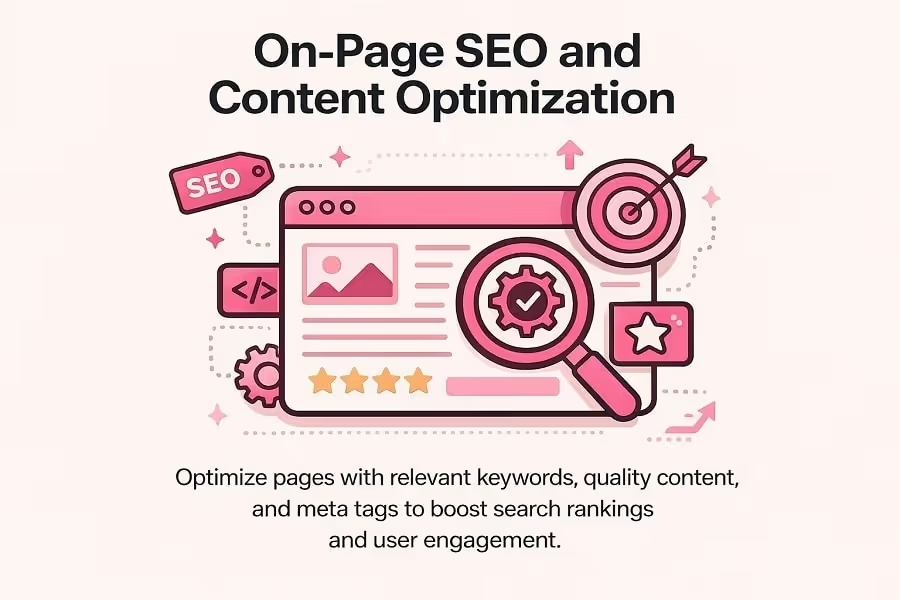
On-page SEO improves relevance and click-through from search results. Use clear page titles that reflect intent and include relevant keywords naturally. Write meta descriptions that summarize value in a human tone, without stuffing. Each page should stay focused so search engines know exactly what it should rank for.
Structure content with one H1, then clean H2/H3 sections. Add internal links to connect blogs to service pages, category pages, and landing pages. This improves crawl flow and supports conversions.
For both contractors and SEO for distributors, keyword optimization should align with buyer intent: service urgency, product specs, or local searches. Optimizing images, improving readability, and matching content to user questions reduces bounce rate and improves engagement, which supports stronger search rankings over time.
Off-page SEO strengthens authority signals and supports long-term ranking growth. Quality always outweighs quantity in link building. A single backlink from other reputable sites can outperform dozens of low-value directory mentions. Focus on building linkable assets such as industry guides, original research, tools, or data summaries that publishers naturally reference. Avoid shortcuts like paid links or automated schemes, as penalties can quickly damage search engine rankings and undo progress.
Local links play a critical role in improving local search visibility. Contractors can earn links from community organizations, chambers of commerce, and local press coverage. Distributors can pursue manufacturer partnerships, supplier listings, and trade publication mentions. Consistent listings across online directories, local directories, and industry-specific directories also strengthen trust signals and validate your business presence.
Clean citations and accurate NAP (name, address, phone) consistency help search engines verify legitimacy. Maintaining a strong online reputation through active review responses and customer engagement further reinforces credibility. Over time, high-quality backlinks, consistent brand mentions, and trusted citations improve search engine rankings and help businesses compete more effectively in both search results and local search.
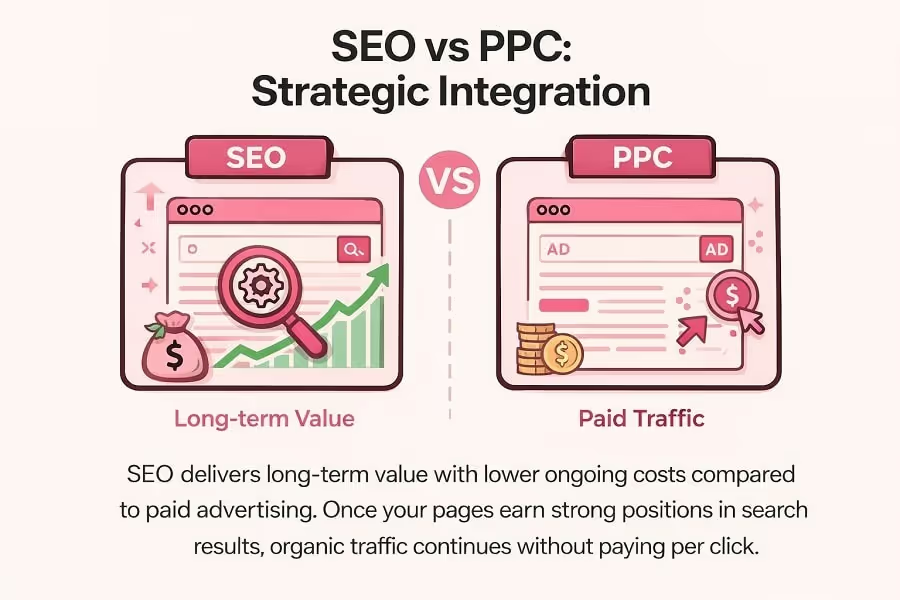
SEO delivers long-term value with lower ongoing costs compared to paid advertising. Once your pages earn strong positions in search results, organic traffic continues without paying per click. This makes search engine optimization a smart investment for businesses focused on sustainable visibility and consistent growth.
It works particularly well for informational content such as guides, FAQs, and educational resources. SEO is also effective for long-tail keywords where PPC costs may outweigh returns. Instead of repeatedly paying for the same clicks, steady SEO efforts build compounding authority, stronger rankings, and durable online visibility.
PPC provides immediate visibility. If you need leads quickly for a new service, seasonal offer, or product launch, paid ads allow you to appear at the top of search results instantly.
High-intent commercial keywords often perform well in PPC campaigns. Terms like “emergency plumber” or “buy HVAC equipment” can justify ad spend because they convert quickly.
PPC also allows rapid A/B testing. You can test messaging, offers, and landing pages, then apply winning insights to your SEO content strategy. Seasonal campaigns benefit from PPC flexibility. You can scale up during peak demand without waiting for organic rankings to build.
The most effective marketing strategy combines SEO and PPC strategically. Use PPC for immediate demand capture while building long-term SEO assets. Run PPC campaigns for new services or products to generate early revenue while organic rankings develop. Use remarketing to stay visible to visitors who didn’t convert the first time.
Analyze PPC keyword performance to guide SEO priorities. If certain queries generate qualified leads through paid ads, prioritize those topics within your content strategy. SEO builds authority and sustainable traffic. PPC validates demand and accelerates growth. Together, they help you dominate search results while balancing immediate performance with long-term stability.
Measurement turns activity into outcomes for SEO for distributors. Track organic traffic trends and segment by page type to see what’s driving growth. In Google Search Console, monitor clicks, impressions, and queries to understand which pages are improving search engine results visibility. Watch keyword rankings and focus on moving page-two terms into the top ten, where traffic becomes meaningful.
To go deeper, businesses should understand analytics for lead generation, ensuring traffic is tied to real business outcomes rather than vanity metrics. Track conversions tied to real outcomes: calls, forms, quote requests, account signups, or purchases. These show whether traffic becomes qualified leads and revenue. Review engagement metrics to check relevance. If bounce rates are high, content may not match intent, or page speed may be slowing users down. Monitor technical health through crawl errors and core web vitals.
Keep an eye on reviews and visibility signals as well. When review quantity improves, Google takes notice, and rankings often stabilize. Finally, compare progress against what competitors rank for, so your ongoing SEO efforts stay aligned with market demand and profitability.
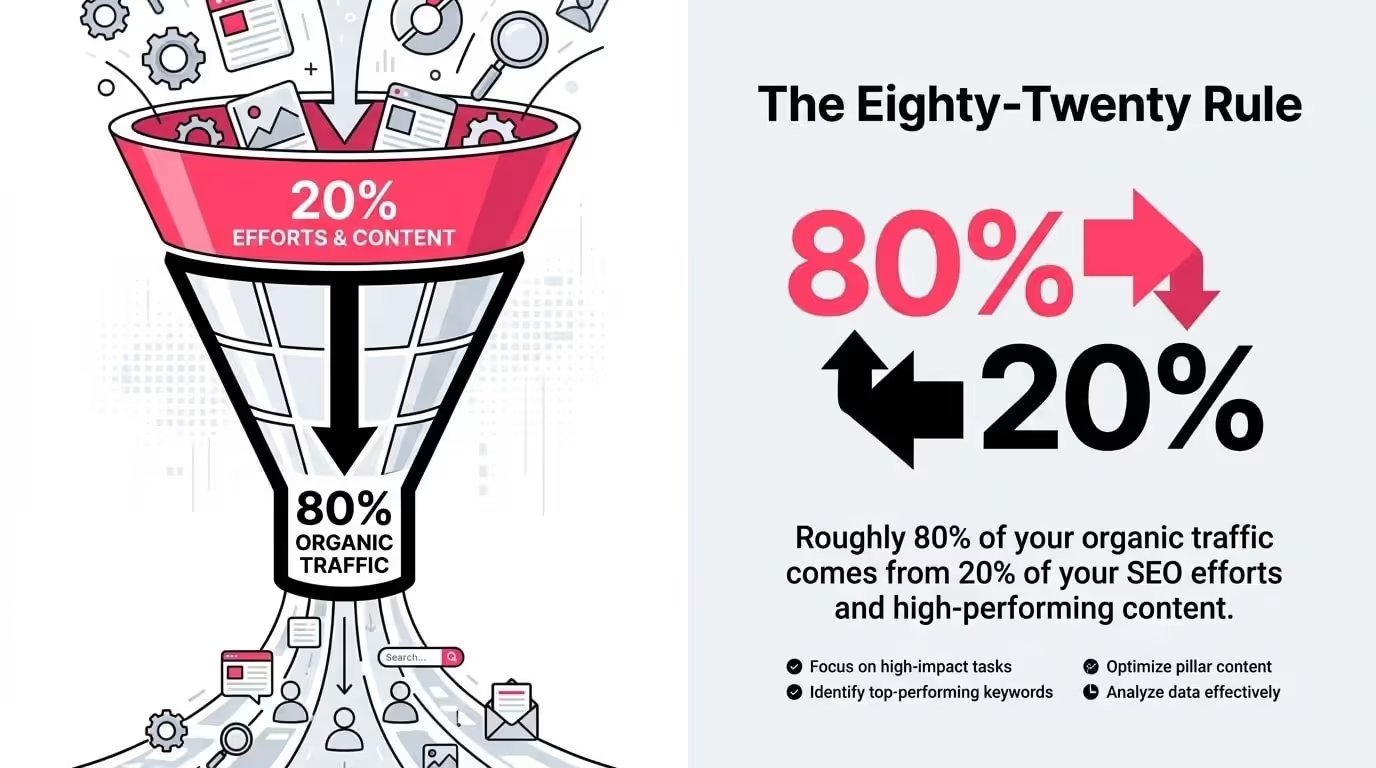
The 80/20 rule means about 80% of your organic traffic comes from 20% of your pages, keywords, and backlinks. Focus on optimizing your top-performing content to increase rankings, conversions, and ROI instead of spreading efforts too thin.
Use PPC to test keywords and landing pages quickly, then apply winning insights to your SEO strategy. PPC drives immediate traffic, while SEO builds long-term visibility and sustainable growth.
You now understand where contractor and distributor SEO strategies diverge and overlap. Start with your Google Business Profile. Maintain accurate business hours, add services, and upload high-quality photos. Prioritize Google Business Profile optimization and keep activity consistent. Next, strengthen local trust with positive reviews and structured review generation requests after each job or order.
Build and clean citations across online directories, and reinforce NAP consistency with local citations. Then tighten your site fundamentals. Ensure a well-optimized website with fast load times, clean structure, and submitted sitemaps in Google Search Console. Expand content with focus: contractors should improve core service pages and build unique service area pages for priority locations. Distributors should create dedicated pages for categories and key applications.
Support authority through high-quality backlinks from other reputable sites and local partnerships with community organizations. Keep your keyword research active, using Google Keyword Planner to track search volumes and prioritize terms that attract the right customers and turn into satisfied clients.