

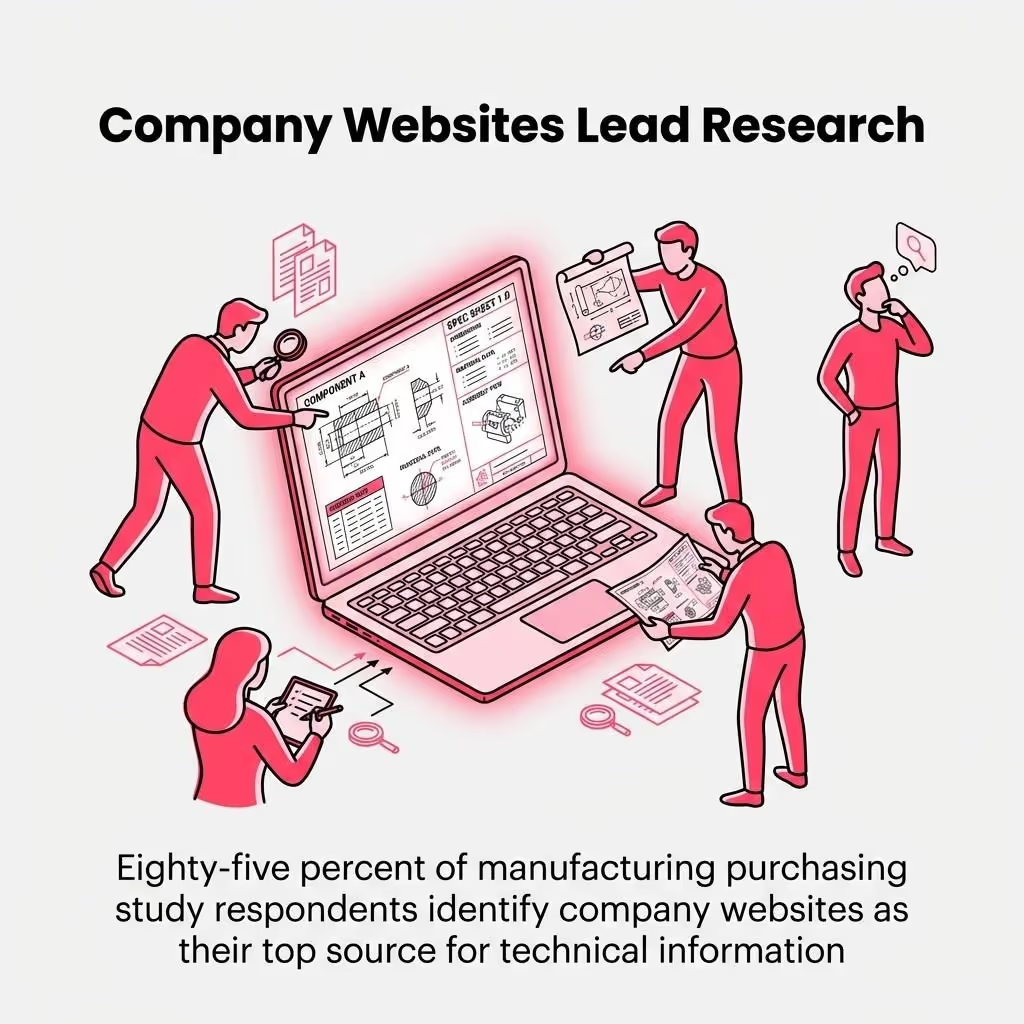
Manufacturing companies still invest in lead generation tactics that worked years ago, but buyer behavior has changed. Today, B2B lead generation depends on how buyers find and validate suppliers online. Studies show that 85% of manufacturing buyers use a company’s website as their primary source of technical information. They review specifications, check case studies, and build a shortlist before speaking with sales.
Modern B2B lead generation industrial companies rely on digital channels that function like optimized production systems. Effective digital lead generation manufacturing strategies combine search engine optimization, targeted paid advertising, and content marketing to attract potential buyers already researching solutions. The goal is not simply traffic, but to generate high-quality leads that fit your target audience and move through the sales funnel.
This guide explains a practical B2B lead generation process for manufacturers. It focuses on manufacturing lead generation strategies that support complex sales cycles, generate qualified leads, and create a measurable pipeline for business-to-business companies selling technical products.
B2B lead generation is the process of attracting and qualifying potential customers who require your manufacturing capabilities. Unlike consumer marketing, the objective is not to collect random contacts but identifying high value leads who can become paying customers.
Effective lead generation efforts create a repeatable system. Prospects discover your brand through search engines, online advertising, or content marketing, interact with landing pages, and enter your lead generation process. Qualified prospects then move into the sales pipeline, where sales reps evaluate fit and convert them into opportunities.
Manufacturing differs from consumer markets in several ways. The target audience is smaller but more valuable. The buying journey often includes multiple decision makers such as engineers, procurement managers, and plant directors. The sales process also takes longer because purchases require technical validation and approval from several departments.

Most manufacturers invest 3-6% of revenue into marketing activities. That budget must support effective lead generation, build awareness among potential leads, and, based on what B2B companies actually spend on marketing, produce measurable results such as sales qualified leads and marketing qualified leads.
Not all leads are created equal. A qualified lead demonstrates genuine interest, fits your ideal company size, and has the resources to purchase. Without proper filtering, sales and marketing teams spend time chasing contacts that will never convert.
Manufacturing companies frequently receive inquiries from students researching projects, competitors gathering intelligence, or organizations outside their capabilities. These contacts create noise in the sales funnel and slow down the sales department.
A strong lead generation strategy solves this problem by focusing on lead quality rather than volume. Using lead scoring models, marketers evaluate signals such as job title, company size, website behavior, and engagement with gated content. This process helps generate more qualified leads and routes the best opportunities directly to the sales team.
Traditional lead sources such as trade shows and cold calls still play a role, but digital channels now dominate lead gen efforts. AI-driven research is reshaping B2B buying behavior, and buyers typically vet suppliers online before reaching out.That makes manufacturing website lead generation, manufacturing SEO lead generation, and LinkedIn lead generation manufacturing essential components of a modern marketing strategy.
Digital platforms allow marketing teams to identify companies actively searching for solutions. Through search engine optimization, manufacturers capture demand from prospects already exploring technical options. Paid advertising platforms such as Google Ads, manufacturing lead generation campaigns, can target high-intent searches and drive traffic to optimized landing pages.
Digital channels also enable precise targeting. LinkedIn Sales Navigator allows demand generation marketers to reach decision makers by job title, industry, and company size. This precision improves lead generation campaigns and reduces wasted budget.
The manufacturing industry is experiencing rapid digital transformation. Companies investing in automation and smart manufacturing expect suppliers to operate with similar digital capabilities. A weak online presence signals outdated operations and discourages potential buyers.
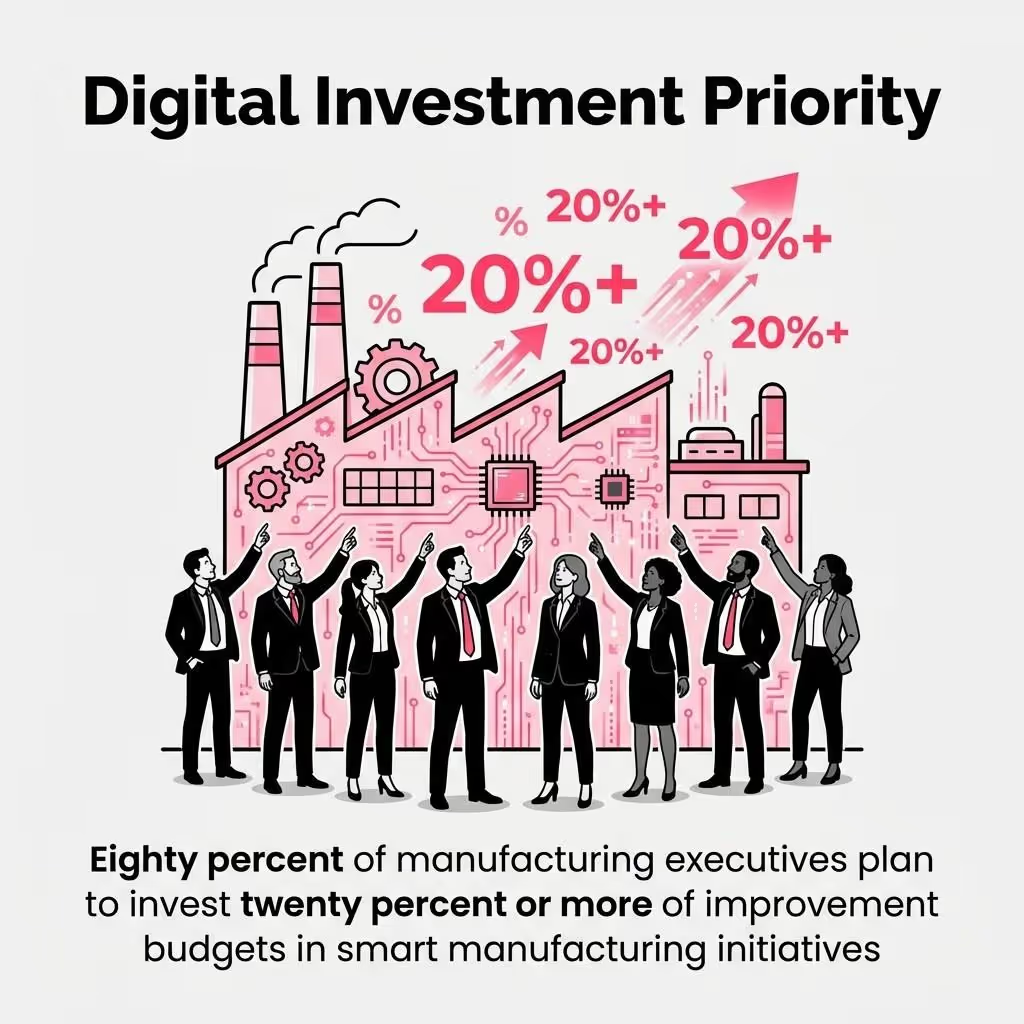
Manufacturers that prioritize digital lead generation build stronger credibility. Smart manufacturing is a priority, and industry surveys report that around 80% of executives plan to invest 20% or more of improvement budgets in these initiatives. A well-structured company website, detailed product documentation, and relevant content marketing, manufacturing leads, and assets help prospects evaluate capabilities before speaking with sales.
Digital marketing also supports adaptability. Market conditions change quickly, and online campaigns allow companies to adjust marketing tactics, messaging, and targeting faster than traditional media.
Lead classification helps sales and marketing teams align their lead generation process. Each stage represents a different level of intent within the sales funnel.
Marketing qualified leads have interacted with content but are not ready for direct sales engagement. They may download a lead magnet, register for a manufacturing webinar lead generation event, or engage with content marketing resources. At this stage, lead nurturing manufacturing strategies, such as email marketing help move prospects forward.
Sales-qualified leads indicate strong purchase intent. These prospects may request a quote, ask technical questions, or schedule a consultation. SQLs often appear after prospects evaluate multiple vendors and move into active comparison.
SALs represent the transition between marketing and sales. Marketing identifies a B2B lead, verifies initial qualification, and the sales department accepts the lead for direct engagement. This stage ensures accountability between teams and improves collaboration across sales and marketing tactics.
Successful manufacturing lead generation strategies follow a structured system rather than isolated tactics. A reliable lead generation process attracts prospects, qualifies interest, and converts opportunities.
Start by identifying the industries, company size, and regions that match your capabilities. Understanding specific pain points helps marketers target the right potential customers and improve lead gen accuracy.
A clear profile also helps sales and marketing teams align their lead generation strategy. When everyone understands the right audience, it becomes easier to attract quality leads and avoid wasting time on poor-fit inquiries.
High-value assets such as technical guides, case studies, and design resources help capture leads. Effective gated content exchanges valuable information for contact details while demonstrating expertise.
Strong lead magnets also improve lead quality by attracting prospects with genuine interest. When the content addresses real technical needs, it helps generate leads that are more likely to enter the sales funnel and become serious opportunities.
Manufacturers must maintain visibility across multiple digital channels. Search engines, LinkedIn lead generation manufacturing, retargeting ads manufacturing, and online advertising all support visibility throughout the buying journey.
A multi-channel approach strengthens lead generation efforts by reaching potential buyers in different places. It also helps manufacturers stay visible to decision makers who may interact with content several times before contacting the sales team.
Use marketing automation and lead scoring to evaluate engagement signals. These systems analyze behavior, firmographic data, and job title information to identify warm leads and prioritize sales leads.
This process improves efficiency by helping teams focus on the most promising opportunities. It also supports a more structured B2B lead generation process, where qualified contacts move forward and lower-fit inquiries are filtered early.
Most prospects are not ready to buy immediately. Lead nurturing programs provide relevant content through email marketing, educational webinars, and targeted messaging.
These interactions help nurture leads and strengthen building relationships over time. Consistent communication keeps your company visible and supports prospects as they move through the sales funnel toward a purchase decision.
Manufacturers must track metrics such as B2B lead generation cost per lead, pipeline growth, and conversion rates. Monitoring how much pipeline each campaign produces helps refine lead generation campaigns and improve overall performance.
Regular analysis also helps teams identify what is working and where adjustments are needed. This makes it easier to improve lead generation efforts, increase more qualified leads, and strengthen long-term results.
For deeper insights on tracking your lead generation performance, see our guide to Google Analytics for lead generation measurement.
Effective B2B lead generation requires alignment between sales and marketing teams. Marketing generates awareness, drives traffic, and captures new leads, while sales converts those opportunities into revenue.
Marketing teams manage lead gen efforts, develop content marketing assets, and execute marketing campaigns designed to attract the right potential leads. Their role is to build awareness, support search engine optimization, and create resources that move prospects through the sales funnel.
They also help improve lead quality by aligning campaigns with the needs of the target audience. Through strong messaging, landing pages, and nurturing workflows, marketing teams aim to deliver more leads that meet agreed qualification criteria.
The sales team converts qualified opportunities into customers. Sales reps handle consultations, provide pricing, answer technical questions, and guide prospects through the sales cycle until they become paying customers.
Sales also plays an important role in improving lead generation strategy. Feedback from the sales department helps marketing understand which sources produce high quality leads, allowing both teams to refine targeting and strengthen future campaigns.
SDRs support the handoff between marketing and sales by reviewing inbound inquiries and qualifying potential buyers before they reach senior salespeople. They help determine whether a contact matches important criteria such as manufacturing lead qualification BANT.
This role improves efficiency for both sales and marketing teams. SDRs help ensure that high-quality leads move forward in the sales pipeline, while lower-fit inquiries are filtered or placed into appropriate lead nurturing sequences.
These B2B lead generation strategies work for manufacturers selling complex products with long sales cycles. The goal is to generate high quality leads, improve lead quality, and move potential buyers through the sales funnel efficiently. Manufacturers should select tactics that align with their target audience, internal resources, and overall lead generation strategy.
A strong manufacturing website lead generation system begins with a website that answers technical questions immediately. Industrial potential customers look for specifications, certifications, material data, and application examples before contacting the sales team.
Detailed product pages with downloadable CAD files, technical datasheets, and technical documentation improve lead generation efforts. Clear landing pages and direct calls-to-action such as “Request Quote” or “Schedule Technical Consultation,” help capture leads and move potential leads into the lead generation process.
Manufacturing SEO lead generation targets keywords used by potential buyers actively searching for solutions. Buyers often search for terms like “precision CNC machining services” or “custom aluminum extrusion manufacturer.”
Unlike business-to-business research keywords, high-intent searches attract qualified leads ready to evaluate suppliers. Technical guides, detailed comparison articles, and application-focused content improve search engine optimization while helping companies generate more leads from search engines.
Google Ads manufacturing lead generation allows manufacturers to reach buyers already searching for solutions. These campaigns work well when combined with well-structured landing pages and clear lead magnets.
Target keywords with purchase intent and use location targeting to focus paid advertising on regions you can serve. Proper campaign structure helps reduce B2B lead generation cost per lead while generating sales leads for the sales pipeline.
Learn more about maximizing your Google Ads investment in our ROI optimization guide.
Email marketing, manufacturing leads strategies, nurture potential customers who are not yet ready to purchase. Segment your list by company size, job title, industry, and stage in the buying journey.
Educational emails help nurture leads, maintain relationships, and gradually convert warm leads into sales-qualified leads. Integrating marketing automation improves consistency and allows marketing teams to manage large-scale lead nurturing manufacturing programs.
LinkedIn lead generation manufacturing campaigns help manufacturers reach decision makers across specific industries. The platform allows demand generation marketers to target professionals by job title, company size, and industry.
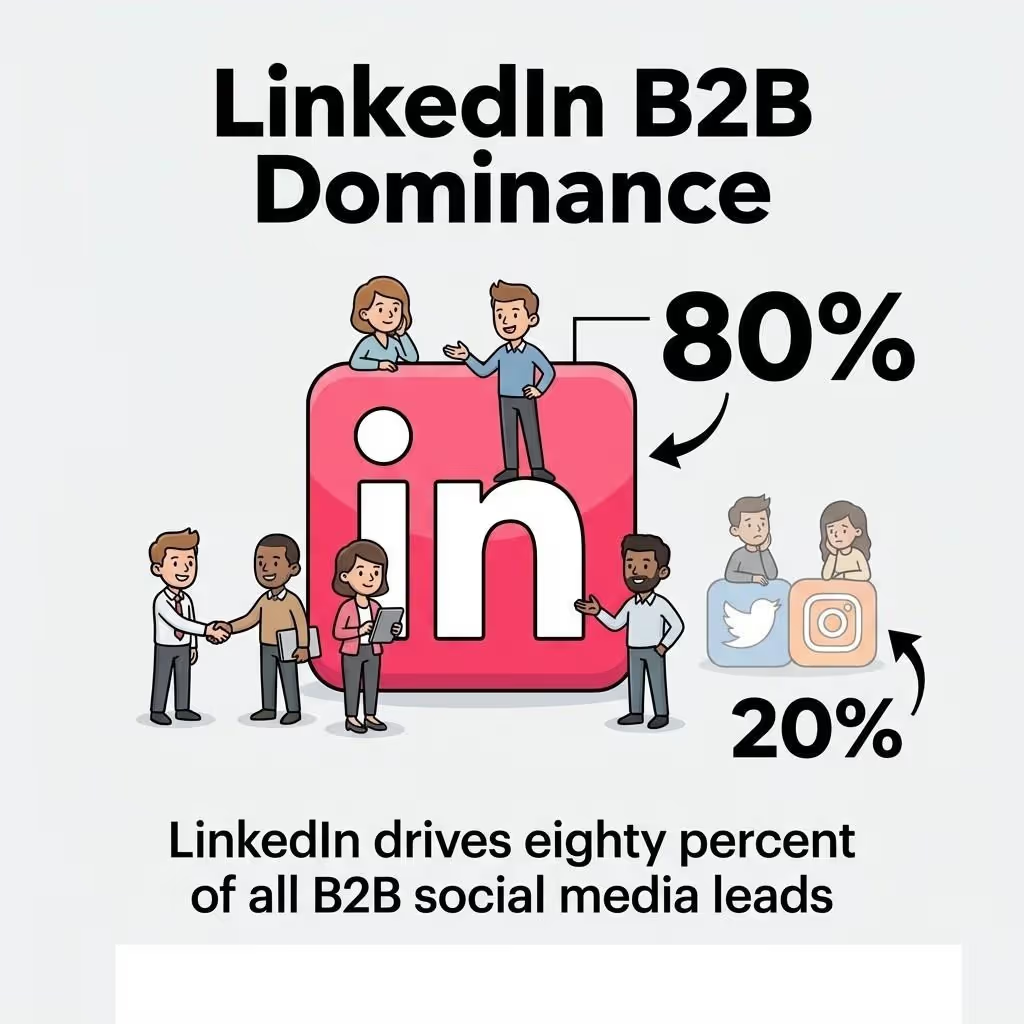
Tools such as LinkedIn Sales Navigator help identify potential leads, while targeted messaging supports account-based marketing strategies. Consistent activity on LinkedIn strengthens credibility and generates high-value leads.
For broader audience targeting strategies across multiple platforms, check out our social media targeting guide.
Content marketing, manufacturing leads, and strategies attract buyers during the research phase. Engineers and procurement teams search for solutions to specific pain points, making technical guides, comparison articles, and case studies highly effective.
Detailed content marketing resources that include technical specifications, real applications, and success stories help generate leads while demonstrating expertise. This approach supports the entire lead generation process.
Manufacturers in traditional industries often worry their topics are boring. They're not. Content marketing works for any industry when you focus on solving specific problems.
ABM manufacturing lead generation focuses on high-value accounts rather than broad audiences. Instead of targeting thousands of contacts, companies focus on selected organizations with strong purchase potential.
Account-based marketing campaigns combine personalized outreach, targeted advertising, and tailored marketing campaigns to engage decision makers. This strategy often produces more qualified leads and higher conversion rates for manufacturers selling complex solutions.
Manufacturing webinar lead generation programs demonstrate expertise while collecting qualified leads. Educational webinars attract engineers and procurement managers researching solutions.
Registration forms collect information about potential customers, helping companies qualify prospects through lead scoring and manufacturing B2B methods. Recorded webinars also become valuable gated content for future campaigns.
Partnerships with complementary manufacturers or service providers expand lead gen efforts. Companies serving the same target audience can share business contacts, refer sales leads, and collaborate on joint marketing tactics.
Industry associations and professional networks also create opportunities for visibility, press releases, and industry collaboration that supports effective lead generation.
Cold email B2B manufacturing outreach can generate new leads when highly personalized. Instead of sending mass emails, successful campaigns target companies facing specific pain points.
Short, relevant emails referencing company developments or industry challenges help start conversations. Follow-up messages and personalized outreach increase response rates and improve lead gen results.
Manufacturers serving regional markets benefit from search engine optimization focused on local queries. Local listings help potential buyers discover nearby suppliers. Optimizing profiles, collecting reviews, and publishing local landing pages improve visibility for manufacturing lead generation strategies targeting regional markets.
Retargeting ads, manufacturing campaigns, re-engage visitors who previously showed interest but did not convert. These campaigns help bring potential leads back into the sales funnel. Audience segmentation based on behavior, such as visiting pricing pages or downloading gated content, improves targeting and supports stronger lead nurturing.
Trade shows remain valuable for lead generation campaigns when combined with digital outreach. Pre-event marketing, scheduled meetings, and immediate CRM follow-up improve the effectiveness of in-person events. Capturing contact information quickly and entering it into customer relationship management systems ensures no potential buyers are lost after the event.
Case studies demonstrate real outcomes and help manufacturers build trust with potential customers. Detailed examples showing how companies solved specific pain points strengthen credibility. These success stories often become powerful lead magnets that attract high quality leads evaluating similar projects.
Live chat on a company website allows visitors to ask quick technical questions. Immediate responses improve engagement and help capture leads during the early stages of the buying journey. Chat interactions also provide valuable data for lead scoring models and help sales and marketing teams identify potential buyers.
Short videos demonstrating machinery, production processes, or quality control systems help buyers evaluate suppliers quickly. Video content builds credibility and supports digital lead generation manufacturing strategies. Posting videos on product pages and video platforms improves visibility while helping generate more leads.
Free consultations allow engineers and procurement managers to discuss project requirements with experts. These conversations help identify high-value leads and accelerate the sales process. Consultations also allow companies to demonstrate expertise while qualifying prospects through manufacturing lead qualification BANT criteria.
Regular newsletters maintain contact with prospects who have shown interest but are not ready to buy. Sharing technical updates, insights, and industry developments helps strengthen building relationships with potential customers. Consistent newsletters also support long-term lead nurturing strategies.
AI tools now assist marketing teams and sales reps in analyzing engagement data. These tools support lead scoring, identify buying signals, and help prioritize sales qualified leads. By automating data analysis, companies can focus on converting high quality leads rather than manually reviewing every inquiry.
Interactive tools such as cost estimators, material selectors, or production calculators help capture leads while providing practical value. These tools help companies generate high quality leads because prospects using them are often serious potential buyers.
Interactive experiences also strengthen B2B lead generation by turning website visitors into qualified leads within the sales pipeline.
A successful B2B lead generation strategy in manufacturing depends heavily on content marketing, outbound outreach, and structured lead qualification. Manufacturers that consistently generate high quality leads focus on educating potential customers, solving specific pain points, and guiding prospects through the sales funnel.
Effective content marketing manufacturing leads strategies demonstrate expertise and support lead generation efforts by helping potential buyers during the research stage of their buying journey.
High-performing content marketing focuses on solving real problems faced by engineers, procurement managers, and plant directors. Topics such as improving production efficiency or reducing defect rates directly address specific pain points.
Content that offers practical solutions builds credibility with potential customers and encourages readers to engage further with your company website, strengthening long-term lead nurturing manufacturing efforts.
Comparison resources help potential buyers evaluate solutions during the sales process. Articles comparing materials, manufacturing processes, or engineering standards attract qualified leads who are actively researching suppliers.
Balanced comparisons improve lead quality because prospects trust companies that present honest analysis rather than promotional messaging.
Technical resources such as specification charts, tolerance guides, and certification standards attract high-quality leads searching through search engines. These resources also strengthen manufacturing SEO lead generation by improving search engine optimization performance.
Well-structured technical documentation supports both content marketing and broader lead generation campaigns.
Real-world examples help potential buyers visualize how manufacturing capabilities solve industry challenges. Application examples across automotive, aerospace, medical devices, and industrial equipment industries attract high-value leads.
Detailed examples also function as powerful lead magnets, supporting long-term lead gen efforts and demonstrating expertise to decision makers.
Inbound lead generation attracts prospects organically, but outbound strategies allow companies to proactively reach potential leads and expand their sales pipeline.
Successful outreach begins with identifying companies that match the ideal customer profile. Targeting organizations by company size, industry, and job title improves the likelihood of reaching decision makers.
Accurate contact information and verified data ensure email marketing campaigns reach legitimate business contacts rather than generating wasted outreach.
Personalized outreach improves engagement because potential buyers respond better when messaging references their industry challenges or company developments.
Effective cold email B2B manufacturing outreach focuses on demonstrating value rather than pushing immediate sales conversations.
Successful outreach typically requires several touchpoints across multiple channels. Combining email marketing, LinkedIn messages, and occasional cold calls creates a stronger outreach sequence. Consistent follow-ups help sales reps convert early interest into real opportunities within the sales funnel.
Testing messaging improves lead generation campaigns over time because small changes can create meaningful lifts in response rates. Subject lines, opening sentences, and value propositions should be tested in controlled batches so results are easy to compare. This prevents teams from guessing which version is working.
Keep tests focused on one variable at a time. For example, compare a benefit-led subject line against a problem-led subject line, or test one outreach angle per sequence. Tracking open rates, replies, and booked calls helps marketing teams refine messaging and improve effective lead generation results without increasing volume or adding filler.
Cold calling remains effective when it is used strategically for high-value accounts and tied to real buying signals. Calls work best when prospects have already engaged, such as visiting key pages, requesting a quote, or downloading gated content. This context makes the conversation more relevant and increases the chance of a response.
Prepared conversations should focus on specific pain points and practical next steps, not generic introductions. Reference what the prospect engaged with, confirm whether the challenge applies, and offer a short path forward such as a quick discovery call. This approach improves the effectiveness of outreach efforts and keeps calls aligned with the broader sales process.
The B2B lead generation process becomes inefficient without structured qualification. Effective systems prioritize quality leads instead of large volumes of unqualified inquiries.
Manufacturing lead qualification BANT evaluates prospects based on budget, authority, need, and timeline. This framework helps sales and marketing teams identify which potential customers deserve immediate attention.
Applying BANT early improves lead quality and ensures the sales department focuses on real opportunities.
Lead scoring manufacturing B2B systems assign values to demographic and behavioral signals. Factors such as company size, job title, or engagement with lead magnets help classify prospects.
This approach helps marketing teams identify marketing qualified leads, sales qualified leads, and other categories such as MQL SQL manufacturing stages.
Instead of requesting extensive details immediately, progressive profiling collects information gradually across multiple interactions. This approach increases form completion rates while building complete profiles of potential buyers for customer relationship management systems.
Technology platforms help automate and scale lead generation efforts, making it easier for sales and marketing teams to manage prospects across the sales cycle.
A robust customer relationship management system stores all interactions with potential leads, tracks sales pipeline activity, and allows sales teams to manage ongoing relationships. Tools such as Salesforce and Zoho CRM also help measure how much pipeline each marketing channel contributes to revenue.
Marketing automation tools streamline lead nurturing, automate email marketing campaigns, and track engagement signals. Platforms like Marketo, Pardot, and HubSpot help ensure no potential leads are ignored while enabling consistent follow-up across the funnel.
Lead intelligence platforms provide company insights, contact information, and signals showing when organizations may be actively researching solutions. Tools such as ZoomInfo and Apollo help teams identify potential buyers earlier in the buying journey and prioritize outreach.
Analytics platforms track lead generation strategy performance across channels including paid advertising, online advertising, and content marketing. Tools like Google Analytics help connect marketing activity to outcomes, so teams can optimize campaigns based on what generates paying customers.
Tracking performance metrics helps manufacturers refine their lead generation strategy and continuously improve results. Key indicators include cost per lead, conversion rates across the sales funnel, and the percentage of qualified leads converting into paying customers.
Closed-loop reporting connects marketing and generates leads activities with final revenue outcomes. This alignment ensures sales and marketing teams share responsibility for results.
Continuous testing of landing pages, messaging, lead magnets, and marketing tactics helps companies improve effective lead generation performance over time.
Our 3x3x3 analytical framework provides a structured approach to identifying lead generation improvements.
Manufacturers often struggle with predictable mistakes that weaken lead generation campaigns.
Focusing on volume rather than lead quality, failing to nurture leads, poor alignment between sales and marketing teams, and inconsistent follow-up can all damage lead gen efforts.
Ignoring mobile usability or slow website performance also limits the ability to capture leads from potential customers researching solutions online.
Manufacturers generating consistent B2B lead generation results follow structured systems rather than isolated tactics. Strong foundations include optimized landing pages, effective lead magnets, and automated lead nurturing.
Companies should start by improving their manufacturing website lead generation, launching targeted campaigns such as Google Ads manufacturing lead generation, and building educational content marketing resources.
Over time, integrating strategies such as account-based marketing, retargeting ads manufacturing, and manufacturing webinar lead generation will expand the sales pipeline and produce more qualified leads.