
Industrial e-commerce SEO demands precision and proof.
Your buyers are engineers and procurement managers scrutinizing pressure ratings and certifications, not casual browsers comparing colors.
The data reveals why this matters: SEO leads close at 14.6% versus just 1.7% for outbound marketing. That's not incremental, that's transformational for lead generation.
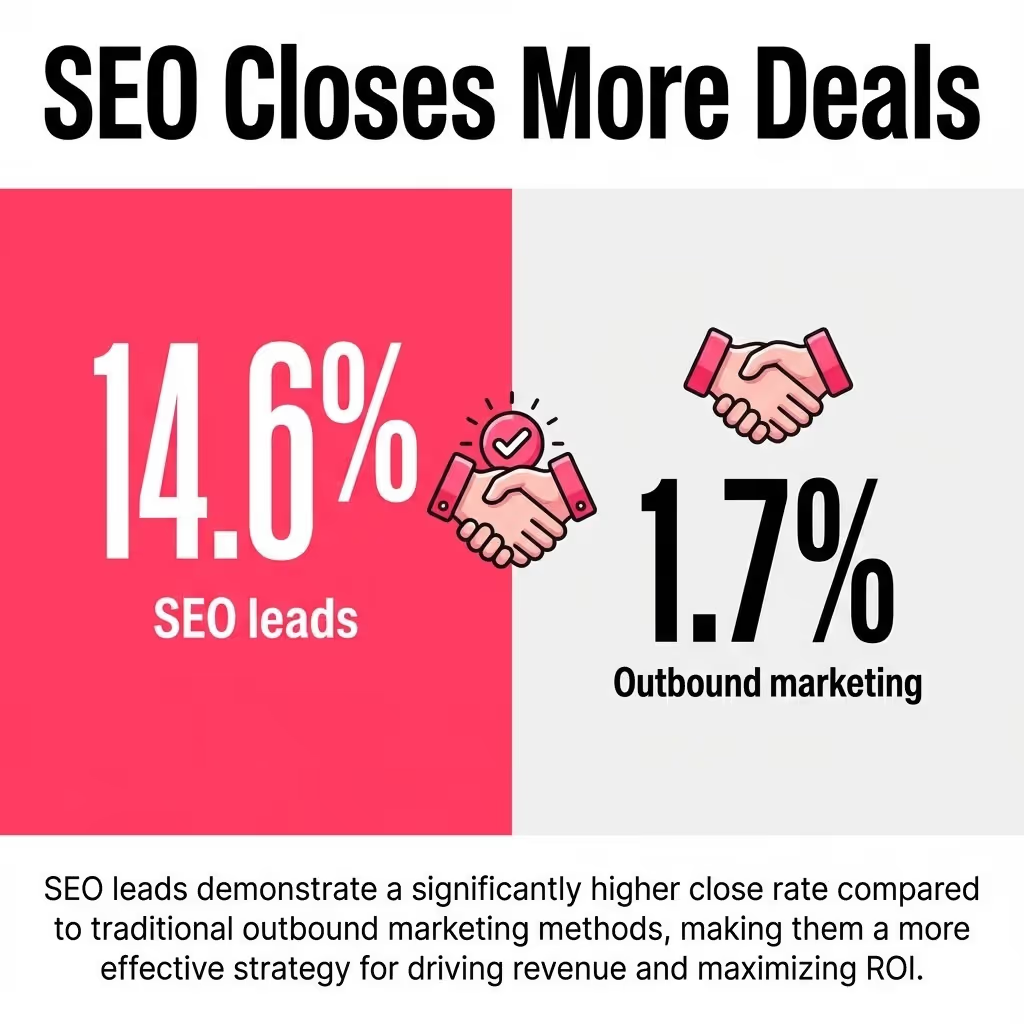
SEO leads close at 14.6% vs 1.7% for outbound — a core reason industrial distributors invest in organic.
Organic search positions your industrial catalog directly in front of B2B buyers who expect self-serve product research. They're searching for spec sheets and CAD files, not sales pitches.
I run SCUBE Marketing, where we help industrial and automotive parts distributors turn search traffic into qualified leads. The challenge with industrial e-commerce isn't generic SEO advice. It's translating technical product data into search visibility while maintaining the precision your customers demand.
This guide covers data-driven SEO tactics specifically for industrial e-commerce stores. You'll learn how to set up analytics infrastructure, conduct keyword research for technical products, optimize product and category pages, and measure what matters. Each section builds practical strategies backed by real performance data.
Data-driven SEO uses analytics, behavior tracking, and performance metrics to guide every optimization decision. Traditional SEO relies on best practices and assumptions. Data-driven SEO tests those assumptions against actual results.
For industrial distributors, this approach means tracking how engineers and plant managers actually search for products. You're measuring which technical specifications appear in search queries, which product attributes drive conversions, and which content formats generate qualified leads.
The distinction matters because industrial buyers behave differently than consumer shoppers. They need spec data, certifications, pressure ratings, and compatibility charts. A data-driven approach reveals exactly which information accelerates their purchasing decisions.
Your analytics platform becomes your competitive advantage. You're identifying high-intent technical keywords, measuring content performance by buyer persona, and attributing revenue back to specific SEO initiatives.
B2B buyers increasingly expect digital self-service throughout their research process. They're comparing specifications, downloading CAD files, and verifying certifications before contacting sales.
Industrial SEO reaches buyers during active purchasing cycles. Your organic presence positions your catalog when procurement teams are evaluating suppliers and engineers are specifying components.
The stakes justify the effort. Industrial transactions involve higher order values, longer buying cycles, and more technical evaluation criteria than consumer purchases.
Data-driven tactics help you optimize for the metrics that matter: qualified lead generation, technical content engagement, and conversion rate by product category. You're not chasing vanity metrics, you're measuring business impact.
Traditional SEO follows general best practices. Data-driven SEO tests which practices actually work for your specific industrial audience.
Traditional approaches recommend creating content around popular keywords. Data-driven strategies identify which low-volume technical terms generate qualified leads, even if search volume appears minimal.
The optimization cycle differs fundamentally. Traditional SEO implements changes based on industry standards. Data-driven SEO implements changes, measures results, and iterates based on performance data.
For industrial distributors, this means your keyword strategy targets niche technical phrases. You're optimizing for "304 stainless steel ball valves 2 inch" rather than generic "industrial valves."
Your content strategy shifts from broad educational pieces to specific application guides. You're answering precise questions about compatibility, specifications, and installation requirements.
Analytics reveals which product attributes matter most to searchers. You discover that buyers search for pressure ratings more than material grades, or that certifications appear in 40% of converting search queries.
This insight reshapes your page optimization priorities. You emphasize the attributes that drive conversions rather than guessing which specifications to highlight.
Behavioral data shows how different buyer personas navigate your catalog. Engineers spend time on technical specifications. Procurement managers focus on availability and lead times. You optimize content for both paths.
Data-driven SEO requires systematic testing. You implement changes to product page structure, measure impact on conversion rate, and scale successful patterns across your catalog.
Start with a small product subset. Test different approaches to presenting technical specifications. Measure which format generates more quote requests.
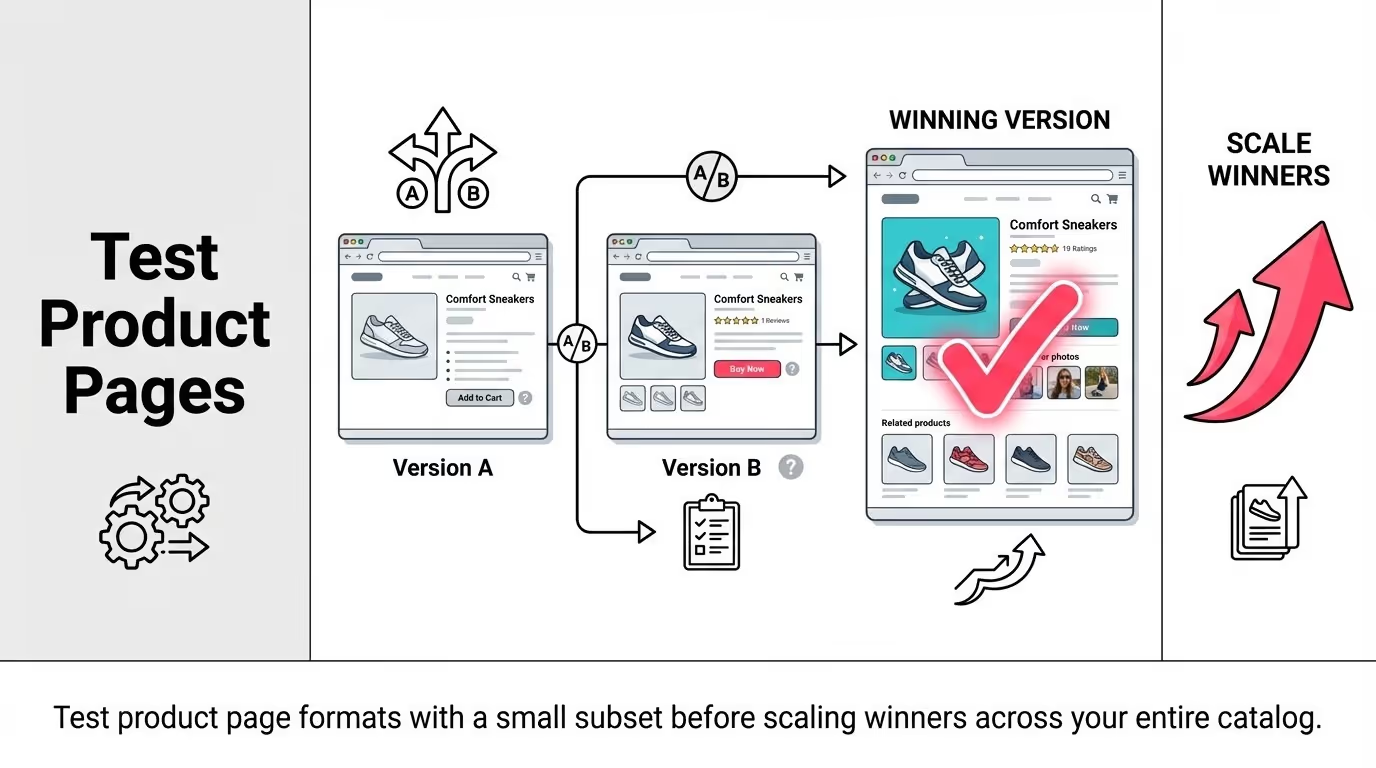
Start small, test spec layouts, and scale the winners across your catalog.
Roll out winning variations systematically. Your analytics platform tracks performance at scale and identifies opportunities for continued optimization.
Effective data-driven SEO requires collecting multiple data types. Each reveals different aspects of search performance and buyer behavior.
Keyword data shows what technical terms buyers actually use. Traffic data reveals which products and categories generate visibility. Conversion data connects search activity to business outcomes.
User behavior metrics demonstrate how visitors engage with technical content. Time on page, scroll depth, and CAD file downloads indicate content relevance.
Search query analysis identifies the specific technical language your buyers use. You discover they search for "NPT threaded fittings" rather than "pipe connectors."
Intent signals appear in query structure. Searches including "specifications," "CAD," or "certifications" indicate high buying intent. Searches with "difference between" or "how to choose" indicate earlier research stages.
On-site search logs provide rich first-party data. Track which product attributes users filter by, which terms generate null results, and which searches lead to conversions.
Organic traffic growth matters, but qualified traffic matters more. Measure traffic from technical keywords separately from generic brand searches.
Conversion rate by traffic source reveals search quality. Industrial SEO often generates lower volume but higher conversion rates than consumer e-commerce.
Track quote requests, technical document downloads, and contact form submissions. These micro-conversions indicate buyer progression through evaluation stages.
Page-level engagement metrics show which content formats work. Compare bounce rate and time on page between product listings with detailed specifications versus minimal information.
Your analytics infrastructure must capture the full buyer journey. Industrial purchases involve multiple touchpoints across weeks or months.
Start with Google Analytics properly configured for e-commerce tracking. Enable enhanced measurement to capture scroll depth, outbound clicks, and site search.
Connect Google Search Console to track search performance data. This shows exactly which queries trigger your product pages in search results.
Set up goals for key conversion actions. Track quote request form submissions, CAD file downloads, technical specification sheet views, and contact form completions.
Implement event tracking for technical content engagement. Measure when users expand specification tables, click compatibility charts, or download certification documents.
Configure custom dimensions to segment traffic by buyer persona indicators. Track whether visitors view pricing information, request quotes, or focus on technical specifications.
Link your CRM system to marketing analytics for closed-loop reporting. This attribution reveals which keywords and content pieces generate actual customers, not just traffic.
Import lead source data into your analytics platform. Tag organic search leads with the specific landing page and search query that initiated their journey.
Build dashboards that show SEO impact on pipeline value. Calculate customer acquisition cost by channel and demonstrate organic search ROI in business terms.
Our guide on e-commerce attribution models covers how to connect marketing touchpoints to revenue outcomes.
Industrial keyword research differs fundamentally from consumer product research. You're targeting niche technical terms with low search volume but high conversion intent.
Start with your existing product data. Extract technical specifications, part numbers, material grades, and certification standards. These become keyword research seeds.
Use Ahrefs or SEMrush to identify actual search queries containing your technical terms. Look for long-tail variations that include specifications, dimensions, and application contexts.

Ahrefs: find long-tail technical keywords, part numbers, and competitor gaps.
Industrial buyers search using precise technical language. "Hydraulic cylinder 3 inch bore 8 inch stroke" represents higher intent than "hydraulic cylinders."
Analyze competitor rankings for technical product terms. Identify gaps where competitors rank but you don't. Prioritize keywords where you stock the exact product but lack visibility.
Mine your site search logs for query patterns. Users searching your catalog reveal the exact terminology they expect. Null search results indicate keyword opportunities.
Look for problem-based and application-based queries. "Best valve for high pressure steam" and "corrosion resistant fittings for saltwater" indicate buying intent.
Score keywords on three dimensions: relevance to your catalog, buyer intent level, and competitive difficulty.
Prioritize product-specific terms where you have inventory depth. A distributor with extensive valve inventory should target every relevant valve specification combination.
Target competitor comparison keywords. "X brand vs Y brand valve" searches indicate active evaluation. Create comparison content that positions your offerings.
Focus on localized industrial terms when relevant. "Industrial valve supplier Chicago" combines product keywords with geographic intent.
Product pages are your primary conversion asset. Data-driven optimization focuses on the specific attributes that accelerate buying decisions.
Start by analyzing which product attributes appear most frequently in converting search queries. If "pressure rating" appears in 60% of searches that convert, make pressure ratings immediately visible.
Structure product data to answer technical questions directly. Use clear headings for specifications, dimensions, materials, certifications, and compatibility information.
Industrial buyers need comprehensive specification access. Include detailed technical tables covering all relevant attributes.
Provide downloadable resources prominently. CAD files, specification sheets, installation guides, and certification documents should be one click away.
Implement structured data markup for products. This helps search engines understand your technical specifications and can trigger rich results.
The impact of structured data is significant: pages with structured data earn roughly 25% more clicks.
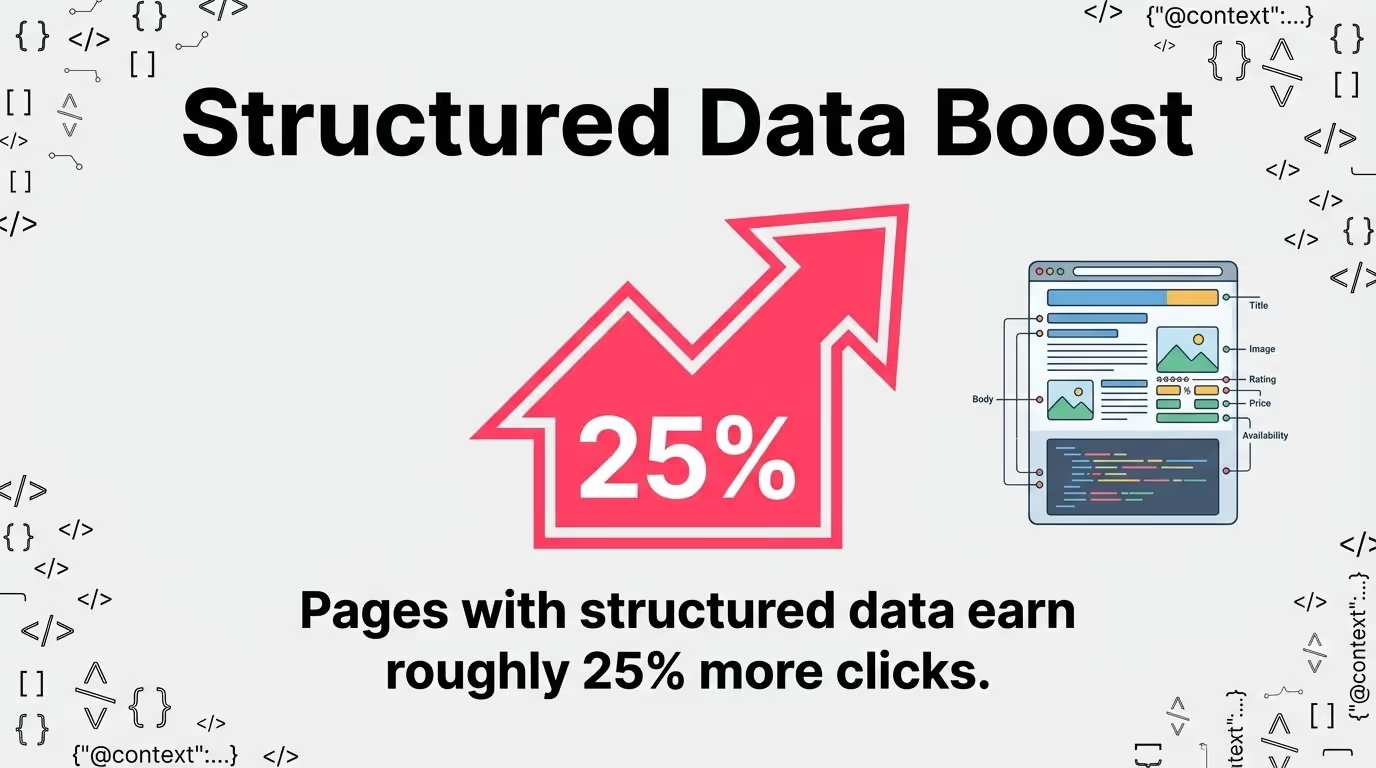
Structured data can lift CTR by ~25%, especially on spec-rich product pages.
Test different approaches to presenting technical information. Some buyers prefer detailed specification tables. Others want quick-reference bullet points.
Add application notes and compatibility information. "Works with X brand systems" or "Suitable for high-pressure steam applications" helps buyers self-qualify.
Include clear calls to action for quote requests. Industrial buyers often need custom pricing based on volume and specifications.
Track which product page elements correlate with conversions. Measure interaction rates for specification tables, CAD downloads, and compatibility charts.
Learn more about conversion rate optimization strategies that turn analytics into action.
Category pages capture broader product searches and guide buyers toward specific solutions. Your category architecture should reflect how industrial buyers think about products.
Organize categories by application, industry, or technical specification. "Valves for Chemical Processing" works better than generic "Industrial Valves" when buyers search with specific contexts.
Each category page needs unique content addressing buyer questions. Don't just list products with minimal descriptions.
Include overview content explaining product selection criteria. "How to Choose the Right Valve Type" helps buyers understand options.
Add comparison guides for products within the category. Engineers evaluating options appreciate clear specification comparisons.
Highlight key differentiators between product lines. Material differences, pressure rating ranges, and certification variations help buyers narrow choices.
Link to detailed application guides and technical resources. Position category pages as starting points for technical research.
Industrial buyers need robust filtering by technical specifications. Allow filtering by material, pressure rating, connection type, and certification.
Track which filter combinations users employ most frequently. This reveals priority specifications for your market.
Ensure filtered URLs are crawlable or use canonical tags appropriately. Avoid creating duplicate content issues while maintaining filter functionality.
Measure which filtered views generate the highest conversion rates. Optimize content and product selection for your most valuable category segments.
Technical SEO ensures search engines can crawl, understand, and rank your extensive product catalog. Industrial e-commerce sites often have thousands of product pages requiring efficient crawling.
Site speed impacts both search rankings and conversion rates. Technical buyers won't wait for slow specification sheets to load.
Optimize product images and technical drawings for fast loading. Use appropriate compression without sacrificing the detail engineers need for evaluation.
Create clear hierarchies from broad categories to specific products. Keep important product pages within three clicks of the homepage.
Implement strategic internal linking between related products and complementary items. Link from individual valves to compatible fittings and accessories.
Use descriptive anchor text that includes relevant technical terms. Link context helps search engines understand product relationships.
Build content hubs around major product categories. Create pillar pages covering category overviews with links to detailed product pages.
Check out our technical SEO quick wins for actionable improvements you can implement quickly.
Engineers and procurement managers research on mobile devices. Your technical specifications must be readable on smaller screens.
Use responsive tables that adapt to mobile viewports. Allow horizontal scrolling or stack columns appropriately.
Ensure downloadable resources work seamlessly on mobile. PDF spec sheets should be optimized for mobile viewing.
Test mobile page speed separately. Technical pages with detailed specifications can be particularly resource-intensive.
Content functions as a sales assistant in industrial markets. Your educational resources help buyers understand applications, solve problems, and make specifications decisions.
Focus content creation on high-intent topics from your keyword research. Application guides, troubleshooting articles, and specification comparisons drive qualified traffic.
Create how-to guides addressing specific technical challenges. "How to Select Check Valves for High-Temperature Applications" targets buyers with immediate needs.
Build content around specific industries and use cases. "Oil and Gas Pipeline Components" speaks directly to buyers in that sector.
Include detailed technical specifications in content. Don't simplify to the point of removing useful information.
Add structured FAQs to content pages. This targets question-based searches and provides quick answers.
Link content pieces to relevant product categories. Every application guide should connect readers to applicable products in your catalog.
Analyze your site search queries for content opportunities. Frequently searched questions indicate topics buyers need addressed.
Review customer support inquiries for common technical questions. Create content that preemptively answers these questions.
Track which content pieces generate the most qualified leads. Double down on formats and topics that drive business outcomes.
Measure content engagement by buyer persona proxies. Technical content that resonates with engineers shows different engagement patterns than procurement-focused pieces.
Local search visibility matters for industrial distributors with physical locations or regional service areas.
The data supports this focus: 72% of consumers use Google Search to find local businesses.
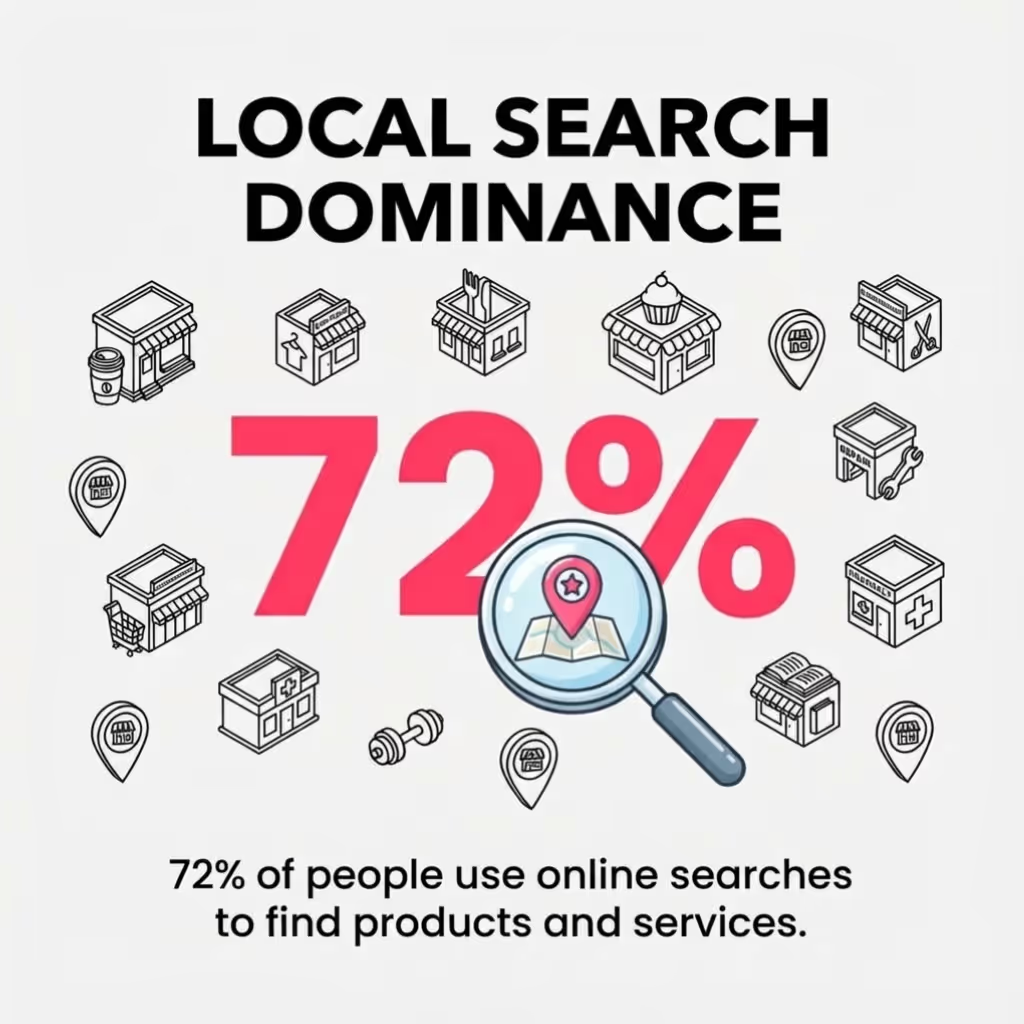
Local search drives discovery: 72% use Google to find local businesses.
Optimize your Google Business Profile with accurate categories, complete business information, and regular updates. Include photos of your facility, inventory, and team.
Create location pages for each service area or branch. Include local inventory information, regional certifications, and area-specific contact details.
Build local citations across industry directories and supplier databases. Consistency in NAP (name, address, phone) information strengthens local rankings.
Encourage customer reviews from satisfied industrial buyers. Reviews build credibility and influence local search rankings.
Target localized industrial keywords. "Hydraulic hose supplier Denver" combines product terms with geographic intent.
Create content addressing regional industrial needs. "Corrosion-Resistant Materials for Coastal Manufacturing" targets specific geographic challenges.
Participate in local industry associations and events. Earn backlinks from regional manufacturing groups and trade organizations.
Build relationships with local industrial buyers through valuable content and reliable service. Local reputation translates to search visibility.
Data-driven SEO requires consistent measurement and iteration. Track metrics that connect directly to business outcomes.
Monitor organic traffic growth by product category. Identify which categories generate increasing visibility and which need optimization attention.
Track keyword rankings for your priority technical terms. Focus on terms that drive qualified traffic rather than vanity metrics.
Measure lead quality by source. Calculate close rates for organic search leads compared to other channels.
Track conversion rate by landing page type. Compare product pages, category pages, and content pages to identify your highest-converting entry points.
Analyze the buyer journey from first search to conversion. Understand how many touchpoints precede a purchase decision.
Calculate customer lifetime value by acquisition channel. Industrial customers often represent significant long-term value.
Our guide on Google Analytics for lead generation covers the essential metrics worth tracking.
Implement monthly SEO audits reviewing technical health, content performance, and competitive positioning.
Test page layout variations on a rolling basis. Try different approaches to specification presentation and calls to action.
Expand successful content topics. When an application guide drives qualified leads, create related pieces covering adjacent topics.
Review competitor activity quarterly. Identify new keyword targets and content opportunities based on market shifts.
Understanding competitor search visibility reveals opportunities and gaps in your strategy.
Use tools like Ahrefs or SEMrush to analyze competitor rankings. Identify which technical keywords they rank for that you don't.
Review competitor product page structures. Note how they present specifications, what technical resources they provide, and how they structure calls to action.
Find keywords where competitors rank but you have superior inventory depth. These represent quick wins with existing product advantages.
Identify content gaps where competitors provide resources you lack. Application guides, comparison tools, and technical calculators may give them advantages.
Analyze competitor backlink profiles. Which industry organizations and technical resources link to them? Pursue similar relationships.
Track competitor content publication frequency and topics. Stay aware of their content strategy without simply copying approaches.
Building authoritative links in the industrial sector requires different tactics than consumer markets. Learn more through our link building tactics guide.
Search behavior is evolving as AI tools reshape how buyers research products. The shift is already significant: nearly 60% of US shoppers use AI tools like ChatGPT or Gemini to assist purchases.

Nearly 60% of US shoppers use AI tools to assist purchases — prepare your content for AI citations.
Generative Engine Optimization requires positioning your content as a trusted source for AI-generated answers. Clear structure and authoritative information increase citation likelihood.
Organize technical content with explicit headings and well-defined sections. AI systems extract information more effectively from clearly structured pages.
Provide direct answers to technical questions. Use clear, concise statements that AI systems can confidently cite.
Include comprehensive specification data in accessible formats. Structured data helps AI tools extract and present your product information.
Build authoritative backlinks from industry sources. AI systems consider source authority when selecting information to cite.
Create unique, well-researched content addressing specific technical topics. Generic or thin content gets overlooked in favor of detailed resources.
Optimize for both traditional search rankings and AI answer inclusion. These objectives align more than they conflict.
Monitor how AI tools present information about your products and industry. Track whether your content gets cited or recommended.
Adapt content structure based on how AI systems extract and present information. Test different formats to improve citation rates.
Stay current with evolving AI search capabilities. The integration of AI into search continues developing rapidly.
Effective data-driven SEO requires the right analytics and optimization tools. Your technology stack should support comprehensive tracking and analysis.
Core analytics platform: Google Analytics provides essential traffic and conversion tracking. Configure enhanced measurement and custom events for industrial-specific actions.
Search performance tracking: Google Search Console shows exactly which queries drive impressions and clicks. Monitor search performance trends and identify optimization opportunities.
Keyword research platforms: Ahrefs or SEMrush help identify technical keywords and competitive gaps. Their databases include niche industrial terms.
Technical SEO auditing: Tools like Screaming Frog crawl your product catalog identifying technical issues. Regular audits maintain site health as catalogs expand.
Rank tracking software: Monitor positions for your priority technical keywords. Track category-specific visibility and competitive movements.
Heat mapping and session recording: Tools like Hotjar show how users interact with product pages. Identify where visitors struggle with technical information.
Connect your e-commerce platform, CRM, and analytics tools for unified reporting. Track the complete journey from search query to closed deal.
Implement marketing attribution software to allocate credit appropriately. Industrial buying cycles involve multiple touchpoints across extended timeframes.
Build custom dashboards showing SEO impact in business terms. Report on pipeline value, lead quality, and customer acquisition cost.
Automate reporting for efficiency. Focus analysis time on insights rather than data compilation.
Detailed coverage of industrial SEO product data strategies shows how to connect technical content to lead generation outcomes.
Data-driven SEO transforms your industrial e-commerce site into a lead generation engine. You're no longer guessing which optimizations matter. You're measuring impact and doubling down on what works.
Start with analytics infrastructure. You can't optimize what you don't measure. Set up tracking for technical content engagement, quote requests, and specification downloads.
Focus keyword research on high-intent technical terms. Target the specific language engineers and procurement managers use when actively sourcing components.
Optimize product pages around the attributes that matter most. Use data to identify which specifications accelerate buying decisions, then make that information prominent.
Create application-focused content addressing real technical challenges. Position your catalog as the solution to specific industrial problems.
Measure everything in business terms. Track leads, conversion rates, and customer value by channel. Demonstrate SEO ROI clearly.
The industrial buyers are searching right now. They're comparing specifications, downloading CAD files, and evaluating suppliers. Your data-driven SEO strategy ensures they find you first.
Start with one product category. Implement these tactics systematically. Measure results. Then scale successful patterns across your entire catalog.
Your technical expertise deserves matching search visibility. Data-driven optimization makes it happen.