

Many manufacturing companies manage huge amounts of product information, including SKUs, specs, dimensions, materials, and compatibility details. But much of it never appears in search results because the pages are not formatted in a way search engines can clearly read and understand.
Many industrial companies invest heavily in redesigns and catalog systems, yet competitors with simpler sites keep generating qualified leads. The gap is rarely design. It is how product data is translated into pages that match real searches.
Buyers search with precision, not curiosity. They enter exact specifications, part numbers, and standards. Strong industrial SEO connects product fields to real queries through technical SEO, clean page templates, and solid search engine optimization basics. This guide explains how to structure product data, match pages to buyer intent, and turn organic search traffic into quote requests.
Industrial buyers do not browse like consumers. They do not impulse buy. They search with exact requirements, then validate fit. That is why seo for industrial companies focuses on precision queries, not broad awareness content.
An engineer searching for a hydraulic cylinder already knows bore size, stroke length, and pressure. That specificity shapes how search engines should interpret the page. Consumer SEO often targets top funnel discovery, while industrial search engine optimization targets bottom funnel queries tied to purchasing.
Product data becomes the content strategy. Every spec field is a keyword opportunity. With structured pages and schema, search results can show key attributes directly. For many industrial businesses, the winning approach is building many narrow pages that match real buying terms, supported by effective industrial seo strategies that prioritize conversion over volume.
B2B buyers search in clear stages. Early on, they use broader terms like “industrial valve types” or “bearing selection guide” or ”loading dock construction.” These queries reflect learning, comparing options, and setting initial requirements for industrial companies.
Mid stage searches add context and constraints. Queries like “gate valve vs ball valve chemical applications” or “deep groove ball bearing load capacity” or ”dock construction vs yard ramp vs dock lift” show buyers narrowing their options. These pages should cover tradeoffs, performance limits, and fit criteria in clear technical language.
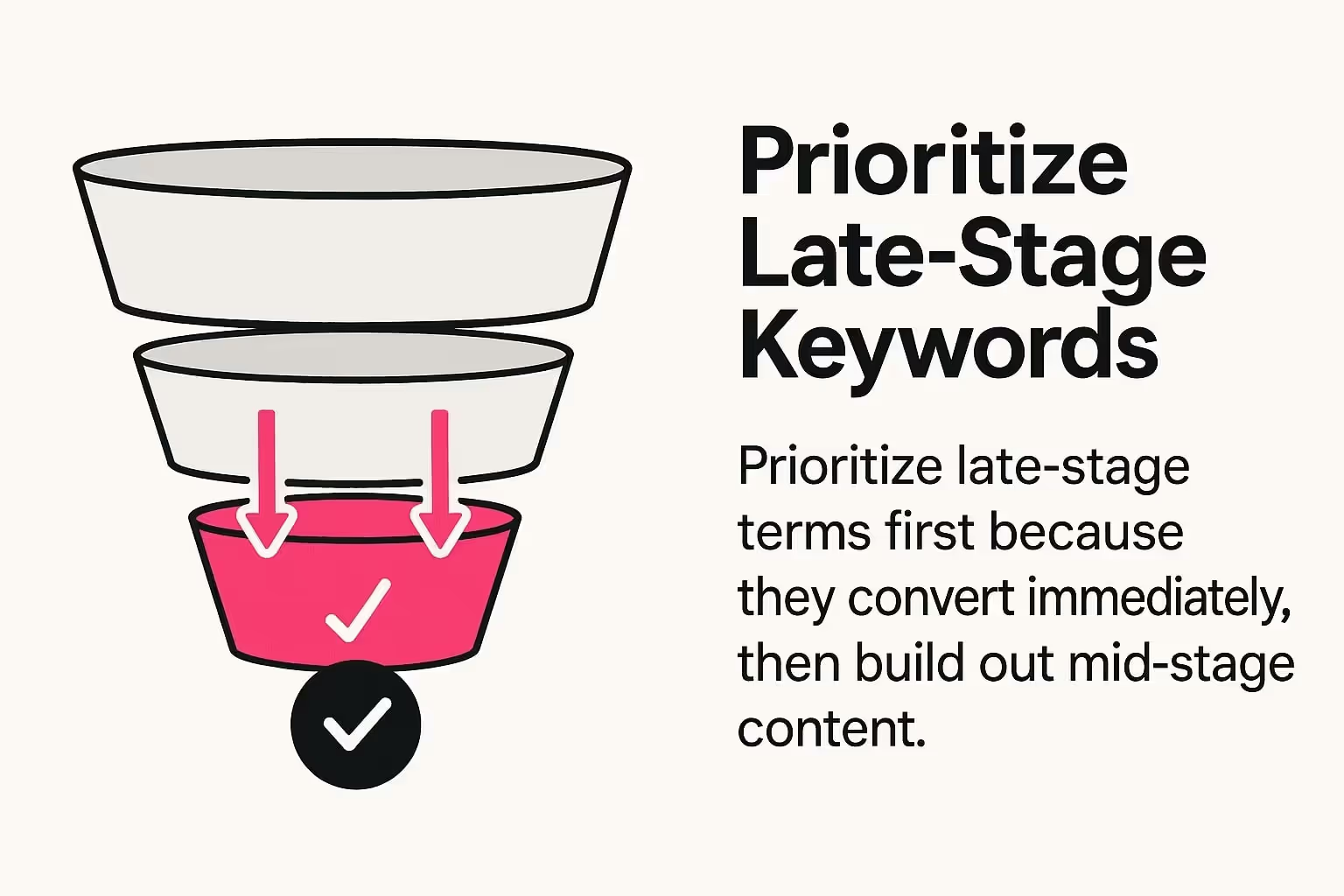
Late stage searches include exact specifications and part numbers. Examples include “316 stainless steel gate valve 6 inch 150 psi” or “6205 bearing SKF equivalent” or ”8000 lbs warehouse dock lift.” These are high intent searches where qualified leads happen. Many manufacturing companies under invest here. Strong industrial seo builds product and variant pages that match exact combinations, then confirms performance with specs, drawings, and compliance details.
Different queries reflect different buyer stages. Early stage searches include “how to,” “types,” and general category terms. This content should educate without forcing a product pitch, while still supporting industrial seo relevance.
Mid stage keywords combine specifications with real use cases. A query like “high temperature hydraulic seals food processing” signals evaluation for a specific operating environment. These pages should include application limits, material guidance, and clear selection criteria that reinforce effective seo strategies.
Late stage keywords are highly specific. Part numbers, exact dimensions, material grades, and standards. These terms convert the fastest and should be handled first. Build scalable product templates for sizes and configurations, then track performance in Google Search Console to see which variants drive organic search conversions. When a buyer searches for an exact spec match, the correct page should appear. That is where quote requests and calls begin.
Industrial buyers follow predictable patterns that can be mapped into a repeatable site structure. The specification search is the most valuable. It includes exact dimensions, materials, voltages, pressure ratings, and standards. These queries should land on detailed product and variant pages.
The comparison search includes “A vs B,” “alternative to brand X,” and “equivalent to.” These pages work best when they are factual, transparent, and supported by measurable attributes. The goal is credibility and technical clarity.
The application search pairs a product type with an industry or use case. The replacement search includes competitor part numbers and interchange requests. The troubleshooting search uses problem language tied to performance failures. Strong industrial search engine optimization covers each pattern with dedicated content types, internal linking, and consistent templates. Many industrial businesses also benefit from seo services that build these systems at scale without creating thin, repetitive pages.
Effective keyword research in manufacturing seo prioritizes specificity over volume. A low volume keyword searched by procurement and engineering teams can outperform a high volume term that attracts unqualified traffic. The goal is more qualified leads, not more clicks.
Start with the catalog. Every product name, model number, spec field, and standard becomes a seed. Combine base terms with specifications to form real queries like “centrifugal pump 50 gpm 230v” or “316 stainless pump housing.” Each combination can become a page target.
Use sales data to refine language. Quotes, order forms, and customer emails reveal how buyers describe needs. Then validate performance using Google Search Console and expand around winners. When capacity is limited, a specialized seo agency or industrial seo companies can support scaling through industrial seo services and seo services without bloating pages. The focus stays on effective industrial seo strategies that align product data to real searches.
The right tools help uncover keywords competitors miss in the manufacturing industry. Start with first party data. Google Analytics shows which pages already capture demand, while Google Search Console highlights the queries driving impressions, clicks, and average positions in search results.
Competitive platforms like Ahrefs and SEMrush expose gaps in rival coverage. They show which product terms and spec combinations bring traffic to other manufacturing websites. That insight supports a cleaner seo strategy without chasing irrelevant volume.
Industry sources matter more than generic tools. Industry directories like Thomasnet and GlobalSpec, plus association terminology, reflect how engineers actually search. Internal site search is equally valuable. It shows what visitors try to find and where the site fails. Those missed searches often reveal the fastest opportunities to generate leads.
Organize keywords by product category and buyer stage. This structure makes keyword research actionable and helps prioritize pages that produce qualified leads rather than casual traffic.
Build a spreadsheet with keyword, intent, buyer stage, target page, and commercial value. Add margin or average order value when available. That creates a roadmap the sales team can align with, especially in long sales cycles where multiple stakeholders validate specifications.
Group close variants together. For example, “stainless steel valve 2 inch,” “2 inch SS valve,” and “valve 316SS 2in NPT” can map to one page. Prioritize by business value, not volume. Start with long tail terms that match ready to buy searches, then expand into broader terms using effective seo strategies.
With keyword targets set, transform product data into content search engines can index and understand. Many manufacturing companies still rely on PDFs or catalog systems that hide specifications. That limits visibility in search results and slows down the path to qualified leads.
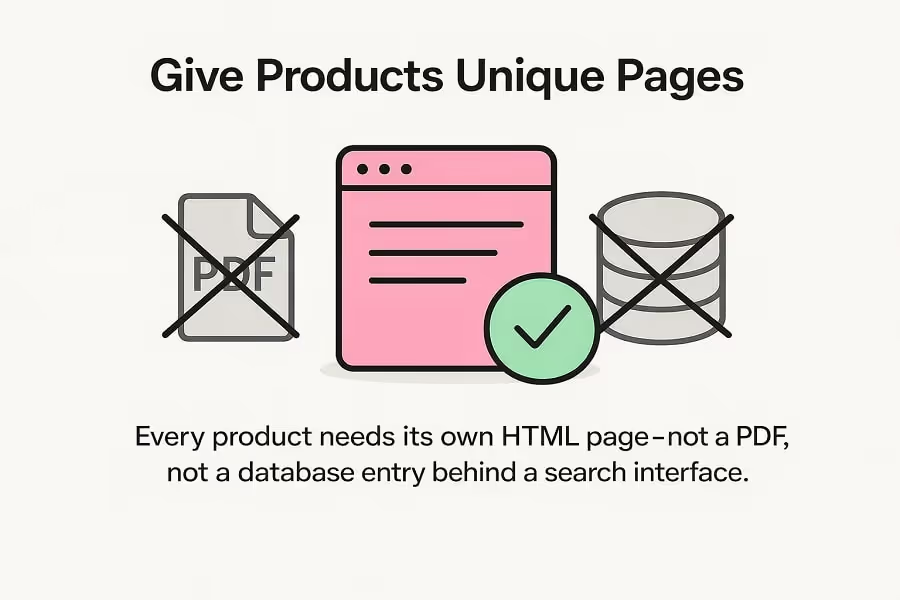
Every product needs a crawlable HTML page with a unique URL. Not a PDF. Not a database result behind filters. Strong web development supports clean templates, consistent URLs, and internal linking so pages can rank and help generate leads across long sales cycles.
Use the table below to prioritize what to fix first on manufacturing websites as part of a clear seo strategy and manufacturing seo rollout.
Technical content should serve engineers and search engines without feeling forced. Use accurate terminology and keep the writing tight. Precision builds trust and keeps pages useful throughout the buying journey.
Include specifications in natural sentences. For example, “2 inch NPT threaded connection with 150 PSI working pressure” reads cleanly and adds context. Add short FAQ sections that answer real technical questions around selection, compatibility, and operating limits.
Support the buyer journey with internal links. If a visitor lands on a valve page, link to compatible fittings, seals, and installation guides. This strengthens topical relevance and improves navigation across the sales process. For higher intent local queries, a strong Google Business Profile and credible content marketing can reinforce authority, especially when buyers validate suppliers during long sales cycles.
Use this checklist for every product page that gets optimized. Consistency matters more than perfection across large manufacturing websites.
Product pages drive bottom funnel traffic. Content marketing reaches buyers earlier in the research phase and supports long sales cycles that are common in the manufacturing industry.
Manufacturing content is not built for viral reach. It is built to solve engineering problems and strengthen online visibility in search results. Strong content strategy creates durable assets that attract qualified traffic and help generate qualified leads.
Technical guides, application stories, and comparison pages work because they match how industrial buyers evaluate options. Gated resources like whitepapers and calculators can support lead generation when forms stay simple and aligned to the sales process. Interactive selectors and ROI calculators lift conversions and capture higher intent leads.
Different formats support different stages of the buyer journey. Technical guides and whitepapers work for early research and help generate leads before specs are finalized.
Case studies and application stories build credibility with technical buyers. Engineers trust evidence over claims, so results and constraints matter. Detailed writeups support industrial search engine optimization and help attract qualified leads.
Product selectors, comparison charts, and short videos help buyers navigate complex catalogs. These assets reduce friction and improve conversion rate optimization by answering questions faster. Video demos and install clips also help explain technical steps that text cannot. When these formats are connected to relevant product and service pages, they support effective industrial seo strategies without bloating the site.
Creating content is only half the job. Distribution gets it in front of the right buyers and helps grow organic traffic over time.
The website should be the hub for search optimization. Each piece should live on the domain first to build authority and improve search rankings. Email also performs well when segmented by industry and application so content stays relevant.
LinkedIn can reach B2B audiences, especially when targeting job roles in the manufacturing space. Industry publications and associations can drive referral traffic and strengthen authority. Avoid channels that do not match buyer behavior. Distribution should focus where industrial buyers research and validate suppliers during long buying windows.
A strong content plan needs a strong technical foundation. Technical seo ensures search engines can crawl, index, and understand the site, which improves search visibility for large catalogs.
Site structure matters for manufacturing websites with many products. Keep products within three clicks of the homepage and organize categories logically. Use clean, descriptive URLs that reflect hierarchy and help users understand where they are.
Page speed and mobile usability affect rankings and conversions. Engineers often search from phones on job sites. Fix broken links, redirect retired products properly, and submit an XML sitemap in Google Search Console. These basics reduce crawl waste and support ongoing optimization across the catalog.
Large catalogs require planning. A clear hierarchy helps buyers browse and helps search engines interpret relationships between categories, subcategories, and products.
Category pages should target broader terms, while product pages target specific specs. This structure supports manufacturing seo and prevents the site from relying only on blog content. It also makes internal linking more predictable.
Faceted navigation needs control. Filters help buyers but can create duplicate pages that dilute search results performance. Use canonical tags and index controls to manage this. Build internal links between related products and guides so buyers can complete tasks without getting stuck. Strong internal structure supports the sales cycle by moving users from research into action.
Run through this checklist quarterly to maintain technical seo health on manufacturing websites and protect search visibility in search results.
Many manufacturing companies serve regional markets, so local seo matters. Location queries like “supplier near me” or “industrial valve supplier Chicago” signal immediate intent.
A complete Google Business Profile supports local rankings. Keep hours, services, photos, and contact info accurate, and respond to online reviews. Local trust signals influence how buyers shortlist suppliers.
Build consistent citations across business listings and industry directories, plus chambers and trade groups. NAP consistency supports local map visibility. Add location cues in titles, meta content, and body copy when relevant. Location specific pages can help multi region coverage. This supports discovery during long buying windows when buyers compare nearby suppliers and validate credibility.
If multiple facilities exist, each location needs its own strategy. Create separate location pages with unique content, contacts, and coverage areas for each facility.
Set up separate Google Business Profile listings for each address as part of industrial strength marketing. Google expects distinct profiles for physical locations. Avoid merging locations into one listing because it weakens local relevance for industrial brands and local target keywords.
Build local links and relationships for each facility. Partnerships, sponsorships, and local publications can strengthen trust and improve visibility. Link each location page to relevant category and service content so buyers can move from location intent to product evaluation. This supports the sales process and improves conversion paths for regional demand.
Authority signals still matter. Backlinks from reputable sources help search engines trust the site and strengthen competitive search rankings in the industrial sector.
Start with industry directories and manufacturer association listings. These links also send referral traffic from buyers researching suppliers. Focus on quality. One link from a respected association beats many low value links.
Contribute technical articles to trade publications. Partner with complementary manufacturers for co marketing without direct competition. Sponsor events where buyers participate. Build linkable assets like calculators, specification explainers, and comprehensive guides. Avoid link schemes and low quality directories. The goal is trust, relevance, and long term authority growth.
The best links arrive when content becomes a reference. Original research, benchmark summaries, and technical comparisons earn citations from industry writers and partners.
Comprehensive guides also attract editorial links. A well structured technical resource becomes something others cite when explaining a concept. Data visuals, diagrams, and infographics can make complex topics easier to reference.
Fast commentary on industry changes can earn links quickly. When regulations, standards, or supply constraints shift, timely analysis can be cited by journalists and trade sites. Pair these efforts with strong structured data and clean on page basics to help pages perform. Editorial links work best when the content is genuinely useful and easy to reference.
Performance tracking links effort to outcomes. Google Analytics shows how visitors move through the site, while Google Search Console shows how queries generate impressions and clicks in search results.
Track metrics that map to business value. Organic landing page traffic, keyword rankings, conversion rates, lead sources, and lead quality should be measured. Define conversions clearly, such as quote requests, form submissions, phone calls, and downloads.
Call tracking can connect offline inquiries to pages and campaigns. This helps measure which topics and pages produce outcomes, not just traffic. Tracking must reflect long sales cycles so reporting focuses on pipeline and assisted conversions, not only same day conversions.
More leads do not always mean better results. Track lead quality by fit, industry, and buying role so efforts prioritize qualified leads instead of noise.
Tag leads by source and check which pages bring buyers who fit the target accounts in a manufacturing business. Track which leads become customers, not just who fills out a form. This shows what the marketing team is doing that actually drives revenue, beyond traditional SEO and paid ads.
Calculate acquisition cost by channel and compare against alternatives like paid ads. Monitor time to conversion because B2B cycles are long. These measures set realistic expectations and support better planning. When lead quality is tracked consistently, it becomes easier to improve page focus, content targeting, and conversion paths.
Reporting should connect SEO to outcomes. Avoid vanity metrics that do not support the business. Report organic growth, ranking movement, leads generated, and lead to customer conversion.
Use year over year comparisons because SEO compounds. Month to month swings can be misleading, especially in seasonal demand cycles. Year over year shows true progress.
Translate rankings into value. Instead of only reporting position, show how a term contributes to pipeline and customer value. Highlight pages that drive conversions, then expand those patterns across similar categories. Reporting should help decisions. It should guide what gets optimized next, not just summarize what happened.
Once fundamentals are stable, advanced tactics can add leverage. Use structured data like JSON-LD for products, organizations, and reviews so search engines interpret content more accurately.
Topic clustering can build authority. Create pillar pages for core topics, then link supporting content back to those hubs. This strengthens relevance signals and improves internal linking logic across the site.
International SEO matters when multiple regions are served. Use hreflang and region specific content when regulations and specs differ. Video SEO can support product visibility and improve engagement. Voice search optimization can help local and question based queries. These are most effective seo strategies when the site already has clean templates, strong content, and stable technical health.
Competitor analysis reveals missed opportunities. Review competitor backlinks to find sites linking to them but not to the business. Those sites may be open to better resources or partnerships.
Identify keyword gaps where competitors rank and the site does not. These often become fast wins when the content already exists but needs better coverage. Use gap analysis to prioritize the highest value terms.
Study competitor formats and topics. See what guides, calculators, or comparison pages drive traction. Then adapt the approach with stronger accuracy and better structure. Track competitor movement monthly and investigate changes when rankings shift. Competitive intelligence works best when it feeds an actionable backlog.
Scaling works when repeatable systems exist. Template successful product and category patterns, then replicate across the catalog. This reduces effort and improves consistency.
Automation can handle monitoring. Use tools for ranking alerts, crawl issues, and competitor tracking. That frees time for strategy and higher value work. A consistent publishing schedule also supports authority growth more than sporadic content pushes.
Train internal teams. Product managers and engineers understand specs better than external writers. Basic guidelines for on page seo and templates help them contribute without breaking quality. If outside help is needed, choose the right seo partner that understands industrial buying and avoids generic tactics.
Industrial seo works when product data is treated as content that matches real searches. Every spec, technical note, and application detail can support discovery in organic search and improve performance across an industrial website.
Many manufacturing companies hide specs in PDFs, rely on generic descriptions, and ignore high intent long tail queries. Better structure, stronger on page optimization, and clean meta tags improve search visibility and help generate qualified leads consistently across industrial sites.
Start with the highest value products. Optimize those pages first, track results, then scale. A focused seo audit helps prioritize fixes that matter most for industrial clients. This is a long game. Strong SEO becomes an asset that supports the sales cycle month after month. The manufacturers that win are not always the biggest spenders. They make it easiest for buyers to find exactly what they need, verify fit, and request a quote through creating high quality content and disciplined digital marketing.
The 80/20 rule suggests a small set of SEO actions drives most outcomes. For most industrial companies, the highest impact work usually comes from improving product and category pages that capture bottom-funnel searches, not only publishing broad blog posts.
To generate leads, optimize product pages for exact specs, add clear calls to action, and use gated resources that support the buying journey. Track conversions, then expand the patterns that produce qualified leads and sales conversations.
ChatGPT can support content drafting and workflows, but it is not a standalone lead engine. Lead capture depends on forms, offers, marketing automation, and follow up systems connected to the CRM and sales team.
Start by turning top revenue products into crawlable HTML pages with complete specs, clear descriptions, and strong on page optimization. Avoid hiding specs in PDFs, use clean meta tags, and track results in organic search. Then scale the same approach across similar products using a focused SEO audit to prioritize what matters most for industrial clients.
Early movement usually shows up in 60 to 90 days, but meaningful lead impact takes longer.
Industrial catalogs rely on precision. Pages need to align with exact queries, specs, and use cases. That work compounds slowly, then stabilizes.
The delay is not just indexing. It’s trust. Search engines need to see consistent signals across products, categories, and internal linking before rankings hold.
Both, but they do different jobs.
Product pages capture exact-match demand. Category pages organize broader queries and guide discovery.
Most teams underinvest in category structure. That creates gaps where buyers search by type, application, or spec range and find competitors instead.