

Digital marketing for manufacturers is not complicated, but many companies still approach it the wrong way. They continue putting budget into trade shows and traditional outreach while competitors improve search visibility, generate qualified leads online, and build a stronger digital presence.
The manufacturers seeing the best results today take a disciplined approach. They use data-driven manufacturing marketing, control their spending carefully, and focus on digital channels that directly support lead generation and revenue. Manufacturers that commit to effective digital marketing strategies consistently outperform those that still depend too heavily on traditional marketing methods.
This guide explains the core digital marketing system manufacturers need to compete more effectively. It covers which digital marketing tactics are most likely to improve ROI, how to measure marketing effectiveness, and how to allocate a manufacturing marketing budget more efficiently. The focus is on helping manufacturing companies connect digital marketing for manufacturers directly to lead generation, sales performance, and revenue growth.
The manufacturing industry does not work like a consumer market. Sales cycles are longer, products are more technical, and buyers need more detail before making a decision. That is why digital marketing for manufacturers matters so much today.
Traditional marketing still has value, but the buying process now starts online. Buyers compare suppliers, review case studies, read educational content, and check specifications through search engines and other digital channels before they ever contact a company.
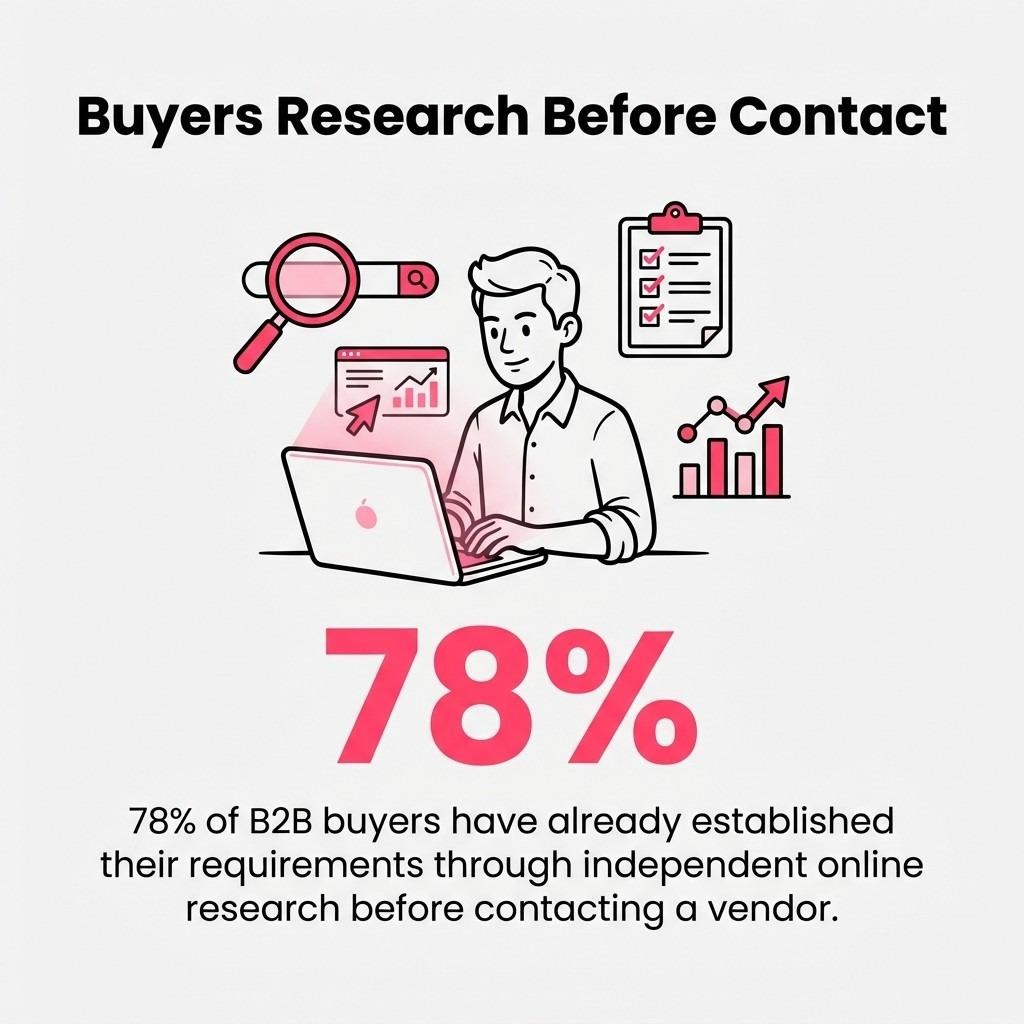
In fact, B2B buyer statistics show that 78% of buyers define their requirements through independent online research before reaching out to a vendor. If your business is not visible at that stage, it may already be excluded. Digital marketing for manufacturers helps build visibility, trust, and stronger positioning before the first sales conversation begins.
Manufacturing buyers do not make impulse decisions. Their buying process is structured, research-heavy, and often spread across months. The average sales cycle for manufacturing transactions extends to 130 days.
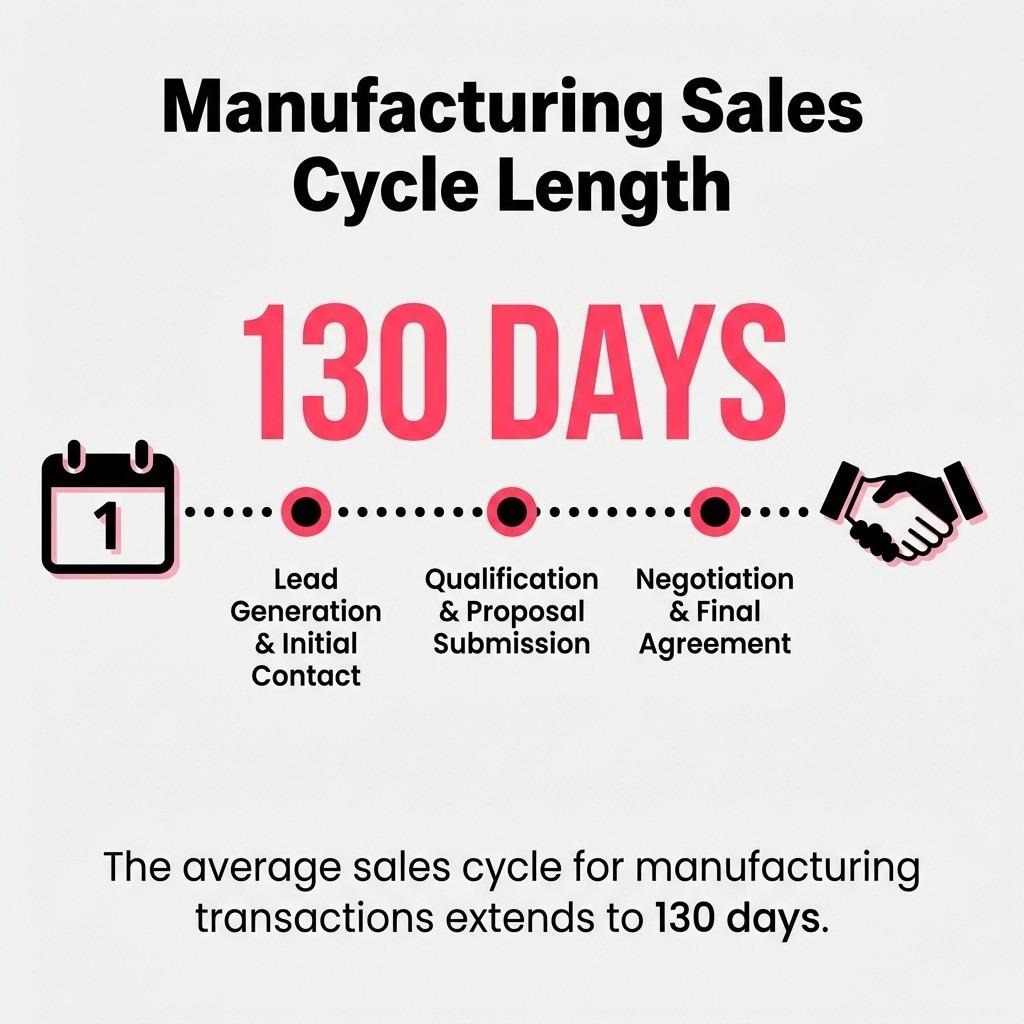
That is more than four months from first interaction to signed deal. Any successful manufacturing digital marketing strategy has to support buyers through that full journey, not just the final conversion point.
At the awareness stage, buyers are identifying a challenge. Maybe production efficiency is slipping. Maybe downtime is increasing. Maybe quality issues are affecting output. Search behavior is broad at this stage, with queries like “reduce production downtime” or “improve manufacturing efficiency.”
This is where educational content becomes valuable. Blog posts, guides, and problem-focused resources help manufacturing companies appear in search results early. Strong content marketing at this point does not push for an immediate sale. Instead, it demonstrates expertise, supports online research, and starts building customer engagement.
Once buyers understand the problem, they move into solution research. Search terms become more specific. They begin looking for product types, technical capabilities, certifications, and solution comparisons.
This stage requires deeper content. Technical documentation, comparison pages, service pages, and detailed product information all matter here. Manufacturers need search engine-optimized content that answers real questions from industrial buyers. Specifications, processes, quality standards, and certifications should be easy to find. This is where a strong manufacturer SEO strategy and manufacturing website optimisation start to influence lead generation directly.
At the decision stage, buyers are comparing specific vendors. They search company names, review testimonials, examine case studies, and look for proof that a supplier can deliver.
This is where credibility becomes critical. Customer success stories, measurable results, testimonials, and detailed case studies can help move buyers through the sales funnel. A professional website, clear conversion paths, and easy access to contact details all reduce friction in the sales cycle. At this point, digital marketing tactics must reinforce trust and make the next step obvious.
The journey does not end when the contract is signed. In the manufacturing sector, customer retention matters because relationships often last for years. Digital marketing also plays a role here.
Email marketing campaigns can share updates, educational content, and product support. Social media marketing can keep your brand visible. Useful resources help customers get more value from what they purchased. Satisfied customers often become a source of repeat business, referrals, and stronger customer loyalty.
Before launching campaigns, manufacturers need a reliable foundation. Without that, even the best digital marketing tools and proven digital tactics will struggle to deliver results.
Your website is the center of the entire digital marketing program. Every campaign, whether it is SEO, Google Ads, LinkedIn marketing for manufacturers, or manufacturing email marketing, eventually sends visitors there.
Many manufacturing websites are still built around internal preferences instead of buyer needs. They often focus more on company image than the actual industrial buying process, which creates unnecessary friction for prospective customers.
A strong site should make product details, technical information, certifications, and contact options easy to find. Clear navigation and fast access to important pages improve the user experience and support digital marketing for manufacturers by helping buyers move through the sales process more smoothly.
Mobile performance also matters. Engineers and procurement teams often review suppliers on phones or tablets during work hours. Slow load times, oversized images, and poor design can hurt both website traffic and search engine optimization. SSL certificates, trust signals, and visible certifications also help build a stronger online presence.
Many manufacturers lose leads because the next step is unclear. Some visitors want to speak to sales immediately. Others are still doing online research and need educational content first.
That is why multiple conversion paths make sense. Strong manufacturing lead generation digital systems usually include:
The most effective digital marketing strategies remove friction from every stage of the buying process. Track which conversion paths perform best, then refine them over time.
The right marketing automation manufacturing stack turns scattered marketing efforts into a structured system. A strong Customer Relationship Management (CRM) system keeps lead generation, sales follow-up, and pipeline visibility organized in one place.
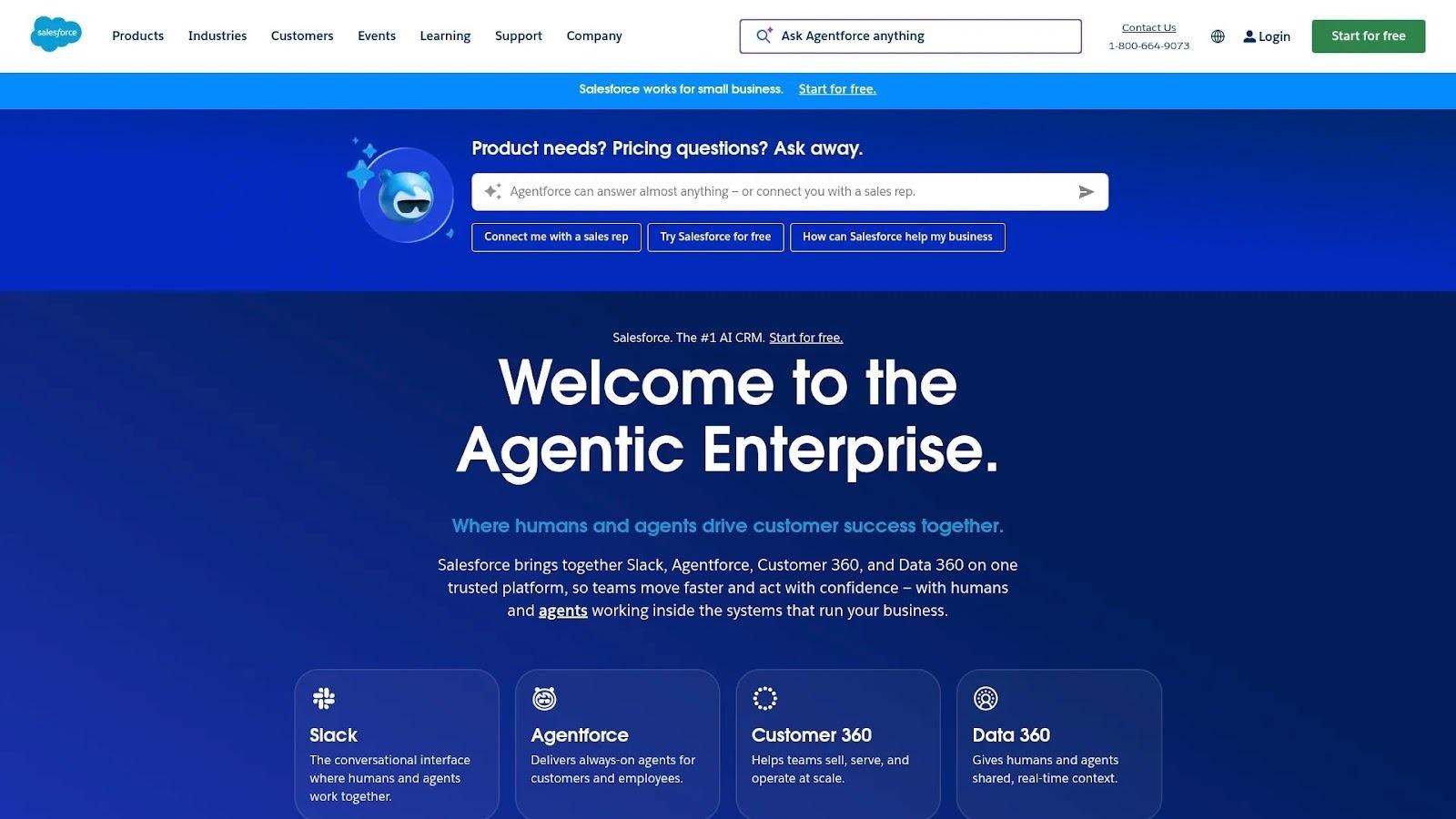
Email marketing platforms support segmentation, automation tools, and lead nurturing across long sales cycles. Email automation with Mailchimp helps manage templates, campaigns, and analytics efficiently.
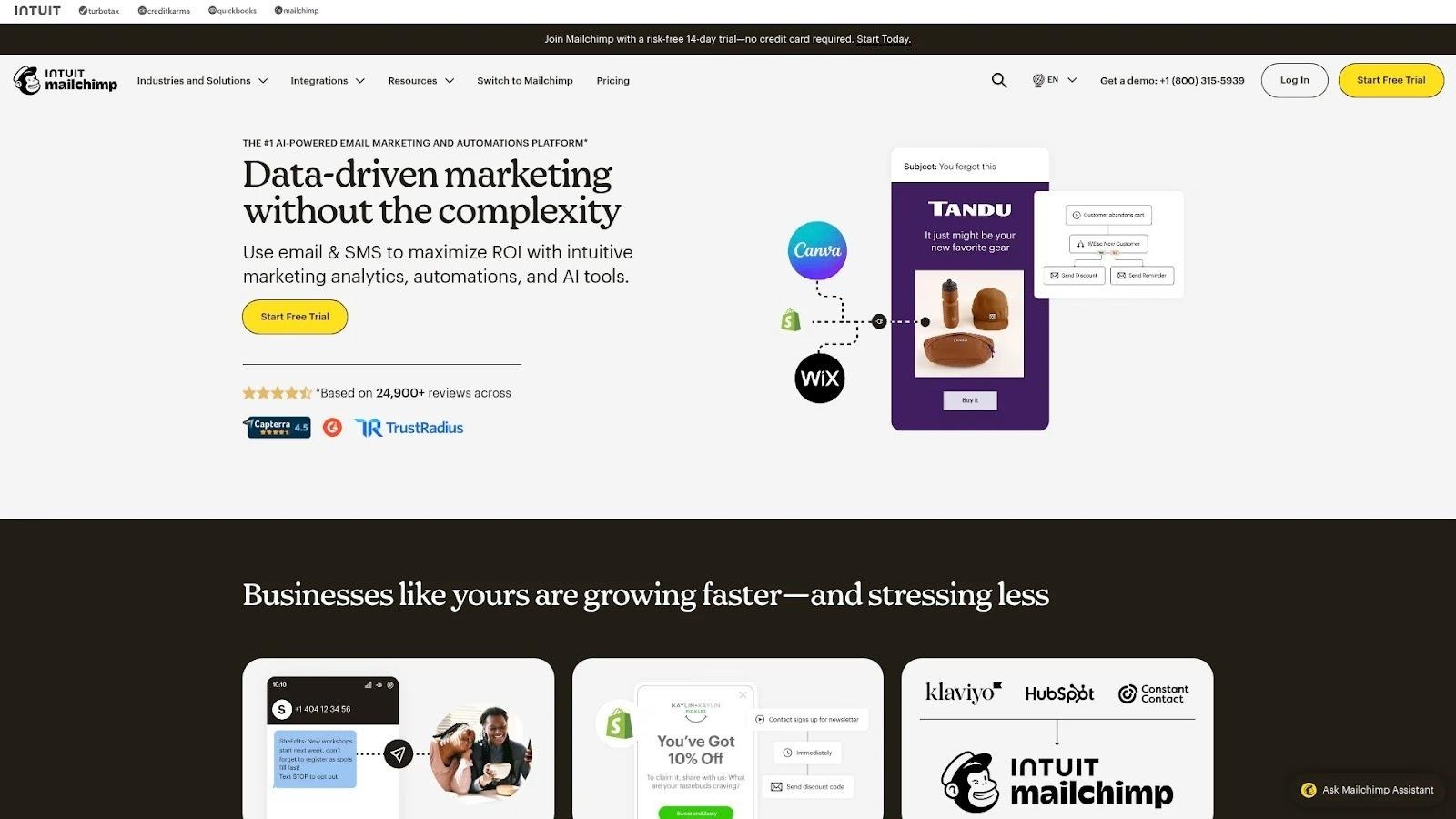
Analytics tools show where website traffic comes from, which digital channels generate leads, and where budget is wasted. Marketing automation connects everything through lead scoring and triggers. Start with core digital tools first, then scale once the system proves effective.
Search engine optimization continues to offer some of the best long-term returns in digital marketing for manufacturers. According to SEO vs. PPC Statistics, SEO converts at three times the rate of PPC advertising in manufacturing and distribution.
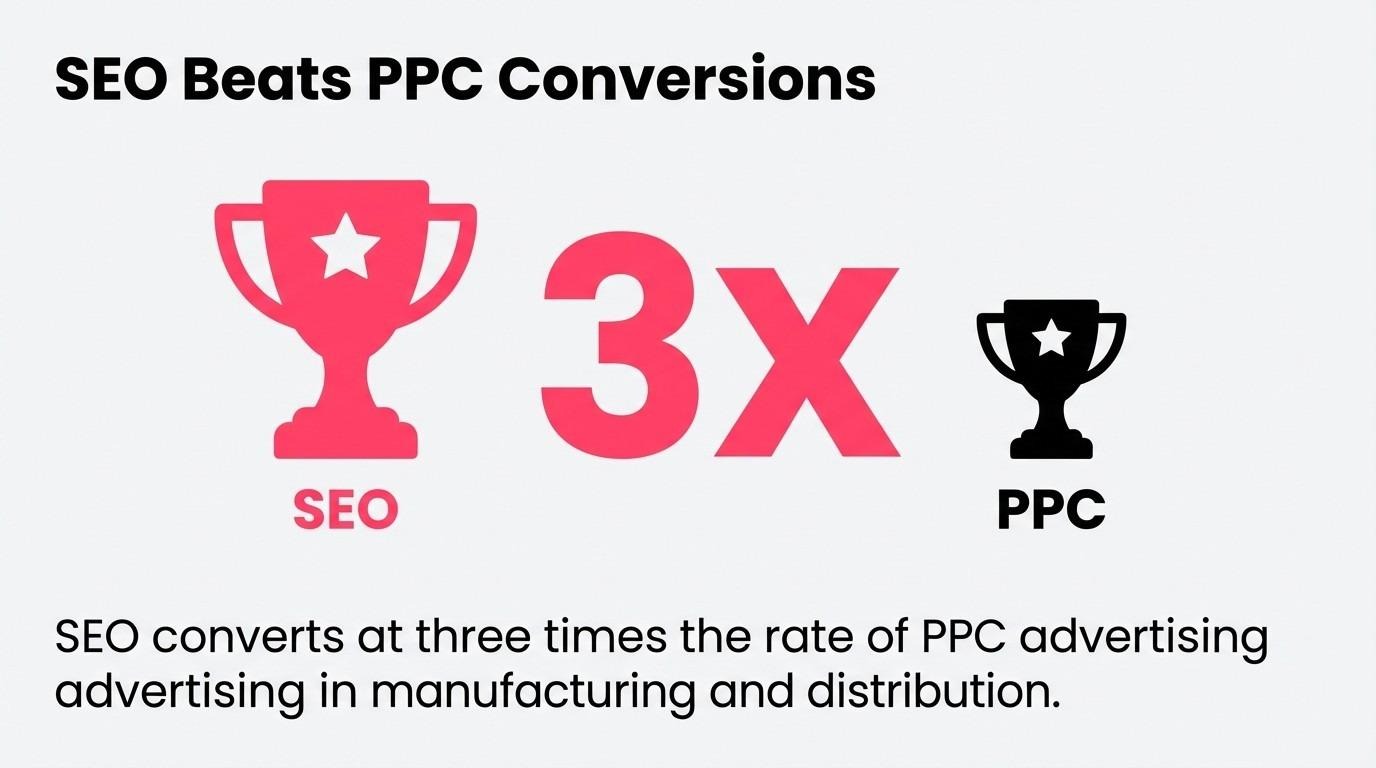
The main drawback is that SEO is slower than PPC. It takes time to improve rankings and start getting consistent traffic. But once your website ranks well, it can keep bringing in qualified leads without ongoing ad spend. That makes SEO a strong long-term strategy for industrial digital marketing.
Manufacturing SEO is different from consumer SEO. Search volume is usually lower, but intent is often much stronger. The focus should be on the terms industrial buyers actually use during online research. Specific phrases like “precision CNC machining services” are far more valuable than broad or vague terms. Long-tail queries often bring in more qualified leads because they match buyers deeper in the buying process.
Competitor research is also valuable. Reviewing what similar manufacturing companies rank for can reveal content gaps and keyword opportunities. Tools like Ahrefs and SEMrush help uncover search demand, ranking difficulty, and keyword intent.

Our long-tail industrial keywords guide provides detailed strategies for finding these high-intent search terms that convert.
Technical SEO issues can quietly weaken otherwise strong digital marketing efforts. If search engines cannot properly crawl, index, or interpret the site, performance will suffer.
Common issues include:
Mobile usability is now essential because search engines evaluate mobile versions first. Schema markup also helps search engines understand products, reviews, and business information more clearly, which can improve visibility and strengthen a manufacturer SEO strategy.
SEO for manufacturers depends heavily on strong content marketing. Product pages should include unique descriptions, technical specs, and supporting data sheets. Service pages should explain capabilities in detail, show certifications, and reinforce trust. Blog content should target broader questions and support early-stage inbound marketing.
The goal is to create search engine optimized content that speaks directly to the target audience and supports every stage of the industrial buying process. Link building still matters too, especially in a competitive industry. Links from trade associations, industry publications, and relevant directories can support authority and improve rankings.
For manufacturers in specialized sectors, data-driven SEO tactics can significantly improve search visibility and lead generation.
Manufacturing content marketing works because industrial buyers need information before making decisions. They do not respond well to shallow messaging. They want clarity, expertise, and proof.
That makes content one of the best digital marketing tactics for manufacturers trying to generate leads and demonstrate expertise. While B2C brands often focus on entertainment or volume, B2B manufacturing marketing depends on depth, relevance, and trust.
Technical documentation answers specific questions and supports prospective customers during research. How-to articles simplify complex topics and demonstrate real expertise. Educational content helps attract early-stage buyers and strengthens inbound marketing across the full sales funnel.
Case studies are essential because they show real-world results. The best ones clearly explain the challenge, the solution, and measurable outcomes. White papers also support lead generation by offering deeper insights into industry trends and technical topics, especially for niche audiences.

Video adds clarity by showing equipment and processes in action. In manufacturer digital marketing, it can increase brand awareness by 93% and improve understanding. Product comparison pages also guide buyers, helping them evaluate options and move toward a confident decision.
Good content only works when it reaches the right audience. Email marketing remains one of the most effective digital marketing strategies for manufacturers because it supports segmentation, lead nurturing, and customer retention. Content should align with subscriber behavior and their stage in the buying process.
LinkedIn marketing for manufacturers is equally important. Decision-makers, engineers, and operations professionals actively use the platform. Sharing valuable insights, updates, and thought leadership content helps increase reach and strengthen customer engagement.
Industry publications and paid promotion can expand visibility further. Combining organic and paid digital marketing tactics ensures your content reaches the right industrial buyers faster and more effectively.
For manufacturers in niche markets, our content marketing guide for traditional industries shows how to make technical content engaging.
Content should not be published and ignored. The strongest digital marketing program is built on ongoing measurement. Track which content drives website traffic, which assets generate qualified leads, and which pages influence pipeline movement. Monitor key performance indicators such as conversion rate, time on page, assisted conversions, and lead quality. Google Analytics and other digital marketing tools make that possible.
Then improve what is already working. Refresh older content with updated statistics, new sections, stronger formatting, and better keyword targeting. That type of data-driven manufacturing marketing helps content perform better over time and improves overall manufacturing marketing ROI.
While SEO is a long-term play, PPC for manufacturers can create visibility much faster. Paid search allows manufacturing companies to appear in front of buyers immediately and target specific commercial-intent searches.
The challenge is that clicks are often expensive. In a competitive market, poor targeting can burn through a marketing budget quickly. But when done well, PPC becomes a reliable source of manufacturing lead generation digital growth.
Google Ads works best when it targets buyers with strong purchase intent. That means focusing on keywords tied to products, services, and solution-seeking behavior rather than informational searches only.
Keyword strategy matters a lot here. Terms like “buy precision grinding services” or highly specific service-related searches are more likely to bring in qualified leads. Match types should be selected carefully to reduce waste. Negative keywords are equally important because they stop ads from appearing on irrelevant searches.
Ad copy should reflect the priorities of industrial buyers. Mentioning certifications, technical capabilities, turnaround time, or specific expertise can improve relevance. Landing pages should also align directly with the ad message. That consistency improves conversion rates and supports stronger manufacturing marketing ROI.
LinkedIn ads are highly valuable for B2B manufacturing marketing because they target professionals based on job title, industry, company size, and other business data. This level of precision helps reach the right industrial buyers during active work hours.
That targeting makes LinkedIn marketing for manufacturers especially effective for account-based marketing, high-value campaigns, and awareness among decision-makers. Sponsored content can place educational or thought leadership content directly into feeds, while lead gen forms reduce friction and improve conversions.
Although LinkedIn ads cost more per click than Google Ads, the higher audience quality often justifies the investment, especially when focusing on qualified leads.
Most buyers in the manufacturing sector do not convert on their first visit. The sales cycle is long, and decisions take time. Retargeting ads and manufacturing campaigns help keep your brand visible while buyers continue their research.
Not every visitor should see the same message. Someone who views product pages needs different ads than someone reading top-of-funnel content. Segmenting audiences based on behavior improves relevance and helps nurture leads more effectively through the buying process.
Frequency control is also important. Repeating the same ad too often creates fatigue. Testing new creatives, refining targeting, and adjusting messaging improve performance. Retargeting remains one of the most effective digital marketing tactics for consistent lead generation.
Email marketing remains one of the highest-return channels in digital marketing for manufacturers. Email marketing delivers approximately $36 ROI for every $1 spent.
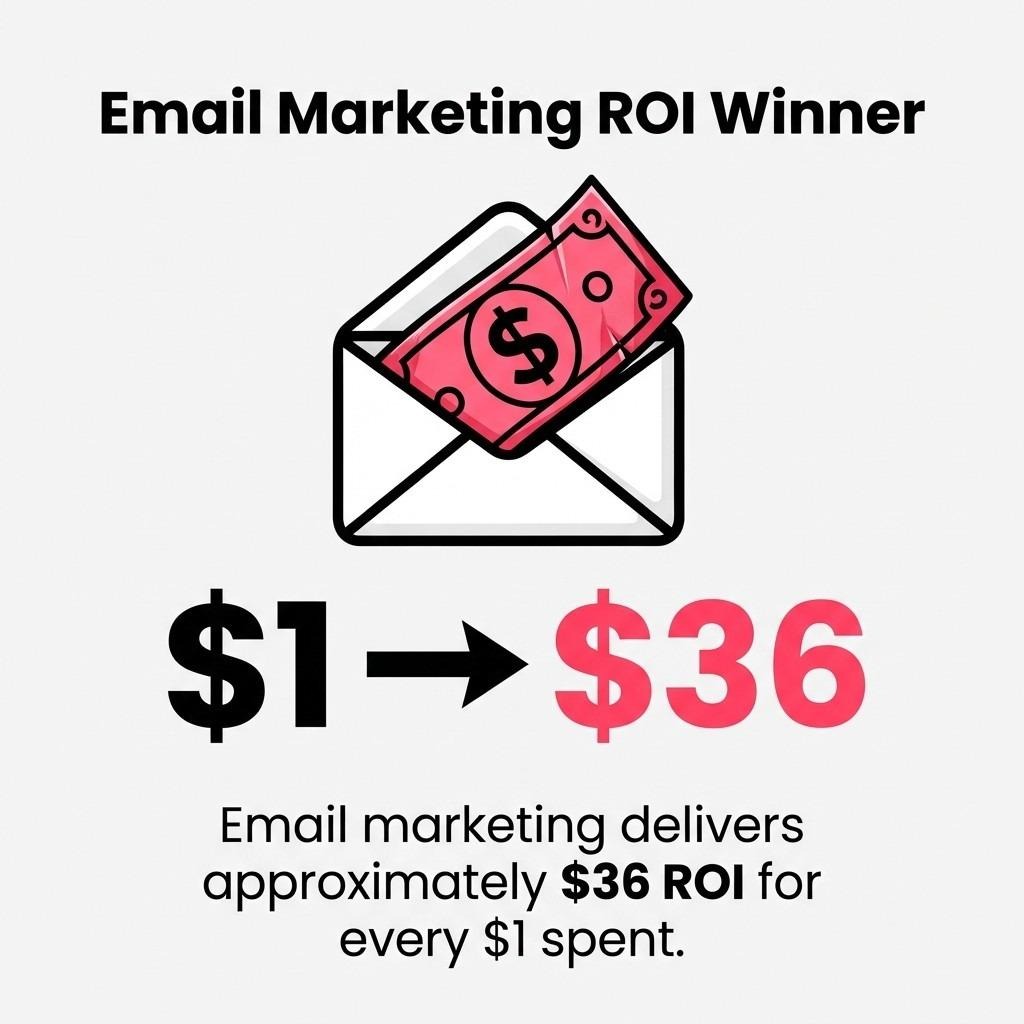
That kind of return is possible because B2B email marketing supports long sales cycles, repeat engagement, and lead nurturing at scale. But performance depends on relevance. Industrial buyers get flooded with emails every day. If the message does not provide value, it gets ignored.
The best email lists are built with intent, not speed. In B2B manufacturing marketing, quality always matters more than quantity because the goal is to reach the right industrial buyers, not just more contacts.
Website opt-in forms are highly effective for capturing interested visitors. Offering value like technical guides, case studies, or industry reports aligns with how buyers conduct online research. Trade shows also support list growth, but timely follow-up is critical to connect offline interactions with your digital marketing efforts.
Content upgrades work well when they match the topic a visitor is already exploring. One rule remains clear: never buy email lists. Poor data and low intent can damage trust and hurt long-term results.
Manufacturing email marketing works best when campaigns align with the buyer’s journey and relationship stage. Welcome series should introduce your company, set expectations, and highlight valuable educational content for new subscribers.
Newsletter campaigns maintain consistent communication by sharing updates, product news, and industry insights in a clear, easy-to-scan format. Nurture campaigns support a strong manufacturing digital marketing strategy by guiding prospects through the sales funnel with relevant content at each stage.
Product announcement emails help existing customers stay informed and create upsell opportunities. Re-engagement campaigns bring inactive subscribers back with useful content, but if they remain unresponsive, it is better to remove them to protect overall performance.
Strong email results come from continuous testing and refinement. Subject lines matter first because they decide whether an email gets opened. Keep them under 50 characters, highlight a clear benefit, and test different variations. Specific, value-driven subject lines usually perform better than vague ones.
Email open rates for manufacturing emails average around 37.36%, based on manufacturing marketing stats. If results fall below this level, review subject lines, sender reputation, and audience targeting. Small adjustments in these areas can improve performance.
Design also plays a key role. Most B2B buyers check emails on mobile devices, so layouts should be simple and easy to read. Segmentation is equally important. Tailoring content by role, interest, and stage in the buying process improves engagement. Data-driven testing ensures ongoing improvement.
Social media marketing helps manufacturing companies stay visible during long buying cycles. It supports brand visibility, demonstrates expertise, and keeps your business in front of prospective customers even when they are not ready to speak with sales yet.
Many manufacturers underestimate social media because they assume their products are too technical or not visually interesting enough. In reality, buyers in the manufacturing industry often respond well to useful, authentic content, especially when it shows real work, real people, and real capabilities.
LinkedIn is the most important platform for B2B manufacturing marketing because that’s where decision-makers, engineers, and procurement professionals spend time. It plays a key role in building a strong online presence and staying visible during the buying process.
A well-managed company page builds credibility, but content quality matters more than frequency. Sharing educational content, technical insights, customer success stories, and industry trends helps demonstrate expertise and attract the right audience.
Employee advocacy can extend reach significantly, as personal profiles often generate more engagement. LinkedIn articles also support thought leadership. Alongside posting, active engagement through comments and discussions helps build stronger customer connections and trust.
YouTube is a powerful but often underused digital channel for manufacturers. Industrial buyers rely on video during online research because it helps them understand products, equipment, and processes more clearly than text alone.
Product videos highlight capabilities through real demonstrations, making it easier to communicate function, quality, and value. How-to content also works well for attracting early-stage buyers by offering practical guidance and building authority through inbound marketing.
Factory tours help build trust by showing your team and production environment. Customer testimonial videos add strong social proof, allowing real clients to explain results and experiences in a more convincing way than traditional marketing messages.
Behind-the-scenes content works well because people are naturally interested in how things are made. Showing production processes, equipment setups, or quality checks makes complex work easier to understand and builds transparency.
Technical tips also add value. Sharing insights on materials, manufacturing methods, and quality standards helps position your team as knowledgeable and credible within the manufacturing industry.
Employee spotlights bring a human element to your brand. Industry news commentary supports thought leadership when you add meaningful insights. Customer success stories remain one of the strongest formats, combining real results with credibility across social media marketing and broader manufacturing content marketing.
Marketing automation helps manufacturers manage repetitive communication, improve lead generation, and support long sales cycles more effectively. When the sales process stretches across months, manual follow-up alone is not enough.
For many manufacturing companies, automation tools make it possible to nurture leads at scale, score engagement, and surface stronger opportunities to the sales team at the right moment.
Lead scoring helps identify which prospects are most likely to convert and supports better manufacturing lead generation. Demographic scoring focuses on firmographic data like company size, industry, location, and job title. A decision-maker at a large industrial company carries more value than a low-intent visitor.
Behavioral scoring tracks engagement across digital channels. Website visits, email opens, content downloads, and demo requests all indicate intent. The more engaged a prospect is, the higher their score should be.
Negative scoring filters out low-quality leads such as competitors or irrelevant roles. Setting clear thresholds ensures the sales team is alerted at the right time, improving response speed and conversion chances.
Nurture campaigns should align with where the prospect is in the buying process. Early-stage nurture should focus on educational content. The goal is to build trust, answer questions, and support inbound marketing without pushing too hard for the sale.
Mid-stage nurture can introduce solutions more directly. Case studies, product comparisons, and capability-focused content help prospects evaluate options. Late-stage nurture should remove objections. Testimonials, detailed specifications, ROI information, and demo offers can help move leads into sales conversations.
Trigger-based emails are especially effective. If someone downloads a guide, a follow-up email with related case studies makes sense. If they spend time on pricing or service pages, that activity can trigger a sales alert or a more sales-focused nurture step.
Marketing automation works best when fully connected to the CRM. Lead data captured through forms should feed directly into the sales pipeline. That reduces manual work and lowers the chance of lost opportunities.
At the same time, sales updates should flow back into marketing systems. If a lead is marked unqualified, they should not keep receiving the same promotional emails. If a deal closes, that contact should move into customer-focused campaigns.
Closed-loop reporting is one of the biggest benefits here. It shows which campaigns generate pipeline, which digital marketing tactics influence deals, and where future budget should go.
Measurement is what separates random marketing efforts from a successful digital marketing strategy. Manufacturers need to know what is working, what is underperforming, and what deserves more investment.
Too many teams still focus on vanity metrics. Traffic alone does not prove value. Social followers do not guarantee revenue. The metrics that matter are the ones tied to lead generation, pipeline, and sales.
Lead generation metrics should come first. Track total leads, cost per lead, lead source, and lead quality. These numbers show whether your digital marketing efforts are attracting the right target audience and generating real opportunities.
Conversion metrics reveal how efficiently your system works. Website conversion rate, landing page performance, email click-through rate, and form completions show how well interest is turning into action across your digital channels.
Revenue and pipeline metrics confirm business impact. Marketing-sourced revenue, customer acquisition cost, and lifetime value measure ROI, while marketing-qualified leads, sales-accepted leads, and deal velocity show if marketing is supporting the sales process effectively.
Attribution matters because buyers often interact with multiple digital channels before converting. First-touch attribution shows what brought someone into your funnel. Last-touch attribution shows what pushed them to convert. Multi-touch attribution spreads credit across the full buyer journey.
For most manufacturers, starting with first-touch and last-touch models is practical. More advanced attribution can come later as systems mature.
Reporting should answer useful questions, not just display numbers. Executive dashboards should focus on revenue, ROI, and progress toward goals. Campaign dashboards should compare channel performance and identify what is driving results. Sales enablement dashboards should help the sales team act faster by showing lead activity and engagement history.
Regular review matters. Dashboards should be checked weekly at minimum so the marketing team can adjust tactics based on actual performance. For a structured approach to analyzing your marketing performance, our 3x3x3 analytical framework helps identify optimization opportunities.
A smart digital marketing plan for manufacturers depends on budget discipline. Most manufacturers start by allocating 5% to 7.5% of revenue to marketing, then adjusting based on growth goals.
Digital channels usually deserve the largest share because they are measurable, flexible, and easier to optimize than traditional marketing methods. Website and SEO investment support long-term visibility. PPC for manufacturers creates immediate traffic. Content marketing builds authority. Email marketing and social media marketing support lead nurturing and customer retention. Marketing automation and analytics tools make the full system more efficient.
Manufacturers also need to decide whether to build in-house, hire marketing agencies, or use a hybrid approach. In-house teams offer control and deep product knowledge. Agencies bring specialized expertise and faster execution. A hybrid model often works best because it balances control with access to proven skills.
Digital marketing for manufacturers keeps evolving as technology and buyer behavior change. Industrial buyers rely more on online research, digital channels, and data-driven decisions. A successful digital marketing strategy today depends on adapting quickly, improving customer engagement, and using the right digital tools to stay competitive.
AI is improving how manufacturing companies run digital marketing efforts. Chatbots handle early inquiries, predictive analytics helps identify high-intent prospects, and content marketing becomes faster with AI-assisted tools. AI-driven traffic doubled from February to May 2025, which shows how quickly search behavior is shifting.
Personalization is also improving. AI tracks behavior across the sales funnel and delivers content based on user intent. This strengthens inbound marketing, improves lead scoring, and supports better marketing automation manufacturing systems. Still, human expertise remains essential. AI should support decision-making, not replace it.
Account-based marketing is effective for manufacturers targeting specific high-value accounts. Instead of focusing on volume, ABM prioritizes quality by aligning marketing and sales around defined target accounts.
Start by identifying your ideal target audience and researching decision-makers. Build campaigns that speak directly to their needs. Focus on metrics like account engagement, deal size, and pipeline velocity instead of total leads.
Platforms like Demandbase and 6sense make it easier to identify target accounts and trigger personalized marketing tactics based on behavior.
Voice search is changing how industrial buyers use search engines. Queries are becoming more conversational and question-based. This affects how manufacturers approach search engine optimization.
Focus on natural language queries and create FAQ-style educational content. Structure pages clearly so they can appear in featured snippets. Local search also matters. Searches like “precision machining near me” are becoming more common, so maintaining accurate business details and a strong online presence is important.
Even with a strong marketing strategy, many manufacturing companies repeat the same mistakes that reduce marketing effectiveness.
Digital marketing for manufacturers requires consistent investment. Running campaigns with a small marketing budget usually leads to weak results. Many companies expect fast returns and stop too early.
A better approach is to commit to at least 6 to 12 months, track key performance indicators, and refine marketing tactics over time.
Mobile usage continues to grow in the manufacturing sector. Engineers and procurement teams often review suppliers on mobile devices. Poor mobile performance reduces website traffic and damages user experience.
Test your website on real devices. Check forms, navigation, and product pages. Fix issues quickly to maintain a strong digital presence.
Publishing random content does not support lead generation. Content marketing needs a clear plan aligned with the manufacturing buyer journey.
Create search engine optimized content that answers real questions, supports each stage of the sales funnel, and guides users toward action. In a competitive industry, quality always outperforms quantity.
Many manufacturers focus only on new leads and ignore customer retention. Existing customers already trust your brand and often bring the highest value.
Use email marketing campaigns, product updates, and helpful resources to strengthen relationships. Customer success stories can also improve credibility and support ongoing growth.
Marketing and sales teams often work separately, which leads to poor follow-up and missed opportunities. Align both teams around shared goals and definitions. Use CRM systems and marketing automation to create clear communication and feedback loops. When both teams work together, lead generation and conversion improve.
The framework for digital marketing for manufacturers is clear, but execution is what drives results. Start with your foundation. Improve manufacturing website optimisation, fix technical issues, and build clear conversion paths. Make sure tracking systems are set up so every marketing effort can be measured accurately.
Focus on one primary channel first. For most manufacturing companies, that means search engine optimization or PPC for manufacturers. Build traction, then expand into email marketing, LinkedIn marketing for manufacturers, and social media marketing.
Develop a consistent content marketing system that supports the industrial buying process. Track lead generation, conversion rates, marketing ROI, and pipeline growth. Customer acquisition cost averages $662, but lifetime value remains high. Stay consistent and keep optimizing.