
Manufacturing SEO is not about chasing vanity metrics or trying to outsmart algorithms. It is about making sure your business appears when procurement managers, engineers, and operations teams search for the products, capabilities, and services you provide. In the manufacturing space, stronger search visibility often leads to better-qualified traffic, more relevant inquiries, and a steadier pipeline for the sales team.
For many manufacturing companies, the difference between page one and page three can directly affect lead generation. Buyers rarely search for long before narrowing options. A strong manufacturing SEO strategy helps your business appear when intent is high and the buyer is already comparing suppliers.
Many manufacturing and industrial companies still spend heavily on trade shows, referrals, and outbound outreach while overlooking how often the buying journey starts online. B2B buyers usually begin with Google. They compare certifications, review process pages, and assess supplier fit before contacting sales. That is why SEO for manufacturers should be approached as a long-term system built around measurable business outcomes.
Manufacturing SEO is search engine optimization designed for companies that produce parts, assemblies, products, or industrial services for other businesses. It differs from consumer SEO because the audience is different. Buyers are not shopping casually. They are evaluating suppliers based on technical fit, lead times, compliance, materials, and credibility.
When someone searches for “precision CNC machining services ISO 9001 certified,” that search usually reflects real sourcing intent. In that context, SEO for manufacturing companies connects your services with buyers who are actively evaluating vendors.
The manufacturing sales process is often long and technical. A practical industrial SEO strategy should support visibility across all stages of that process, including research, evaluation, comparison, qualification, and conversion. That is why manufacturing SEO focuses on technical clarity, commercial relevance, and useful content that aligns with real buyer needs.
B2B buyers use specific, technical language. A consumer may search with broad terms, but procurement managers and engineers search by process, material, certification, part type, or application. That is why long-tail keywords in manufacturing matter so much.

A strong manufacturing keyword research process should focus on the way buyers actually describe their needs. These phrases may have lower search volume, but they often produce better SEO leads because they reflect clear search intent and stronger commercial value.
Manufacturing buyers also evaluate information differently. They compare suppliers side by side, review technical pages, check specifications, and download documents. Because of that, manufacturing website SEO must support clear page structure, technical accuracy, and easy access to important details.
For most manufacturing companies, organic search can become one of the most reliable sources of inbound demand. Unlike short-term campaigns, organic search supports visibility over time. A well-optimized manufacturing website works continuously, helping potential customers discover your services, review your capabilities, and qualify themselves before ever contacting your team.
Traditional manufacturing marketing still includes trade shows, referrals, and direct sales outreach, but those channels are limited by timing and cost. SEO helps reduce overreliance on those tactics by strengthening online visibility and generating consistent lead opportunities.
SEO also improves lead quality. When visitors arrive through relevant searches, they are more likely to understand what you do and whether your capabilities match their needs. That helps the sales team spend more time on better-fit opportunities.
Effective SEO for industrial companies works best as a connected system. It combines technical SEO, on-page SEO, content marketing, internal linking, authority building, and performance measurement. Each part supports the others.
A site with technical issues may struggle with crawlability, speed, or indexation. A site with weak content may fail to rank for useful commercial terms. A site with poor structure may attract visitors but lose them before conversion. Strong SEO for manufacturing depends on both visibility and usability.
Most manufacturing SEO strategies rely on three foundations: technical performance, page-level optimization, and authority building. Technical SEO manufacturing work ensures search engines can crawl, understand, and index your site correctly. This includes page speed, mobile responsiveness, XML sitemaps, clean URLs, and structured data.
Manufacturing on-page SEO improves individual pages so that their topic, value, and purpose are clear. This includes keyword placement, headers, body content, metadata, internal linking, and content structure. Every service page, product page, and resource page should align with a clear user need.
Off-page SEO builds authority through trusted mentions and backlinks from industry publications, directories, trade associations, and relevant partners. A focused manufacturing backlink strategy helps strengthen credibility with both search engines and buyers.
Manufacturing content marketing SEO should focus on useful, technical, decision-support content. The goal is not to publish generic blog posts. The goal is to answer the real questions buyers ask during the sourcing process.
That may include process explanations, material comparisons, design considerations, capability guides, tolerance discussions, and application-based case studies. This type of content creation improves search engine visibility, supports trust, and gives your website a stronger role in the buyer journey.
The best topics usually come from customer conversations. RFQs, sales calls, and common buyer questions often reveal the most valuable content opportunities.
Good manufacturing keyword research starts with the language buyers already use. That means looking beyond keyword tools and paying attention to RFQs, call notes, email inquiries, and recurring customer questions.
The goal is not simply to find high-volume terms. It is to identify phrases that reflect actual sourcing behavior and bring qualified traffic. In B2B manufacturing SEO, precision matters more than broad reach.
Commercial intent keywords are especially valuable because they suggest supplier research, vendor comparison, or quote-stage behavior. Product-specific, process-specific, and application-based keywords should all be part of the strategy.
Keyword Type
This approach helps improve coverage across different stages of the buyer journey.
Manufacturing companies need to decide whether to target local, regional, or national search demand. That depends on shipping range, production capacity, service area, and the type of manufacturing clients the business wants to attract.
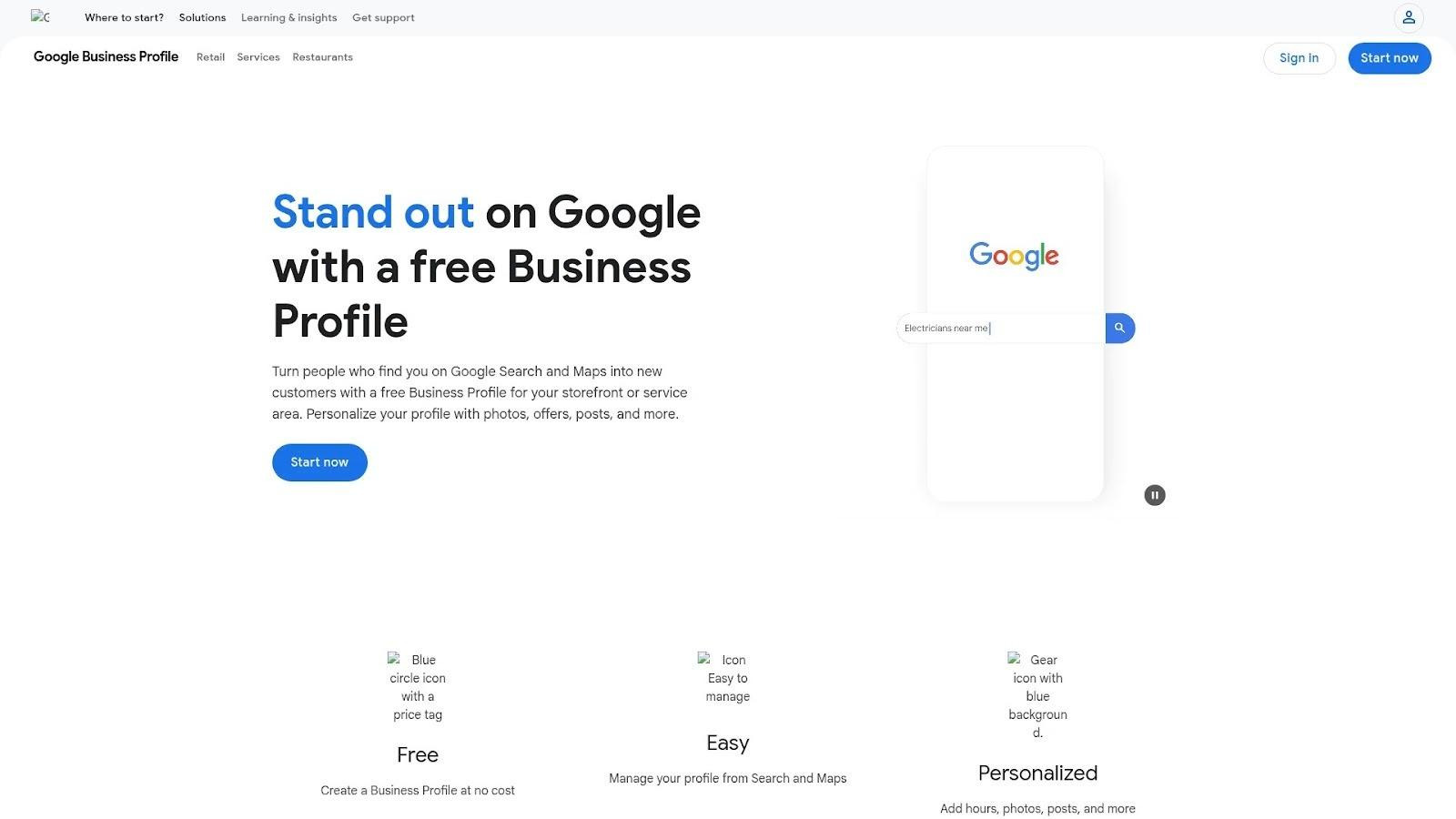
If your company serves a specific region, local SEO for manufacturers should be part of the plan. That includes location-based keywords, local landing pages, map visibility, relevant listings, and an optimized manufacturing Google Business Profile.
If your company serves national accounts, your manufacturing SEO strategy should focus more on technical capability, industry fit, certifications, and process expertise. Many businesses benefit from a balanced approach that supports both local relevance and wider visibility.
Once the keyword strategy is set, those insights need to be applied properly across your site. Manufacturing on-page SEO helps both users and search engines understand what each page is about and why it matters.
Strong on-page SEO means clear, useful pages built around real buyer needs. Good titles, descriptive headers, relevant body content, internal linking, and accurate metadata all help important web pages perform better in search.
Product pages should include specifications, materials, tolerances, finishes, quantities, and relevant compliance details. Clear calls to action such as quote requests, engineering inquiries, or specification downloads should feel like a natural next step rather than an aggressive sales push.
Your meta title is one of the first signals users and search engines see, so it should describe the page clearly, include the main topic, and stay within 60 characters to avoid being cut off in search results. For manufacturers, the title should reflect the process, product, capability, certification, or service category in a direct and relevant way.

Meta descriptions should support that title by summarizing the page clearly and persuasively within 160 characters. They should remain useful, accurate, and aligned with the actual page content. Well-written metadata improves search presentation and can help attract more relevant clicks from buyers already comparing suppliers.
Clear structure is essential for manufacturing website SEO because technical content can easily become difficult to scan. Each page should have one H1 heading, followed by a logical use of H2 and H3 headings that break content into useful sections.
Product pages often work best when they move through specifications, materials, applications, tolerances, and next steps in a consistent order. Service pages should explain the process, industries served, quality standards, available options, and contact pathways. This type of layout improves readability and helps buyers find the information they need without confusion.
Strong manufacturing product page SEO requires more than polished visuals. Buyers usually need detailed technical information before they are ready to take action. Product and capability pages should include specifications, material options, finish details, tolerance information, quantities, lead time expectations, and any relevant compliance or certification details.
Clear calls to action also matter. A quote request, engineering inquiry, specification download, or direct contact option should feel like a natural next step. The page should support both ranking performance and conversion intent without feeling overly promotional.
Technical SEO is the part of SEO that supports crawlability, indexation, usability, and site health. Without it, other efforts often underperform. In manufacturing, technical issues are common because websites may contain large technical documents, repeated product templates, older development structures, or inconsistent content architecture.
Weak page speed, poor mobile usability, crawl issues, and duplicate content can all hurt search engine rankings. Addressing these issues is a basic part of improving long-term seo success.
Page speed affects both usability and rankings. A slow website creates friction for users who are comparing suppliers, reviewing specifications, or trying to submit a quote request. This matters even more as 62.54% of global website traffic in the second quarter of 2025 came from mobile devices. Heavy image files, unnecessary scripts, weak hosting, and bloated templates often reduce performance.

For manufacturing businesses, improving speed can directly affect engagement. It helps buyers access important information more quickly and improves the performance of important key pages. Image compression, cleaner code, caching, and page simplification are all practical improvements that support technical SEO.
A mobile-friendly manufacturing site should preserve detail without making pages difficult to use. Buyers may review technical pages on desktop, but they also open product details, forms, and specifications on tablets and mobile devices. Responsive layouts help ensure that content stays accessible across different screen sizes.
The goal is not to remove technical depth. The goal is to make technical content easier to read and use. If specifications, forms, or comparison content become difficult to navigate on smaller screens, both usability and rankings can suffer.
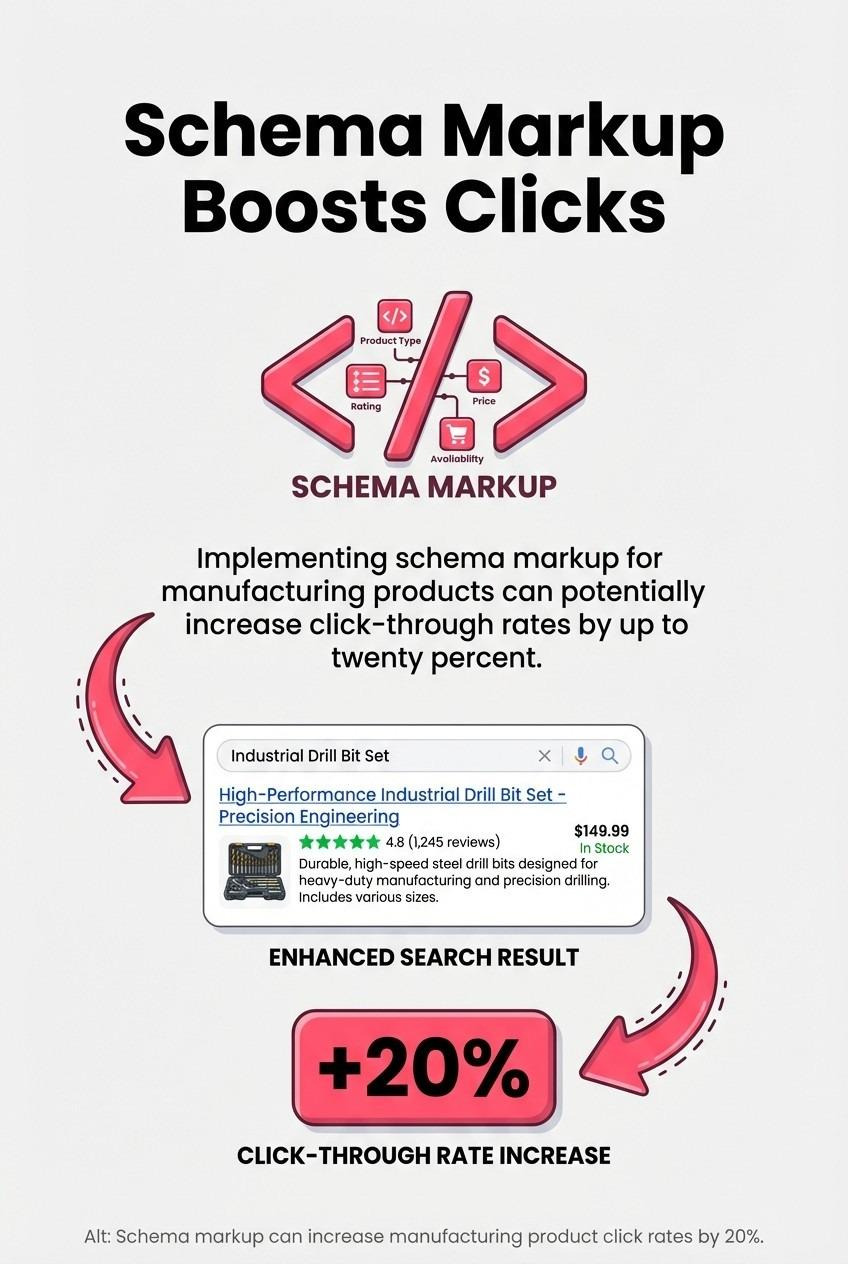
Structured data and schema markup help search engines better understand your pages. For manufacturing websites, they can support clearer interpretation of products, services, organization details, locations, and page hierarchy. This improves the way your content is processed and can make listings more informative in search results.
Implementing schema markup for manufacturing products can potentially increase click-through rates by up to 20%. Structured data helps Google understand your products and display them in rich search results.
When used properly, structured data supports stronger technical SEO and works alongside content, metadata, and internal linking. It should be implemented carefully so that it reflects the real content of the page and strengthens clarity rather than adding unnecessary complexity.
An XML sitemap helps search engines discover and prioritize the most important pages on your site. This becomes especially useful when a manufacturing website includes many products, services, industries, and support resources.
A clean sitemap should be supported by logical site architecture and thoughtful internal linking. Product pages, service pages, blog content, and support resources should all be easy to reach. Monitoring crawl health through Google Search Console helps identify pages that are not being indexed properly, along with technical issues that may be limiting visibility.
Technical SEO and on-page optimization create the foundation, but content is what builds long-term visibility and authority. In manufacturing SEO, content should do more than fill pages. It should answer technical questions, support buyer research, and help decision-makers assess whether your company is the right fit.
For manufacturing companies, content works best when it reflects real expertise and real buying concerns. Procurement managers, engineers, and operations teams are not looking for generic blog posts. They want clear information that helps them compare suppliers, evaluate capabilities, and reduce risk. That is why manufacturing content marketing SEO should focus on useful, accurate, and technically relevant content that supports the full buyer journey.
A strong content strategy also strengthens your broader manufacturing SEO strategy. It gives search engines more context about your services, expands your reach across more search terms, and improves internal linking across the site. Over time, that supports better search rankings, stronger organic traffic, and better lead generation.
The best content in SEO for manufacturers solves real problems. Buyers often search for answers related to material selection, process differences, tolerance requirements, finishing options, compliance standards, and production considerations. When your content addresses these topics clearly, it becomes more useful to both users and search engines.
Helpful resources may include design for manufacturability guides, process comparison articles, specification explanations, material selection pages, and application-focused educational content. These topics align with how industrial buyers research and help your website appear for informational and mid-intent queries.
The strongest ideas often come directly from sales calls, RFQs, and customer questions. If buyers repeatedly ask about the difference between two manufacturing methods, that topic deserves its own page. If material selection causes delays or confusion, a comparison guide can support both search engine visibility and buyer confidence.
A strong manufacturing website SEO plan needs both product-focused pages and educational blog content. Each supports a different stage of the buyer journey. Product and service pages should target commercial intent with clear details on specifications, capabilities, materials, certifications, industries served, and next steps.
These pages support conversions and make manufacturing product page SEO more effective. Blog content supports earlier research by helping your business rank for technical topics, process comparisons, and industry questions. It brings buyers into your site before they are ready to contact sales. Together, educational content and commercial pages create a stronger B2B manufacturing SEO strategy and improve qualified traffic.
Case studies are highly valuable in SEO for manufacturing companies because they combine real-world detail with credibility. They show how your business applies its capabilities in actual production environments and help buyers understand how your services perform in practice.
A strong case study should explain the challenge, process, solution, and outcome while including useful details such as materials, tolerances, production scale, quality standards, and delivery conditions. This improves relevance for both users and search engines. Case studies also support industry-specific search intent, helping your site rank for application-based queries while giving the sales team stronger proof points.
For more strategies on creating engaging content for technical industries, check out our content marketing guide for boring industries.
Everything covered so far happens on your own website. Off page SEO focuses on signals from outside your site, especially backlinks and brand mentions from trusted sources. These signals help search engines assess the credibility of your business.
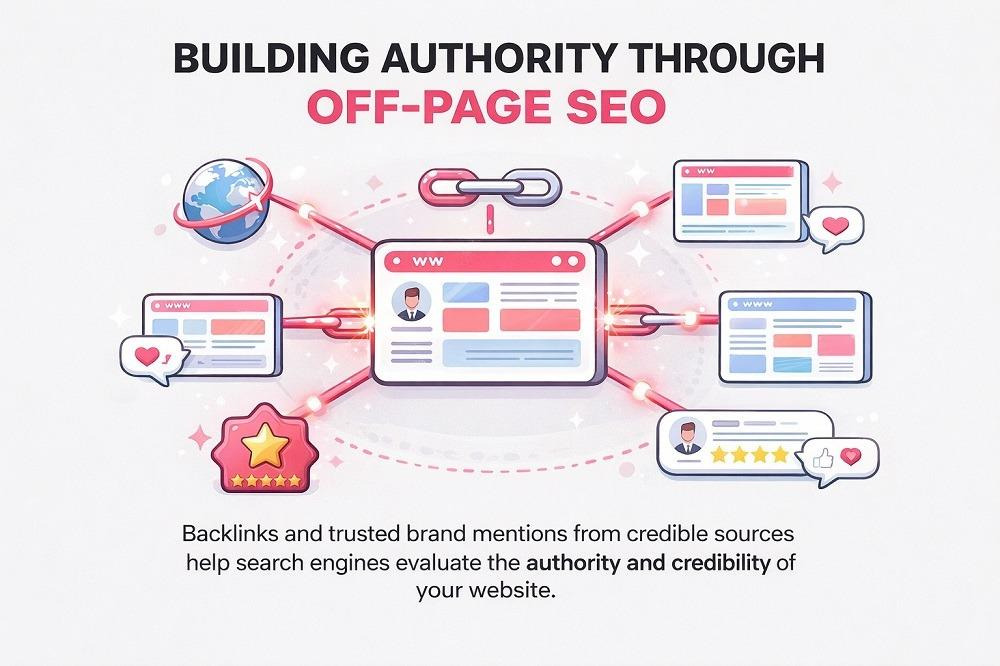
In the manufacturing industry, authority matters. Buyers look for trust, and search engines do the same. If respected publications, trade associations, suppliers, and relevant directories mention or link to your site, those signals can support stronger search engine rankings and better domain authority.
A practical manufacturing backlink strategy should focus on relevance, not volume. A few trusted, industry-specific links are usually more valuable than many weak mentions.
Many industrial companies have backlink opportunities through associations, supplier networks, chambers, directories, and trade publications. These sources often carry more value because they are directly aligned with your industry.
Industry directories, manufacturing associations, local business councils, and sector publications can all support link building when profiles are complete and accurate. Expert commentary, contributed insights, and technical guest content may also create editorial link opportunities.
Partnerships with complementary service providers can help as well. If your business works with coating companies, tooling suppliers, logistics providers, or finishing partners, there may be natural linking opportunities that support both SEO and business development.
If your company serves a defined region, local SEO for manufacturers can improve visibility among buyers who prefer nearby suppliers. Proximity often matters because it can support faster lead times, easier site visits, and lower shipping costs.
A strong local approach should include location-based pages, map visibility, and a complete Google Business Profile with accurate service details, contact information, and facility photos. For multi-location manufacturers, each site should have a unique page describing its capabilities and certifications.
A skilled seo agency can support these seo efforts through seo services, digital marketing, effective seo strategies, google search console, and practical seo solutions.
SEO should always be tied to business outcomes. In manufacturing, that means measuring whether visibility improvements are producing stronger inquiries, more relevant traffic, and better commercial engagement. Rankings alone are not enough.
A useful manufacturing SEO metrics framework should track how organic search performs, which pages attract qualified visitors, and what actions users take on the site. Good reporting starts with Google Analytics and Google Search Console, which help measure visibility, user behavior, technical health, and conversion activity.
Tracking should focus on business-relevant actions such as quote requests, contact submissions, specification downloads, and calls. These actions are more meaningful than pageviews because they connect SEO activity to real qualified leads.
For detailed analytics implementation for manufacturing companies, see our guide on measuring lead generation in Google Analytics.
Once the fundamentals of manufacturing SEO are in place, advanced improvements can create stronger gains in visibility, usability, and long-term efficiency. These steps do not replace the basics. Instead, they strengthen a mature manufacturing SEO strategy and help manufacturing companies compete more effectively in a crowded search environment.
For many industrial businesses, this stage involves improving technical documentation, refining international relevance, adapting content to match changing search behavior, and responding to evolving marketing trends.
<script async src="https://subscribe-forms.beehiiv.com/embed.js"></script><iframe src="https://subscribe-forms.beehiiv.com/68bc7fe4-0789-4e1d-8a9b-0be13b844599" class="beehiiv-embed" data-test-id="beehiiv-embed" frameborder="0" scrolling="no" style="width: 789px; height: 468px; margin: 0; border-radius: 14px 14px 14px 14px !important; background-color: transparent; box-shadow: 0 0 #0000; max-width: 100%;"></iframe>
Many manufacturers keep valuable information inside PDFs, specification sheets, certifications, process documents, and technical downloads. These resources are useful for buyers, but they often contribute less to search engine visibility than properly structured web pages. Search engines can process downloadable files, but they usually respond better to clear HTML content supported by strong page structure and internal linking.
Where possible, important information should also appear on web pages. A material guide, process overview, compliance explanation, or capability summary usually performs better when it is published as indexable content on the site. Documents that must remain downloadable should still be clearly labeled, properly named, and supported by surrounding copy that explains their value. This helps search engines understand the topic and gives your site more SEO value from content that might otherwise remain buried in files.
Manufacturers serving multiple countries or regions need a more deliberate approach to content structure. International SEO is not only about translation. It also involves language targeting, regional relevance, and technical implementation that helps search engines understand which version of a page belongs in each market.
Location-specific content should reflect regional standards, terminology, compliance language, and buyer expectations. This is especially important when different markets use different product naming or service terms. A clearer structure improves relevance, supports stronger search results, and reduces duplicate content issues across similar pages. For global manufacturers, this can improve both visibility and user trust.
Search behavior continues to change, and some queries are becoming more conversational. Buyers increasingly phrase searches as direct questions when comparing manufacturing methods or researching technical requirements. This makes content structure even more important.
Pages that clearly answer questions often perform better across different search formats. A page explaining the difference between two processes, clarifying tolerances, or answering a direct capability question can attract more relevant traffic because it aligns better with search intent. For manufacturers, future-proofing does not mean chasing every trend. It means making technical information easier to understand and easier to find.
See Also: SEO for PPE Manufacturers: How to Capture Industrial Buyers
Even strong industrial websites can lose visibility when common SEO issues are ignored. One major mistake is thin product or service content. A short description and a quote button are rarely enough. Buyers and search engines need clearer information about capabilities, materials, specifications, applications, and differentiators.
Another issue is ignoring educational content that supports lead generation for manufacturers during early-stage research. Poor mobile usability also hurts performance when buyers cannot review specs or submit forms easily. Rankings alone are not enough. In B2B manufacturing SEO, traffic must lead to qualified leads.
For specialized B2B strategies, explore our SEO guide for contractors vs distributors.
A strong manufacturing SEO strategy should be built the same way a reliable operation improves performance: with consistency, structure, and clear goals. Start by strengthening technical SEO, improving page relevance, and publishing helpful content that matches buyer needs.

Then build authority through trusted links and industry references. Most manufacturing leaders plan to allocate 20%+ of improvement budgets to smart initiatives, including smarter marketing. Your buyers are already searching, comparing suppliers, and evaluating capabilities. Businesses with clear expertise and stronger organic visibility are more likely to be shortlisted.
Manufacturing SEO is not a short-term fix. It is a long-term investment that supports qualified traffic, better lead generation, and a more stable digital foundation for future growth.