
OEM parts lead generation differs from retail auto sales because procurement professionals evaluate suppliers on technical fit, delivery speed, and long-term reliability rather than impulse or brand loyalty.
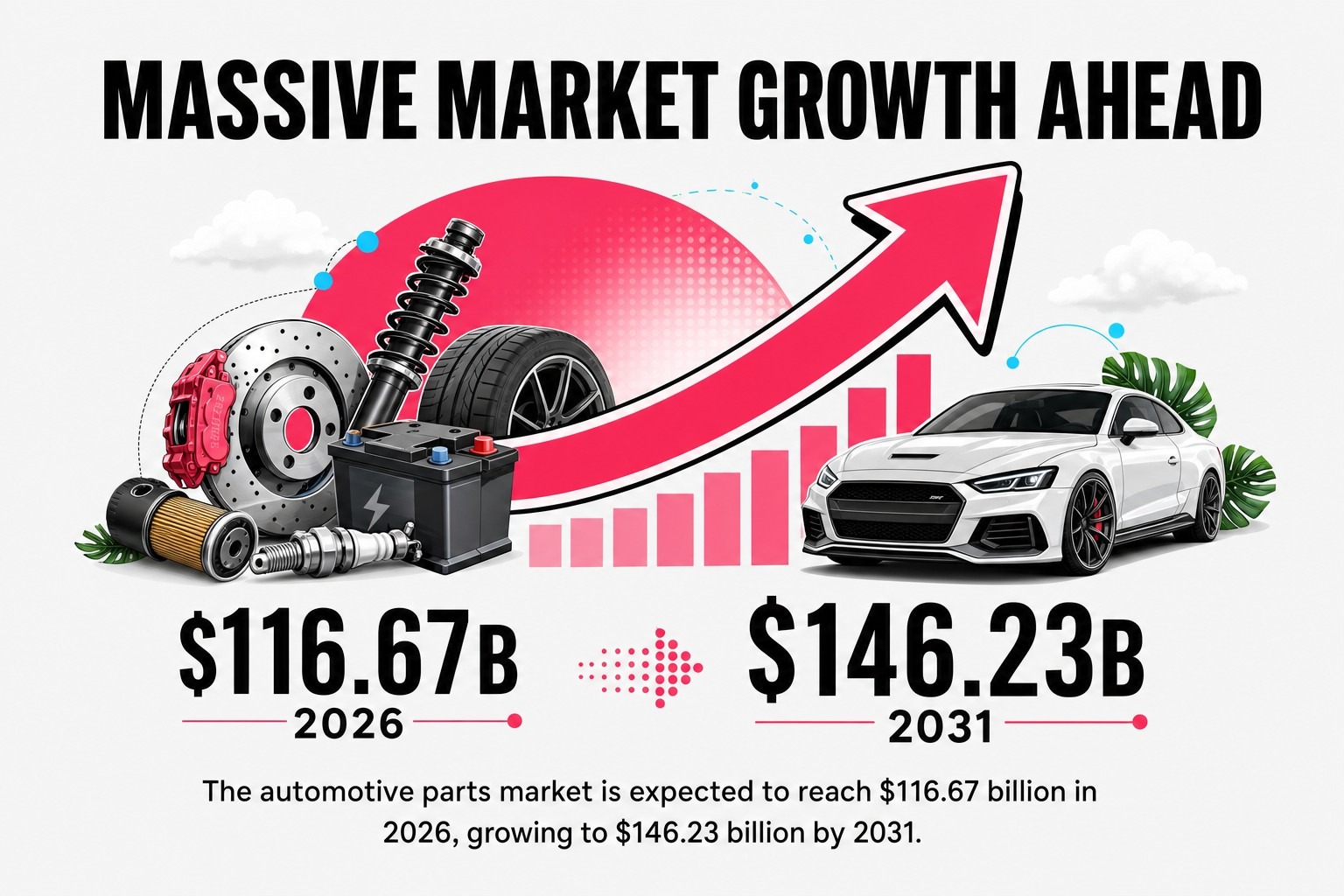
The automotive parts market is expected to reach $116.67 billion in 2026, growing to $146.23 billion by 2031, creating fierce competition for qualified B2B and B2C buyers.
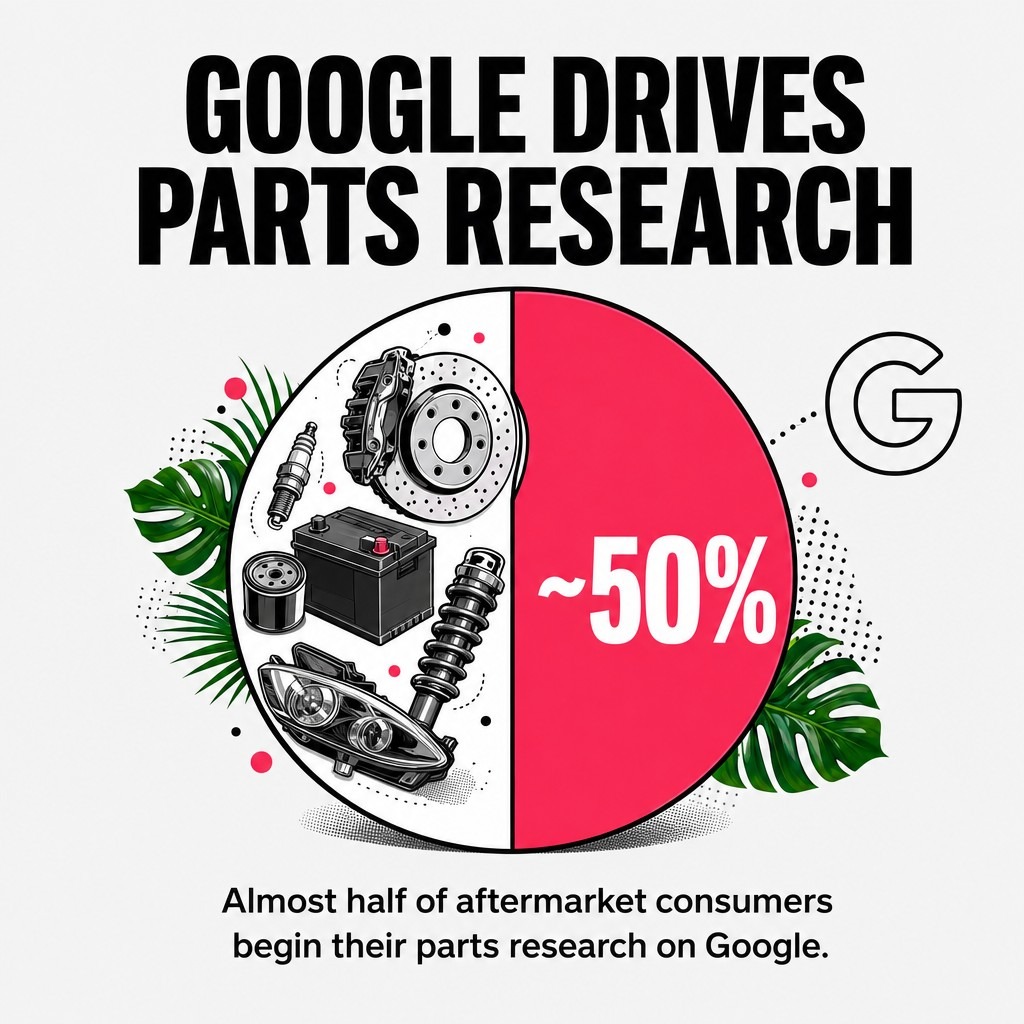
Almost half of aftermarket consumers begin their parts research on Google, which means your SEO and paid search strategy determines whether you capture RFQs or lose them to competitors with better visibility.
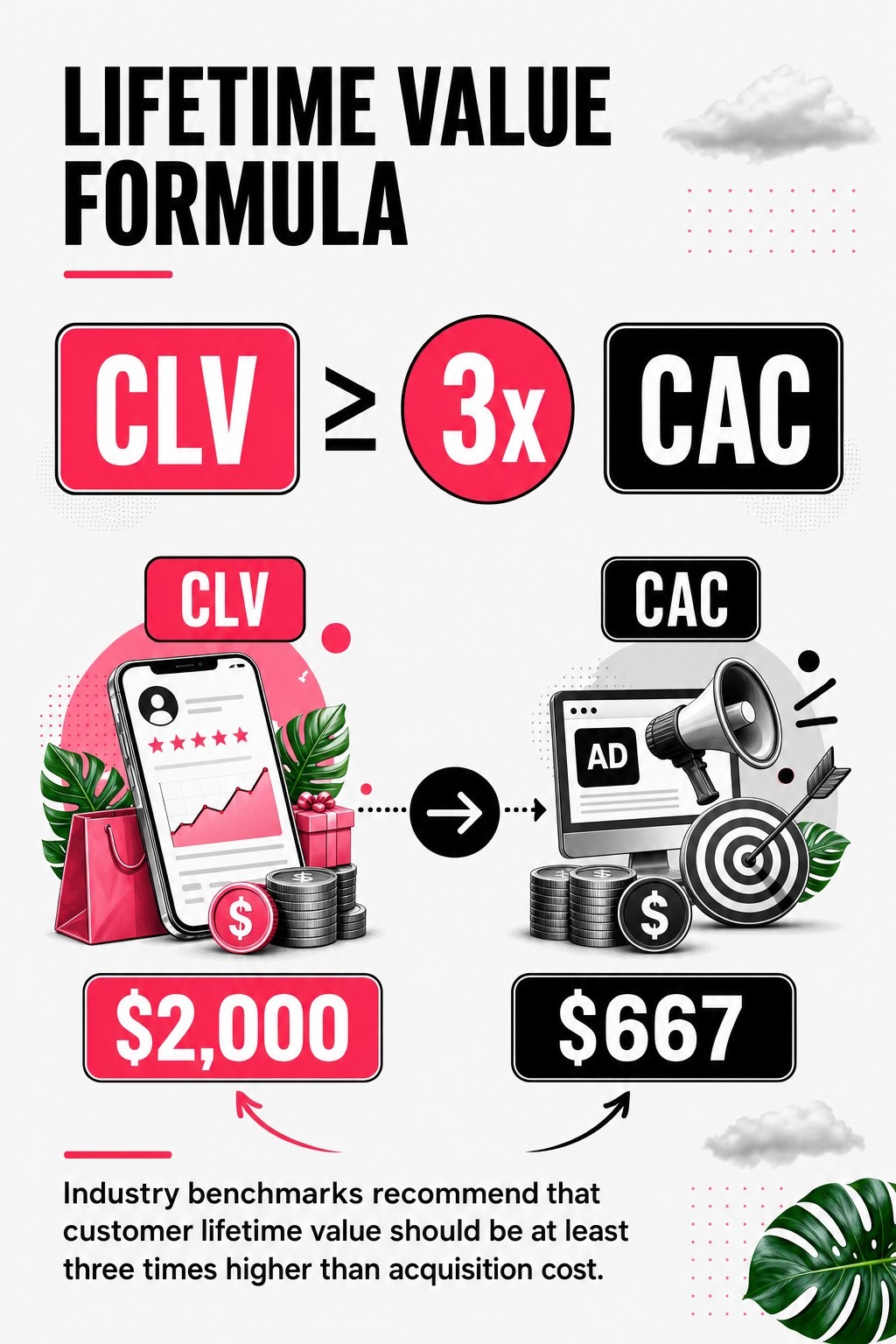
Industry benchmarks recommend that customer lifetime value should be at least three times higher than acquisition cost, making repeat-customer nurture as critical as new-lead capture. Effective OEM parts lead generation requires integrating digital channels, CRM automation, and content that speaks directly to procurement pain points. Technical specifications, compatibility data, and delivery guarantees matter more than flashy creative.
I've spent years helping parts suppliers figure out why their lead generation stalls at the RFQ stage. The pattern is always the same: suppliers assume procurement teams behave like retail shoppers, so they optimize for clicks instead of conversions. They chase traffic numbers instead of qualified leads. The fix isn't complicated, but it requires rethinking how you structure campaigns, score leads, and follow up. This guide walks you through 12 lead generation strategies that turn RFQ submissions into repeat customers, with real implementation steps you can start today.
OEM parts suppliers operate in a distinct segment of the automotive value chain where buyers prioritize technical specifications, compatibility, and delivery reliability over brand storytelling or showroom experience.
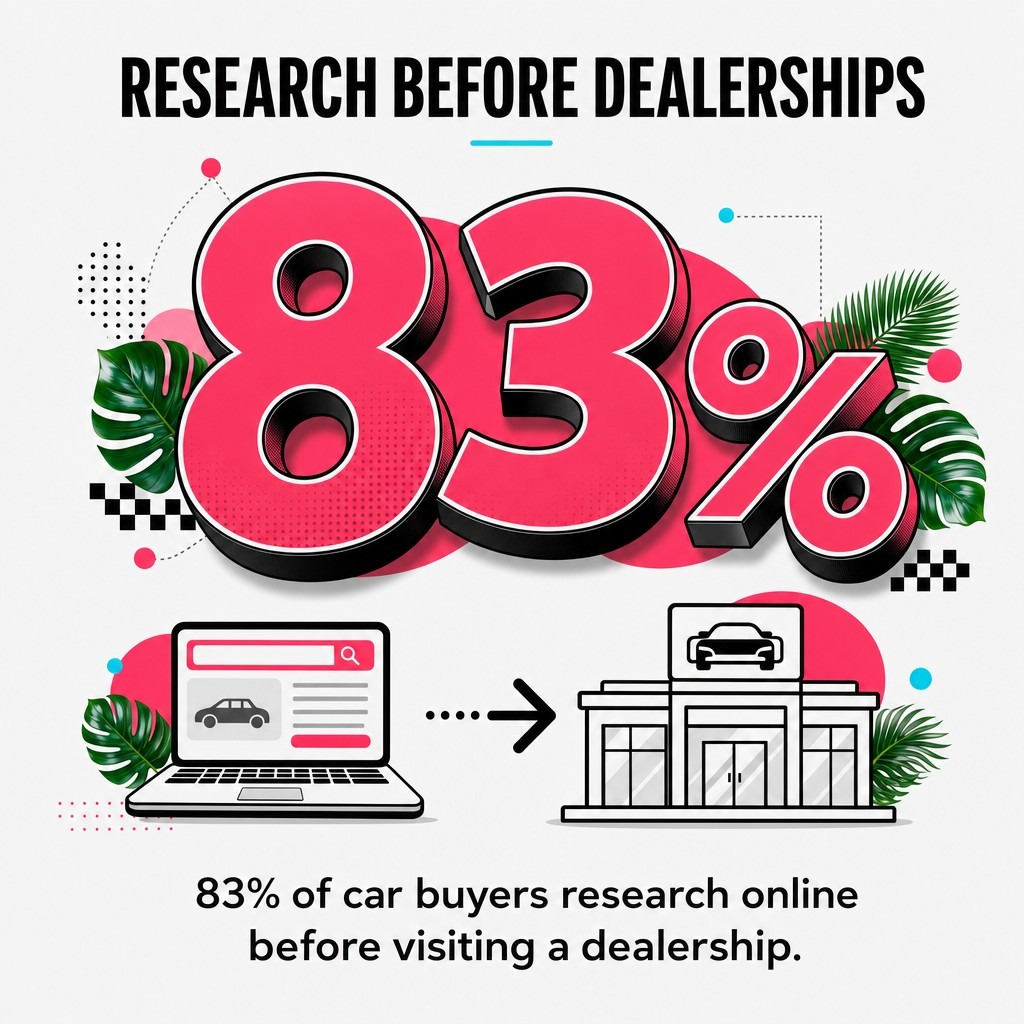
Retail automotive lead generation targets individual consumers making emotional, high-consideration purchases, think test drives, financing offers, and lifestyle positioning. OEM parts lead generation targets procurement professionals, repair shop owners, and fleet managers who need specific components with verifiable fit data, often under time pressure. 83% of car buyers research online before visiting a dealership, but that stat doesn't translate directly to parts purchasing. Parts buyers research part numbers, cross-reference compatibility, compare lead times, and validate supplier reliability. They're not browsing; they're problem-solving.
The difference shows up in your messaging. Retail campaigns emphasize emotion, urgency, and brand trust. Parts campaigns emphasize accuracy, availability, and technical support. If your landing pages don't include searchable part catalogs, compatibility tools, or clear delivery estimates, you're losing leads before they ever submit an RFQ.
B2B buyers and B2C buyers enter your funnel with different priorities, budgets, and decision-making timelines, which means your lead generation strategies need to split accordingly.
B2B buyers (repair shops, dealerships, fleet managers) purchase in volume, negotiate pricing, and evaluate suppliers on contract terms and long-term reliability. They care about bulk pricing, credit terms, and whether you can fulfill recurring orders without supply chain hiccups. Their buying cycle is longer, involves multiple stakeholders, and requires trust-building content like case studies, technical datasheets, and supplier certifications.
B2C buyers (vehicle owners, DIY mechanics) purchase one-off parts for immediate repair needs. They care about price, compatibility confirmation, and fast shipping. Almost half of aftermarket consumers begin their parts research on Google, which means your SEO and paid search targeting determine whether they find you or a competitor. Their buying cycle is shorter, often impulse-driven, and conversion depends on frictionless checkout and clear return policies.
Your lead generation approach needs to segment these audiences from the start. B2B campaigns should drive to account-specific landing pages with quote request forms and rep contact info. B2C campaigns should drive to product pages with add-to-cart functionality and live chat support. Mixing the two dilutes your messaging and confuses your CRM segmentation.
Procurement teams face pressure to source parts quickly without sacrificing quality or blowing budgets. Their biggest frustrations are incomplete product data, slow supplier response times, and unreliable delivery windows. If your lead generation funnels don't address these pain points upfront, you're creating friction before the relationship even starts.
When designing lead capture forms, ask for the information procurement pros actually care about: part numbers, quantity, delivery timeline, and application details. Skip the generic "Tell us about your needs" fields that force buyers to write essays. The faster you can confirm availability and provide a quote, the higher your conversion rate.
Your website is the foundation of every lead generation channel, and if it doesn't convert, no amount of ad spend or social media effort will fix the problem.
Start with a searchable parts catalog that supports multiple search methods: part number, vehicle make/model/year, or product category. Buyers shouldn't have to navigate through three layers of menus to find a starter motor for a 2018 Honda Accord. Every product page needs compatibility data, high-resolution images, pricing (or a clear "Request Quote" button), and delivery estimates.
Landing pages for paid campaigns need to match the ad promise exactly. If your Google Ad says "Same-Day Shipping on OEM Brake Pads," the landing page headline should reinforce that claim, and the CTA should be "Order Now for Same-Day Shipping." Any mismatch between ad and landing page kills trust and tanks conversion rates. Conversion rate optimization for RFQ leads starts with message alignment, not clever design.
Forms should capture the minimum viable information: contact details, part requirements, and urgency. Long forms reduce completion rates. Short forms increase lead volume but may reduce lead quality. Test both, but start with shorter forms and add qualification questions only after you've proven the funnel converts.
Repair shop owners and fleet managers research parts on mobile while standing in front of broken equipment. If your mobile site loads slowly, hides the search bar, or forces users to pinch-zoom product specs, you're losing leads to competitors with better mobile experiences.
Test your site on actual mobile devices, not just desktop browser resize tools. Check that your search bar auto-suggests part numbers, your product pages display full specs without horizontal scrolling, and your RFQ forms submit without errors on iOS and Android. Mobile conversion rates lag desktop in most industries, but in OEM parts, mobile research drives desktop purchases. Optimize for both.
SEO for OEM parts suppliers isn't about ranking for "best brake pads", it's about ranking for high-intent searches like "Toyota Camry OEM brake pads" or "aftermarket alternator for Ford F-150."
Build content around part-specific queries, vehicle-specific compatibility guides, and installation tutorials. A blog post titled "How to Replace a Water Pump on a 2015 Chevy Silverado" attracts DIY buyers searching for installation help and positions your parts as the solution. Each post should link to relevant product pages and include a CTA for ordering or requesting a quote.
<iframe width="1121" height="630" src="https://www.youtube.com/embed/NvBdwianQHE" title="The Marketplace Strategy for Parts Brands (Fitment, Fees, Fulfillment)" frameborder="0" allow="accelerometer; autoplay; clipboard-write; encrypted-media; gyroscope; picture-in-picture; web-share" referrerpolicy="strict-origin-when-cross-origin" allowfullscreen></iframe>
Your product pages are SEO assets, not just ecommerce listings. Write unique descriptions for each part, include compatibility tables, and add schema markup for product availability and pricing. Google's rich results can display your parts directly in search, giving you visibility even if you're not ranking first organically. Digital marketing for manufacturers requires treating product data as content, not just inventory.
Technical SEO matters more in parts supply than in most industries. Your site needs fast load times, clean URL structures for part categories, and proper canonicalization if you sell the same part under multiple SKUs. Duplicate content from manufacturer descriptions hurts your rankings. Rewrite product copy to add value and differentiate your listings.
Buyers searching for "OEM parts" expect original manufacturer components and are willing to pay more for guaranteed fit. Buyers searching for "aftermarket parts" expect lower prices and acceptable quality. Your keyword strategy needs to target both segments with separate landing pages and messaging.
Create dedicated pages for OEM-specific searches ("Honda OEM parts," "genuine Toyota parts") and aftermarket-specific searches ("aftermarket Honda parts," "replacement Toyota parts"). Use structured data to clarify part type and manufacturer on each page. If you sell both, don't mix them on the same landing page. Procurement pros and bargain hunters have different priorities.
Paid advertising accelerates lead generation when organic search and social media can't capture demand fast enough, but OEM parts campaigns require tighter targeting and different creative than retail automotive ads.
Google Ads for auto parts should focus on high-intent keywords: part numbers, vehicle-specific queries, and problem-based searches like "replace alternator cost" or "brake pad compatibility." Use exact match and phrase match for part numbers to avoid wasting budget on irrelevant clicks. Negative keywords are critical. Exclude terms like "repair near me," "mechanic," or "installation service" if you only sell parts, not labor.
<iframe width="1121" height="630" src="https://www.youtube.com/embed/1e0mc3FfMnc" title="Why Your Google Ads Don’t Work (and What Smart Auto Parts Brands Do Instead)" frameborder="0" allow="accelerometer; autoplay; clipboard-write; encrypted-media; gyroscope; picture-in-picture; web-share" referrerpolicy="strict-origin-when-cross-origin" allowfullscreen></iframe>
Facebook Lead Ads work for B2C parts buyers but require creative that stops the scroll. Use carousel ads to showcase multiple parts, video ads to demonstrate installation, or static image ads with bold part compatibility claims. The lead form should pre-fill contact info and ask only for vehicle details and part needs. Follow up within 24 hours as social leads go cold faster than search leads.
Display ads and retargeting work when you're targeting procurement professionals who visited your site but didn't convert. Use retargeting to remind them of the parts they viewed, offer a discount on bulk orders, or promote fast shipping. Advanced remarketing strategies increase repeat business by keeping your brand visible during the evaluation phase.
Industry benchmarks recommend that customer lifetime value should be at least three times higher than acquisition cost. If your average OEM parts customer spends $2,000 over their lifetime, your cost-per-lead should stay under $667 to maintain healthy margins.
Track leads by source (Google Ads, Facebook, organic search) and calculate conversion rates from lead to quote to purchase. Not all leads are equal. A B2B procurement lead might take 60 days to convert but generate $10,000 in annual revenue, while a B2C DIY lead might convert in 24 hours but only spend $200. Adjust your ad budgets based on lead quality, not just lead volume.
Social media works for OEM parts lead generation when you target the right platforms and focus on building trust, not just collecting clicks.
LinkedIn is the best platform for B2B parts suppliers targeting fleet managers, procurement teams, and repair shop owners. Share content about supplier reliability, case studies of successful partnerships, and industry news that positions you as a knowledgeable partner. B2B lead generation strategies on LinkedIn require consistent posting, active engagement in industry groups, and direct outreach to decision-makers.
Facebook and Instagram work for B2C buyers who need replacement parts for personal vehicles. Post installation tips, compatibility guides, and customer testimonials. Use Facebook Groups to engage with car enthusiast communities and DIY repair forums. Instagram works for visual content: before/after photos of part replacements, short how-to videos, and product showcases. Both platforms support lead ads that capture contact info without forcing users to leave the app.
TikTok is underutilized in automotive parts but offers reach among younger DIY mechanics and car enthusiasts. Post short-form educational content: "How to tell if your brake pads need replacing," "3 signs your alternator is failing," or "OEM vs aftermarket: what's the difference?" Each video should end with a CTA to visit your site or DM for a quote.
Buyers trust peer recommendations more than supplier claims. Encourage satisfied customers to leave reviews on Google, Facebook, and industry-specific platforms like RepairPal or AutoZone's review system. Display those reviews prominently on your website and in your ads.
User-generated content like photos of successful installations, customer testimonials, or video reviews builds credibility faster than polished marketing copy. Create a branded hashtag and encourage customers to tag you when they install your parts. Repost their content (with permission) to show real-world proof of product quality.
Email marketing turns one-time RFQ submissions into repeat customers by staying top-of-mind during long sales cycles and providing value beyond product pitches.
Segment your email list by buyer type: B2B procurement pros, repair shop owners, DIY enthusiasts, and fleet managers. Each segment needs different messaging. B2B emails should focus on bulk pricing, contract terms, and supplier reliability. B2C emails should highlight new product arrivals, installation guides, and limited-time discounts.
<iframe width="1121" height="630" src="https://www.youtube.com/embed/145XLja-yQM" title="Email & SMS for Auto Parts Brands | $500K You’re Leaving on the Table" frameborder="0" allow="accelerometer; autoplay; clipboard-write; encrypted-media; gyroscope; picture-in-picture; web-share" referrerpolicy="strict-origin-when-cross-origin" allowfullscreen></iframe>
Set up automated drip campaigns triggered by specific actions: RFQ submission, abandoned cart, product page visit, or download of a technical datasheet. A typical B2B nurture sequence might include an immediate confirmation email, a follow-up quote within 24 hours, a case study email after 3 days, and a "still interested?" check-in after 7 days. B2C sequences can move faster: confirmation email, shipping update, installation guide, and a review request after delivery.
Provide value in every email. Send compatibility guides, maintenance tips, industry news, or exclusive discounts. If every email is a sales pitch, your open rates will tank. B2B auto parts loyalty strategies rely on consistent, helpful communication that positions you as a partner, not just a vendor.
Not every RFQ converts immediately. Some buyers are price-shopping, some need internal approval, and some get distracted. Re-engagement campaigns bring cold leads back into your funnel without being pushy.
Send a "Did we lose you?" email 30 days after an abandoned RFQ. Offer to answer questions, provide a revised quote, or share a case study of a similar customer. If they still don't respond, move them to a quarterly newsletter list and stop active outreach. Persistence matters, but harassment doesn't.
A CRM system organizes your leads, tracks interactions, and prevents qualified prospects from falling through the cracks.
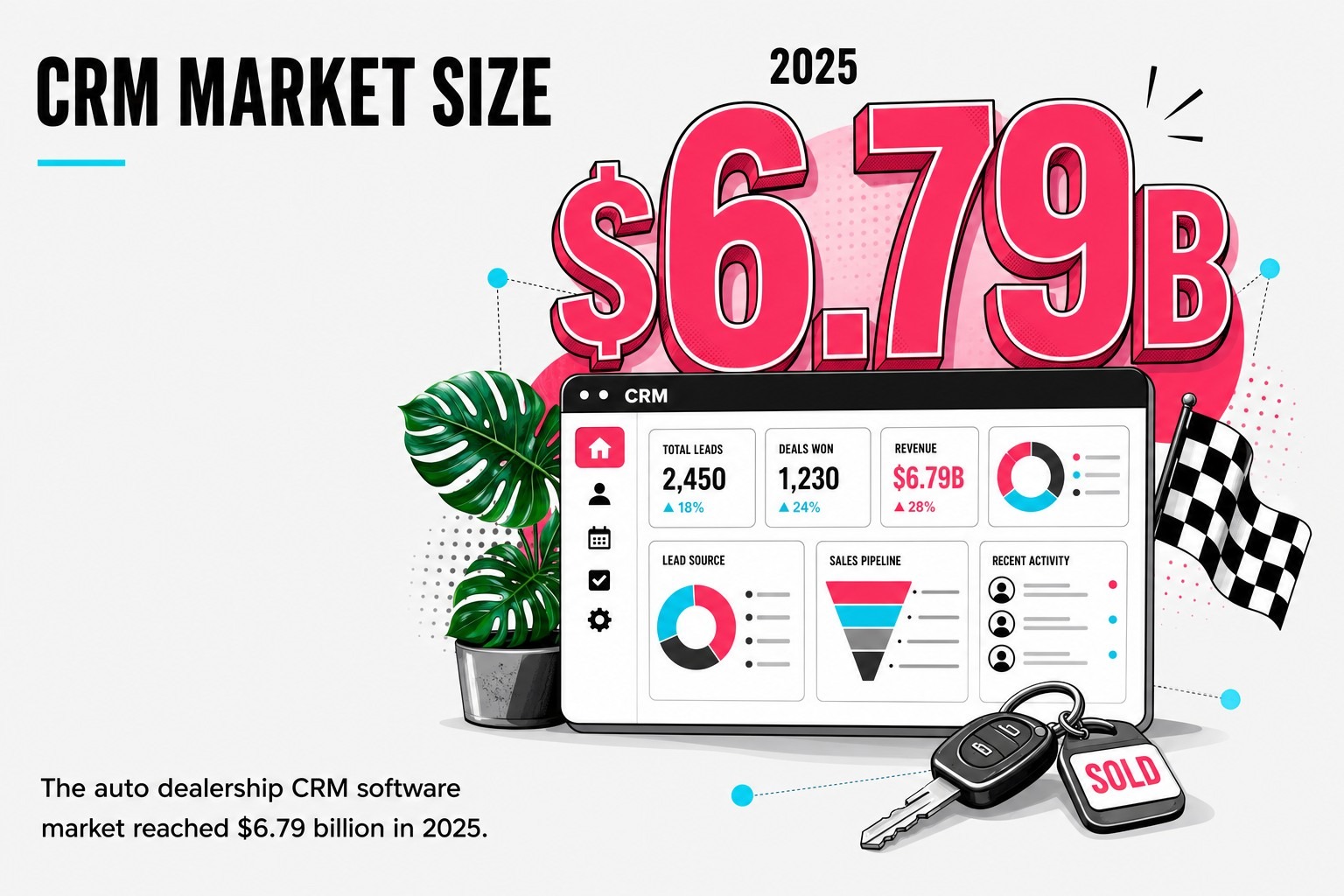
The auto dealership CRM software market reached $6.79 billion in 2025, reflecting how critical lead management has become in automotive sectors. For OEM parts suppliers, your CRM needs to track not just contact info but also part inquiries, quote history, purchase frequency, and preferred communication channels.
Popular CRM options for parts suppliers include Salesforce for enterprise-level operations, HubSpot for mid-sized businesses, and Zoho CRM for smaller suppliers. Each platform integrates with email marketing tools, e-commerce platforms, and analytics dashboards, letting you automate follow-ups and score leads based on engagement.
Lead scoring assigns point values to actions: downloading a technical datasheet (10 points), requesting a quote (25 points), visiting your pricing page (15 points). When a lead hits a threshold, say, 50 points, they trigger an alert for your sales team to reach out. This ensures hot leads get immediate attention while cold leads stay in nurture campaigns.
Manual follow-ups don't scale. Automate quote delivery so that when a buyer submits an RFQ, they receive an instant confirmation email with estimated response time. Use CRM workflows to assign leads to sales reps based on territory, part category, or lead source.
Set reminders for follow-up calls 48 hours after quote delivery. If the buyer hasn't responded after 7 days, trigger an automated "still interested?" email. If they respond positively, escalate to a sales rep. If they ignore multiple touchpoints, move them to a long-term nurture list.
Not every lead is worth the same effort. Lead qualification separates serious buyers from tire-kickers so your sales team focuses on prospects most likely to convert.
Qualified leads meet specific criteria: they need parts you stock, they have budget authority (or influence), and they're ready to buy within a reasonable timeframe. Ask qualification questions in your RFQ form: "When do you need these parts?" "What's your purchase timeline?" "Are you the decision-maker for this purchase?"
Use BANT (Budget, Authority, Need, Timeline) or CHAMP (Challenges, Authority, Money, Prioritization) frameworks to score leads. A procurement manager requesting a bulk quote with a 30-day delivery window scores higher than a DIY buyer browsing for future projects. Prioritize high-scoring leads for immediate outreach and lower-scoring leads for automated nurture.
Google Analytics for lead generation tracks which traffic sources deliver the highest-quality leads. If LinkedIn drives fewer leads than Google Ads but converts at 3x the rate, reallocate budget to LinkedIn. Quality beats quantity.
Cold outreach works when you target the right prospects with relevant, timely offers, but generic mass emails get ignored or marked as spam.
Cold calling best practices emphasize research, personalization, and value delivery. Before calling, research the prospect's business: Do they operate a fleet? Do they specialize in specific vehicle brands? What parts are they most likely to need? Open with a question about their current supplier relationship or a pain point you can solve: "Are you satisfied with your current parts delivery times?"
Cold email campaigns need tight targeting. Build lists of repair shops, fleet managers, or dealerships in specific regions and segment by business size or vehicle specialization. Personalize the subject line and opening sentence. "Hi [Name], I noticed your shop specializes in Honda repairs" performs better than "Exclusive OEM Parts Offer Inside."
Keep emails short, under 100 words. State the problem you solve, offer proof (customer testimonial or case study), and include a single clear CTA: "Reply to get a quote" or "Schedule a 10-minute call." Follow up twice: 3 days and 7 days after the initial email. If no response, stop. Persistence is good; pestering isn't.
Cold outreach must comply with CAN-SPAM (U.S.), GDPR (EU), and CASL (Canada). Include your physical address in emails, offer a one-click unsubscribe option, and honor opt-outs within 10 days. Bought email lists often violate compliance rules and deliver poor results. Build your own lists through research, trade show contacts, and website opt-ins.
For cold calling, respect Do Not Call lists and time zones. Don't call before 8 AM or after 9 PM in the recipient's time zone. If they ask to be removed from your list, remove them immediately and document the request.
Account-based marketing (ABM) flips traditional lead generation by targeting specific high-value accounts with personalized campaigns instead of casting a wide net.
70% of marketers run ABM programs, particularly in B2B sectors where deal sizes justify the effort. For OEM parts suppliers, ABM makes sense when pursuing fleet operators, large repair chains, or dealership groups with ongoing parts needs.
Start by identifying 10–20 target accounts with high revenue potential. Research their pain points: Are they struggling with unreliable suppliers? Do they need faster delivery? Are they paying too much? Build personalized campaigns for each account: custom landing pages, direct mail with product samples, LinkedIn ads targeting their procurement team, and personalized email sequences from your sales reps.
ABM requires tight sales-marketing alignment. Marketing generates awareness and engagement; sales closes the deal. Use your CRM to track every touchpoint with the target account and coordinate outreach so prospects don't receive conflicting messages from multiple reps.
ABM metrics differ from traditional lead generation. Instead of tracking lead volume, track account engagement: How many decision-makers at the target account visited your site? How many downloaded your technical datasheet? How many requested a quote?
Pipeline velocity matters more than lead count. If your ABM campaign shortens the sales cycle from 90 days to 60 days and increases average deal size from $5,000 to $15,000, it's working, even if it generates fewer total leads than broad campaigns.
Automotive parts marketplaces like Amazon, eBay Motors, and RockAuto reach buyers who prefer shopping on established platforms instead of individual supplier sites.
Amazon's automotive category attracts DIY buyers searching for convenience and fast shipping. List your parts with detailed compatibility data, high-quality images, and competitive pricing. Use Amazon Advertising to promote your listings in search results and compete for the Buy Box. Fulfillment by Amazon (FBA) improves delivery speed and wins more sales, but eats into margins.
eBay Motors works for aftermarket and OEM parts, especially hard-to-find or discontinued components. Build seller reputation through consistent fulfillment, accurate listings, and responsive customer service. Use eBay's promoted listings to increase visibility in search results.
RockAuto and specialty parts platforms target serious enthusiasts and professional mechanics. Listings require detailed technical specs and accurate fit data. Pricing is transparent, so your competitive advantage comes from availability, delivery speed, and customer support.
Third-party platforms expand your reach but create dependency and reduce brand loyalty. Use them to capture demand you couldn't reach otherwise, but prioritize driving traffic to your own site where you control the customer experience and data.
Lead generation only improves when you measure what's working and kill what's not.
Set up conversion tracking in Google Analytics, Google Ads, and Facebook Ads Manager. Track not just lead volume but lead quality: Which sources deliver the highest conversion rates? Which campaigns generate the most repeat customers? Customer lifetime value in automotive retail can reach $47,700 per retained customer, so a lead source that delivers fewer but higher-quality leads may outperform high-volume sources.
Use UTM parameters to track every campaign and traffic source. Tag your Google Ads with utm_source=google, utm_medium=cpc, and utm_campaign=oem_brake_pads so you can trace conversions back to specific ad groups and keywords. Do the same for email campaigns, social posts, and third-party marketplace links.
A/B test landing pages, ad copy, email subject lines, and CTAs. Test one variable at a time so you know what caused the performance change. Run tests long enough to reach statistical significance, usually 100+ conversions per variation.
Build a dashboard that consolidates key metrics: lead volume by source, conversion rate by channel, cost per lead, cost per acquisition, and customer lifetime value. Review it weekly and adjust budgets, messaging, and targeting based on performance trends.
Who is the best lead generation company? There is no single "best" lead generation company for everyone. The right choice depends on your industry, target audience, budget, and sales process. Reputable options often specialize in different channels such as SEO, paid ads, outbound outreach, or B2B data, so the best company is the one that fits your goals and can prove results with transparent reporting.
What is OEM and OES? OEM stands for Original Equipment Manufacturer: the company that makes the original part or product used in a vehicle or device. OES stands for Original Equipment Supplier: a supplier that provides parts to the original manufacturer and may also sell equivalent parts to the aftermarket. In automotive contexts, OES parts are often the same design or specification as OEM parts, but branding and distribution can differ.
Generating qualified OEM parts leads isn't about shouting louder than competitors. It's about showing up when buyers are researching, providing the data they need to make decisions, and following up consistently until they convert. Start with one channel, SEO, Google Ads, or cold email, and optimize it until it's profitable before expanding. Track everything, test relentlessly, and remember that repeat customers are more valuable than one-time buyers. B2B content marketing for manufacturers builds long-term pipeline by educating buyers and positioning your brand as the reliable partner they need.