
Here's something I learned after helping dozens of auto parts suppliers optimize their marketing: loyalty isn't just about discounts anymore. Last month, I was working with a distributor who was frustrated because their competitors were constantly undercutting them on price. "Tom," they said, "how do we compete when everyone's racing to the bottom?" That's when it hit me - they weren't playing the loyalty game, they were stuck in the price war.
The truth is, successful B2B auto parts suppliers have figured out that loyalty programs are less about rewarding transactions and more about building partnerships that make switching brands feel like business suicide (in the best way possible). These aren't your grandfather's punch card programs - we're talking about sophisticated, data-driven systems that turn distributors and dealers into brand evangelists.
In this post, I'll show you how to build loyalty programs that actually work in the B2B auto parts space. You'll discover the tiered structures that keep customers climbing toward bigger rewards, learn how to personalize incentives that hit different business pain points, and walk away with actionable strategies you can implement starting this week. Think of this as your roadmap from price competitor to preferred partner.
I've seen too many auto parts suppliers treat loyalty like a coupon book. They offer 2% off here, 5% off there, and wonder why customers still jump ship for a better deal next month. The problem isn't the discount - it's that discounting without strategy just trains customers to expect lower prices without building any real attachment to your brand.
B2B loyalty programs in the auto parts supply chain have evolved from simple sales incentives to comprehensive, data-driven systems that foster deeper relationships and drive repeat business (Source: Basiq360). These programs are now widely used by manufacturers to engage distributors and dealers, offering rewards tied to sales performance, exclusive training, and co-op marketing support, which motivates partners to prioritize certain brands and products.
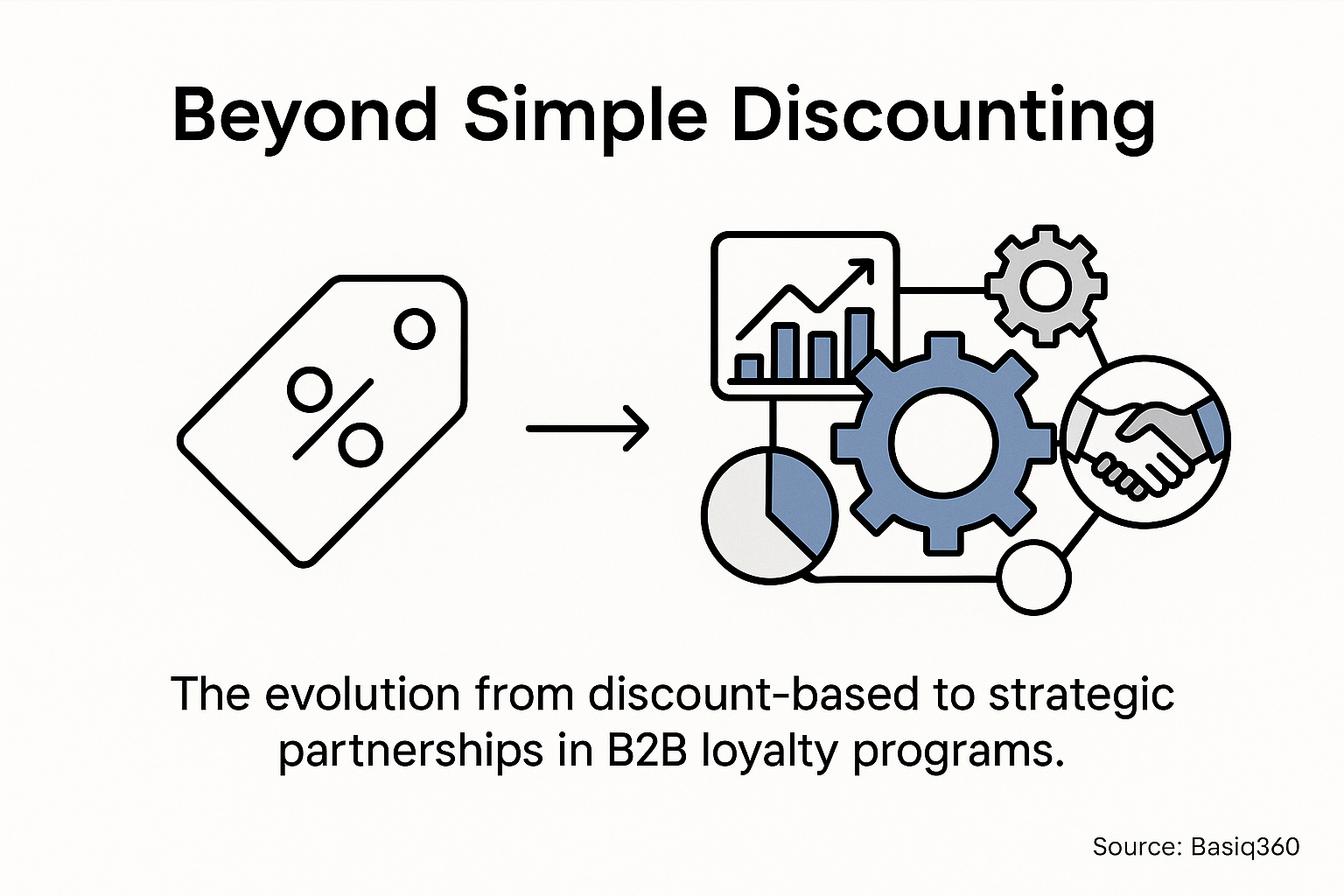
B2B loyalty has moved beyond simple discounting to data-driven, relationship-centric programs.
What works better is thinking like a business consultant for your customers. When I help parts suppliers design loyalty programs, we start by asking: "What keeps our distributors awake at night?" Usually, it's not just pricing. It's inventory management, cash flow, training their staff, or growing their customer base. That's where real loyalty gets built.
Here's where most suppliers get it wrong: they create tiers based on what's easy for them to manage, not what motivates their customers to climb higher. I worked with one client who had three tiers - Bronze, Silver, Gold - with benefits that barely differed. Their "Gold" customers got 3% better pricing than Bronze. That's not motivation, that's math homework.
Many successful B2B programs use tiered models, where benefits increase with volume, tenure, or engagement level, incentivizing long-term commitment and higher purchase volumes (Source: BeatRoute). Tiered loyalty programs, such as those used by TRW Aftermarket and Crompton Greaves, have demonstrated success in fostering long-term loyalty and increasing partner engagement in competitive, low-switch-cost environments.
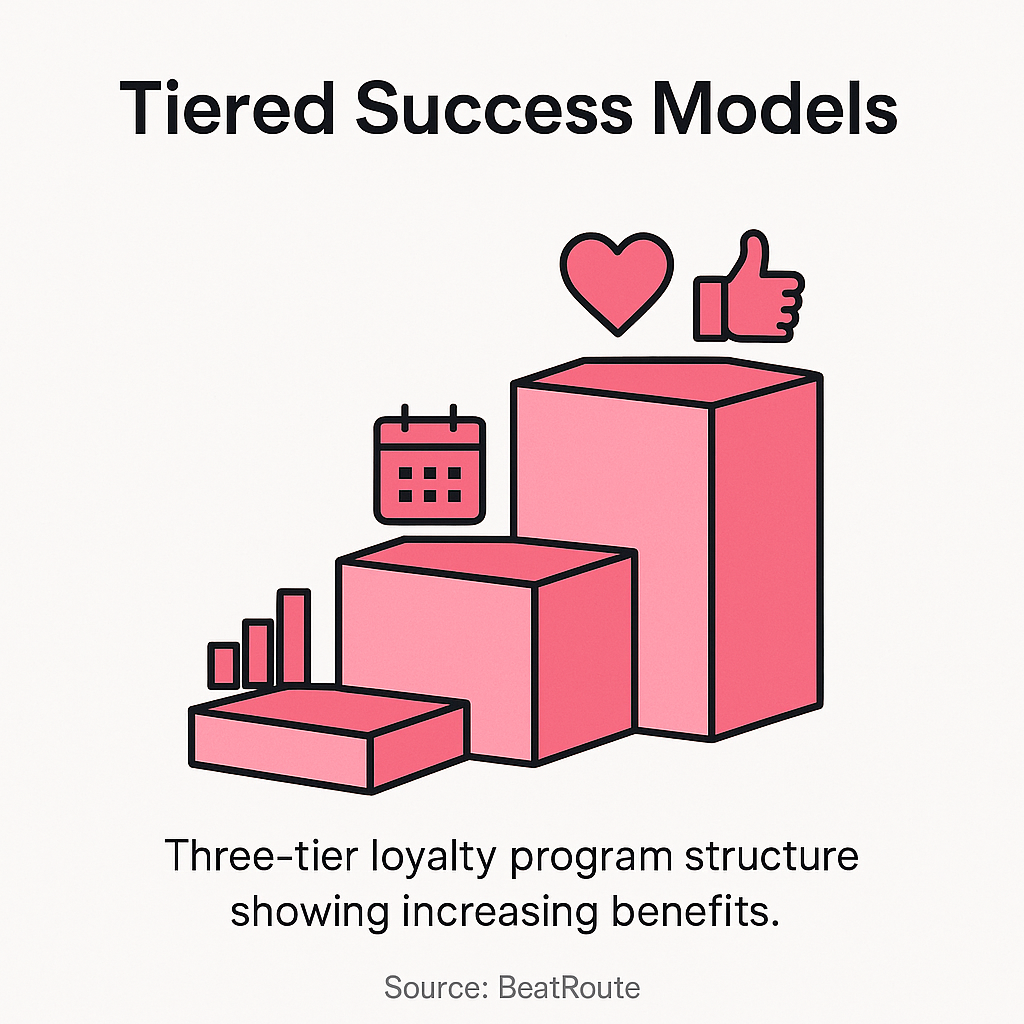
Tiered loyalty models motivate partners as benefits scale with volume, tenure, and engagement.
The key is making each tier feel like a genuine upgrade in the business relationship. Here's how to structure tiers that create real momentum:
What I love about this approach is that it shifts the conversation from "How much discount can you give me?" to "What do I need to do to reach the next level?" That's the difference between a vendor relationship and a partnership.
One of my favorite client stories involves a parts distributor who was treating their urban auto shops the same as their rural fleet managers. Both bought similar volumes, both were "Silver tier," but they had completely different business models and needs. The urban shops needed fast inventory turnover and next-day delivery. The rural fleet managers needed bulk pricing and flexible payment terms.
Modern loyalty software enables manufacturers to gather first-party data, allowing for personalized outreach and rewards that align with each distributor's or dealer's business goals (Source: Xoxo Day). This is where the real magic happens - when your loyalty program feels less like a corporate policy and more like a custom-tailored business solution.
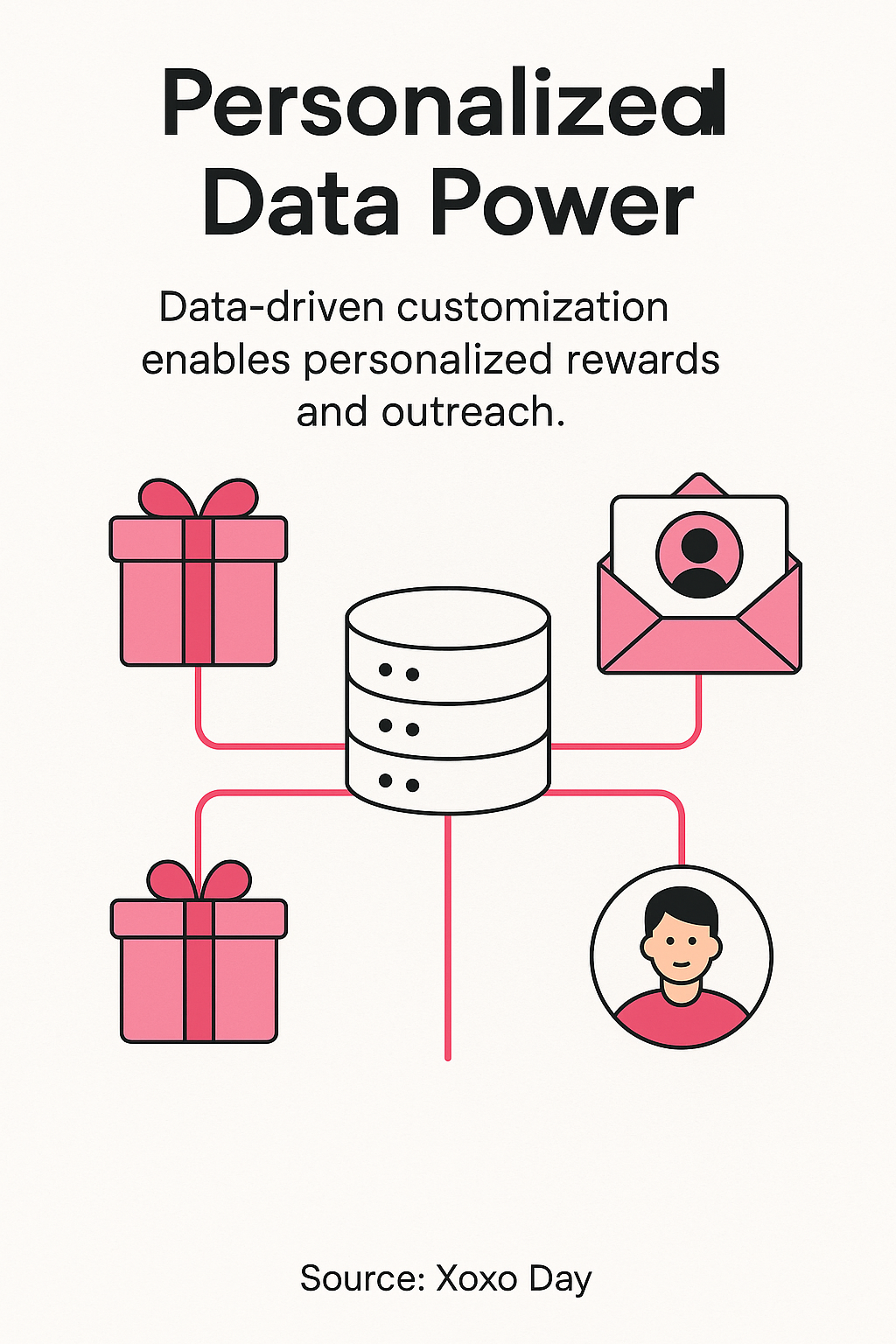
First-party data powers personalized outreach and rewards for each partner’s goals.
Start by segmenting your customers based on their business models, not just their purchase volumes. Here are the key segments I see working in auto parts:
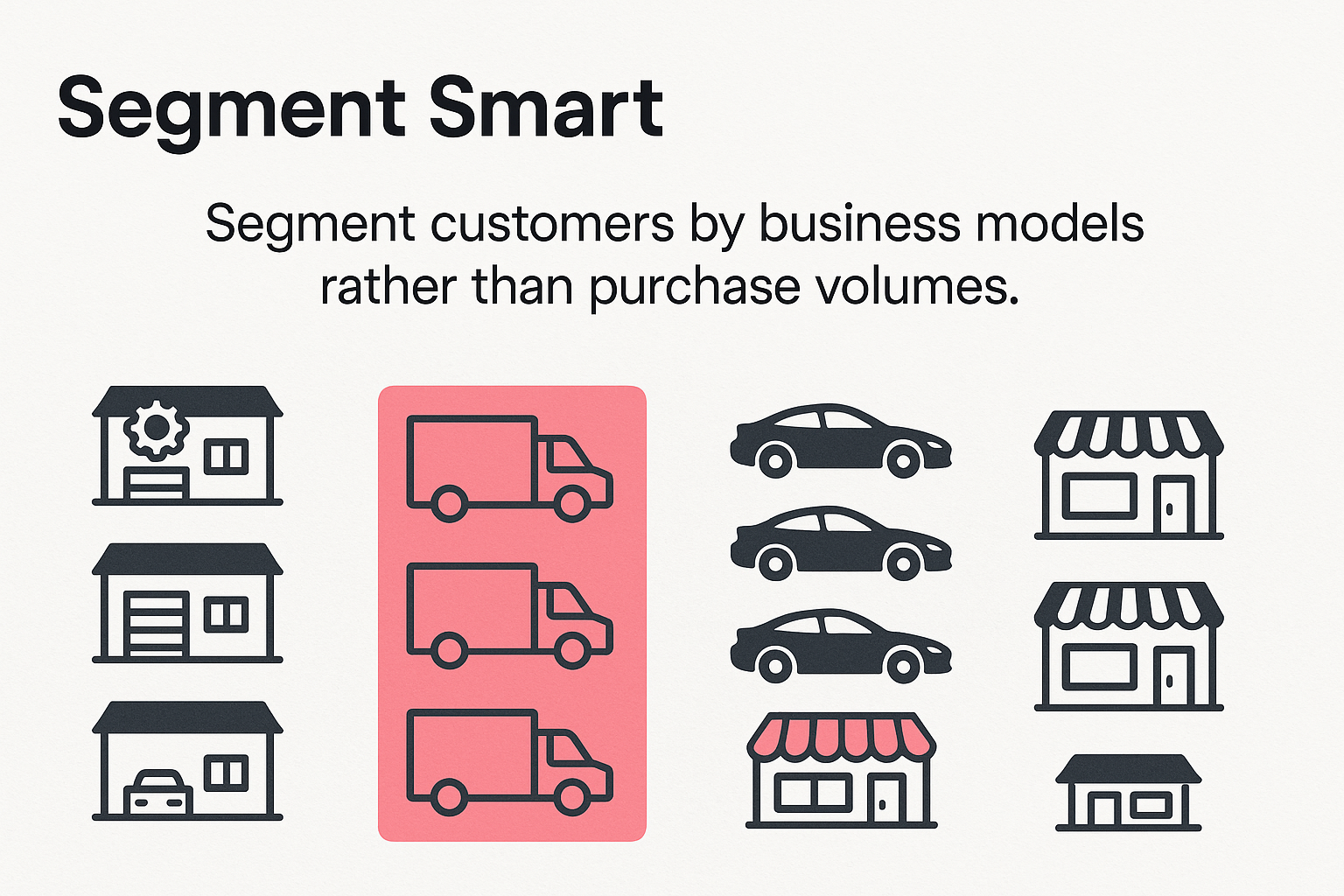
Segment customers by business model to align incentives with real operational needs.
The goal is making each customer feel like your loyalty program was designed specifically for their type of business. When a fleet manager sees rewards for bulk purchasing and extended warranties, they should think "These people get it."
This is where loyalty programs get really smart. Instead of just rewarding purchases, you start providing services that become integral to your customers' operations. I call this the "infrastructure approach" - you become so embedded in their business processes that switching suppliers would require rebuilding systems.
Effective programs offer value-added services such as technical training, business development workshops, and marketing cooperation, which directly impact the partner's business operations and profitability. Value-added services, including technical support and business growth tools, are cited as critical differentiators in B2B loyalty programs, helping partners grow their own businesses while reinforcing brand loyalty (Source: Basiq360).
Here's what I recommend focusing on, based on what I've seen work consistently:
The beauty of this approach is that these services become more valuable over time. A distributor who's been using your inventory management system and marketing materials for two years isn't just losing a supplier if they switch - they're losing business infrastructure.
All right, here's where the rubber meets the road. I've seen brilliant loyalty strategies die in spreadsheets because nobody thought through the actual implementation. The good news is that modern loyalty platforms make the technical side much easier than it used to be.
Loyalty software platforms allow for automated reward distribution and real-time tracking of partner performance, making it easier to manage complex programs and measure ROI. Incorporating gamification elements like points, badges, and leaderboards can increase engagement and foster a sense of achievement among partners (Source: BeatRoute).
Start with these foundational steps:
What I always tell my clients is to start small and expand. Pick one customer segment, test your approach for 90 days, measure what works, then roll it out more broadly. This isn't about perfection out of the gate - it's about building something that gets better over time.
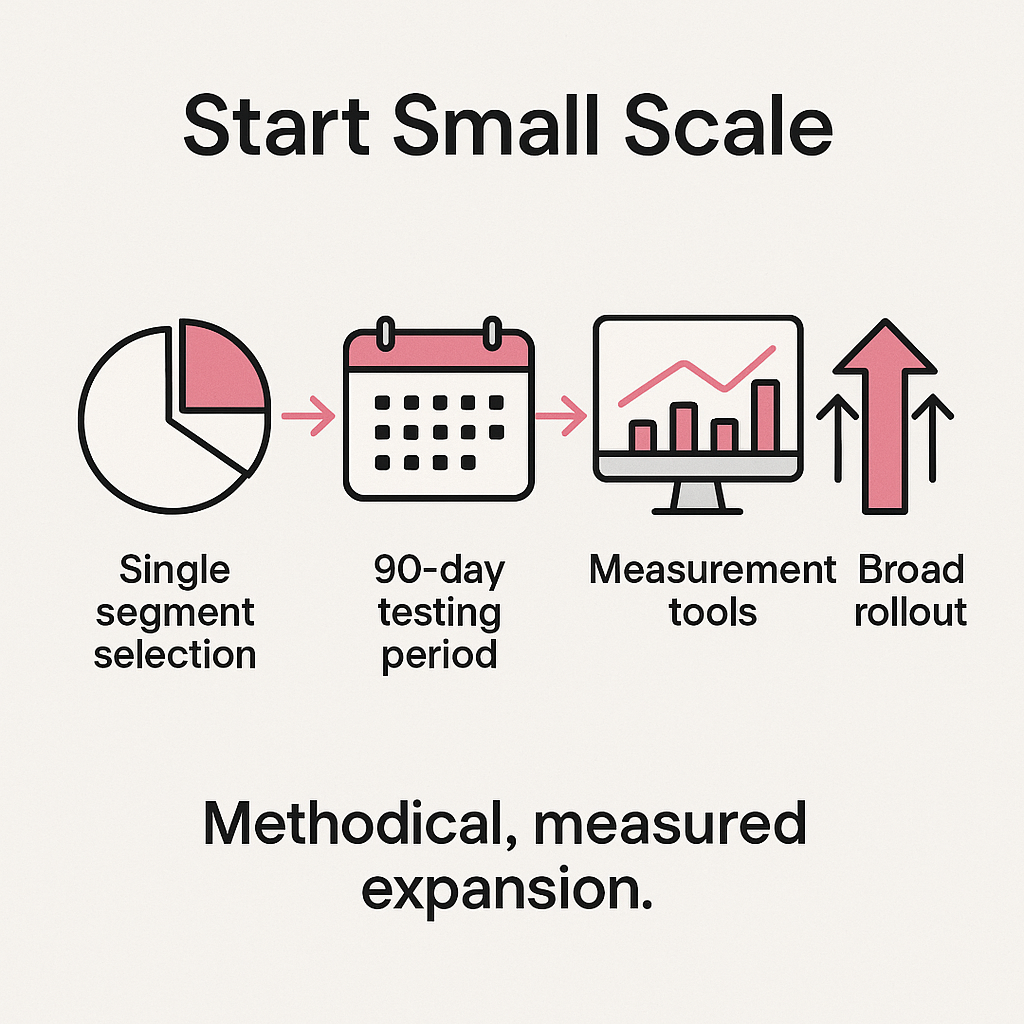
Start small: pilot with one segment for 90 days, measure results, then scale.
Here's a mistake I see all the time: suppliers launch loyalty programs, see sales increase, and declare victory. But correlation isn't causation. Maybe sales went up because the market improved, or because a competitor had supply issues. You need to dig deeper to understand what's actually working.
The metrics I focus on with my clients go beyond revenue. We track customer lifetime value changes, frequency of orders, product mix expansion, and even things like how quickly customers pay their invoices. Loyal customers don't just buy more - they become easier and more profitable to do business with.
Key performance indicators to monitor include:
I also recommend conducting quarterly business reviews with your top-tier customers. These aren't just sales meetings - they're strategic planning sessions where you discuss their business goals and how your partnership can help achieve them. The insights from these conversations often drive the best program improvements.
Look, I get it. Reading about loyalty programs is one thing - actually building one that works is another. But here's what I want you to take away from this: start with relationships, not rewards. The best loyalty programs I've seen aren't about points and discounts - they're about becoming indispensable business partners.
Your immediate action plan should focus on three things. First, segment your top 20% of customers by business model, not just volume. Second, identify one value-added service you could pilot in the next 30 days - maybe it's technical training, maybe it's sharing market data, maybe it's helping with inventory planning. Third, start tracking engagement metrics alongside sales numbers.
The auto parts industry is built on relationships and trust. Your loyalty program should strengthen both. When customers see you as a strategic partner who's invested in their success, pricing conversations become secondary to partnership conversations. That's when you know you've built something that lasts.