I run SCUBE Marketing, and we've built ecommerce strategies for industrial distributors. The challenge is always the same. Your product catalogs are massive. Your buyers are technical. Your sales cycles stretch for months.
71% of B2B buyers start with Google. If your fastener company isn't visible there, you're invisible to most of your market.

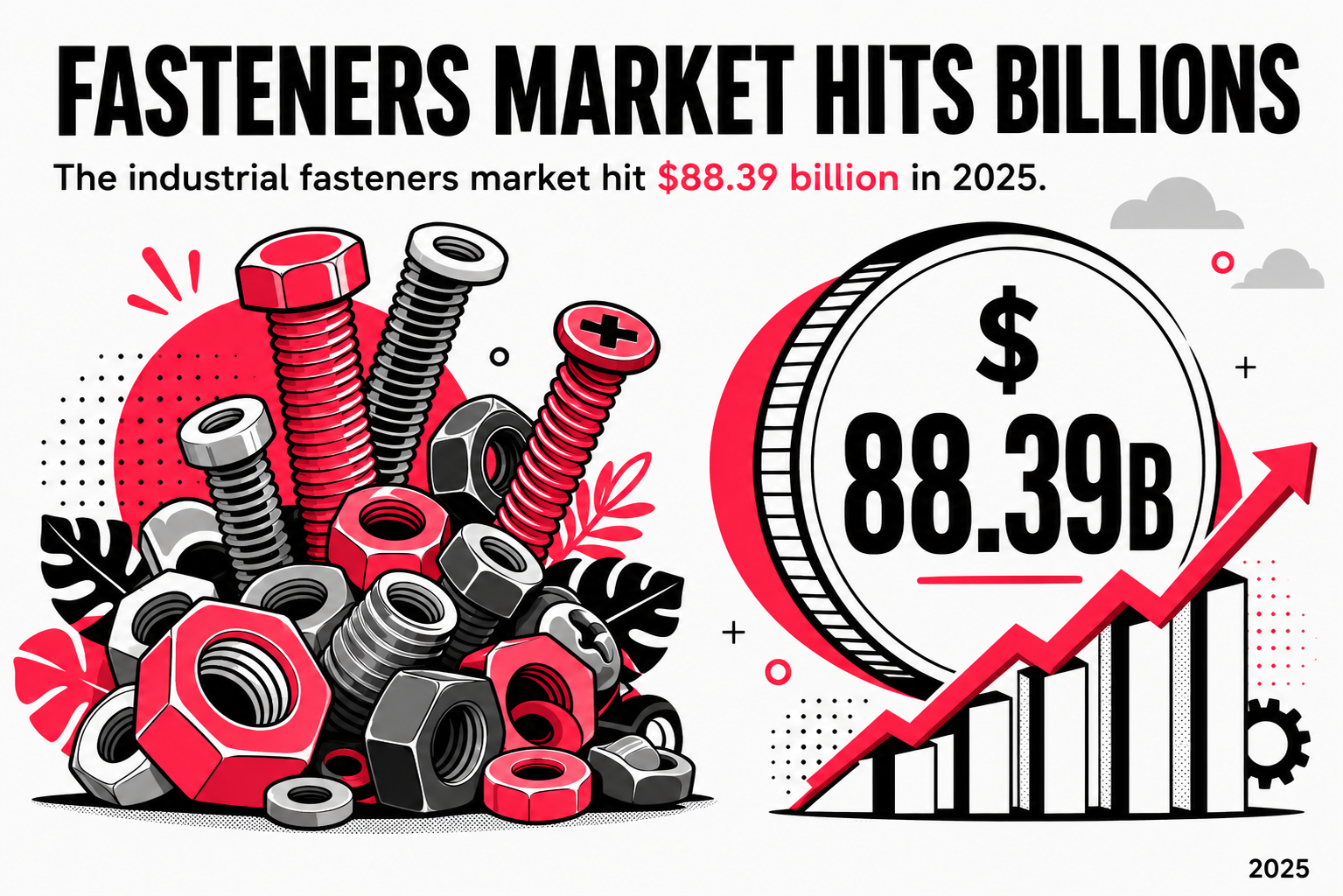
The industrial fasteners market hit $88.39 billion in 2025. Competition is fierce. Digital marketing is no longer optional for fastener distributors.
This guide covers the complete digital strategy. Website development that converts. SEO that gets you found. Lead generation that fills your pipeline. Content that builds authority.
You'll learn which marketing channels work for fastener companies. How to structure your online presence. What technology integrations matter most.
The distributors winning right now aren't the ones with the biggest catalogs. They're the ones buyers find first online.
Fastener distributors face a reality that's rewriting the rules. Your customers research independently now.
Procurement teams complete 70% of their buying journey through independent research. They're reading spec sheets. Comparing suppliers. Checking inventory before they contact anyone.
The old model was relationship-driven. Territory sales reps. Trade show connections. Phone calls and purchase orders.
That still matters. But it's not enough.
61% of B2B buyers prefer to make purchases without direct sales interaction in early stages. They want to find answers themselves first.
For fastener companies, this creates a problem. Most websites aren't built for self-service buyers. Product catalogs lack search functionality. Technical specifications are buried in PDFs. Pricing requires contact forms.
Meanwhile, your competitors are investing in digital marketing services. They're ranking for part numbers. Building ecommerce platforms. Capturing leads you never see.
The gap widens every month. Manufacturers and distributors with strong online presence win more business. Those without become invisible.
Trade publications reach fewer decision-makers now. Direct mail gets tossed. Cold calls go to voicemail.
Industrial buyers changed how they work. They search online for solutions. They compare options digitally. They expect instant access to product data and availability.
Your fastener distributor needs to be present where buyers look. That's search engines. Industry-specific online platforms. Professional networks like LinkedIn where professional targeting enables reaching customers by job title and industry.
Digital marketing isn't about replacing your sales team. It's about making sure prospects find you before they find someone else.
The global fasteners market is forecasted to reach $165.85 billion by 2035 at 5.01% annual growth. That growth attracts new competitors.
Online-first distributors enter the market. They don't have your overhead. They invest heavily in SEO and ecommerce. They target your keywords and your customers.
Manufacturers sell direct more often. Their websites compete with distributor sites. They rank for the same part numbers and specifications.
To stay competitive, fastener distributors need comprehensive digital strategies. Your online presence becomes your storefront. Your website becomes your catalog. Your content becomes your sales pitch.
Your website is your most important marketing asset. For fastener distributors, it needs to do three things well: display products, facilitate search, and capture leads.
Most industrial websites fail at all three.
Product catalogs get dumped online without structure. Search returns hundreds of irrelevant results. Lead capture forms ask for too much information.
Ecommerce solutions for fastener companies require different thinking than B2C retail. Your buyers are engineers and purchasing managers. They need technical specifications, compatibility information, and bulk pricing.
Start with product database architecture. Your website needs to handle thousands of SKUs. Each product requires multiple data points: dimensions, materials, thread specifications, load ratings, certifications.
Implement faceted search. Buyers should filter by thread size, length, material, finish, and grade. They should find the exact fastener they need in three clicks or less.
Build comparison functionality. Engineers evaluate multiple options. Let them compare specifications side by side without opening multiple tabs.
Add inventory visibility. Real-time stock levels build trust. Buyers don't want to request quotes for products you don't have.
Create dealer locator tools if you work with distribution networks. Help buyers find the nearest source for your products.
B2B ecommerce differs from consumer retail. You need account-based pricing. Volume discounts. Custom catalogs for different customer segments.
Integration with existing systems matters most. Your website should connect to your ERP system. Product data, pricing, and inventory should sync automatically.
Most fastener distributors use specialized platforms that handle wholesale distributor needs. They support multiple price lists. They manage customer-specific catalogs. They process purchase orders electronically.
Payment terms are different too. B2B buyers expect net-30 terms. They need to generate invoices. They want to track order history across multiple locations.
Your ecommerce platform should make reordering simple. Save frequent purchases. Suggest related products based on past orders. Enable quick checkout for repeat customers.
Maintenance managers order from job sites. Contractors search from trucks. Mobile traffic represents a substantial portion of B2B searches.
Your website must work perfectly on phones. Product images should load fast. Search should be thumb-friendly. Checkout should require minimal typing.
Consider progressive web apps. They work offline. They load instantly. They feel like native mobile applications without app store requirements.
Search engine optimization drives qualified traffic. When buyers search for specific fasteners, you want your company appearing first.
71% of B2B buyers begin research with Google searches. If you're not ranking, you're not getting those buyers.
Industrial SEO differs from consumer SEO. Your keywords are technical. Your content is specification-heavy. Your buyers search differently.
Manufacturing SEO focuses on optimizing industrial websites to rank for OEM part numbers and SKUs. Every product page needs proper optimization.
Use part numbers in titles and headers. Include manufacturer names and specifications. Add detailed technical descriptions that match how engineers search.
Create individual pages for product categories. Don't lump all hex bolts on one page. Separate by size, material, and grade. Each variation deserves its own optimized page.
Build specification sheets as web pages, not PDFs. Search engines index HTML better. Buyers find information faster. You rank for more long-tail queries.
Add schema markup for products. This helps search engines understand your inventory. It enables rich results with pricing and availability in search listings.
Many fastener distributors serve specific regions. Local SEO gets you found by nearby buyers.
Claim your Google Business Profile. Keep it updated with accurate hours, address, and contact information. Add photos of your facility and inventory.
Build location pages if you have multiple branches. Each location needs unique content describing services and local market focus.
Get listed in industry directories. B2B buyers use specialized sourcing platforms. ThomasNet, Kompass, and industry-specific directories matter more than general business listings.
Encourage customer reviews. B2B buyers check reputation before contacting suppliers. Reviews build trust and improve local rankings.
Create content hubs around core topics. Start with pillar pages covering broad subjects: fastener materials, thread standards, corrosion resistance, load calculations.
Link supporting articles to each pillar. Write detailed guides on specific topics. Explain when to use stainless versus galvanized. Compare metric versus imperial thread specifications.
This structure helps search engines understand your expertise. It keeps visitors on your site longer. It positions your fastener company as the authority buyers trust.
Update content regularly. Search algorithms favor fresh information. Add new products. Update specifications. Expand guides based on customer questions.
Traffic alone doesn't grow revenue. You need systems that convert website visitors into qualified leads and actual customers.
Industrial sales cycles are long. Sales cycles in manufacturing last around 130 days. Your lead generation must nurture prospects across months, not days.

Multiple decision-makers evaluate suppliers. Engineering specifies products. Purchasing negotiates terms. Operations manages logistics. Your marketing needs to address all three.
Create resources buyers actually want. Technical guides. Product selection tools. Compatibility charts. Load calculation spreadsheets.
Gate valuable content behind simple forms. Request name, email, company, and role. Don't ask for phone numbers on first download. Build trust before requesting calls.
Segment leads based on downloads. Someone downloading marine-grade fastener guides has different needs than someone requesting automotive specifications. Tailor follow-up accordingly.
Email the content immediately. Don't make prospects wait. Include related resources in the delivery email. Guide them deeper into your content ecosystem.
Simplify quote forms. Every required field reduces conversions. Ask for essential information only: contact details, part specifications, quantity, timeline.
Provide instant acknowledgment. Automated emails confirming receipt show responsiveness. Set expectations for follow-up timing.
Enable file uploads. Engineers often have specification sheets or drawings. Let them attach documents rather than typing everything.
Show response times prominently. If you typically respond in two hours, say so. Fast turnaround becomes a competitive advantage.
Create email nurture tracks for different buyer stages. Early-stage prospects get educational content. Mid-stage prospects receive case studies and comparisons. Late-stage prospects need pricing and availability information.
Trigger automation based on behavior. Someone who downloads technical specifications but doesn't request a quote gets follow-up content addressing common objections.
Score leads based on engagement. Website visits, email opens, content downloads, and quote requests all indicate buying interest. Route high-scoring leads to sales immediately.
Integration with your CRM system makes this work. Marketing automation should feed directly into sales workflows. No leads should fall through cracks between systems.
Our B2B lead generation strategies work specifically because they connect marketing activity to sales outcomes.
Organic search takes months. Paid advertising delivers immediate visibility. For fastener distributors, PPC fills gaps while SEO builds momentum.
Google Ads targets buyers actively searching for products. Someone searching "M10 stainless hex bolts supplier" has immediate purchase intent. Your ad should appear.
Build campaigns around product categories. Separate campaigns for bolts, screws, nuts, washers, and specialty fasteners. This enables precise budget allocation.
Use exact match keywords for part numbers. Broad match wastes budget on irrelevant searches. Someone searching a specific part number is ready to buy.
Create ads with specifications. Include material, size, and availability. The more specific your ad, the more qualified your clicks.
Send clicks to specific product pages, not your homepage. Reduce friction between click and conversion. Show exactly what the searcher wants immediately.
For distributors, PPC campaigns need different structures than retail. Account for longer sales cycles and higher order values.
Most B2B buyers don't convert on first visit. Remarketing keeps your fastener company visible throughout their research process.
Segment audiences by behavior. Someone who viewed product pages but didn't request a quote gets different messaging than someone who abandoned a quote form.
Show relevant products. If someone browsed stainless steel fasteners, remarket with stainless products and content. Don't show generic brand ads.
Use longer lookback windows. B2B purchases take months. Keep remarketing audiences active for 90-180 days, not the 30 days typical for consumer products.
LinkedIn reaches decision-makers other platforms miss. Target by job title, industry, company size, and seniority.
Build audiences of purchasing managers, maintenance supervisors, and engineers in manufacturing industries. These are the people specifying and buying fasteners.
Use sponsored content to promote thought leadership. Share technical guides and industry insights. Build awareness before pushing direct conversion.
Test lead gen forms native to LinkedIn. They auto-fill with profile data. This reduces friction for busy professionals browsing on mobile.
Educational content builds trust with industrial buyers. When you solve problems through content, prospects see you as the expert source.
Fastener companies have deep technical knowledge. Most don't share it publicly. That's a missed opportunity.
Write specification guides. Explain when to use Grade 5 versus Grade 8 bolts. Detail corrosion resistance across different materials and finishes.
Create selection tools. Build calculators for torque specifications. Develop charts for thread compatibility. Make complex decisions simpler.
Document application stories. Show how specific fasteners solved real engineering challenges. Include technical details: loads, environments, installation requirements.
Answer frequent questions thoroughly. Every customer service question represents content potential. Turn repetitive answers into searchable resources.
Video explains complex products better than text. Show installation procedures. Demonstrate proper use. Compare product options visually.
Keep videos short and specific. Three-minute tutorials work better than 20-minute presentations. Focus each video on one topic.
Optimize videos for search. YouTube is the second-largest search engine. Use descriptive titles with part numbers. Write detailed descriptions. Add timestamp chapters.
Embed videos on product pages. Buyers watching video are more engaged. They understand products better. They convert at higher rates.
Regular email keeps your fastener distributor top of mind. Share new products, technical tips, and industry updates monthly.
Segment your list. Purchasing managers want different content than engineers. Manufacturing customers have different needs than construction contractors.
Focus on value, not promotion. Share useful information consistently. Occasionally promote special offers or new inventory.
Webinars are critical for B2B companies, with 51% rating them essential. Host quarterly webinars on technical topics. Record them for on-demand viewing.
Marketing effectiveness depends on system integration. Disconnected tools create data silos and manual work.
For fastener distributors, product data lives in ERP systems. Customer information lives in CRM systems. Marketing tools need access to both.
Connect your website to your ERP system. This enables real-time inventory display. Buyers see current availability without calling.
Sync pricing automatically. Customer-specific pricing appears when they log in. Volume discounts calculate correctly. No manual updates required.
Process orders directly into your ERP. Web orders shouldn't require re-entry. Electronic processing reduces errors and speeds fulfillment.
Export order data back to marketing tools. Track which marketing channels drive revenue. Calculate customer acquisition costs accurately.
Clean product data is essential for digital marketing. Inconsistent part numbers break search. Missing specifications reduce conversions. Poor images cost sales.
Standardize naming conventions. Use consistent formats for part numbers across all systems. This enables accurate tracking and reporting.
Enrich product data continuously. Add detailed descriptions. Include multiple images from different angles. Attach specification sheets and certifications.
Implement product information management (PIM) systems for large catalogs. These tools centralize product data. They syndicate information to multiple channels consistently.
Your CRM should receive leads from all marketing channels. Website forms. Downloaded content. Trade show scanner data. Everything flows into one system.
Track lead source and campaign. Know which marketing activities generate revenue. Allocate budget to what works.
Build automated workflows. Hot leads get immediate sales follow-up. Cold leads enter nurture sequences. Dead leads get suppressed from active marketing.
We've seen distributors achieve 3x revenue growth through strategic digital marketing integration when systems work together properly.
Marketing investment requires measurement. You need to know what works and what wastes money.
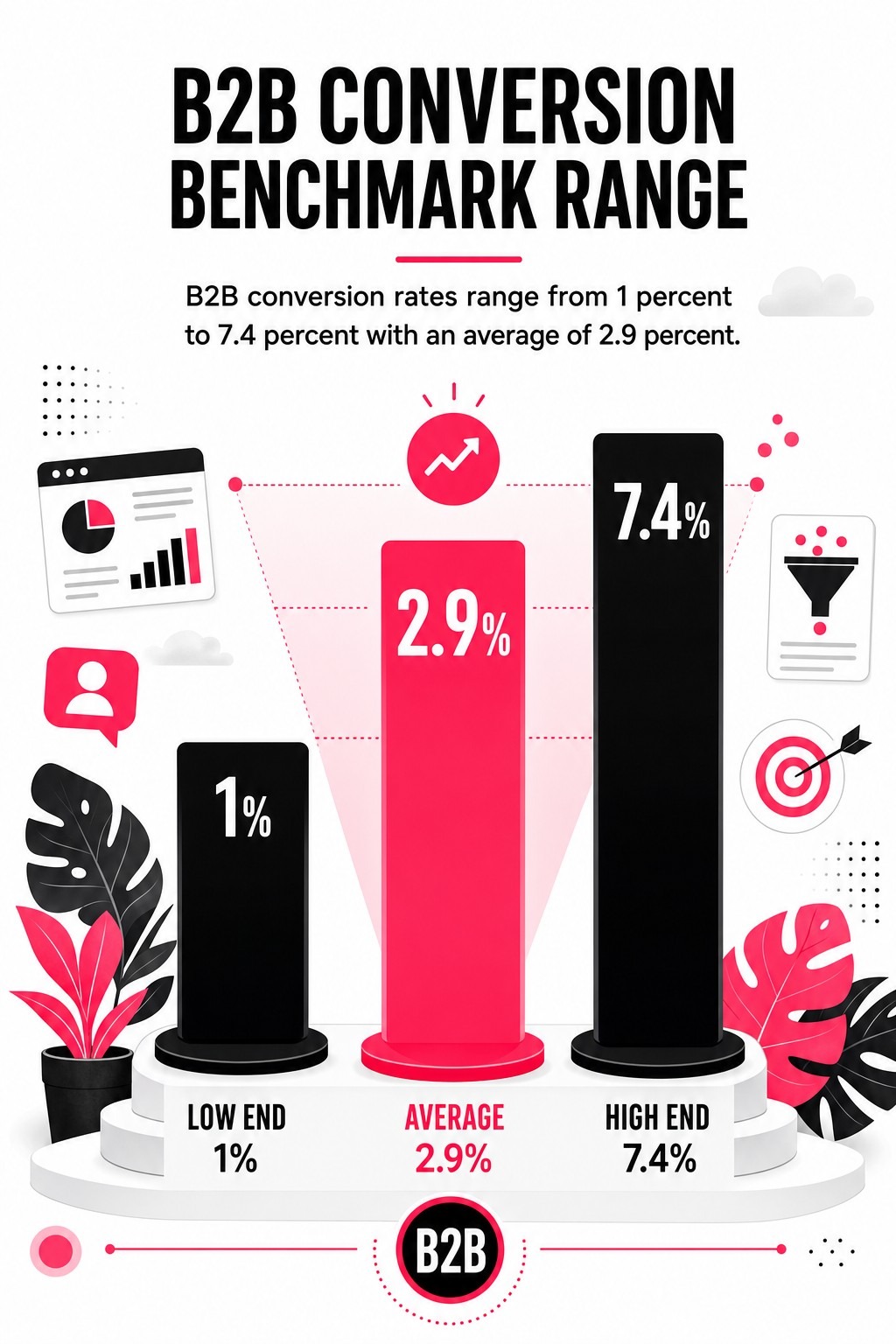
Industrial marketing metrics differ from consumer metrics. B2B conversion rates range from 1%to 7.4% with an average of 2.9%. Don't judge performance against consumer benchmarks.
Track traffic by product category. Know which fastener types drive the most searches. Invest content resources where buyer interest is highest.
Monitor lead quality, not just quantity. Leads that sales can't reach or won't engage waste marketing budget. Focus on metrics that predict actual sales.
Calculate customer lifetime value. One large manufacturing customer might be worth 100 small contractors. Factor this into acquisition cost tolerance.
First-touch attribution misses the journey. A buyer might find you through organic search. Then return via paid ads. Then convert after an email.
Use multi-touch attribution. Credit all touchpoints that influenced the sale. This shows which channels work together.
Build custom reports in Google Analytics. Track assisted conversions. See which channels introduce prospects versus which channels close them.
For comprehensive measurement frameworks, our guide to industrial digital marketing in 2026 covers advanced analytics setups.
Review performance monthly at minimum. Look for trends, not daily fluctuations. Industrial marketing takes time to compound.
Compare year-over-year, not month-over-month. Seasonal patterns affect fastener sales. Last December matters more than last month.
Test continuously. Try different ad copy. Test landing page layouts. Experiment with content formats. Small improvements compound over time.
Share marketing performance with sales teams. They provide context on lead quality. They know which campaigns generated actual customers.
Digital marketing for fastener distributors isn't optional anymore. It's how modern buyers find suppliers. It's how you stay competitive as the market grows.
Start with your website foundation. Build an ecommerce platform that displays products properly. Implement search that actually works. Create an experience that serves self-service buyers.
Invest in SEO for long-term traffic. Optimize product pages for part numbers. Create content that answers technical questions. Build authority that compounds month after month.
Develop lead generation systems that nurture prospects. Industrial sales cycles are long. Your marketing needs to maintain relationships across months of research and evaluation.
Integrate your technology. Connect marketing tools to your ERP and CRM. Automated data flow eliminates manual work and improves accuracy.
Measure what matters. Track metrics that predict revenue. Optimize based on data, not assumptions.
The fastener companies winning digital marketing right now started years ago. They built momentum gradually. They learned what works for their specific customers.
You don't need to do everything immediately. Start with your website. Add SEO. Build content. Layer in paid advertising. Each piece makes the others work better.
The distributors who wait are falling further behind. Buyers are online now. Your competitors are there. You should be too.