
Most wholesale distributors spend months chasing buyers through cold calls and trade shows while their competitors quietly capture qualified leads through digital channels. The real ROI gap isn't between traditional and digital marketing. It's between distributors who treat B2B buyers like they're still ordering from paper catalogs and those who meet them where they actually research: online.
I've spent years helping wholesale businesses compete in digital channels. The distributors who win consistently don't just throw up a website and hope buyers find them.
They build systematic digital marketing strategies that turn search traffic into qualified inquiries and email subscribers into long-term wholesale customers. The difference shows up fast: instead of waiting months for trade show ROI, they generate buyer interest weekly through multiple digital touchpoints.
Your wholesale marketing strategy needs more than a LinkedIn profile and occasional blog posts. You need a coordinated system that attracts ideal buyers, demonstrates product value clearly, and builds relationships that convert into bulk orders. This guide covers exactly how to build that system, from identifying your target buyers through digital channels to creating product presentations that close wholesale deals.
You'll learn which digital marketing strategies actually work for B2B wholesale, how to price and position your products for volume buyers, and which tools help you manage buyer relationships at scale. This isn't theory pulled from generic marketing playbooks. It's the tactical framework wholesale distributors use to compete against both traditional competitors and emerging online marketplaces.
Wholesale buyers don't impulse-purchase like retail consumers. They research suppliers for weeks, compare product specifications across multiple vendors, and evaluate whether your pricing structure fits their margin requirements before ever contacting your sales team.
Your digital marketing strategy needs to address every stage of this journey. Most wholesale distributors focus exclusively on bottom-funnel tactics like cold calling known prospects. They miss the weeks of research their buyers conduct independently before ever raising their hand.
B2B marketing succeeds when you show up during that research phase. When a retailer searches "industrial fastener suppliers" or "bulk automotive parts distributor," your content should answer their questions before competitors do.
Not every business that could buy wholesale deserves equal marketing attention. Your wholesale marketing strategy should target buyers who match three criteria: sufficient order volume to justify wholesale pricing, business stability to become repeat customers, and alignment with your product categories.
Build buyer personas for your ideal wholesale customers. What industries do they serve? What order volumes do they typically need? What problems does your product solve in their business operations?
Retailers looking for automotive aftermarket parts have different priorities than industrial manufacturers sourcing components. Your digital content should speak directly to the specific concerns of your highest-value buyer segments.
Track where your wholesale customers first discover your business. Are they finding you through Google searches? Industry forum recommendations? LinkedIn connections? Each discovery channel requires different content strategies.
Create a simple spreadsheet tracking how your last 20 wholesale customers found you. This reveals which digital marketing strategies actually generate qualified buyers versus which just consume budget.
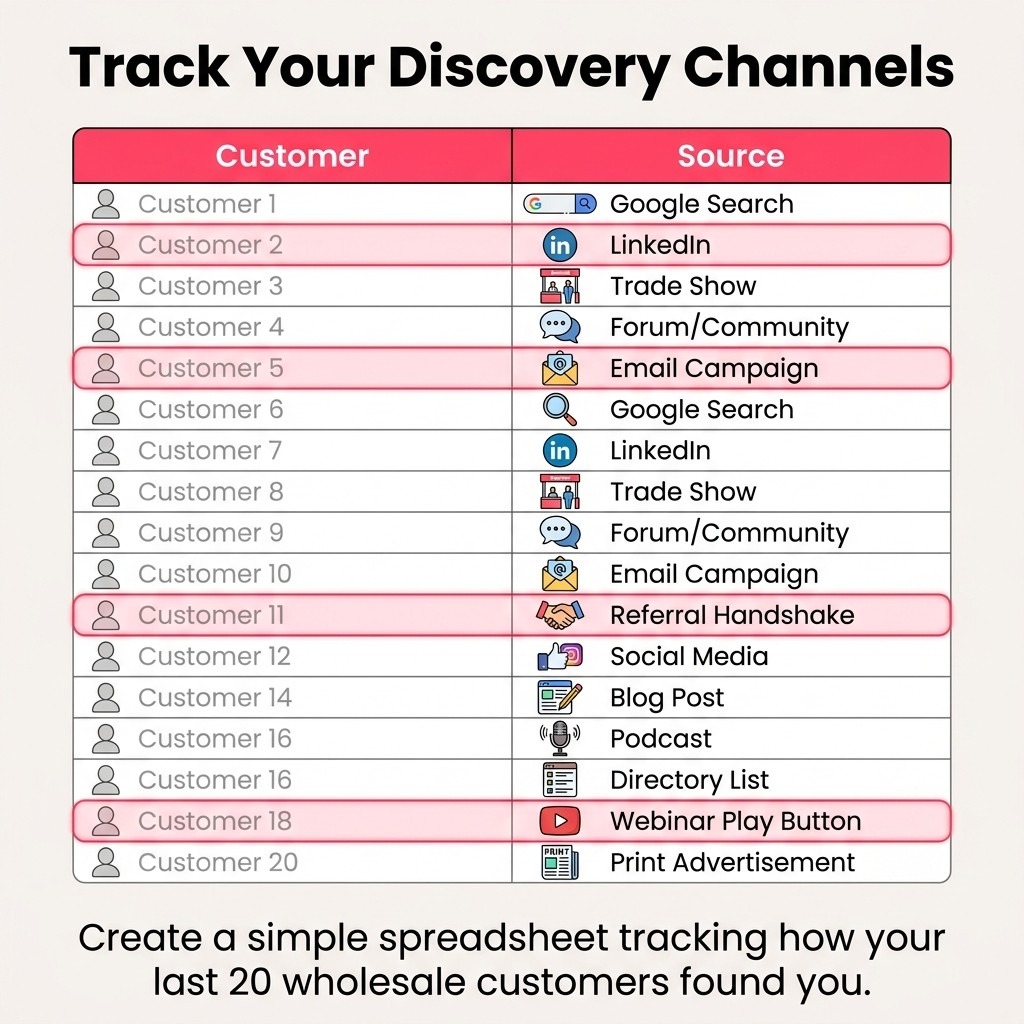
Most distributors discover their assumptions about buyer behavior don't match reality. You might invest heavily in trade show sponsorships while 60% of new customers actually discover you through organic search results.
Wholesale marketing strategy starts with infrastructure that makes your business discoverable and credible to B2B buyers researching suppliers online. Without these foundations, your promotional efforts send traffic nowhere useful.
Your website serves as your digital showroom. Wholesale buyers expect detailed product specifications, clear pricing structures, and straightforward ordering processes. They won't waste time contacting distributors whose websites make basic information difficult to find.
Your site needs distinct sections for wholesale buyers versus retail customers. Create a dedicated wholesale portal that immediately communicates that you serve B2B customers with volume pricing and minimum order quantities.
Include these critical elements: searchable product catalog with specifications, wholesale pricing tiers or volume discounts clearly explained, minimum order requirements stated upfront, and simple inquiry forms that capture buyer details without requiring account creation first.
Tools like Shopify Plus or BigCommerce offer B2B functionality specifically designed for wholesale businesses. They handle complex pricing structures and buyer-specific catalogs without custom development.

Add downloadable resources buyers actually need. Line sheets showing your full product range with wholesale pricing. Specification sheets for technical products. Terms and conditions documents. These PDFs demonstrate professionalism and save buyers time requesting basic information.
B2B buyers research suppliers through specific search terms. They're not searching "buy products" like retail consumers. They search "bulk industrial supplies distributor" or "wholesale automotive parts manufacturer direct."
Your SEO strategy should target these commercial intent keywords. Create content that answers buyer questions at each research stage. Early research: comparison guides and industry education. Middle research: product specification content and use cases. Late research: pricing structures and ordering processes.
Optimize product pages for wholesale-specific search terms. Instead of generic product names, include modifiers like "wholesale," "bulk," "distributor," and "B2B" that match how business buyers actually search.
The technical SEO requirements for B2B companies differ slightly from retail ecommerce. Your site structure should accommodate large product catalogs with clear category hierarchies that both buyers and search engines can navigate easily.
Content marketing builds the discovery layer that brings new wholesale customers into your sales funnel. Most distributors skip this entirely or post occasional generic blog content that doesn't address buyer needs.
Your content should answer the specific questions wholesale buyers ask during supplier research. What minimum quantities do you require? What's your lead time for custom orders? Do you offer samples before bulk ordering? Address these directly.
Create guides that help buyers make better purchasing decisions. If you distribute industrial supplies, write content comparing material types, explaining specification requirements, or outlining industry standards buyers should know.
This positions you as a knowledgeable partner rather than just another supplier. Buyers remember distributors who helped them understand complex products, not just those who offered the lowest price.
Publish detailed product comparison content. "Comparing Fastener Grade Specifications for Industrial Applications" attracts buyers researching which products meet their needs. These comparison pieces rank well for commercial search terms and demonstrate product expertise.
Video content works exceptionally well for wholesale businesses. Record quick facility tours showing your inventory depth. Create product demonstration videos highlighting key features. Film packaging and shipping processes to address buyer quality concerns.
Wholesale buyers want proof your products work in real business applications. Case studies showing how other businesses use your products successfully reduce purchase anxiety.
Document specific use cases: "How [Industry] Companies Use Our Products for [Application]." Include the problem the buyer faced, why they selected your products, and measurable results after implementation.
These don't need elaborate production. Simple written case studies with before/after photos provide enough social proof. Get permission from existing wholesale customers to feature their businesses and results.
Email marketing remains one of the highest-ROI channels for wholesale businesses because it enables direct communication with qualified buyers who've already expressed interest.
Your email strategy should nurture prospects from initial inquiry through first wholesale order, then maintain engagement to drive repeat purchases. Different buyer segments need different email sequences based on where they are in your sales cycle.
Cold emailing potential wholesale customers works when done correctly. Research prospects thoroughly first. Identify businesses that match your ideal customer profile, find the right buyer contact, and personalize each message.
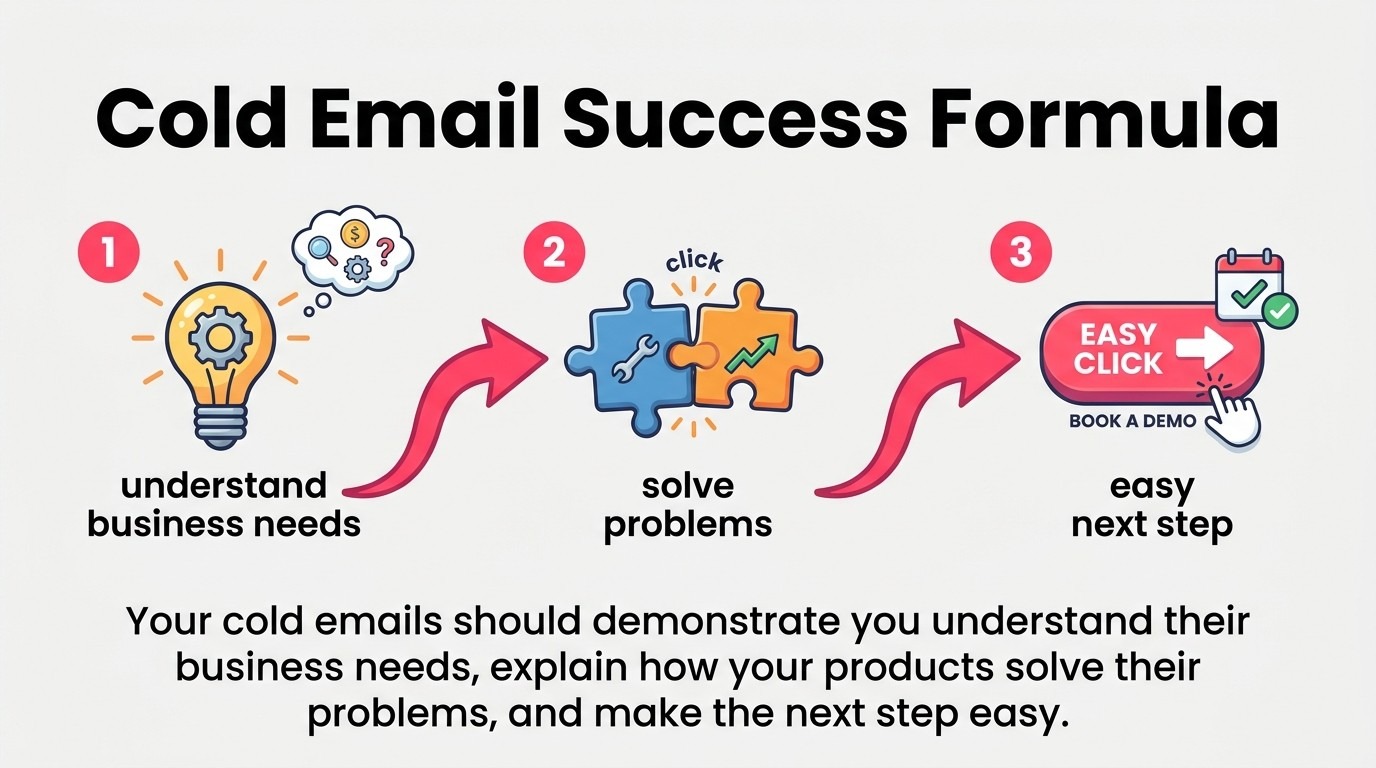
Your cold emails should accomplish three things: demonstrate you understand their business needs, explain specifically how your products solve their problems, and make the next step easy with a clear call to action.
Skip generic "we'd love to work with you" messages. Instead: "I noticed [Company Name] stocks [competitor products]. We manufacture similar products with [specific advantage] that could improve your margin by [estimated amount]. Could we send samples for evaluation?"
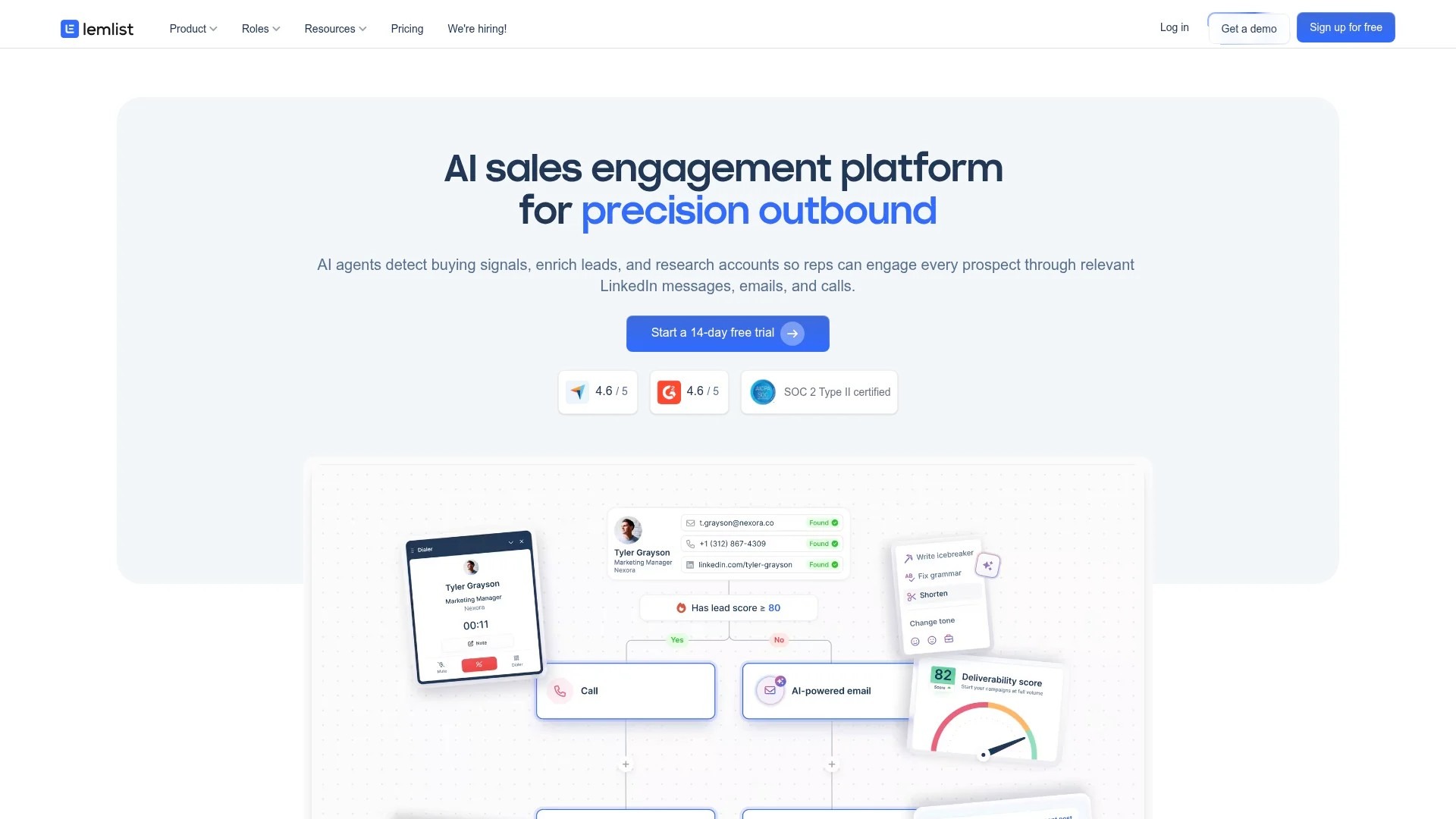
Tools like Hunter.io help find verified business email addresses. Lemlist or Woodpecker automate follow-up sequences while keeping messages personalized.

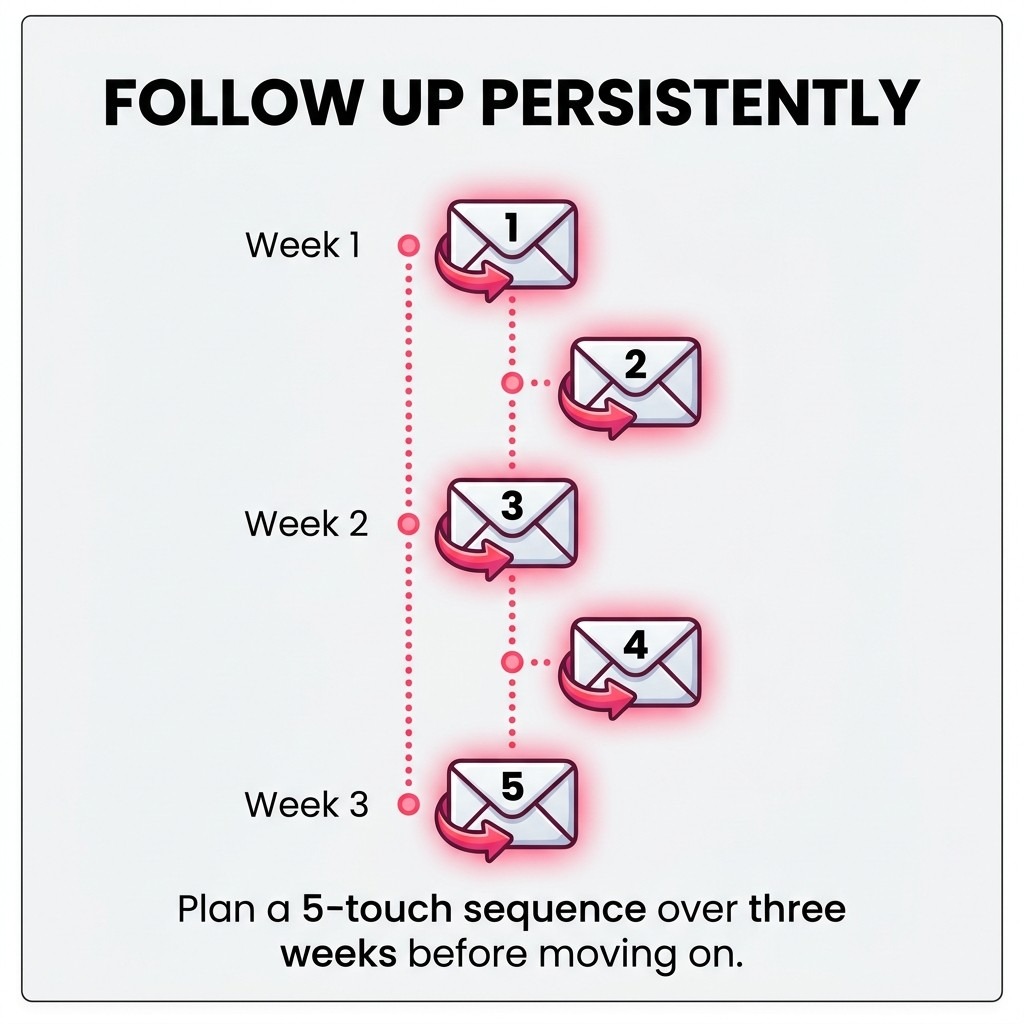
Follow up persistently. Wholesale buyers are busy managing existing suppliers and operations. Your first email rarely gets immediate response. Plan a 5-touch sequence over three weeks before moving on.
When potential buyers request information or download content from your site, they enter a nurture sequence. These automated email series gradually build trust and move prospects toward purchasing.
Structure your sequences around buyer questions. Email one: product overview and key benefits. Email two: pricing structures and minimum order information. Email three: quality assurance and shipping details. Email four: sample ordering process. Email five: customer testimonials and case studies.
Space emails 3-5 days apart. Too frequent feels pushy for B2B buyers. Too sparse loses momentum. Each email should provide value independently while building toward the wholesale purchase decision.
Use Mailchimp, HubSpot, or ActiveCampaign to automate these sequences. Track which emails generate replies or sample requests to optimize your messaging over time.

Social media works differently for wholesale businesses than retail brands. Your goal isn't viral content or massive follower counts. You're building visibility with a narrow audience of potential wholesale buyers and staying top-of-mind with existing customers.
Focus on platforms where B2B buyers actually spend time. LinkedIn dominates for professional wholesale relationships. Industry-specific forums and Facebook groups often host active distributor discussions.
LinkedIn functions as the primary social network for B2B wholesale marketing. Buyers research suppliers there, industry professionals share recommendations, and purchasing managers actively network.
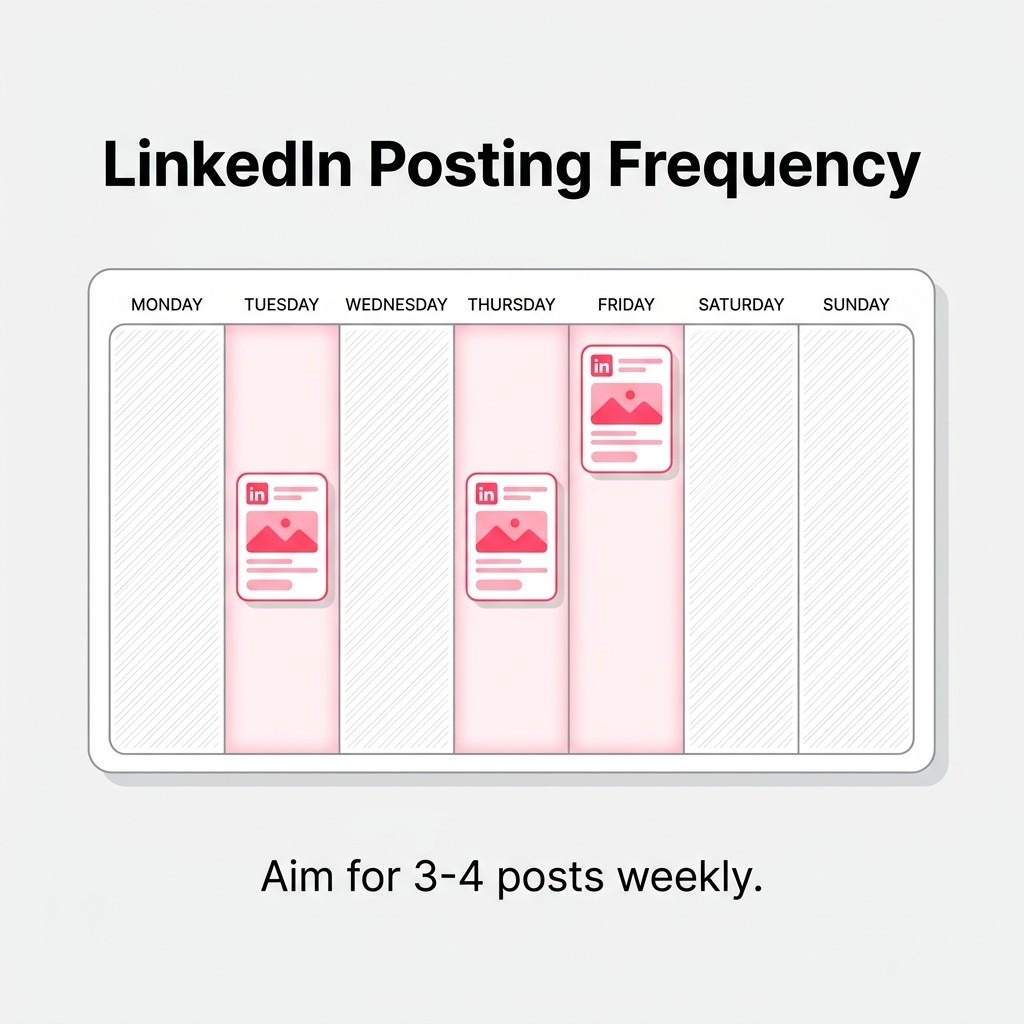
Optimize your company page with complete product information and clear wholesale focus. Post consistently: product updates, industry news analysis, and educational content about your product categories. Aim for 3-4 posts weekly.
The real LinkedIn value comes from personal profiles. Encourage your sales team to build their professional networks. When they share company content or engage with industry discussions, it reaches their connections organically.
Join LinkedIn groups relevant to your buyer industries. Participate genuinely in discussions. Answer questions about product specifications or industry trends. This positions your team as helpful experts rather than salespeople.
Repurpose your content across multiple social platforms. That detailed blog post about product specifications becomes five LinkedIn posts highlighting individual sections. The product demonstration video works on YouTube with a LinkedIn teaser clip driving traffic.
Track which content types generate actual buyer inquiries versus just engagement metrics. Social media vanity metrics don't matter for wholesale businesses. You care about whether content brings qualified wholesale customers into your sales process.
Use social listening to identify when potential buyers discuss supplier needs. Tools like Mention or Brandwatch alert you when people discuss relevant keywords, letting you join conversations naturally.
Trade shows remain valuable for wholesale marketing, but they work best integrated with digital channels rather than as standalone tactics. Your digital presence should amplify trade show attendance and extend relationships beyond the event.
Promote trade show attendance through email marketing and social media before the event. Let existing customers know you'll be exhibiting. Invite prospects you've been nurturing digitally to visit your booth.
Email your customer list six weeks before major trade shows. Offer to schedule booth appointments for serious buyers interested in discussing volume orders or new product lines.
Create landing pages specifically for each trade show. Include your booth number, special show promotions, and appointment scheduling. Promote these pages through LinkedIn posts and targeted cold emailing to attendee lists.
Run LinkedIn ads targeting people who've indicated they're attending the event. Your ads should highlight what you're showcasing and incentivize booth visits with exclusive show pricing or product samples.
The real trade show value comes from systematic follow-up. Most distributors collect business cards then fail to follow up promptly while leads are hot.
Scan every business card into your CRM immediately. Within 48 hours, send personalized follow-up emails referencing specific conversations. Include relevant product information or samples they expressed interest in.
Add trade show contacts to targeted email nurture sequences. These prospects have higher intent than cold contacts since they visited your booth. Your sequences can move faster with more direct sales messaging.
Pricing structures make or break wholesale marketing strategy. Buyers evaluate not just your unit prices but your entire pricing model: volume discounts, payment terms, minimum orders, and how pricing scales as order quantities increase.
Your wholesale pricing needs to accomplish three goals: provide sufficient margin for your business, offer attractive discounts that incentivize volume purchases, and remain competitive with alternative suppliers buyers are comparing.
Display your volume discount tiers clearly on your website and in sales materials. Wholesale buyers appreciate knowing exactly how pricing changes based on order quantities without needing to contact sales first.
Structure discounts to encourage order quantities that make economic sense for your business. If shipping costs drop significantly at certain order sizes, align discount tiers with those breakpoints.
Consider tiered pricing structures that reward customer loyalty. First-time buyers receive standard wholesale pricing. After three successful orders, they unlock preferred pricing tiers. This incentivizes repeat business.
Use limited-time promotions to convert prospects researching suppliers. First-order discounts reduce the risk buyers feel when trying a new wholesale supplier.
Offer product samples at cost or free for qualified buyers. Sending samples costs money upfront but converts prospects who need to evaluate product quality before committing to bulk orders.
Create seasonal promotions around industry buying cycles. If your buyers typically stock up before peak seasons, offer early-order discounts that incentivize advance purchasing and improve your cash flow timing.
How you present products directly impacts wholesale purchase decisions. Buyers need detailed specifications, clear imagery, and organized information that helps them evaluate whether products meet their needs.
Your product presentations should work across multiple channels: website product pages, downloadable catalogs, email attachments, and printed materials for sales meetings. Consistency across formats builds professional credibility.
Line sheets function as your core product presentation tool. These single-page documents show your product range with essential information wholesale buyers need: product codes, descriptions, wholesale pricing, minimum order quantities, and available variations.
Design clean, scannable line sheets. Buyers review these quickly when comparing multiple suppliers. Use consistent formatting, clear product photography, and organized tables that make information easy to extract.
Update line sheets quarterly or whenever pricing changes. Outdated pricing creates confusion and slows purchase decisions when buyers need to confirm current rates.
Make line sheets easily downloadable from your website. Include them as PDF attachments in email communications. Bring printed copies to trade shows and sales meetings.
Comprehensive digital catalogs showcase your full product range in detail. While line sheets provide quick reference, catalogs offer the depth wholesale buyers need for technical products.
Include multiple product photos showing different angles and scale. Technical specifications in detailed tables. Application examples demonstrating how products are used. Related product suggestions that encourage larger orders.
Tools like Adobe InDesign or Canva Pro help create professional digital catalogs. Export as interactive PDFs that work on any device buyers use.
Host catalogs on your website as downloadable PDFs. Also create page-by-page browsable versions using tools like Issuu or Flipsnack that provide better online reading experiences.
Acquiring new wholesale customers costs significantly more than retaining existing ones. Your wholesale marketing strategy needs relationship-building systems that turn first-time buyers into long-term partners.
B2B relationships depend on consistency, reliability, and communication. Wholesale buyers stick with suppliers who make their jobs easier, not just those with the lowest prices.
Customer relationship management software tracks buyer interactions, order history, and communication across your team. This prevents information silos where only one salesperson knows a customer's preferences and history.
Choose CRM platforms designed for B2B sales cycles. Salesforce remains the enterprise standard. Pipedrive works well for smaller wholesale businesses. Zoho CRM offers solid functionality at lower price points.
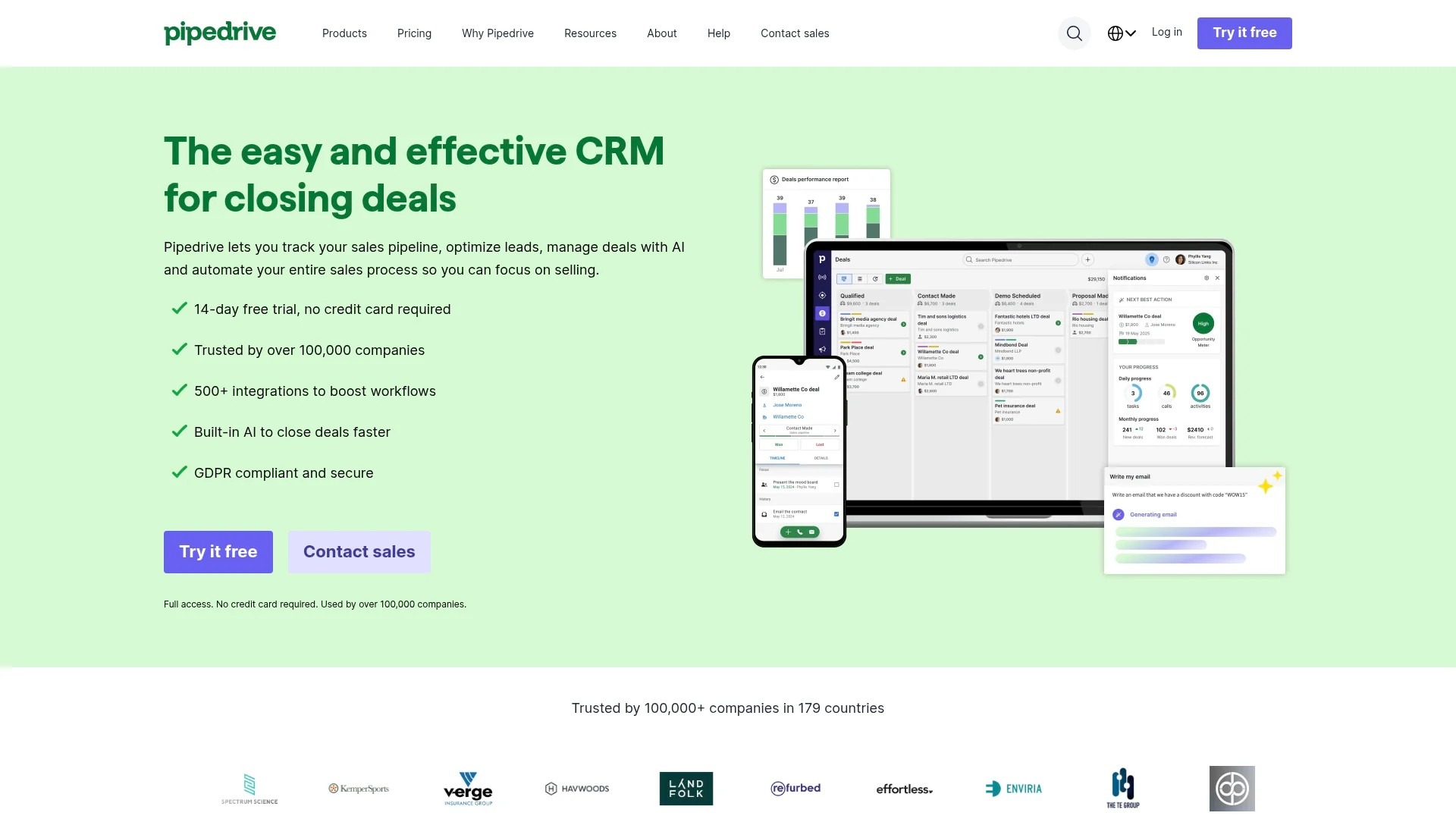
Track customer communication history, purchase patterns, and preferences in your CRM. When buyers contact you about new orders, your team should instantly access their previous orders and pricing agreements.
Set up automated reminders for customer follow-up. If a regular buyer hasn't ordered in their typical timeframe, your system should alert sales to reach out proactively.
Implement loyalty programs that reward consistent wholesale customers. These don't need complex point systems. Simple tier structures based on annual order volume work effectively: customers who purchase over certain thresholds unlock better pricing or other benefits.
Provide dedicated account management for your highest-value wholesale customers. Assign specific team members to manage these relationships, ensuring consistent communication and personalized service.
Regular communication maintains relationships between orders. Send quarterly emails updating customers about new products, industry trends, or operational improvements that benefit them.
Request feedback systematically. After orders ship, email brief surveys asking about product quality, delivery timing, and overall satisfaction. Address concerns immediately and use feedback to improve your operations.
Track marketing performance through metrics that actually matter for wholesale business: qualified lead volume, inquiry-to-customer conversion rate, average wholesale order value, and customer lifetime value.
Many wholesale distributors waste budget on marketing channels that generate traffic but not actual buyers. Your analytics should connect marketing activities directly to revenue outcomes.
Monitor these key performance indicators monthly:
Use Google Analytics to track website traffic sources and conversion paths. Set up goal tracking for key actions like quote requests, sample orders, and catalog downloads.
Connect your website analytics to your CRM system. This reveals which digital marketing channels generate wholesale customers who actually purchase, not just those who submit inquiry forms.
Review marketing performance quarterly. Identify which tactics generate positive ROI and which consume budget without producing wholesale customers.
Test systematically. Try different email subject lines and track which generate higher open rates. Create multiple versions of landing pages and measure which convert more visitors to leads.
The digital marketing approaches that work for specialized wholesale distributors often differ from general ecommerce tactics. Your data reveals what resonates with your specific buyer audience.
Double down on what works. When you identify channels or content types that consistently generate qualified wholesale buyers, shift more budget and attention there. Cut underperforming tactics ruthlessly.
Online B2B marketplaces like Alibaba, ThomasNet, and industry-specific platforms create both opportunities and challenges for wholesale distributors. These platforms bring buyer traffic but increase price competition.
Your marketplace strategy should complement rather than replace your own digital marketing. Use marketplaces as discovery channels while building direct relationships that move buyers to your owned channels.
Establish professional profiles on relevant B2B marketplaces where your target buyers search for suppliers. Complete every profile section thoroughly. Buyers comparing multiple suppliers favor those with complete information.
Upload comprehensive product catalogs with detailed specifications and clear pricing. Include professional product photography. Marketplaces reward complete listings with better visibility in search results.
Collect and showcase reviews from wholesale customers. Social proof matters in B2B purchasing. Positive reviews from verified buyers increase inquiry rates significantly.
Respond quickly to marketplace inquiries. Many platforms track response time and feature suppliers who reply within hours rather than days.
While marketplaces generate initial connections, direct relationships provide better long-term value. Marketplace fees eat into margins on every transaction.
After initial marketplace orders, encourage buyers to work with you directly for repeat purchases. Offer small incentives: slightly better pricing for direct orders, faster fulfillment, or dedicated support.
Add marketplace customers to your email nurture sequences. Send helpful content and product updates that remind them you exist beyond the marketplace platform.
Build your owned digital presence strong enough that buyers find you through search engines, not just marketplaces. This reduces dependency on platform fees and algorithm changes.
Building a complete wholesale marketing strategy takes time, but you don't need to implement everything simultaneously. Start with foundations that generate the quickest returns, then layer additional tactics as resources allow.
Begin with your website. Ensure it clearly communicates your wholesale focus, displays products professionally, and makes contacting you simple. Everything else builds on this foundation.
Implement basic SEO targeting wholesale buyer search terms. Create initial content answering common buyer questions about your product categories. These pages start attracting organic traffic immediately while you build additional marketing systems.
Set up email collection and basic nurture sequences. Even simple automated follow-ups dramatically improve inquiry conversion compared to manual, inconsistent follow-up.
The wholesale distributors who achieve significant growth through digital marketing share one characteristic: they implement systematically rather than chasing every tactic simultaneously.
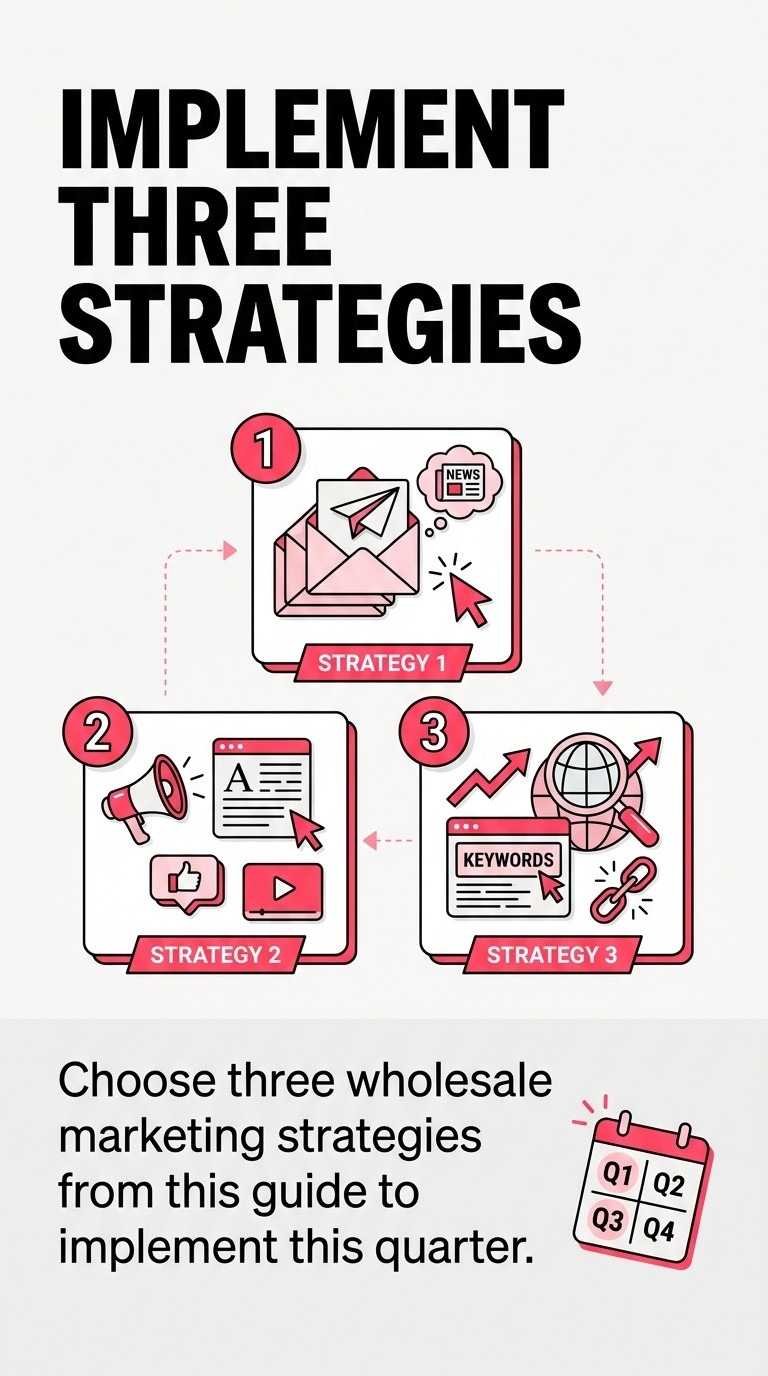
Choose three wholesale marketing strategies from this guide to implement this quarter. Master those before adding more. Consistent execution of core tactics beats sporadic implementation of everything.
Your wholesale business already has competitive advantages: product knowledge, existing relationships, operational capabilities. Digital marketing strategy simply makes those advantages visible to buyers researching suppliers online. The distributors who win in coming years will be those who show up where buyers look, answer questions buyers ask, and make purchasing decisions easier through every digital touchpoint.