
Electrical distributor lead generation requires a multi-channel approach that targets specific decision-makers, including procurement managers, engineers, and facility managers, across digital and outbound channels simultaneously. The U.S. Electrical Equipment Wholesaling industry reached a market size of $260.9 billion in 2025, growing at a CAGR of 2.5% between 2021 and 2026, according to IBISWorld's electrical equipment wholesaling market report. And yet, according to Gartner's B2B buyer preference survey, 67% of B2B buyers now prefer a rep-free buying experience. That gap between a massive market and buyers who actively avoid your sales team? That's exactly the problem this guide solves.

I've watched electrical distributors pour budget into trade show sponsorships while their ideal customers are quietly filling out competitor RFQ forms at 11pm. The industry is big. The competition for qualified leads is bigger. And the playbook most distributors are running is about five years out of date.
Electrical distributor lead generation operates inside a niche B2B sales cycle with long decision timelines, technical buying criteria, and multi-stakeholder approval chains that consumer or general B2B lead generation strategies simply don't account for.
Most generic lead generation advice treats a "lead" like a name and email address. For electrical distributors, a qualified lead means a procurement manager at a manufacturing plant who needs 500 SKUs on a net-30 contract, or a facilities engineer spec-ing out a switchgear upgrade across three buildings. Those aren't the same animal.
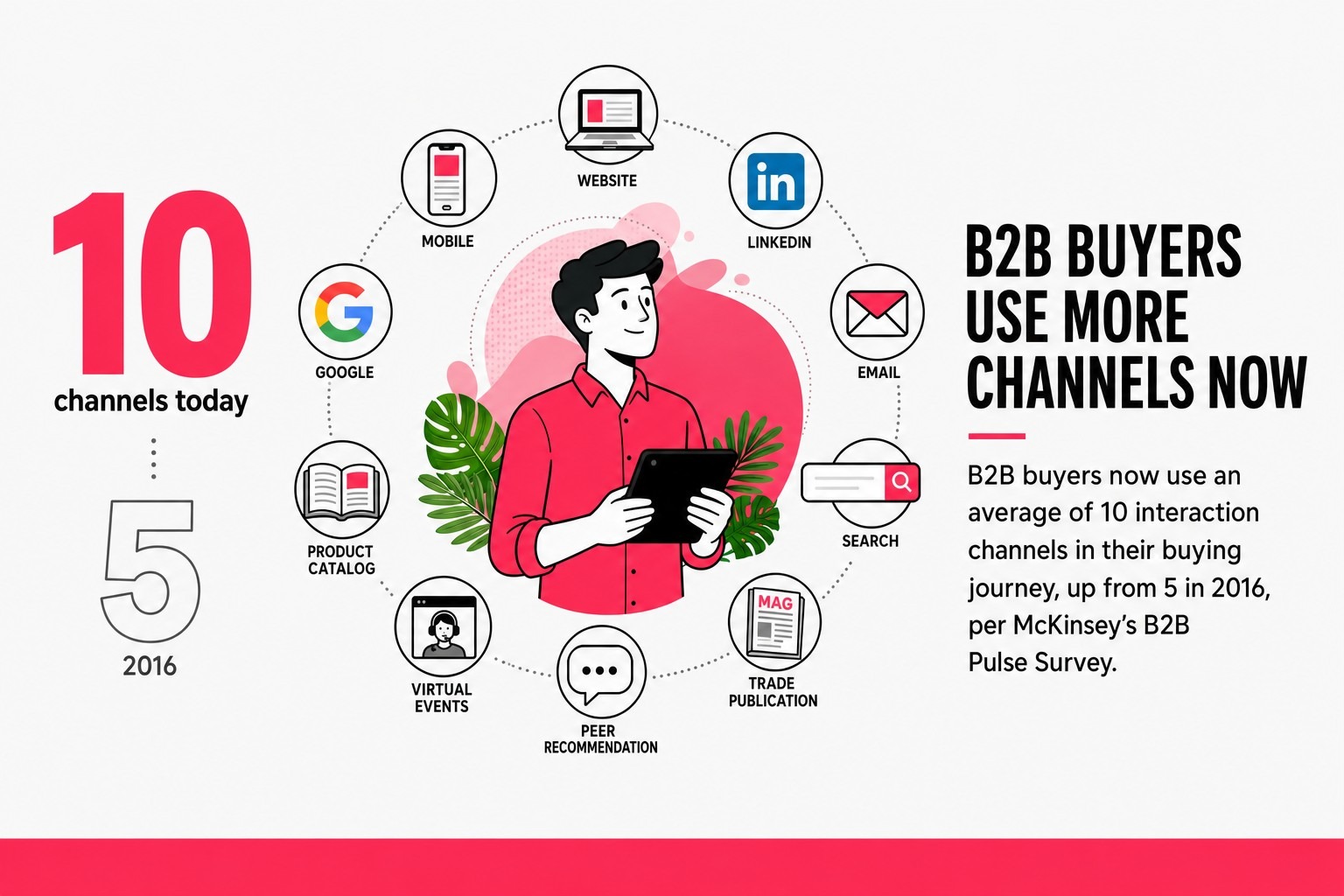
The B2B side runs longer, involves more stakeholders, and demands technical credibility before anyone picks up the phone. According to McKinsey's B2B Pulse Survey, B2B buyers now use an average of 10 interaction channels in their buying journey, up from 5 in 2016. Your electrical leads are researching you across your website, LinkedIn, Google search results, and peer referrals before they ever contact you.
The B2C parallel doesn't hold here. A residential electrician buying a box of breakers might respond to a Facebook ad. A procurement manager sourcing industrial panel components for a $2M facility retrofit will not. Treating these audiences the same is how distributors waste budget fast.
The good news: once you build the right lead generation strategy, it compounds. And we'll get into exactly how to do that.
Electrical leads for distributors fall into four distinct categories, and each requires a different outreach approach, message, and sales motion.
Not all electrical leads are worth the same effort. Knowing which type you're targeting shapes every decision downstream, from which keywords you bid on to which LinkedIn job titles you filter by.
According to Business Research Insights' electrical wholesalers market report, 62% of electrical product transactions globally pass through wholesale distribution networks. That's a large market, but it's split across all four of these lead types. Knowing which ones align with your inventory, margins, and sales capacity is the real starting point for any lead generation strategy.
If you're just starting to map this out, our guide on industrial lead generation strategies covers how to profile your best target segments before you spend a dollar on outreach.
The three most common lead generation challenges electrical distributors face are reaching the right decision-makers, differentiating on more than price, and managing lead quality across multiple channels simultaneously.
Procurement managers and engineers are hard to reach. They're not browsing LinkedIn for vendor suggestions. They're busy, skeptical of cold outreach, and often locked into existing supplier relationships. Breaking through requires more than a clever email subject line.
Price commoditization is real. When your competitors stock the same brands, buyers default to price. A lead generation strategy that doesn't communicate technical depth, stock reliability, and service speed will lose to whoever undercuts you by 3%.
Lead quality varies wildly across channels. Google Ads might bring in residential electricians when you need industrial procurement managers. SEO might attract the right traffic but convert poorly without the right landing page. Getting multi-channel outreach right means aligning each channel to the right lead type, not just running everything and hoping.
The sales pipeline problem compounds this. Without a CRM tracking lead source, status, and conversion, distributors genuinely don't know which channels are working. They keep spending on what feels active rather than what's actually generating revenue.
Check out our guide to learn more about electrical parts marketing
The most effective electrical distributor lead generation approach combines inbound digital tactics with targeted outbound outreach, using each channel for the lead type it reaches best.
These aren't theoretical. They're the strategies that move qualified leads into a sales pipeline for B2B distributors operating in technical, relationship-driven markets.
Local SEO for electrical distributors means ranking for the specific product and service searches your target buyers run before they call anyone. Think "industrial electrical supplies [city]" or "switchgear distributor near me."
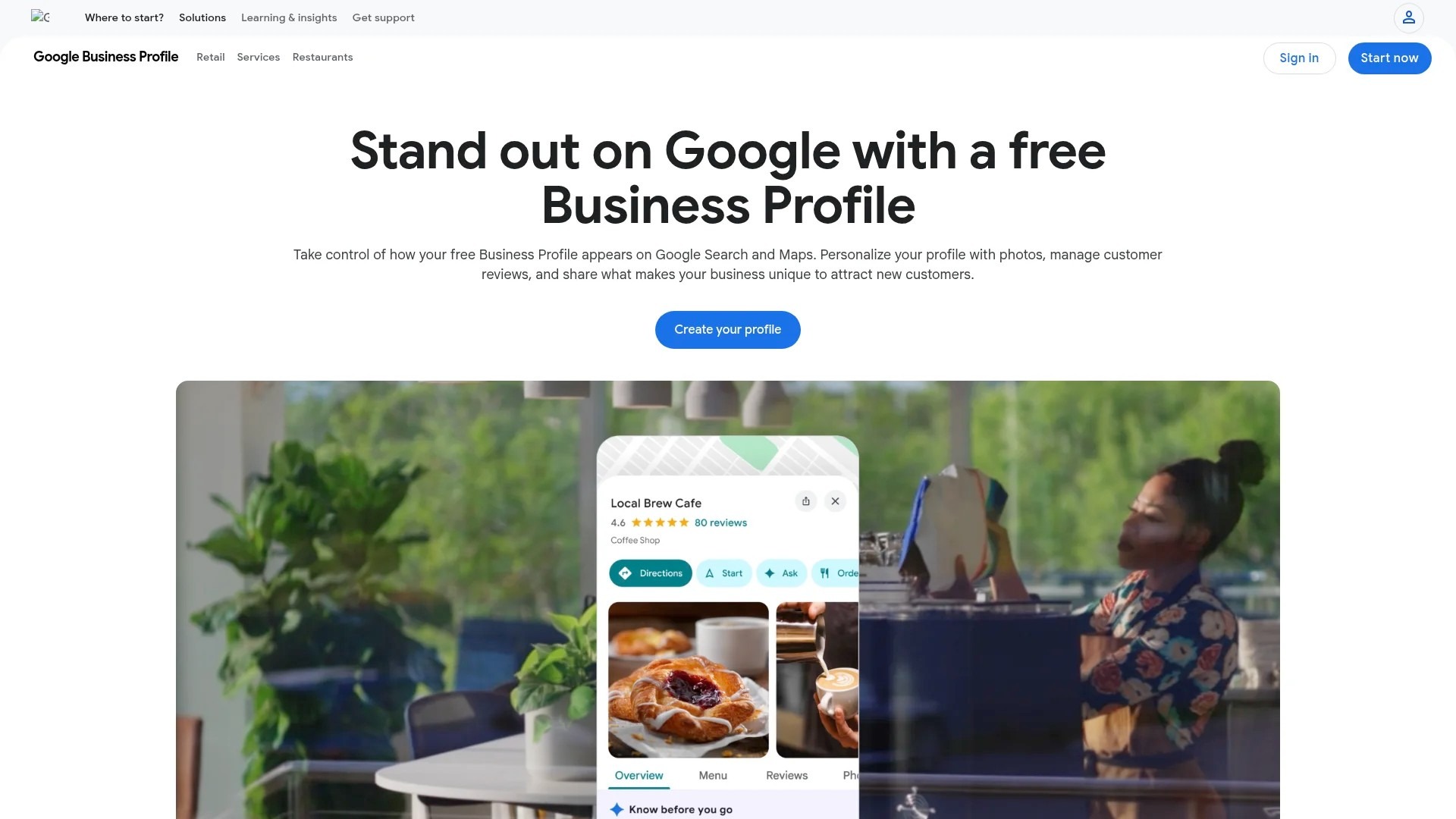
Claim and fully optimize your Google Business Profile. Add your product categories, service areas, and photos of your facility or inventory. Reviews from contractors and facility managers carry weight here. For B2B brands in 2024, the top ROI-generating marketing channels were website, blog, and SEO, according to HubSpot's marketing statistics database. Local SEO is where that ROI starts for distributors with a regional footprint.
Pair local SEO with a product-focused content strategy. Engineers and procurement managers search for technical specifications before they search for vendors. Being the site that answers their technical questions first puts you in the consideration set before competitors even know a deal is forming. Our B2B SEO step-by-step ranking guide for industrial companies breaks this down in detail.
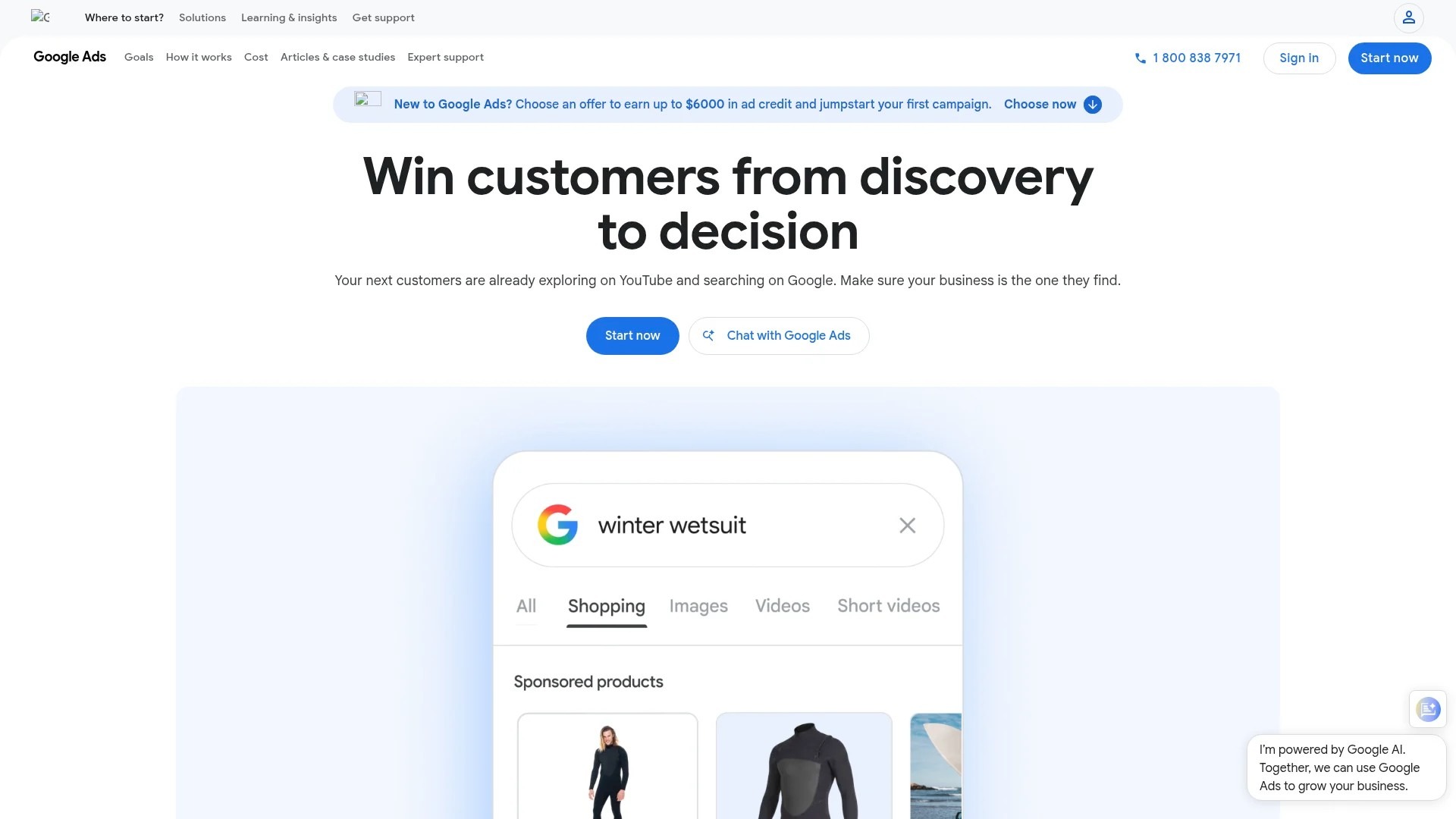
Google Ads for electrical distributors works best when campaigns are segmented by lead type, not just by product category, so commercial leads, industrial leads, and contractor leads each see messaging built for their specific buying criteria.
Bid on high-intent, specific terms. "Buy 3-phase disconnect switch bulk" converts better than "electrical supplies." Run separate ad groups for your top product lines with landing pages that speak directly to procurement managers and engineers. Generic product pages kill Quality Score and waste budget. For a deeper look at PPC tactics built specifically for distributors, see our guide on PPC for distributors.
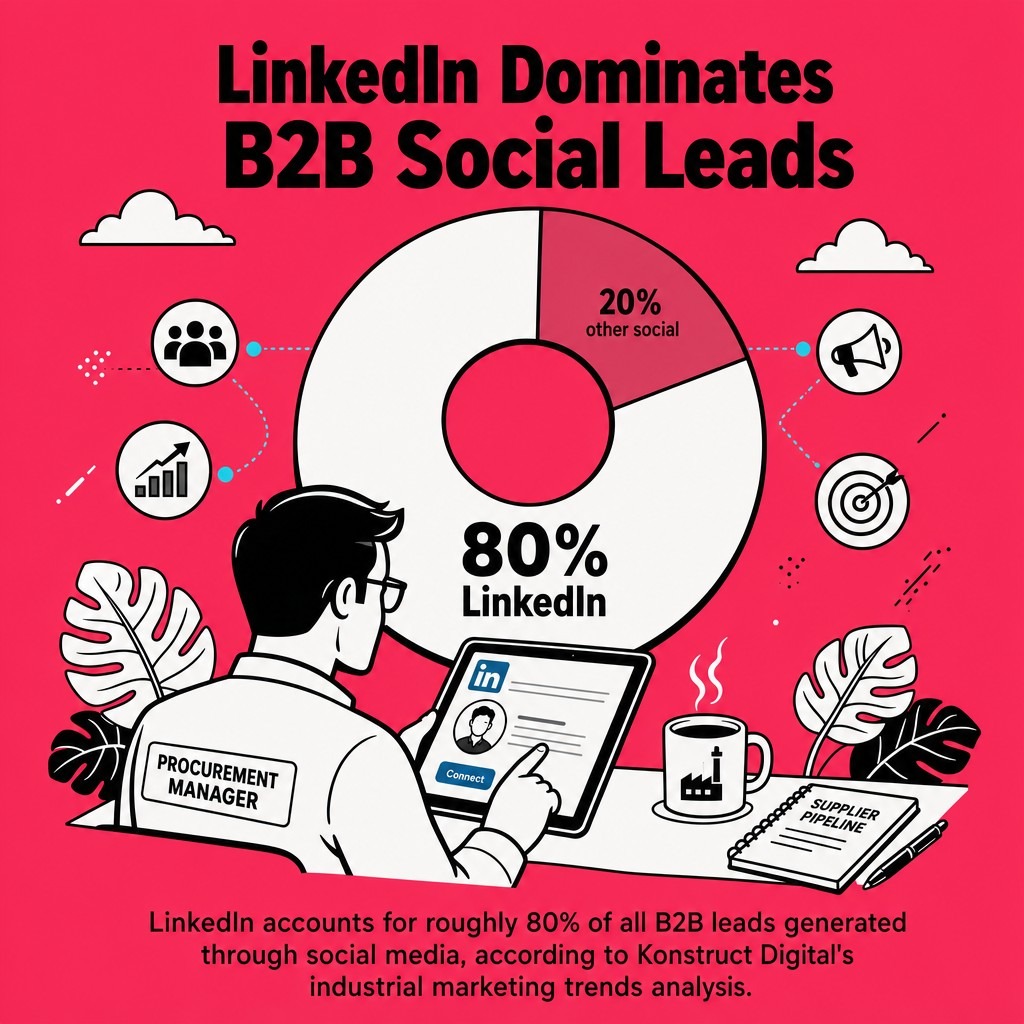
LinkedIn accounts for roughly 80% of all B2B leads generated through social media, according to Konstruct Digital's industrial marketing trends analysis. For electrical distributors, that number makes sense because LinkedIn is where procurement managers, plant engineers, and facility managers actually have professional profiles.
Use LinkedIn's job title and industry filters to run sponsored content campaigns targeting exactly the decision-makers you want. Pair paid ads with an organic outreach sequence from your sales team: connect, add value with a technical insight or industry article, then follow up with a direct message about your capabilities. This isn't spammy when the targeting is tight and the message is relevant.
Email marketing for electrical distributors works best as a nurture channel, not a cold outreach blast. Segment your list by lead type and send content that matches where each contact sits in the buying cycle.
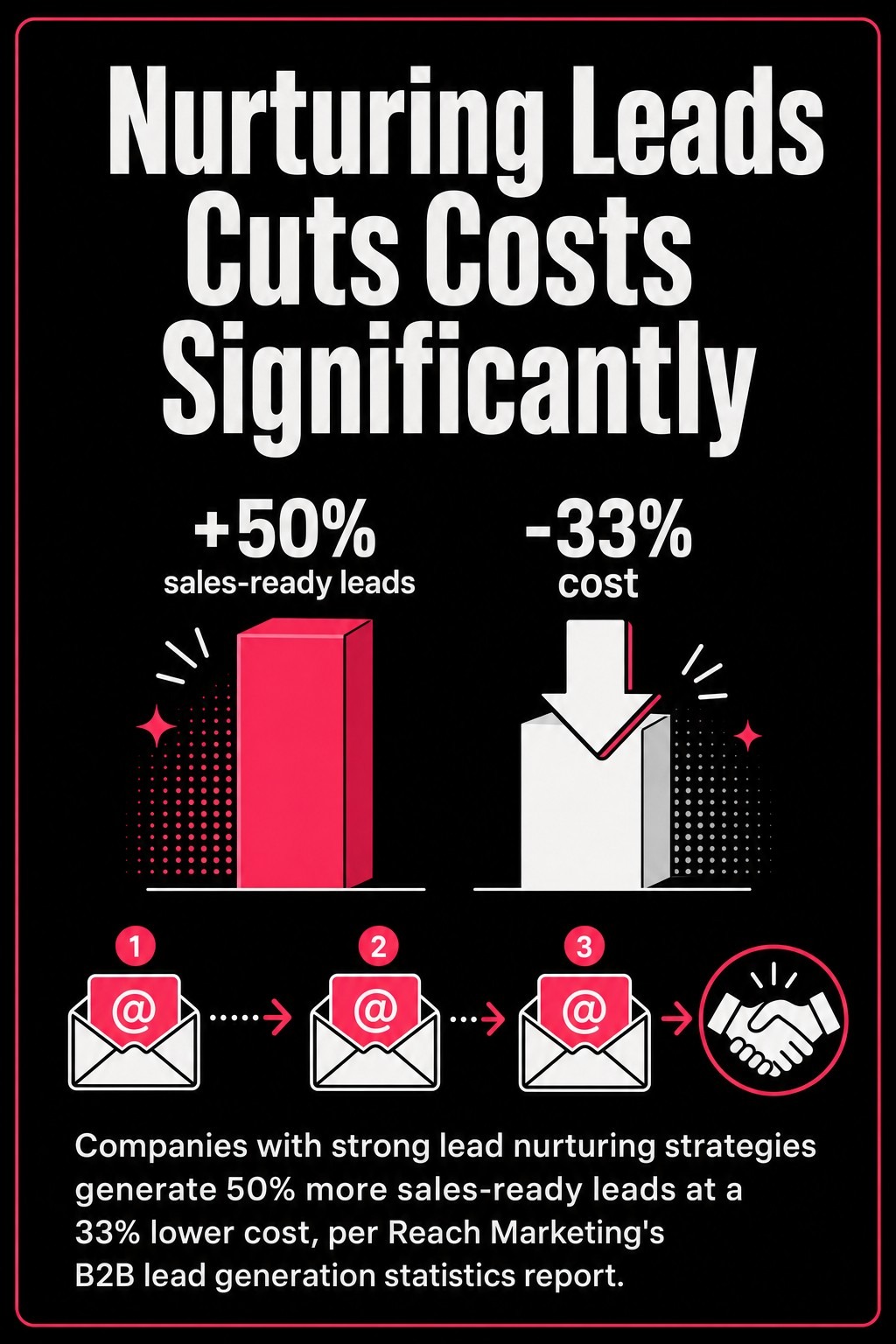
A contractor lead gets different emails than an OEM procurement manager. One wants pricing updates and stock availability alerts. The other wants technical documentation and supply chain reliability data. Companies with strong lead nurturing strategies generate 50% more sales-ready leads at a 33% lower cost, according to Reach Marketing's B2B lead generation statistics report. That cost efficiency compounds over time in a long sales cycle industry like electrical distribution.
Account-based marketing for electrical distributors means identifying your 20 or 50 highest-value target accounts by name, building a custom outreach plan for each, and coordinating digital ads, email, and phone outreach to reach every relevant decision-maker at those accounts simultaneously.
Start by building your ideal customer profile (ICP): industry vertical, company size, annual electrical spend, location, and current supplier. Then match that ICP against a prospect list. ABM is resource-intensive, but it's the right strategy for OEM and large industrial leads where the lifetime account value justifies the effort. ABM works because it treats target accounts like markets of one, and procurement managers respond to outreach that speaks to their specific operation rather than generic distributor messaging.
Referral programs for electrical distributors tap the trust networks that already exist among contractors, project managers, and engineers who regularly recommend suppliers to peers.
A simple referral structure, a discount on next purchase or a rebate for every new account referral, activates this network deliberately. Strategic partnerships with electrical contractors, engineering firms, and construction companies extend your reach into accounts you'd otherwise need to cold-prospect. These relationships produce some of the highest-quality qualified leads because the trust transfer happens before you ever enter the conversation.
Outbound phone calls still work in electrical distribution, but only when the rep knows who they're calling and why. Cold-calling down a general industry list is a waste of everyone's time. Calling a facilities manager at a plant that just broke ground on an expansion, after seeing the permit filing in your area, is a different conversation entirely.
Use intent data tools like ZoomInfo or Bombora to identify accounts showing research signals for your product categories. Then call with context. That's the difference between interrupting someone's day and solving a problem they already have.
How to Identify and Reach the Right Decision-Makers
Reaching the right decision-makers in electrical distribution means targeting procurement managers, engineers, and facility managers with channel-specific messages, because each role consumes information differently and cares about different buying criteria.
Procurement managers care about price, reliability, and terms. Engineers care about specifications, compliance, and technical support. Facility managers care about availability, response time, and service. One message does not work for all three.
Build your ideal customer profile with role-level detail, not just company-level. Use LinkedIn Sales Navigator to search by job title, industry, and company size. Cross-reference with your existing best customers: what titles did you close? What industries? What deal sizes? Your ICP already exists in your current customer list. The task is making it explicit and then targeting the same profile at scale.
Multi-channel outreach is what actually gets through. A procurement manager who sees your LinkedIn ad on Tuesday, gets a relevant email Thursday, and receives a call Friday from a rep who references the email has a very different experience than someone hit with a cold call out of nowhere. The contact frequency feels natural because the channels reinforce each other.
Multi-channel outreach for electrical distributors reduces cost per lead by 31% compared to single-channel campaigns, according to Sopro's lead generation statistics research, and it's the reason top distributors consistently outperform competitors who rely on one channel.
The coordination is what makes it work. Running Google Ads, LinkedIn, email, and phone calls independently produces noise. Running them against the same target account list, in a deliberate sequence, produces pipeline. This is the core of what account-based marketing executes at scale.
A practical sequence for electrical distributor lead generation might look like this:
This isn't complicated. It's just disciplined. Most distributors skip steps two through four, then conclude that LinkedIn "doesn't work." The channel didn't fail. The follow-through did.
For a broader view of how digital marketing works across the wholesale distribution model, our piece on digital marketing strategies for wholesale distributors covers the full picture.
A CRM is the operational backbone of electrical distributor lead generation, because without it, qualified leads fall through gaps between marketing campaigns and sales follow-up, and no one knows which channels are actually producing revenue.
Salesforce and HubSpot are the two most common CRM platforms for B2B distributors. Salesforce handles complex sales processes and integrates well with ERP systems. HubSpot is easier to implement and works well for distributors who are earlier in building their sales pipeline infrastructure. Either one beats a spreadsheet by miles.

Beyond CRM, 61% of B2B teams now use AI for lead scoring, according to Digital Applied's 2026 B2B lead generation data report. Lead scoring tells your sales team which leads to call first based on behavior signals: pages visited, emails opened, forms submitted. For electrical distributors managing hundreds of active prospects, this prioritization is worth its weight.
Add a marketing automation platform like Adobe Marketo or HubSpot's marketing hub to run your email sequences without manual intervention. Pair it with Google Ads and LinkedIn Campaign Manager for your paid channels. ZoomInfo or Bombora for intent data. And Google Analytics to track which channels are driving form fills and phone calls.
That's a stack, not a wish list. Start with CRM and one outbound channel. Add layers as your lead volume justifies them.
Measuring electrical distributor lead generation performance requires tracking five core metrics: cost per qualified lead by channel, lead-to-opportunity conversion rate, sales cycle length, pipeline coverage ratio, and revenue attributed to each lead source.
Cost per lead without qualification criteria is a vanity metric. A $15 lead that never converts costs more than a $150 lead that closes a $50,000 account. Track cost per qualified lead, meaning leads that meet your ICP and have a real purchasing timeline.
Review your sales pipeline weekly. Where are leads stalling? If they're entering the pipeline but sitting at the "proposal sent" stage for weeks, that's a follow-up problem, not a lead generation problem. If they're not entering the pipeline at all, that's a targeting or channel problem. The data tells you which one it is.
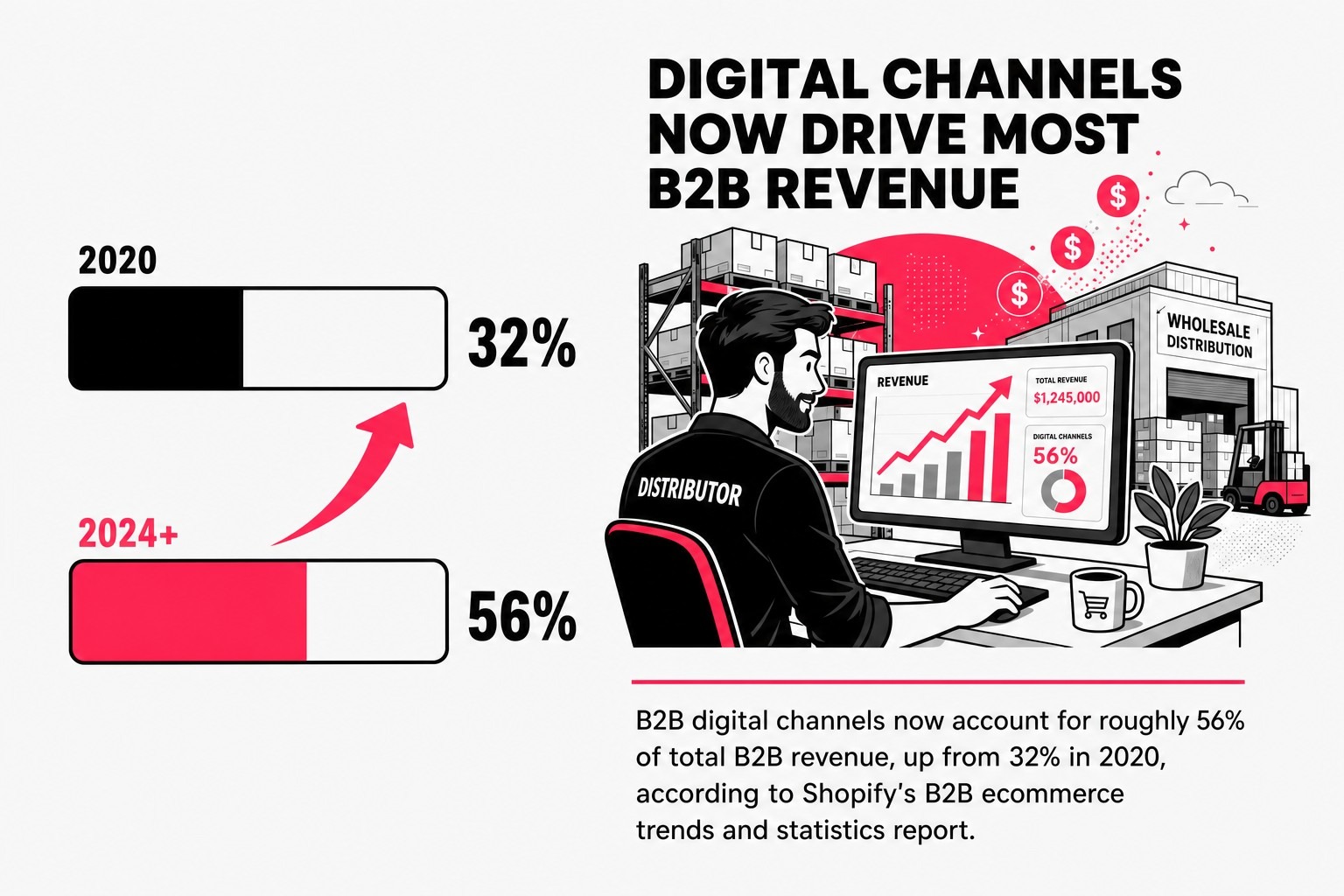
B2B digital channels now account for roughly 56% of total B2B revenue, up from 32% in 2020, according to Shopify's B2B ecommerce trends and statistics report. That shift means your digital channels aren't a nice-to-have anymore. They're where the majority of your revenue potential now lives, and measuring them with the same rigor you'd apply to a sales rep's quota is the only way to optimize effectively.
Run a monthly channel attribution review. Cut channels that are producing low-quality leads. Double down on channels producing qualified leads with short sales cycles. This sounds obvious, but most distributors set campaigns live and let them run for months without reviewing the data.
Our case study on 3x revenue growth for a B2B industrial and utility distributor shows exactly what this optimization cycle looks like in practice for a distribution business.
Electrical distributor lead generation is not one tactic. It's a system. Build your ICP, pick your lead types, run multi-channel outreach to the right decision-makers, manage leads in a CRM, and measure what's working. Do that consistently and the sales pipeline fills. The market is large enough. The buyers are out there. The question is whether your lead generation strategy reaches them before your competitors do.