Bolt manufacturers operate in a market worth over $100 billion. Yet most struggle to fill their sales pipeline.
The problem isn't your product. Fasteners are essential across automotive, construction, and industrial applications. The problem is how you're reaching buyers.
Most bolt manufacturers still rely on trade shows and cold calls. Meanwhile, your potential customers search online, research on LinkedIn, and evaluate suppliers through digital channels long before they pick up the phone.
I've spent years helping manufacturers shift from outdated tactics to data-driven digital strategies. The fastener industry faces unique challenges: long sales cycles, intense price competition, and buyers who care deeply about specifications. But those challenges create opportunities for manufacturers willing to adapt.
This guide covers what actually works in 2026. You'll learn how to generate qualified B2B leads, shorten your sales cycle, and build marketing systems that scale. We'll cover LinkedIn strategies, email marketing that converts, and content approaches that establish your authority in the fastener industry.
The manufacturers seeing growth aren't doing everything. They're doing specific things consistently and measuring what matters.
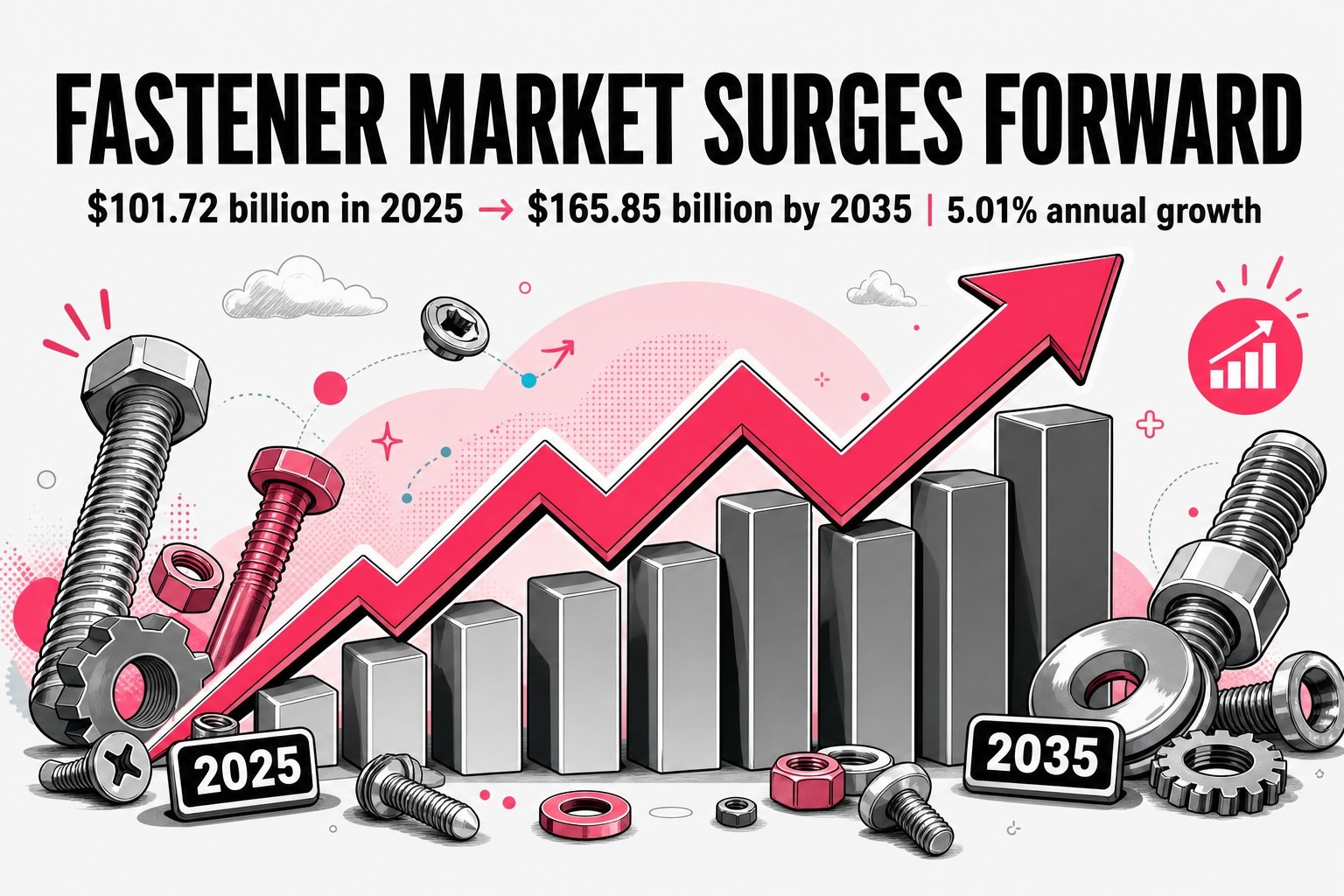
The industrial fasteners market reached $101.72 billion in 2025 and projects to hit $165.85 billion by 2035, growing at 5.01% annually. That's substantial growth, but distribution matters more than market size.
Here's what that growth means for bolt manufacturers. Automotive and construction sectors drive demand. Electric vehicles need different fastener specifications than traditional vehicles. Infrastructure projects create cyclical demand patterns.
Your buyers aren't impulse shoppers. B2B sales cycles for manufacturing products typically span 60 to 120 days from first contact to closed deal. That's two to four months of evaluation, specification review, and procurement approvals.

During those months, your potential customers research online. They compare specifications. They check certifications. They read case studies and testimonials.
If your marketing doesn't address each stage of that journey, you're losing deals to competitors who do.
Getting B2B leads costs real money. Manufacturing companies face an average cost per lead of $94 in 2026. That's not a cost per sale. That's the price just to get someone interested enough to talk.

Most bolt manufacturers can't afford to waste those leads. Yet many do exactly that through poor follow-up, generic messaging, and failing to nurture prospects through long decision cycles.
The manufacturers winning in this environment treat marketing as a system, not a series of random activities. They track metrics. They test approaches. They invest in channels that deliver qualified leads, not just traffic.
Trade shows still matter. They're not dead. But they're expensive and inefficient as your primary lead generation method.
Cold calling automotive OEMs or construction procurement teams rarely breaks through. Buyers are busy. They're skeptical. They need proof you understand their specific requirements before they'll invest time in a conversation.
Print advertising in trade publications reaches decision-makers, but tracking ROI is nearly impossible. You're paying for impressions with no way to measure qualified interest or conversion.
The shift to digital isn't about abandoning traditional channels completely. It's about building a foundation that works 24/7, generates measurable results, and scales without proportional cost increases.
Bolt manufacturers face obstacles that generic B2B marketing advice doesn't address. Understanding these challenges helps you build strategies that actually work for the fastener industry.
A construction company doesn't buy bolts on impulse. Neither does an automotive manufacturer or industrial equipment producer.
Your sales process involves engineers who evaluate specifications. Procurement teams who negotiate pricing. Quality managers who verify certifications. Operations leaders who assess supply chain reliability.
Each person cares about different things. Engineers want tensile strength data and corrosion resistance specs. Procurement wants competitive pricing and payment terms. Quality needs ISO certifications and material traceability.
Your marketing must speak to all of them. Generic "quality fasteners" messaging fails because it addresses no one specifically.
Many buyers view bolts as commodities. If your marketing focuses only on price, you're reinforcing that perception and training customers to shop based solely on cost.
The manufacturers escaping price competition emphasize value beyond the product. They showcase technical expertise. They prove reliability through case studies. They demonstrate understanding of industry-specific applications.
A bolt manufacturer serving automotive customers should highlight understanding of vibration resistance in high-stress environments. One serving construction should emphasize load-bearing capacity and environmental durability.
Differentiation happens through specificity, not vague quality claims.
Manufacturing companies often struggle to connect marketing activities to revenue. 66% of manufacturers report their content doesn't convert, and 64% struggle to prove ROI on content initiatives.

That's a major problem. When you can't prove marketing works, budgets get cut and efforts get questioned.
The solution isn't better marketing. It's better measurement. You need systems that track leads from first touch to closed sale. You need attribution that shows which channels generate qualified opportunities.
Without this data, you're arguing based on feelings instead of facts. With it, you can make investment decisions confidently and optimize what's working.
Digital marketing for bolt manufacturers isn't about being everywhere. It's about being visible where your buyers actually search, evaluate, and make decisions.
Your potential customers search for specific solutions. They don't search for "bolt manufacturer." They search for "high-strength bolts for automotive suspension" or "corrosion-resistant fasteners for marine applications."
Build content around those specific searches. Create technical pages for each major product category. Include specifications, material grades, application examples, and certification details.
Make sure your website loads quickly. Ensure product information is easy to find. Structure technical data so engineers can quickly determine if your products meet their requirements.
Many bolt manufacturer websites hide their best information behind contact forms. That frustrates buyers and sends them to competitors who provide transparent technical details upfront.
SEO takes time. PPC delivers results immediately while you build organic visibility.
Target specific buyer searches. Bid on terms like "custom bolt manufacturer," "fastener supplier automotive," or "high-tensile bolts specifications."
Create separate landing pages for each major product category or industry vertical. An automotive buyer needs different information than a construction buyer.
Track conversion rates by keyword. Some searches indicate tire-kickers. Others signal buyers ready to evaluate suppliers. Invest more in keywords that generate qualified leads, not just clicks.
Set realistic expectations. With lead costs averaging $94 for manufacturers, you need to calculate lifetime customer value to determine acceptable acquisition costs.
Not all leads are equal. Landing one automotive OEM contract might be worth hundreds of smaller customers.
Account-based marketing targets specific companies instead of casting wide nets. You identify 20-50 ideal customers and build personalized campaigns for each.
Research their specific challenges. Study their supply chain. Understand their product requirements. Then create content, outreach, and messaging that speaks directly to their situation.
This approach requires more upfront work but dramatically increases conversion rates for high-value accounts.
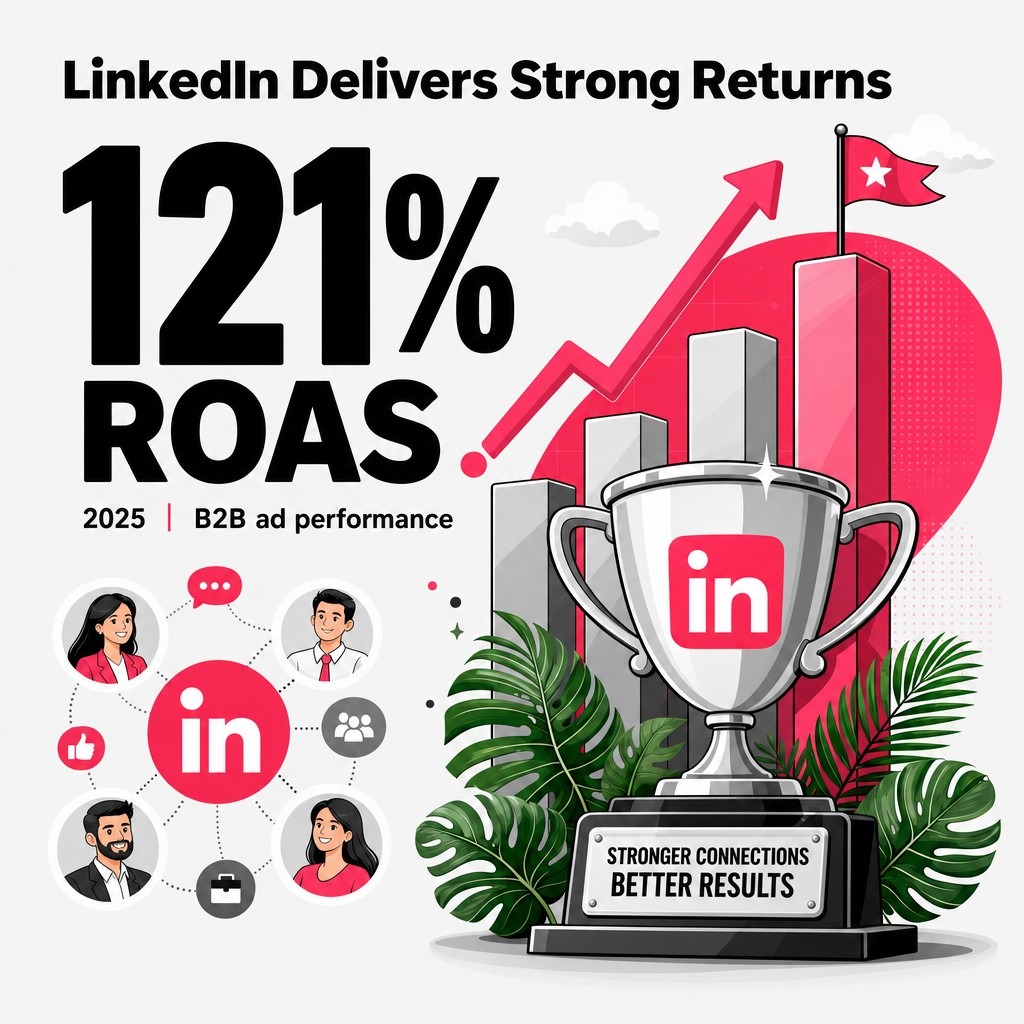
LinkedIn outperforms other platforms for B2B manufacturing. The platform delivers 121% return on ad spend in 2025, significantly beating alternatives.
But most bolt manufacturers use LinkedIn wrong. They post generic company updates and wonder why nothing happens.
Your company page matters less than individual profiles. Buyers connect with people, not logos.
Optimize your sales team's LinkedIn profiles. Include specific industry experience in headlines. Showcase technical knowledge in summaries. Add relevant certifications and specializations.
Post content regularly. Share insights about industry trends. Explain technical concepts. Answer common questions about specifications, applications, or material selection.
Don't just promote your products. Provide value that demonstrates expertise. An engineer researching fastener options will remember the company that helped them understand grade 8 versus grade 5 bolt applications.
LinkedIn ads work when you target precisely. Skip broad audience definitions like "manufacturing professionals."
Target specific job titles: Procurement Manager, Mechanical Engineer, Supply Chain Director. Target specific industries: Automotive Manufacturing, Construction, Industrial Equipment.
Create lead generation forms directly in LinkedIn. Reduce friction by pre-filling contact information. Ask only essential qualification questions.
Test different ad formats. Sponsored content performs well for awareness. Message ads work for direct outreach to decision-makers. Document ads let you share technical specifications or case studies.
Track which targeting combinations generate the best leads. Double down on what works. Cut what doesn't.
Social selling means using LinkedIn proactively to build relationships before buyers are ready to purchase.
Connect with prospects early in their research process. Engage with their content. Share relevant resources without pitching.
When someone views your profile or engages with your posts, they're showing interest. That's your cue to reach out with personalized messaging that references their specific situation.
The goal isn't to close deals through LinkedIn messages. It's to start conversations that move offline to calls where you can understand requirements and propose solutions.
For more detailed strategies on generating industrial leads through digital channels, see our complete guide to industrial lead generation.
Email still works. Manufacturing industry email marketing shows the highest click-to-open rate at 14.82%. That's substantially better than most industries.
The key is sending relevant messages to segmented audiences, not blasting your entire database with generic promotions.
Buying email lists wastes money. Those contacts didn't ask to hear from you. They'll ignore your messages or mark them as spam.
Build lists organically through valuable content offers. Create technical guides, specification sheets, application examples, or case studies. Gate them behind simple forms.
Offer downloadable resources like torque specification charts, material grade comparison tables, or fastener selection guides. Engineers and procurement professionals will trade contact information for genuinely useful tools.
Add signup forms to your website. Include them on product pages, blog posts, and technical resource sections.
Different buyers need different messages. Segment your email list by industry, role, product interest, and buying stage.
An automotive engineer researching suspension bolts needs different information than a construction procurement manager sourcing structural fasteners. Send them different emails.
Tag contacts based on actions they take. Download a case study? Tag them as interested in that application. View pricing pages? Tag them as later-stage buyers.
This segmentation lets you send targeted campaigns that feel relevant instead of generic blasts that get deleted.
Remember those 60-120 day sales cycles? Email automation helps you stay present throughout without manual follow-up.
Create nurture sequences that educate prospects over time. Start with high-level industry insights. Progress to specific technical information. Eventually share case studies and customer testimonials.
Space emails 3-7 days apart. Too frequent feels pushy. Too infrequent loses momentum.
Include clear next steps in each email. Download another resource. Schedule a technical consultation. Request a quote for specific products.
Track open rates and click-through rates by segment. Adjust messaging based on what resonates with different audiences.
For comprehensive strategies on digital marketing for manufacturers, check out our data-driven guide to revenue growth.
Content marketing works when you help buyers solve problems. 73% of B2B marketers report webinars generate the most qualified leads. Educational content positions you as a trusted resource, not just another supplier.
Create content that answers real questions your customers ask. How do you select the right bolt grade for high-temperature applications? What's the difference between galvanized and zinc-plated finishes? How do you calculate torque specifications for critical joints?
Write guides that engineers and procurement teams actually reference. Include specifications, application examples, and decision frameworks.
Don't dumb down technical information. Your buyers are professionals who appreciate accurate, detailed content. Show you understand their challenges.
Generic claims about quality don't persuade buyers. Specific examples do.
Document successful projects. How did your fasteners perform in a challenging application? What problem did you solve for a customer? What results did they achieve?
Include specifics: industry, application, technical requirements, solution provided, and measurable outcomes. Social proof and testimonials can boost purchase likelihood by 270%.
Use real customer names and companies when possible. Anonymized case studies are better than nothing, but named references carry more weight.
Video helps buyers understand technical concepts faster than text alone.
Create short videos showing manufacturing processes, quality control procedures, or installation techniques. Film equipment tests demonstrating load capacity or corrosion resistance.
Keep videos under three minutes. Focus on one specific topic per video. Add captions since many viewers watch without sound.
Host videos on YouTube for search visibility. Embed them on relevant product pages and blog posts.
Webinars let you demonstrate expertise while capturing qualified lead information.
Choose topics that address specific challenges your customers face. Fastener selection for extreme environments. Quality control best practices. New industry regulations and compliance.
Promote webinars through email, LinkedIn, and your website. Require registration to attend. Those who register are showing genuine interest.
Record webinars and offer them as on-demand content. That extends value beyond the live session and captures leads over time.
To understand how content fits into broader B2B marketing strategies, review our complete guide to B2B content marketing for manufacturers.
Manual follow-up doesn't scale. Marketing automation ensures every lead receives appropriate attention based on their behavior and stage in the buying process.
CRM platforms yield 245% ROI with a 29% improvement in sales revenue for manufacturing companies. But only when teams actually use them.
Choose a CRM that integrates with your website, email system, and other marketing tools. Salesforce offers enterprise-level features. HubSpot provides strong marketing automation in one platform.
Import all existing contacts. Tag them appropriately. Set up automated workflows that move leads through your sales process.
Train your sales team to update the CRM consistently. Track every interaction, quote, and follow-up. The system only works if data stays current.
Not every website visitor is ready to buy. Lead scoring helps you identify which prospects deserve immediate attention.
61% of B2B teams used AI for lead scoring in 2026, up from 23% in 2024. AI improves accuracy by identifying patterns humans miss.
Assign point values to different actions. Downloading a technical specification sheet signals more intent than reading a blog post. Visiting pricing pages indicates higher purchase readiness than general browsing.
Factor in company demographics. A lead from a large automotive manufacturer might score higher than one from a small local contractor, depending on your ideal customer profile.
Set thresholds that trigger sales outreach. When a lead reaches a certain score, route them to a sales rep for direct contact.
Create workflows that respond automatically to prospect behavior.
Someone downloads a case study? Automatically send related resources three days later. A lead requests a quote? Trigger an immediate notification to your sales team and add a follow-up task.
Build drip campaigns for different buyer personas. Engineers get technical content. Procurement gets pricing and terms information. Operations get supply chain reliability data.
Set up re-engagement campaigns for leads that go cold. If someone was active but hasn't engaged in 60 days, trigger an email sequence with new content or special offers.
Automation doesn't replace personal outreach. It ensures consistent follow-up and frees your sales team to focus on high-value conversations.
What gets measured gets improved. Without clear metrics, you're guessing instead of optimizing.
Track these numbers consistently:
Connect marketing activities to revenue. Track which channels generate leads that actually close. Calculate customer acquisition cost by channel.
First-touch attribution credits the initial interaction. Last-touch credits the final action before conversion. Both miss the full picture.
Multi-touch attribution shows how different touchpoints contribute. A prospect might discover you through search, download a case study, attend a webinar, and then request a quote. Each step mattered.
Use your CRM to track the complete journey. Understand which combinations of channels and content drive conversions.
This insight guides budget allocation. You'll discover that LinkedIn ads generate awareness, email nurtures consideration, and direct sales outreach closes deals. All three deserve investment.
Never assume you know what works best. Test everything.
Test email subject lines. Test landing page headlines. Test ad copy variations. Test form lengths and calls-to-action.
Run one test at a time with clear success metrics. Give tests enough time to reach statistical significance.
Small improvements compound. A 10% better conversion rate on your landing page, combined with 15% higher email click-through rates, significantly impacts lead volume.
Create monthly marketing reports that leadership actually reads.
Focus on outcomes, not activities. Don't report "we posted 12 times on LinkedIn." Report "LinkedIn generated 23 qualified leads at $187 per lead, 66% below industry average."
Show trends over time. Are lead costs decreasing? Is conversion rate improving? Is sales cycle length shortening?
Include recommendations based on data. If one channel consistently outperforms, propose increasing investment there.
For manufacturing-specific marketing strategies and deeper insights, explore our complete guide to manufacturing marketing.
One-off campaigns don't build long-term growth. Sustainable results come from consistent execution across proven channels.
Start with the foundation. Optimize your website for search visibility and lead conversion. Ensure technical information is accessible and comprehensive.
Layer in content marketing. Publish helpful resources consistently. Build a library of technical content that attracts organic traffic over time.
Add paid channels strategically. Use LinkedIn and search ads to accelerate lead generation while organic efforts gain traction.
Implement automation to scale follow-up. Nurture leads through long sales cycles without requiring manual effort.
The manufacturers seeing sustained growth treat marketing as a system. They measure results. They optimize based on data. They invest in channels that deliver qualified leads consistently.
Your competitors are still relying on trade shows and cold calls. That creates opportunity for bolt manufacturers willing to adapt. The tactics in this guide work because they're built on real data and proven results.
Start with one channel. Master it. Then add the next. You don't need to implement everything at once. You need to execute consistently on strategies that align with how industrial buyers actually research and evaluate suppliers.
The fastener market is growing. Make sure your marketing systems position you to capture that growth.