

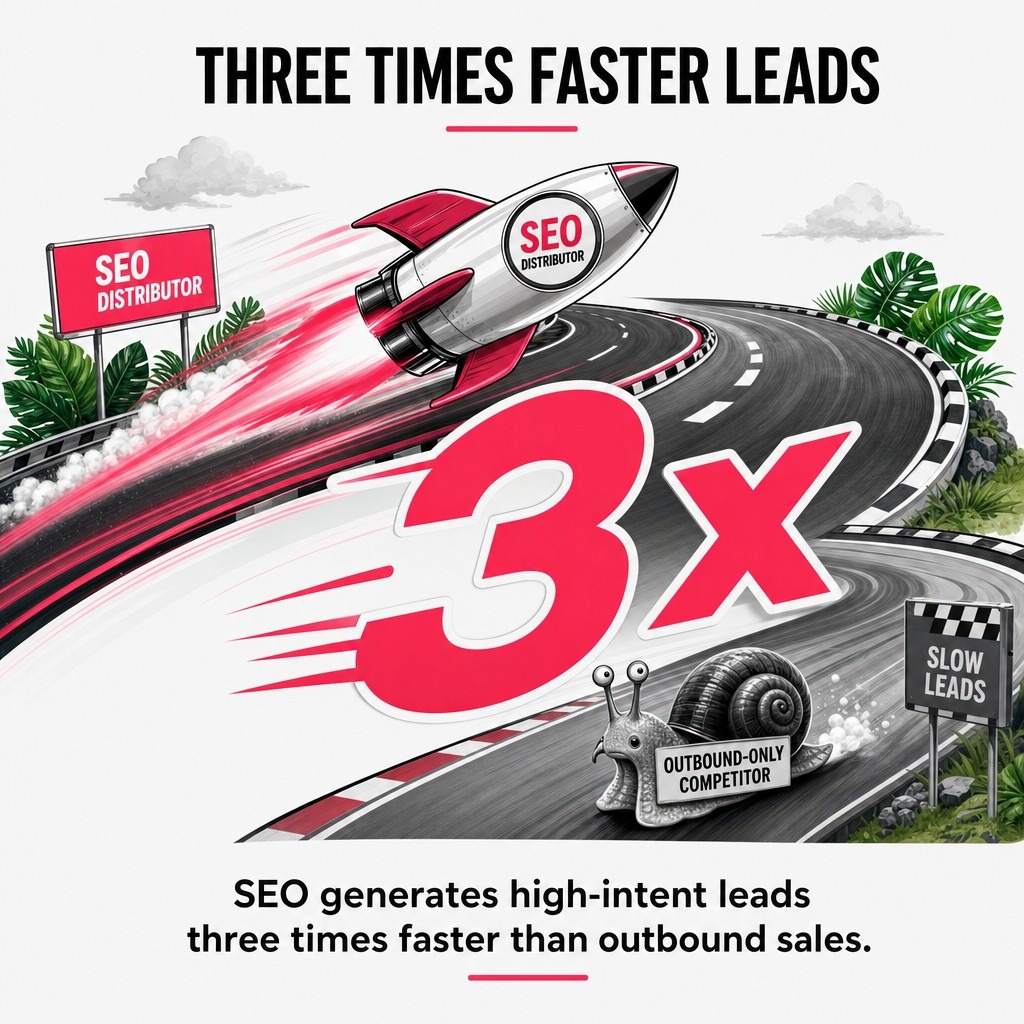
B2B distributors who prioritize SEO generate leads three times faster than competitors relying only on outbound sales.
Wholesale buyers research 5-8 supplier websites before contacting anyone, so your distributor website needs to appear in those early searches with optimized product catalogs and technical content.
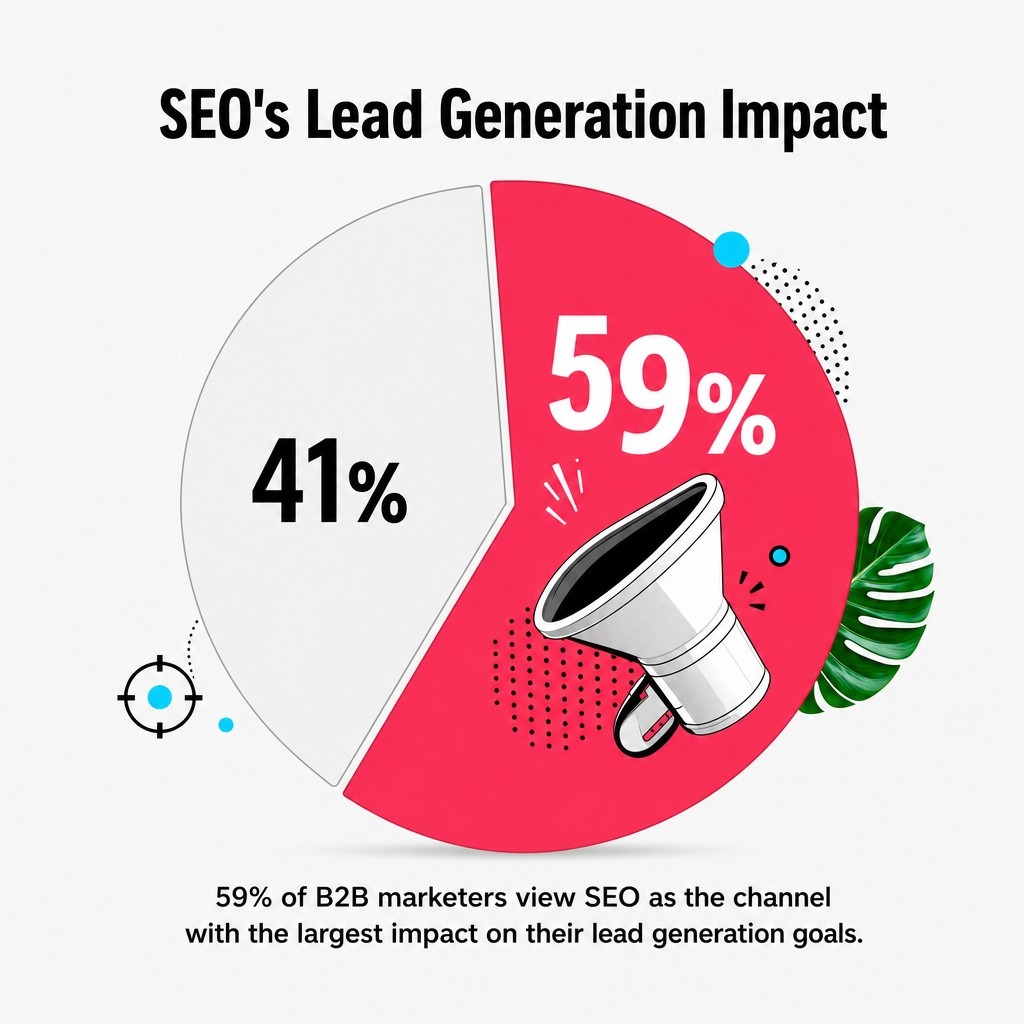
59% of B2B marketers view SEO as the channel with the largest impact on their lead generation goals, yet most distributors still treat their website as a digital brochure instead of a search-visible revenue engine.
Mobile performance matters more than ever, site speed under three seconds directly impacts conversion rates, and local SEO drives 42% of wholesale buyer clicks when searching for regional suppliers.
I've worked with industrial parts distributors who watched their phone go silent because buyers couldn't find them online.
Then we fixed their SEO, and purchase orders started arriving through the website instead of cold calls.
That shift from hunting to attracting is what proper distributor SEO delivers.
SEO for distributors functions as a 24/7 sales team that qualifies wholesale buyers before they contact you.
Traditional outbound methods interrupt prospects who may not need your products right now. Search optimization puts your catalog in front of buyers already researching suppliers for specific parts, materials, or equipment.
Wholesale buyers behave differently than retail shoppers. They search with technical specifications, manufacturer part numbers, and industry jargon.
When a procurement manager types "hydraulic pump supplier Chicago" or "bulk electrical conduit distributor," they're deep in the buying cycle with budget approval and immediate need. Missing those searches means losing qualified leads to competitors.
The economics favor organic search over paid channels. Buying cycles have shortened from 11.3 to 10.1 months, putting more pressure on distributors to appear exactly when buyers start their research.
SEO creates persistent visibility without the recurring cost of trade shows or sales calls. Your product pages work around the clock, presenting specifications and inventory to buyers in different time zones.
B2B search intent focuses on problem-solving, not browsing. Buyers need specific products fast.
Your SEO strategy must match that urgency with clear product information, technical data sheets, and easy paths to request quotes. Generic marketing content won't cut it for wholesale audiences.
Wholesale buyers use search patterns that differ completely from consumer behavior, requiring distributor websites to optimize for technical product searches rather than brand awareness.
A facilities manager searching for HVAC components enters specific model numbers, BTU ratings, and compatibility requirements. They skip past generic "heating and cooling solutions" content to find exact product matches.
Search queries from B2B buyers typically fall into four categories: product specification searches, supplier qualification searches, pricing and availability checks, and technical support queries.
Each category requires different on-page optimization and content strategy.
Product specification searches include exact measurements, certifications, material grades, and performance specs. These buyers know what they need and want confirmation you stock it.
Supplier qualification searches involve terms like "ISO certified distributor," "authorized dealer," or "warranty coverage." Buyers vet your legitimacy before reaching out.
By 2024, approximately 58.5% of all searches resulted in no click, meaning Google answered the question directly or buyers found insufficient results.
For distributors, this statistic highlights the importance of rich product information that appears in search snippets, not just on your website pages.
Procurement teams often search during business hours from company networks, using desktop computers with stable connections.
Mobile optimization still matters because field technicians and warehouse managers search from tablets and phones while working. Your website must perform flawlessly across all devices to capture both audiences.
Seasonal patterns affect distributor search volume. HVAC parts spike in spring and fall. Landscaping supplies peak in March through May.
Understanding your industry's search seasonality helps prioritize which product categories to optimize first.
Keyword research for distributors starts with product taxonomy and technical specifications rather than trending consumer phrases.
Your research should identify exact terms wholesale buyers type when searching for the products you distribute.
Begin with seed keywords from your product catalog. Export your SKU list with descriptions, then extract common technical terms, brand names, and industry-specific jargon.
These become your foundation for keyword expansion.
Long-tail keywords convert better for distributors because they capture specific purchase intent.
A buyer searching "316 stainless steel bolts 3/8-16 x 2 inch" knows exactly what they need and is ready to order. Generic terms like "industrial fasteners" attract browsers, not buyers.
Use your customer service records to find keyword gold. What questions do buyers ask? What specifications do they request? Those phrases become search queries.
If customers regularly ask about corrosion resistance ratings or temperature tolerances, those topics need dedicated content.
Competitor analysis reveals keyword gaps in your market. Examine top-ranking distributor websites for your product categories and note which technical terms they emphasize.
Tools like Google's Keyword Planner can estimate search volume, but for B2B terms, low volume numbers still represent high-value searches.
Manufacturer model numbers deserve individual optimization. Create landing pages for popular product lines from major brands you distribute.
When buyers search "Grainger alternative for [specific product]" or "authorized [brand name] distributor," you want to appear in those results.
Not all keyword searches indicate purchase readiness.
Map your target keywords to four intent categories: informational, navigational, commercial investigation, and transactional. Each requires different page types and content approaches.
Informational searches like "how to select a centrifugal pump" need educational content that builds trust and positions your expertise.
Commercial investigation queries such as "best industrial valve suppliers" require comparison-friendly product pages with clear specifications and pricing transparency.
Transactional searches including specific part numbers need streamlined product pages with immediate quote request options.
Create a spreadsheet mapping your top 100 keywords to search intent categories and current pages on your site addressing each keyword. Gaps in this mapping reveal content opportunities.
Distributor websites face unique technical SEO challenges due to large product catalogs, specification-heavy content, and complex site architectures.
Technical foundation determines whether search engines can crawl, index, and rank your thousands of product pages effectively.
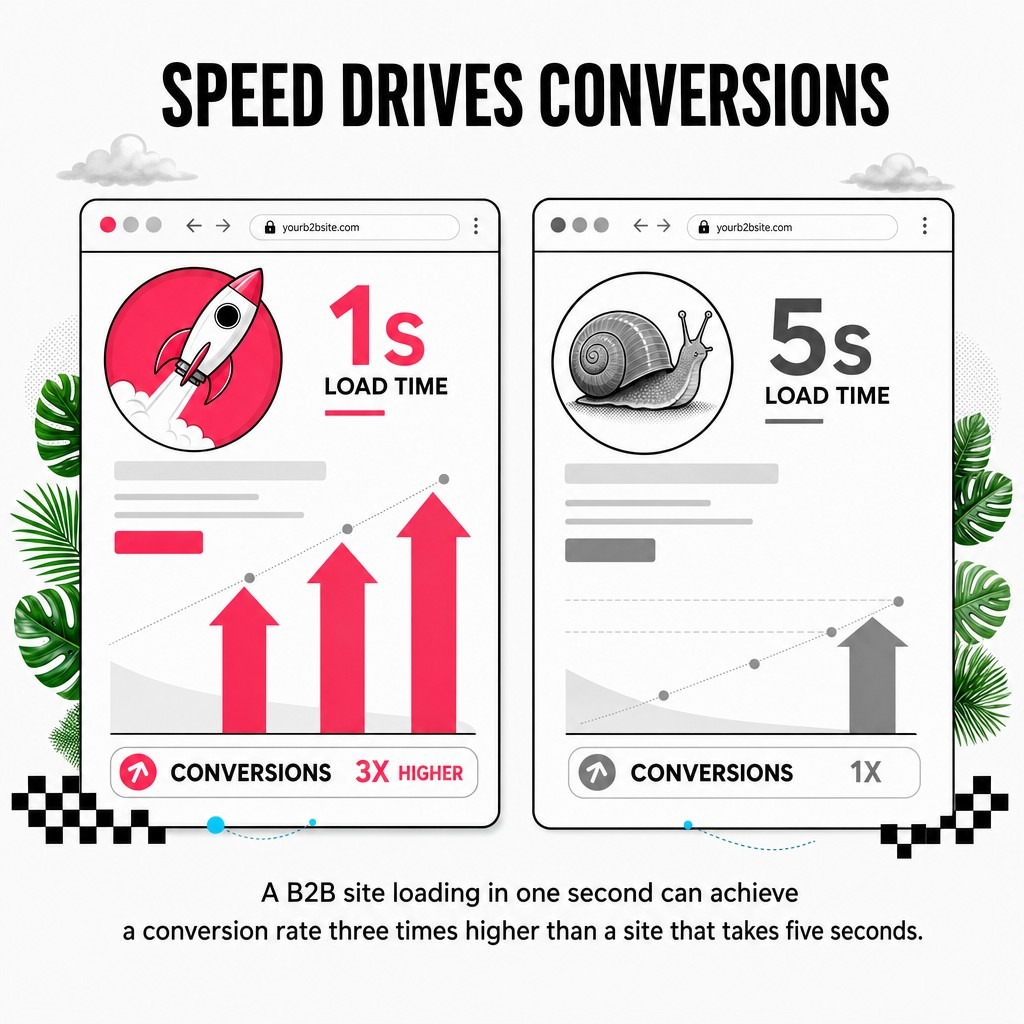
Site speed directly impacts conversion rates for B2B websites. A B2B site loading in one second can achieve a conversion rate three times higher than a site that takes five seconds.
When wholesale buyers compare multiple suppliers simultaneously, slow pages lose to faster competitors.
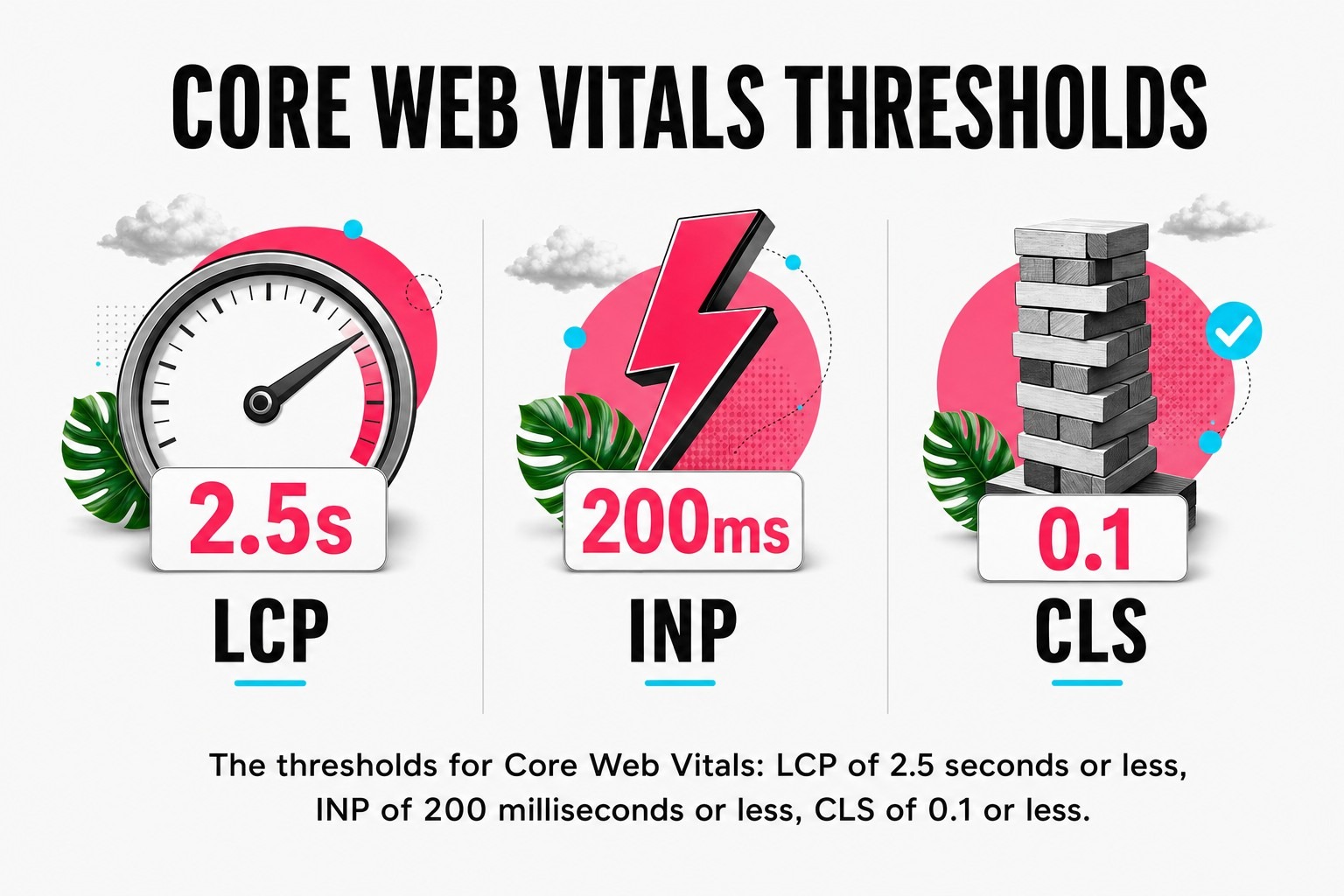
Google's Core Web Vitals measure real-world user experience through three metrics: Largest Contentful Paint, Interaction to Next Paint, and Cumulative Layout Shift.
Most distributor websites fail mobile Core Web Vitals due to heavy product images, bloated JavaScript frameworks, and unoptimized third-party scripts.
Mobile sites have an average pass rate of 49.7% for Core Web Vitals, meaning half of B2B websites deliver suboptimal mobile experiences.
Optimize product images by implementing lazy loading, using next-gen formats like WebP, and serving appropriately sized images for different devices.
A 3000-pixel product photo displayed at 300 pixels wastes bandwidth and slows page rendering.
Reduce JavaScript execution time by deferring non-critical scripts and minimizing third-party tag managers. Every chat widget, analytics tracker, and social media pixel adds milliseconds to your page load time.
Organize your distributor website with clear category hierarchies that mirror how buyers think about products.
URL structure should reflect this organization: domain.com/category/subcategory/product-name.
Avoid session IDs, unnecessary parameters, and dynamically generated URLs that create duplicate content issues. Clean, descriptive URLs help both users and search engines understand page content before clicking.
Implement breadcrumb navigation on all product pages to show users their location within your catalog hierarchy.
Breadcrumbs also create additional internal linking opportunities that distribute page authority throughout your site.
Create an XML sitemap that updates automatically when you add new products. Submit this sitemap through Google Search Console to ensure prompt indexing of new inventory.
Structured data markup helps search engines understand your product information and display rich results in search listings.
Implement Product schema on all product pages with fields for name, SKU, price, availability, and brand.
Include AggregateRating schema if you have customer reviews. Star ratings in search results increase click-through rates significantly.
Organization schema on your homepage and contact pages establishes your business identity to search engines.
Test your structured data implementation using Google's Rich Results Test tool to catch errors before they prevent rich snippets from appearing.
Invalid schema worse than no schema because it signals poor technical execution to search engines.
Product pages form the foundation of distributor website SEO because wholesale buyers search for specific items, not general information.
Each product page competes for visibility against manufacturer websites, competing distributors, and online marketplaces.
Product page optimization requires balancing technical specifications, search visibility, and conversion elements like quote request forms.
Buyers need detailed information to make decisions, but cluttered pages drive them away.
Every product page needs unique, descriptive content that goes beyond manufacturer specifications.
Start with a clear product name matching how buyers search, then add a detailed description explaining applications, benefits, and technical details.
Include manufacturer part numbers, your internal SKU, and any cross-reference numbers for discontinued or equivalent parts.
Buyers often search using old part numbers, so capturing those variations improves discoverability.
Add specification tables with searchable attributes like dimensions, materials, weight, certifications, and performance ratings.
Format these as HTML tables rather than images so search engines can read and index the data.
Technical data sheets, installation guides, and compatibility charts add value beyond basic product information.
Make these downloadable PDFs with clear labels and include them in your internal search index.
Title tags for product pages should follow this format: [Product Name] - [Key Specification] | [Your Company Name]. Keep titles under 60 characters to avoid truncation in search results.
Meta descriptions should summarize key specifications and benefits in 150-160 characters.
Include a call to action like "Request quote" or "Check availability" to improve click-through rates from search results.
Image optimization matters more for product pages than any other page type.
Use descriptive file names like "hydraulic-pump-model-123.jpg" instead of "IMG_5432.jpg." Add alt text describing the product for accessibility and image search visibility.
Internal linking connects related products and creates pathways for buyers to explore your catalog.
Link to complementary products, replacement parts, and upgraded models within product descriptions.
Distributors with thousands of SKUs face indexation challenges when search engines struggle to crawl massive catalogs efficiently.
Implement faceted navigation carefully to avoid creating duplicate content through filter combinations.
Use canonical tags to specify the primary version of product pages that appear under multiple categories. Add noindex tags to filter pages and search result pages that create thin content.
Prioritize which products receive full optimization treatment. Focus on high-margin items, frequently purchased products, and unique offerings where you face less competition.
Consider creating buying guides and category overview pages that consolidate related products.
These hub pages can rank for broader search terms and funnel traffic to specific product pages.
Content marketing for distributors extends beyond product descriptions to educational resources that attract buyers during their research phase.
Technical articles, application guides, and industry insights establish expertise and capture search traffic from problem-solving queries.
The goal isn't entertaining content. B2B buyers need practical information that helps them specify the right products, troubleshoot problems, and understand industry regulations affecting their purchases.
Create application guides explaining how to select products for specific use cases.
"How to Choose the Right Bearing for High-Temperature Applications" targets engineers researching solutions before knowing which specific bearing they need.
Comparison articles help buyers understand differences between product types, materials, or specifications.
"Stainless Steel Grades for Corrosive Environments: 304 vs 316 vs 316L" attracts searches from buyers determining which material suits their needs.
Industry regulation content addresses compliance concerns.
Articles about OSHA requirements, EPA standards, or FDA certifications attract facility managers and procurement teams ensuring their purchases meet legal standards.
Maintenance and troubleshooting content keeps your brand visible after the initial sale. "Common Pump Failure Causes and Prevention" helps existing customers while attracting new buyers researching reliability.
Publishing content on your website isn't enough.
Promote technical articles through industry forums, LinkedIn groups, and trade association channels where your target buyers gather.
Guest posting on industry publication websites builds backlinks and expands your reach.
Offer technical expertise to trade magazines and association newsletters, linking back to relevant product categories on your site.
Email your technical content to existing customers segmented by product category. The facilities manager who bought HVAC components will appreciate your guide to preventive maintenance schedules.
Repurpose written content into different formats. Convert technical articles into downloadable PDFs, checklists, or spec comparison sheets.
Some buyers prefer printable resources they can reference offline.
Local SEO matters for distributors serving specific geographic territories or operating multiple warehouse locations.
Wholesale buyers often filter searches by region to find suppliers offering fast delivery or local pickup options.
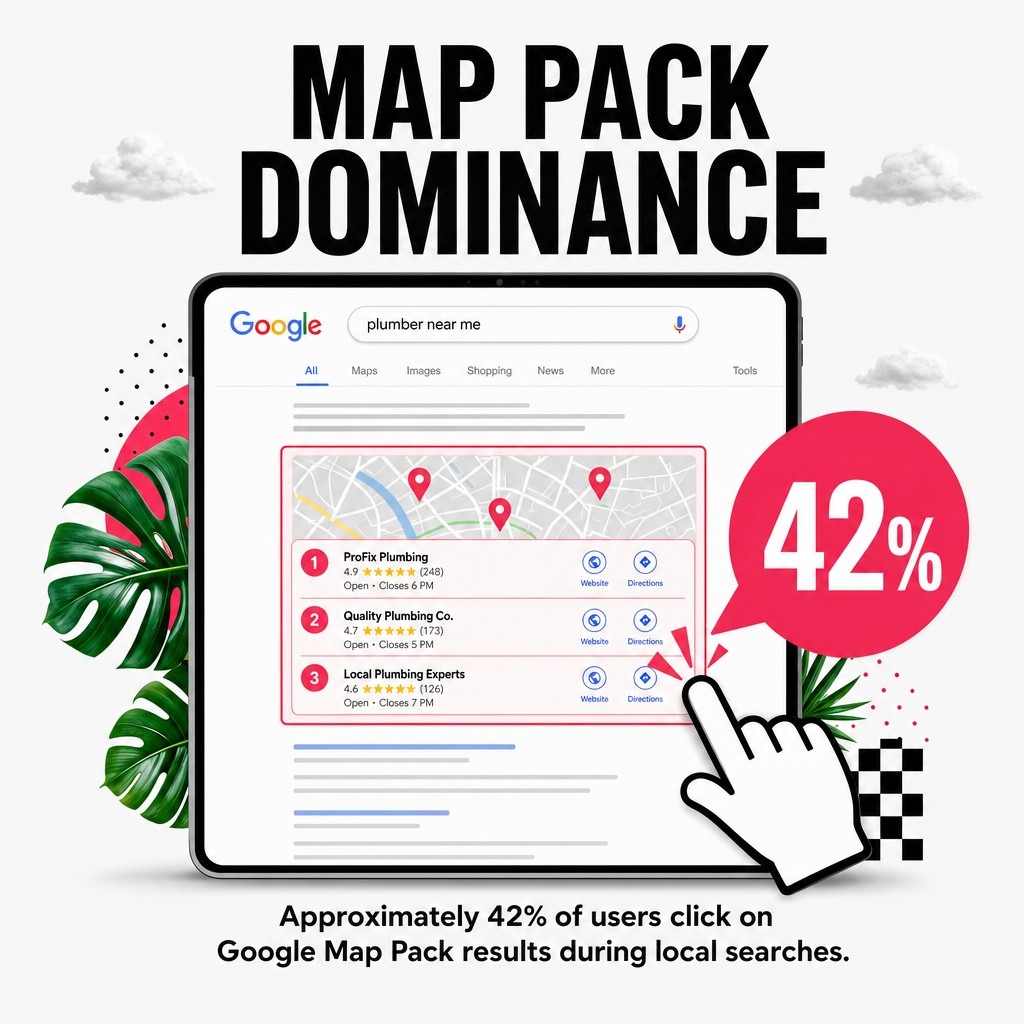
Approximately 42% of users click on Google Map Pack results during local searches, making Google Business Profile optimization critical for capturing local wholesale buyer searches.
Claim and verify your Google Business Profile for every physical location you operate.
Complete profiles with accurate business hours, service areas, and contact information outrank incomplete listings.
Select the most specific business category for your distribution business. There are over 4,000 available Google Business Profile categories as of May 2026, so choose categories matching exactly what you distribute rather than generic wholesaler classifications.
Add product and service listings to your profile detailing specific categories you supply.
Upload photos of your warehouse, inventory, and team to make your profile more engaging and trustworthy.
Encourage satisfied customers to leave Google reviews. B2B buyers check reviews just like consumers do.
Respond to all reviews professionally, addressing concerns raised in negative feedback.
Create dedicated location pages for each warehouse or distribution center with unique content about that specific facility.
Include local address, hours, contact information, and details about inventory stocked at that location.
Add maps, directions, and information about loading docks or will-call pickup procedures. Buyers arranging their own freight need practical details about accessing your facility.
Optimize location page titles and content with city and regional keywords. "Industrial Fastener Distributor Atlanta" or "Houston Hydraulic Component Supplier" capture local search intent.
Build local citations by listing your business in industry directories, chamber of commerce websites, and supplier databases relevant to your market.
Consistency in business name, address, and phone number across all citations strengthens local SEO signals.
Link building for B2B distributors focuses on earning backlinks from manufacturers, industry associations, and trade publications rather than generic directory sites.
Quality matters more than quantity because Google evaluates link relevance based on industry context.
Manufacturer relationships provide natural link opportunities. If you're an authorized distributor for major brands, request inclusion on their dealer locator pages or authorized distributor lists.
These manufacturer website links carry strong authority signals.
Join relevant industry associations and ensure your member profile links to your website.
Many associations offer member directories that provide valuable backlinks and referral traffic from buyers searching for qualified suppliers.
Sponsor industry events, trade shows, or association initiatives. Sponsorships typically include website recognition with backlinks from event pages that remain live for years.
Participate in industry committees and working groups.
Active involvement often leads to mentions on association websites when they publish committee updates or industry position papers.
Technical content naturally attracts backlinks from industry publications, engineering forums, and educational resources.
When you publish genuinely useful application guides or specification comparisons, industry websites link to them as references.
Offer expert commentary to trade journalists covering your industry. Journalists need credible sources for articles about supply chain trends, material pricing, or industry regulations.
Media quotes often include backlinks to your website.
Create original research or compile industry statistics relevant to your market. Including original statistics in content increases AI visibility by 22%.
Original data earns backlinks from others citing your research.
Partner with complementary businesses for co-marketing initiatives. Joint webinars, shared resources, or collaborative guides create mutual linking opportunities between non-competing B2B companies.
Proper technical implementation ensures search engines can access, crawl, and index your distributor website efficiently while delivering fast performance to wholesale buyers evaluating multiple suppliers simultaneously.
Beyond basic technical SEO, distributors must address challenges specific to large catalogs, specification-heavy content, and complex product relationships.
The technical infrastructure determines whether your SEO efforts succeed or fail.
Improved conversion rates have been seen with load times below three seconds, making performance optimization a direct revenue driver for distributor websites.
Implement content delivery networks to serve static assets like product images from servers geographically close to users.
CDNs reduce latency and improve load times for buyers accessing your site from different regions.
Enable browser caching to store frequently accessed resources locally on user devices.
Return visitors load pages faster because their browser retrieves cached resources rather than downloading everything again.
Minify CSS and JavaScript files to reduce file sizes without changing functionality. Remove unnecessary comments, whitespace, and redundant code that bloats page weight.
Audit and remove unused plugins or third-party scripts that slow page rendering without providing value. Every tracking pixel and social media widget adds overhead.
Mobile optimization isn't just about responsive design.
Field technicians and warehouse managers access distributor websites from phones and tablets, often with spotty internet connections or older devices.
Prioritize essential content above the fold on mobile screens. Product name, key specifications, and quote request buttons should appear immediately without scrolling.
Simplify navigation for touch interfaces. Make clickable elements large enough for fingers, space them adequately to prevent accidental clicks, and minimize multi-level dropdown menus.
Test your site on actual mobile devices, not just desktop browser emulators.
Real-world testing reveals issues with tap targets, form fields, and interactive elements that desktop testing misses.
Optimize forms for mobile completion. Use appropriate input types that trigger the right keyboard, minimize required fields, and enable autofill to reduce typing.
Implement Organization schema on your homepage establishing your business identity, contact information, and social media profiles.
This markup helps Google understand your company details and display them in Knowledge Panels.
Use Product schema on all product pages including name, description, SKU, brand, and price when displayed. Add offers schema showing availability status and pricing details.
Implement BreadcrumbList schema to show page hierarchy in search results. Breadcrumb trails help users understand your site structure before clicking.
Add AggregateRating schema when you have customer reviews. Star ratings in search results increase click-through rates significantly compared to plain text snippets.
For more comprehensive information on implementing B2B SEO strategies, check out our step-by-step B2B ranking guide for industrial companies.
SEO measurement for distributors goes beyond vanity metrics like rankings and traffic to focus on lead quality, quote requests, and actual sales generated through organic search.
The right metrics connect SEO efforts to revenue outcomes.
Track organic search traffic growth month over month, segmented by new versus returning visitors. Increasing new visitor traffic indicates successful keyword targeting and improved search visibility.
Monitor keyword rankings for your target product categories and technical terms.
Track both branded searches and non-branded product keywords where buyers don't know your company yet.
Measure organic click-through rates from Google Search Console. Low CTR despite good rankings indicates problems with title tags and meta descriptions that fail to attract clicks.
Track goal completions tied to business outcomes: quote request form submissions, phone calls from click-to-call buttons, email inquiries, and downloadable catalog requests.
These conversions matter more than raw traffic numbers.
Calculate the organic search conversion rate by dividing goal completions by total organic sessions. Compare this rate to other channels to measure SEO's relative effectiveness.
Analyze landing page performance to identify which product pages and content drive the most valuable traffic. Double down on optimization for pages that already convert well.
Set up Google Analytics with proper goal tracking for all conversion actions. Assign monetary values to goals when possible to measure SEO's revenue contribution.
Create custom reports showing organic traffic by product category, user location, and device type.
These segments reveal which audiences and products benefit most from your SEO efforts.
Use Search Console to identify technical issues affecting indexation. Monitor coverage reports for errors preventing pages from appearing in search results.
Analyze search query data to find new keyword opportunities. Queries where you appear on page two represent quick wins, you're close to page one visibility already.
Review Core Web Vitals reports monthly to catch performance regressions before they impact rankings. Google considers user experience metrics as ranking factors.
Most distributor websites make predictable SEO mistakes that limit their search visibility and lead generation potential.
Understanding these errors helps you avoid them or fix existing problems.
Thin product pages with only manufacturer descriptions fail to differentiate you from competing distributors selling identical products.
Search engines favor pages with unique, helpful content over duplicate specifications copied from manufacturer websites.
Duplicate content across product variations creates indexation problems when you list the same product under multiple categories without proper canonical tags.
Search engines struggle to determine which version to rank.
Missing or poorly written meta descriptions leave Google to create its own snippets from page content, often highlighting irrelevant text that doesn't entice clicks.
Slow page speed drives buyers to faster competitor sites before your pages finish loading.
B2B buyers have limited patience for sluggish websites when they're evaluating multiple suppliers.
Broken internal links within product catalogs frustrate users and waste the link equity you've built. Regular link audits catch these issues before they harm user experience and SEO.
Ignoring long-tail product keywords means missing the specific searches that convert best.
Buyers searching for exact specifications are further along the buying cycle than those using generic terms.
Neglecting local SEO when you serve regional markets costs you visibility in "near me" and city-specific searches.
Local buyers often prioritize nearby suppliers for faster delivery and easier returns.
Publishing content without promotion limits its impact. Great technical articles need active distribution through industry channels to earn backlinks and authority signals.
Failing to track and measure SEO results makes it impossible to prove ROI or identify what's working.
Set up proper analytics before launching SEO initiatives, not after.
You can avoid many common B2B website mistakes by following our optimization guide for manufacturers, which addresses similar challenges distributors face.
Is SEO dead or evolving in 2026?
SEO remains a live discipline in 2026, but the tactics that worked years ago are less effective.
Search engines continue to emphasize creating helpful, reliable, people-first content and advise site owners to focus on pages that satisfy users rather than search-engine tricks.
Search surfaces are changing as AI-enhanced results reshape how users discover information, so SEO increasingly includes content quality, structured data, and authority-building.
How long before SEO shows results for a distributor website?
Expect 3-6 months before seeing meaningful organic traffic growth for competitive keywords.
Quick wins come from optimizing existing pages that already rank on page two, those can jump to page one within weeks.
Technical improvements like site speed optimization show faster impact on user experience and conversion rates even before rankings improve.
Should distributors focus on branded or non-branded keywords?
Both matter, but prioritize non-branded keywords to capture new buyers who don't know your company yet.
Buyers searching branded terms already intend to contact you. Non-branded product keywords like "industrial valve supplier California" reach prospects still evaluating options.
Once you dominate non-branded searches in your key product categories, then invest more in branded content and reputation management.
How do I compete with manufacturers who outrank my distributor website?
Add value manufacturers won't provide, like local availability information, bulk pricing details, technical support resources, and application guides tailored to your regional market.
Manufacturers optimize for broad product awareness, you can optimize for specific buyer needs like immediate stock, will-call pickup, and technical assistance.
Focus on long-tail keywords combining product specs with location or service terms manufacturers ignore.
For insights on how industrial companies approach similar SEO challenges, explore our guide to industrial SEO and product data.
Your distributor website can become your best sales tool when wholesale buyers find you organically during their research phase.
SEO turns your catalog into a searchable, discoverable resource that works around the clock generating qualified leads.
The tactics covered here, technical optimization, product page enhancement, content strategy, local visibility, and link building, work together to create compounding search visibility.
Start with the fundamentals like site speed and proper product page structure, then expand into content marketing and link acquisition as your foundation solidifies.
Wholesale buyers are searching right now for the products you stock. Your job is making sure they find you first instead of your competitors.
The path forward starts with a technical audit to identify quick wins, followed by systematic product page optimization, then ongoing content creation and performance monitoring.
Most distributors still treat their website as an online brochure. Those who embrace search optimization as a core business strategy will capture the leads competitors miss.
You've got the inventory and expertise, now make sure buyers searching for solutions can actually find you.