

Your B2B manufacturing website isn't converting visitors into qualified leads. The traffic's there, but prospects disappear faster than inventory during a supply chain crisis.
Here's what's happening.
The global B2B ecommerce market is valued at $32.11 trillion in 2025. That's not a typo. Buyers have shifted online permanently, researching suppliers independently before ever picking up the phone.

Yet most manufacturing websites still function like digital brochures. They present products but fail to capture intent, answer technical questions, or guide decision-makers through complex purchasing journeys.
The gap between traffic and conversion isn't about driving more visitors. It's about optimization, the systematic process of transforming your B2B website from passive information hub into an active lead generation engine.
We're covering the complete optimization framework manufacturers need: technical performance foundations, user experience refinement, content strategy, conversion architecture, and measurement systems. Each element builds on the last, creating a cohesive system that captures high-value leads consistently.
By the end, you'll understand exactly where your website is leaking revenue and how to fix it.
B2B website optimization is the continuous process of improving digital performance across technical, experiential, and conversion dimensions. For manufacturers, it means engineering your website to match how procurement teams actually research suppliers.
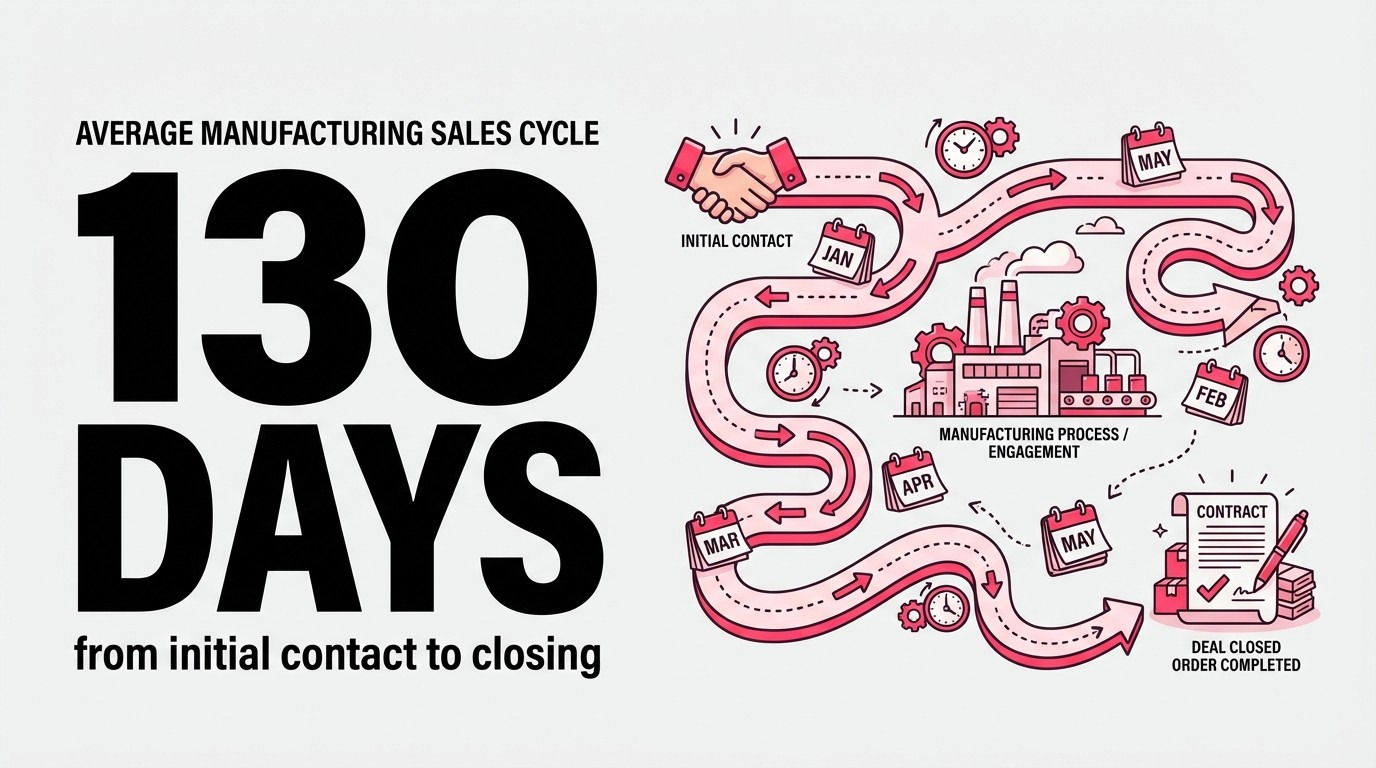
The stakes are substantial. Manufacturing transactions have an average sales cycle of 130 days from initial contact to closing. Your website must sustain interest across months, not minutes.
Manufacturers historically relied on personal relationships and trade shows. Websites were afterthoughts, static catalogs uploaded once and forgotten.
That model collapsed.
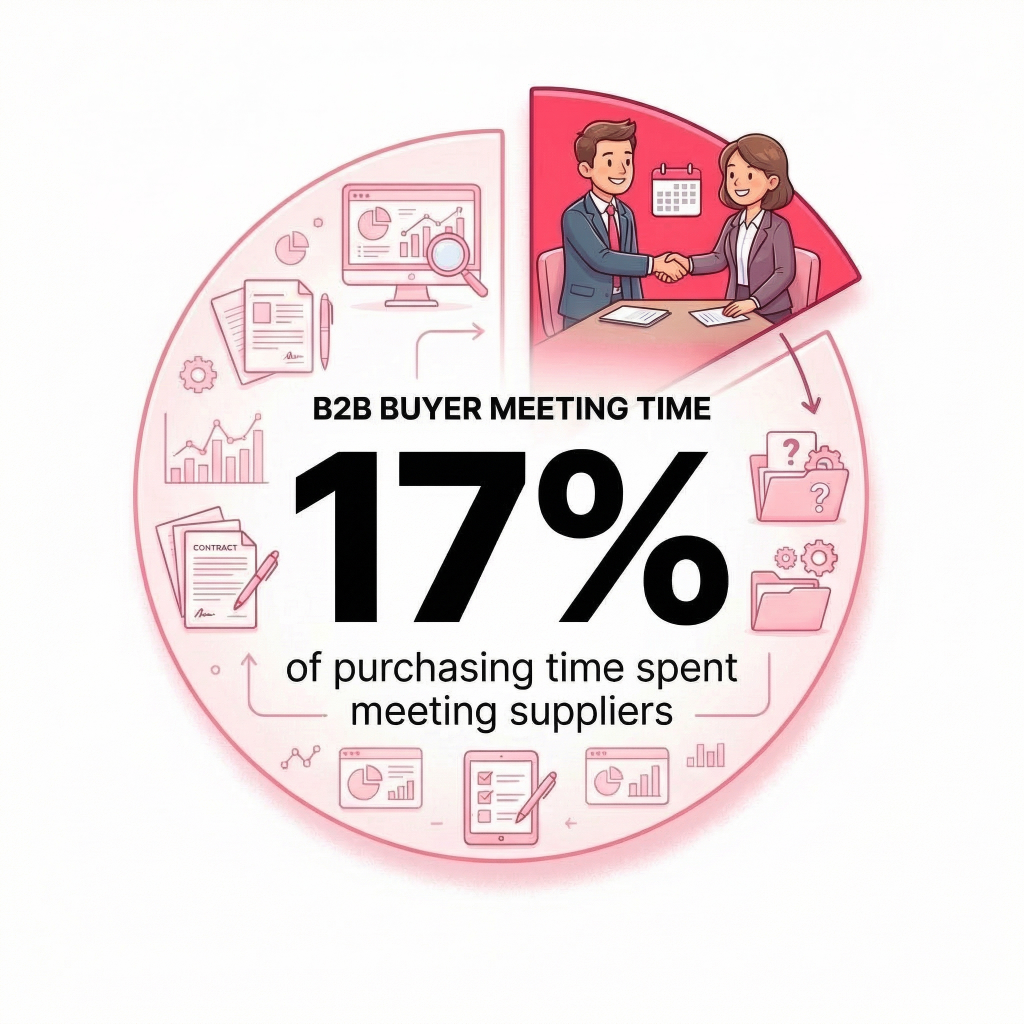
B2B buyers now spend only 17% of their total purchasing time actually meeting with potential suppliers. The other 83% happens online, where they're evaluating technical specifications, comparing capabilities, and vetting credibility independently.
Your website must answer questions that used to require sales meetings. It needs to demonstrate expertise, prove reliability, and build trust without human intervention.
Effective B2B website optimization rests on three interdependent foundations:
Neglect any pillar and the entire structure weakens. Fast load times mean nothing if users can't find specifications. Perfect navigation fails if forms demand excessive information.
Now that you understand what optimization means, we need to map it to how B2B buyers actually behave. Manufacturing purchasing decisions involve multiple stakeholders, extended evaluation periods, and complex approval processes.
Your website serves at least three distinct decision-maker types simultaneously.
Technical evaluators need detailed specifications, CAD files, material certifications, and compatibility documentation. They're engineers who get fired when parts don't fit.
Procurement specialists want pricing clarity, order minimums, lead times, and supplier reliability indicators. They're measured on cost savings and supply chain risk reduction.
Executive approvers seek business case justification, strategic alignment, and risk assessment. They care about vendor stability and long-term partnership potential.
Each persona follows different navigation paths and consumes different content types. Optimization means serving all three without creating chaos.
That 130-day sales cycle demands persistent engagement. Buyers return to your website repeatedly, each visit with different information needs.
Early-stage visitors want educational content, industry insights, and problem-framing materials. They're not ready for quotes. They're determining whether they even need your product category.
Mid-stage prospects compare specifications, study case studies, and evaluate technical documentation. They've narrowed options and need differentiation clarity.
Late-stage buyers seek implementation details, support documentation, and final risk validation. They're building internal business cases for purchasing committees.
Your website must support all stages simultaneously while tracking which stage each visitor occupies.
With the buyer journey mapped, we turn to technical foundations. User experience strategy becomes irrelevant if pages load so slowly that prospects abandon before content renders.
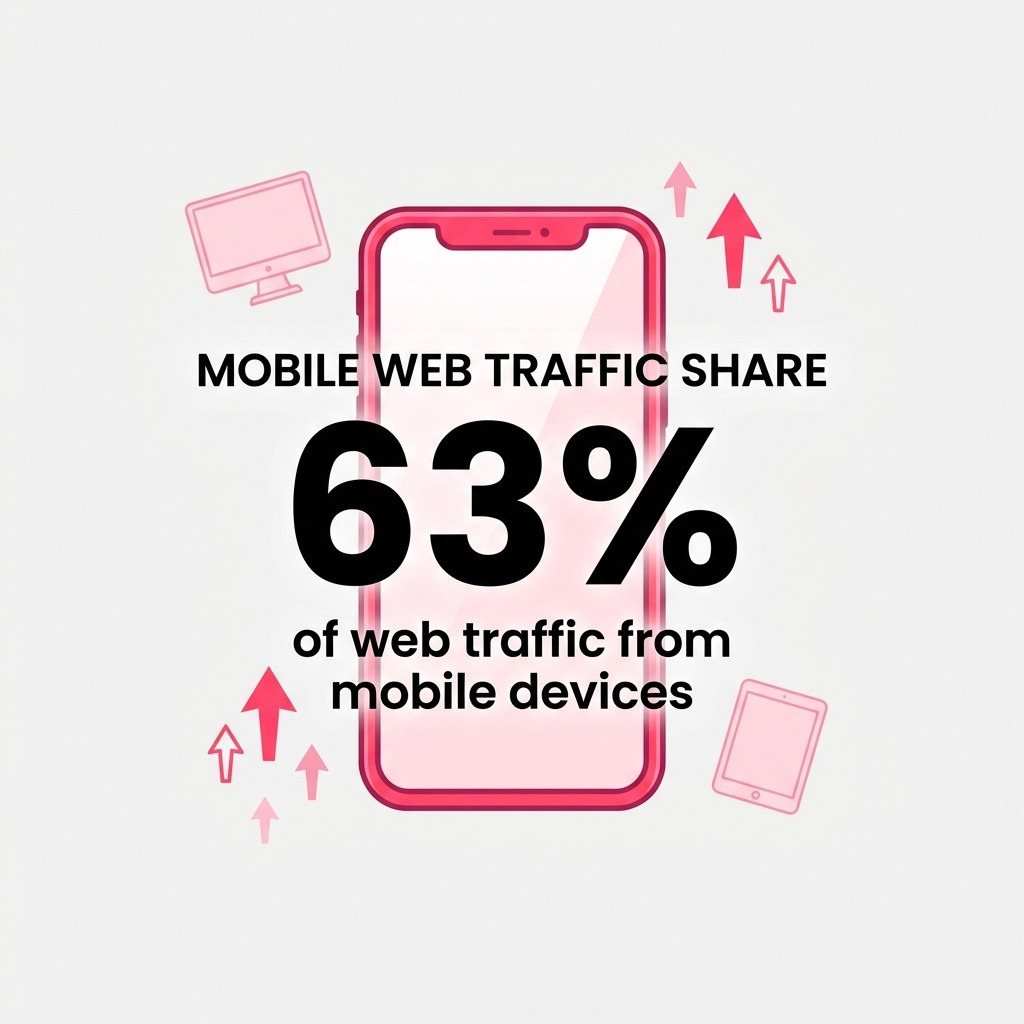
Mobile optimization has become particularly critical, with over 63% of web traffic now coming from mobile devices. Technical buyers research suppliers from job sites, during equipment inspections, and between meetings.
Load speed directly correlates with conversion rate. Every second of delay increases bounce probability. For B2B sites with complex product catalogs and technical documentation, performance optimization requires systematic attention.
Start with image optimization. Compress product photos without sacrificing quality. Implement lazy loading so images only load when scrolled into view.
Enable browser caching to store static resources locally. Returning visitors load pages instantly rather than re-downloading unchanged files.
Minimize HTTP requests by combining CSS and JavaScript files. Each separate file requires a new server connection, adding latency.
Mobile users exhibit different behaviors than desktop users. They're often in research mode, quickly scanning multiple suppliers rather than deep-diving specifications.
Your mobile experience must prioritize speed and scanability. Simplify navigation to essential paths. Technical specifications can link to PDF downloads rather than rendering complex tables.
Test contact forms on actual mobile devices. Procurement specialists won't struggle with tiny input fields or error messages that hide beneath keyboards.
Consider implementing click-to-call functionality for phone numbers. Mobile users appreciate immediate connection options when they're ready.
Manufacturing buyers transfer sensitive technical specifications and procurement information through your website. Security isn't optional.
Implement SSL certificates to encrypt data transmission. Modern browsers actively warn users about non-HTTPS sites, destroying credibility instantly.
Display security badges, industry certifications, and compliance documentation prominently. ISO certifications, quality management systems, and cybersecurity frameworks reassure risk-averse buyers.
Keep software updated. WordPress installations, plugins, and themes require regular maintenance to patch vulnerabilities.
Technical performance creates the foundation. Now we build user experience architecture that guides visitors toward conversion actions naturally.
B2B websites that implement effective user experience strategy experience higher engagement rates. But what constitutes effective UX for manufacturers differs dramatically from B2C ecommerce.
Manufacturing product lines often span hundreds of SKUs across multiple categories. Navigation must accommodate complexity without overwhelming visitors.
Implement faceted search that lets buyers filter by specification parameters. If you manufacture fasteners, users should filter by material, thread type, length, and coating simultaneously.
Create clear visual hierarchy on product pages. Specifications, pricing, availability, and technical drawings each need dedicated, predictable locations.
Add breadcrumb navigation so users understand their location within your site architecture. When browsing subcategories three levels deep, buyers need easy paths back.
Procurement teams scan rather than read. They're comparing multiple suppliers, extracting key details quickly.
Use descriptive headings that communicate content value instantly. "Technical Specifications" works better than "Product Details."
Break text into short paragraphs, ideally one to three sentences maximum. Dense text blocks signal outdated thinking.
Highlight critical information with bold text, bullet points, and visual callouts. Lead times, minimum order quantities, and certifications deserve emphasis.
Engineers search using part numbers, material grades, and technical specifications. Your site search must accommodate technical nomenclature.
Implement search that handles industry-standard part numbering systems. If prospects can't find your equivalent to a competitor's part number, you've lost them.
Add predictive search suggestions that appear as users type. Surface popular products, technical resources, and documentation proactively.
Display search analytics to understand what visitors seek but can't find. Failed searches reveal content gaps and optimization opportunities.
With user experience optimized, we focus on content that attracts, educates, and converts. Manufacturing content strategy balances technical depth with accessibility.
For a comprehensive approach to content development, reference our complete guide to B2B content marketing for manufacturers.
Your engineering documentation possesses substantial SEO value. Technical specifications, material data sheets, and compliance certifications answer high-intent search queries.
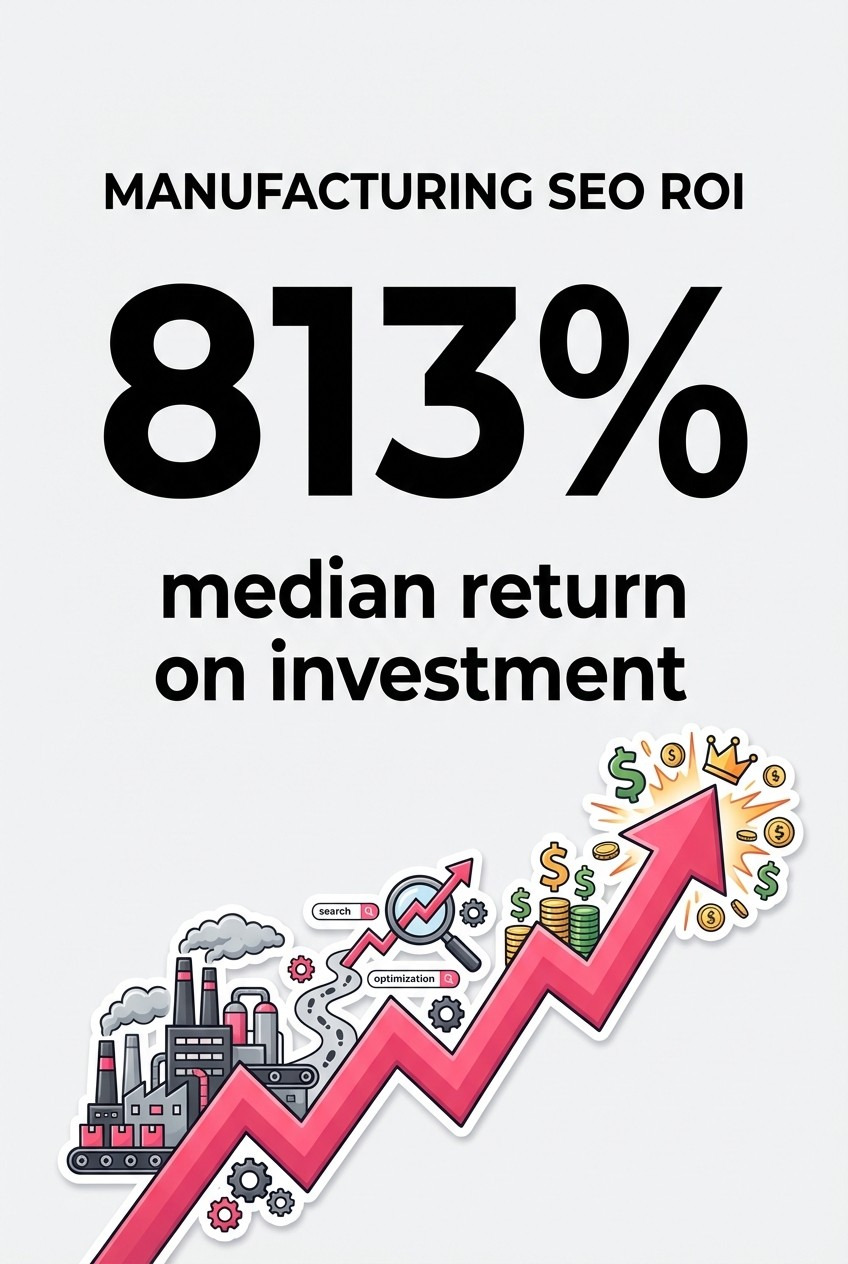
The median SEO return on investment for manufacturing companies is 813%. That extraordinary ROI stems largely from technical content few competitors bother publishing.
Convert PDFs to HTML pages when possible. Search engines index HTML more effectively, and users appreciate in-browser viewing.
Structure technical content with descriptive headings, clear formatting, and embedded calls-to-action. A material specification sheet should end with quote request options.
Manufacturing buyers trust demonstrated capability over marketing claims. Case studies prove you've solved problems similar to theirs.
Structure case studies around buyer personas. Engineers want technical challenge details. Procurement teams seek project timelines and budget information. Executives need business outcome quantification.
Include specific metrics wherever possible. "Reduced assembly time by 40%" outperforms "significantly improved efficiency."
Photograph installations, processes, and finished applications. Visual evidence builds credibility faster than text.
Most manufacturing website traffic arrives in research mode, not buying mode. Educational content captures that early attention and builds authority.
Create buying guides that explain specification considerations. If you manufacture industrial pumps, publish content helping buyers calculate required flow rates and pressure ratings.
Develop comparison content between approaches, materials, or technologies. Buyers appreciate objective analysis even when it acknowledges competitor strengths.
Answer common questions thoroughly. Each question answered eliminates friction from the purchasing journey.
Content attracts visitors. Now we engineer conversion mechanisms that transform traffic into qualified leads systematically.
The ecommerce B2B conversion rate sits at 1.8–3.0%. That means around 97% of visitors leave without converting. Small conversion rate improvements generate substantial lead volume increases.
Learn more about systematic conversion improvement in our 5-step conversion rate optimization framework.
Calls-to-action (CTAs) must match visitor intent and page context. A homepage visitor needs different CTAs than someone reading technical specifications.
Place primary CTAs above the fold on landing pages. Visitors shouldn't need to scroll to find quote request buttons.
Use action-oriented language specific to manufacturing contexts. "Request Custom Quote" outperforms "Submit Form." "Download CAD Files" beats "Get Resources."
Test CTA button colors, sizes, and positioning systematically. Small changes produce surprising results.
Form complexity directly correlates with abandonment rates; each additional form field reduces completion rates. Balance information needs against user patience.
Start with minimum viable fields: name, email, company, and a brief inquiry description. You can gather additional details during sales follow-up.
Explain why you need each field. "We use your industry to route inquiries to specialized engineers" reduces resistance.
Implement progressive profiling for returning visitors. If someone downloaded a catalog last month, don't ask for the same information again.
Campaign-specific landing pages convert better than generic contact forms. Each PPC campaign, email promotion, or trade show follow-up deserves dedicated landing pages.
Match landing page messaging to the source advertisement. If your ad promises "custom machining capabilities," the landing page headline should reference custom machining explicitly.
Remove navigation from conversion-focused landing pages. Every exit link provides an escape route from your conversion funnel.
Include social proof near conversion elements. Testimonials, client logos, and certification badges reduce perceived risk.
Conversion optimization assumes traffic exists. SEO ensures qualified prospects find your website when researching suppliers and solutions.
For comprehensive SEO guidance specific to manufacturing, review our ultimate guide for manufacturing SEO.
Manufacturing SEO targets high-intent technical searches. Generic terms like "metal fabrication" attract research traffic. Specific queries like "stainless steel laser cutting services ISO 9001" indicate buying intent.
Focus on long-tail keywords incorporating specifications, applications, and qualifications. These phrases have lower search volume but higher conversion potential.
Research competitor keywords using tools like Ahrefs or Semrush. Identify gaps where competitors rank but you don't.
Target question-based queries. "How to select bearing materials" attracts engineers early in their research process.
On-page optimization ensures search engines understand your content's relevance and authority.
Write descriptive title tags incorporating primary keywords naturally. "CNC Machining Services | Precision Parts Manufacturing" communicates clearly.
Craft compelling meta descriptions that encourage clicks. You have 155 characters to convince searchers your page deserves attention.
Use header tags hierarchically. H1 for page titles, H2 for major sections, H3 for subsections. This structure helps search engines and users alike.
Optimize images with descriptive file names and alt text. "stainless-steel-pump-assembly.jpg" with alt text "Stainless steel centrifugal pump assembly" provides context.
Many manufacturing relationships require geographic proximity for shipping economics or on-site collaboration.
Create and optimize your Google Business Profile. Include accurate business information, service descriptions, and customer reviews.
Build location-specific content for each facility. If you operate multiple plants, create dedicated pages describing each location's capabilities.
Earn local citations from industry directories, chambers of commerce, and manufacturing associations. Consistent NAP (name, address, phone) information across directories strengthens local rankings.
Optimization requires measurement. Without data, you're guessing which changes improve performance versus which waste resources.
Install Google Analytics as your foundational measurement platform. Configure goal tracking for quote requests, resource downloads, and contact form submissions.
Implement event tracking for critical interactions. Track PDF downloads, video plays, and specification tool usage.
Set up conversion tracking in Google Ads if running paid campaigns. Connect offline conversions when sales close to measure true campaign ROI.
Add heat mapping tools like Hotjar or Crazy Egg. Visual representations of user behavior reveal navigation issues and attention patterns.
Monitor metrics that connect directly to business outcomes rather than vanity statistics.
Bounce rate indicates landing page relevance. Average B2B website bounce rates cluster around 30% to 55%. Rates significantly higher suggest targeting or messaging problems.
Pages per session measures engagement depth. Manufacturing buyers researching seriously typically view multiple pages.
Time on page for technical content indicates comprehension difficulty. Extremely short times suggest content mismatch or readability issues.
Form completion rate reveals friction in your lead capture process. Low completion rates signal form optimization opportunities.
Lead quality score tracks whether traffic converts to actual sales opportunities. High traffic with low-quality leads indicates targeting problems.
Systematic testing removes guesswork from optimization decisions. Test one variable at a time to isolate what drives improvement.
Start with high-impact elements: primary CTA buttons, form lengths, landing page headlines. These changes affect conversion rates most dramatically.
Run tests until statistical significance emerges. Small sample sizes produce misleading results. Use tools like Optimizely or VWO to manage experiments.
Document all tests and results. Build institutional knowledge about what works for your specific audience.
Advanced B2B optimization moves beyond universal experiences toward personalized engagements based on visitor characteristics and behavior.
First-time visitors need orientation and education. Returning visitors seek progression toward purchasing decisions.
Show different homepage content to returning visitors. Highlight new products, recent case studies, or content they haven't accessed.
Remember form information from previous visits. Don't force prospects to re-enter company details they provided last month.
Suggest related content based on browsing history. If someone viewed pump specifications, recommend installation guides and maintenance documentation.
For manufacturers targeting specific large accounts, personalization reaches individual company levels.
Use tools like Demandbase or 6sense to identify visiting companies by IP address.
Display industry-specific case studies to visitors from targeted companies. Automotive manufacturers see automotive applications.
Customize CTA language for priority accounts. "See How We've Helped Companies Like [Their Company Name]" creates powerful relevance.
Mobile responsiveness alone doesn't constitute mobile optimization. True mobile-first design considers how manufacturing buyers use phones differently than desktops.
Mobile manufacturing research often occurs in context. Engineers check specifications while inspecting equipment. Procurement specialists compare options during supplier meetings.
Prioritize quick-reference information on mobile: contact details, hours, location, key specifications.
Simplify mobile navigation to essential paths. Complex mega-menus overwhelm small screens.
Ensure PDFs and technical drawings open smoothly on mobile devices. Consider mobile-optimized document viewers.
Mobile form completion presents unique challenges. Typing on phone keyboards frustrates users quickly.
Reduce mobile form fields even more aggressively than desktop. Capture email and phone number, then follow up.
Use appropriate input types. Email fields trigger email keyboards. Phone fields trigger number pads.
Implement autofill support so browsers can populate fields automatically from saved information.
Manufacturing purchasing involves significant risk. Equipment failures, quality issues, or delivery problems carry expensive consequences. Social proof reduces perceived risk.
Generic testimonials lack credibility. Specific testimonials from recognizable companies prove capability.
Feature testimonials from companies similar to target prospects. If selling to automotive Tier 1 suppliers, showcase automotive testimonials.
Include specific results: "Reduced our defect rate from 2.3% to 0.4%" outperforms "Great quality."
Add names, titles, companies, and photos when possible. Anonymous testimonials suggest fabrication.
Displaying recognizable client logos builds immediate credibility, particularly when prospects recognize industry peers.
Organize logos by industry or application. Help visitors quickly identify relevant experience.
Link logos to case studies when available. Transform passive credibility signals into engagement opportunities.
Quality certifications, industry standards compliance, and regulatory approvals matter enormously in manufacturing.
Display relevant certifications prominently. ISO 9001, AS9100, IATF 16949, and other standards signal process maturity.
Create dedicated pages explaining what certifications mean and why they matter. Educate buyers unfamiliar with specific standards.
Optimization isn't a project with an endpoint. It's an ongoing discipline requiring systematic monitoring and continuous improvement.
Set up automated alerts for critical performance degradations. If site speed suddenly doubles, you need immediate notification.
Use uptime monitoring services like Pingdom or UptimeRobot. Website downtime equals lost leads.
Schedule regular security scans. Manufacturing websites attract attention from hackers seeking intellectual property or supply chain access.
Implement quarterly optimization reviews. Analyze performance data, identify bottlenecks, prioritize improvements.
Update content regularly. Refresh case studies, add new technical documentation, and expand educational resources.
Review competitor websites quarterly. Identify features, content approaches, or design elements worth adapting.
Survey customers about their website experience. Ask what information they struggled to find or what additional resources would help.
Understanding what to avoid saves time and resources. These mistakes plague manufacturing websites repeatedly.
Complex product lines tempt manufacturers to create equally complex navigation structures. Resist.
Visitors need clear paths to information, not comprehensive site maps. Prioritize common journeys over exhaustive options.
Manufacturing pricing varies by specification, quantity, and customization. That doesn't mean providing zero pricing guidance.
Consider pricing ranges, starting prices, or quote calculators. Buyers appreciate transparency even when exact pricing requires consultation.
High-resolution product images and complex technical drawings create massive file sizes. Optimization prevents performance degradation.
Compress images aggressively. Use modern formats like WebP. Implement lazy loading universally.
Sales teams want comprehensive lead information. Website visitors want minimal friction. Balance carefully.
Capture essential information initially. Progressive profiling and sales conversations gather additional details later.
Website optimization extends beyond the site itself into how you nurture captured leads. Marketing automation connects website conversion to sales pipeline.
Not all form submissions represent equal opportunity. Lead scoring prioritizes sales follow-up.
Assign points based on explicit data: company size, industry, title. Add behavioral scores: pages viewed, resources downloaded, repeat visits.
Route high-scoring leads to sales immediately. Nurture lower-scoring leads through automated sequences.
Most manufacturing leads aren't ready to buy immediately. Nurture sequences maintain engagement across long sales cycles.
Segment sequences by expressed interest. Someone who downloaded pump selection guides receives different content than bearing specification seekers.
Provide progressive education. Early emails teach fundamental concepts. Later messages address advanced considerations and implementation details.
Monitor engagement signals. When prospects repeatedly open emails and click links, alert sales teams.
Digital manufacturing continues evolving rapidly. 78% of manufacturing executives plan to invest 20% or more of their improvement budgets in smart manufacturing initiatives. Your website must adapt to emerging buyer behaviors and technological capabilities.
Procurement AI tools increasingly screen suppliers automatically, analyzing websites for capability signals and compliance documentation.
Structure technical data in machine-readable formats. Schema markup helps AI systems extract and compare specifications.
Maintain comprehensive, well-organized technical documentation. AI procurement assistants penalize sparse information.
Video increasingly complements text for complex technical explanation. Manufacturing processes, assembly instructions, and application demonstrations benefit from visual formats.
Create short equipment demonstration videos. Show products functioning in actual applications.
Develop installation and maintenance tutorial series. Support content builds trust and reduces perceived ownership complexity.
Host video content on YouTube for SEO benefits while embedding on your website for user experience.
B2B website optimization isn't a checklist you complete once. It's a systematic discipline combining technical performance, user experience, strategic content, and continuous measurement.
Start with technical foundations. Speed and mobile responsiveness create the baseline without which nothing else matters.
Layer in user experience optimization. Navigation, information architecture, and scannability determine whether visitors find what they seek.
Deploy conversion architecture strategically. Forms, CTAs, and landing pages transform traffic into qualified leads.
Measure everything relentlessly. Data reveals what works, what fails, and where opportunities hide.
The manufacturing industry stands at a digital inflection point. Gartner projects that by 2025, 80% of B2B sales interactions will occur in digital channels. Your website isn't supplementary to your sales process. It is your sales process.
Begin with one section. Audit your current page load speed or review form completion rates. Identify the biggest bottleneck and address it systematically.
Optimization compounds. Small improvements accumulate into substantial competitive advantages. Your competitors are either already optimizing or falling behind. Choose your side.