

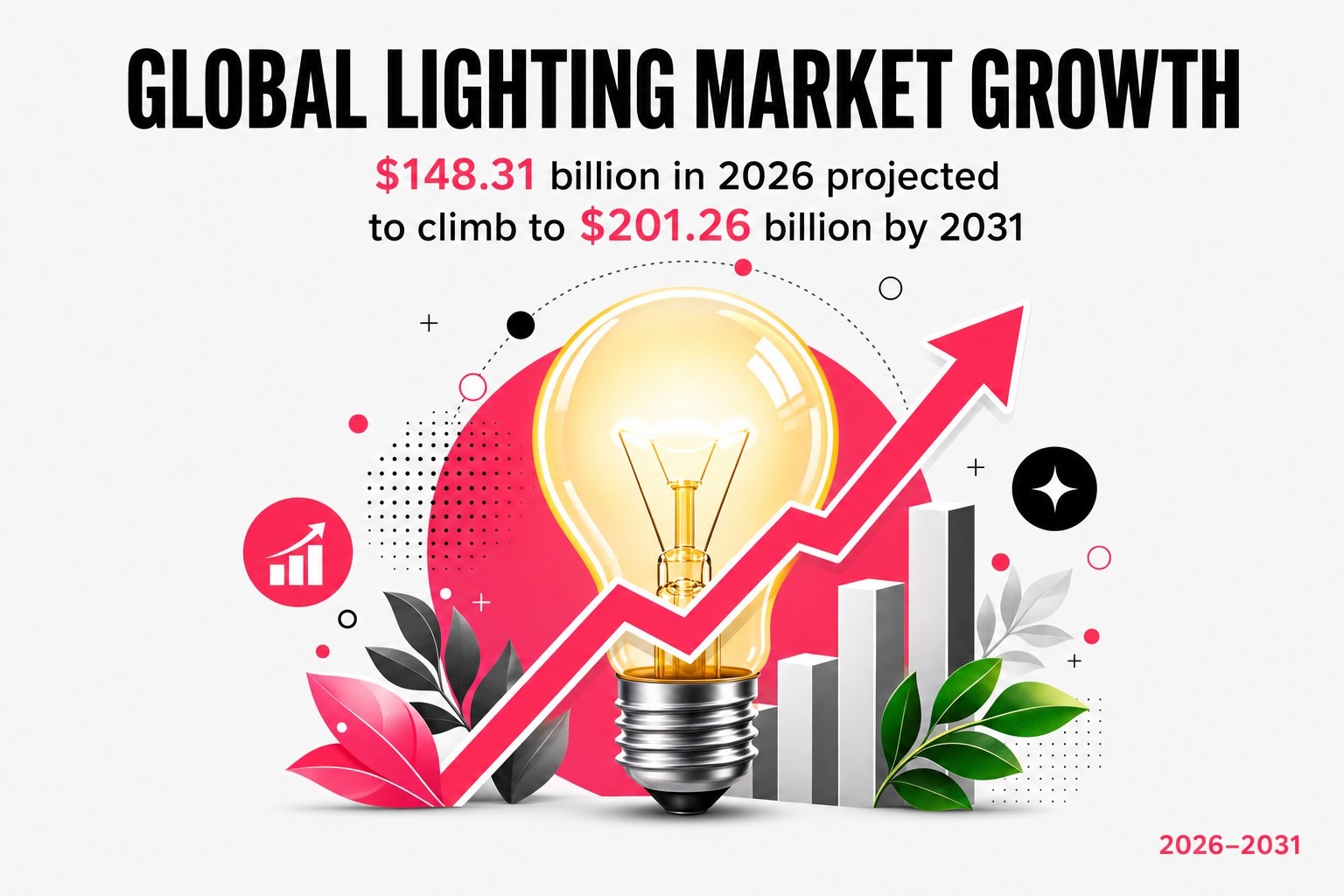
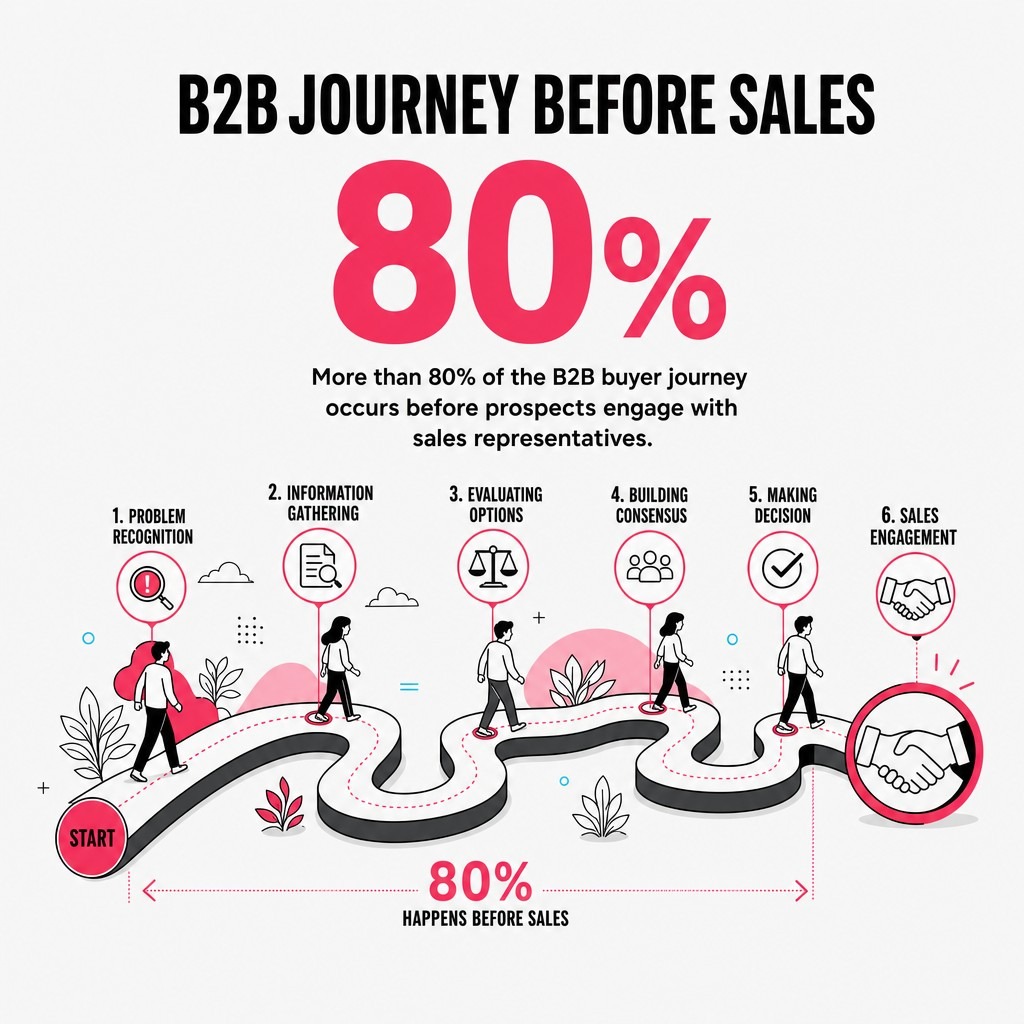
The global lighting market reached $148.31 billion in 2026 and is projected to climb to $201.26 billion by 2031, representing compound annual growth of 6.29%. Architects and contractors control most specification decisions in commercial lighting before sales teams ever get involved, with more than 80% of the B2B buyer journey occurring before prospects engage with sales representatives.
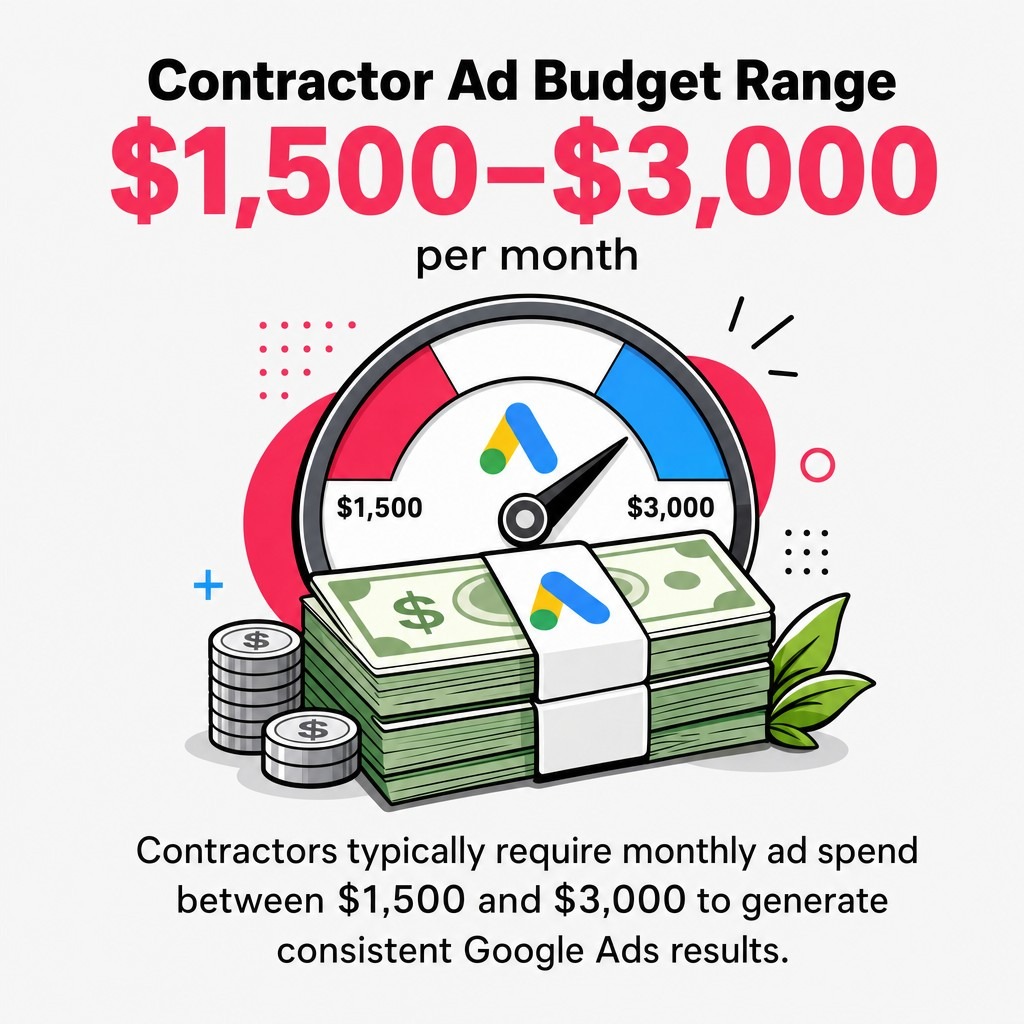
Contractors typically require monthly ad spend between $1,500 and $3,000 to generate consistent Google Ads results, but the payoff justifies the investment when you reach decision-makers at specification stage. Paid search lets commercial lighting brands intercept architects researching LEED compliance and contractors comparing lumens-per-watt ratios exactly when purchase intent peaks.
Most commercial lighting brands waste money chasing general searches. They bid on "LED lights" and wonder why conversion rates sit below 1%.
The real opportunity hides in specification-stage searches. An architect typing "ASHRAE 90.1 compliant high bay fixtures 400W equivalent" isn't browsing. They're specifying a project that breaks ground in 90 days.
I've spent years running paid search campaigns for manufacturers and distributors. The brands winning in commercial lighting stopped treating Google Ads like consumer marketing five years ago. They target specific buyer personas with technical precision, matching search intent to project lifecycle stage.
Commercial lighting paid search requires abandoning nearly everything consumer marketers know about Google Ads. The buying cycle stretches six to eighteen months. Decision-makers split between three distinct personas, each searching different terms at different project stages.
Architects search early. They're researching energy efficiency specifications, LEED certification requirements, and code compliance. Their searches include technical language: "lumens per watt commercial applications," "DLC Premium listed fixtures," "Title 24 compliant LED panels."
Electrical contractors search mid-cycle. They've received specs from architects and need suppliers who stock specific products. Their searches focus on availability and installation: "4ft LED troffer 4000K in stock," "commercial LED retrofit kits bulk pricing," "high bay LED fixtures quick ship."
Facility managers and building owners search late. They're validating recommendations or seeking second opinions on energy savings. Their searches emphasize ROI and payback: "commercial LED retrofit cost savings calculator," "warehouse lighting energy audit," "office lighting upgrade ROI."
Consumer campaigns optimize for immediate conversion. Commercial lighting campaigns optimize for specification influence, dealer network referrals, and project tracking across quarters.
Specification stage represents the highest-value targeting opportunity in commercial lighting. Once an architect specs your fixture into project documents, contractors must either use your product or submit substitution requests that add friction and delay.
Paid search captures architects during active specification work. A search for "linear suspended LED fixture 3500K 90+ CRI" indicates someone building a lighting schedule right now, not researching abstractly.
Your ad needs to surface technical documentation instantly. Architects won't fill out contact forms during specification. They download cut sheets, IES files, and specification guides. Your landing page should deliver these assets without registration walls.
Contractors search with urgency baked in. They need products delivered before installation dates. Their searches reflect this time pressure: "LED wall pack ship today," "commercial canopy lights 48 hour delivery," "high bay fixtures available Houston."
Geographic targeting matters intensely for contractor searches. A Dallas contractor searching "LED parking lot lights" wants a supplier with local inventory, not a manufacturer's website showing national distribution maps.
Smart campaigns use location-based ad copy and landing pages. "In-stock at our Fort Worth warehouse" converts better than "nationwide distribution network" for contractors two days from installation.
Commercial lighting campaigns require architecture that mirrors how different buyers actually search. Generic campaign structures fail because they force architects, contractors, and facility managers through identical funnels despite having completely different needs.
Start with persona-based campaign separation. Create distinct campaigns for specification-stage, procurement-stage, and validation-stage searches. This structure lets you control budgets, ad copy, and landing pages independently for each buyer type.
Specification campaigns target architects with technical searches. Keywords include certification names, compliance standards, and performance metrics. Example terms: "ENERGY STAR certified LED panel lights," "IES Type III distribution fixtures," "0-10V dimmable commercial LED."
Procurement campaigns target contractors with product availability searches. Keywords emphasize stock status, shipping speed, and local availability. Example terms: "commercial LED fixtures same day shipping," "high bay lights bulk pricing," "LED troffer retrofit kits wholesale."
Validation campaigns target facility managers and building owners with ROI-focused searches. Keywords address energy savings, rebates, and payback calculations. Example terms: "LED lighting upgrade savings calculator," "commercial lighting energy audit," "warehouse LED retrofit ROI."
Within each persona campaign, structure ad groups by product category. This granularity lets you write hyper-specific ad copy and direct users to dedicated landing pages that match their exact search intent.
Commercial lighting keywords demand technical precision that consumer campaigns never require. Generic terms like "LED lights" or "commercial lighting" waste budget on unqualified traffic. Specific terms like "4ft LED linear high bay 200W 5000K" attract architects actively specifying products.
Build keyword lists using actual specification language. Download lighting specs from commercial projects, note exact terminology architects use, and add those phrases as keywords. Terms like "photometric distribution Type V," "L70 50,000 hours," and "CRI 90+" appear constantly in specs.
Color temperature searches indicate serious intent. Someone searching "LED office lighting 3500K" knows exactly what they want. They're not researching warm versus cool white—they're implementing a lighting design with specified CCT requirements.
Wattage equivalent searches signal replacement projects. "400W metal halide LED replacement" means someone has existing fixtures and needs drop-in alternatives. These searches convert well because the buyer already decided to upgrade.
Match types behave differently in commercial lighting than consumer campaigns. Exact match works well for specific product searches. When someone types "2x2 LED troffer 40W 4000K," they want that exact product, not close alternatives.
Phrase match captures specification variations. Architects might search "DLC premium LED high bay fixtures," "high bay fixtures DLC premium," or "DLC premium listed high bay." Phrase match covers these permutations without triggering on irrelevant searches.
Broad match modifier deserves caution in commercial campaigns. Technical terms can trigger unexpectedly. "LED panel lights" might show ads for solar panels or lighting control panels. Monitor search terms weekly and add negative keywords aggressively.
Commercial lighting ad copy fails when it sounds like consumer advertising. Architects don't care about "beautiful lighting" or "transform your space." They care about lumens, efficacy, and whether your fixture meets their energy code requirements.
Lead with technical specifications in headlines. "120 Lumens/Watt High Bay – DLC Premium Listed" beats "Energy-Efficient LED High Bay Lights" every time for specification-stage searches. The first headline answers the architect's immediate question. The second makes them click to find out what you're actually offering.
Include certification and compliance in description lines. "ENERGY STAR Certified – Title 24 Compliant – UL Listed" reassures architects that your products check the boxes they need to check on their specification sheets.
Ad copy for contractor-focused campaigns shifts emphasis to availability and support. "In Stock – Ships Today – Installation Support Available" addresses their core concerns about project timelines and technical assistance.
Sitelink extensions direct users to high-value assets. Instead of generic "Products" and "About Us" links, use "Download Cut Sheets," "IES Photometric Files," "LEED Documentation," and "Specification Guides."
Callout extensions highlight certifications and programs. "DLC Premium Listed," "5-Year Warranty," "Utility Rebate Qualified," and "Same-Day Shipping" differentiate your offering in crowded search results.
Structured snippets showcase product ranges. Use "Product Categories: High Bay, Troffer, Linear, Wall Pack, Canopy, Flood" or "Certifications: ENERGY STAR, DLC, UL, Title 24, ASHRAE 90.1."
Price extensions work differently in commercial lighting than consumer goods. Instead of displaying fixture prices, show "Lighting Audits Available" or "ROI Analysis Included" to emphasize value-added services that matter to facility managers and building owners.
Landing pages for architects must deliver technical documentation without obstacles. Put the download button for cut sheets and IES files above the fold. No registration forms, no "request information" gates. Architects won't fill out forms to access basic product data.
Include complete specification information on every product page: lumens, wattage, efficacy, CRI, color temperature options, dimensions, mounting options, certifications, and warranty details. Missing any of these forces architects to search elsewhere or contact you, adding friction they won't tolerate during active specification work.
Contractor-focused landing pages emphasize inventory status and logistics. Show stock levels, shipping timelines, and bulk pricing options prominently. Include installation guides and technical support contact information.
Facility manager landing pages lead with ROI calculators and energy savings projections. Show payback periods, utility rebate information, and maintenance cost reductions. Case studies from similar facilities work well here—architects and contractors ignore case studies, but facility managers use them to justify upgrade expenditures internally.
Commercial lighting brands waste money distributing budgets evenly across campaign types. Different buying stages have different costs and conversion values that demand strategic allocation.
Specification-stage campaigns earn the largest budget share despite producing few direct conversions. When your fixture gets specified by an architect, you've effectively won a project worth thousands to millions of dollars, even though the click-to-purchase path won't show in Google Ads conversion tracking.
Allocate 50-60% of budget to architect-focused specification campaigns. These campaigns have higher CPCs because you're targeting searches with clear commercial intent. Accept cost per click around $8-15 for technical specification terms.
Procurement campaigns targeting contractors deserve 25-35% of budget. These generate measurable conversions when contractors purchase through your website or dealer network. CPCs typically run $4-8 for product availability searches.
Validation campaigns targeting facility managers get 10-15% of budget. These searches have lower volume but high relevance when they occur. Someone searching "office LED upgrade cost savings" represents a project close to approval. CPCs here average $3-6.
Standard ecommerce conversion tracking fails for commercial lighting campaigns. Most valuable outcomes—spec wins, dealer referrals, large project quotes—happen offline or through extended sales cycles that Google Ads can't track automatically.
Track cut sheet downloads as proxy conversions. Architects who download technical documentation are actively specifying projects. Tag these downloads and pass them to your CRM to monitor which specifications convert to projects months later.
Monitor assisted conversions religiously. Specification-stage clicks rarely convert immediately but frequently assist conversions that close weeks or months later. Google Ads assisted conversion reports show how specification campaigns contribute to eventual sales even without last-click attribution.
Implement view-through conversion tracking. Architects and contractors often see your ads during research but convert later through direct visits or dealer channels. View-through tracking captures this influence.
Connect campaign data to your CRM and project pipeline. When a project closes, trace it back to initial paid search touchpoints. This attribution proves specification campaign value even when Google Ads dashboards show low direct conversion rates.
Commercial lighting brands selling through distributor networks need location strategies that consumer brands never consider. You're not shipping direct to customers—you're directing them to distribution partners who stock your products regionally.
Build campaigns by distributor territory. If you have distributors in Phoenix, Denver, and Atlanta, create separate campaigns for each market with budgets based on distributor capacity and territory potential.
Ad copy should reference local availability. "Available through our Phoenix warehouse" converts better than "nationwide distribution" for contractors working on Arizona projects. They need products locally, quickly, and with minimal shipping costs.
Landing pages need distributor locators that actually work. Contractors enter their zip code and immediately see the nearest distributor with phone number, address, and stock status. Forcing them to call your corporate office to find local suppliers kills conversions.
Major commercial projects generate geographic search clusters. When a new office complex breaks ground in downtown Dallas, local contractors search for suppliers within 50 miles. Radius targeting around active construction zones captures this demand.
Monitor commercial construction permits and building news. When a significant project gets announced, increase bids and budgets for radius targeting around that location. Contractors bidding that project will search for suppliers in coming weeks.
Use location-specific landing pages for major metros. A contractor in Chicago searching "commercial LED fixtures" should land on a page showing Chicago-area distributors, local project examples, and Illinois utility rebate programs—not your generic national homepage.
Google Ads captures architects during active specification work. LinkedIn Ads reaches them during earlier research phases when they're exploring options and building awareness of available products.
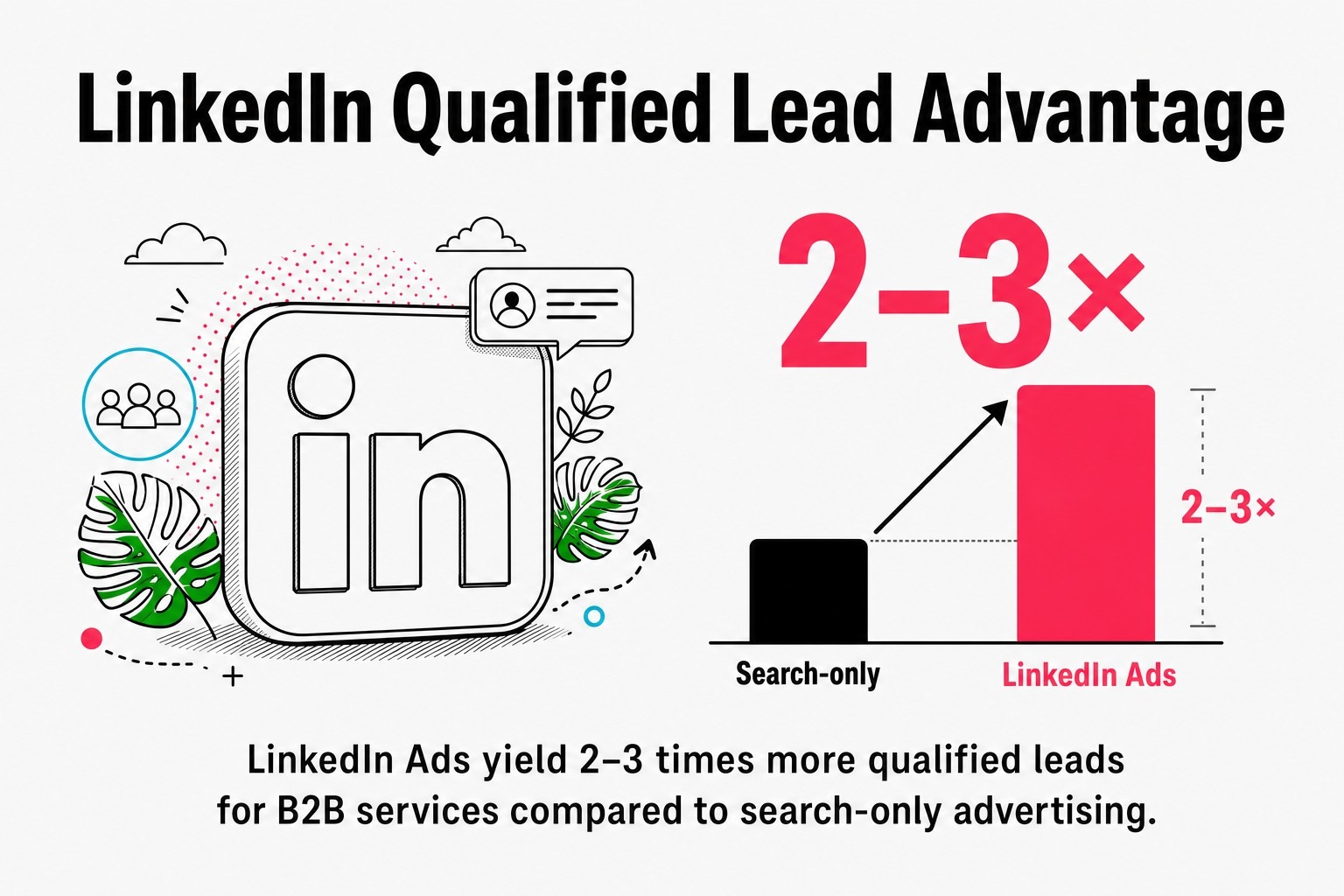
LinkedIn Ads yield 2-3 times more qualified leads for B2B services compared to search-only advertising. For commercial lighting brands, LinkedIn targeting by job title, company size, and industry creates remarkably precise audience segments.
Target specific roles: "Lighting Designer," "Architectural Lighting Designer," "Senior Architect," "Design Principal." Add company size filters to focus on firms handling commercial projects—companies with 50+ employees typically work on larger specifications than small residential-focused practices.
LinkedIn ad creative emphasizes thought leadership over product promotion. Architects respond to content about lighting design trends, energy code changes, and specification best practices. Use document ads to promote specification guides and design resources rather than direct product pitches.
Build retargeting audiences from Google Ads specification searches and serve them educational content on LinkedIn. Someone who clicked your Google Ad for "LEED certified LED panels" sees LinkedIn ads offering your "Complete Guide to LEED v4.1 Lighting Compliance."
This cross-platform strategy works because buying contexts differ. Architects searching Google need immediate answers. Architects scrolling LinkedIn during lunch accept longer-form educational content that builds your brand as a specification resource.
Track specification guide downloads from LinkedIn and retarget those users with product-specific Google Ads when they later search for actual fixtures. You've moved them from awareness to consideration, positioning yourself as the obvious choice when specification work begins.
Commercial lighting demand follows construction cycles and fiscal year budgets, not consumer shopping seasons. Specification activity peaks in Q1 and Q3 when new projects enter design development. Procurement activity peaks in Q2 and Q4 when contractors execute projects.
Increase specification campaign budgets in January-March and July-September. Architectural firms load project work after holiday slowdowns and summer vacations. More active projects means more specification searches.
Boost procurement campaign budgets in Q2 and Q4 when contractors rush to complete projects before mid-year or year-end. These periods generate urgent searches for quick-ship products and bulk availability.
Facility managers face "use it or lose it" budget pressure in Q4. Many commercial lighting upgrades get approved in November and December when departments discover unspent capital budgets.
Create Q4-specific campaigns targeting "2026 budget" and "year-end spending" combined with commercial lighting terms. Ad copy should emphasize quick installation timelines: "Installed Before Year-End – Lighting Upgrades Available – Fast Project Completion."
Educational institutions follow July fiscal year-ends. Target school facility managers in May-June with summer installation messaging. "Summer Break Installation – School LED Upgrades – No Disruption to Classes" addresses their specific project timing needs.
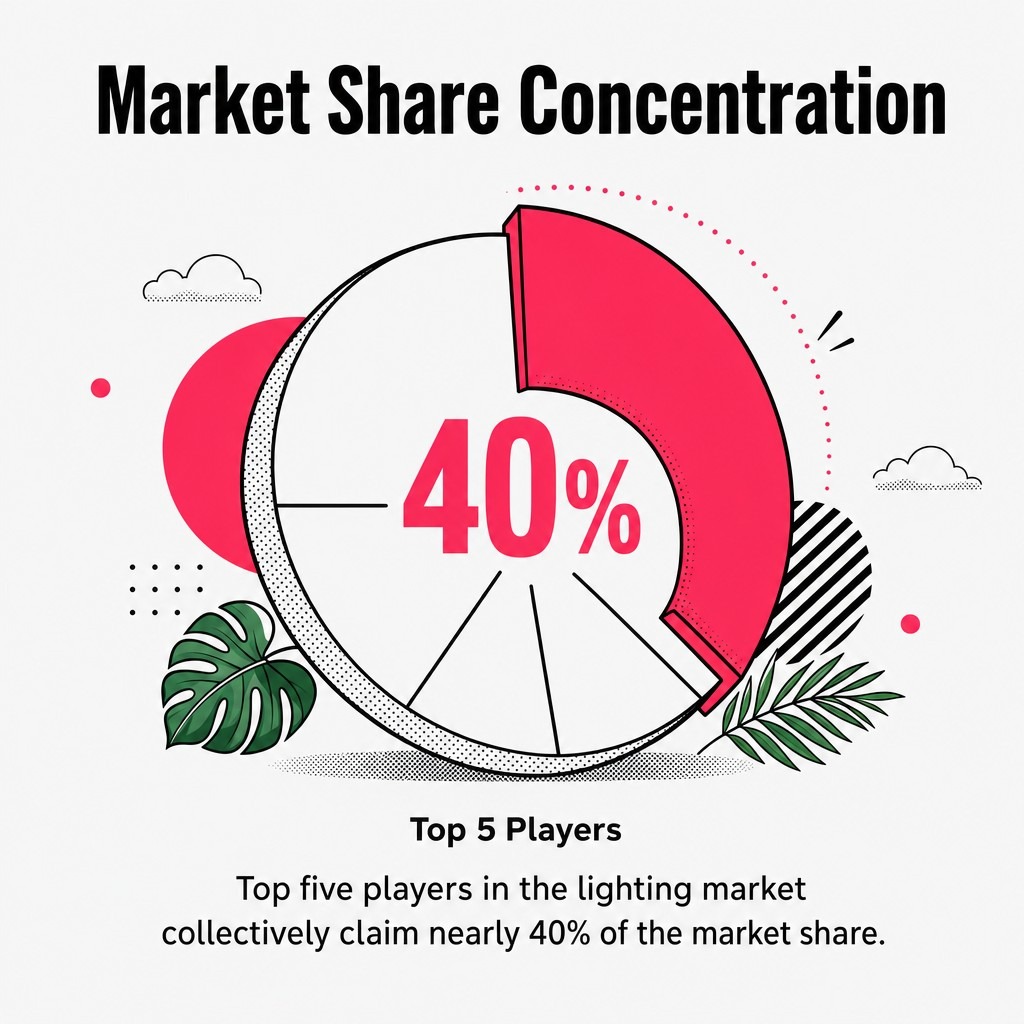
Top five players in the lighting market collectively claim nearly 40% of the market share. This concentration means paid search competition intensifies around specification-stage keywords where major manufacturers aggressively bid.
Smaller lighting brands can't outbid Philips, GE, or Cree on every specification term. Strategic keyword selection focuses on underserved niches, specific applications, or geographic markets where larger competitors spread budgets thin.
Target long-tail specification searches with less competition. "Vapor tight LED fixtures cold storage -20F rated" gets fewer searches than "LED vapor tight fixtures" but attracts precisely qualified buyers working on specific cold storage projects where your products excel.
Commercial LEDs use 50-80% less energy than traditional lamps, and switching commercial light fixtures to LED cuts a building's lighting energy use by 60 to 75%, with payback periods typically landing within 2 to 4 years. These energy savings create powerful differentiation angles in ad copy and landing pages.
Lead with efficacy numbers in ads targeting facility managers. "165 Lumens/Watt – 75% Energy Reduction – 2.3 Year Payback" speaks directly to their approval criteria and budget justification requirements.
Create ROI-focused landing pages that calculate savings based on facility size and current lighting. Interactive calculators let facility managers input their square footage and existing fixture types to generate custom savings projections they can present to executives.
Utility rebate information dramatically improves commercial lighting economics. Partner with utility companies to understand available rebates, then promote them aggressively in ads and landing pages. "Up to $50/Fixture Utility Rebate Available – Reduces Project Cost 30%" accelerates approval decisions.
Commercial lighting specs contain dozens of data points. Paid search campaigns should emphasize the specifications architects actually filter by during product selection, not every possible technical attribute.
Lumens and efficacy matter most. Architects specify light output requirements and energy efficiency targets. Your ads and landing pages should lead with lumens and lumens-per-watt, not fixture aesthetics or generic "energy efficient" claims.
Color temperature and CRI separate serious buyers from casual browsers. Someone searching specific Kelvin ratings (3000K, 3500K, 4000K, 5000K) knows lighting design fundamentals. Someone searching "warm white LED" might be a residential customer.
Distribution types (IES classifications) signal professional buyers. Terms like "Type III distribution," "Type V distribution," or "batwing distribution" only appear in searches from people who understand photometric planning.
Energy codes drive commercial lighting specifications more than aesthetics or features. Title 24 (California), ASHRAE 90.1 (national), IECC (International Energy Conservation Code), and local amendments create compliance requirements that override other considerations.
Build ad groups around compliance terms. "Title 24 compliant LED panel lights" targets California projects. "ASHRAE 90.1-2019 lighting" targets projects following the most recent national standard. These searches have clear purchase intent—someone needs compliant products for an active project.
DLC (DesignLights Consortium) listing determines utility rebate eligibility. DLC Premium listing qualifies for higher rebate tiers. Architects and facility managers filter product searches by DLC status because it directly impacts project economics. Include DLC Premium in headlines when applicable.
ENERGY STAR certification matters for government projects and LEED documentation. Federal, state, and municipal projects often require ENERGY STAR products. Campaigns targeting government facility managers should emphasize this certification prominently.
Lighting control systems represent growing search volume as buildings pursue LEED certification and energy management goals. Controls also increase project value substantially—a $50,000 fixture-only project becomes a $85,000 project with integrated controls.
Smart lighting controls enable capabilities architects increasingly specify: daylight harvesting, occupancy sensing, demand response, and networked management. Searches for "0-10V dimming," "DALI lighting control," and "wireless lighting control systems" indicate projects beyond simple fixture replacement.
Create dedicated campaigns for lighting control searches. Keywords include control protocols, integration terms, and smart building phrases. Example terms: "BACnet lighting control," "building automation system lighting," "IoT commercial lighting."
Ad copy for control searches should emphasize system capabilities and integration support. "Integrates with Major BMS Platforms – Lutron, Legrand, Crestron Compatible" reassures architects that your solution works within existing building systems.
Energy monitoring increasingly drives commercial lighting decisions. Facility managers need real-time consumption data and historical reporting to meet sustainability goals and identify optimization opportunities.
Target searches combining lighting with energy management: "commercial lighting energy monitoring," "connected lighting dashboard," "lighting energy analytics." These searches come from facilities prioritizing measurable efficiency improvements over simple fixture upgrades.
Landing pages should showcase dashboard screenshots and sample reports. Facility managers evaluate control systems based on data visualization and reporting capabilities. Show them exactly what energy insights they'll gain rather than describing features abstractly.
Most commercial lighting brands new to paid search make the same mistakes. They target too broadly, track conversions incorrectly, and quit before campaigns mature enough to show results.
Broad targeting wastes money on residential searches. "LED lights" attracts homeowners researching bulbs for their kitchen. "Commercial LED troffer fixtures" attracts contractors specifying office buildings. The cost difference is minimal but the qualification difference is enormous. Stay specific.
Short measurement windows miss delayed conversions. Commercial lighting sales cycles run 6-18 months from initial search to project completion. Judging campaign performance after 30 days guarantees inaccurate conclusions. Evaluate specification campaigns quarterly and track assisted conversions to understand true impact.
Insufficient budgets prevent meaningful testing. Contractors typically require monthly ad spend between $1,500 and $3,000 to generate consistent Google Ads results, but commercial lighting specification campaigns need higher investment because CPCs run $8-15 for technical terms. Budget at least $5,000 monthly to generate enough clicks for statistically valid optimization.
Landing Page Mistakes That Kill Conversions
Generic landing pages destroy commercial lighting campaign performance. Sending all traffic to your homepage forces users to hunt for relevant products and technical information. Most won't bother—they'll return to search results and click a competitor.
Missing technical documentation frustrates architects immediately. If they can't download a cut sheet or IES file within 10 seconds of landing, they leave. Put download buttons above the fold with zero barriers.
Registration walls before content access fail in commercial lighting. Architects won't fill out forms to access basic product information. They'll simply search for a competitor who provides data freely. Save registration forms for premium content like detailed design guides or custom photometric analysis.
Paid search in commercial lighting rewards expertise and persistence. Brands that commit to long-term campaign optimization, continuously refine audience targeting, and align advertising with actual buying cycles build advantages competitors can't easily copy.
Develop proprietary tools that attract and convert architects. ROI calculators, energy savings estimators, and rebate lookup tools provide genuine value while capturing contact information. These assets improve quality scores, increase conversion rates, and differentiate your landing pages from competitors running basic product pages.
Build content libraries around specification challenges. Detailed guides on code compliance, energy calculations, and product selection become owned media assets you promote through paid search. When architects bookmark your "Complete Title 24 Lighting Compliance Guide," you've created lasting brand presence beyond individual clicks.
Systematic testing and optimization compound over time. Campaigns that run for 12+ months accumulate learnings about which keywords, ad copy variations, and landing page elements perform best for different buyer personas. This institutional knowledge becomes a sustainable advantage new competitors must rebuild from scratch.
Start with one persona-based campaign focused on either architects or contractors. Choose based on where your current sales pipeline shows the most opportunity. If your sales team consistently hears "we weren't on the spec," prioritize architect specification campaigns. If dealers complain about insufficient contractor demand, focus there first.
Build a tight keyword list of 50-100 highly specific terms. Resist the temptation to target broadly. "DLC Premium LED high bay 150W" beats "LED high bay lights" every single time for commercial campaigns.
Create dedicated landing pages with technical documentation readily accessible. Don't send paid traffic to your homepage or generic product category pages. Match landing page content to specific ad groups and buyer personas.
Set up conversion tracking for relevant actions: cut sheet downloads, IES file downloads, dealer locator searches, and ROI calculator completions. These micro-conversions prove campaign value even before sales close months later.
Commit to quarterly evaluation cycles. Commercial lighting campaigns need time to demonstrate impact. Monthly optimization makes sense, but strategic assessment requires quarterly perspective to capture full buying cycles.
The North American commercial LED lighting market is valued at $10.03 billion in 2026 and expected to reach $19.72 billion by 2031. Paid search represents one of the few channels that lets smaller lighting brands compete directly for architect and contractor attention against larger competitors.
Your fixtures already deliver better efficacy, longer warranties, or faster shipping than alternatives. Paid search ensures architects and contractors actually see those advantages when specification decisions get made.