
Most parts manufacturers spend thousands on trade shows hoping buyers will show up. The real buyers are already online, comparing specs and prices before they ever contact you.
Your competitors who figured this out are capturing those leads while you're still setting up booth displays.
Online lead generation for parts manufacturers isn't about flashy campaigns or viral content. It's about being precisely where buyers search when they need your parts. That means showing up in the right searches, answering technical questions before they're asked, and making it absurdly easy to request quotes.
I've spent years helping parts manufacturers shift from expensive trade show circuits to systematic online lead generation. The manufacturers who commit to this approach consistently generate qualified leads at half the cost of traditional methods.
You'll learn how to build a digital presence that attracts serious buyers, not tire-kickers. We'll cover search optimization that actually works for technical products, content strategies that demonstrate expertise, and paid advertising that targets decision-makers with real budgets.
By the end, you'll know exactly which channels deliver qualified leads and how to measure what's working. No more guessing whether your marketing budget is paying off.
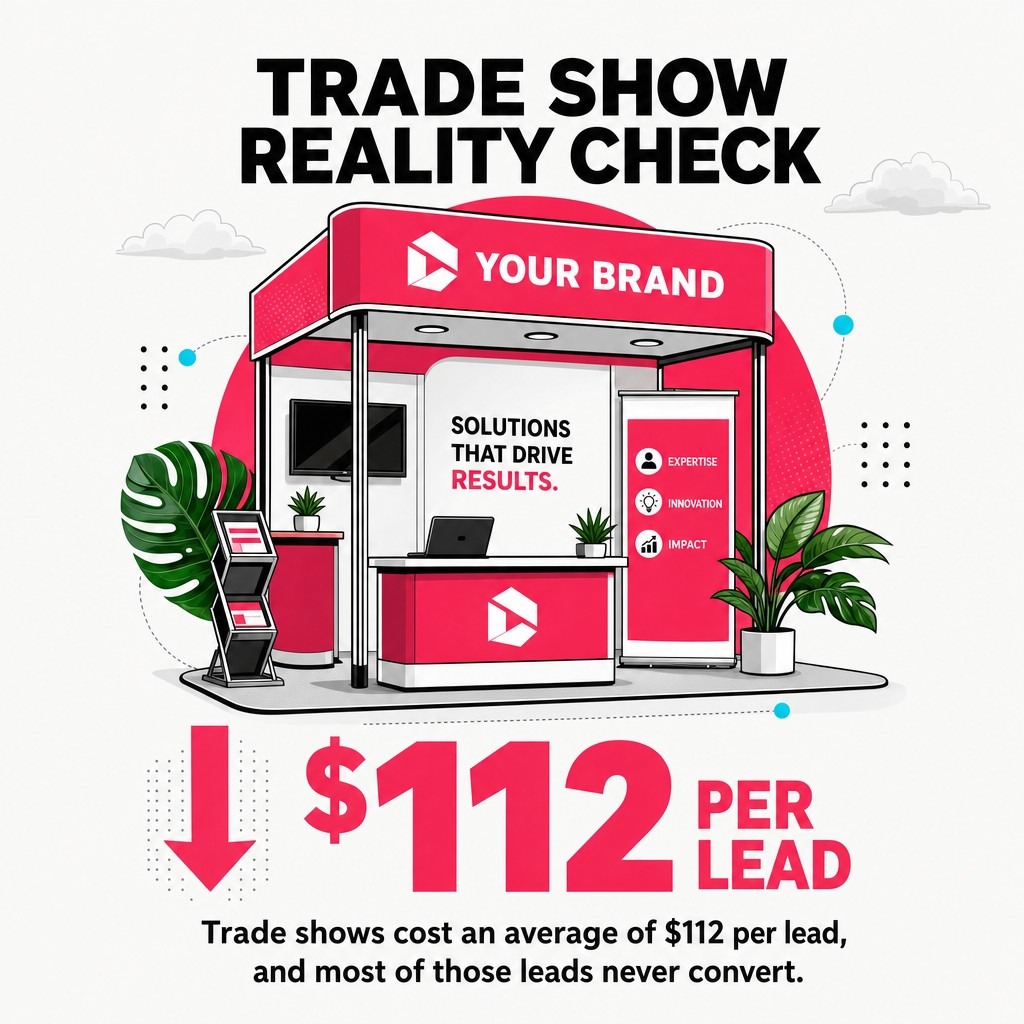
Trade shows cost an average of $112 per lead, and most of those leads never convert. That's not a knock on trade shows, but the math doesn't lie.
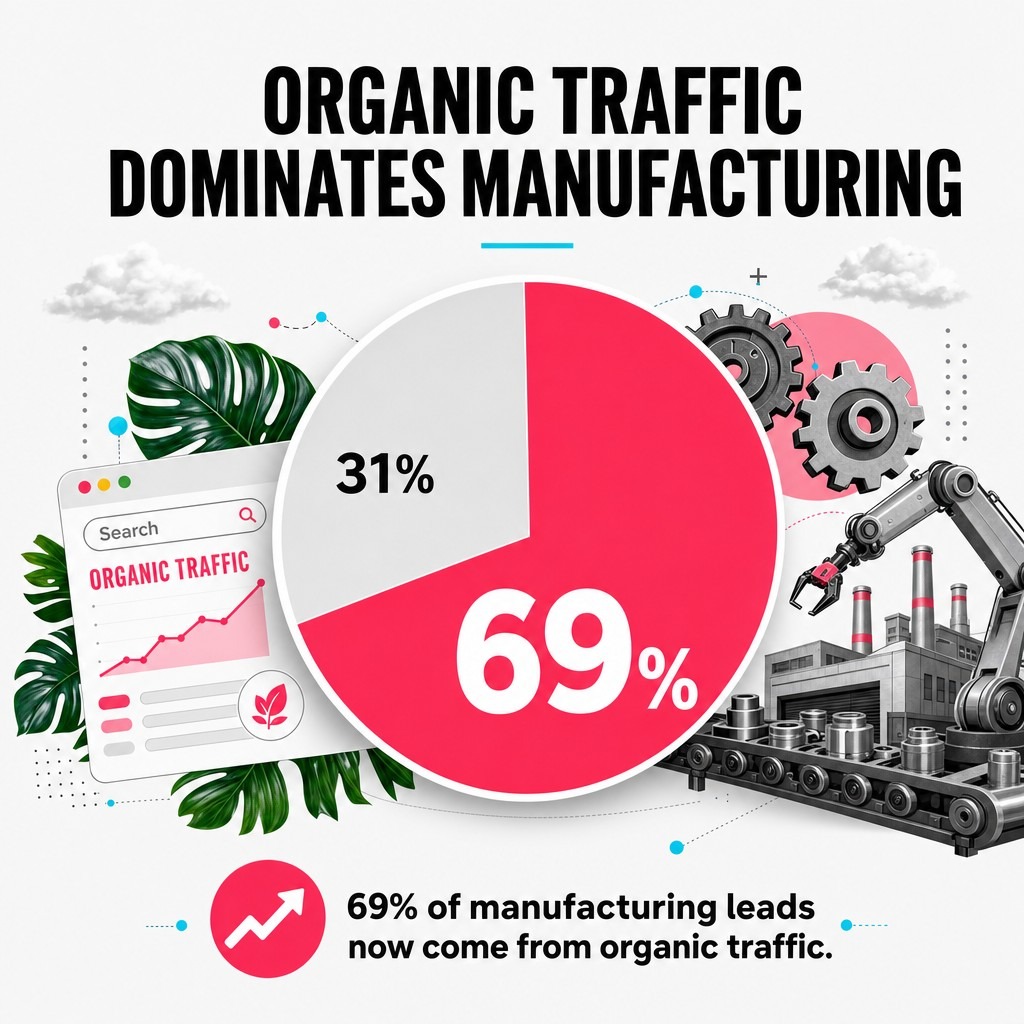
Digital marketing flips this completely. 69% of manufacturing leads now come from organic traffic. Buyers research parts online first, comparing specs and reading technical documentation before reaching out.
The shift makes sense when you consider how purchasing works today. Engineers and procurement managers start with search engines, not phone calls. They want datasheets, compatibility information, and pricing ranges before talking to anyone.
Your website becomes your primary sales tool. It needs to answer technical questions, showcase product capabilities, and make quote requests frictionless. Miss any of these elements and qualified buyers move to the next manufacturer.
The quality difference matters more than lead volume. Online channels let you target specific industries, company sizes, and job titles. You're not hoping the right person walks past your booth.
Traditional marketing still has its place for relationship maintenance and brand awareness. But for consistent, measurable lead generation, digital channels win on both cost and quality.
Now that you understand why digital matters, the first step is getting found. Search visibility determines whether qualified buyers discover you or your competitors.
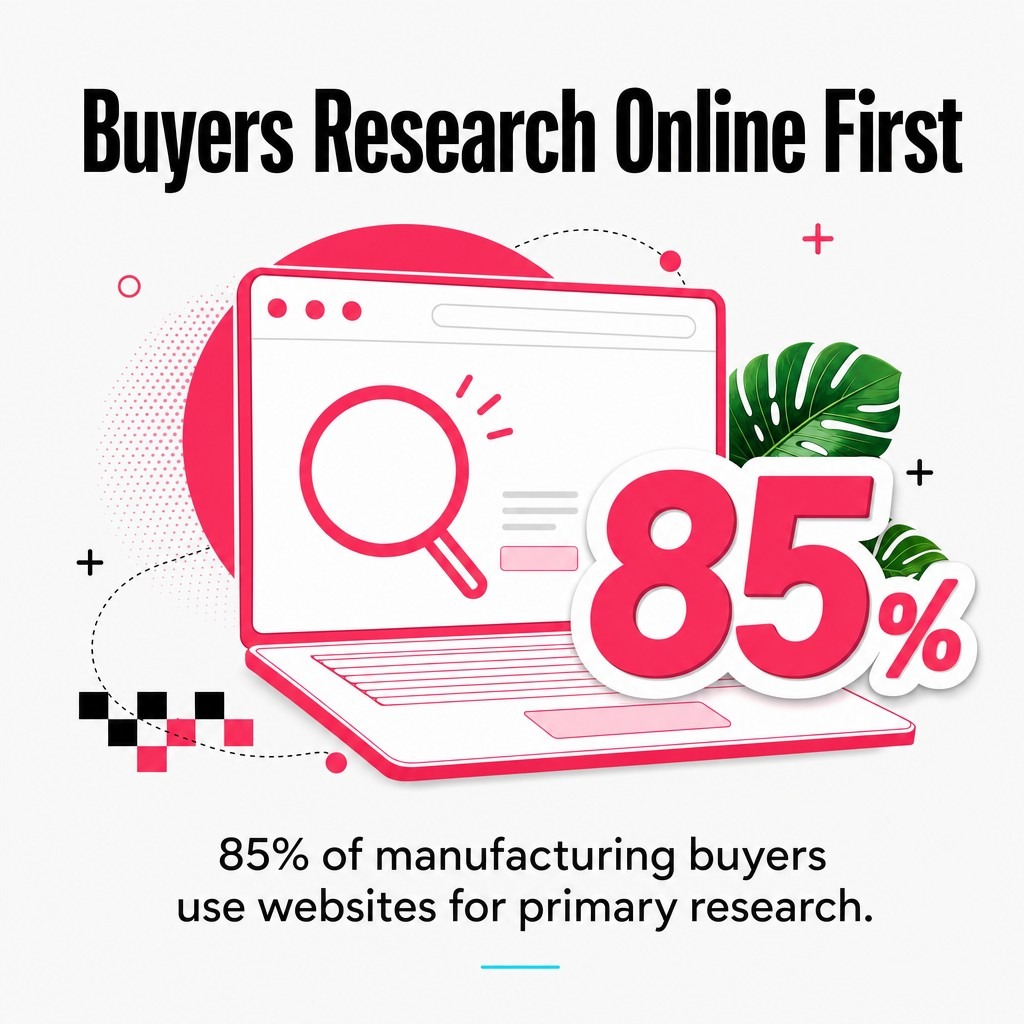
85% of manufacturing buyers use websites for primary research. If your site doesn't appear for relevant searches, you're invisible to most potential customers.
Parts manufacturers need different SEO tactics than consumer brands. Your buyers search with technical specificity.
Start with product-specific pages for each part family. Include model numbers, specifications, compatible applications, and technical drawings. These aren't just for users—they're search magnets for exact-match queries.
Site speed affects rankings and conversion rates. Compress product images while maintaining quality for technical detail. Nobody waits five seconds for a bearing specification sheet to load.
Structure your URLs to reflect product hierarchies. Use formats like yoursite.com/bearings/ball-bearings/deep-groove instead of yoursite.com/product?id=12345.
Technical buyers want proof you understand their applications. Create content that demonstrates expertise without selling.
Application guides work brilliantly. Show how your parts solve specific industry problems. Write about installation best practices, maintenance schedules, and troubleshooting common issues.
Comparison content captures buyers in decision mode. Create pages comparing your part specifications to industry standards or explaining when to choose one product line over another.
Case studies prove real-world performance, especially when they include measurable outcomes. Skip the marketing fluff and focus on technical challenges, solutions implemented, and quantified results.
Learn more about B2B content strategies that resonate with technical decision-makers.
Many parts manufacturers serve regional markets or specific industries. Optimize for these targeted searches.
Include location pages if you have multiple facilities or serve distinct geographic markets. List certifications relevant to industries you serve—aerospace buyers need to see AS9100, automotive buyers want IATF 16949.
Claim and optimize your Google Business Profile. Add technical details in the business description, upload product photos, and keep your contact information current.
With search visibility established, video content becomes your next lead generation engine. Technical buyers want to see parts in action, not just read specifications.
Video demonstrates capabilities that text can't convey. Show your parts under load, in harsh environments, or integrated into complete assemblies. Buyers gain confidence when they visualize exactly how parts perform.
Create videos addressing questions that currently flood your sales team. Film installation procedures, maintenance protocols, and troubleshooting common issues.
Keep demonstrations focused. A five-minute video showing one specific installation beats a 20-minute rambling overview. Buyers watching installation videos are closer to purchase than those browsing general content.
Include close-up shots of critical specifications. Show tolerances, surface finishes, and material properties visually. Technical buyers scrutinize these details before committing to orders.
Add searchable transcripts to every video. This makes content accessible and helps search engines understand your video topics for better rankings.
Quality-conscious buyers want to see your manufacturing capabilities. Film your production processes, quality control procedures, and testing protocols.
Show specialized equipment, skilled operators, and rigorous inspection processes. This content differentiates you from overseas competitors who can't demonstrate similar capabilities.
Document certifications in video format. Film ISO audits, industry compliance testing, and certification processes. This builds trust faster than listing certifications on a webpage.
Film customers explaining why they chose your parts and what results they achieved. Keep these brief and focused on specific applications.
The most effective customer videos include measurable outcomes. Reduced downtime, improved performance metrics, or cost savings resonate more than general satisfaction claims.
Get permission to film on customer sites when possible. Seeing your parts in real operating environments provides social proof that specifications alone can't deliver.
Video content now working for you, social media extends your reach to buyers at different stages of awareness. Parts manufacturers often dismiss social media as consumer-focused, but technical buyers use these platforms for research.
LinkedIn dominates B2B parts marketing. Engineers, procurement managers, and facility operators actively follow manufacturers who share valuable technical content.
Post technical content that solves specific problems. Share application notes, industry trends, and product innovations. Avoid generic motivational posts that dilute your expertise.
Employee advocacy multiplies your reach. Encourage engineers and sales staff to share company content from their personal profiles. Their networks contain exactly the buyers you want to reach.
LinkedIn ads targeting specific job titles, industries, and company sizes. LinkedIn advertising campaigns cost between $2 to $3 per click, but you're reaching decision-makers with purchasing authority.
YouTube functions as the second-largest search engine. Buyers search for installation guides, product comparisons, and technical specifications.
Organize your channel into playlists by product category, application, or industry. This helps buyers find relevant content quickly and encourages them to watch multiple videos.
Optimize video titles and descriptions with the exact phrases buyers search. Use question formats like "How to Install [Part Name]" or "Choosing Between [Part A] and [Part B]."
Link every video description to relevant product pages. Make the path from educational content to quote request as short as possible.
Some industries have niche platforms worth exploring. Automotive aftermarket manufacturers should consider forums and enthusiast communities. Industrial parts manufacturers find value in industry association groups.
Participate genuinely in these communities. Answer technical questions, share expertise, and provide value before promoting products. Community members spot self-promotion instantly and tune it out.
Your social presence is attracting attention, but email converts interest into qualified leads. Technical buyers have long decision cycles, often spanning months for complex parts.
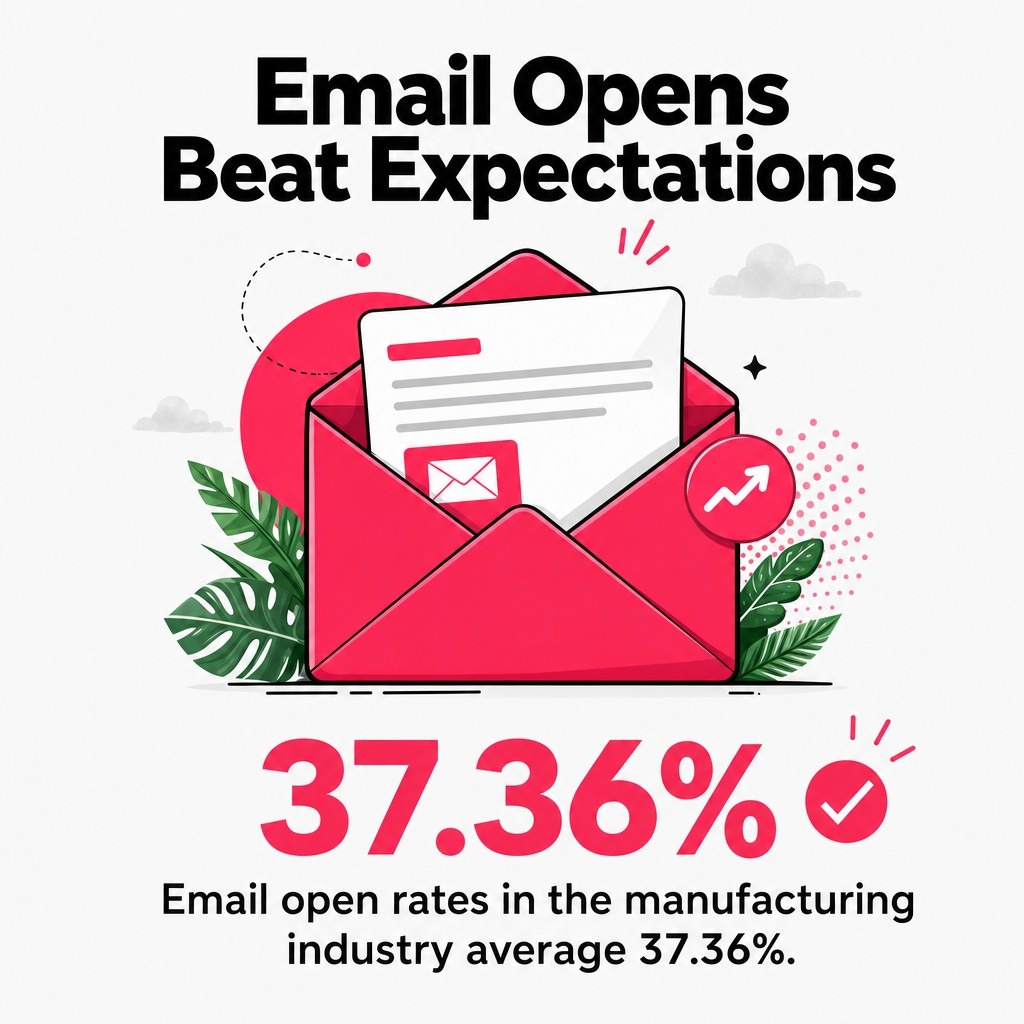
Email open rates in the manufacturing industry average 37.36%. That's significantly higher than most industries because technical buyers actively seek relevant product information.
Generic email blasts waste your credibility. Segment lists by industry, application, or product interest. An automotive buyer doesn't care about aerospace specifications.
Track which product pages subscribers visit and which content they download. Send follow-up emails relevant to those specific interests. Someone downloading a bearing catalog wants bearing-related content, not your full product line.
Create segments for different buyer stages. New subscribers need educational content. Active evaluators need detailed specifications and case studies. Past customers want maintenance tips and complementary products.
Set up automated sequences that educate subscribers about applications, industry trends, or product selection criteria. Space these emails three to five days apart.
Each email should deliver immediate value. Share a specific technical tip, application insight, or industry update. Save the sales pitch for after you've established expertise.
Include clear calls-to-action but make them educational. "Download the complete specification guide" works better than "Request a quote" early in the relationship.
Subscribers who haven't engaged in 90+ days might still have future needs. Send a reengagement campaign highlighting new products, updated content, or industry changes.
Ask inactive subscribers what content they want to see. A simple preference survey can restart the relationship and give you valuable segmentation data.
Clean your list regularly. Remove subscribers who haven't opened emails in six months. This improves deliverability rates and ensures you're focusing on genuinely interested prospects.
Discover more strategies in our data-driven guide to manufacturing marketing.
Email nurtures existing relationships, but PPC advertising captures buyers actively searching for solutions right now. This is your fastest path to qualified leads.
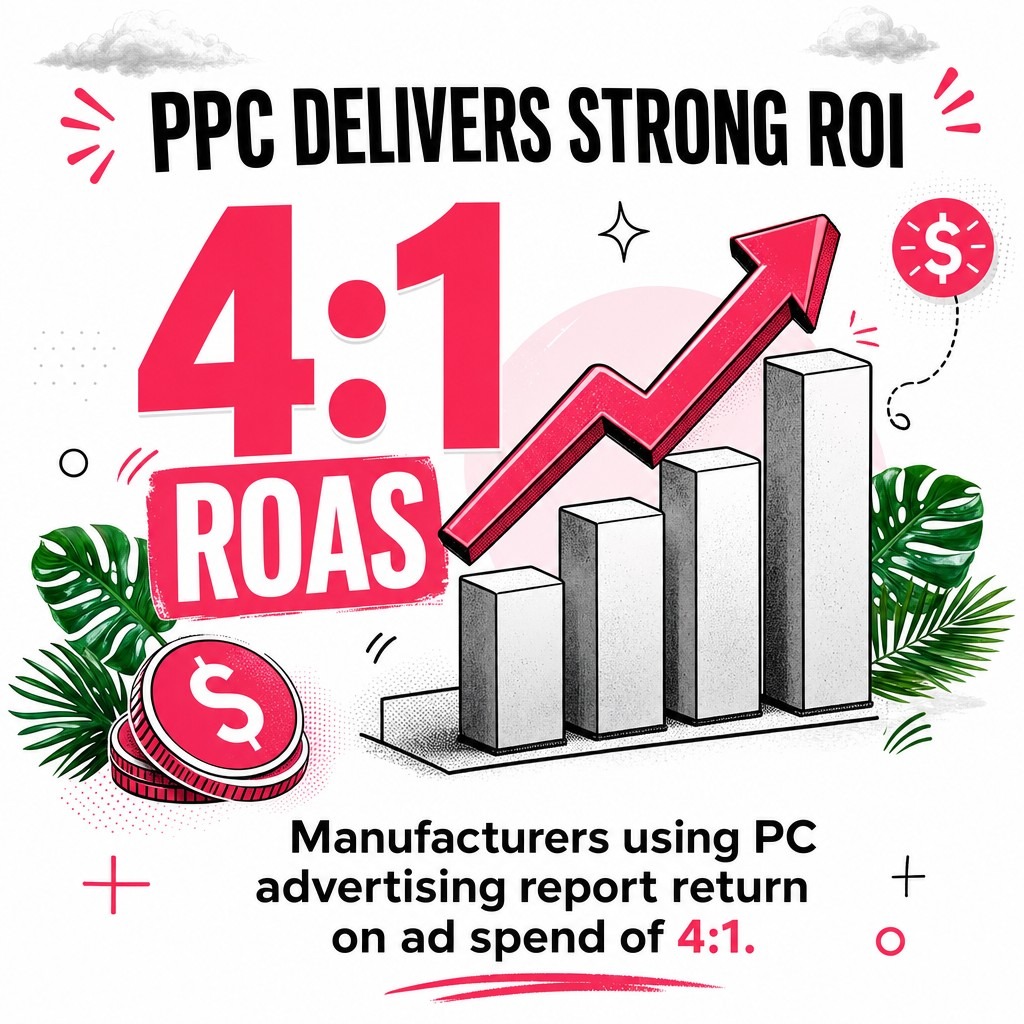
Manufacturers using PPC advertising report return on ad spend of 4:1. The key is targeting searches that indicate purchase intent, not just general research.
Google Ads work best for manufacturing when you target high-intent searches such as specific part numbers, application-based queries, and comparison terms. These searches usually come from buyers who already know what they need, which makes them far more valuable than broad research keywords.
Avoid broad terms that attract low-intent traffic. For example, “industrial bearings” may bring in a wider audience, while “sealed ball bearing 6203ZZ” suggests a searcher with a much more immediate need.
Use negative keywords aggressively to filter out the wrong audience. Exclude consumer terms, DIY searches, and anything that looks like homework, research, or general curiosity rather than buying intent.
Create dedicated landing pages for each ad group. Match the page content to the search query and ad copy so the visitor sees exactly what they searched for. A search for “stainless steel hydraulic fittings” should land on a page about those specific products, not your homepage.
Most buyers research multiple times before contacting manufacturers. Retargeting keeps your brand visible during extended evaluation periods.
Segment retargeting by page visits. Show different ads to people who viewed product specifications versus those who only visited your homepage. The product viewers are further along in their decision process.
Adjust frequency caps for B2B audiences. Technical buyers don't need to see your ad five times daily. Two to three impressions per week maintains awareness without annoying prospects.
Target specific job titles at companies matching your ideal customer profile. Focus on procurement managers, plant engineers, and maintenance supervisors who have purchasing authority.
Lead generation forms within LinkedIn capture information without making prospects leave the platform. This reduces friction and improves conversion rates compared to sending clicks to external landing pages.
Test different ad formats. Sponsored content performs well for awareness, while direct message ads work for specific offers to highly targeted audiences.
Check out our paid search guide for manufacturers for deeper tactical insights.
Your advertising is driving traffic, but conversion optimization determines whether visitors become leads. Technical buyers need specific information quickly, or they'll move to the next manufacturer.
Site speed affects both rankings and conversions. Compress images, enable caching, and minimize unnecessary scripts. Technical buyers often research from factory floors with unreliable connections.
Long forms kill conversions. Ask for name, email, company, and a brief description of needs. You can gather additional information during follow-up conversations.
Place quote request forms on every product page. Don't make buyers hunt for contact options. Include phone numbers prominently for buyers who prefer immediate conversation.
Set clear expectations about response time. "We respond to all quote requests within 4 business hours" reduces anxiety about submitting information.
Gating too much content creates friction. Make specification sheets, CAD files, and technical documentation freely downloadable. Save gated content for premium resources like detailed application guides or industry reports.
Organize resources by product category, industry, or application. Buyers researching specific solutions shouldn't wade through irrelevant content.
Track which resources get downloaded most frequently. This reveals what buyers value and helps prioritize future content creation.
Technical buyers have specific questions that prevent them from requesting quotes. Live chat removes these friction points immediately.
Train chat operators to handle technical inquiries or route complex questions to engineers quickly. "Let me find someone who can answer that" beats "I don't know" but not by much.
Use chatbots for off-hours inquiries. Collect basic information and set expectations for when a human will follow up. Many technical questions can wait until business hours if buyers know when to expect responses.
Conversion optimization is working, but measurement determines which efforts deserve more investment. Parts manufacturers often track vanity metrics while ignoring indicators of lead quality.
Website traffic means nothing if visitors aren't qualified buyers. Focus on metrics that correlate with actual sales outcomes.
Track which marketing channels generate leads that convert to sales. A channel producing 100 unqualified leads is worse than one generating 10 leads that close.
Measure time-to-close by lead source. Longer sales cycles aren't necessarily bad, but understanding them helps forecast revenue and allocate resources appropriately.
Monitor cost-per-qualified-lead, not just cost-per-lead. Factor in your sales team's assessment of lead quality and actual close rates to calculate true acquisition costs.
Our guide to measuring lead generation covers specific metrics and implementation details.
Complex B2B deals exceeding $500k require approximately 270 days to close. Buyers interact with multiple touchpoints before converting.
First-touch attribution shows which channels create initial awareness. Last-touch reveals what finally convinces buyers to act. Both matter for different strategic decisions.
Multi-touch attribution models credit each interaction along the buyer journey. This provides the most accurate picture but requires sophisticated tracking.
Start simple with first and last-touch tracking. Add complexity as you gather more data and understand your typical buyer paths.
Your sales team needs to agree on what constitutes a qualified lead. Document specific criteria including industry, company size, project scope, and timeline.
Create a lead scoring system that ranks prospects based on engagement and fit. This helps sales prioritize follow-up and prevents valuable leads from falling through cracks.
Schedule regular meetings between sales and marketing to review lead quality. Adjust targeting and messaging based on feedback about what's actually closing.
You're now measuring what matters, but automation multiplies your efforts without proportionally increasing costs. Manual follow-up doesn't scale once lead volume increases.
80% of marketers report that marketing automation software generates more leads and conversions. The right automation nurtures leads while your team focuses on high-value conversations.
Approximately 86% of manufacturing companies have adopted CRM systems. Your marketing tools should feed directly into your CRM to prevent leads from getting lost.
Connect form submissions, email responses, and website behavior to create complete prospect profiles. Sales teams need this context to personalize conversations and close deals faster.
Set up automatic lead assignment rules based on territory, product interest, or company size. The right salesperson should receive new leads instantly, not after someone manually reviews and routes them.
Trigger email sequences when prospects download resources, visit pricing pages, or abandon quote requests. These behaviors signal specific interests and buying stages.
Someone who downloads a technical guide but doesn't request a quote needs more education. Send case studies, application examples, and comparison content automatically.
Prospects who view multiple product pages in one session show strong interest. Fast-track them to sales outreach or offer incentives to schedule consultations.
Assign point values to different actions and characteristics. Viewing product pages, downloading resources, and opening emails all indicate interest at different levels.
Set thresholds that trigger sales notifications. When a lead reaches a certain score, alert the assigned salesperson to reach out while interest peaks.
Subtract points for inactivity. A prospect who was hot three months ago but hasn't engaged since should receive different treatment than someone actively researching today.
You've got the components. The difference between sporadic results and consistent lead flow is systematic implementation.
Start with search visibility and content creation. These provide the foundation that all other tactics build upon. You can't run effective PPC campaigns without good landing pages.
Add email marketing once you're capturing leads consistently. Use automation to nurture relationships without overwhelming your team.
Layer in paid advertising when you understand which content converts browsers into buyers. This accelerates lead generation while organic efforts compound.
Track everything from day one. What gets measured improves. What doesn't get measured gets abandoned when quarterly reviews come around.
Most parts manufacturers never commit to systematic digital marketing. They dabble, get inconsistent results, and retreat to expensive trade shows. That's your competitive advantage if you actually implement these strategies.
Start with one channel. Master it. Add the next. Within six months, you'll generate more qualified leads online than you ever captured at trade shows, and you'll spend significantly less doing it.