
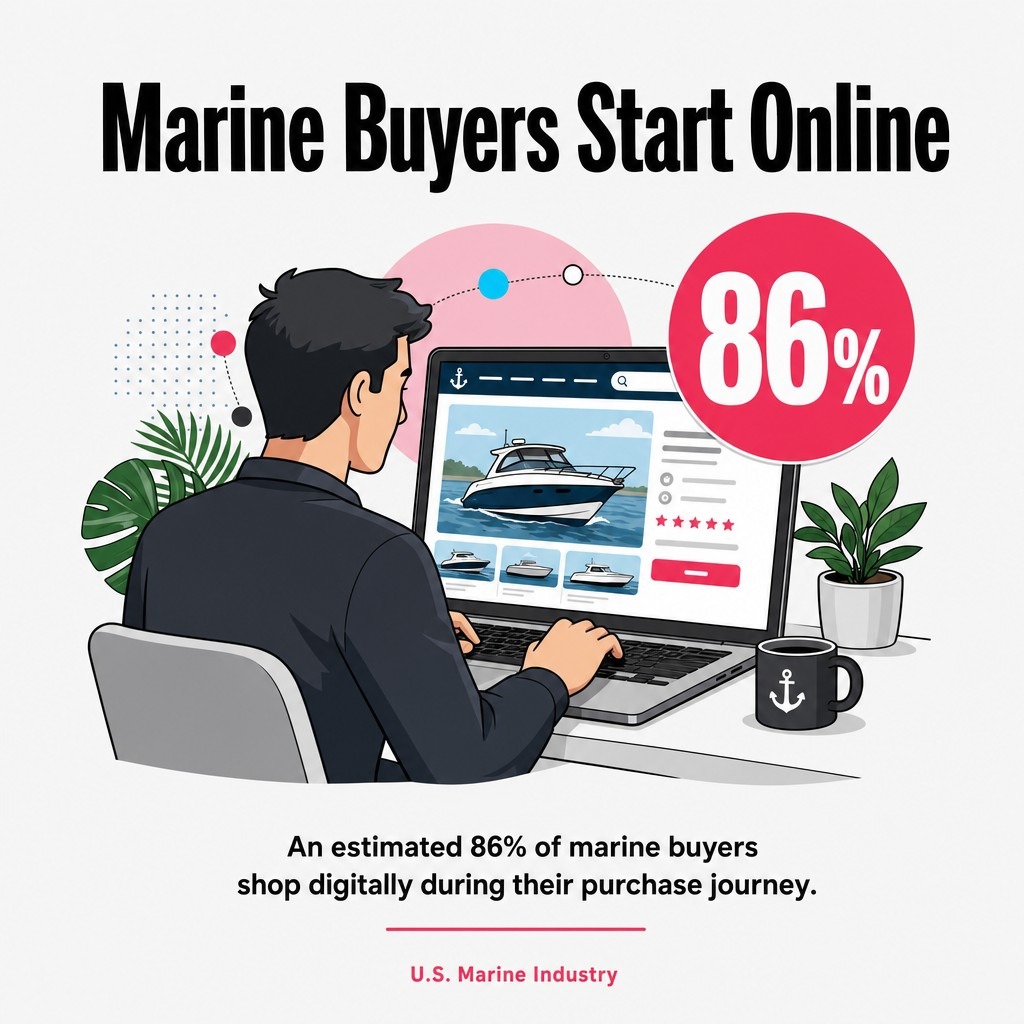
Marine OEM lead generation works best when digital channels carry the load. An estimated 86% of marine buyers shop digitally during their purchase journey, and total U.S. recreational marine retail expenditures hit $55.6 billion in 2024. That buyer is online before they ever walk into a dealership or contact a distributor. The OEMs winning marine industry leads right now are the ones who show up where that research happens: LinkedIn, search results, email inboxes, and YouTube.
I spend a lot of time talking to manufacturers who treat lead generation like a late-season activity. They're pulling the boat out in October wondering why the pipeline is empty. The boating season has a clock on it. So does your window to reach serious buyers before they commit to a competitor.
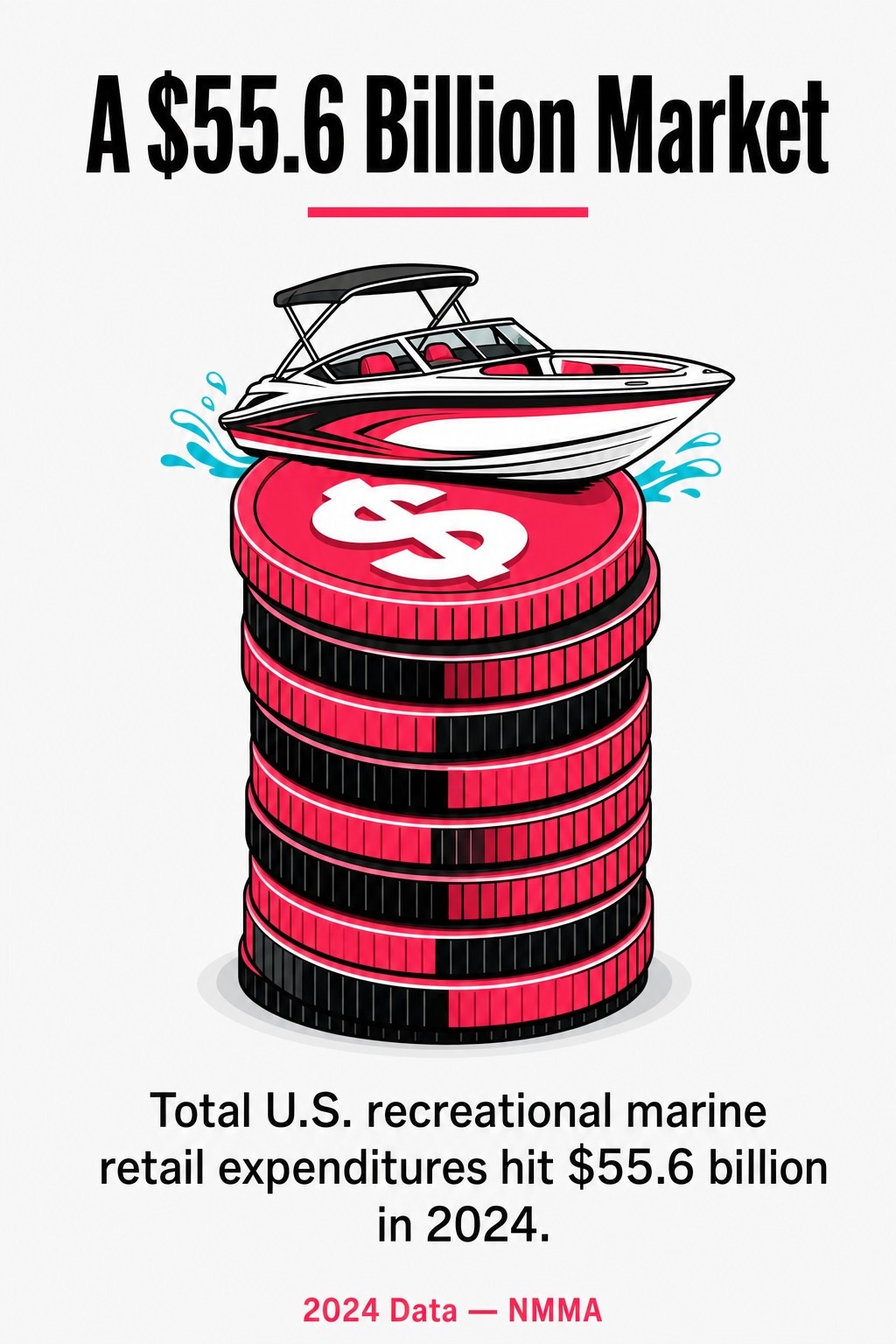
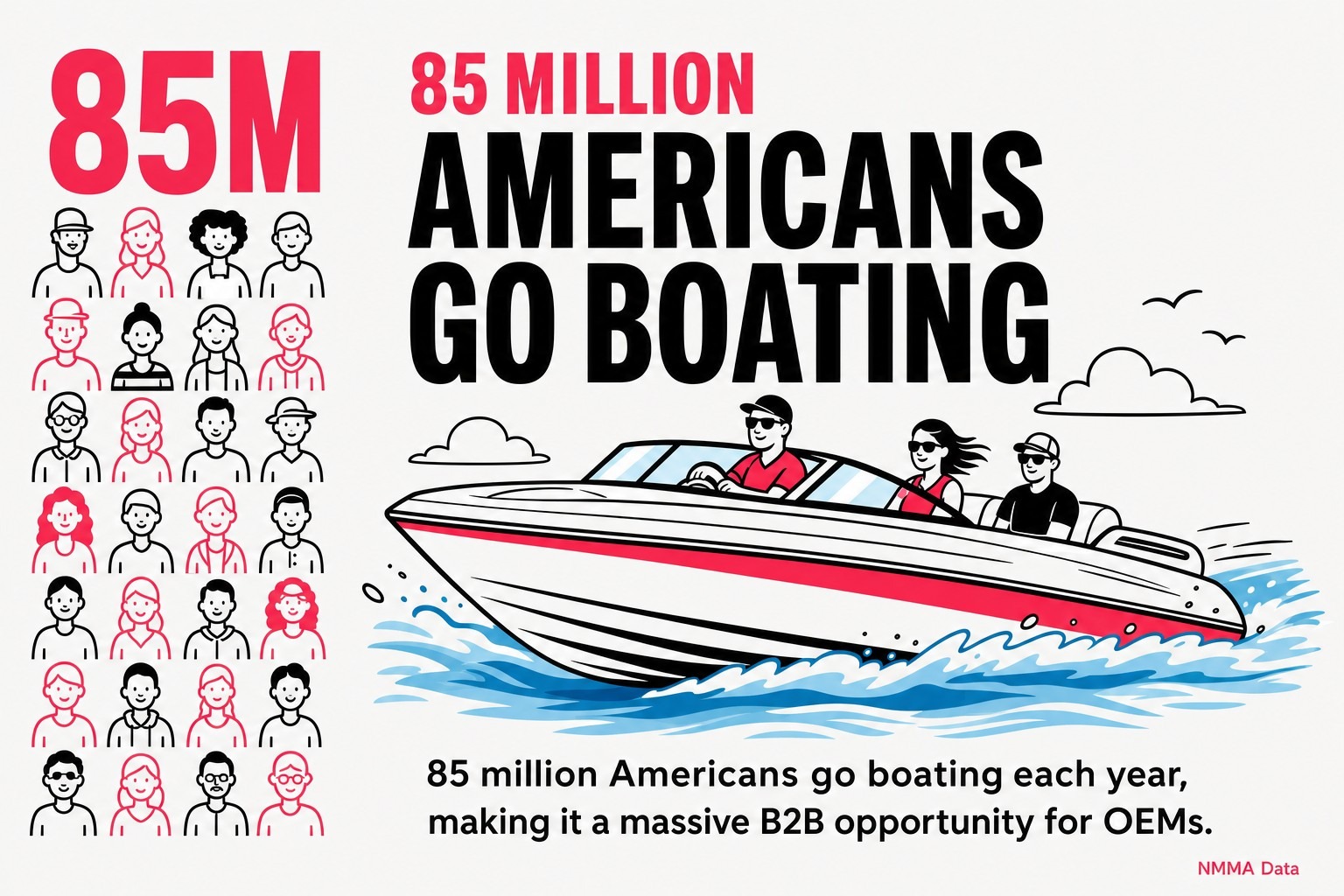
The U.S. recreational boating industry generates $230 billion in annual economic impact, and 85 million Americans go boating each year. That is not a niche market. It is a massive B2B opportunity for OEMs selling to dealers, distributors, and commercial operators.
The challenge is that the maritime industry runs on long sales cycles and complex regulatory requirements. A dealer placing a large powerboat order does not decide overnight. Neither does a port operator sourcing new equipment. And pre-owned boat sales in 2024 reached nearly 860,000 units, which means the used market competes directly for buyer attention alongside your new inventory.
For more on the foundational marketing approach for this space, our complete guide to marine and boating parts marketing covers the broader ecommerce picture in depth.
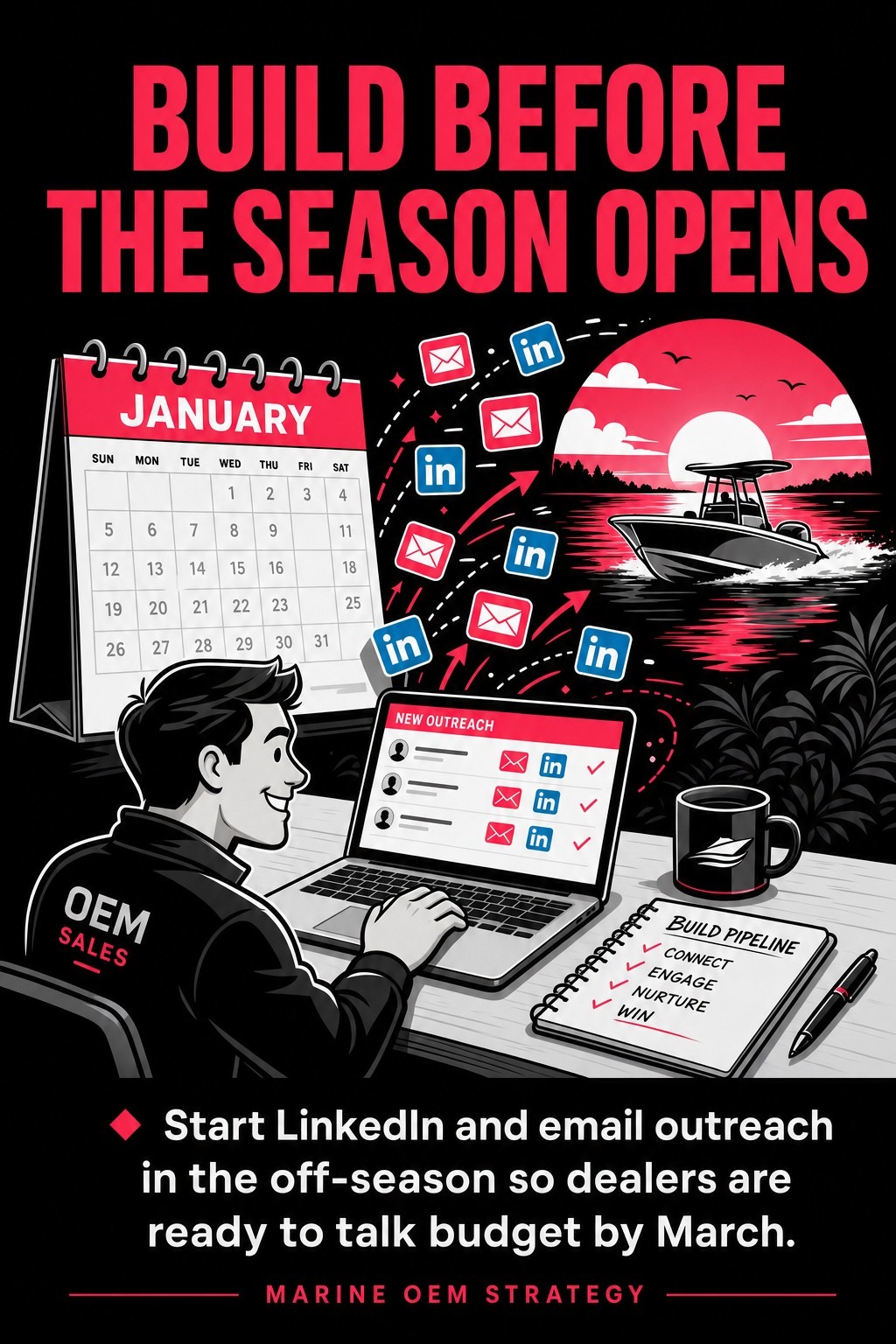
The practical implication: your lead generation strategy has to work across a longer timeline than most B2B markets. You are not closing deals in a week. You are building awareness in January so a dealer is ready to talk budget in March.
Marine industry lead generation fails most often at the start, not the middle. OEMs skip the buyer persona work and go straight to running ads or blasting email lists. The result is spending real money to reach the wrong people.
The maritime industry target audience is not one buyer. It is several distinct segments: independent boat dealers, regional dealer groups, marine parts distributors, superyacht manufacturers, port operators, and commercial fleet buyers. Each has different priorities, different budget cycles, and different decision-makers.
Build a specific buyer persona for each. Name them. Give them a job title, a company size, a pain point, and a question they would type into Google. A regional dealer group's fleet manager worries about margin and delivery lead time. A superyacht refit operation worries about specification compliance and part provenance. Same marine industry, completely different qualified leads.
Once you know exactly who you are targeting, every channel below gets dramatically more efficient.
LinkedIn is the most direct channel for B2B lead generation in the maritime industry, and Sales Navigator turns it from a networking tool into an active prospecting machine.
Most OEMs I see using LinkedIn are posting company news and waiting. That is not lead generation. That is broadcasting into a void. Active online prospecting on LinkedIn means building a filtered search in Sales Navigator using job titles like "Dealer Principal," "Marine Parts Manager," or "Fleet Procurement Director," then filtering by geography, company size, and industry vertical.
Sales Navigator lets you filter marine and maritime industry contacts by account revenue, seniority level, and years in role. A senior procurement manager who has been at the same dealership group for six-plus years is worth prioritizing. They know the process, they have buying authority, and they are not going anywhere soon.
Connection requests should reference something specific: a trade show they attended, a product category you know their segment uses, or a recent industry development. Generic "I'd like to connect" messages have a dismal acceptance rate. Specificity works. LinkedIn and Sales Navigator together give you enough context to be specific at scale.
LinkedIn content for marine OEMs should answer the questions your target audience types into search. Tech spec breakdowns, comparison posts between product generations, short videos of in-water testing. Decision-makers share content that makes them look informed in front of their teams.
Post consistently. Three times a week beats one polished post a month. The algorithm rewards recency and engagement, not production value.
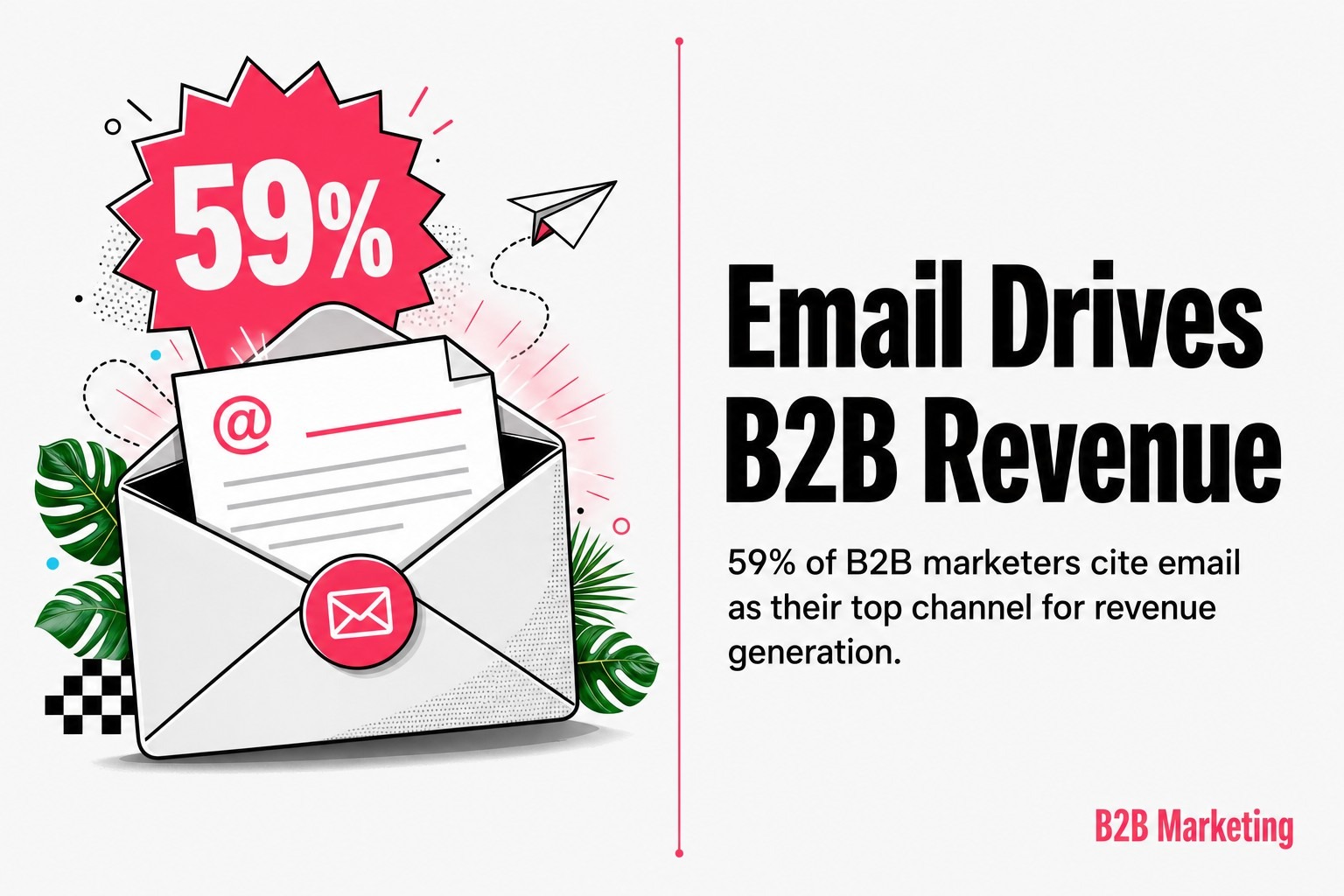
59% of B2B marketers cite email as their top channel for revenue generation, and that number holds up in marine industry marketing. The reason is simple: email reaches people who have already opted in. They know who you are. They just need the right reason to act.
Email marketing for marine OEMs works in segments. A dealer who bought outboard components last season gets different content than a distributor who has never placed an order. Segmentation is the difference between email marketing that generates qualified leads and email marketing that people unsubscribe from.
Build a welcome sequence for new contacts that runs over three weeks. Week one: who you are and what problem you solve. Week two: proof (a spec sheet, a case study framed without making up details, a third-party test result). Week three: a specific call to action tied to the boating season calendar.
Pre-season timing matters enormously. Dealers finalize their stocking orders months before peak season. An email marketing campaign hitting dealer inboxes in late January or February, when they are building their spring inventory plan, lands at exactly the right moment.
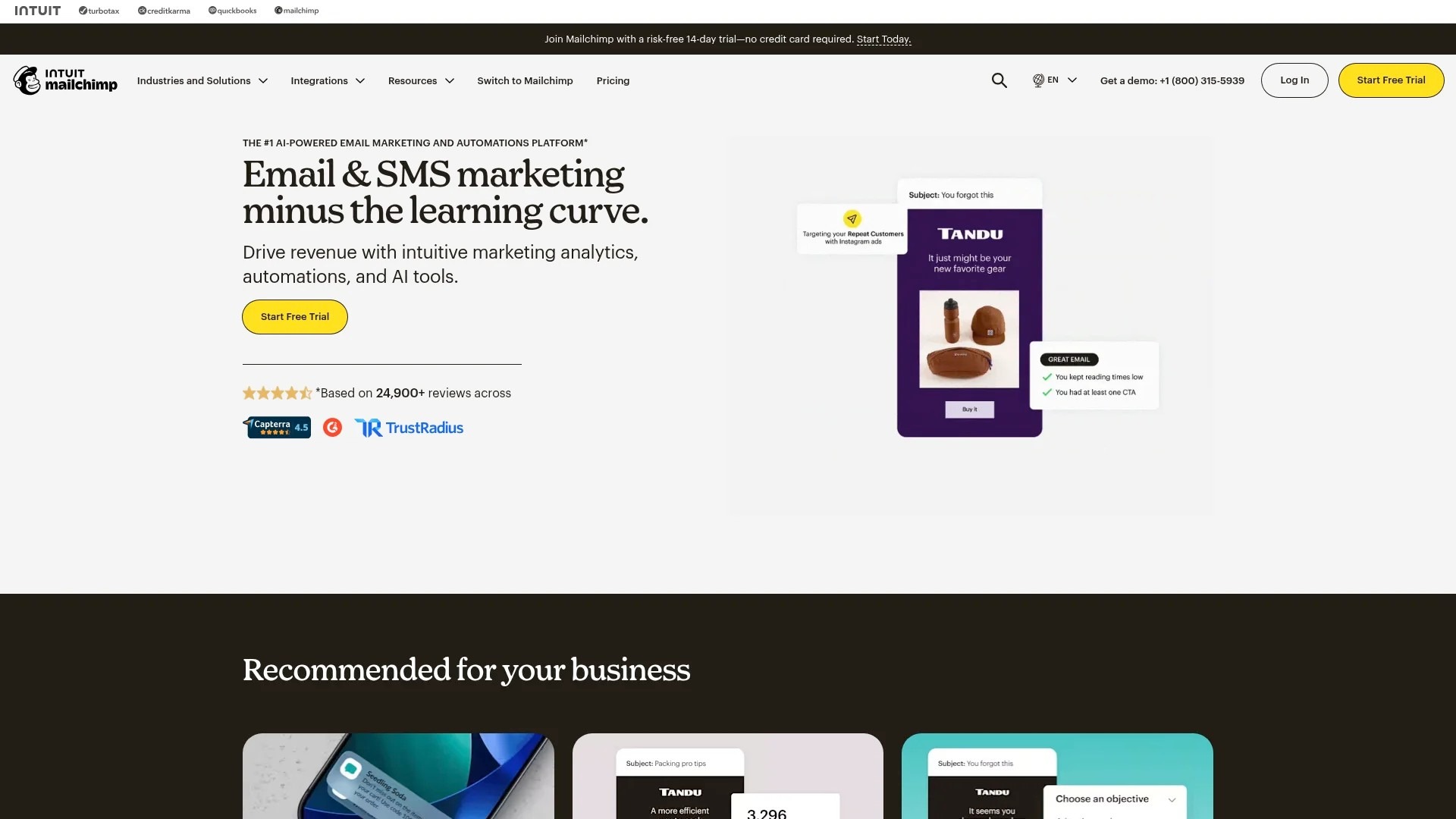
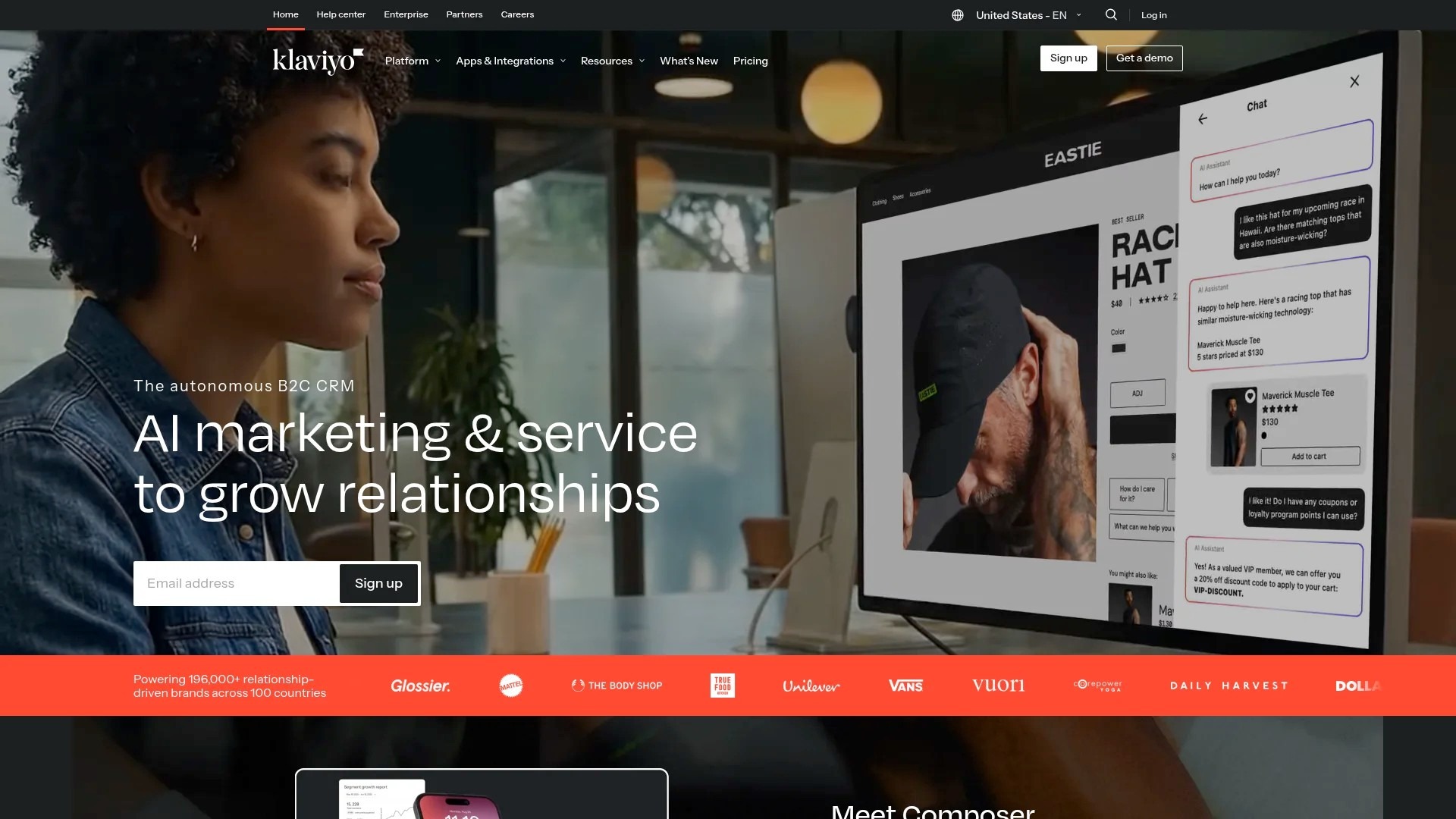
Use Mailchimp or Klaviyo for automation. Set up behavior-triggered sequences that fire when a contact opens a product email but does not click. That open without a click is a signal. Follow up with a different angle on the same product two days later.
Content marketing builds the pipeline that email and LinkedIn convert. It is a longer play, but it generates marine industry leads that arrive already educated and already sold on your category.
Today's boat buyer spends weeks, sometimes months, researching models on YouTube. That is the buyer your dealers are trying to close. If your OEM content helps that buyer understand your product before they ever step into a dealership, you have just made your dealer's job easier and your brand stickier. That is thought leadership that actually moves product.
Whitepapers and technical guides work well as gated content. A 12-page guide on engine spec selection for regional fishing operators will attract exactly the buyers you want. Gate it behind an email capture form and you have a lead generation asset that works 24 hours a day.
Blog posts targeting long-tail search terms outperform generic industry commentary every time. "Best outboard engine options for pontoon dealers in the Southeast" is a more valuable article than "Why Marine OEMs Should Care About Digital Marketing." Specific beats broad in search and in conversion.
Our guide on B2B content marketing for manufacturers breaks down the full process, including how to build a content calendar that aligns with your sales cycle.
Your website is either generating marine industry leads while you sleep or it is an expensive brochure. SEO is what tips it toward the former.
Keyword research for marine and maritime industry SEO starts with the questions your buyers actually search. Dealer-facing searches are different from end-consumer searches. A dealer types "OEM outboard supply minimum order quantity." An end consumer types "best fishing boat under $40,000." Know which one you are targeting and build pages that answer those specific queries.
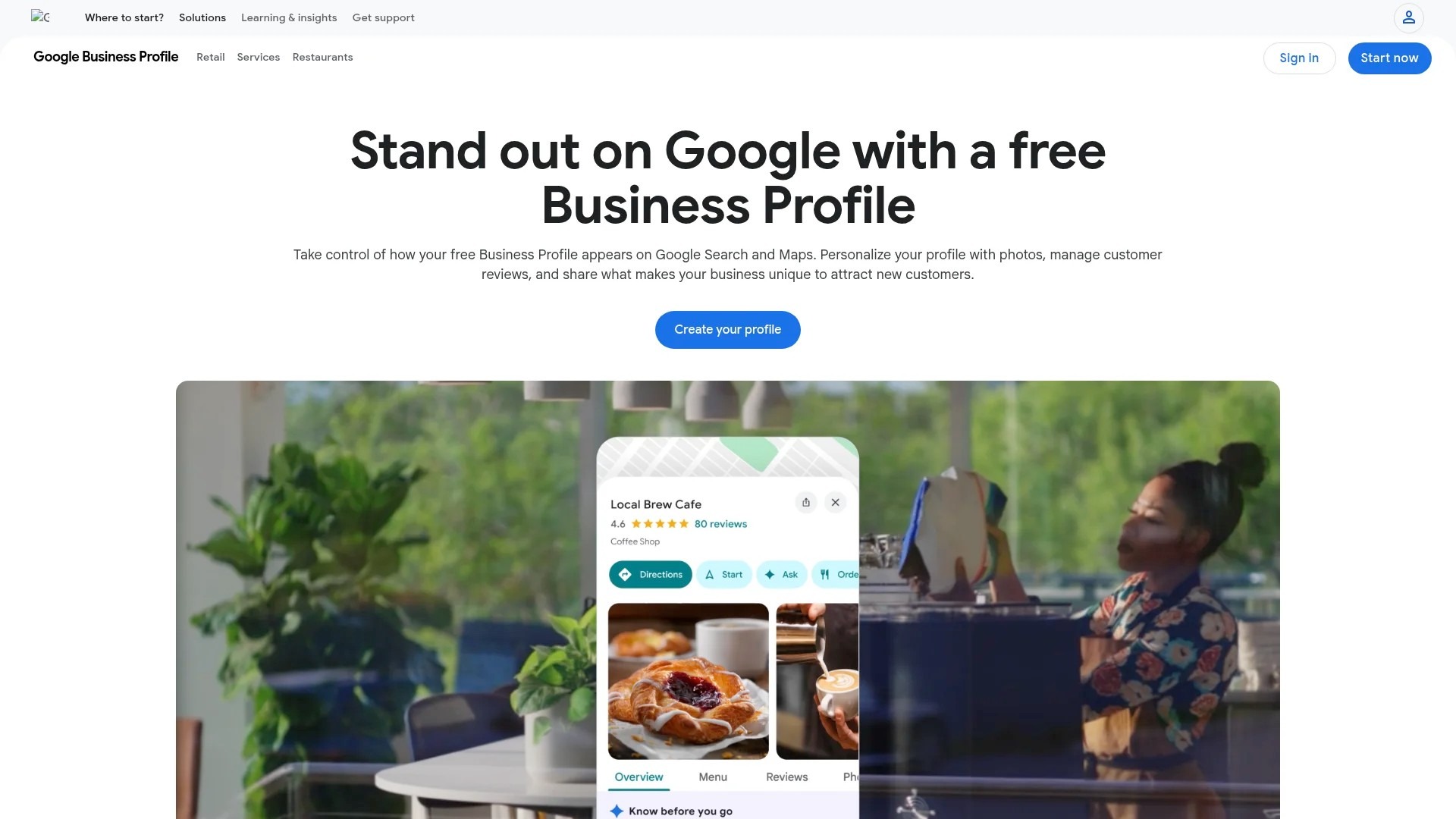
Local SEO matters more than most OEMs realize. If you sell through regional dealer networks, optimizing your Google Business Profile for your manufacturing location and each regional office pushes you into local map results when nearby dealers search for suppliers. It is a free channel most OEMs completely ignore.
Landing pages for specific product lines convert better than homepage traffic. Build a dedicated page for each major product category, include downloadable spec sheets, and add a short lead capture form. Keep the form under five fields. Every additional field drops your conversion rate.
Social media and paid advertising work best when they amplify content that already performs organically. If a LinkedIn post about your new engine line gets strong engagement, put $200 behind it as a sponsored post targeted at dealer principals in your top five states. That is paid advertising doing what it is supposed to do: taking proven content and extending its reach.
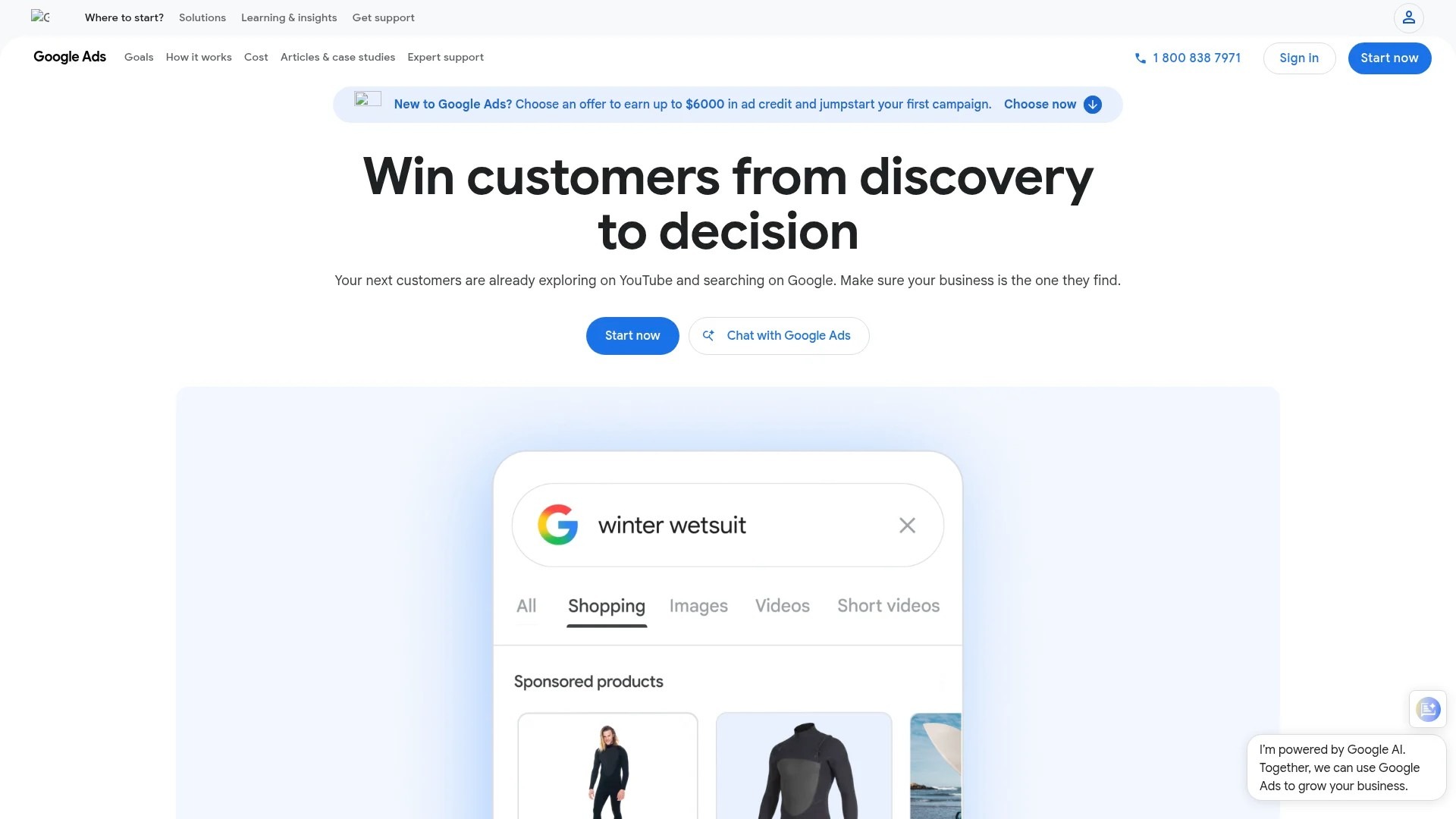
For marine OEM digital marketing, Google Ads targeting commercial maritime industry search terms can deliver highly qualified leads at a manageable cost per acquisition. The search volumes are lower than consumer categories, but the intent is extremely high. Someone searching "marine OEM parts distributor agreement" is not browsing. They are in buying mode.
Paid social on Facebook and Instagram works for reaching end consumers who influence dealer orders. Campaigns targeting boating enthusiasts in high-income zip codes, featuring your product in action, build the brand pull that makes dealers want to stock your line. It is indirect lead generation, but it works.
For a deeper look at generating B2B pipeline through paid and organic channels together, the B2B lead generation pipeline guide walks through the combined approach.
Lead nurturing is where most marine OEM digital marketing programs break down. They generate marine industry leads through LinkedIn or content marketing and then let those leads sit in a spreadsheet until someone remembers to follow up. That is a pipeline problem, not a lead generation problem.
A Salesforce or HubSpot CRM, set up correctly, eliminates that problem. Every lead from every channel flows into one place. You can see when a dealer contact visited your product page, downloaded a spec sheet, and opened your last three emails. That sequence of actions is a buying signal. A CRM makes it visible. Without one, you miss it entirely.
The maritime industry's long sales cycles are actually an advantage for well-structured automation. You have time to build trust. A 90-day nurture sequence with eight touchpoints, spaced across the cycle, keeps your OEM brand top of mind without being aggressive.
Each touchpoint serves a purpose: educational content in weeks one through four, social proof in weeks five through eight, and a direct commercial offer in weeks nine through twelve. By the time the commercial message arrives, the contact already knows your product. Conversion rates climb significantly compared to a cold pitch.
Track open rates, click rates, and most importantly, which content leads to a sales conversation. Those patterns tell you what your buyers actually care about, which feeds back into your content marketing and LinkedIn strategy. The whole system connects.
For manufacturers building this kind of system from scratch, the manufacturing lead generation guide covers the CRM and automation setup in practical terms.
Marine industry leads do not materialize in June. The dealers and distributors who will drive your boating season revenue are making supplier decisions months earlier. The OEMs who win those decisions are the ones who showed up consistently on LinkedIn, in email inboxes, and in search results during the off-season.
Start with the two or three tactics that match your current capacity. LinkedIn and Sales Navigator if you have a sales team. Email marketing if you have a contact list. SEO if you have a six-month runway. Do not try to run everything at once and do none of it well.
The NMMA's 2026 outlook projects new powerboat unit sales on par with or slightly up from 2025. The market is there. The question is whether your digital marketing puts you in front of the buyers who are already actively researching their next supplier.
Pick one channel. Build it properly. Then add the next. That is how you build a lead generation system that does not require you to start over every spring.