
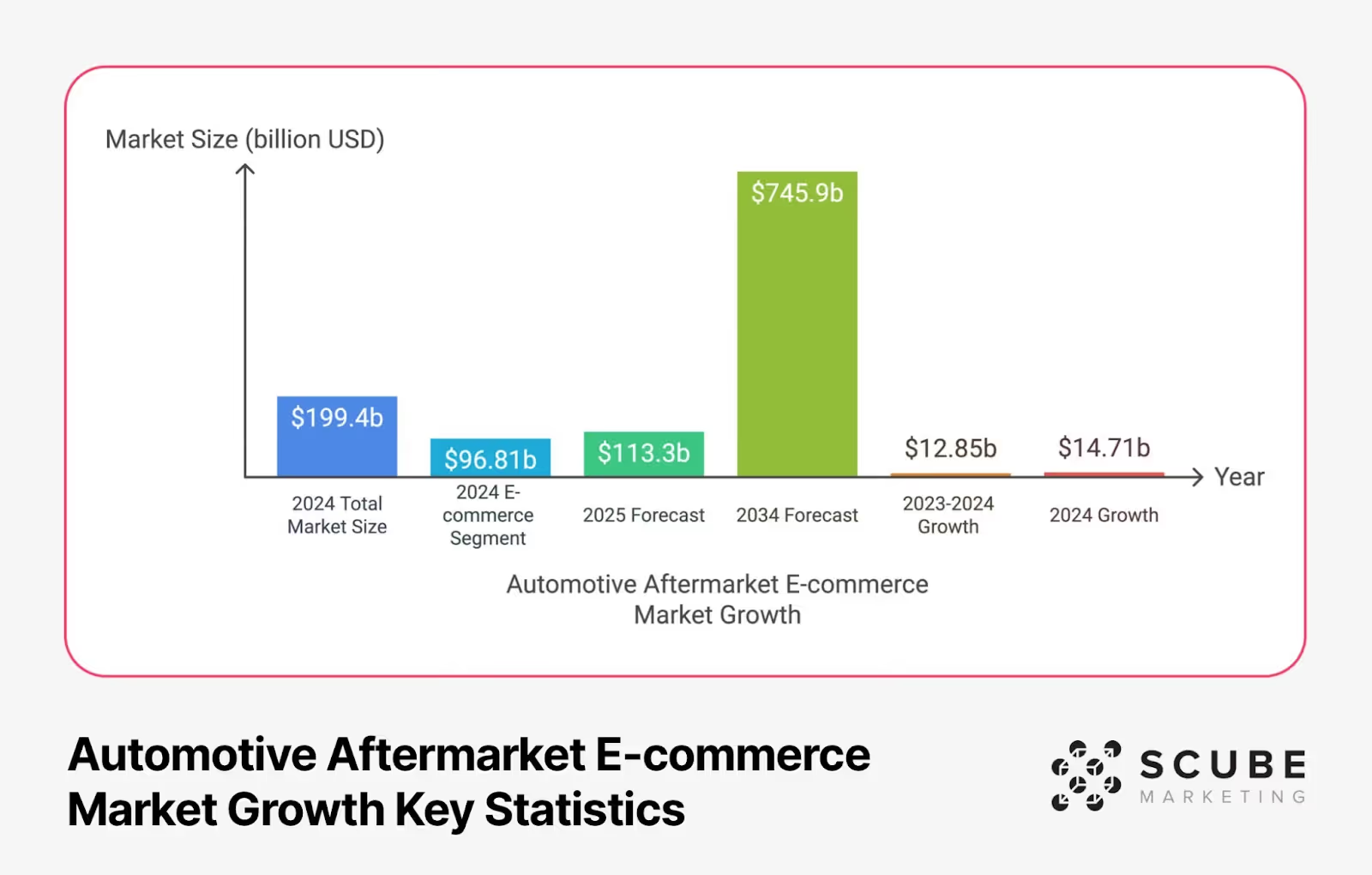
The ecommerce auto parts market presents a major opportunity for sellers that want to grow in a fast-moving industry. With the e-commerce automotive aftermarket estimated at over $199.4 billion in 2024, the potential is clear (Source: Research Nester). But success takes more than putting auto parts on a website and waiting for sales to happen.
This type of business comes with real challenges. Sellers must manage a large catalog, maintain accurate stock, organize product information, and make sure every part is the right fit for the correct vehicle. On top of that, customers expect a smooth online shop experience, fast support, and easy access to the products they need. The good news is that the right tools and a clear strategy can help you build a stronger store, increase orders, and stay committed to long-term business goals.
This guide covers five proven strategies that help sellers build a stronger ecommerce auto parts operation. From improving your online presence to creating a better customer journey, these steps can help your business grow, boost sales, and prepare for the future.
Success in ecommerce auto parts starts with a strong digital presence. With the market projected to grow from $96.81 billion in 2024 to $113.3 billion in 2025 (Source: The Business Research Company), sellers need more than a basic page with products. They need a complete online system designed to attract customers, support orders, and help the business scale over time.
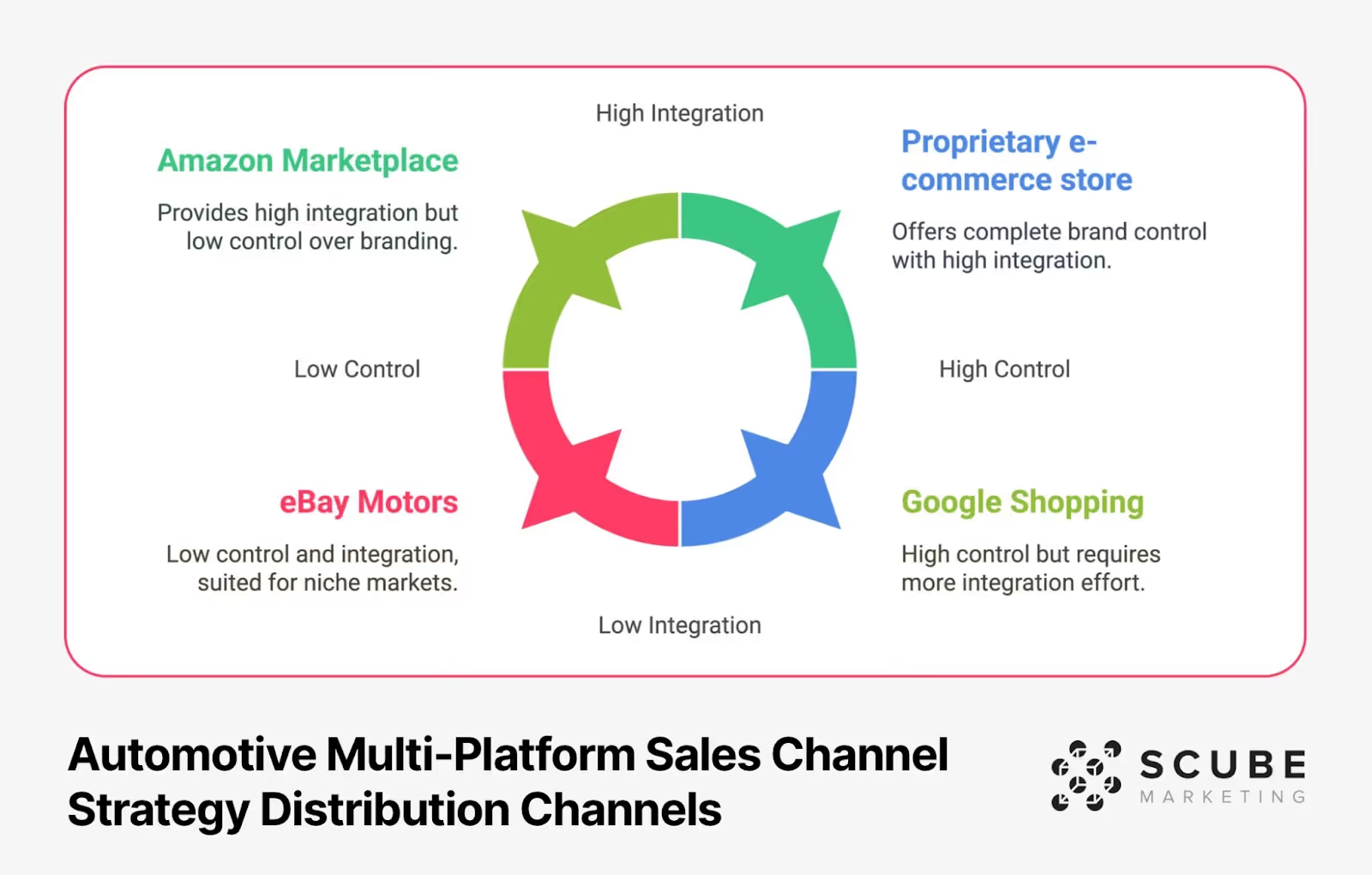
A successful auto parts business should not rely on only one sales channel. Your own website gives you full control over branding, product features, customer experience, and checkout flow. At the same time, selling across major platforms can expand your reach and help you sell to more people actively searching for parts, accessories, and tools.
A strong omnichannel setup may include:
The goal is to make sure all the parts in your catalog are presented consistently across every platform. Pricing, stock, fitment information, and brand messaging should match. When everything works together, it becomes easier for customers to move from discovery to purchase, no matter where they started.
A strong online presence means more than showing up on multiple channels. Every touchpoint should be designed to help customers quickly learn about your products, understand the benefit of buying from you, and confidently add the right item to their cart.
Start with your primary website and focus on these key areas:
Your website is the foundation of your ecommerce auto parts strategy. It should make it easy to search all the parts by number, type, vehicle, or product category. It should also help customers compare products, review features, and feel confident that the part will fit their car or truck.
Landing pages also matter. Every important page should be designed to support both search visibility and conversion. Strong landing pages help your team present the right products, improve sales, and reduce confusion during the buying process.
For marketplace visibility, optimize your product feeds with accurate information, competitive pricing, and updated stock data. This gives your business a better chance to appear when shoppers are ready to buy auto parts, brakes, performance upgrades, or other accessories.
Website experience has a direct impact on sales in the ecommerce auto parts space. A well-built site helps customers move faster, reduces mistakes, and makes it easier to find the right parts for the right vehicle.
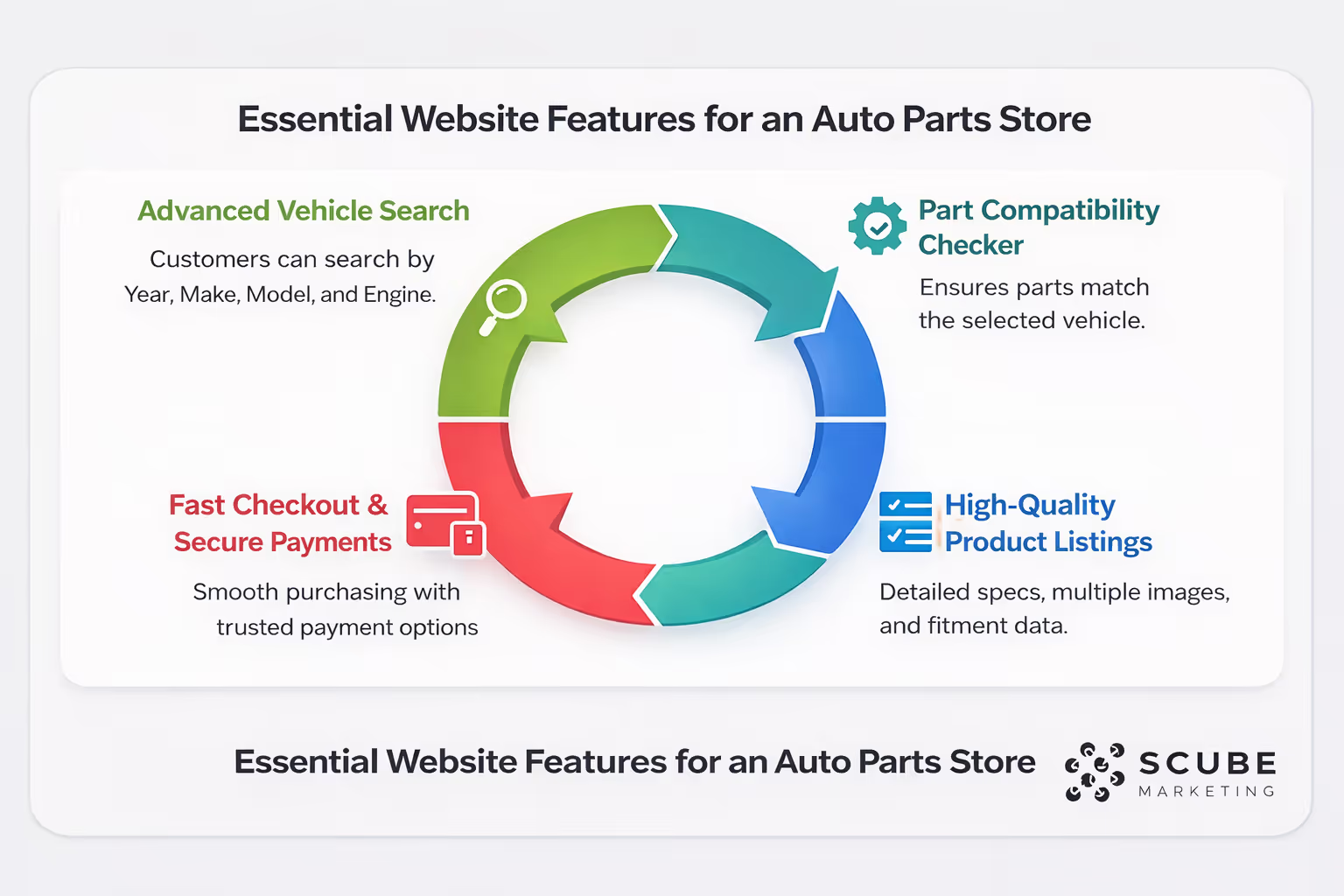
The most important feature of an auto parts store is helping users find exactly what they need without wasting time. Your site should work like a modern digital parts counter, giving customers the confidence to browse, compare, and purchase with ease.
Core features should include:
These features help people narrow down all the parts in your catalog and find the best match for their vehicle. Whether someone needs brakes, engine components, maintenance tools, or performance accessories, the process should feel simple and intuitive.
Looking for a bigger-picture strategy? Read our Complete Guide to Auto Parts Marketing & Ecommerce to learn how SEO, PPC, product feeds, and marketplaces work together to grow your sales.
To create a stronger product page, include:
Every auto parts product page should be optimized to reduce doubt and help the buyer make a decision. The easier it is to confirm the right fit, the more likely customers are to complete the purchase.
The path from browsing to checkout should feel smooth from start to finish. A good ecommerce auto parts experience supports the buyer at every step.
Strong customer support also plays a big role. Your team should provide easy access to help when a customer has a fitment question or needs more product details.
Helpful support options include:
When customers can quickly learn what they need, verify fitment, and complete an order without confusion, they are more likely to come back. That is one of the biggest long-term benefits of a better site experience. It helps your business grow today while also building trust for the future.
In the ecommerce auto parts market, attracting new buyers is only one step. With the market growing from $12.85 billion in 2023 to $14.71 billion in 2024 (Source: Strategy Driven), long-term success comes from keeping customers engaged after the first purchase and giving them strong reasons to return to your store again and again. The key lies in creating personalized experiences that connect with auto enthusiasts and DIY mechanics alike.
Personalization should go beyond using a customer’s name in an email. In the auto parts industry, true personalization means understanding the customer’s vehicle, shopping habits, past orders, and likely future needs.
Read more: Explore How to Create Engaging Product Descriptions for Auto Parts: A Detailed Guide for practical tips on writing product copy that informs buyers and drives more sales.
This type of personalization helps your business present better product suggestions and makes it easier for customers to find what they need without starting from scratch each time. It also supports smarter sales decisions because you can use real customer behavior to improve recommendations.
A good loyalty program can turn one-time buyers into repeat customers. In ecommerce auto parts, that means rewarding both purchases and continued engagement.
A useful program may include:
This approach helps your business stay connected with buyers over the years, not just for one day or one transaction. It also shows that your brand is committed to customer value, not just short-term sales. When paired with social media advertising, it can reinforce repeat engagement, keep your store visible, and bring past customers back at the right time.
Strong communication keeps your store top of mind and gives customers more reasons to come back. Each message should have a purpose and provide useful value.
A strong communication plan can include:
Every message should help the customer in some way. That may mean sharing new products, helping them learn about installation, or making it easy to contact your team for support. Over time, this kind of communication builds stronger relationships and supports your larger business goals.
In the end, customer engagement is not just about sending more messages. It is about using the right tools, useful information, and a better support system to help customers feel confident every time they visit your website or buy from your shop.
Success in ecommerce auto parts depends on a smart marketing approach that combines technical accuracy with messaging that connects with real customers. In this industry, your marketing should speak to both DIY buyers and professional installers while staying aligned with your overall business goals.
To sell more auto parts online, your business needs a clear strategy that helps people discover the right products, learn about fitment, and move confidently from product discovery to checkout. The best marketing systems are designed to support both short-term sales and long-term growth.
Each digital channel supports a different part of your marketing system. When these channels work together, they create a stronger customer journey and give buyers better access to your store, website, and catalog.
A strong ecommerce auto parts strategy should connect every channel back to your core business. Social media helps build awareness, email helps maintain customer relationships, and content marketing helps your website rank while giving customers valuable information.
When done well, these channels help your team reach buyers at different stages of the journey. Some may have just started researching a repair. Others may already know the part number they need. Your marketing should support both.
Paid advertising works best when it is highly targeted and built around real buying intent. In ecommerce auto parts, that means focusing on searches that show the customer already knows what they need for a specific vehicle, car, or repair job. Strong PPC execution helps your business reach those high-intent buyers with the right message at the right time.
Focus your paid campaigns on:
Google Ads can help your business capture high-intent traffic from buyers actively looking for parts, brakes, accessories, and repair-related tools. Campaign structure matters, so organize your ads around common search behavior, such as:
This approach helps you provide more relevant ad experiences and improves the chances that shoppers will click through to the right page on your website. When the landing experience matches the search intent, conversion performance usually improves.
Read more: Discover The Complete Guide to Auto Parts Marketing & Ecommerce for a full look at strategies that help auto parts sellers grow online.
Content marketing helps your auto parts business build trust while also supporting SEO, customer education, and future sales. In the ecommerce auto parts space, the best content is practical, useful, and based on real customer needs.
Your content should solve real problems while also helping customers understand your products, features, and fitment details. For example, guides can explain how certain parts fit a vehicle, when brakes should be replaced, or what tools are needed for a simple install.
This kind of content gives buyers a reason to stay on your site, learn more, and trust your store. It also supports your business goals by improving visibility in search and making it easier for customers to move toward purchase.
Strong marketing requires good reporting. Without tracking, it is difficult to know which channels are helping your business grow and which ones need improvement.
Track these key areas:
This information helps your team make better decisions over time. It also helps you choose the right tools, adjust budget allocation, and focus on the channels that bring the greatest benefit to your business.
Long-term success in ecommerce auto parts depends on ongoing research. The market changes quickly, customer expectations shift, and new competitors enter the space all the time. Businesses that continue to learn and adapt are better positioned for the future.
A useful competitive review starts with the right questions. You need to understand how other sellers position their products, manage stock, price their parts, and support their customers.
This process helps your business identify where it can stand out. That might mean offering faster support, improving fitment information, expanding into a new type of auto parts, or building a stronger website experience.
You also need a clear understanding of your buyers. The best ecommerce auto parts stores do not guess what their customers want. They use real data to shape better experiences.
Focus your research on:
This helps you learn what drives sales, what slows buyers down, and where your business can improve. It can also help your team decide which products to add, which pages to improve, and which services matter most.
Use your research to create customer profiles based on common behavior and needs.
These insights help your business offer a better experience for different kinds of buyers. Some customers want more educational content. Others want a fast path to checkout. Some care most about performance, while others care about price and availability.
Use this research to guide decisions such as:
Market analysis should never be a one-time task. Ongoing research helps your business stay relevant, improve the customer journey, and respond to changes across the industry.
The starting cost depends on the model you choose. A dropshipping business may begin with a smaller budget for website setup, marketing, and the right tools. A model that carries stock usually needs more investment for inventory, storage, operations, and day-to-day management. Many sellers begin with a niche, a specific vehicle segment, or selected auto parts before expanding.
Amazon and eBay Motors remain strong options for reaching more customers. Amazon offers a wide customer base, while eBay Motors is popular with buyers searching for specific car parts, upgrades, and accessories. Your own ecommerce auto parts store should still be the foundation of your business, with marketplaces helping support extra sales.
A clear return policy should explain how fitment issues, damaged products, and warranty claims are handled. Make it easy for customers to find this information on the relevant page of your website. Strong support, proper documentation, and accurate product details can reduce confusion and help your team manage returns more efficiently.
Use systems that keep stock updated across your website, marketplaces, and other sales channels. This makes it easier to manage orders, reduce overselling, and maintain a reliable catalog. Real-time visibility helps your business stay organized and improves the customer experience.
Smaller sellers can compete by focusing on expertise, niche products, and stronger customer service. When your business helps people find the right fit, offers useful information, and provides responsive support, that becomes a real competitive advantage. A specialized store with a knowledgeable team can often serve buyers better than a larger but less focused seller.
Success in ecommerce auto parts and automotive aftermarket ecommerce depends on technical accuracy, customer focus, and strong execution. Sellers that improve website experience, strengthen online presence, engage customers, market effectively, and study the market are better positioned to grow in a competitive space. Read more at Scube Marketing’s detailed guide.
Start by reviewing your current business setup and identifying one area that needs improvement. That may be your catalog, your landing page experience, your ad strategy, or the way your team handles support. Every improvement helps your business move closer to its long-term business goals.
Take the next step today. Choose one strategy, build an action plan, and stay committed to improving over time. In the ecommerce auto parts market, steady progress, the right tools, and a clear focus on customers can make a real difference. Sign up for better tracking, use data that powers smarter decisions, and talk with your team regularly about what is working and where your business can improve.