
Most industrial electrical suppliers run paid search campaigns the same way they'd market consumer products. They're burning budget on generic clicks from the wrong buyers.
So what actually works?
Targeting procurement professionals through carefully structured campaigns that speak directly to their evaluation process. We're talking about buyers who spend 13 months researching suppliers before they ever request a quote.
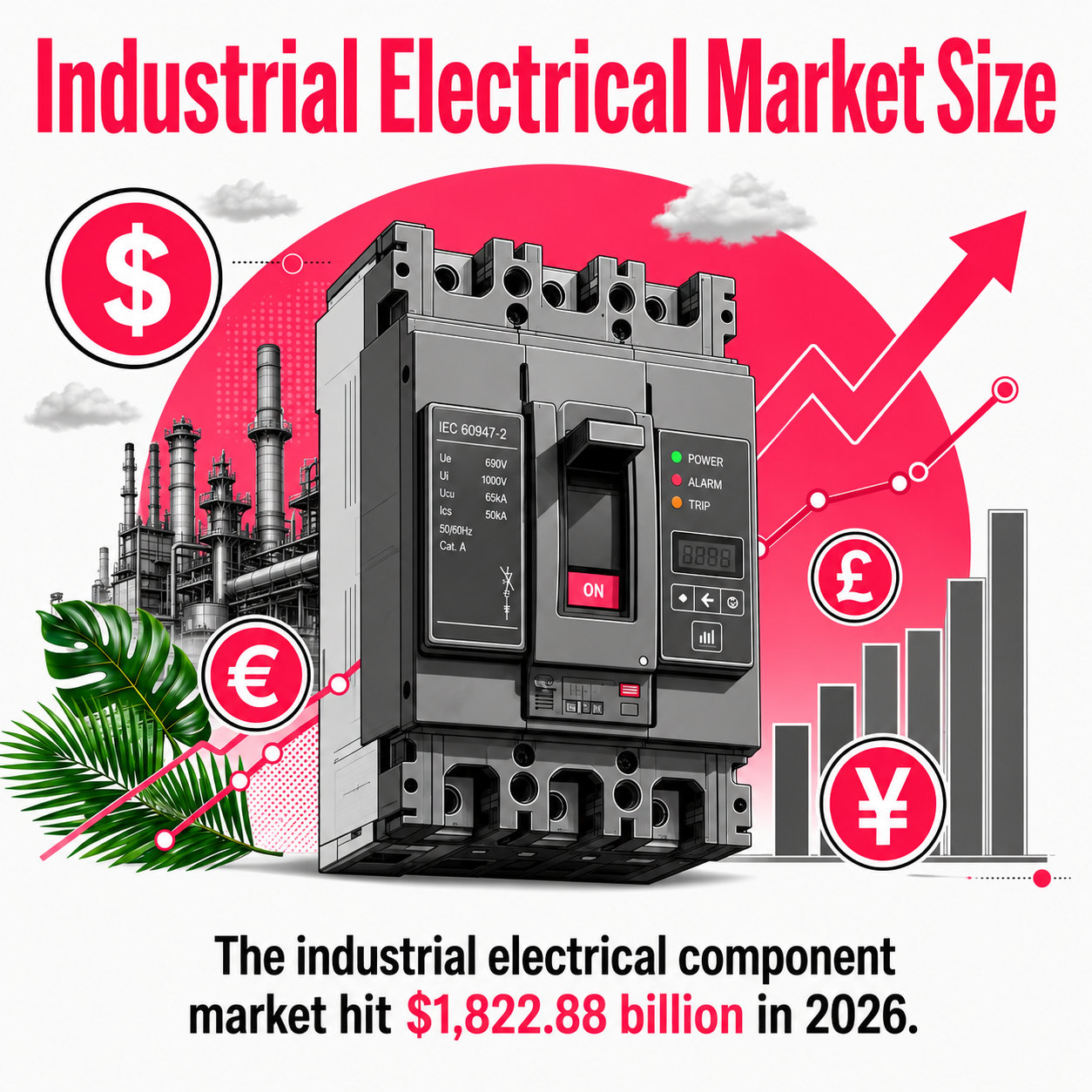
The industrial electrical component market hit $1,822.88 billion in 2026, and procurement has moved almost entirely online. That means your paid search needs to mirror how purchasing managers actually search, not how you think they search.
I'm going to walk you through the exact framework we use at Scube Marketing to build paid search campaigns that reach procurement decision-makers. You'll learn how to structure campaigns around buying committee roles, bid on specifications instead of products, and track ROI through a sales cycle that averages over a year.
By the time you finish reading, you'll know how to stop competing on price-focused keywords and start dominating the technical specification searches that matter.
Procurement professionals don't search like consumers. They're not typing "best electrical supplier" into Google.
They're searching for specific part specifications, regulatory compliance documentation, and technical data sheets. This distinction completely changes how you structure paid search campaigns.
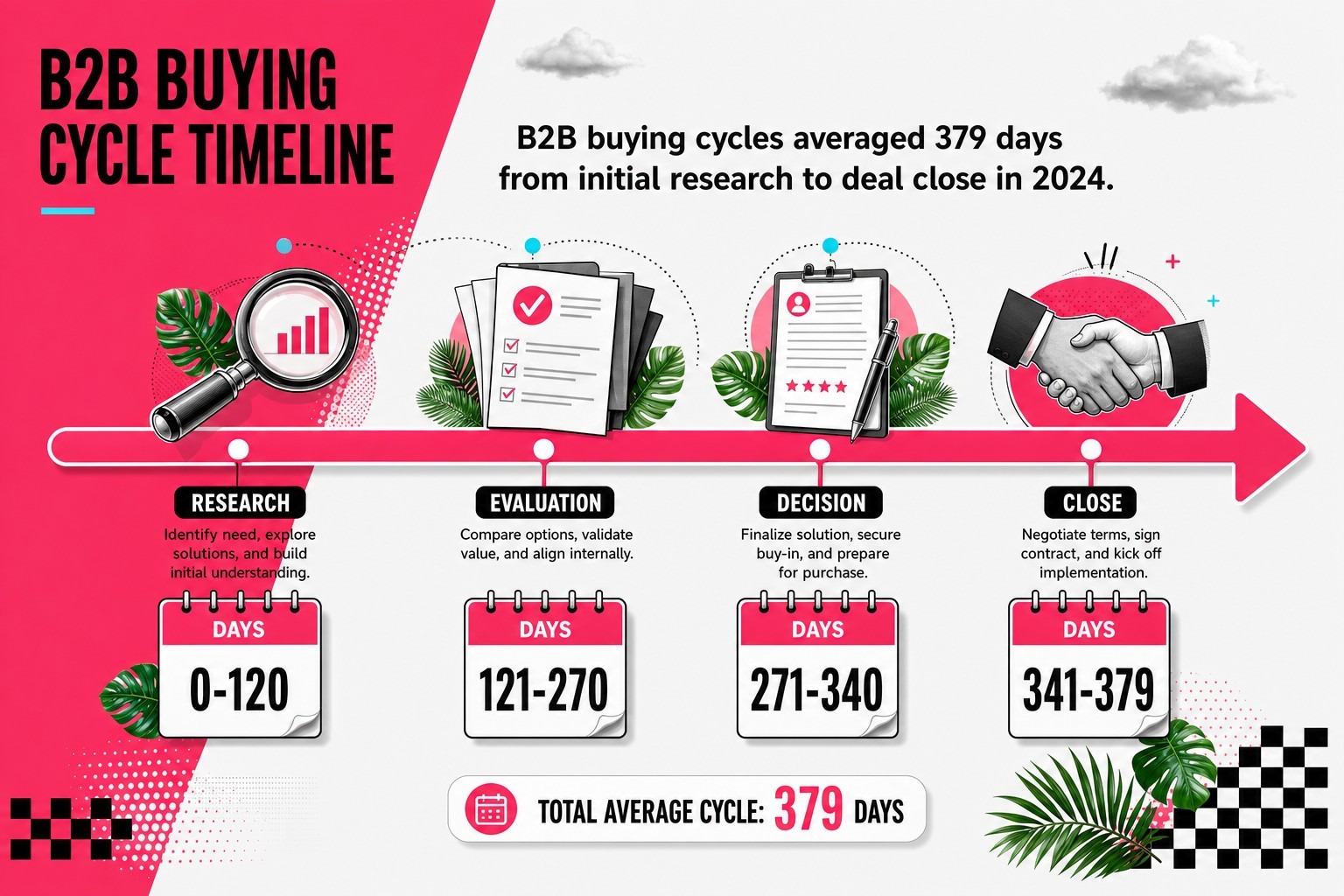
B2B buying cycles averaged 379 days from initial research to deal close in 2024. That's not a typo. Over a year between first click and contract signature.
Your paid search strategy needs to account for this timeline. Most suppliers give up after 30 days because they're not seeing conversions. They're measuring the wrong metrics.
Early-stage research focuses on specifications and requirements. Procurement teams are building internal documentation about what they need. They're searching for technical specs, industry standards, and compliance requirements.
Mid-stage evaluation involves vendor comparison. Now they're looking at specific suppliers, reading case studies, and downloading capability statements. The searches get more specific to actual product lines.
Late-stage procurement happens mostly offline, but paid search still plays a role. Final verification searches, executive approval documentation, and last-minute specification checks all happen through search.
Industrial electrical purchases involve five to eight decision-makers on average. Each person searches differently.
Engineers search for technical specifications and compatibility data. Procurement managers search for pricing models and delivery terms. Operations directors search for reliability metrics and supplier capacity.
Your campaign structure needs separate ad groups for each persona. Different messaging, different landing pages, different conversion actions.
Product-focused campaigns fail in industrial electrical because buyers don't search by product name. They search by specification, application, or problem.
Someone needing a motor controller doesn't search "motor controller." They search "NEMA 12 motor controller 480V three-phase" or "explosion-proof motor starter Class I Division 2."
Your campaign structure should mirror this specification-based search behavior. Start with broad specification categories, then drill down into detailed technical requirements.
Build campaigns around technical specifications rather than product categories. Create ad groups for voltage ratings, enclosure classifications, temperature ratings, and regulatory certifications.
Target keywords like "UL 508A industrial control panel," "IP67 rated enclosures industrial," or "NEC 2023 compliant distribution equipment." These phrases show purchase intent from qualified buyers.
Avoid generic terms like "electrical supplies" or "industrial equipment." Manufacturing and industrial businesses show a 5.60% PPC conversion rate, but only when targeting the right specification-based searches.

Segment campaigns by industrial application. Create separate campaigns for oil and gas applications, food processing facilities, pharmaceutical manufacturing, and data centers.
Each industry has unique compliance requirements and search patterns. A pharmaceutical procurement manager searches for GMP-compliant equipment. An oil and gas engineer searches for hazardous location certifications.
This segmentation lets you write ad copy that addresses industry-specific concerns. Your landing pages can showcase relevant certifications and case studies from similar facilities.
National campaigns waste budget in industrial electrical. Your ideal customers cluster in specific industrial regions.
Manufacturing concentrates in the Midwest, petrochemical facilities dominate the Gulf Coast, and data centers cluster near major metros with fiber infrastructure. Target your spend where procurement actually happens.
Set up separate campaigns for each geographic market. Bid more aggressively in regions where you have existing customer success stories or local distribution capabilities.
Increase bids 30-50% in zip codes surrounding major industrial parks. These areas contain the decision-makers you want to reach.
Decrease bids in residential areas and commercial districts without industrial facilities. Don't pay premium rates for clicks from the wrong locations.
Use radius targeting around your existing customer facilities. Companies in the same industrial park often share procurement recommendations and supplier information.
Upload lists of target accounts into Google Ads Customer Match. This lets you bid specifically on searches from your ideal customer companies.
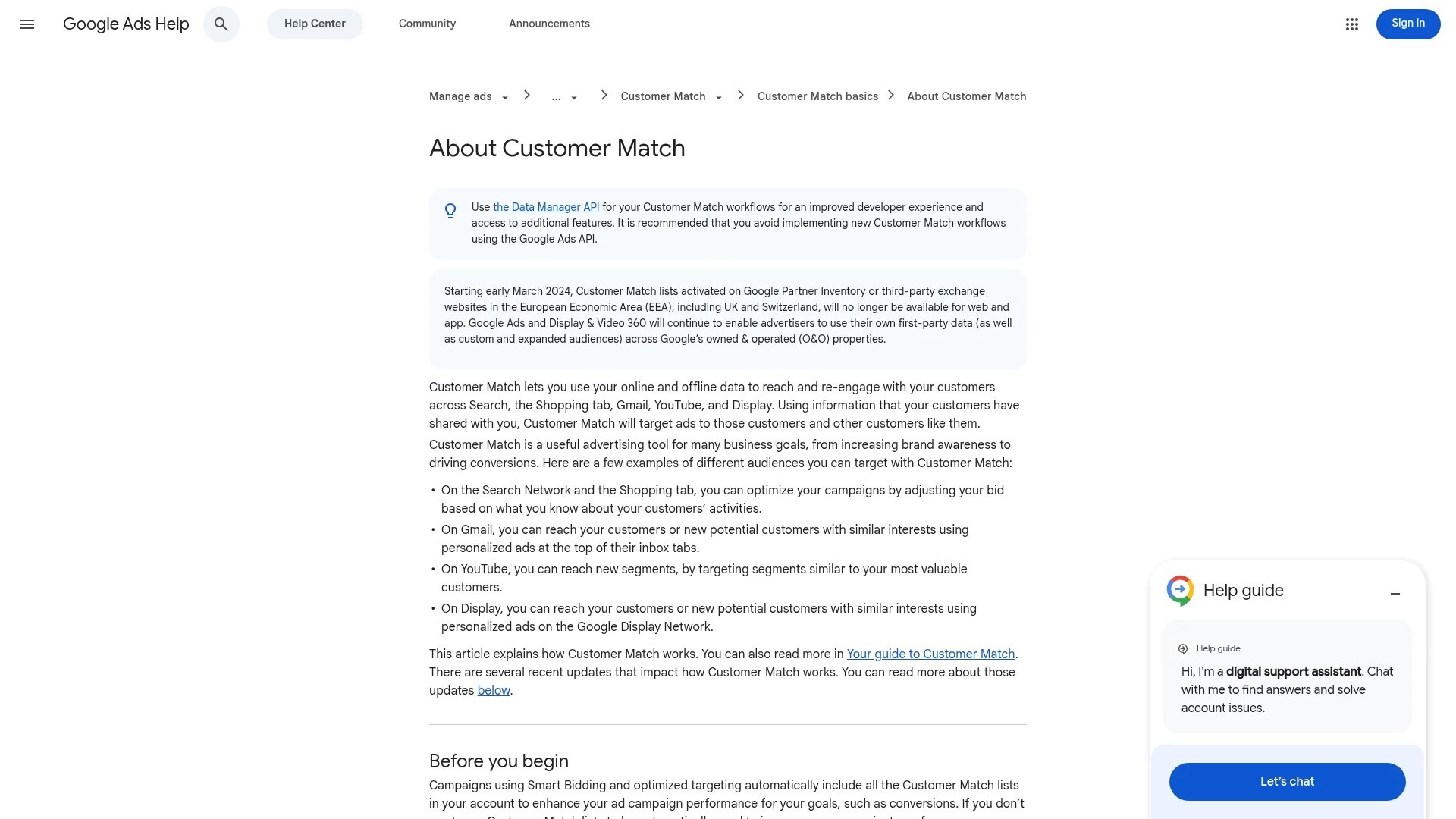
Create premium ad campaigns that only show to these target accounts. Write messaging that addresses their specific challenges and references their industry.
Combine Customer Match with LinkedIn campaign data to identify which job titles at target companies are actively researching suppliers.
Procurement professionals evaluate suppliers on technical capability, delivery reliability, and total cost of ownership. Your ad copy needs to address these priorities immediately.
Skip the marketing fluff. Don't tell them you're "trusted" or "experienced." Show them you understand their specific requirements.
Lead with technical specifications in headlines. Include certifications in descriptions. Use ad extensions to highlight compliance documentation, technical resources, and delivery capabilities.
Put the exact specification in your headline. "UL 508A Control Panels - Custom Engineered" outperforms "Industrial Control Panels - Expert Solutions" by a wide margin.
Include the compliance standard or industry requirement. "NEC 2023 Compliant Distribution Equipment" immediately qualifies your offering for buyers who need that certification.
Test headlines that match technical drawing callouts. Engineers often search using the exact terminology from their equipment specifications.
Procurement teams worry about delivery delays, quality issues, and supplier reliability. Address these concerns directly in your ad copy.
Include specific delivery timeframes, quality certifications, and capacity metrics. "In-Stock Lead Times 2-3 Weeks, ISO 9001 Certified, 50,000 sq ft Manufacturing" provides concrete risk mitigation.
Reference your technical support capabilities. "Engineering Support Included, Free Technical Consultation, CAD Drawings Available" reduces perceived switching risk.
Your landing page determines whether a qualified click becomes a qualified lead. Most industrial electrical suppliers send everyone to their homepage. That's a conversion killer.
Create specification-specific landing pages that match your ad groups. If someone clicks an ad for NEMA 4X enclosures, they should land on a page exclusively about NEMA 4X enclosures.
Technical buyers want data sheets, CAD drawings, and specification documents. Make these downloadable without forcing them through a contact form first.
Put technical documentation above the fold. Feature buttons for "Download Spec Sheet," "View CAD Models," and "Request Technical Drawings" prominently.
Include actual product specifications in table format. Don't make engineers hunt through marketing copy to find voltage ratings, temperature ranges, or physical dimensions.
Add application-specific case studies. If you're targeting pharmaceutical manufacturing, showcase a pharmaceutical facility project with specific compliance details.
Don't demand full contact information for initial downloads. Ask for name and email to get the spec sheet. Request company and role for CAD files. Save detailed qualification questions for quote requests.
This progressive approach builds your pipeline over the 13-month buying cycle. You're capturing early-stage researchers who aren't ready to talk to sales yet.
Set up email nurture campaigns triggered by document downloads. Send relevant technical content based on what they've already viewed.
Standard PPC bidding strategies fail for industrial electrical because conversion value happens months after the initial click. You can't optimize for immediate conversions that don't exist yet.
The average cost per lead for manufacturing is $391. That's not a cost to minimize. That's an investment in relationships that become six-figure contracts.

Shift your bidding focus from cost per conversion to cost per qualified lead. Track lead quality scores based on company size, industry fit, and buying signals.
Start with manual CPC bidding while you gather conversion data. Google's automated strategies need 30-50 conversions per month to work effectively. You won't hit that volume in long-cycle B2B.
Set initial bids based on your acceptable cost per qualified lead. If your average deal size is $50,000 and your close rate is 10%, you can afford $500+ per lead profitably.
Adjust bids weekly based on lead quality, not just lead volume. A campaign generating three qualified leads from Fortune 500 companies outperforms one generating 20 leads from small operations.
Connect your CRM to Google Ads through offline conversion tracking. Import deal values when opportunities close, even if that's six months after the initial click.
This feeds actual revenue data back into the bidding algorithm. Google learns which keywords and audiences generate closed business, not just form fills.
Set up custom columns tracking revenue per click, not just cost per conversion. This metric reveals which campaigns actually drive profitable business.
First-click attribution lies in industrial electrical. The initial research click rarely closes the deal by itself.
Procurement touches your brand 12-15 times across multiple channels before requesting a quote. Paid search might initiate the relationship, but email nurture, sales calls, and technical consultations all contribute to the conversion.
Use data-driven attribution models that credit all meaningful touchpoints. This shows paid search's true contribution to pipeline generation.
Track every meaningful engagement as a separate conversion action. Assign values based on historical progression rates to closed deals.
If 30% of spec sheet downloaders eventually request quotes, and 10% of quote requesters close, your spec sheet download is worth 3% of your average deal value.
This value-based tracking lets you optimize campaigns based on leading indicators, not just closed deals that happen a year later.
Your paid search data means nothing if it doesn't connect to actual sales outcomes. Integrate Google Ads with your CRM system to track which campaigns influence closed revenue.
Use UTM parameters on all landing page URLs. Structure them to capture campaign, ad group, keyword, and ad variation. This detail becomes critical when analyzing which search terms drove your biggest deals.
Train your sales team to verify lead sources during discovery calls. Self-reported attribution often differs from last-click data, giving you a complete picture of the buyer journey.
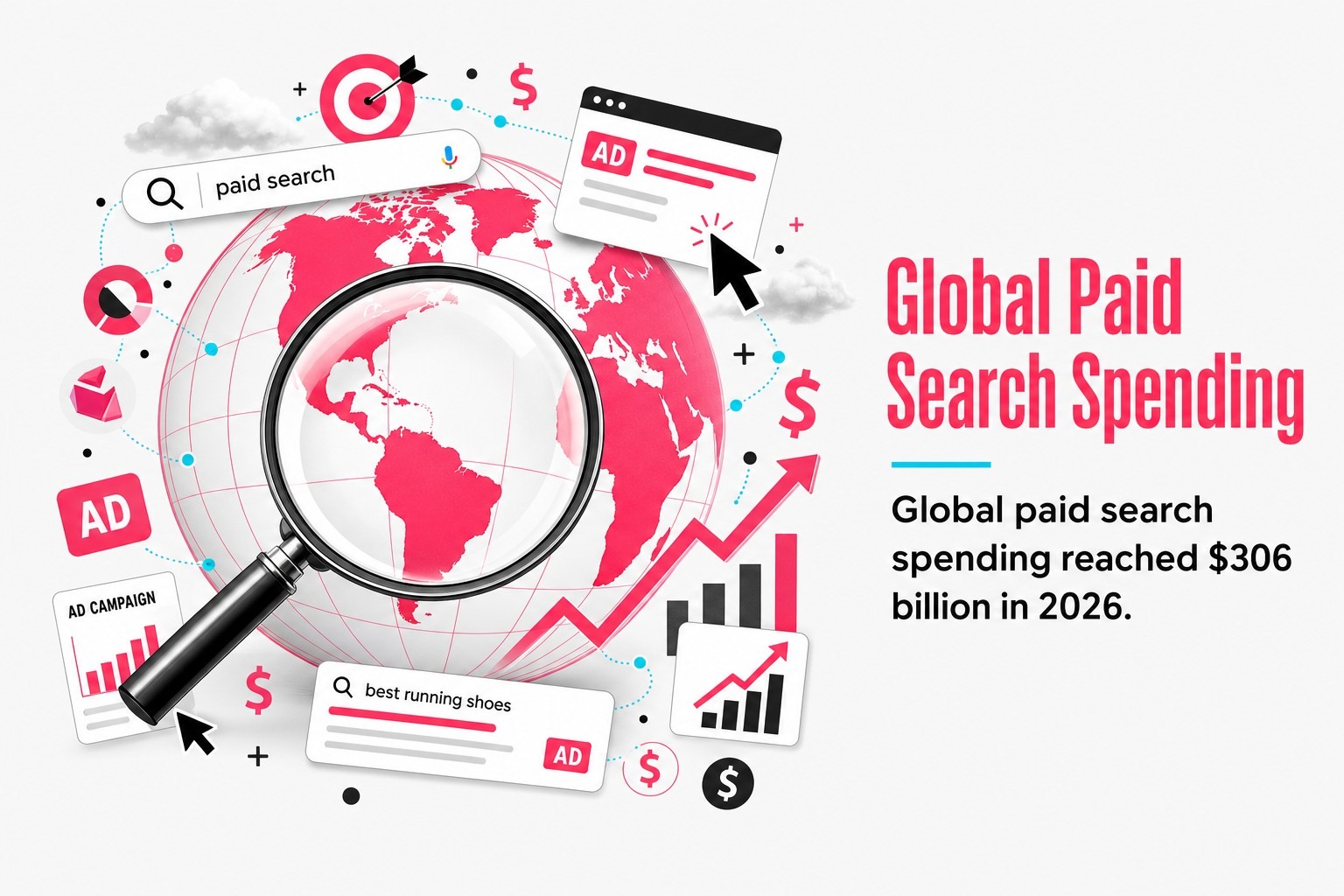
Global paid search spending reached $306 billion in 2026, but most industrial suppliers allocate budget inefficiently across buying stages.
They overspend on bottom-funnel terms that generate few searches and underinvest in early-stage research queries that build pipeline.
Split your budget 50% early-stage, 30% mid-stage, 20% bottom-funnel. This mirrors how buyers actually move through the evaluation process.
Allocate half your budget to specification research, industry standards, and compliance requirement searches. These queries have lower CPCs and higher volume.
You're building awareness and capturing contacts at the start of their 13-month buying cycle. The cost per lead is lower, but these leads need longer nurture sequences.
Target informational queries like "NEMA enclosure rating comparison," "industrial control panel design standards," or "hazardous location electrical requirements." Create content-focused landing pages with downloadable guides.
Reserve 20% of budget for high-intent searches indicating immediate purchase readiness. "Request quote industrial electrical," "custom control panel manufacturer," or "emergency electrical equipment supplier."
These searches cost more per click but convert faster. Manufacturing CAC ranges from $662-$905 through paid channels, but bottom-funnel campaigns typically fall on the lower end of that range.
Bid aggressively here. When someone searches for exactly what you sell with buying intent, you want position one.
Over 58% of B2B buyers prefer online platforms for procurement. That includes industrial marketplaces like Grainger, MSC Industrial Supply, and vertical-specific platforms.

These marketplaces run their own paid search campaigns, often outbidding individual suppliers on product-focused keywords. You need a different competitive approach.
Focus on differentiation rather than direct competition. Target searches where your specific capabilities, certifications, or customization options provide clear advantages over marketplace commodity offerings.
Marketplaces dominate standard product searches. They struggle with custom engineering and specialized applications.
Target keywords that indicate custom requirements. "Custom industrial control panel design," "engineered electrical solutions," or "application-specific motor control."
Your ad copy should emphasize engineering capabilities, customization flexibility, and technical consultation. These are barriers marketplaces can't easily replicate.
If you hold specialized certifications or serve regulated industries, use that in your targeting strategy. Search for "UL 508A panel shop," "FDA registered electrical manufacturer," or "ATEX certified explosion-proof equipment."
These searches indicate buyers who need verified compliance. Marketplaces list certified products, but they can't provide the documentation and engineering validation that procurement requires.
Wesco invested $35 million in digital transformation in 2025. Major distributors are rebuilding their digital presence around e-commerce and self-service tools.
This creates opportunities for suppliers with superior digital experiences. Procurement teams now expect the same online experience from industrial suppliers that they get from consumer brands.
Your paid search landing pages need to deliver that experience. Product configurators, instant quoting tools, and real-time inventory visibility all reduce friction in the buying process.
95% of B2B buyers plan to incorporate generative AI into future purchases. They're using ChatGPT and Claude to research specifications, compare options, and generate RFP requirements.
This changes search behavior in two ways. First, queries get longer and more conversational. "What are the key differences between NEMA 3R and NEMA 4 enclosures for outdoor industrial applications" replaces "NEMA 3R vs NEMA 4."
Second, AI-generated content influences what procurement professionals search for. Target the terminology and frameworks that AI tools commonly reference.
Interactive tools reduce dependence on immediate sales contact. Add product configurators, specification selectors, and quick-quote calculators to your landing pages.
These tools generate qualified leads while providing immediate value. Someone who spends 10 minutes configuring a custom control panel is highly engaged, even if they don't submit a contact form yet.
Track tool usage as a conversion action. Set values based on progression rates from tool usage to quote requests.
Monthly ROAS calculations miss the point in industrial electrical. You need measurement frameworks that account for 13-month buying cycles and six-figure deal values.
Track pipeline contribution rather than immediate revenue. Measure how paid search influences opportunity creation, not just last-click conversions.
Calculate customer lifetime value, not just first purchase size. Industrial electrical customers buy repeatedly over years. Your paid search ROI includes all future purchases from acquired customers.
Measure how paid search influences time to close. Do opportunities sourced through paid search move faster or slower through your pipeline than other channels?
Track progression rates between pipeline stages. Calculate how many leads from each campaign advance from MQL to SQL, SQL to opportunity, opportunity to closed deal.
This reveals which campaigns generate high-quality leads that close efficiently, versus campaigns that produce volume without quality.
When paid search generates a lead at a target account, measure subsequent engagement from other contacts at that company. Did your initial click start a broader evaluation process?
Track how many additional contacts from the same company visit your site, download resources, or request information. This shows paid search's role in account-level influence beyond single-contact attribution.
Calculate multi-contact conversion rates. Accounts with multiple engaged contacts close at higher rates than single-contact opportunities.
Paid search doesn't work in isolation. It needs support from content marketing, email nurture, and sales enablement to convert long-cycle industrial buyers.
Build paid search campaigns that feed into broader marketing systems. Every click should start a multi-touch sequence that nurtures prospects over months.
For a complete guide on integrating paid search with other channels, see our industrial digital marketing framework.
Use paid search to promote your best content assets. Run campaigns targeting industry pain points, then send traffic to detailed guides, case studies, or technical resources.
This builds authority while capturing early-stage leads. Someone who downloads your "Complete Guide to Industrial Control Panel Design" enters your nurture sequence at the beginning of their buying cycle.
Retarget content downloaders with more specific product campaigns as they progress through research. Show control panel ads to people who read your control panel guide.
Every paid search conversion should trigger an automated email sequence. Different conversion actions trigger different sequences based on buying stage.
Spec sheet downloads trigger educational content about applications and best practices. Quote requests trigger case studies and customer testimonials. Technical consultation requests trigger product comparison resources.
These sequences keep your brand visible during the long evaluation period between initial contact and purchase decision.
Basic paid search targets keywords and locations. Advanced campaigns layer firmographic data to reach specific types of companies.
Use Customer Match combined with third-party data providers to target companies by industry, revenue size, employee count, and technology stack. This precision targeting dramatically improves lead quality.
If your ideal customers are manufacturers with 200-500 employees in automotive or aerospace, you can build campaigns that only show to searches from those exact companies.
Export LinkedIn campaign engagement data and upload it to Google Ads Customer Match. This lets you target paid search ads to people who engaged with your LinkedIn content.
Someone who clicked your LinkedIn ad about motor control solutions is a qualified audience for your paid search campaigns about motor controllers.
Build separate campaigns with premium messaging for these pre-qualified audiences. They've already shown interest in your content, so speak to more advanced applications and capabilities.
Target companies based on their technology stack. If you sell Rockwell Automation compatible products, target searches from companies that already use Rockwell equipment.
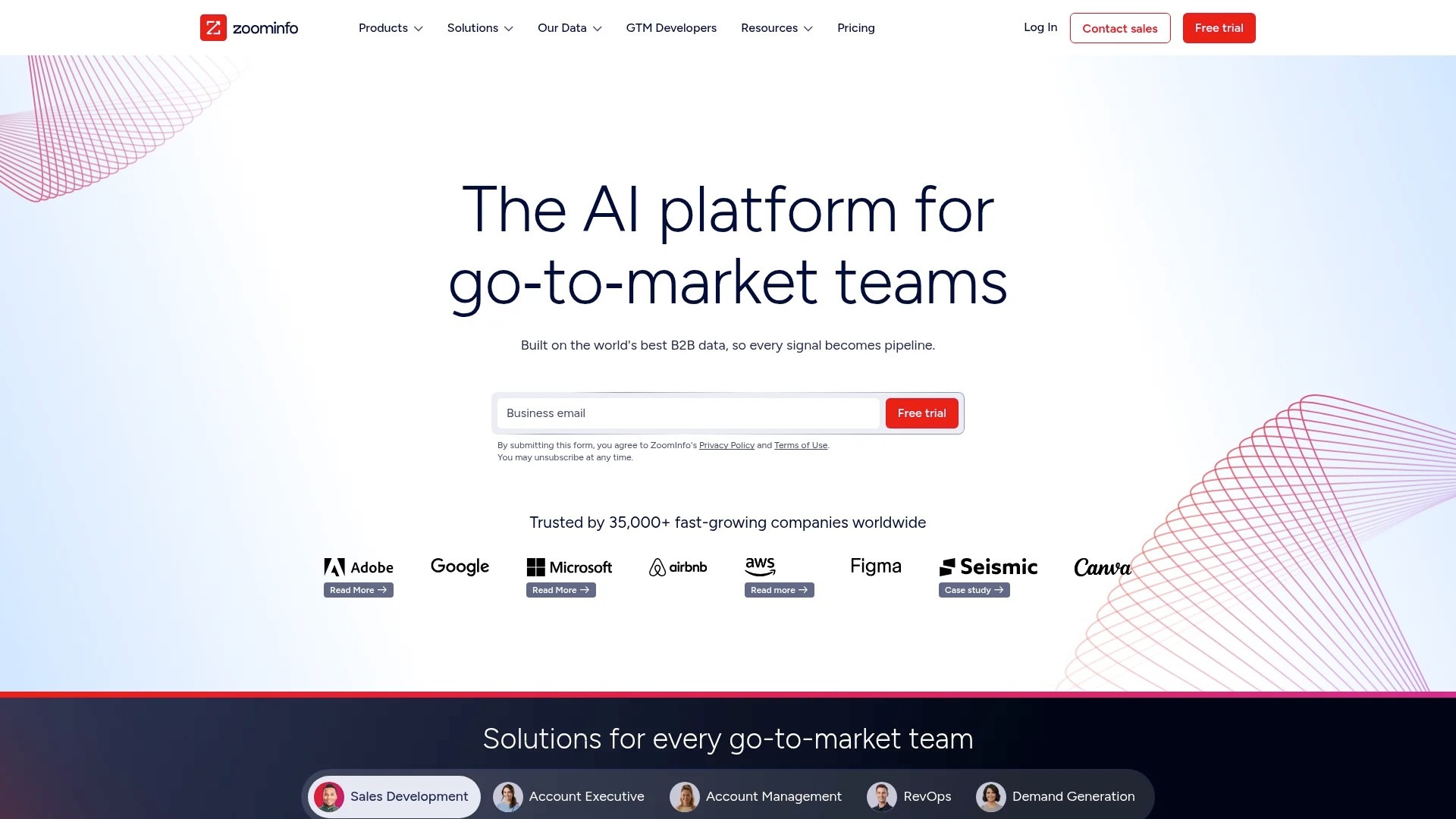
Use tools like ZoomInfo or 6sense to identify technographic data, then build Customer Match audiences around compatible technology users.
This targeting ensures your ads reach prospects with existing infrastructure that matches your product capabilities.
Most industrial electrical suppliers either run tiny campaigns that don't generate enough volume or scale too fast and dilute lead quality.
You need a systematic scaling approach that adds spend only when lead quality metrics remain stable. This prevents the common trap of doubling budget and halving lead quality.
Start with tightly controlled campaigns targeting your highest-intent keywords. Once those perform consistently for 60 days, add adjacent keyword themes while monitoring quality metrics.
Begin with specification-exact keywords that show clear purchase intent. Add related specifications only after your core campaigns hit target quality thresholds.
Use search query reports to identify high-performing variations. If "NEMA 4X stainless steel enclosure" converts well, test "NEMA 4X washdown enclosure" and "NEMA 4X food grade enclosure."
Add negative keywords aggressively. Industrial searches attract DIY and residential queries that waste budget. Exclude terms like "residential," "home," "DIY," and "how to install."
Don't launch nationwide simultaneously. Start in regions where you have competitive advantages, then expand to new markets systematically.
Prioritize markets where you have existing customers, local distribution partners, or relevant case studies. Your win rate and lead quality will be higher in regions where you can demonstrate local presence.
Add one new geographic market per month, not all at once. This controlled expansion lets you optimize messaging for each region before moving to the next.
After running campaigns for dozens of industrial suppliers, I see the same mistakes repeatedly. These errors destroy ROI and waste significant budget.
The biggest mistake is treating paid search like a direct response channel. Industrial electrical is not e-commerce. You're starting relationships, not closing immediate sales.
The second biggest mistake is giving up too early. Most suppliers pause campaigns after 60 days without conversions, right when their initial clicks would be progressing to qualified opportunities.
You will not see conversions in month one. Accept this now and plan accordingly.
Budget for at least six months of consistent spend before evaluating campaign success. Track leading indicators like click-through rate, landing page engagement, and content download rates while you wait for actual opportunities to develop.
Set proper expectations with leadership. Show them the 13-month average buying cycle data and explain that paid search builds pipeline, not immediate revenue.
Sending all traffic to your homepage guarantees failure. Engineers and procurement professionals need specification-specific landing pages that answer their exact question.
If someone searches for "UL 698A certified panel shop," they should land on a page exclusively about your UL 698A certification, shop capabilities, and relevant case studies.
Create 10-20 landing page templates organized by product category, certification type, or industry application. This specificity dramatically improves conversion rates.
Maintenance managers and facility engineers search on mobile while walking the plant floor. Your landing pages need to work perfectly on smartphones.
Many industrial suppliers optimize for desktop because they assume B2B means office-based research. That's outdated. Field personnel influence purchasing decisions and they're searching from their phones.
Test every landing page on mobile. Make sure technical documents are easily downloadable and contact forms work without frustration on small screens.
One-month campaigns don't work in industrial electrical. You need sustained investment over 12-18 months to see true ROI.
Paid search for industrial suppliers is more like building a B2B lead generation system than running promotional campaigns. You're creating a predictable pipeline of qualified opportunities.
Allocate budget annually, not monthly. Plan for consistent spend across buying cycles rather than starting and stopping based on short-term results.
I've watched suppliers shut down campaigns after three months with "no results," only to see those same leads convert six months later into massive contracts. But by then, they'd stopped investing and the pipeline dried up.
Set a consistent schedule for campaign reviews and adjustments. Weekly attention in the first 90 days, then bi-weekly once campaigns stabilize.
Focus reviews on lead quality metrics, not just cost metrics. Track which campaigns generate leads that progress to opportunity stage, not just which campaigns have the lowest CPA.
Adjust bids based on firmographic quality, not just conversion volume. Sometimes your highest-cost campaigns generate your best customers.
Always have 2-3 active tests running. Test new keyword themes, ad copy variations, or landing page approaches.
In industrial electrical, test results take months to validate. Start your next test before your current test finishes. This ensures continuous optimization despite long feedback cycles.
Document everything. Long buying cycles mean you'll forget what you tested by the time results come in. Keep detailed records of every campaign change and the hypothesis behind it.
The real advantage in industrial electrical paid search comes from sustained, disciplined optimization over years. Most competitors give up after a few months. If you stay committed to the long game, you'll dominate the channel.