Most building material suppliers chase the same buyers at the same time. They wait until someone searches "buy pressure-treated lumber near me" and then scramble to compete. That's too late.
The real money sits 200 days earlier. That's when contractors, architects, and procurement professionals first start comparing suppliers. They're asking technical questions. They're building spec sheets. They're deciding which brands make the shortlist.
The average new construction buyer takes over 200 days from first digital interaction to contract signing. Your paid search strategy needs to work across that entire timeline, not just the final 48 hours.

I'm Tom, and I run SCUBE Marketing. We build paid search campaigns for manufacturers and suppliers who sell to trade professionals. Here's what matters: getting in front of buyers before they narrow their options.
This guide walks through the exact paid search approach that works for building products PPC. You'll see how to capture early research traffic, nurture mid-stage consideration, and close high-intent buyers. No fluff about "brand awareness." Just the search terms, bidding strategies, and campaign structures that generate qualified leads.
Building materials operate in a completely different universe from consumer products. You're not selling to homeowners browsing Amazon. You're selling to professionals who need technical specs, bulk pricing, and delivery logistics.
That changes everything about paid search.
Your buyers make decisions over months, not minutes. A contractor researching roofing materials in January won't purchase until April. An architect specifying HVAC components for a commercial project operates on a 12-month timeline. They're searching, but they're not ready to buy yet.
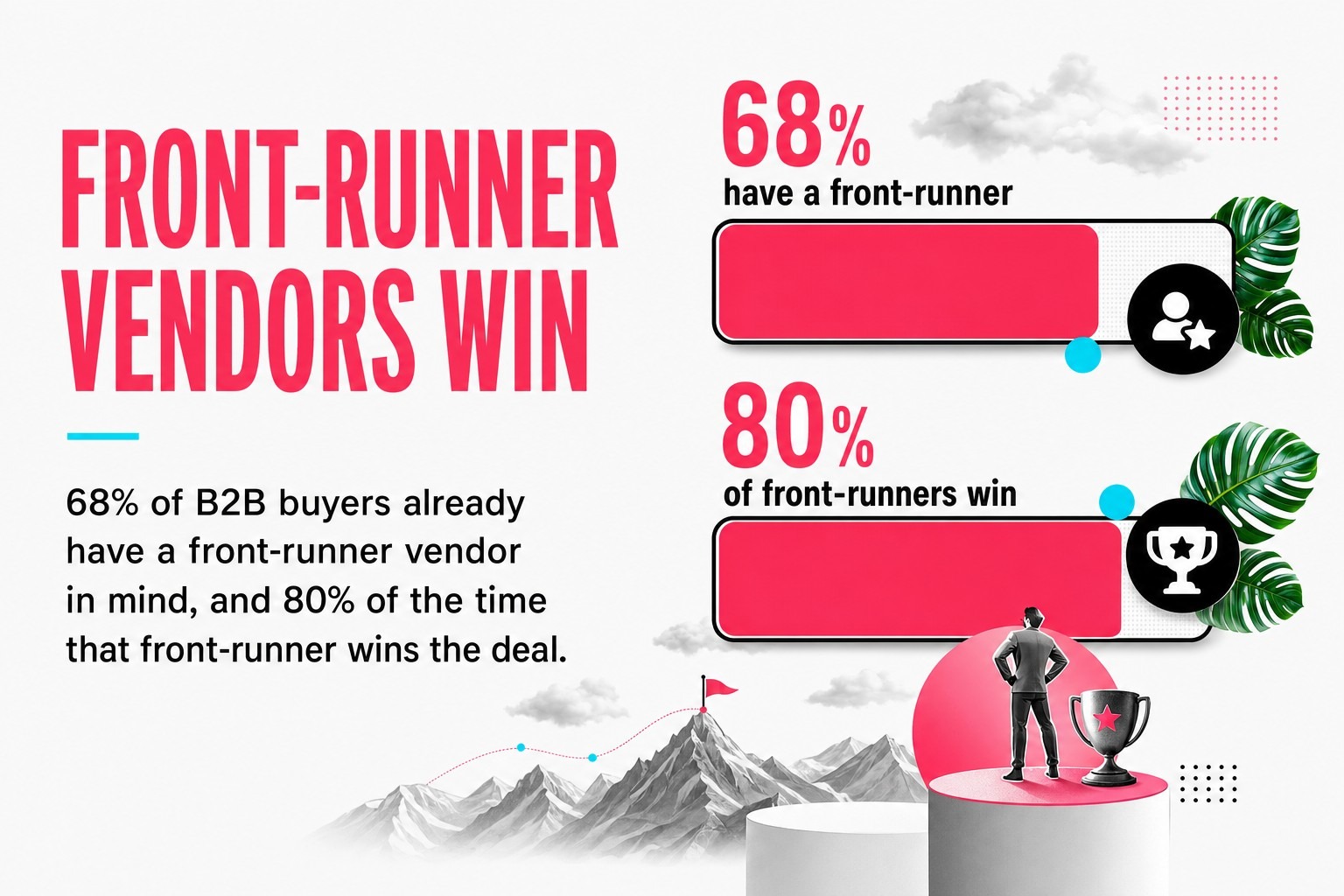
68% of B2B buyers already have a front-runner vendor in mind at the start of their purchasing process, and 80% of the time that front-runner goes on to win the deal. Read that again. If you're not in their initial consideration set, you've already lost.
That front-runner position gets built during early research. Someone searches "commercial door hardware specifications." They find your content. They see your brand three more times over the next 60 days. By the time they're ready to request quotes, you're the obvious choice.
Your paid search campaigns need to target three distinct audiences. Each one searches differently. Each one needs different messaging.
Contractors care about availability, pricing, and job site delivery. They search for specific products they already know. "4x8 drywall sheets wholesale" or "concrete rebar suppliers Chicago." They're often ready to buy, but they're price-sensitive and loyal to existing suppliers.
Architects and specifiers research technical details months before purchase. They search for product specs, sustainability certifications, and code compliance. "Fire-rated door assemblies UL10C" or "LEED-certified roofing materials." They don't buy directly, but they control which products get specified.
Procurement professionals evaluate suppliers based on reliability, pricing structures, and vendor relationships. They search for supplier comparisons and bulk pricing options. "Building materials distributor network" or "commercial plumbing supplier contracts." They make the final purchasing decision, but they follow architect specifications.
You need campaigns targeting all three. Miss one group, and you're invisible to a third of your potential market.
Most agencies apply consumer paid search tactics to building products. They optimize for immediate conversions. They bid aggressively on bottom-funnel terms. They ignore everything that doesn't generate a same-day lead.
That approach throws away 80% of your opportunity.
When someone searches "concrete mix specifications for commercial foundations," they're not buying today. But they're starting a project that could generate $50,000 in materials orders over the next six months. If you're not visible during that early research, you won't be considered later.
Standard strategies also ignore the specification process. An architect who finds your technical content in February might specify your products in April. The procurement team won't purchase until July. That's three touch points across five months. Traditional paid search only captures the July transaction.
Building products need a search strategy that works across the entire buying cycle. That means different campaigns, different keywords, and different success metrics for each stage.
Building products keywords fall into three clear categories. Each category corresponds to a different buying stage. Each stage requires different campaign structures and bidding strategies.
Understanding this progression matters more than any single tactical detail. Get the keyword mapping right, and the rest of your paid search strategy becomes straightforward.
These keywords capture buyers who are just starting their research. They're comparing options, learning about specifications, and building initial shortlists. They won't convert immediately, but they're building the mental framework for future purchasing decisions.
Early-stage keywords typically include:
These searches generate high traffic volume but low immediate conversion rates. That's fine. You're not trying to close a sale today. You're trying to get your brand into the consideration set.
Target these keywords with educational content. Create landing pages that answer technical questions, provide spec sheets, and offer comparison tools. Don't push for a sale. Offer value first.
Bid conservatively on these terms. You want visibility, but you're not competing for immediate conversions. Set max CPCs at 30-40% of what you'd pay for bottom-funnel keywords.
These keywords indicate buyers who have narrowed their options and are evaluating specific suppliers or products. They're comparing vendors, checking availability, and starting to engage with sales teams.
Mid-stage keywords typically include:
These searches signal active evaluation. The buyer is comparing 3-5 suppliers and deciding which ones to contact. Your paid search ads need to differentiate your offering and provide clear next steps.
Target these keywords with supplier-focused landing pages. Highlight your inventory depth, delivery capabilities, and technical support. Make it easy to request quotes or speak with a sales rep.
Bid more aggressively here. These buyers are closer to conversion. Set max CPCs at 60-70% of your bottom-funnel targets.
These keywords capture buyers ready to purchase or request formal quotes. They've completed their research, selected their suppliers, and need to finalize orders.
Bottom-funnel keywords typically include:
72% of booked remodeling consultations come from high-intent search terms. That's the power of bottom-funnel targeting. When someone is ready to buy, they search with clear intent.

Target these keywords with product-focused landing pages that make purchasing frictionless. Show stock availability, display pricing (if possible), and provide multiple contact options. Remove every barrier between the search and the conversion.
Bid most aggressively here. These are your highest-value conversions. Set max CPCs at your maximum allowable cost per acquisition.
Now that you understand keyword mapping, you need campaign structures that support each stage. This isn't optional complexity. It's essential for managing bids, budgets, and messaging effectively.
Running all keywords in a single campaign creates chaos. High-intent terms drain your budget. Low-intent terms generate clicks that never convert. You can't optimize for both simultaneously.
Create separate campaigns for each buyer stage. This allows you to control budgets, adjust bids, and customize ad copy for each audience.
Your research campaign targets educational and comparison keywords. The goal is visibility and brand awareness, not immediate conversions.
Set this campaign to maximize reach within a conservative budget. Allocate 20-25% of your total paid search budget here. That's enough to capture meaningful traffic without overspending on low-intent clicks.
Use broad match modifier or phrase match keywords. You want to capture variations of research terms without bleeding into irrelevant traffic. Add negative keywords aggressively to eliminate consumer searches that waste budget.
Create ad copy focused on educational value. Headlines like "Complete Door Hardware Specs" or "Roofing Material Comparison Guide" outperform sales-focused messaging. Your ad should promise answers, not products.
Send traffic to content-rich landing pages. These pages should provide genuine value first, with subtle CTAs for quotes or consultations. Place a "Request More Information" form prominently, but don't force it.
Track assisted conversions, not just direct conversions. Research clicks rarely convert immediately, but they influence future purchasing decisions. View-through conversions and multi-touch attribution reveal the real impact.
Your consideration campaign targets supplier evaluation and comparison keywords. The goal is differentiation and engagement.
Allocate 35-40% of your budget here. This is your largest opportunity segment. Buyers are actively comparing options, and your visibility during this stage determines whether you make the shortlist.
Use exact match and phrase match keywords. You want precision targeting for supplier-focused searches. Monitor search term reports weekly and add new variations as they appear.
Create ad copy that highlights differentiators. "Same-Day Delivery Available," "Technical Support Included," or "In-Stock Inventory Guaranteed" speaks directly to buyer concerns during evaluation.
Build landing pages around your competitive advantages. Show inventory breadth, highlight delivery capabilities, and make contacting sales teams effortless. Include customer testimonials from similar trade professionals.
Use remarketing aggressively. Someone who visits your site during consideration but doesn't convert is a warm lead. Show them follow-up ads highlighting your key differentiators and any special offers.
Your purchase campaign targets high-intent and brand keywords. The goal is conversion.
Allocate 35-40% of your budget here. These keywords generate your highest ROI, but competition is fierce. Bid aggressively to maintain top ad positions.
Use exact match keywords exclusively. You want precision targeting for ready-to-buy searches. Every click should have clear purchase intent.
Create ad copy focused on transaction facilitation. "Get a Quote in 24 Hours," "Check Real-Time Inventory," or "Order Online Now" removes friction from the purchasing process.
Build landing pages optimized for conversion. Display pricing if possible. Show stock availability. Provide multiple contact options (phone, form, chat). Every element should move the buyer toward completing their purchase.
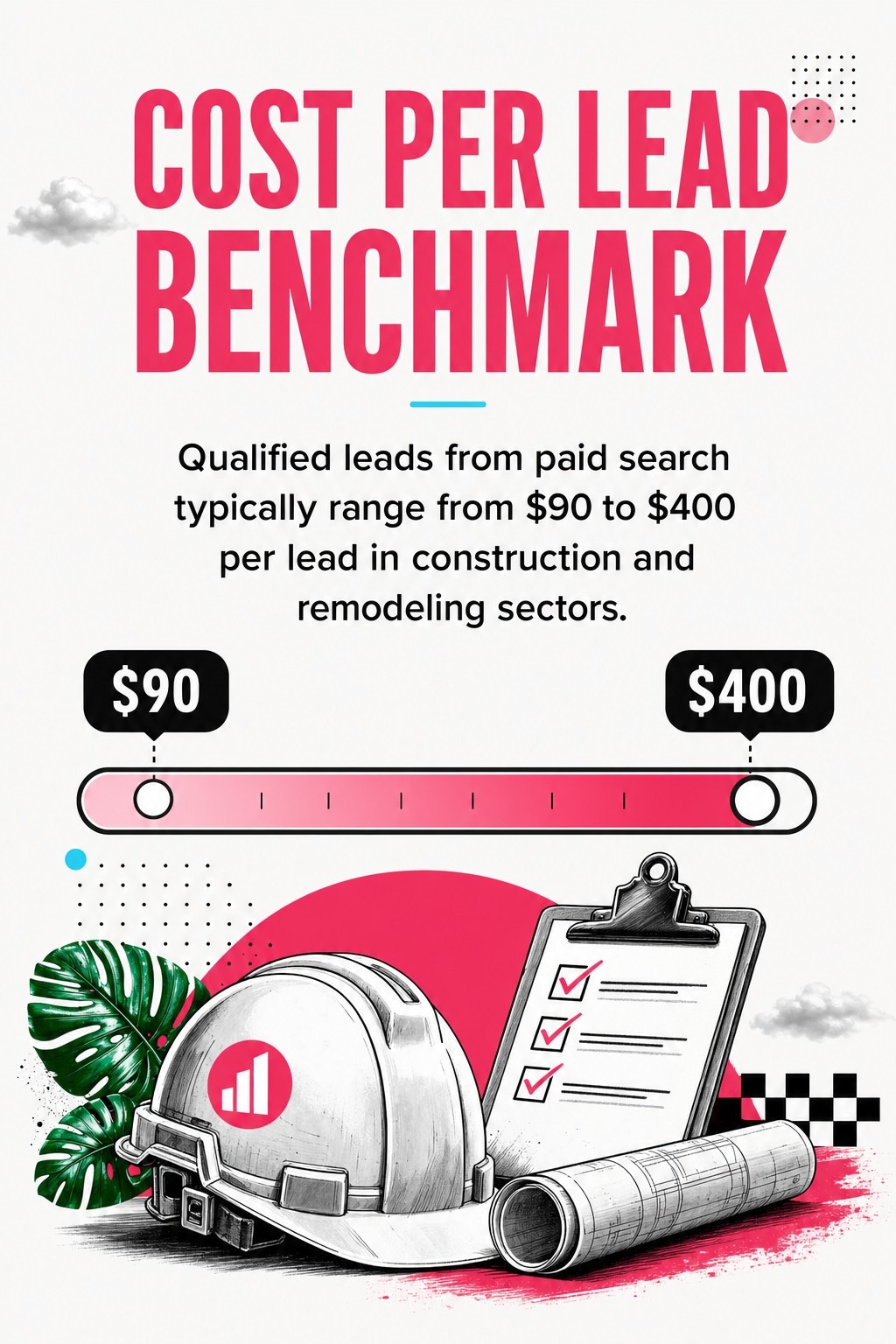
Qualified leads from paid search typically range from $90 to $400 per lead in the construction and remodeling sectors. Use that as your benchmark. If you're paying significantly less, you're probably attracting unqualified traffic. If you're paying significantly more, your targeting or landing pages need optimization.
Trade professionals filter out consumer-focused marketing instantly. They don't care about your brand story or your company values. They care about whether you can deliver the right products at the right time for the right price.
Your ad copy needs to speak their language. That means focusing on practical details, not marketing fluff.
Your headline competes with 10-15 other ads for the same search. You have 30 characters to communicate why someone should click yours instead of the others.
Lead with specifics. "Commercial Door Hardware - In Stock" beats "Quality Door Hardware Solutions." The first headline tells me exactly what you have. The second tells me nothing.
Include delivery details when relevant. "Next-Day Delivery Available" or "Local Warehouse Inventory" addresses a primary concern for contractors working on tight timelines.
Use technical language when appropriate. Don't dumb down terminology for trade professionals. They search for "R-19 batt insulation," not "really good insulation." Match their language precisely.
Test competitor comparison headlines. "Looking for [Competitor Name] Alternatives?" captures high-intent buyers already evaluating options. Just ensure you can back up any implied superiority.
Your description lines provide supporting details. Use them to address objections and provide additional value.
First description line: Expand on your unique value. "Largest inventory in the region. Same-day pickup available." This reinforces your headline while adding concrete details.
Second description line: Include a clear call to action. "Request a quote online or call now to speak with our team." Tell them exactly what to do next.
Use ad extensions aggressively. Callout extensions highlight key features like "Free Delivery Over $500" or "Technical Support Included." Sitelink extensions guide users to specific product categories or resources.
Structured snippets work well for building products. Use them to list product categories ("Types: Hinges, Locks, Closers, Exit Devices") or service features ("Services: Quotes, Delivery, Installation Support").
Building materials demand fluctuates with weather and construction seasons. Your ad copy should reflect these patterns.
Spring and summer are peak construction seasons. Emphasize availability and fast delivery. "In Stock for Peak Season" or "Order Today, Deliver Tomorrow" addresses the urgency contractors feel during busy months.
Fall campaigns should focus on winter prep. "Winterization Supplies Available" or "Cold-Weather Products In Stock" speaks to seasonal needs.
Winter is planning season for commercial projects. Shift messaging toward early ordering and project planning. "Reserve Inventory for Spring Projects" or "2026 Project Planning Resources" targets forward-looking buyers.
Watch for regional variations. Construction seasons differ dramatically between warm and cold climates. Adjust your campaigns based on local weather patterns and building cycles.
Getting the click is step one. Converting that click into a qualified lead is where most building products campaigns fail.
Trade professionals have zero patience for generic landing pages. They need information fast. They want to know what you sell, whether you have it in stock, and how quickly they can get it.
Your landing pages need to answer those questions immediately.
Start with a clear headline that matches your ad. If your ad promises "Commercial HVAC Parts - Same Day Delivery," your landing page headline should reinforce that exact message. Don't surprise visitors with different content.
Show stock availability prominently. Trade professionals need to know you have what they need. Display real-time inventory status or indicate typical lead times clearly.
Include technical specifications upfront. Don't bury product details in accordion menus or secondary pages. Display key specs (dimensions, materials, ratings) in an easily scannable format.
Provide multiple contact options. Some buyers prefer phone calls. Others want to submit forms. Some like live chat. Offer all three, and make each option prominent.
Display trust signals that matter to B2B buyers. Trade organization memberships, manufacturer certifications, and years in business carry more weight than generic trust badges.
When someone clicks on a specific product ad, they need detailed information immediately. Create product landing pages that function as complete resources.
Include downloadable spec sheets. Trade professionals need technical documentation they can save and share. Make PDFs easily accessible without requiring form fills for every download.
Show application examples. A roofer searching for "metal roofing panels" wants to see installation photos and recommended applications. Visual examples help buyers confirm they're looking at the right product.
List compatible products and accessories. Cross-selling works in B2B, but only when it's genuinely helpful. Show related items that buyers actually need for installation or application.
Address common questions directly on the page. "What's the lead time?" "Do you deliver to job sites?" "Is bulk pricing available?" Answer these before buyers have to ask.
When someone searches for "[product] suppliers in [location]," they're comparing multiple vendors. Your landing page needs to differentiate you quickly.
Lead with your strongest advantages. If you have the largest inventory in the region, say that first. If you offer next-day delivery, make it prominent. Don't hide your competitive edge.
Include customer testimonials from similar buyers. A contractor testimonial resonates with other contractors. An architect testimonial speaks to other architects. Match testimonials to your target audience.
Provide a catalog overview. Show the breadth of your product lines. Buyers often prefer suppliers who can provide multiple product categories to simplify ordering.
Make the next step obvious. "Request a Quote," "Schedule a Site Visit," or "Speak with Our Team" buttons should be impossible to miss.
Different keyword stages require different bidding approaches. Treating all keywords the same wastes budget on low-value clicks while missing high-value opportunities.
Manual bidding gives you the most control initially. Start here until you understand which keywords drive actual revenue, not just clicks or even leads.
Research keywords generate high traffic but low immediate conversions. Bid conservatively to maintain visibility without overspending.
Set max CPCs at 30-40% of your target cost per acquisition. If your goal is $200 per qualified lead, cap early-stage bids at $60-80. This keeps research traffic affordable while filtering out the most expensive clicks.
Monitor impression share rather than conversion rates. You want visibility during research, not immediate sales. Aim for 50-70% impression share on key research terms.
Adjust bids based on device and time. Desktop searches during business hours often indicate professional research. Mobile searches during evenings might be less qualified. Review device and time-of-day performance weekly.
Consideration keywords balance volume and intent. Bid more aggressively here while still controlling costs.
Set max CPCs at 60-70% of your target cost per acquisition. These searches generate qualified leads more consistently than research terms but still require some nurturing.
Watch quality score closely. Mid-stage keywords often have moderate competition but high relevance. Improving quality scores reduces CPCs and improves ad positions.
Use bid adjustments based on audience signals. Someone who previously visited your site deserves a higher bid. Use remarketing list bid adjustments of 20-50% to recapture previous visitors.
Purchase intent keywords justify aggressive bidding. These searches convert at the highest rates and generate the most valuable leads.
Set max CPCs at your maximum allowable cost per acquisition. If you can profitably acquire leads at $300, bid up to $300 on your highest-intent terms. Don't leave high-value traffic on the table.
Prioritize top ad positions. Position 1 or 2 matters more for bottom-funnel terms. Buyers ready to purchase click the first relevant option. Lower positions lose qualified traffic to competitors.
Monitor competitor activity closely. Bottom-funnel terms attract the most aggressive bidding. Watch for bid increases from competitors and respond strategically.
Test automated bidding once you have sufficient conversion data. Target CPA or Target ROAS strategies work well for bottom-funnel keywords when Google has enough historical performance to optimize effectively. You need at least 30 conversions in 30 days for automated bidding to work reliably.
Most paid search reporting focuses on last-click conversions. For building products, that's wildly misleading.
Remember the 200-day buying cycle. A contractor who clicks your ad in January might not convert until June. If you only track last-click conversions, you'll undervalue your early-stage campaigns and overspend on bottom-funnel terms.
Track assisted conversions in Google Ads and Analytics. This shows how often your ads influenced conversions without getting last-click credit.
View the conversion path report regularly. This reveals the typical sequence of touches before conversion. You might find that most buyers see your ads 3-4 times across different keyword types before finally converting.
Adjust your expectations by campaign stage. Early-stage campaigns should generate assisted conversions at 3-5x the rate of direct conversions. If they're not, your research keywords aren't reaching the right audience.
Use position-based attribution models. These give credit to both first-touch and last-touch interactions, reflecting the reality of long buying cycles. First touch gets you in the consideration set. Last touch closes the deal. Both matter.
Not all leads are equal. A request for a single door from a homeowner differs dramatically from a quote request for a commercial project requiring 200 doors.
Track lead value, not just lead volume. Connect your paid search data to your CRM. Calculate average order value by lead source. You might find that early-stage research campaigns generate fewer leads but higher average order values.
Monitor lead-to-sale conversion rates by campaign. Some keywords generate lots of form fills that never convert to sales. Other keywords generate fewer leads that close at higher rates. Optimize for closed deals, not clicks or even leads.
Measure time-to-conversion by keyword stage. Track how long leads from different campaigns take to close. This helps you forecast pipeline and understand which campaigns drive immediate vs. long-term revenue.
Each campaign stage needs different success metrics.
Review these metrics monthly at minimum. Long sales cycles mean weekly optimization makes less sense than it does for consumer products. Focus on monthly trends and quarterly performance.
I've reviewed dozens of building products paid search accounts. The same mistakes appear repeatedly. Here's what to avoid.
The biggest mistake is treating building products like consumer products. Your customers are professionals. They search differently, think differently, and convert differently than homeowners.
Use negative keywords aggressively to filter out consumer traffic. Add terms like "DIY," "how to install," "home depot," "lowes," and "best for homeowners." These searches rarely convert for wholesale suppliers or manufacturers.
Review search term reports weekly. Look for consumer-focused queries that triggered your ads. Add them as negative keywords immediately. This improves your quality scores and reduces wasted spend.
Many building products campaigns focus exclusively on bottom-funnel terms. They bid on "buy [product]" and ignore everything else.
This creates two problems. First, you're invisible during the critical research phase when buyers build their shortlists. Second, you overpay for bottom-funnel clicks because you haven't built any brand awareness.
Allocate budget across all three stages. Even 20% allocated to research terms significantly expands your reach and reduces your overall cost per acquisition.
Sending trade professionals to pages designed for homeowners kills conversions. Contractors don't care about "transform your space" messaging. They need specs, availability, and pricing.
Build dedicated landing pages for B2B traffic. Strip out consumer-focused content. Focus on technical details, bulk availability, and trade-specific services.
Construction demand varies dramatically by season. Running the same campaigns year-round wastes budget during slow periods and misses opportunities during peak seasons.
Increase budgets 30-50% during peak construction months (typically April-September in most regions). Scale back during winter when project starts decline.
Adjust keyword focus seasonally. Winter campaigns should target planning and specification terms. Spring campaigns should emphasize availability and delivery.
Many building products sales happen offline. A contractor calls your sales team after clicking your ad. An architect downloads a spec sheet and later specifies your product. These conversions don't show up in Google Ads without proper tracking.
Implement offline conversion tracking. Import phone call conversions from call tracking systems. Upload CRM lead data back to Google Ads. This gives you accurate performance data and improves automated bidding.
Search is changing faster than most building products companies realize. AI overviews, ChatGPT answers, and voice assistants are reshaping how trade professionals find suppliers.
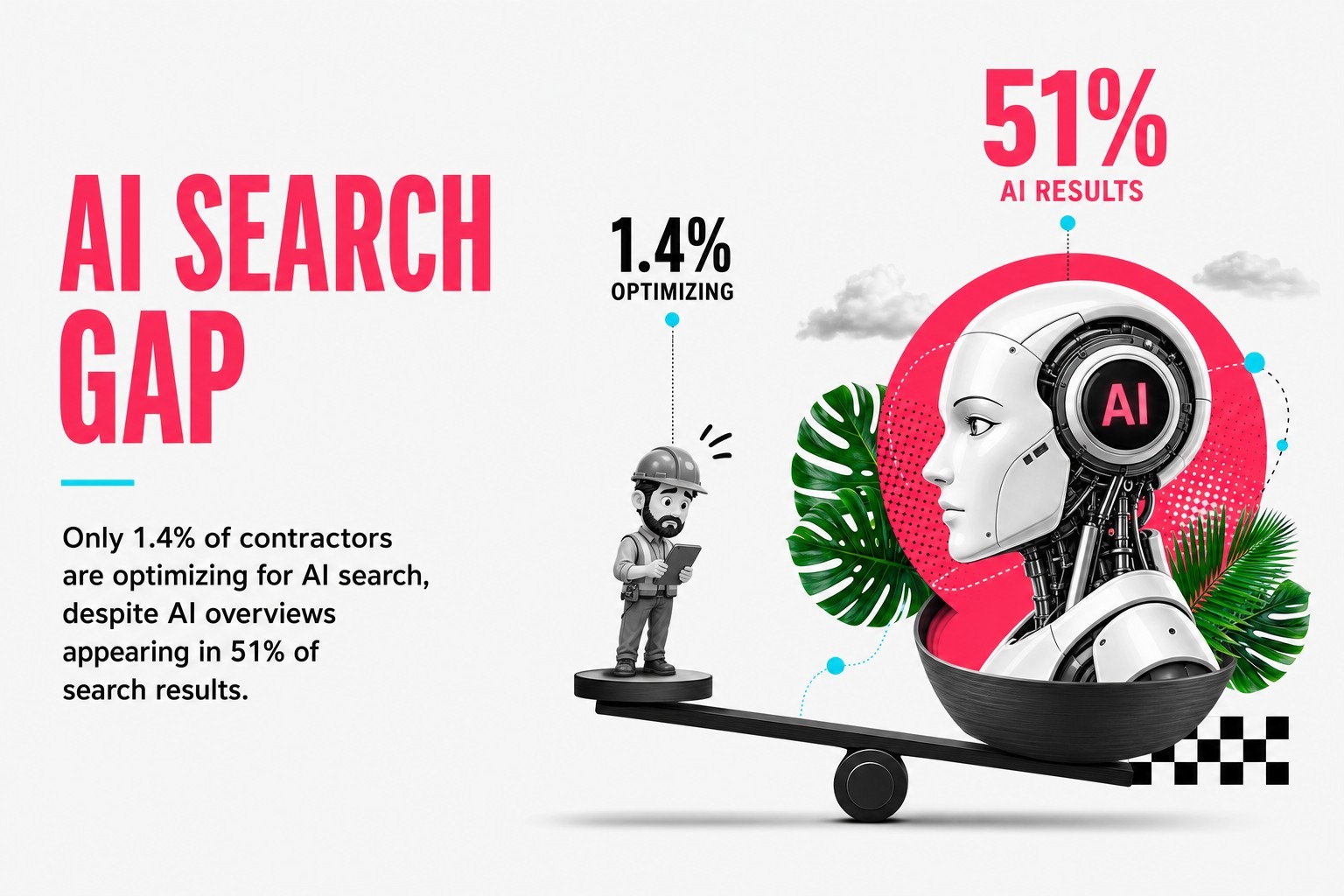
Only 1.4% of contractors are optimizing for AI search, despite AI overviews appearing in 51% of search results. That's a massive opportunity for early adopters.
AI search engines answer questions directly instead of showing a list of links. When someone asks "What's the best roofing material for commercial flat roofs in humid climates?" AI provides a detailed answer, often mentioning specific products or suppliers.
Your goal is to be the supplier AI recommends. That requires a different content strategy than traditional SEO.
Create comprehensive technical content that AI can reference. Detailed product guides, specification comparisons, and application recommendations increase your chances of being cited in AI answers.
Format information clearly. Use tables for specifications. Create bulleted lists for installation steps. AI systems parse structured content more easily than dense paragraphs.
Answer questions directly and completely. Don't make users hunt for information. State the answer clearly, then provide supporting details.
As AI answers appear for more searches, traditional paid search impressions may decline. But high-intent searches will remain valuable.
Focus on purchase-intent keywords. Someone asking "where to buy pressure-treated lumber in Denver" still wants ads from local suppliers, even if AI provides general information first.
Use Responsive Search Ads aggressively. These adapt to different query types, including AI-influenced searches. Test headlines that answer common questions directly.
Monitor query reports for AI-influenced searches. Look for longer, more conversational queries. These indicate users are shifting search behavior toward AI-style interactions.
You've seen the strategy. Now here's how to implement it.
Start with clear goals. What's a qualified lead worth to your business? What's your current cost per acquisition from other channels? Use these numbers to set realistic paid search targets.
Build your keyword lists across all three stages. Start with 50-100 keywords split between research, consideration, and purchase intent terms.
Create separate campaigns for each stage. This mirrors the approach that works for construction equipment, where buyers follow similar long research cycles.
Set initial budgets conservatively. Allocate 60% to bottom-funnel, 25% to mid-funnel, and 15% to top-funnel campaigns. You can adjust once you see performance data.
Build dedicated landing pages for your primary product categories. Focus on stock availability, technical specs, and easy contact options.
Write ad copy that speaks to trade professionals. Emphasize delivery, availability, and technical support rather than generic quality claims.
Set up conversion tracking carefully. Track form submissions, phone calls, and any other meaningful actions. Connect your CRM if possible to track closed deals.
Launch your campaigns with conservative bids. Start at 50-60% of your target CPCs. You can increase bids once you verify performance.
Review search term reports daily for the first week. Add negative keywords aggressively to filter out irrelevant traffic.
Watch for quick wins. Some keywords will generate immediate qualified leads. Identify these and increase bids to capture more traffic.
Analyze your first three weeks of data. Which campaigns are performing? Which keywords are driving qualified leads?
Reallocate budget toward winning campaigns. Don't be afraid to pause underperforming keywords, even if they seemed promising initially.
Add new keyword variations based on search term reports. You'll discover new ways buyers search for your products.
Begin testing ad copy variations. Try different headlines emphasizing various benefits (delivery speed, inventory depth, technical support). Data will show you what resonates most.
Paid search for building products requires patience. The long sales cycles mean you won't see full results for 90-180 days.
But the advantage compounds over time. Every research click builds brand awareness. Every consideration visit adds you to someone's shortlist. Every purchase conversion creates a potential repeat customer.
Focus on the fundamentals first. Map keywords to buyer stages correctly. Create landing pages that serve trade professionals. Track conversions accurately across the full buying cycle.
The opportunity is significant. Most building products suppliers still approach paid search like it's 2015. They bid on generic terms, send everyone to their homepage, and wonder why performance is disappointing.
You now have a different approach. Stage-specific campaigns. Technical landing pages. Long-term attribution modeling. This strategy matches how trade professionals actually search and buy.
Start with one product category. Build campaigns that work. Then expand to additional products using the same framework. The principles apply across manufacturing sectors, but the specific tactics matter most.
The contractors, architects, and procurement professionals are already searching. The question is whether they'll find you during their research phase or only see you when they're comparing quotes from your competitors.
Get your campaigns live. Start capturing those early research clicks. Build your presence across the full buying cycle. Three months from now, you'll see the difference in your pipeline.