
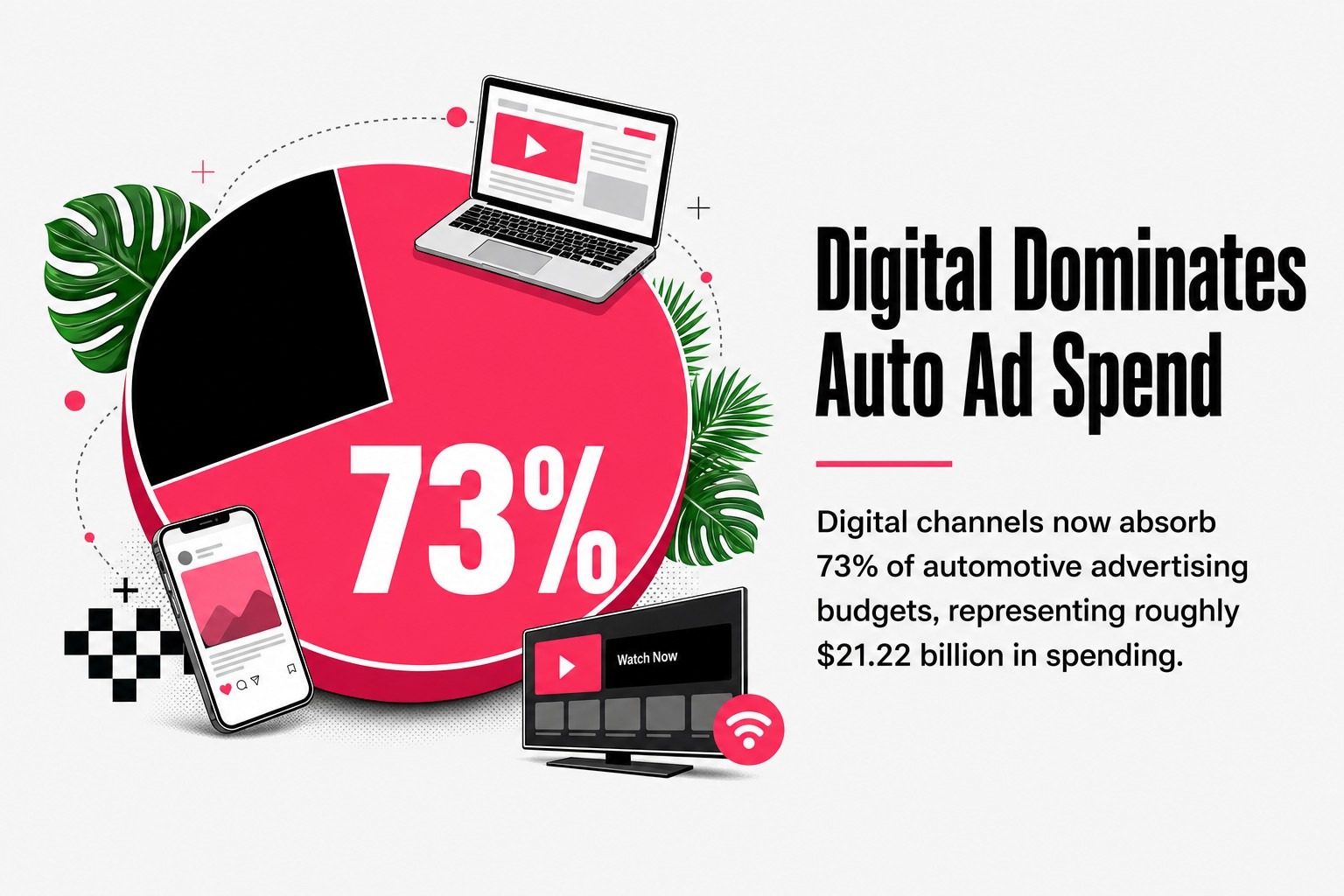
Automotive OEM advertising operates across three distinct tiers: Tier 1 national brand campaigns run by the OEM itself, Tier 2 regional campaigns coordinated by dealer associations, and Tier 3 local campaigns run by individual dealerships, often with OEM co-op funds covering up to 100% of eligible costs. Digital channels now absorb 73% of automotive advertising budgets, representing roughly $21.22 billion in spending, according to DemandLocal's automotive advertising analysis. The paid search piece of that budget targets three very different buyers: engineers sourcing parts specifications, dealers managing inventory, and fleet operators making volume purchase decisions under serious time pressure.
I run an ecommerce PPC agency focused on spec-driven industries, including automotive parts, one of the most technically demanding environments I work in. The OEM side is especially layered. You are not selling a single product to a single buyer type. You are running coordinated multi-channel campaigns across a funnel where the awareness stage might run on connected TV and the purchase stage closes on a parts VDP page. Getting those layers to talk to each other is where most advertisers leave money on the table.
Automotive OEM advertising refers to paid marketing campaigns run by or in coordination with Original Equipment Manufacturers to promote vehicles, parts, and services across national, regional, and local markets through a structured three-tier framework.
The Tier 1 level is pure brand and model awareness. Ford, GM, Toyota: these OEM campaigns run national buys across streaming video, CTV, display, and paid search to build consideration before a buyer ever visits a dealership page. Tier 1 sets the floor for brand equity.
Tier 2 is where regional dealer associations pool their budgets. A group of Toyota dealerships across the Pacific Northwest, for example, might run coordinated digital advertising campaigns targeting in-market buyers within their shared DMA. Tier 2 campaigns typically combine paid search, social media, and programmatic display at a regional scale that individual Tier 3 dealers cannot match alone.
Tier 3 is the dealership level. Individual dealers run their own paid search and social campaigns, often drawing on OEM co-op advertising funds. According to Cox Automotive, co-op funds can cover up to 100% of eligible advertising costs depending on the OEM program. That is a significant budget opportunity most dealers underuse.
For automotive OEM advertising to work at all three tiers, the creative, targeting, and messaging need to stay coordinated. Tier 1 builds awareness. Tier 2 captures regional consideration. Tier 3 closes the local purchase. Break that chain anywhere and you are paying for brand equity that your dealership network fails to convert.
Today's car buyer completes the majority of the purchase decision online before setting foot in a dealership, with 92% of automotive consumers researching online and spending an average of 14 hours 19 minutes on their digital buying journey, according to DemandLocal's vehicle purchase decision research.
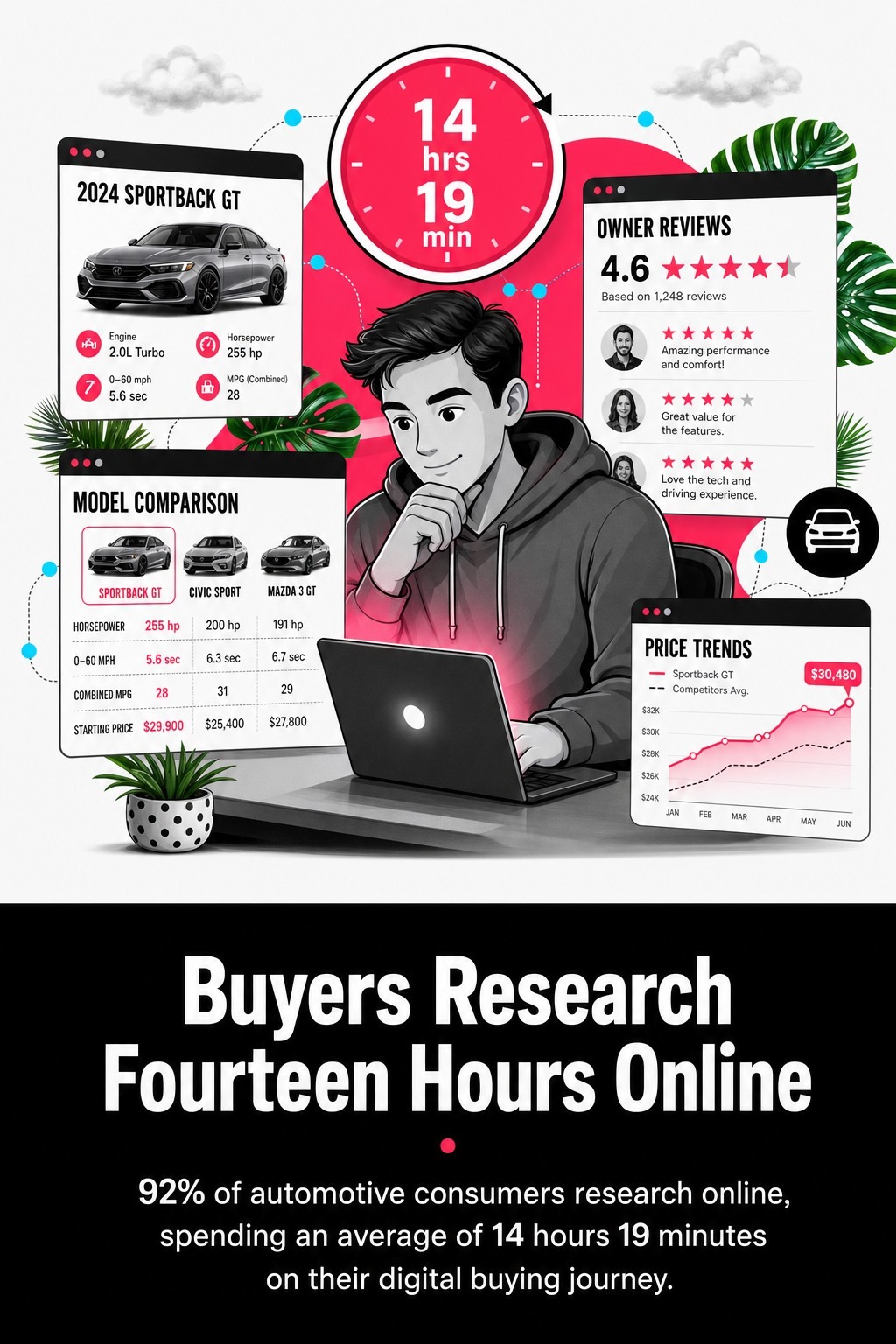
That 14-hour figure deserves some attention. It is not casual browsing. Buyers are comparing specs, reading reviews, watching video walkthroughs, and checking third-party platforms like Autotrader and KBB before a dealer even knows they exist. Cox Automotive's buyer journey study confirms that new-vehicle buyers are increasingly bypassing automaker and dealer websites in favor of these third-party platforms. If your OEM paid search strategy does not include presence on those platforms, you are missing buyers mid-consideration.
The AI dimension is newer and worth tracking. In 2025, one in four new-vehicle buyers used AI tools during their shopping journey, per Autotrader's 2025 car buyer journey trends report. That number will grow. And in the B2B segment, 6sense's 2025 buyer experience research found that B2B buyers define their purchase requirements 83% of the time before speaking with a vendor. Engineers speccing parts and fleet managers evaluating vehicles have already done their research by the time your paid search ad appears. Your copy needs to meet them at that point in the journey, not try to start it.

For automotive OEM advertising, this means the awareness and consideration stages cannot be afterthoughts. A buyer who has spent 14 hours researching is not going to convert on a generic "visit our dealership" call to action. They need specific, relevant information matched to where they are in the funnel.
Automotive OEM advertisers face rising paid search costs, shrinking click-through rates, and a buyer pool increasingly shaped by external economic pressures including tariff anxiety and an aging vehicle fleet that changes purchase motivations significantly.
The cost picture is getting tighter. The average CPC for automotive paid search sits at $3.13, a 3.3% increase over the prior year per LocalIQ's automotive search advertising benchmarks. Cross-industry CPCs hit $2.96 in Q1 2026, up 12% from the same period in 2025, according to Ryze's Google Ads cost benchmarks for 2026. You are paying more per click and competing against more advertisers for the same searches.
The CTR trend is uncomfortable. Average CTR for automotive search ads dropped 5.56% overall, with 58% of automotive businesses seeing a CTR decrease, according to Invoca's automotive marketing statistics report. More clicks are going to AI Overviews and organic positions. Your automotive OEM advertising budget has to work harder for the same traffic.
Then there is the vehicle age factor. The average vehicle in the U.S. is now nearly 13 years old, a record, per LocalIQ's benchmark data. That drives repair and parts demand. And it is meaningful for OEM parts advertisers specifically: buyers driving older vehicles are actively searching for OEM-grade replacements, not aftermarket alternatives. If your Tier 3 dealership campaigns are not targeting parts and service intent, you are missing a high-converting segment. The repair, service and parts subcategory still posts a 14.67% conversion rate on Google Ads according to WordStream's 2025 Google Ads benchmarks. That is strong. Use it.
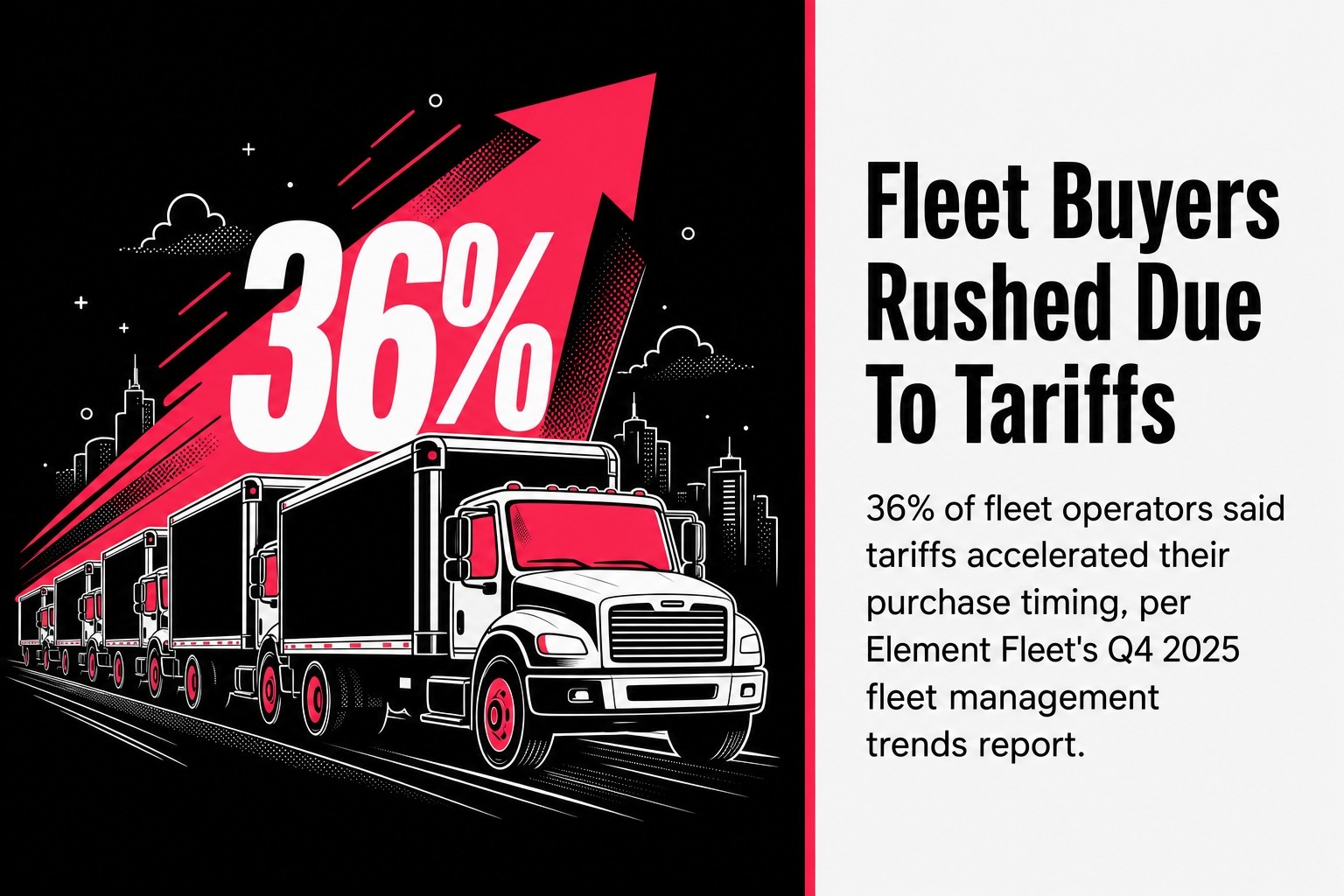
On the fleet side, economic uncertainty is reshaping timing. Element Fleet's Q4 2025 fleet management trends report found 36% of fleet operators said tariffs accelerated their purchase timing. Urgency-driven buyers convert differently. Your fleet-targeted campaigns need messaging that addresses timeline concerns directly, not just specs and pricing.
Effective automotive OEM advertising combines multi-channel paid campaigns with funnel-stage targeting, ensuring that Tier 1 awareness, Tier 2 regional consideration, and Tier 3 local purchase intent each receive channel-appropriate messaging and budget allocation.
Start with your funnel mapping. Awareness campaigns belong on CTV and streaming video, where OEM brand and model-level storytelling reaches in-market buyers before they start active searches. Connected TV placements have become a standard tool in Tier 1 and Tier 2 automotive marketing because they reach buyers during lean-back viewing time, before the 14-hour online research phase even begins.
Paid search covers the consideration and purchase stages. Structure your campaigns around three distinct audience types:
Retargeting ties the funnel together. Buyers who visited a VDP page or viewed a model-level ad on a third-party platform like Autotrader are warm. Retargeting those visitors with paid search and display ads keeps your OEM brand present through the consideration stage. Behavioral targeting based on vehicle research signals from programmatic data sources extends that reach to net-new prospects showing similar patterns.
For OEM co-op advertising campaigns, geotargeting at the DMA level is standard at Tier 2 and essential at Tier 3. A dealership running local paid search campaigns without DMA-level geotargeting is paying for clicks from buyers who will never show up.
For a deeper look at how this translates to the parts and aftermarket side specifically, this breakdown of OEM vs. aftermarket automotive marketing strategy is worth reading alongside your campaign planning.
OEM co-op advertising programs allocate funds to dealers based on sales volume or program participation, and accessing those funds requires compliance with OEM creative guidelines, certified vendor requirements, and submission deadlines that vary by manufacturer.
Most dealers leave co-op funds unused. Not because the programs are complicated, but because the compliance process feels like extra work when you are also trying to run a store. It should not be treated as optional. Co-op funds can cover up to 100% of eligible advertising costs depending on the OEM program, which means every unclaimed dollar is a direct reduction in your automotive marketing efficiency.
The process for claiming co-op advertising funds typically involves four steps:
The certified OEM marketing vendor requirement exists for a reason. OEM-approved vendors understand the co-op submission process, the creative compliance rules, and the reporting requirements that trigger reimbursement. A non-certified vendor might run a better-performing campaign and still fail to qualify for co-op reimbursement because the submission does not meet program standards. That is an expensive mistake at Tier 3 scale.
The Autotrader B2B resource on co-op advertising and inventory management projects $12.5 billion in local automotive media spend in 2025, up 4.7% from 2024 per BIA Automotive Report 2025 data cited there. That is the competitive pool your dealership is drawing from. Co-op funds are your leverage in it.
Automotive OEM advertising campaigns perform best when paid search, programmatic display, social media, and connected TV operate as a coordinated multi-channel system rather than separate line items, with each channel assigned to the funnel stage it converts most efficiently.
Channel by channel, here is how the stack works for OEM automotive marketing:
Paid search is the highest-intent channel. Buyers typing "2023 F-150 OEM brake pads" or "fleet vehicle pricing program" are ready to act. Average CPL for automotive paid search is $32.79 per WordStream's 2026 Google Ads benchmarks, which is workable for high-value vehicle and fleet transactions. Structure campaigns by audience type: engineer searches, dealer searches, and fleet searches require separate ad groups and landing pages.
Programmatic display and retargeting handle the middle of the funnel. Programmatic buys let you reach buyers based on behavioral signals: vehicle research, model comparison activity, and third-party platform visits. Retargeting keeps your OEM brand in front of high-intent visitors who did not convert on first contact.
Connected TV and streaming video are the Tier 1 and Tier 2 tools. CTV placements run OEM model-level campaigns to targeted households, combining the reach of traditional broadcast with the precision of digital audience targeting. CTV cannot be directly retargeted from a paid search click, but it builds the brand familiarity that makes paid search ads more likely to convert when the same buyer sees them later.
Social media runs throughout the funnel. Model launch awareness, dealer event promotion, and retargeting audiences all have social applications. For OEM parts and service campaigns, social ads targeting vehicle-owner audiences by make and model can surface repair and maintenance needs to buyers who have not yet started active searching.
Third-party automotive platforms like Autotrader and KBB deserve their own budget line. Buyers use these platforms actively during the consideration stage, and OEM advertising placements there intercept buyers at a high-intent moment. Editorial content sponsorships and VDP takeovers on these platforms extend OEM reach to buyers who are bypassing manufacturer and dealership websites.
For a closer look at how this channel strategy applies across manufacturer categories, the paid search strategy guide for manufacturers covers the B2B and B2C overlap in a way that maps directly to OEM campaign planning.
Automotive OEM advertising ROI measurement requires tracking metrics across the full funnel, from brand awareness impressions at Tier 1 to cost-per-lead and VDP view rates at Tier 3, with each tier assigned KPIs appropriate to its conversion role rather than a single blanket metric.
The Tier 1 metrics are reach-based: impressions, frequency, brand lift, and share of voice. These do not convert directly to sales, and trying to hold CTV campaigns to a cost-per-lead standard will produce bad decisions. Tier 1 success looks like growing brand awareness scores and increased search volume for model-level terms in your target markets.
Tier 2 metrics shift toward consideration signals: website sessions from target DMAs, VDP views, time on model pages, and third-party platform engagement. Regional digital advertising campaigns at Tier 2 should be measured against local market share data and dealership traffic trends, not just click metrics.
Tier 3 is where direct conversion tracking applies. Cost-per-lead, cost-per-appointment, and cost-per-sale are measurable at the dealership level. The 2026 WordStream benchmarks show that the For Sale category saw a CVR decrease of 22.56% year-over-year. That is a meaningful shift. If your Tier 3 dealership campaigns are showing declining conversion rates, the first question is not "are we spending enough?" It is "are we reaching the right audience with the right message at the right funnel stage?"
For OEM co-op advertising specifically, the measurement layer includes compliance reporting. OEM programs track eligible spend and require documentation that matches approved campaign types. Build your reporting setup before you spend, not after, or you will be reconstructing campaign data for a reimbursement claim under time pressure.
Fleet and B2B automotive parts marketing ROI requires a longer attribution window. 6sense's B2B buyer research found that in 95% of cases, B2B buyers purchase from one of the four vendors on their Day One shortlist. Getting on that shortlist through paid search visibility during the early research phase is the entire game for fleet-targeted campaigns. The conversion might happen weeks or months later. Your attribution model has to account for that.
Choosing a certified OEM advertising partner requires verifying OEM program approval, multi-channel capability across paid search, programmatic, CTV, and social, and a track record managing co-op fund compliance for dealerships at Tier 2 and Tier 3 levels.
OEM approval is non-negotiable. A vendor who cannot submit co-op advertising claims through your OEM's approved partner portal is not a vendor for this context, regardless of their general PPC capability. Ask for documentation of current OEM certifications before any other conversation.
Beyond compliance, assess the vendor's multi-channel fluency. Automotive OEM advertising is not a single-channel job. A partner who is strong on paid search but unfamiliar with programmatic audience targeting or CTV campaign structure will push your entire budget toward the channel they know. That is a budget allocation problem disguised as a strategy recommendation.
Reporting transparency matters enormously for co-op fund management. Your OEM will want documentation of ad spend, creative compliance, and campaign performance before releasing reimbursements. A certified vendor should produce that documentation as a standard deliverable, not a custom request.
For dealerships targeting specific trade audiences like body shop owners or service technicians, audience targeting expertise is a specific capability to evaluate, not just a general claim. The guide to targeting body shops and technicians through digital marketing covers the audience-specific approach in detail.
One more thing worth stating plainly: the best certified OEM marketing vendors are not the ones who promise the lowest CPL. They are the ones who understand that a Tier 1 CTV campaign and a Tier 3 paid search campaign serve completely different roles in the same funnel. A vendor who collapses all three tiers into a single cost-per-lead target will optimize for the metric and ignore the strategy.
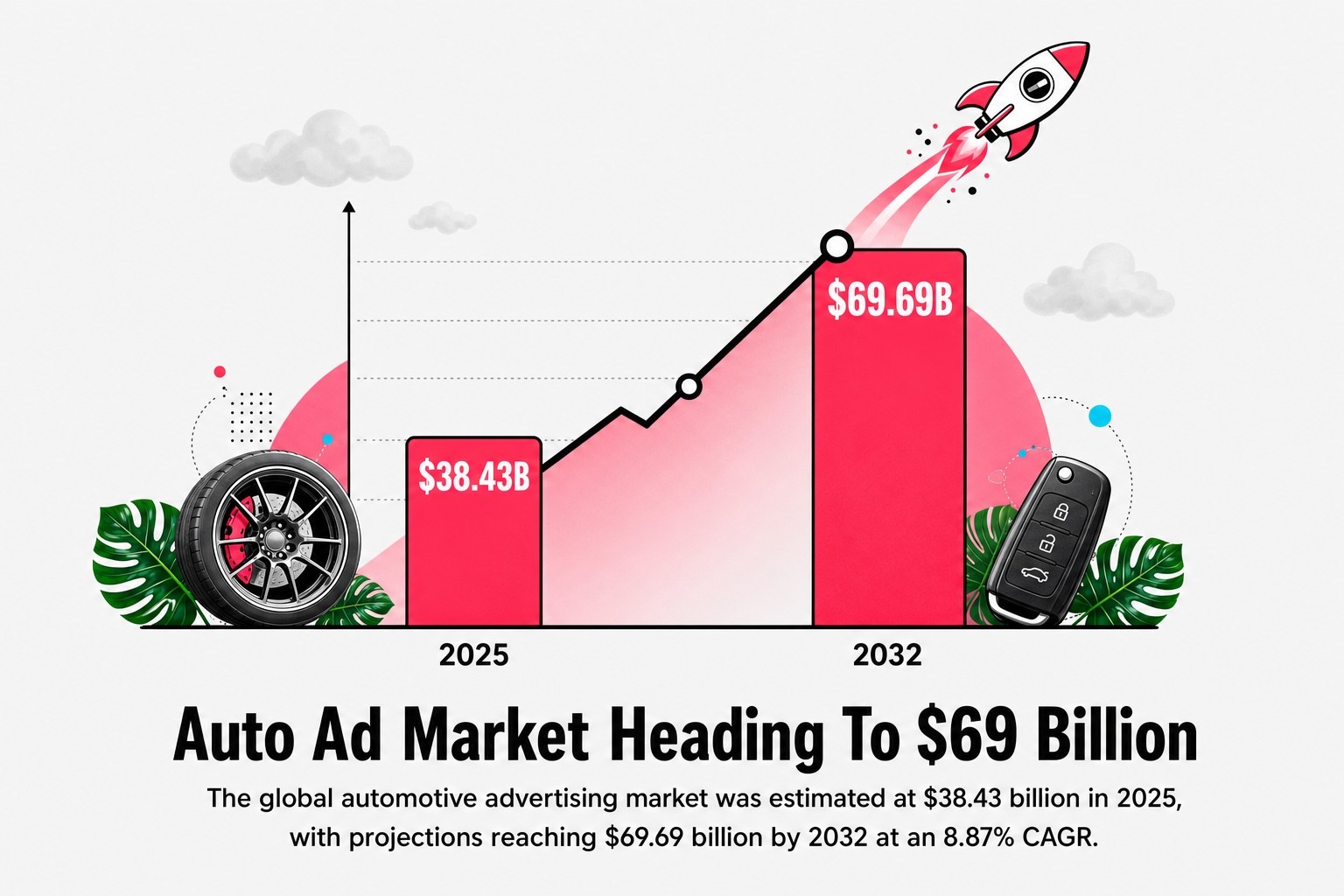
The global automotive advertising market was estimated at $38.43 billion in 2025, with projections reaching $69.69 billion by 2032 at an 8.87% CAGR per 360iResearch's automotive advertising intelligence report. That growth means more competition, higher CPCs, and more pressure on every dollar of OEM advertising spend. Choosing the right certified partner is not an administrative decision. It is a competitive one.
If you are mapping out the full OEM digital marketing picture, the automotive OEM lead generation guide covers the downstream conversion side of the same strategy in detail.
And if you’d like to read all of our auto content, we have an ultimate guide to auto parts marketing.
Automotive OEM advertising at its best is a coordinated system, not a collection of campaigns. Tier 1 builds the demand. Tier 2 captures it regionally. Tier 3 closes it locally with co-op-funded precision. Get those three tiers talking to each other across paid search, programmatic, CTV, and third-party platforms, and you have a structure that compounds. Leave any tier unconnected, and you are funding someone else's conversion.