
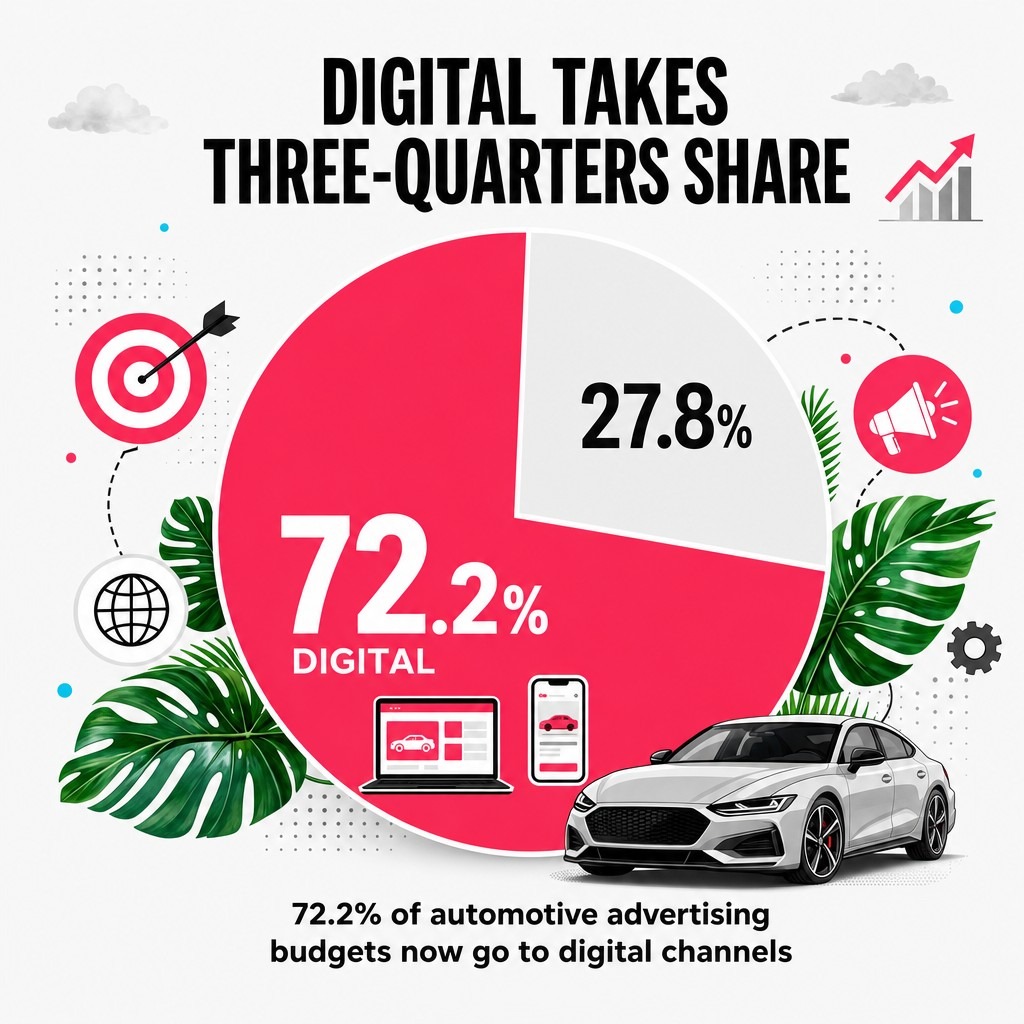
Automotive OEMs generate qualified RFQs by combining paid search targeting high-intent keywords with email nurture campaigns delivering $36-42 ROI per dollar spent. Digital channels now capture 72.2% of automotive advertising budgets because they compress decision cycles and formalize buyer intent faster than traditional outreach. Success depends on unifying engagement data across platforms, responding within minutes of inquiry, and building supplier credibility through video content that supports complex product evaluation.
I've watched dozens of automotive OEM suppliers struggle with the same problem: they're great at making parts, terrible at capturing digital demand. You're sitting on decades of engineering expertise and a product catalog buyers desperately need, but when someone searches for hydraulic brake components or engine management systems at 2 AM, they're finding your competitors instead.
The buying process changed. Procurement teams don't cold-call suppliers anymore. They research, compare specs, watch videos, and request quotes digitally before they ever pick up the phone. If your lead generation strategy still relies on trade shows and repeat customers, you're missing 72% of where buyers now spend their time.
This guide shows you how to build digital channels that actually generate RFQs worth responding to. We'll cover the platforms procurement teams use, the content formats that move buyers from research to request, and the response systems that convert inquiries into purchase orders. No fluff, no theory, just the tactics OEM suppliers use to fill their pipelines with qualified buyers.
The typical procurement journey starts with a problem, not a supplier. An engineer needs a component that meets specific tolerances. A purchasing manager gets tasked with finding three quotes for a production part. They don't start by calling vendors.
They start with search. Google, industry databases, AI-enabled supplier discovery platforms that surface qualified automotive suppliers across millions of verified vendors. They're looking for technical specifications first, then production capabilities, then price indicators.
Most OEMs lose buyers in this research phase. Your website lists products but doesn't explain tolerances. Your spec sheets require login access. Your case studies talk about partnerships without showing actual parts in use.
Buyers move through three distinct phases before they send an RFQ. First, solution identification: what type of component solves their problem? Second, supplier discovery: who manufactures this component to the required specs? Third, RFQs formalize the transition between solution evaluation and supplier selection.
Digital channels compress this timeline. A buyer who might have spent weeks identifying potential suppliers can now build a shortlist in an afternoon. That's good news if you show up in their research. It's catastrophic if you don't.
The suppliers winning RFQs understand one thing: buyers want to disqualify you quickly. They need reasons to remove vendors from consideration so they can focus on the real contenders. Make it easy to find your specs, see your capabilities, and understand your minimum order quantities upfront.
Paid search works for OEM lead generation when you target the right keywords. Not "automotive parts" or "brake components." Those searches cost $8 per click and convert at 0.3%.
Target part numbers. Target specific applications. Target buyer problems. Someone searching "hydraulic brake actuator automotive OEM" has intent. Someone searching "brake parts" is browsing.
Start with three campaign types. First, exact part number campaigns for components you manufacture. Second, application-specific campaigns like "electric vehicle battery housing manufacturers." Third, problem-solution campaigns targeting phrases like "high-temperature engine gasket suppliers."
Your best keywords come from three sources: your engineering documentation, buyer RFQs you've already won, and competitor websites. Pull the actual terminology buyers use when they describe components.
Build campaigns around specification ranges. If you manufacture bearings that handle 150-200°C operating temperatures, create ad groups for "high temperature bearing supplier 150C" and "automotive bearing 200 degree operating range."
Include material specifications in keywords. "Aluminum die cast automotive housing" converts better than "automotive housing" because it pre-qualifies the searcher.
Use negative keywords aggressively. Add "repair," "used," "refurbished," "how to," and "DIY" to your negative list immediately. You're not targeting mechanics or end consumers.
Every paid search click should land on a page that immediately confirms you manufacture what they searched for. Not your homepage. Not a product category page.
Create dedicated landing pages for each major product family. Include: technical specifications in a scannable table, material certifications, production capabilities (minimum and maximum order quantities), typical lead times, and a form to request detailed specs or submit an RFQ.
Add downloadable technical drawings or spec sheets. Make them available without requiring form fills. Buyers need to verify you're worth talking to before they'll give you their contact information.
Include application examples with photos. Show the actual parts you've manufactured, ideally in use or during production. Stock photos destroy credibility.
OEM buying cycles last months, sometimes years. A buyer researching suppliers today might not send an RFQ for six months. Email keeps you visible during that consideration period.
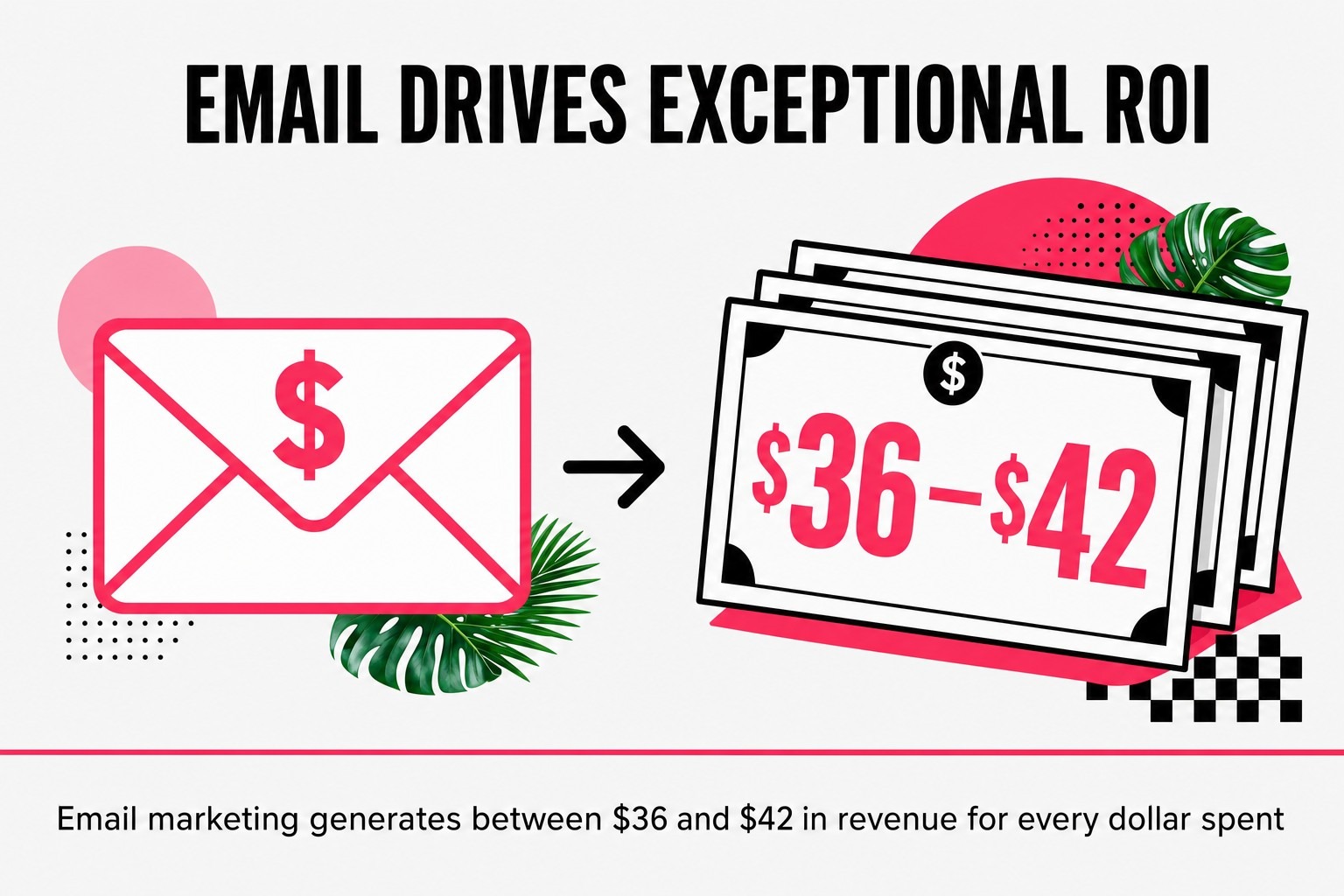
The ROI justifies the effort. Email marketing generates between $36 and $42 in revenue for every dollar spent across industries. For B2B manufacturing, where average order values run five or six figures, that multiplier makes email your highest-return channel.
But most OEM email campaigns fail because they send product catalogs instead of solving problems. Buyers don't need another PDF of your parts list. They need technical guidance on material selection, tolerance specifications, or production process comparisons.
Segment your email database by the applications buyers are researching. Someone looking for EV battery components shouldn't receive emails about internal combustion engine parts.
Tag subscribers based on: specific parts they've downloaded specs for, industries they work in (commercial vehicles vs. passenger vehicles vs. heavy equipment), their role (engineer vs. procurement vs. quality), and where they are in the buying cycle (researching vs. comparing suppliers vs. ready to request quotes).
Send application-specific content. A monthly email to your EV components list might cover new battery housing designs, thermal management considerations, or lightweighting case studies.
Build email sequences around buyer education, not product promotion. A new subscriber who downloaded your brake component spec sheet enters a sequence like this:
Each email provides value independent of whether they're ready to buy. You're building the technical credibility that gets you on the shortlist when they are ready.
Your website exists to answer one question: "Can this supplier manufacture what I need?" Most OEM websites make buyers dig through five pages to find the answer.
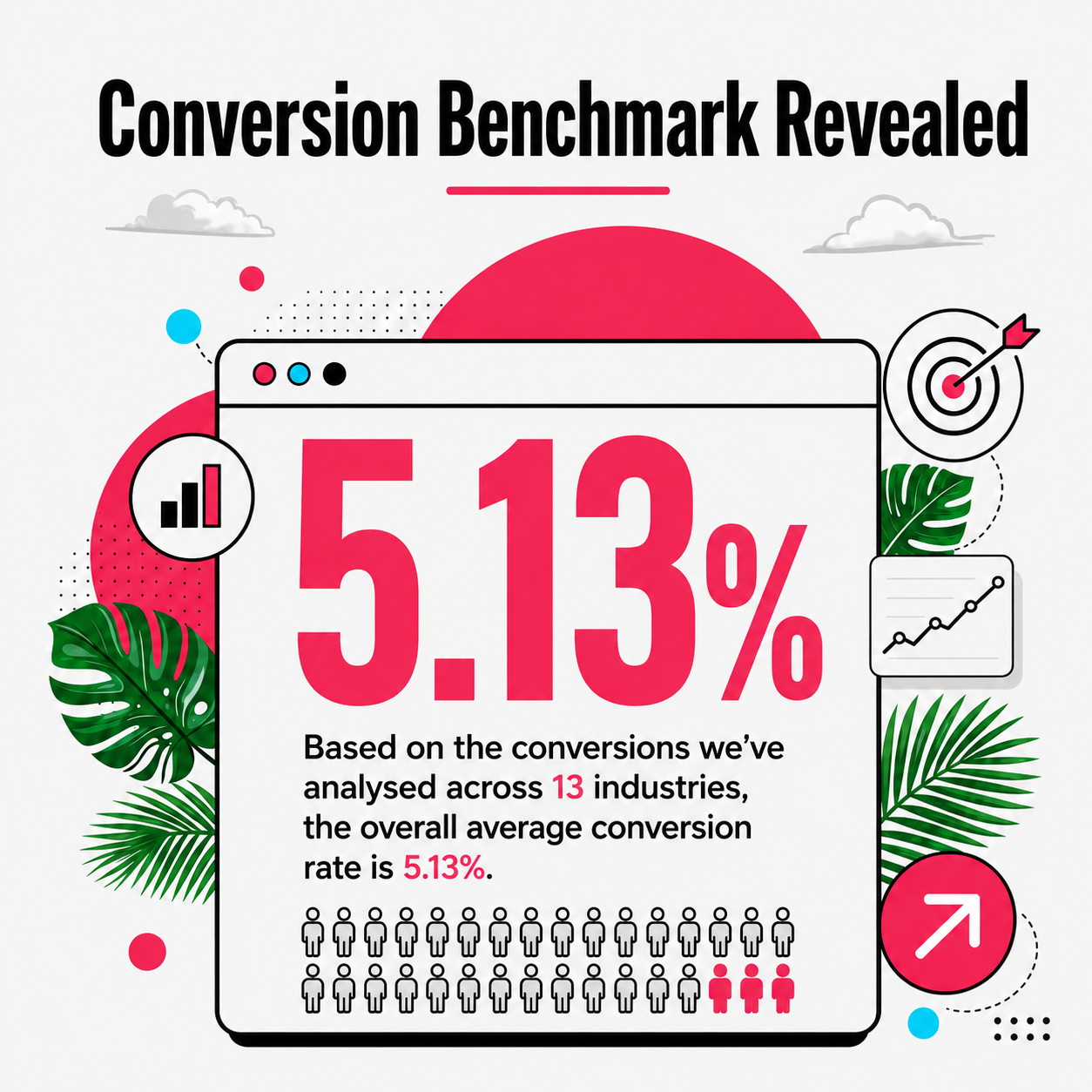
The average website conversion rate across thirteen industries sits at 5.13%. For B2B manufacturing sites with proper optimization, you should hit 4-6%. That means for every 100 qualified visitors, four to six should submit an inquiry or download detailed specifications.
Getting there requires stripping away the corporate brochure approach. Buyers need specs, capabilities, and contact methods above the fold.
Each product page should answer these questions within the first screen: What is this component? What applications is it designed for? What are the critical specifications (dimensions, materials, tolerances)? What certifications do you hold? What are typical lead times and MOQs?
Format specifications in tables, not paragraphs. Make them downloadable as PDFs. Include CAD files when possible.
Add application notes. A brief section explaining common use cases helps buyers self-qualify. "This actuator is designed for medium-duty commercial vehicle brake systems with operating pressures of 100-150 PSI" tells buyers immediately whether it fits their need.
Include multiple contact paths. Phone number, email address, RFQ form, and engineering contact all visible. Different buyers prefer different channels.
Your RFQ form balances two needs: collecting enough information to quote accurately, and keeping the barrier low enough that buyers will complete it.
Essential fields: company name, contact name, email, phone, component of interest, application description, quantity requirements, target delivery date, and any critical specifications or certifications required.
Optional fields: annual volume forecast, current supplier (if switching), budget range, drawings or spec sheets (file upload).
Keep it to one page. Multi-step forms increase abandonment. Make phone number optional. Some buyers won't provide it until after initial email contact.
Add a free-text field for additional details. Buyers often have specific questions or requirements that don't fit standard form fields.
Video serves a specific purpose in OEM lead generation: it proves you can actually manufacture what you claim. Buyers are skeptical. They've been burned by suppliers who overpromised and underdelivered.
A three-minute video of your production floor, showing actual parts being machined or assembled, builds more credibility than ten pages of marketing copy. Video helps B2B brands support longer sales cycles and complex products by making abstract capabilities tangible.
Create a 5-7 minute facility walkthrough showing your key production equipment and processes. Don't script it heavily. Have your production manager or quality engineer walk through, explaining what each area produces.
Show specific capabilities that differentiate you. If you have 5-axis CNC machines that handle tight tolerances, show them in operation. If you have automated quality inspection systems, show the process.
Include your team. Buyers want to know who they'll work with. Brief introductions to your engineering lead, quality manager, and customer service team humanize your company.
Create short (2-3 minute) videos demonstrating specific processes: "How we ensure +/- 0.001" tolerance on precision components," "Our quality inspection process for safety-critical parts," or "Material traceability from raw stock to finished component."
These videos answer questions buyers have but don't always ask. They reduce perceived risk by showing exactly how you'll manufacture their parts.
Embed videos on relevant product pages. Host them on YouTube for search visibility. Add them to email nurture sequences at the trust-building stage.
OEM sales cycles span months. A buyer who downloads a spec sheet in January might not send an RFQ until April and might not place an order until September. Without proper lead tracking, you lose deals to suppliers who stayed visible.
You need a system that tracks: every piece of content a prospect downloads, every email they open, every page they visit, every RFQ they submit, and every follow-up conversation your team has. This isn't optional. It's how you know when a lukewarm lead becomes hot.
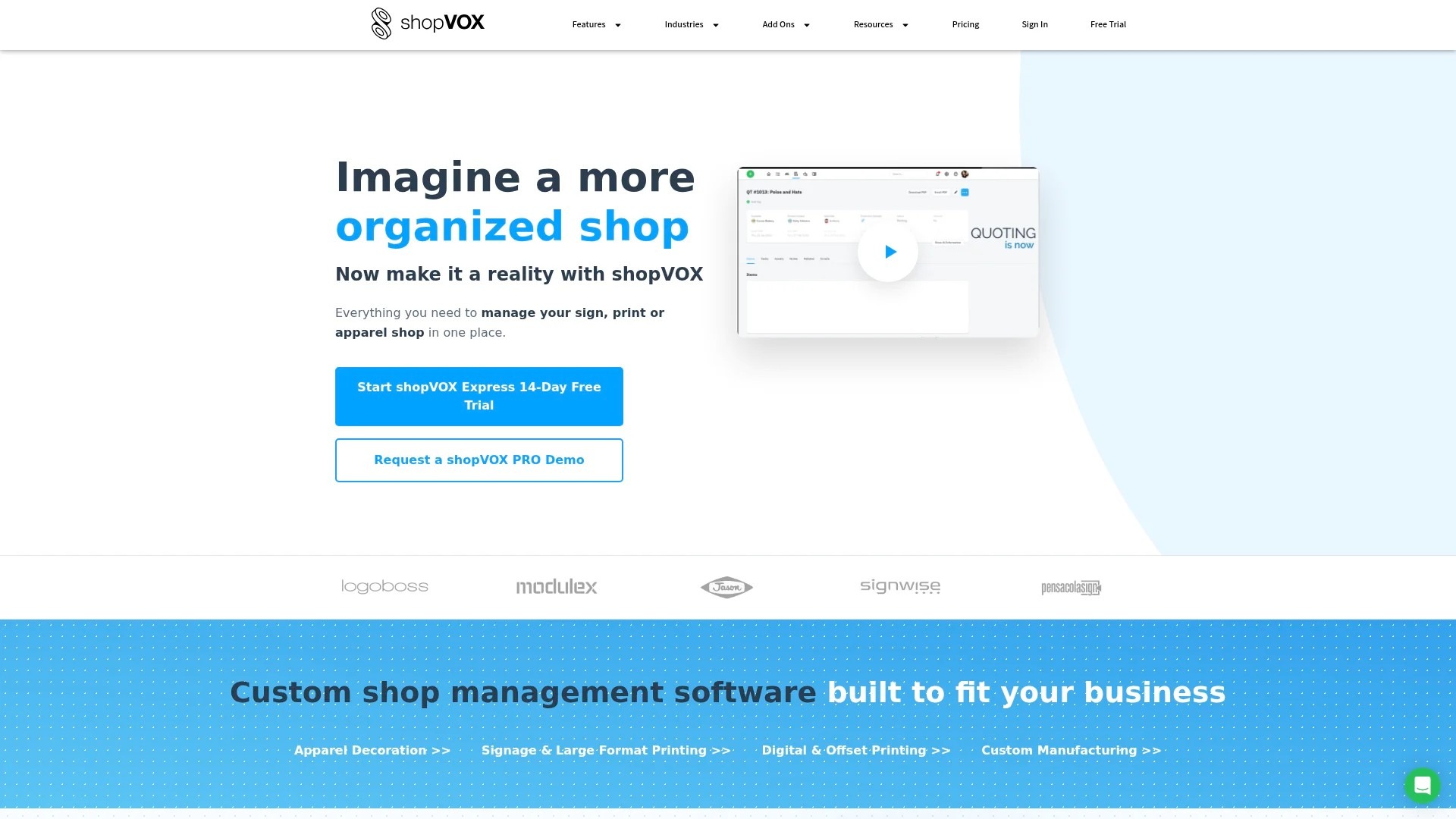
Modern platforms like Salesforce, HubSpot, or manufacturing-specific CRMs like ShopVOX unify this data. You see the complete buyer journey in one place.
Not all downloads are equal. Someone who downloads a generic brochure is less qualified than someone who downloads detailed CAD files for three different components.
Build a scoring system around engagement depth. Assign points for: visiting product pages (5 points), downloading basic spec sheets (10 points), downloading CAD files (20 points), watching production videos (15 points), submitting an RFQ (50 points), opening emails (3 points), clicking email links (7 points).
Set a threshold for sales follow-up. Anyone who hits 75 points gets a personalized email from your sales team. Anyone who hits 100 points gets a phone call.
Track engagement over time. A buyer who accumulates 120 points over six months is approaching a decision. That's when you push for a meeting or site visit.
Set up automated email sequences triggered by specific actions. When someone downloads a spec sheet but doesn't request a quote within 14 days, they receive an email with a relevant case study.
When someone starts an RFQ form but doesn't complete it, they get a follow-up email within 24 hours offering to help or answer questions.
When someone goes cold (no engagement for 90 days), they receive a "we've updated our capabilities" email highlighting new equipment, certifications, or product lines.
Keep the frequency reasonable. One email every 2-3 weeks for engaged prospects. One email monthly for cold prospects. Never more than twice per week regardless of engagement level.
Many buyers prefer suppliers within a specific geographic radius. Shorter shipping times, easier site visits, and regional economic incentives drive this preference.
If you manufacture in Michigan and a buyer in Ohio is searching for "automotive brake component manufacturer Ohio," you want to appear in those results even though you're technically in a different state. You're close enough to serve them effectively.
Claim and optimize your Google Business Profile. Select the correct business category: "Auto Parts Manufacturer" or "Industrial Equipment Supplier" rather than generic "Manufacturer."
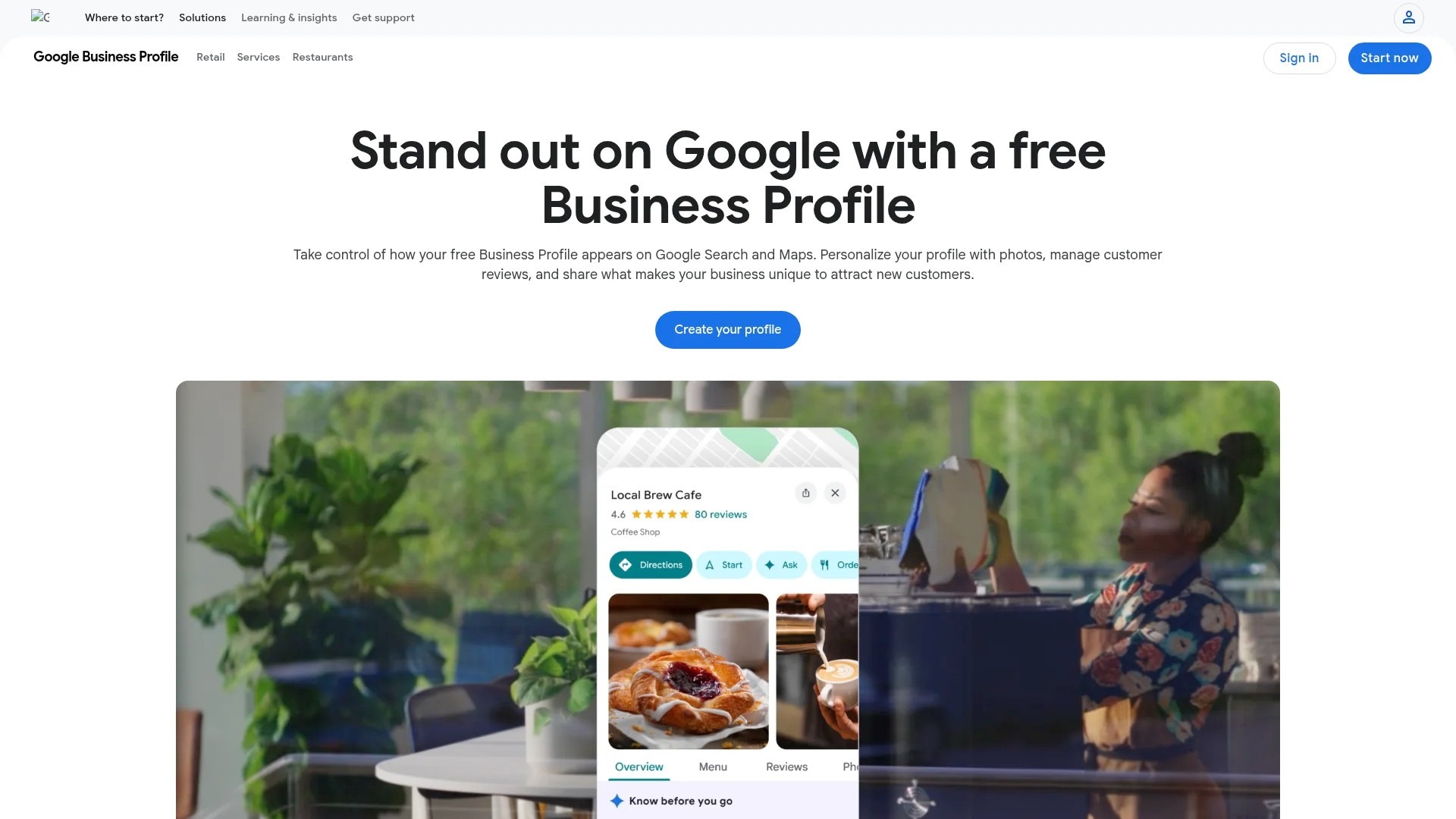
Add detailed business description focusing on specific capabilities: "Precision CNC machining of aluminum and steel automotive components. Specializing in brake system parts, engine components, and custom fabrication for OEM and Tier 1 suppliers."
Upload photos of your facility, production equipment, and finished products. Add new photos monthly to signal active business.
Collect and respond to reviews. Ask satisfied customers to leave Google reviews mentioning specific capabilities: "Excellent precision machining work on our custom brake housings" is more valuable than "Great company."
If you operate multiple facilities, create dedicated pages for each location. Don't just list addresses. Explain what each facility specializes in.
Include: facility-specific capabilities and equipment, certifications held at that location, key team members, typical lead times from that facility, and served industries and applications.
Add schema markup identifying each location, its services, and contact information. This helps search engines surface the right facility for geographically-specific searches.
LinkedIn works for OEM lead generation when you target the right people with the right message. Not InMail blasts to everyone with "Purchasing Manager" in their title. Focused outreach to people actively signaling they're in-market.
The signals: recent job changes to engineering or procurement roles, company expansion announcements, new product launches that require new suppliers, posts asking for supplier recommendations, or engagement with content about manufacturing challenges you solve.
Post content that showcases your technical knowledge. Write brief posts (150-200 words) about: tolerance challenges you've solved, material selection considerations for specific applications, quality control processes that ensure consistency, or production efficiency improvements you've implemented.
Include photos or short videos. A 30-second clip of a CNC machine producing a complex part gets more engagement than a text-only post.
Comment intelligently on posts from potential buyers. When an engineer posts about a manufacturing challenge, offer a specific, helpful response. You're building visibility with someone who might need your capabilities.
When you send a connection request, reference why you're reaching out. "I noticed your company recently announced expansion into EV component production. We specialize in precision battery housing manufacturing and thought it might be relevant" beats "I'd like to add you to my professional network."
After connecting, don't immediately pitch. Send a follow-up message offering a resource: "Thanks for connecting. I saw you're working on thermal management solutions. We published a technical guide on material selection for high-temperature applications. Happy to send it if relevant."
Move to phone or email after 2-3 message exchanges. LinkedIn is for initiating contact, not conducting sales conversations.
The average dealership now allocates 72.2% of advertising budget to digital channels, spending approximately $528,923 annually. OEM suppliers typically work with smaller budgets but should follow similar digital-first allocation.
For most OEM suppliers, companies allocate around 7.7% of revenue to marketing budgets. If you're generating $10 million in annual revenue, that's roughly $770,000 for all marketing activities.
Split that budget strategically across channels based on your current stage and goals.
If you're just building a digital lead generation program, allocate: 30% to paid search (Google Ads targeting high-intent keywords), 20% to website development and optimization, 15% to content creation (video, technical guides, case studies), 15% to email marketing platform and campaign development, 10% to CRM system and integration, and 10% to testing and optimization budget.
This split prioritizes capturing existing demand (paid search) while building the infrastructure (website, CRM) and content assets (video, guides) that support conversion.
Expect 6-9 months before you see consistent RFQ flow. You're building visibility with buyers who have long decision cycles.
Once you have baseline infrastructure and are generating leads consistently, shift to: 35% paid search (scaling what works), 25% content production (ongoing video, guides, case studies), 20% email marketing and automation, 10% website optimization and testing, and 10% emerging channels (testing new platforms or tactics).
The emphasis shifts from building infrastructure to scaling proven channels and continuously testing new approaches.
Speed kills competitors. The supplier who responds to an RFQ within 30 minutes has a dramatically higher win rate than the supplier who responds the next day.
Buyers interpret response speed as operational capability. If you take 48 hours to send a quote, they assume you'll be slow to deliver parts. Fair or not, that's the mental connection buyers make.
Set up automatic email notifications when RFQs are submitted. Route based on component type, application, or required capabilities.
A request for brake components goes to your brake component engineer. A request for custom fabrication goes to your engineering manager. A request for standard catalog parts goes to inside sales.
Use tools like Zapier to connect your RFQ form to Slack or Microsoft Teams. The entire team sees new requests instantly.
Set internal SLA: initial response within 2 hours during business hours. Even if you can't provide a complete quote that quickly, acknowledge receipt and provide a timeline for detailed response.
Not every RFQ is worth quoting. Some requests fall outside your capabilities. Some buyers are fishing for pricing with no intent to purchase. Some don't have realistic budgets or timelines.
Ask qualifying questions in your initial response: What's your target production start date? What annual volumes are you forecasting? Are you currently sourcing this component from another supplier? What certifications or quality standards must we meet? Do you have approved supplier status requirements?
These questions help you prioritize RFQs. A buyer planning production in 6 months with 50,000 annual units and a current supplier they're looking to replace is a serious opportunity. A buyer with no timeline, uncertain volumes, and no current supplier is a low-priority inquiry.
Some opportunities are too large to treat like inbound leads. When you're targeting a major automotive OEM or Tier 1 supplier, you need a coordinated campaign focused on that specific account.
Commercial vehicle OEM ABM strategies involve campaigns highlighting dealer support programs followed by personalized outreach. The same approach works for component suppliers targeting OEMs.
Identify 10-20 accounts that represent significant long-term opportunities. These should be companies: whose products require components you manufacture exceptionally well, whose production volumes justify the effort, who are expanding or launching new product lines, and where you have some existing connection or warm introduction path.
Research each account thoroughly. Understand their product roadmap, supply chain challenges, recent news, and key decision-makers in engineering, procurement, and supply chain.
Build a 90-day campaign for each target account. Combine: personalized email sequences to identified decision-makers, LinkedIn connection requests and engagement with their content, targeted display ads showing your relevant capabilities, direct mail sending physical samples or capability brochures, and invitations to facility tours or virtual capability demonstrations.
The goal isn't immediate conversion. It's building awareness and credibility so when they need a new supplier, you're on their shortlist.
Track all engagement centrally. Use your CRM to record every touchpoint, every response, and every insight learned about the account.
Most OEM suppliers track the wrong metrics. They measure website visitors, email open rates, and social media followers. None of those directly predict revenue.
Focus on metrics that connect to actual business outcomes: RFQ volume, RFQ-to-quote conversion rate, quote-to-order conversion rate, average deal size, and customer acquisition cost.
B2B funnel conversion rates fall roughly in the following ranges: lead to MQL at 25-35%, MQL to SQL at 13-26%, SQL to opportunity at 50-62%, and opportunity to closed-won deal at 15-30%. Track your performance against these benchmarks.
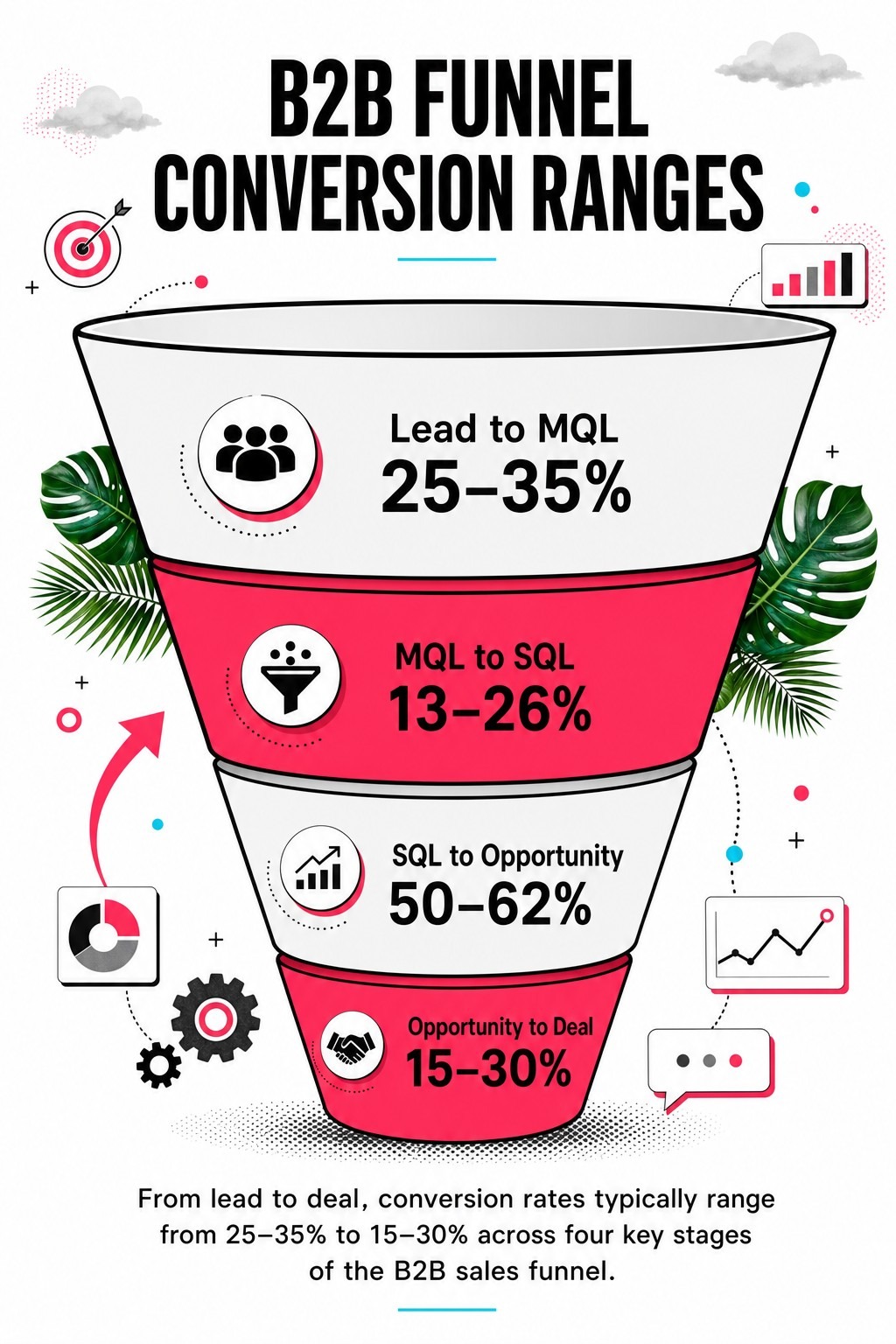
Calculate conversion at each stage: website visitors to leads (spec downloads or RFQ submissions), leads to qualified opportunities (RFQs meeting your capability and volume criteria), opportunities to quotes sent, quotes sent to orders received.
The stage with the biggest drop-off is where you focus improvement efforts. If you're converting visitors to leads at 6% (strong) but leads to opportunities at only 5% (weak), your problem is lead quality or qualification process.
Track how much you spend to acquire each new customer through each channel. The automotive sector (parts & dealerships) has an average CAC of $592, with observed ranges from $491 to $893.
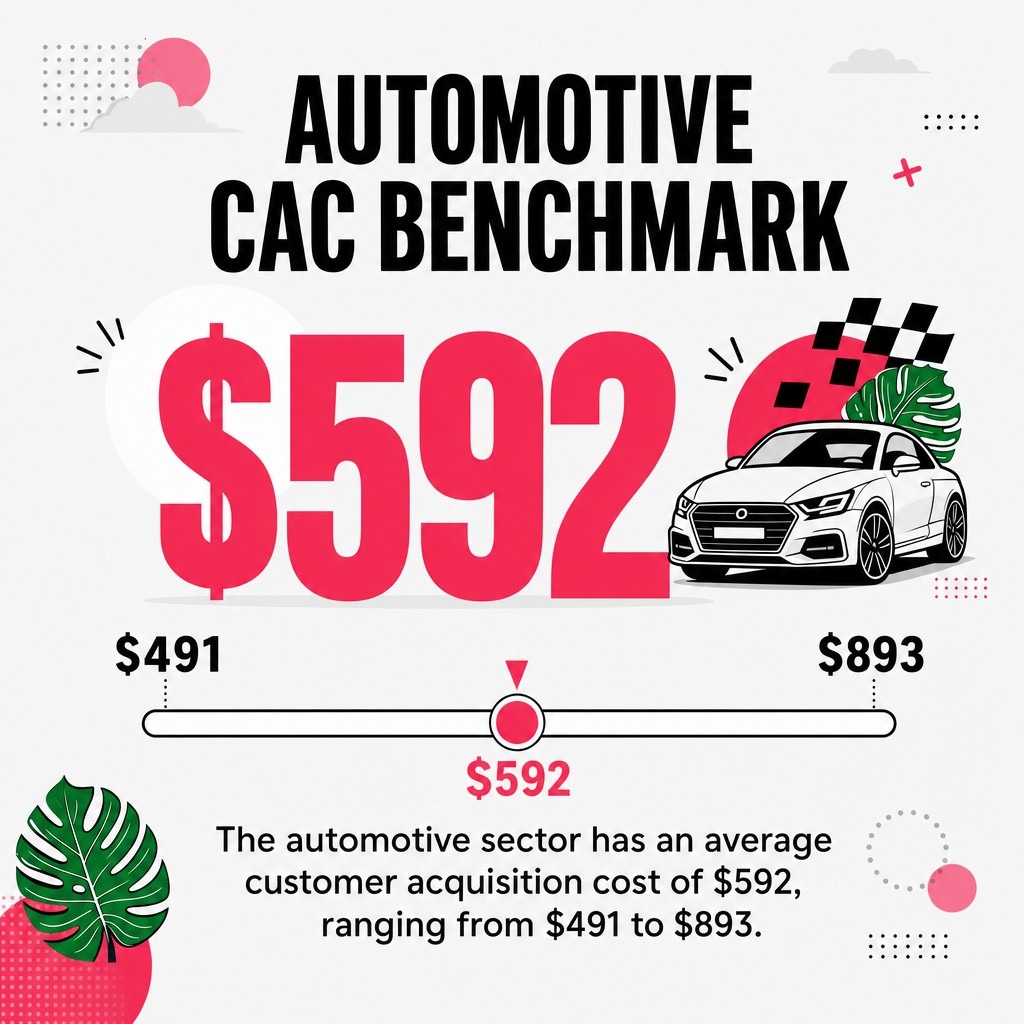
For OEM suppliers with much larger average deal sizes, your CAC will be higher. If your average first order is $75,000, spending $5,000 to acquire that customer is reasonable.
Calculate CAC by channel: total marketing spend on paid search divided by number of new customers acquired through paid search. Do the same for email marketing, content marketing, LinkedIn outreach, and trade shows.
Double down on channels with the lowest CAC and highest customer lifetime value. Cut or optimize channels with CAC exceeding acceptable thresholds.
You've just walked through the digital channels that drive RFQs for automotive OEMs. The suppliers winning consistent business combine strategic B2B lead generation tactics across paid search, email, website optimization, and video content.
Start with three priorities: get your product pages and RFQ process optimized (you need to convert the traffic you earn), launch targeted paid search campaigns for your highest-margin components (capture existing demand), and build an email database through gated technical resources (nurture long sales cycles).
Most OEMs wait until they need leads before they build these systems. That puts you six months behind competitors who invested earlier. The RFQ conversion tactics that work today require consistent execution, not one-time campaigns.
The buying process isn't going back to phone calls and trade shows. 80% of manufacturing executives plan to invest 20% or more of their improvement budgets in smart manufacturing initiatives. Your buyers are digital-first. Your lead generation needs to match.
Build your foundation now. Test channels systematically. Optimize what works. In twelve months, you'll have a predictable pipeline of qualified RFQs instead of hoping the phone rings.