

Material handling marketing works when you stop treating forklifts like consumer products. The companies I've worked with spend months stuck in generic B2B tactics, wondering why qualified leads never materialize.
The real problem? Most marketing agencies pitch you LinkedIn ads and content calendars without understanding that your buyers research for 6-9 months before contacting anyone.
When a warehouse manager searches for a new conveyor system, they're already halfway through comparing specs from three competitors. They know your product category. They need proof you understand their specific challenges.
This guide shows you how to build digital marketing systems for industrial equipment that generate purchase-ready leads, not tire-kickers requesting quotes they'll never act on. You'll learn how to position your material handling business as the expert in your niche, create content that speaks to technical buyers, and measure what actually drives revenue.
By the end, you'll have a framework for attracting logistics managers who already understand why they need your solution.
Material handling marketing focuses on promoting equipment and systems that move, store, and control products throughout warehouses and distribution centers. We're talking forklifts, conveyors, automated picking systems, and the dozens of specialized tools that keep supply chains running.
The distinction matters because generic B2B marketing assumes short sales cycles and emotional buying triggers. That's ecommerce thinking applied to industrial equipment.
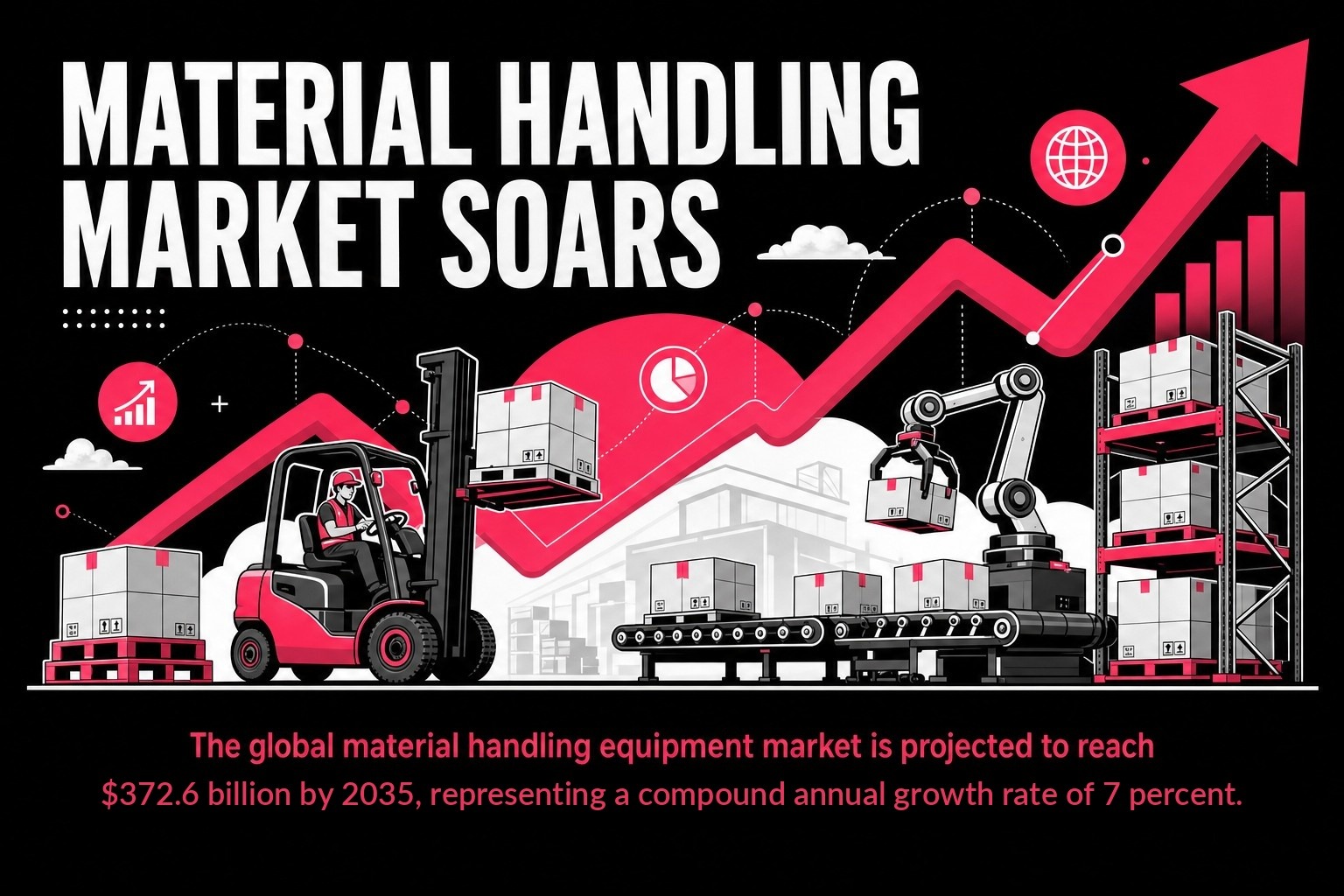
Your buyers are engineers and operations managers who need to justify ROI to multiple stakeholders. They're comparing technical specifications across vendors for months before initiating contact. The global material handling equipment market is projected to reach $372.6 billion by 2035, representing a compound annual growth rate of 7%.
That growth creates competition. More dealers means buyers have more options, which extends their research phase.
Most marketing advice treats all B2B sales identically. Post on LinkedIn twice per week. Run Google Ads. Send email newsletters.
None of that addresses the reality of material handling sales. A warehouse operator researching automated storage solutions isn't browsing LinkedIn for inspiration. They're reading technical documentation, comparing load capacities, and calculating payback periods.
Your marketing needs to meet buyers where they actually are, with content that answers their specific technical questions. That means detailed product specifications, application guides, and case studies showing measurable results.
Understanding who makes purchasing decisions changes how you structure your entire marketing strategy.
Operations managers care about efficiency and uptime. They need proof your equipment reduces bottlenecks and integrates with existing systems.
Procurement teams focus on total cost of ownership and vendor reliability. They want clear pricing, service agreements, and references from similar facilities.
C-suite executives approve large capital expenditures based on strategic alignment. They need to see how your solution supports their growth plans and competitive positioning.
Each buyer type researches differently and responds to different content formats. Your marketing needs to address all three simultaneously.
The automated material handling equipment market is projected to expand from $33.39 billion in 2025 to $51.22 billion by 2030. That acceleration creates both opportunity and competition.

Generalist marketing agencies don't understand the technical complexity or extended sales cycles in your industry. They'll burn your budget on tactics that work for software companies but fall flat with industrial equipment buyers.
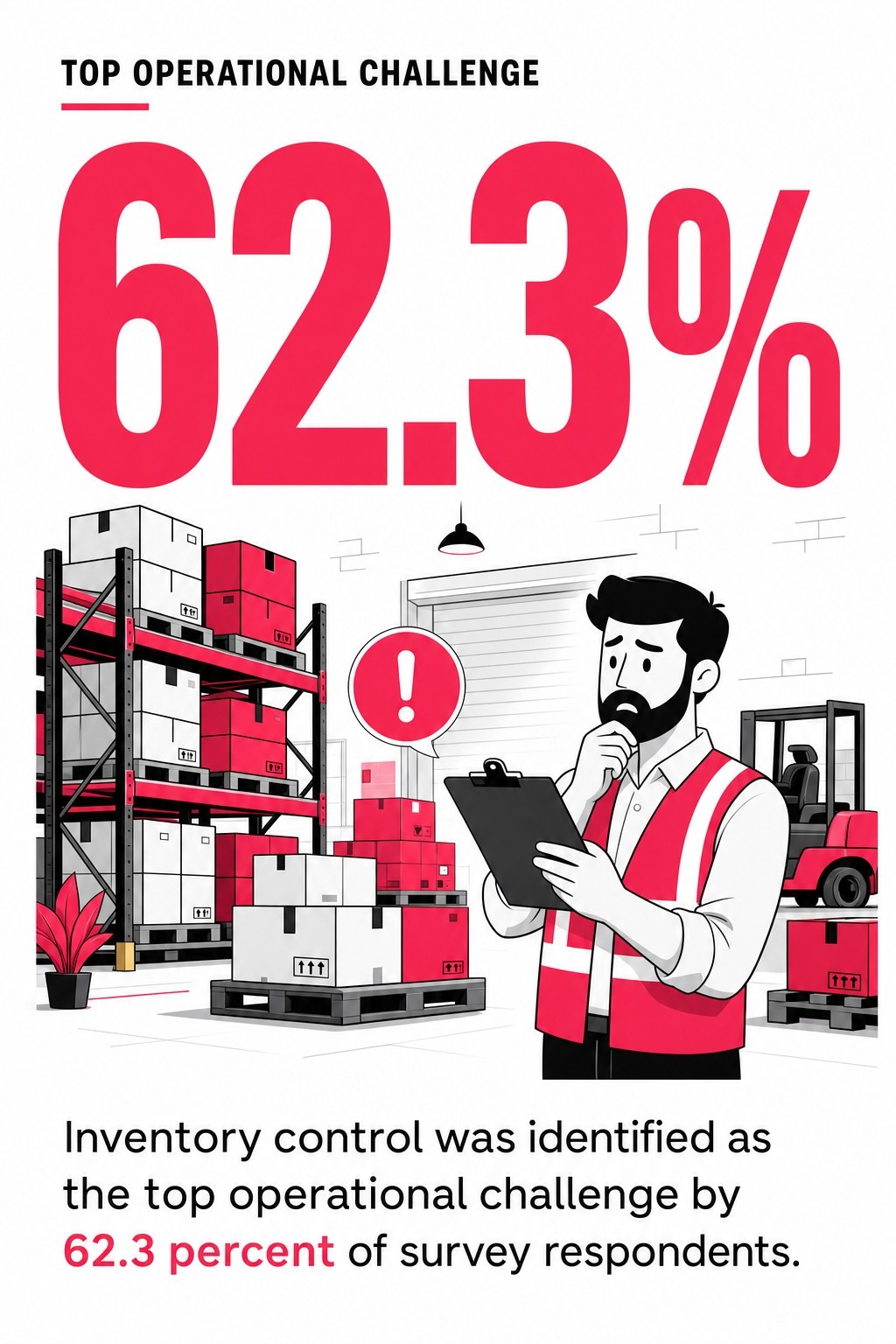
Specialized material handling marketing requires deep industry knowledge. Your agency needs to understand the difference between reach trucks and counterbalance forklifts. They need to know why inventory control was identified as the top operational challenge by 62.3% of survey respondents.
When I review marketing campaigns from generalist agencies, I see the same mistakes repeated. Generic "solutions" language that could apply to any industry. Stock photos of warehouses that don't match the actual application. Calls-to-action that ignore how buyers actually make decisions.
A logistics manager knows immediately when marketing content comes from someone without industry experience. They close the tab and move to a competitor who demonstrates real understanding.
Your marketing partner needs to write convincingly about load capacities, duty cycles, and integration requirements. They need to know which trade shows matter and which publications your buyers actually read.
Material handling equipment purchases involve multiple decision-makers and months of evaluation. That timeline demands nurture sequences most B2B marketers never build.
You need content for every research stage. Early awareness content that educates buyers on different solution categories. Middle-stage content comparing approaches and technologies. Late-stage content addressing specific implementation concerns.
Most agencies stop at awareness content because that's easier to produce. Then they wonder why leads never convert.
Effective material handling marketing combines multiple channels into a coordinated system. No single tactic generates qualified leads consistently. You need integrated campaigns that guide buyers through their entire decision process.
Lead generation for material handling companies starts with understanding what "qualified" means in your business. A warehouse manager requesting a quote for ten forklifts represents a different opportunity than a student researching equipment for a class project.
Your lead generation system needs to filter for buying intent. That means gated content requiring business email addresses. Forms asking about timeline and budget. Qualification sequences that identify decision-makers before sales gets involved.
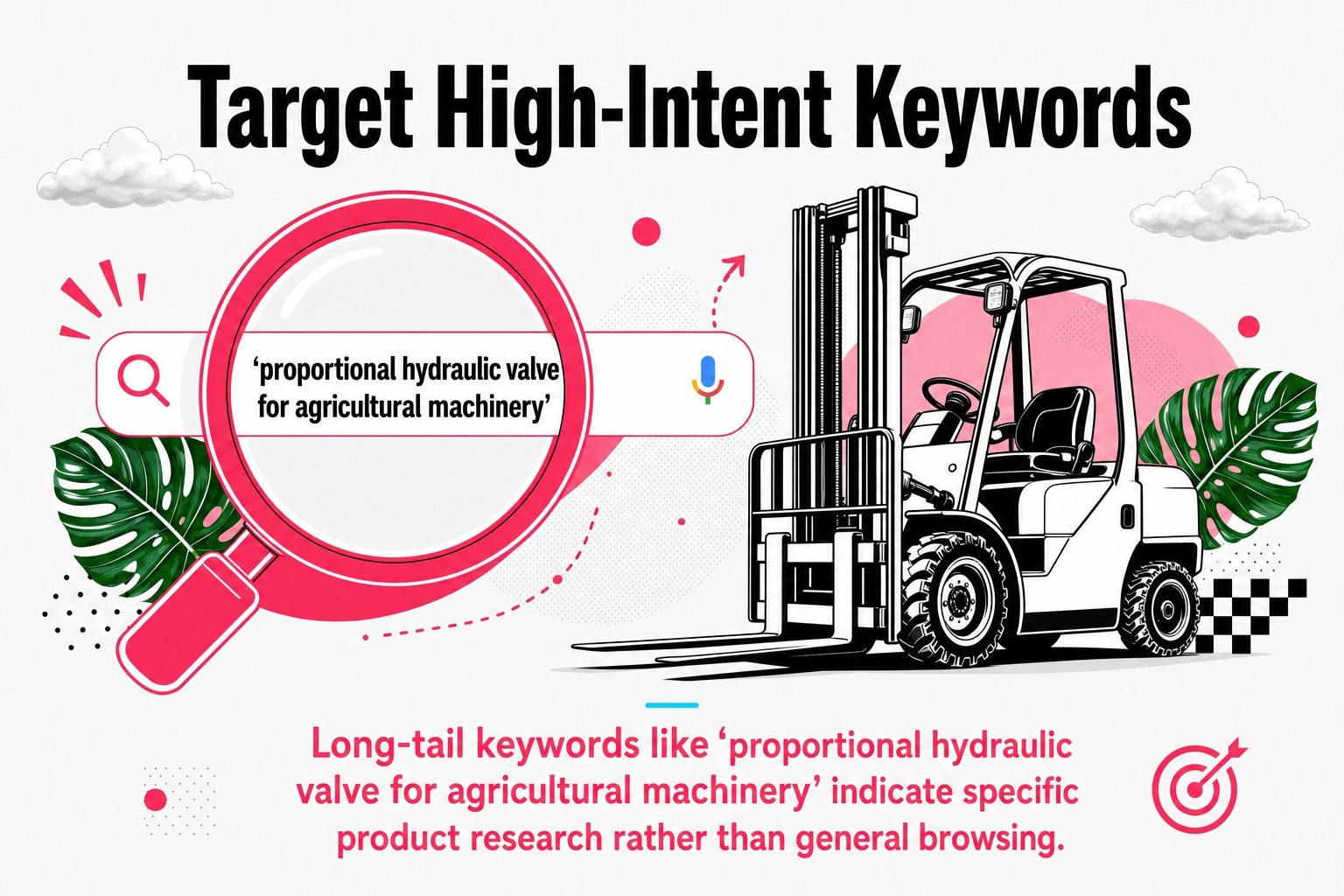
The tactics that work include targeted search campaigns for high-intent keywords. Long-tail keywords like "proportional hydraulic valve for agricultural machinery" indicate specific product research rather than general browsing.
Account-based marketing works exceptionally well for material handling companies. Account-Based Marketing treats each target account as a market of one, tailoring content and outreach for higher-value customers.
You identify your ideal customer accounts, then create personalized campaigns for each one. This approach makes sense when you're selling six-figure conveyor systems to a defined list of target facilities.
Your website needs to serve both human visitors and search engines. Most material handling websites fail at one or both.
Technical buyers expect detailed product information immediately accessible. Specifications, dimensions, load capacities, power requirements. If they can't find basic details within 30 seconds, they leave.
Search engines need clear information architecture and relevant content. That means dedicated pages for each major product category, application guides for different industries, and resource libraries answering common technical questions.
Mobile optimization matters more than most industrial companies realize. Operations managers research equipment during facility tours and trade show visits, using phones and tablets. Your site needs to deliver full functionality on small screens.
Search engine optimization in the material handling industry focuses on technical keywords and location-based queries. Someone searching "automated pallet racking Chicago" demonstrates immediate purchase intent.
Your SEO strategy should target three keyword types:
Content marketing supports SEO by creating resources that attract inbound links and establish topical authority. Application guides, industry reports, and technical comparisons earn links from industry publications and partner sites.
The complete approach to industrial manufacturing marketing requires consistent content production paired with technical optimization.
Content marketing for material handling companies means creating resources that demonstrate expertise and answer buyer questions. Educational content builds trust during the long research phase before buyers request quotes.
The content types that generate results include detailed application guides showing how to solve specific warehouse challenges. Technical comparison articles explaining differences between equipment categories. Case studies documenting measurable improvements after implementation.
Operations managers spot superficial content immediately. They need specifics, not marketing fluff.
Write application guides that address actual challenges. If you're targeting cold storage facilities, discuss temperature considerations, condensation management, and operator comfort in freezer environments. Those details prove you understand their world.
Technical comparison content works when it educates rather than sells. Compare different conveyor types objectively, explaining when each makes sense. Buyers appreciate honest guidance more than thinly disguised product pitches.
Video content showing equipment in operation builds confidence. Warehouse managers want to see how your conveyors handle their specific product types, at realistic speeds, in conditions similar to their facilities.
Original research establishes your company as an industry authority. Survey your customers about their challenges, analyze the results, and publish findings.
Industry benchmark reports comparing performance metrics across different facility types provide valuable data buyers can't find elsewhere. That makes your company the source others cite.
Data-driven content also attracts media coverage and inbound links, strengthening your SEO while building brand visibility among industry publications your buyers read.
MODEX is the largest manufacturing and supply chain event, featuring over 1,000 exhibits and 200 educational sessions. Events like this create concentrated opportunities to connect with qualified buyers actively researching solutions.
Trade shows work differently than digital marketing. Buyers attend specifically to evaluate equipment and meet vendors. Your challenge is standing out among hundreds of exhibitors while converting booth conversations into qualified leads.
Pre-show marketing determines who visits your booth. Email campaigns targeting attendees with personalized invitations work better than generic announcements.
Schedule meetings with key prospects before the show. If you're targeting specific accounts through account-based marketing, arrange dedicated time slots rather than hoping they stop by.
Social media campaigns announcing your presence and highlighting what you'll showcase generate awareness among attendees planning their schedules.
Your booth needs to demonstrate equipment capabilities in ways that engage passing attendees. Live demonstrations showing equipment handling actual products create stopping power generic displays lack.
Staff training matters more than booth design. Your team needs to qualify visitors quickly, identify decision-makers, and schedule follow-up conversations. Collecting business cards without qualification wastes sales time later.
Digital lead capture systems streamline the process. Scanning badges and adding qualification notes in real-time ensures you leave the event with actionable intelligence.
Most exhibitors fail at follow-up. They return to work overwhelmed and never contact the leads they collected.
Your follow-up sequence should start within 48 hours. Email every qualified lead with personalized messages referencing your booth conversation. Include the specific information they requested.
For high-priority prospects, schedule phone calls or facility visits within two weeks while your conversation remains fresh.
Paid search advertising works when you target high-intent keywords and create landing pages that convert industrial buyers. The key is understanding that clicks cost more in B2B industrial markets because lifetime customer value justifies higher acquisition costs.
Your Google Ads campaigns should focus on bottom-funnel keywords indicating immediate need. Searches like "buy reach truck" or "warehouse conveyor installation" show purchase readiness worth premium bids.
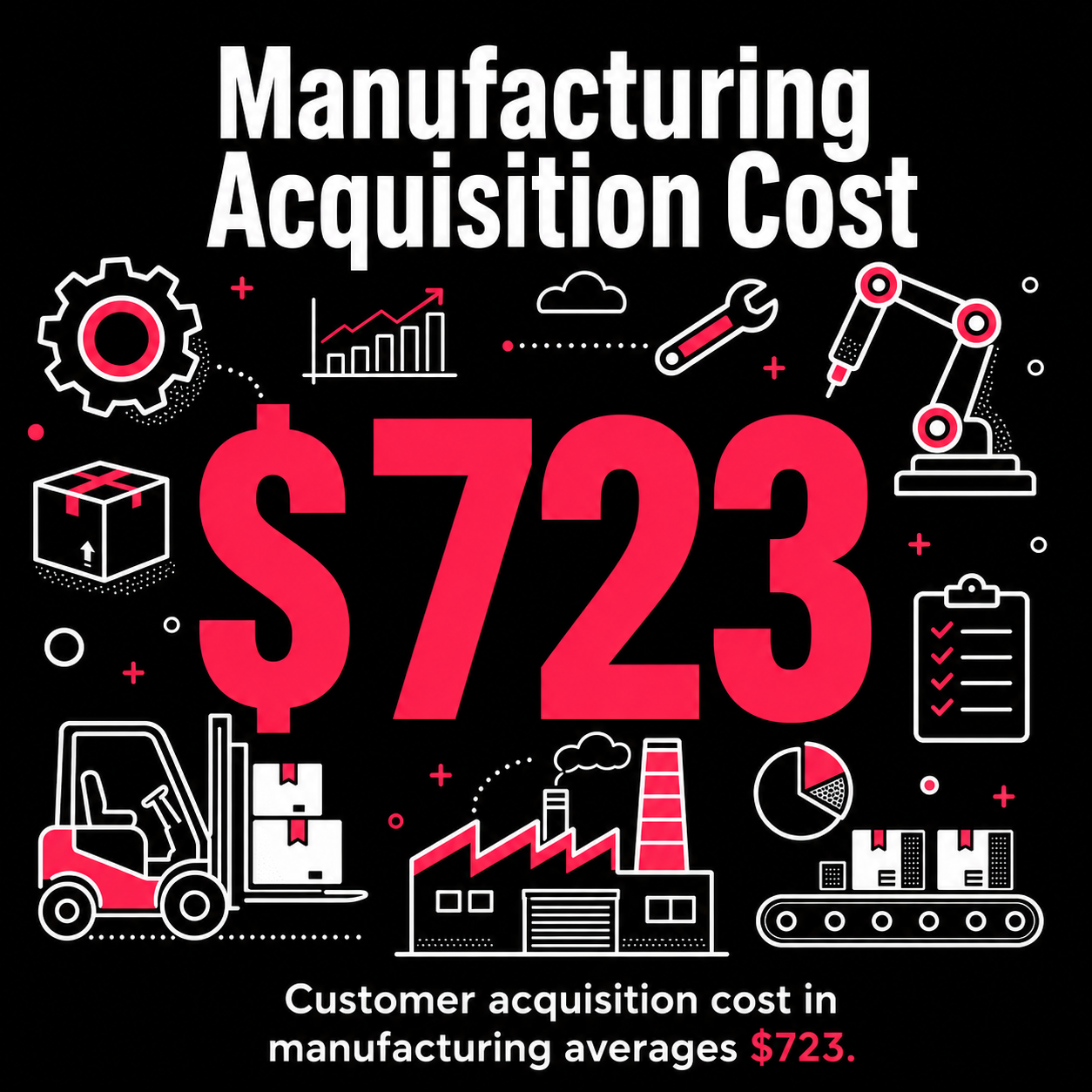
Customer acquisition cost in manufacturing averages $723. That number provides context for evaluating campaign profitability.
LinkedIn allows precise targeting of decision-makers by job title, company size, and industry. That precision makes it valuable for reaching operations managers and procurement teams at target accounts.
LinkedIn Lead Gen Forms reduce friction in the conversion process by capturing prospect information directly on LinkedIn. This eliminates the step of clicking through to a landing page, improving conversion rates for top-of-funnel content offers.
Your LinkedIn campaigns should promote educational content rather than direct sales messages. Operations managers don't browse LinkedIn looking to buy forklifts. They do download application guides that help them solve current challenges.
Retargeting keeps your brand visible during months-long evaluation processes. When a warehouse manager visits your site researching conveyor systems, retargeting ensures they see your ads as they continue researching elsewhere.
The strategy works because material handling purchases involve multiple site visits over extended timeframes. Staying visible throughout that journey increases the likelihood they contact you when ready to request proposals.
Segment your retargeting audiences by behavior. Someone who viewed product specifications deserves different messaging than someone who only read a blog post. Tailor your ads to their demonstrated interest level.
Email nurture sequences guide prospects through their decision process by delivering relevant content at each stage. Most material handling companies either skip nurturing entirely or send generic monthly newsletters that drive unsubscribes.
Effective nurturing means segmenting your database by interest area and engagement level. A logistics manager who downloaded your conveyor comparison guide needs different follow-up than someone who attended your automation webinar.
Segment your email list by product interest, company characteristics, and engagement signals. Large distribution centers have different needs than small manufacturing facilities. Their email sequences should reflect those differences.
Behavioral triggers create timely follow-up. When someone downloads a product specification sheet, trigger a sequence offering related case studies and scheduling a consultation call.
Engagement-based segmentation identifies your most interested prospects. Track who opens emails and clicks links consistently. Those engaged contacts deserve more frequent communication than cold prospects.
Your email sequences should progress from educational to commercial as prospects demonstrate readiness. Early emails focus on industry challenges and general approaches. Later emails introduce specific solutions and offer direct sales conversations.
A typical sequence for someone downloading an automation guide might include:
The progression feels natural because each email provides value while moving closer to a sales conversation.
Many material handling companies lack senior marketing expertise. They hire generalist marketers who don't understand industrial sales cycles, or they spread marketing responsibilities across sales and operations teams without dedicated leadership.
A fractional CMO provides strategic marketing direction without the cost of a full-time executive. This model works especially well for growing companies that need expertise but can't justify six-figure salaries yet.
Strategic planning creates your complete marketing roadmap. A fractional CMO analyzes your current position, identifies high-priority opportunities, and builds multi-channel campaigns that work together.
They manage agencies and vendors, ensuring your SEO partner, content writer, and advertising specialist coordinate efforts rather than working in silos. That coordination eliminates duplicated work and conflicting messages.
Performance measurement establishes accountability. Your fractional CMO tracks which channels generate qualified leads, calculates acquisition costs, and adjusts strategy based on actual results rather than assumptions.
Growth transitions often require marketing leadership. When you expand into new markets, launch new product lines, or shift from dealer networks to direct sales, strategic marketing guidance prevents expensive mistakes.
Companies spending over USD 10,000 monthly on marketing need someone ensuring that investment produces results. Without strategic oversight, budgets get wasted on tactics that don't connect to business objectives.
Team development becomes critical as you build internal marketing capabilities. A fractional CMO trains your team, implements processes, and establishes frameworks that continue working after their engagement ends.
Material handling companies often struggle measuring marketing effectiveness because their sales cycles extend across months and involve multiple touchpoints. Traditional attribution models designed for ecommerce fail to capture how B2B industrial buyers actually make decisions.
You need measurement systems that acknowledge reality. Leads might research for six months before contacting sales. They'll visit your website multiple times, download several resources, and interact with various campaigns before converting.
Tracking vanity metrics like website traffic and social media followers tells you nothing about marketing effectiveness. Focus instead on metrics directly tied to revenue generation.
Marketing qualified leads measure how many prospects meet your criteria for sales follow-up. Track both quantity and quality, monitoring what percentage actually convert to opportunities.
Pipeline contribution shows how much potential revenue your marketing generates. Connect leads to opportunities in your CRM, calculating the total value of deals influenced by marketing.
Customer acquisition cost divided by customer lifetime value reveals whether your marketing investment produces acceptable returns. If acquisition costs exceed first-year customer value, your campaigns need optimization.
Channel performance identifies which marketing tactics generate your best results. Compare lead quality and conversion rates across organic search, paid advertising, trade shows, and referrals.
First-touch attribution credits the initial interaction that brought someone into your database. Last-touch credits the final conversion action. Both oversimplify reality.
Multi-touch attribution distributes credit across all interactions. Someone might discover you through organic search, return via paid advertising, download a guide through email, then convert after a trade show conversation. All four touchpoints contributed.
The practical approach tracks all touchpoints without obsessing over precise credit allocation. Know which channels participate in successful conversions, then ensure you maintain presence across those channels.
Regular performance reviews identify optimization opportunities. Review your metrics monthly, comparing results against targets and previous periods.
When campaigns underperform, analyze why before making changes. Low conversion rates might indicate poor targeting, weak offers, or landing pages that don't address buyer concerns. Fix the actual problem rather than blindly tweaking tactics.
Test systematically. Change one variable at a time so you know what drives improvement. A/B test email subject lines, landing page headlines, and ad copy to continuously refine performance.
The insights from proper measurement guide strategy evolution. You'll discover which product categories attract the most interest, which content formats generate the best engagement, and which campaigns produce the highest-quality leads. Let that data shape your future marketing investments.
You now have the framework for attracting qualified buyers actively researching material handling equipment. The companies that succeed combine technical credibility with consistent multi-channel presence throughout long buying cycles.
Start by auditing your current marketing against this guide. Which components are you missing? Where are you investing in tactics that don't match how your buyers actually research and purchase?
Prioritize based on impact and resources. If your website lacks detailed product information and technical content, fix that foundation before launching paid advertising. If you're attending trade shows without systematic follow-up, implement that process before adding more events.
The material handling industry continues evolving. By 2030, 70% of large-scale organizations will adopt AI-based forecasting. Your marketing needs to demonstrate you're keeping pace with these changes.
Focus on becoming the resource your buyers trust during their research phase. When a logistics manager needs guidance comparing automated storage systems, your content should be the first place they look. When they're ready to request proposals, your company should be on their shortlist.
That positioning comes from consistently executing the strategies outlined here. It requires patience because results accumulate over quarters, not weeks. But for material handling companies committed to growth, specialized marketing expertise converts market opportunity into qualified pipeline.
The tactics that work for construction equipment buyers apply directly to material handling with minor adjustments for your specific product categories and buyer personas.
Your next step is choosing where to focus first. Pick the highest-impact gap in your current marketing, implement the strategies outlined in that section, and measure results. Then move to the next priority.