
Content marketing for marine aftermarket brands works when you stop shouting about product specs and start telling the stories boat owners actually want to share.
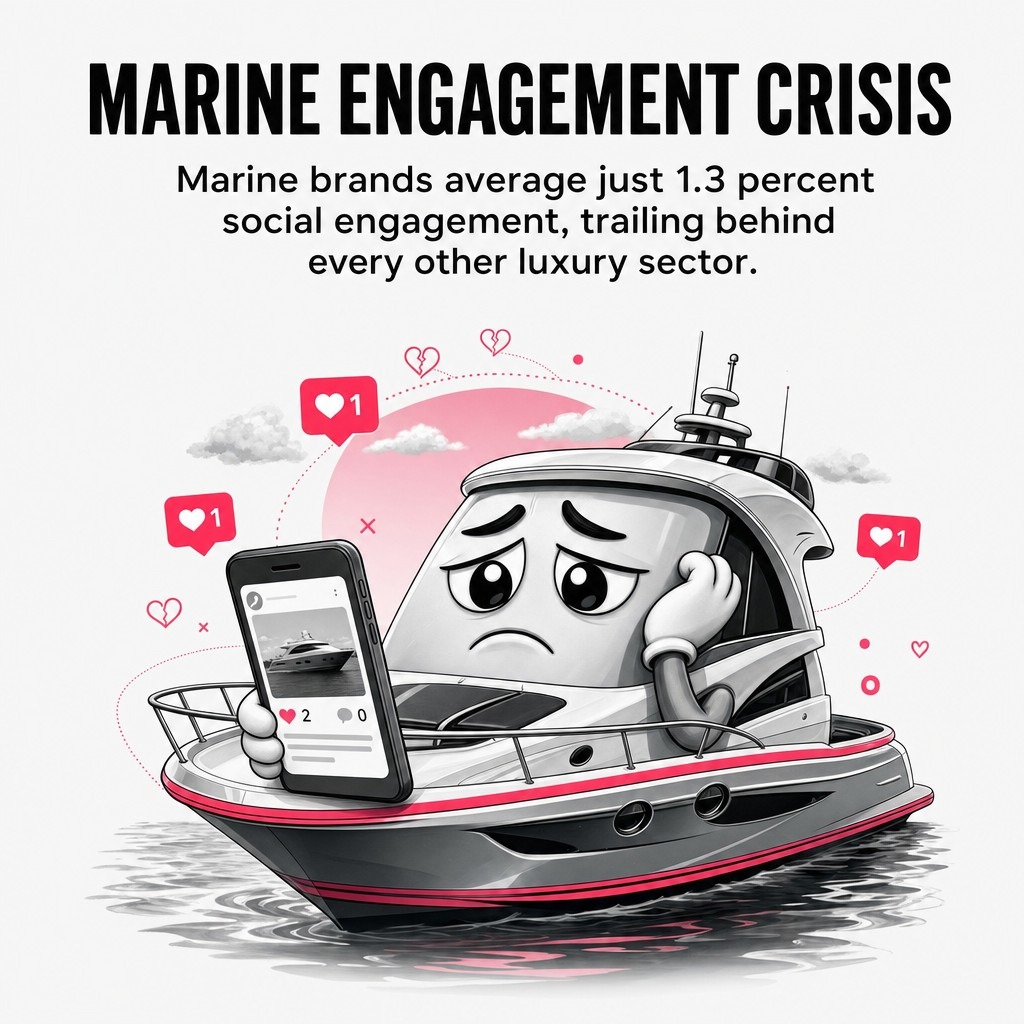
Marine brands average just 1.3% social engagement, trailing behind every other luxury sector. Why? Because most treat content like a parts catalog instead of a conversation.
The brands that win build trust through educational content, user-generated stories, and video that shows products solving real problems on the water.
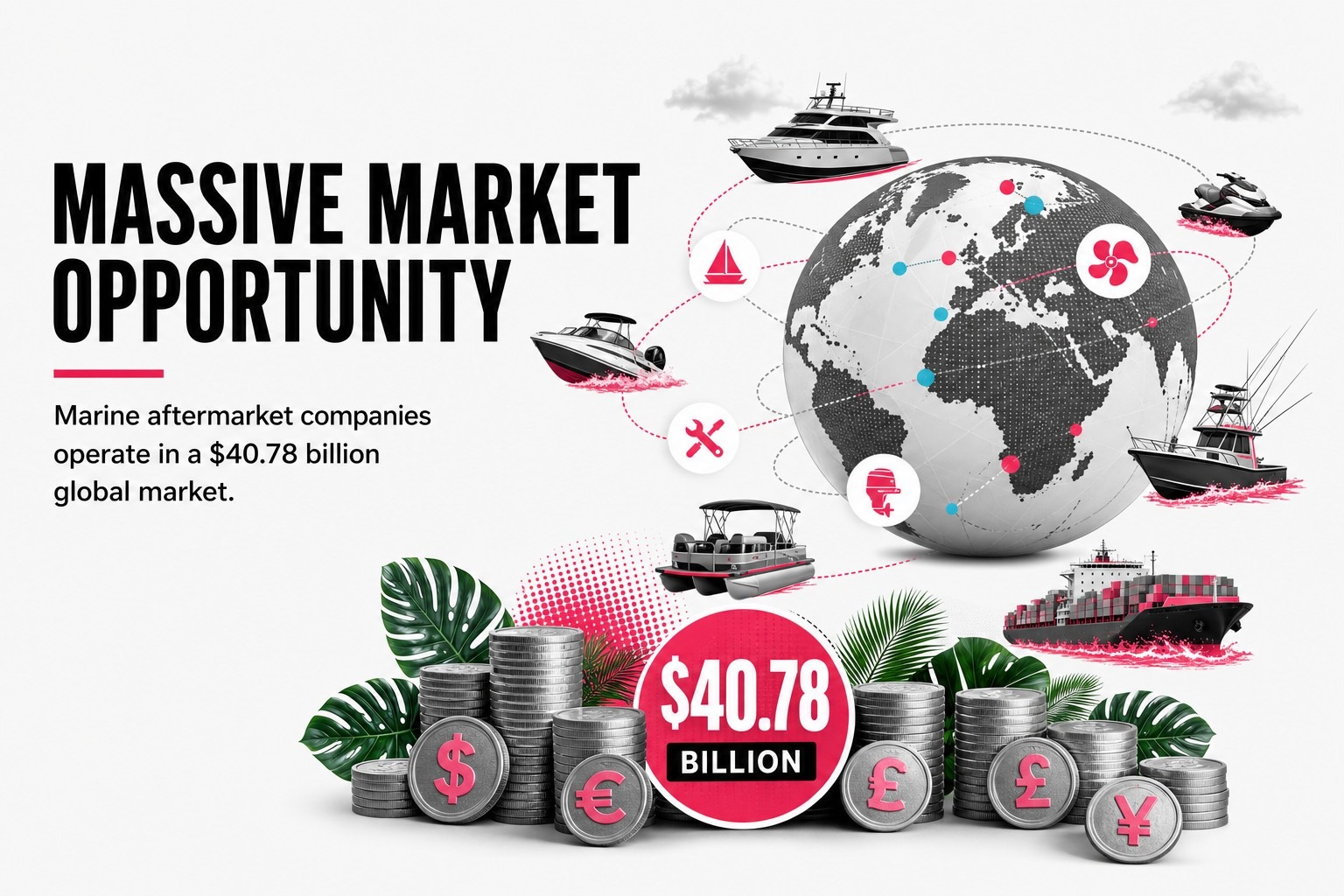
Marine aftermarket companies operate in a $40.78 billion global market, but throwing money at ads without a content foundation is like trying to dock a boat in high wind without fenders.
Smart content strategy turns your brand into the go-to resource boat owners trust before, during, and after the purchase.
I've watched too many marine brands burn cash on campaigns that go nowhere because they skipped the foundation.
They'll spend thousands on Instagram ads showcasing their latest prop or fish finder, wonder why nobody engages, then blame "the algorithm" or "low-intent traffic."
The real problem? They're selling to strangers who don't know them, don't trust them, and can't tell them apart from the twenty other brands offering similar products.
Content marketing fixes that problem by building the relationship first.
Content marketing for marine aftermarket brands means creating educational, entertaining, or useful content that attracts boat owners and converts them into customers through trust rather than interruption.
This isn't about posting product photos on Instagram twice a week and calling it content strategy.
Real content marketing educates buyers about compatibility before they waste money on the wrong part. It shows installation videos so DIY boaters can handle upgrades themselves. It publishes maintenance guides that keep customers coming back to your site instead of forums where your competitors lurk.
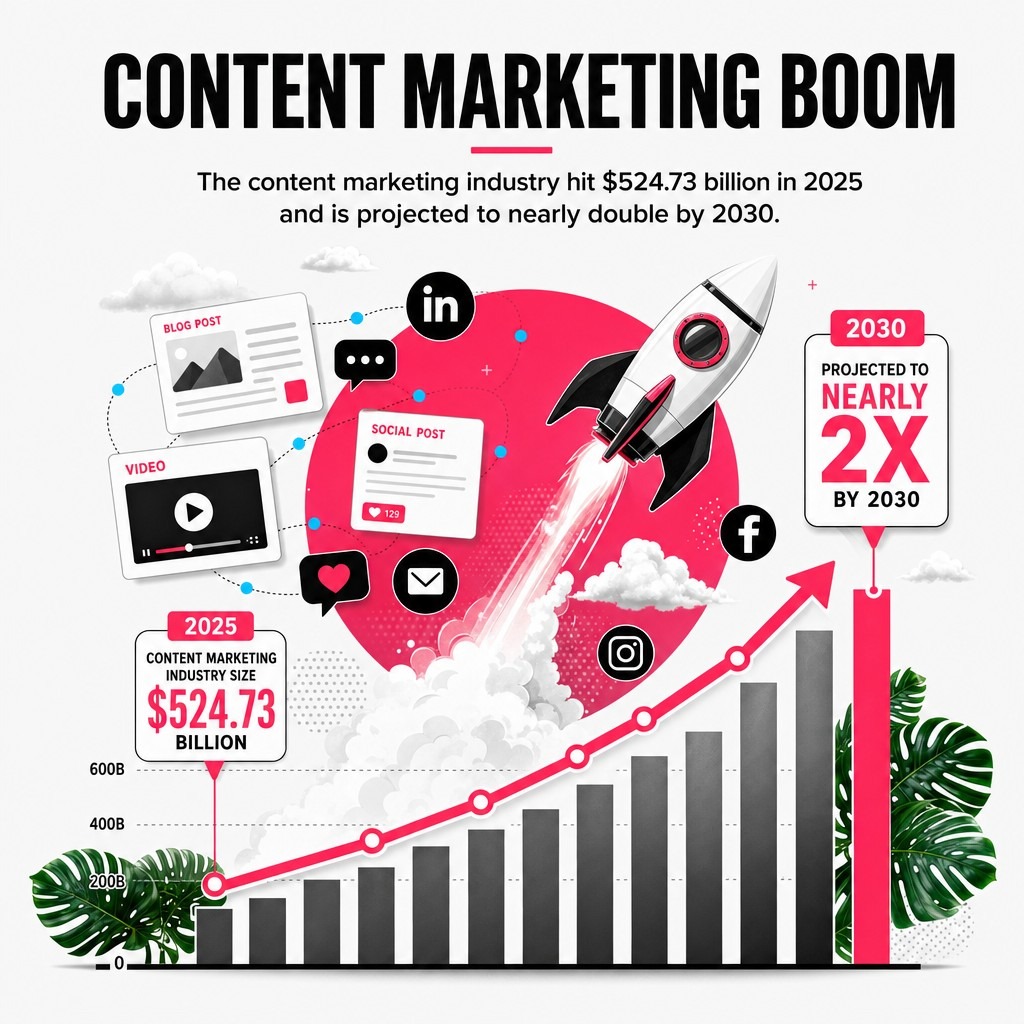
The content marketing industry hit $524.73 billion in 2025, and it's projected to nearly double by 2030 because it works better than traditional advertising for building lasting customer relationships.
Marine brands face unique challenges. Your customers need to know if a part fits their 2018 Sea Ray before they click "buy."
They want proof it'll survive saltwater. They need confidence it won't void their warranty.
Traditional ads can't answer those questions, but detailed content can.
Marine aftermarket products aren't impulse purchases like clothing or gadgets. Boat owners research extensively because wrong choices cost time, money, and potentially safety.
Generic marketing fails because it doesn't address the specific anxieties and questions that prevent purchases.
A boat owner searching for navigation electronics wants to know about screen visibility in direct sunlight. They need mounting options for their particular console layout. They're worried about saltwater corrosion and warranty coverage.
Standard product marketing rarely addresses these concerns deeply enough.
Content marketing creates the space to answer every question, address every concern, and build enough trust that when someone's ready to buy, your brand is the obvious choice.
It's the difference between being one of many options and being the trusted advisor.
Boat owners trust other boat owners more than they trust brands.
They ask in Facebook groups, read forum threads from five years ago, and watch YouTube reviews from random strangers before making purchase decisions.
This creates a massive opportunity for brands willing to create the content boat owners are already searching for.
When you publish the installation guide, the compatibility chart, the real-world testing video, you become the authoritative source instead of watching from the sidelines while customers cobble together information from unreliable sources.
You control the narrative about your products instead of hoping someone on a forum represents them accurately.
The brands winning in marine aftermarket understand that education-first content builds authority, authority builds trust, and trust converts to sales.
Not immediately, not with every piece of content, but consistently over time as your library of helpful resources grows.
Marine aftermarket customers split into distinct groups with different content needs, and treating them as one monolithic audience guarantees your content misses most of them.
Start by separating DIY enthusiasts from professional captains from casual weekend boaters.
DIY enthusiasts want detailed technical content. They'll read 3,000-word installation guides with torque specs and wiring diagrams. They appreciate video walkthroughs showing every step.
They engage with troubleshooting content because they want to handle maintenance themselves and save money on marine service rates.
Weekend recreational boaters want simpler content focused on benefits and results. They care about ease of installation or whether they can pay someone to install it.
They respond to content about enhancing their boating experience, not deep technical specifications. They're more likely to engage with lifestyle content that shows products in use.
Professional captains and commercial operators need different content entirely. They want durability data, warranty information, bulk pricing, and evidence of reliability under constant use.
They're influenced by case studies showing how your products perform in commercial applications.
Marine content marketing requires understanding seasonal buying patterns that differ dramatically from most industries.
Boat owners research during winter months when they're planning upgrades. They buy in spring before the season starts. They maintain during summer. They winterize in fall.
Your content calendar should align with these patterns:
Publish comprehensive buying guides and comparison content in January through March. Release installation tutorials and upgrade inspiration in March through May. Share maintenance tips and troubleshooting content during peak season. Provide winterization guides and storage solutions in September through November.
This seasonal approach means planning content months in advance, but it also means your content appears exactly when your audience needs it.
A winterization guide published in June gets ignored. The same guide published in October becomes a valuable resource people bookmark and share.
Marine customers don't follow predictable patterns like some industries.
They're active on YouTube searching for installation videos and product reviews. They're in Facebook groups asking for recommendations and sharing experiences. They're on forums that have existed for decades. They're reading blogs when researching major purchases.
You need content distributed across these channels, not concentrated on your website hoping for organic traffic.
Publish detailed guides on your blog for SEO. Create video versions for YouTube. Share helpful tips in relevant Facebook groups without being promotional. Answer questions on forums and include links to your content when genuinely helpful.
The brands that win distribute valuable content everywhere their audience already gathers instead of demanding the audience come to them.
You meet boat owners where they're already seeking information, not where you wish they would look.
Marine aftermarket storytelling works when it centers on the experience boat owners want, not the features your products have.
Nobody dreams about a new fish finder's screen resolution. They dream about finding productive fishing spots and landing trophy catches.
Your content should connect products to those aspirations.
Effective marine storytelling shows products in context. Document a complete boat upgrade project from planning through completion. Follow a customer through a fishing tournament showing how your electronics helped them succeed. Share how your engine maintenance products kept a family's boat running through a summer-long cruising adventure.
Brands like Hoonigan proved that authentic storytelling builds deeper customer connections than feature lists ever could, and marine brands can apply these same principles to boating culture.
People remember stories, not specifications.
When someone shares a story about how your bilge pump saved their boat during an unexpected storm, that narrative sticks with readers far more effectively than technical capacity ratings.
Build your content around these moments.
User-generated content creates endorsement that cannot be purchased, making it the most valuable form of social proof for marine brands building trust with skeptical buyers.
Encourage customers to share photos and videos of your products installed on their boats. Create a branded hashtag and feature the best submissions on your channels.
Run contests that incentivize content creation. Make it easy for happy customers to become your marketing team.
User-generated content solves the authenticity problem that plagues traditional marketing. When a real boat owner shows your product working on their vessel, it carries exponentially more weight than your own marketing claims.
It answers the "does this actually work?" question that every skeptical buyer asks.
Build systems to collect and showcase this content systematically:
Send follow-up emails after purchases asking for photos. Create galleries on your website organized by boat model or product category. Share customer content in email newsletters and social posts.
Make real customer experiences the centerpiece of your marketing.
Your brand story should explain why you exist beyond making money.
Maybe you're sailors who got frustrated with overpriced, underperforming products. Maybe you're engineers who saw an opportunity to bring better technology to marine applications. Maybe you're a family business serving boaters for three generations.
Whatever your story is, use it to create emotional connection.
Marine customers often develop strong brand loyalty, but only to companies they feel understand the boating lifestyle. Share your origin story, your values, your connection to the water.
Marine brands that successfully differentiate themselves through storytelling create communities around shared values rather than just transactional relationships around products.
Document your involvement in marine conservation, your sponsorship of local fishing tournaments, your support for boating education programs.
These stories position you as a community member, not just a vendor. They give customers reasons to choose you when products and prices are similar across competitors.
Marine aftermarket blogs succeed when they function as the ultimate resource for boat owners, not as thinly veiled sales platforms.
Your blog should answer every question your customer service team hears repeatedly and every question prospects search before buying.
Start with comprehensive buying guides. "How to Choose Marine Electronics for Center Console Boats" or "Complete Guide to Outboard Motor Maintenance Products" become evergreen resources that attract search traffic and establish expertise.
These guides should be genuinely helpful even if readers ultimately buy from competitors.
Technical how-to content generates consistent traffic and builds trust. Installation guides for your products obviously serve your interests, but also publish general maintenance and upgrade tutorials.
When someone searches "how to install marine stereo system," you want your detailed guide ranking high.
Compatibility and specification content addresses the biggest friction point in marine parts purchases. Create detailed charts showing which products fit which boat models. Publish comparison articles between product categories. Answer technical questions comprehensively.
Build content clusters around seasonal topics that generate predictable search volume.
Spring boat preparation creates demand for content about maintenance, upgrades, and seasonal checks. Summer content focuses on troubleshooting, performance optimization, and accessories that enhance experiences. Fall winterization content attracts boat owners preparing for off-season storage.
Winter content serves the research phase when boat owners plan next season's upgrades.
Each season has distinct content opportunities that smart marine brands capitalize on.
Create comprehensive pillar content for major seasonal topics, then develop supporting articles that go deeper into specific aspects. A main "Complete Boat Winterization Guide" might link to detailed articles on engine winterization, electronics storage, and hull protection.
This structure improves SEO while thoroughly covering topics.
Update seasonal content annually with new products, techniques, and tips. A winterization guide from 2020 shouldn't look identical to the 2026 version.
Fresh content signals to search engines that you're maintaining resources, and it gives you reasons to promote the content again.
Marine search terms often include specific boat models, part numbers, and technical specifications.
"Garmin ECHOMAP installation Grady-White Canyon 306" is more valuable than generic "marine electronics installation" because it shows purchase intent and specific needs.
Research long-tail keywords that combine products with boat brands and models. Optimize for questions people actually ask: "Will [product] fit [boat model]" or "How to install [product] on [boat brand]."
These specific searches convert better than broad terms because they indicate someone close to a purchase decision.
Build location-specific content for marine brands with regional presence. "Best Marine Electronics Dealers in South Florida" or "Where to Buy Boat Parts in Seattle" captures local search traffic.
Include local boating knowledge and region-specific tips to make content genuinely useful.
Technical terminology in marine industries creates opportunities. Many boat owners search using specific technical terms, but many more use common language.
Create content that targets both: technical content for experienced boaters, beginner-friendly content for newer boat owners. Both audiences have money to spend.
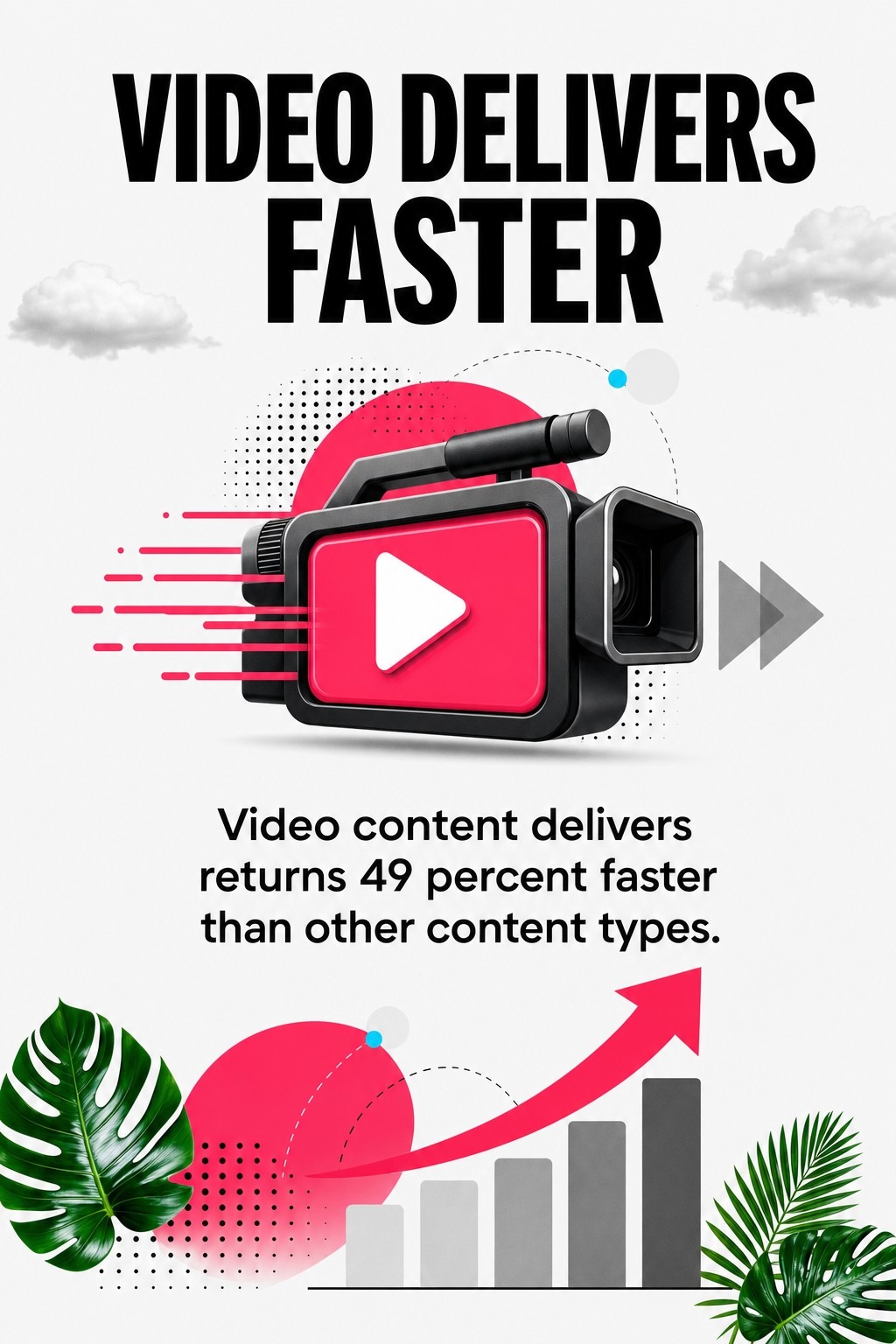
Video content delivers results for marine brands because it shows rather than tells, and video content delivers returns 49% faster than other content types, making it essential for marine aftermarket brands needing faster ROI.
Installation videos address the biggest barrier to online marine parts purchases: confidence in ability to install correctly.
A detailed video showing installation on a specific boat model eliminates uncertainty and directly increases conversion rates. Make these videos comprehensive, well-lit, and easy to follow.
Product demonstration videos show features in real conditions rather than controlled settings.
Take your electronics on the water and show screen visibility in bright sunlight. Test your accessories in rough conditions. Document your maintenance products being used for actual maintenance, not staged in a clean garage.
Comparison videos help buyers choose between options. Side-by-side testing of similar products, explained objectively, positions you as a trusted advisor rather than just a seller.
Even if you sell both products being compared, the content builds trust by acknowledging different products serve different needs.
Boat owners use YouTube like a search engine for marine information.
They search for installation tutorials, product reviews, troubleshooting help, and upgrade ideas. This creates massive opportunity for marine brands willing to create helpful video content consistently.
Optimize video titles and descriptions for search terms boat owners actually use.
"How to Install Lowrance HDS Live on Mako Pro Skiff" is more searchable than "New Electronics Installation." Include model numbers, boat brands, and specific features in titles and descriptions.
Create playlists organized by topic, boat type, or product category. A playlist of all videos related to center console upgrades keeps viewers watching your content longer.
Playlists for specific boat brands attract owners of those boats and position you as an expert on their vessels.
Engage with comments on your videos. Answer questions, thank people for sharing their experiences, and address concerns.
This engagement signals to YouTube that your content is valuable, improving rankings, and it builds relationships with potential customers.
Live video on Facebook, Instagram, or YouTube creates immediate engagement opportunities.
Host live Q&A sessions where boat owners ask questions and you provide expert answers. Stream from boat shows or fishing tournaments to share events with your audience. Demonstrate products live and answer questions in real time.
Live content feels more authentic than polished marketing videos. The unscripted nature builds trust. Technical difficulties and unexpected moments make you more relatable.
People appreciate the direct access to expertise and the opportunity to get their specific questions answered.
Record live sessions and repurpose them into shorter clips or edited videos. A one-hour live Q&A session might generate ten separate video clips for YouTube or social media.
This multiplies the value of time spent creating live content.
Promote live sessions in advance to build attendance. Send email reminders to your list. Post about it on social media. Create countdown content that builds anticipation.
The more people attend live, the more engagement you generate and the more valuable the content becomes.
Social media for marine brands works when you build community rather than broadcast promotions.
Boat owners gather in online communities to share experiences, ask questions, and celebrate their passion. Brands that participate authentically in these communities earn attention and loyalty.
Share user-generated content more than your own promotional material. When customers post photos of their boats with your products, share those images with credit. When someone leaves a great review, share it.
Make your social channels celebrate your customers, not just your products.
Post educational tips and tricks that help boat owners. Quick maintenance tips, storage solutions, troubleshooting advice, or seasonal reminders provide value without requiring anything in return.
This positions you as a helpful resource people want to follow.
User-generated content strategies that work for automotive brands apply directly to marine aftermarket, creating authentic engagement that paid advertising cannot replicate.
Facebook groups remain powerful for marine brands. Join relevant boating groups and participate helpfully without being promotional.
When people ask questions you can answer, provide genuine help. When your products are relevant solutions, mention them appropriately. Focus on being helpful first, promotional second.
Instagram favors high-quality visual content. Share stunning boat photos, beautiful water shots, and lifestyle content that resonates with the boating experience.
Use stories for behind-the-scenes content, quick tips, and time-sensitive promotions. Use reels for entertaining or educational short-form video.
YouTube serves as your video library and search engine presence. Create content with longevity: installation guides, product comparisons, and educational series.
Optimize for search and organize content so people can find exactly what they need.
TikTok and YouTube Shorts work for quick tips, entertaining content, and reaching younger boaters. Short-form video requires different creative approaches but can generate massive reach.
Test content formats and double down on what resonates with your audience.
Respond to every comment, message, and mention. Social media is social, and brands that ignore their audience miss the entire point.
Thank people for positive comments. Address concerns in negative comments professionally. Answer questions thoroughly.
Run contests that encourage engagement and content creation. "Share a photo of your best catch this season" or "Show us your boat upgrades" generate user content while building community.
Make prizes relevant to your audience: products, gear, or experiences boat owners actually want.
Feature customers regularly. Customer spotlight posts that share their boat, their story, and how they use your products create feel-good content that customers love to share.
This generates reach while making customers feel valued and appreciated.
Create consistent content series that audiences expect. "Monday Maintenance Tips" or "Friday Fish Stories" give people reasons to follow you and check your content regularly.
Consistency builds habits, and habits build loyal audiences.
Email remains the highest-ROI marketing channel for marine brands because you own the list, control the message, and can segment based on customer behavior and interests.
Social platforms change algorithms, but email delivers directly to inboxes.
Build your email list aggressively. Offer valuable lead magnets: comprehensive buying guides, maintenance checklists, or exclusive discounts for subscribers.
Place opt-in forms prominently on your website. Collect emails at checkout. Make subscribing appealing by clearly communicating the value.
Welcome series emails set the foundation for customer relationships. New subscribers should receive a series introducing your brand, highlighting your best resources, and offering a first-purchase incentive.
This series runs automatically and converts subscribers into customers systematically.
B2B content marketing strategies for manufacturers apply to marine aftermarket wholesale businesses selling to dealers and distributors, requiring different email approaches than direct-to-consumer campaigns.
Seasonal campaigns align with boating patterns and generate predictable revenue.
Spring campaigns promote preparation and upgrades: "Get Ready for Boating Season" with maintenance products and new accessories. Summer campaigns highlight products that enhance on-water experiences. Fall campaigns focus on end-of-season maintenance and winterization products.
Winter campaigns serve planning and research: gift guides for holidays, planning content for next season's upgrades, and off-season deals to generate revenue during slow months.
Each seasonal campaign should include educational content, not just promotions.
A spring campaign might include a comprehensive boat preparation checklist alongside product recommendations. Education builds trust while promotions drive immediate revenue.
Time campaigns based on regional seasons. Spring starts at different times in Florida versus Minnesota.
Segment your list by location and send seasonal campaigns when they're most relevant to each region's boating calendar.
Post-purchase email sequences turn one-time buyers into repeat customers.
Send installation tips after purchase. Follow up asking how the product is working. Request reviews and photos. Recommend complementary products based on their purchase.
These sequences run automatically and consistently increase customer lifetime value.
Abandoned cart emails recover lost revenue. Marine products often represent significant purchases that people research extensively.
When someone adds products to cart but doesn't complete the purchase, automated emails reminding them and potentially offering assistance or incentives can recover 15-30 percent of abandoned carts.
Win-back campaigns target inactive customers. If someone hasn't purchased in twelve months, send a series attempting to re-engage: "We miss you" messages, special incentives, or requests for feedback about why they've stopped buying.
Even low response rates generate meaningful revenue from customers you'd otherwise lose.
Educational drip campaigns nurture subscribers who aren't ready to buy. Send a series teaching about boat maintenance, upgrade options, or specific product categories.
This keeps your brand top-of-mind and positions you as an expert, so when they're ready to purchase, you're the obvious choice.
Educational content works for marine brands because boat ownership involves continuous learning.
New owners need basic information. Experienced boaters want advanced techniques. Everyone benefits from tips that make boating easier, safer, or more enjoyable.
Create comprehensive resource guides that become bookmarked references. "Complete Guide to Marine Electrical Systems" or "Everything You Need to Know About Boat Winterization" attract search traffic and position you as the authority.
Make these guides genuinely thorough, not sales pitches with minimal information.
How-to tutorials address specific tasks boat owners need to complete. Step-by-step instructions with photos or videos for common maintenance, upgrades, or repairs provide immediate value.
These tutorials attract search traffic when people need help and introduce them to your brand.
Troubleshooting content helps boat owners solve problems. "Why Is My Bilge Pump Not Working?" or "How to Fix Common Marine Electronic Issues" attracts people facing problems right now.
Helpful troubleshooting positions you as a problem-solver, and people buy from brands that help them.
Marine industries use extensive technical terminology that confuses newcomers and even experienced boaters.
Educational content should make technical concepts accessible without dumbing them down inappropriately.
Explain technical terms when you use them. Don't assume everyone knows what "NMEA 2000" means or understands electrical system configurations.
Quick definitions or links to glossary content make technical information accessible to broader audiences.
Use analogies that make complex concepts relatable. Comparing marine electrical systems to household wiring helps non-technical boat owners understand concepts. Relating water flow to traffic patterns makes hydraulic steering explanations clearer.
Provide content at multiple levels:
Beginner guides for new boat owners learning basics. Intermediate content for DIY enthusiasts tackling their own upgrades. Advanced technical content for experienced boaters and professionals.
Layering content this way serves your entire audience without overwhelming newcomers or boring experts.
Safety content serves boat owners while positioning you as a responsible industry leader.
Articles about required safety equipment, proper life jacket selection, or navigation rules provide genuine value while demonstrating that you care about more than sales.
Regulatory content helps boat owners stay compliant. Explain registration requirements, required equipment by state, or pollution regulations.
This information helps customers avoid problems and positions you as a knowledgeable resource.
Environmental responsibility content resonates with boaters who care deeply about water quality and marine ecosystems. Share tips for reducing environmental impact, explain proper waste disposal, or highlight marine conservation efforts.
This builds emotional connection with environmentally conscious customers.
Content marketing ROI doesn't appear overnight, and content marketing typically requires 3-6 months to show meaningful ROI, meaning marine brands must commit to consistent content creation before expecting substantial returns.
Track metrics that matter for marine businesses:
Website traffic shows content reach. Time on page indicates content quality and engagement. Pages per session reveals if people explore beyond their entry point. Email list growth measures audience building success.
Conversion metrics connect content to revenue. Track which content pieces generate the most email signups, which pages precede purchases most frequently, and which blog posts or videos appear in purchase paths.
This reveals your most valuable content.
Search rankings for target keywords show SEO progress. Track rankings monthly for your priority terms.
Improving rankings increase organic traffic over time, reducing acquisition costs and increasing profit margins.
Marine purchase cycles often span months.
Someone might discover your brand through a YouTube video in January, read blog posts throughout winter, join your email list in March, and purchase in April.
Attribution models that credit the last click before purchase miss most of the journey.
Use multi-touch attribution to understand how content contributes throughout the journey. Google Analytics shows assisted conversions, revealing content that played a role in conversions without being the final touchpoint.
This gives more accurate credit to educational content that starts relationships.
Survey customers to understand their journey. Post-purchase emails asking "How did you first hear about us?" and "What helped you decide to purchase?" provide qualitative data that analytics miss.
Customer responses reveal which content actually influences decisions.
Track content engagement over time. If blog traffic increases but conversions don't, investigate whether content attracts the right audience or if conversion mechanisms need improvement.
Growing engagement with stagnant conversions suggests content quality is good but sales process needs work.
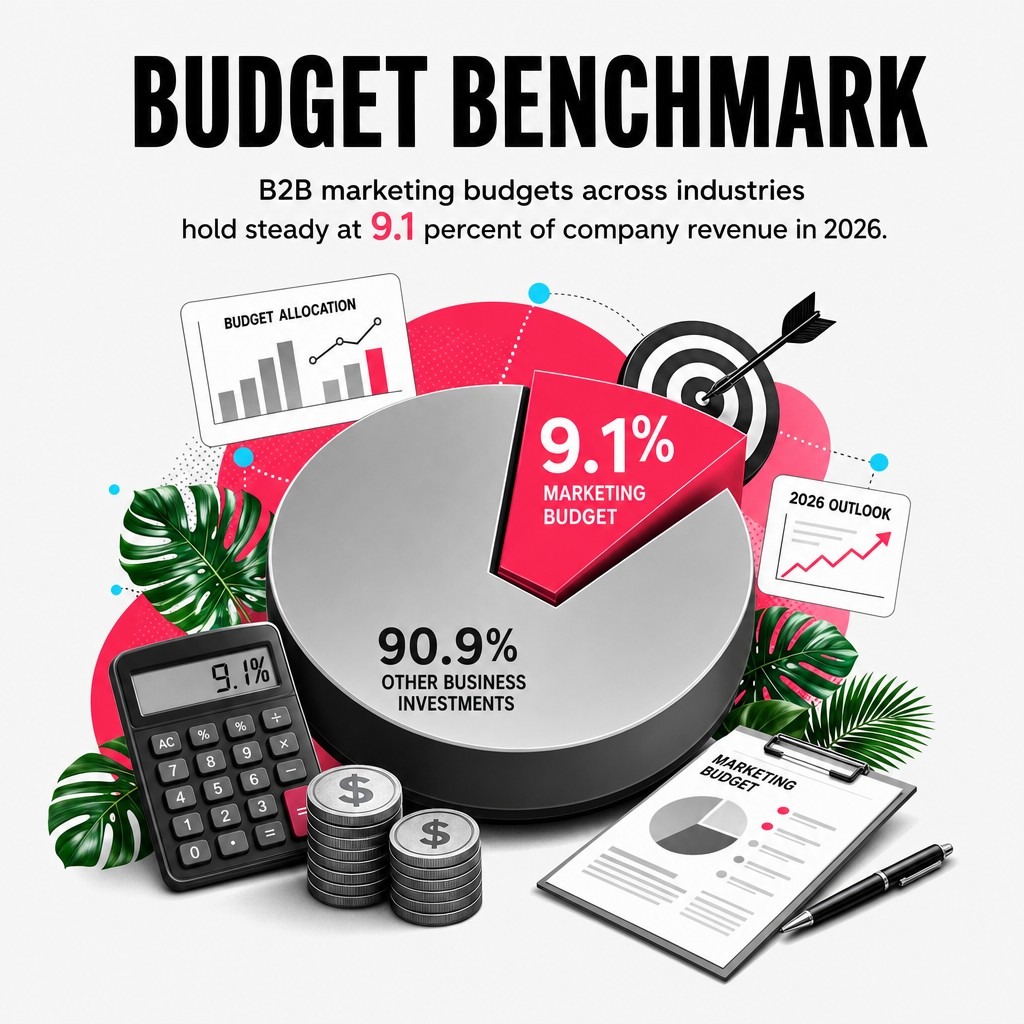
B2B marketing budgets across industries hold steady at 9.1% of company revenue in 2026, providing a baseline for marine aftermarket brands determining appropriate content marketing investment levels.
A rough guideline: spend 70% on creation, 30% on distribution. This ensures you create quality content while also ensuring your audience actually sees it.
In-house versus outsourced content depends on your team's capabilities and capacity.
In-house content maintains brand voice consistency and leverages internal expertise. Outsourced content provides specialized skills and scales faster than hiring. Most successful marine brands use a hybrid approach.
Prioritize evergreen content that provides long-term value. A comprehensive buying guide published in 2026 might attract traffic for years.
Time-sensitive promotional content generates immediate results but has short lifespans. Balance both, but build your foundation on evergreen resources.
Content marketing success for marine aftermarket brands comes from consistent execution, not perfect planning.
Start with one content type you can sustain. Weekly blog posts, bi-weekly videos, or daily social content all work if you maintain consistency.
Build your content library systematically. Begin with the questions your customer service team hears most frequently. Create content answering those questions thoroughly.
This immediately provides value to customers while establishing your expertise.
Document your products and processes. Installation guides, maintenance procedures, and product comparisons form your foundational content.
This content serves multiple purposes: SEO, customer education, sales support, and customer service resources.
Performance parts brands need content strategies similar to marine aftermarket, focusing on installation, compatibility, and performance rather than just product features.
Develop a sustainable content calendar. Plan seasonal content months in advance. Batch-create content when possible to maintain consistency during busy periods.
Schedule content in advance so your marketing continues even when operations demands increase.
Test different content types and formats. Monitor performance data to identify what resonates with your audience. Double down on content that drives results.
Eliminate or reduce content that consistently underperforms. Let data guide your strategy evolution.
Build relationships with your audience. Respond to comments. Answer questions. Share customer content. Participate in marine communities.
Content marketing works best when it's genuinely social and interactive, not just broadcast.
The marine brands winning with content marketing right now started years ago with consistent effort. They built libraries of helpful resources. They earned trust by providing value before asking for sales.
They became the brands boat owners turn to first.
Your competition might outspend you on ads, but you can out-teach them with content. Education builds trust that advertising cannot buy.
Start creating the content your customers are already searching for, and position your marine brand as the trusted expert they choose when ready to purchase.