
Marine OEMs operate on a buying cycle that isn't just seasonal. It's driven by weather, tax refunds, and boat show calendars in ways most other industries never face.
If you're running paid search campaigns the same way in January as you do in June, you're burning money. The data proves it.
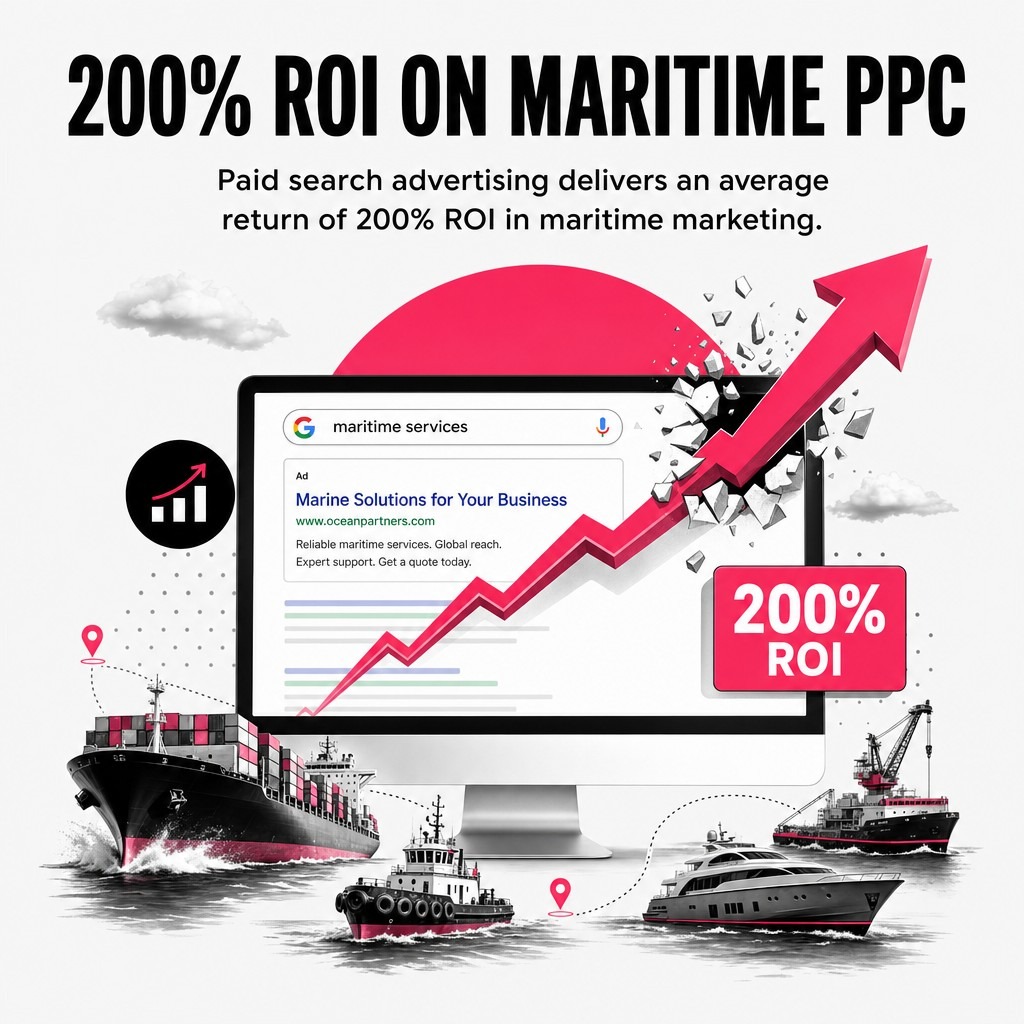
Paid search advertising delivers an average return of 200% ROI in maritime marketing, but only when timing and targeting align with when buyers actually make decisions. Most marine OEMs miss this connection entirely.
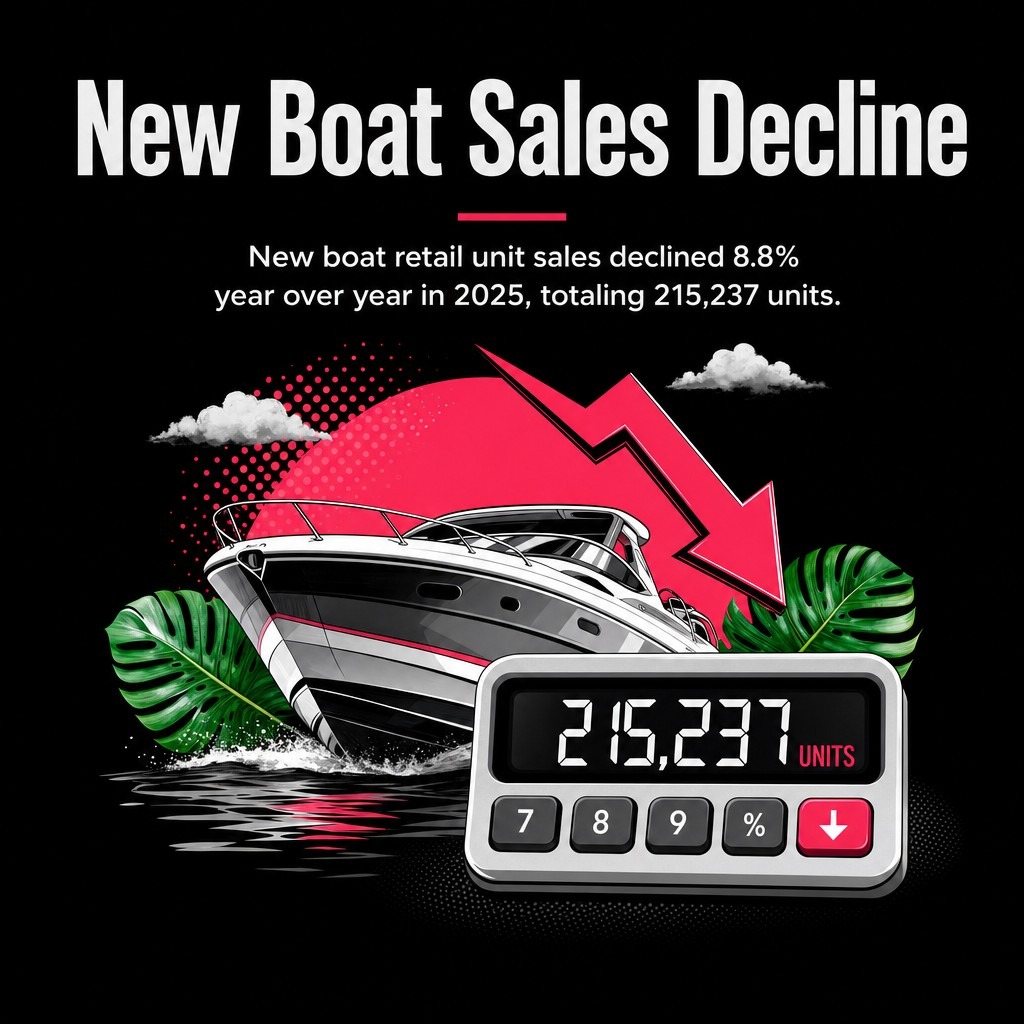
The marine industry faces a unique challenge. New boat retail unit sales declined 8.8% year over year in 2025, totaling 215,237 units. Yet the market continues to grow. The disconnect? Buyers are more selective about when and how they purchase.
I've spent years working with OEMs across seasonal industries, from powersports to construction equipment. The marine sector stands out because your buyers don't just think seasonally. They plan around specific life events, financing windows, and weather patterns that vary dramatically by region.
This guide breaks down exactly how to structure paid search campaigns that mirror the marine buying cycle. You'll learn how to allocate budget across seasons, which keywords work when, and how to adjust bidding strategies as buyer intent shifts from research to purchase.
<script async src="https://subscribe-forms.beehiiv.com/embed.js"></script><iframe src="https://subscribe-forms.beehiiv.com/8b57459e-5b92-4526-9f3d-5a2d4aa6dd36" class="beehiiv-embed" data-test-id="beehiiv-embed" frameborder="0" scrolling="no" style="width: 879px; height: 468px; margin: 0; border-radius: 14px 14px 14px 14px !important; background-color: transparent; box-shadow: 0 0 #0000; max-width: 100%;"></iframe>
The marine industry doesn't follow standard retail patterns. Boat buyers think in seasons, not quarters.
Most OEMs I talk to assume their busy season starts in spring. They're half right. The buying cycle actually begins much earlier, in the dead of winter when buyers start researching.
Weather dictates everything. A boat dealer in Florida faces completely different demand patterns than one in Michigan. Yet most paid search campaigns treat geography as an afterthought, not a primary strategic factor.
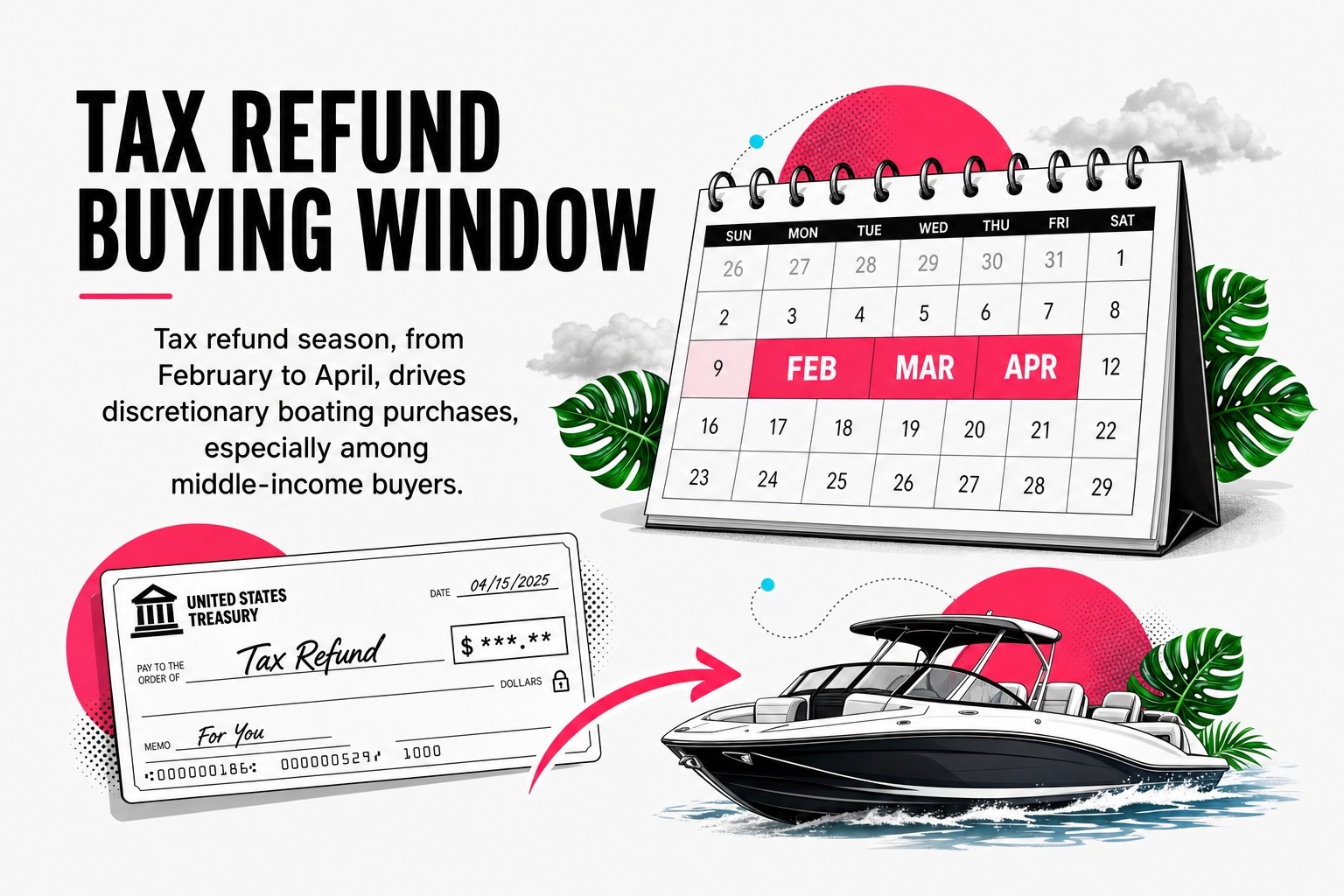
Tax refund season, from February to April, drives discretionary boating purchases, especially among middle-income buyers. This creates a specific window where financing discussions shift from "maybe next year" to "let's do this."
Boat shows create temporary surges in search volume. These aren't just awareness events. They're decision accelerators where buyers go from considering multiple brands to narrowing down to two or three final choices.
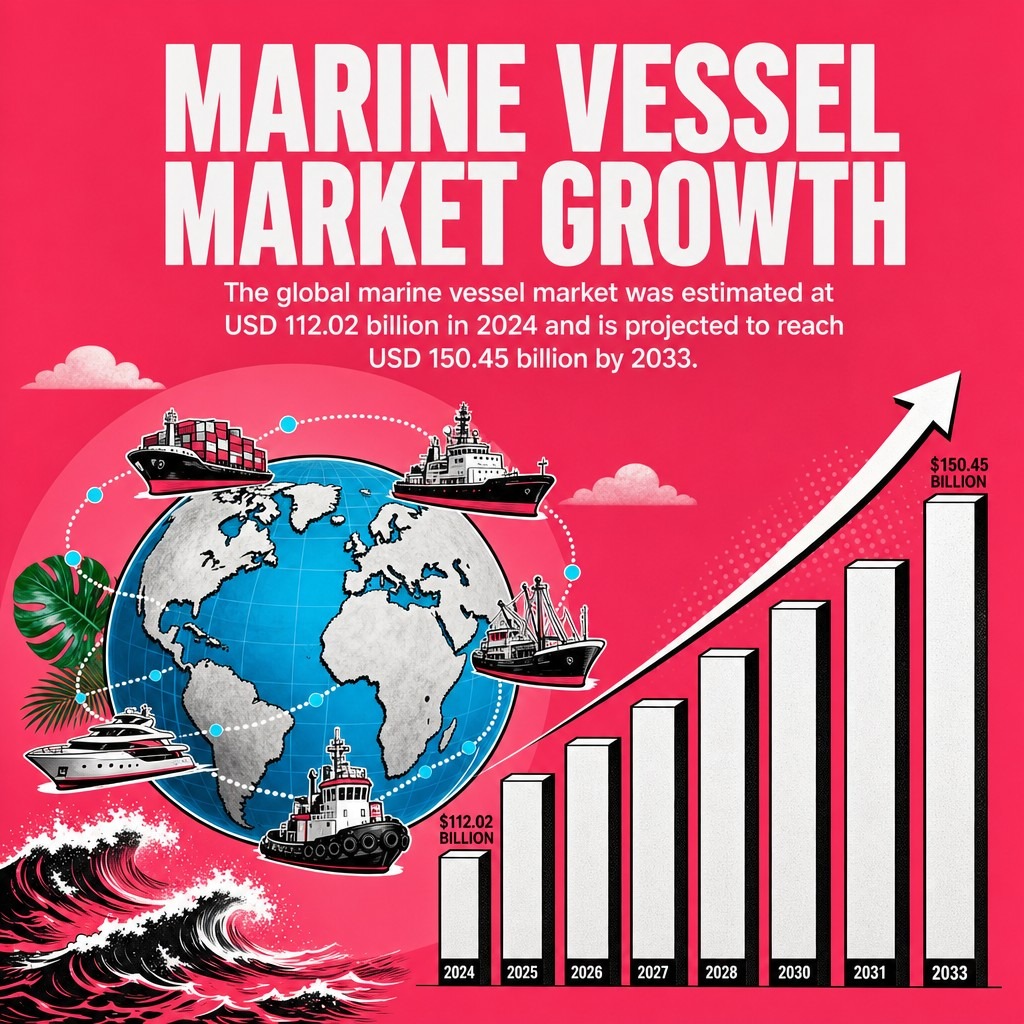
The market data tells an interesting story. The global marine vessel market was estimated at $112.02 billion in 2024 and is projected to reach $150.45 billion by 2033. Growth isn't the problem. Timing is.
Northern states see search volume spike 180% between February and April. Southern coastal markets maintain steadier year-round interest but peak during holiday planning windows.
Your paid search campaigns need geographic bid adjustments that account for these patterns. A flat national campaign wastes budget on searches that won't convert for months.
Middle-income boat buyers often plan major purchases around tax refunds. This creates a compressed buying window where conversion rates jump but competition intensifies.
Smart OEMs increase bids 25-40% during this period while tightening keyword targeting to capture high-intent searches. The extra spend pays off when cost per acquisition drops despite higher CPCs.
Most marine OEMs run one or two campaigns year-round. That's leaving money on the table.
Your campaign structure should mirror how buyers actually progress through their decision journey. Research phase searches need different landing pages and ad copy than purchase-ready searches.
I recommend four distinct campaign layers that activate and deactivate based on seasonal timing:
Each layer serves a specific buyer mindset. The mistake most OEMs make is running all four at full budget all year. Your research campaign in January should get 50% of total budget. That same campaign in June? Maybe 15%.
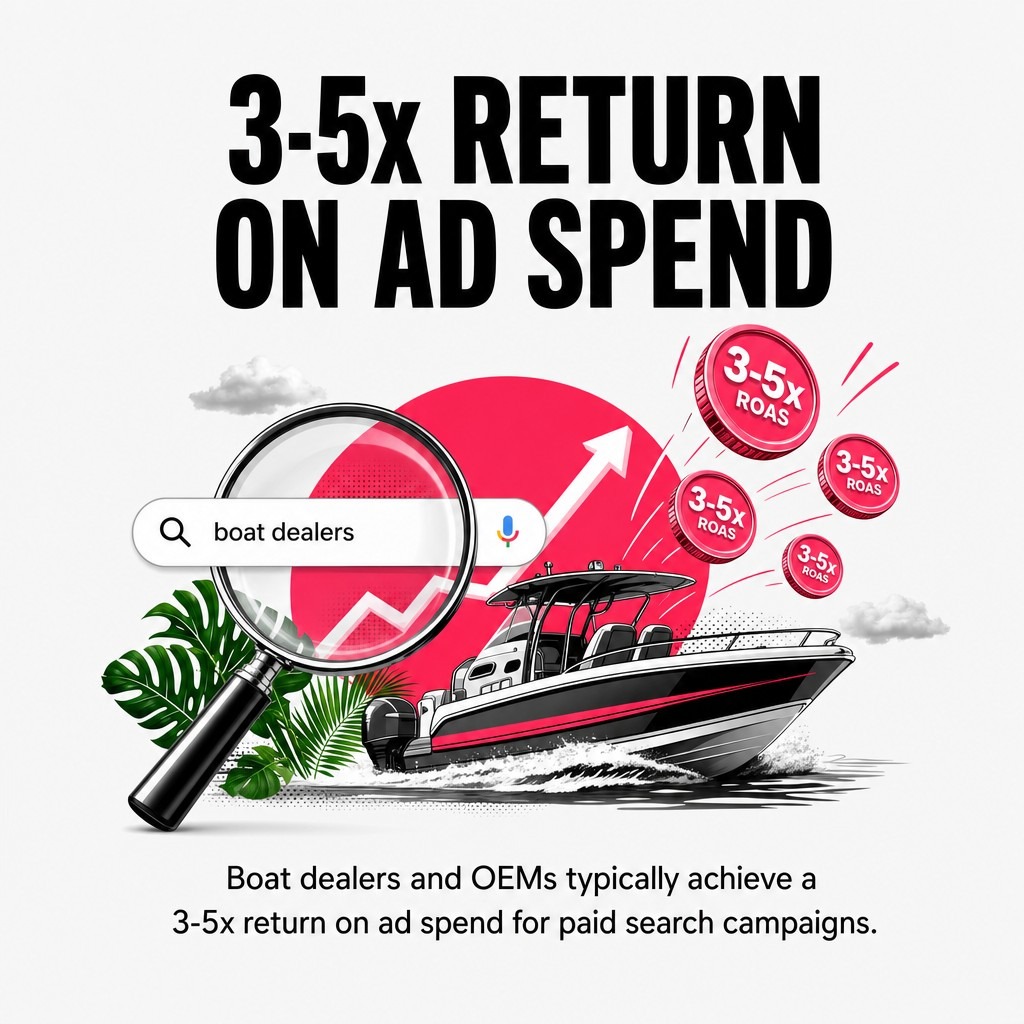
Boat dealers and OEMs typically achieve a 3-5x return on ad spend for paid search campaigns. The variance between 3x and 5x? Seasonal budget allocation and campaign structure.
Winter searches focus on boat types, features, and comparisons. Your ads should answer questions, not push immediate sales.
Use phrase match and broad match modified keywords like "best pontoon boats for families" or "bowrider vs cuddy cabin comparison." Your landing pages need guides, comparison charts, and clear next steps for spring.
Set your geographic targeting wide during research phase. Buyers will travel 100+ miles for the right boat, so don't artificially limit your reach based on dealer proximity yet.
As spring approaches, search intent shifts from "what type" to "which brand." This is where competitor comparison campaigns become essential.
Bid on competitor model names with ad copy that highlights your differentiators. Don't trash talk. Just make your advantages crystal clear in under 90 characters.
Summer campaigns need exact match keywords on specific models, colors, and package levels. Buyers at this stage know what they want. Your job is making it easy to take the next step.
Landing pages should show real-time inventory, financing calculators, and dealer contact forms. Remove educational content. Add urgency elements like "2 left in stock" or "special financing ends Sunday."
The keywords that work in February fail miserably in July. Buyer search behavior evolves as the season progresses.
Early season searches are research-heavy. "What size boat do I need for Lake Michigan?" or "how much do pontoon boats cost?" These broad, question-based searches indicate early-stage buyers who won't purchase for 60-90 days.
Mid-season searches get specific. "2026 Sea Ray Sundancer 320 price" or "Yamaha 252S dealer near me." These buyers are ready to visit dealers and make decisions within weeks.
Late season searches focus on deals and inventory. "Boat clearance sale" or "2025 leftover boats" dominate search volume as buyers hunt for discounts and dealers try to clear inventory.
Your keyword strategy needs to shift budget allocation as search patterns change. Start heavy on question-based and educational terms in winter. Transition to model-specific and transactional terms by late spring.
Marine searches attract tire kickers and dreamers. Your negative keyword list separates real buyers from browsers.
Add terms like "free," "toy," "inflatable," and "rental" unless those are your actual products. Also exclude job-related searches like "marine jobs" or "boat mechanic" that waste clicks.
Review search term reports monthly during peak season. You'll find new negative keywords weekly as search behavior evolves and competition shifts.
Don't just rely on geographic targeting settings. Add location-specific keywords to your campaigns for better control and relevance.
Terms like "boats for sale in Tampa" or "Minnesota pontoon dealers" convert better than generic "boats for sale" searches. They also typically cost less because competition is lower on geo-modified long-tail terms.
Setting an annual paid search budget and dividing by twelve is the fastest way to waste money in the marine industry.
Your monthly budget should fluctuate 200-300% between peak and off-season. A flat budget means you're either overspending in winter or missing opportunities in summer.
The market data supports this approach. The North American recreational boating market was valued at $11 billion in 2026 and is expected to reach $15.67 billion by 2034. But that growth isn't linear across months.
I recommend this budget allocation framework as a starting point:
Adjust these percentages based on your specific product mix and geographic focus. Pontoon OEMs might weight spring heavier. Performance boat manufacturers might extend summer spend.
Standard daily budgets can cause you to miss peak conversion windows during busy months. Use dayparting and accelerated delivery during high-intent hours.
Boat buyers search most actively Tuesday through Saturday, 6 PM to 10 PM. They're researching after work, planning weekend dealer visits, or comparing options with a partner.
Set bid adjustments to increase 30-40% during these windows. Let your budget run faster when quality traffic is highest.
Major boat shows create temporary search spikes that require budget flexibility. The Miami International Boat Show, Minneapolis Boat Show, and others drive massive search volume for 2-3 weeks.
Plan to increase daily budgets 150-200% during and immediately after major shows in your key markets. Buyers leave shows with specific models in mind and immediately search for pricing and local availability.
Your winter ad copy should look nothing like your summer ad copy. Different buyer mindsets require different messaging.
Research-phase buyers need education and reassurance. Your ads should promise information, not pressure. Headlines like "Compare Pontoon Boat Types" or "Boat Buying Guide 2026" work better than "Buy Now and Save."
Purchase-phase buyers want specifics and urgency. Headlines like "2026 Sundancer In Stock" or "Special Financing Ends July 15" speak to buyers ready to act.
Landing page content needs to match this progression. Winter landing pages should include:
Summer landing pages shift to transaction-focused elements:
Financing offers work better in spring when tax refunds create down payment opportunities. Price discounts resonate more in fall when buyers know they're getting end-of-season clearance deals.
Test different promotional angles based on season. Spring buyers care about payment terms. Summer buyers want the exact boat they researched all winter. Fall buyers hunt for value and deals.
Mobile search volume for boats spikes on weekends and during boat shows. Desktop searches dominate weeknight research sessions.
Your ad copy should account for device context. Mobile ads need shorter headlines and clear phone number extensions. Desktop ads can include more detail and multiple sitelinks.
The marine buying cycle stretches 90-180 days from first search to purchase. Remarketing keeps your brand top-of-mind throughout that journey.
Most OEMs run basic remarketing that shows the same ad to everyone who visited their site. That's lazy and ineffective.
Segment your remarketing audiences by funnel stage and behavior:
Each segment needs different messaging. Research-phase visitors might see ads highlighting new content or upcoming boat shows. High-intent visitors need urgency messaging about limited inventory or expiring offers.
Seasonal promotional strategies should inform your remarketing calendar too. Shift messaging as the season progresses.
Don't remarketing indefinitely. Set audience duration based on buying cycle length for your product category.
Entry-level boats (under $30K): 60-day remarketing window. Budget boats have shorter decision cycles, especially during peak season.
Mid-range boats ($30K-$75K): 90-day remarketing window. These buyers research more thoroughly and often wait for the right financing terms.
Premium boats ($75K+): 120-180 day remarketing window. Luxury buyers move slowly and carefully. Stay in front of them longer.
Don't show the same ad for 90 days. Create a sequence that evolves as time passes and the season progresses.
Week 1-2: Reinforce your brand positioning and key differentiators
Week 3-4: Highlight specific models or features they viewed
Week 5-8: Introduce financing options and payment examples
Week 9+: Create urgency with inventory alerts or seasonal deadlines
This progression mirrors how buyer interest naturally evolves. Your messaging stays relevant instead of becoming background noise.
Cost per click in the marine industry fluctuates wildly between seasons. You need bidding strategies that adapt automatically.
Google's cross-industry average cost-per-click reached $2.96 in Q1 2026, representing a 12% year-over-year increase. Marine-specific terms often cost 2-3x that during peak season.
Manual CPC bidding gives you control but requires constant monitoring. During peak season, CPCs can double week-over-week as dealers all increase budgets simultaneously.
I recommend a hybrid approach that shifts based on season:
Winter/Early Spring: Manual CPC with conservative bids. Competition is lower. You can afford to bid carefully and adjust based on performance data.
Late Spring/Summer: Target ROAS or Target CPA automated bidding. Competition spikes and manual adjustments can't keep pace with hourly CPC fluctuations.
Fall: Maximize Conversions with a strict budget cap. You want to capture every remaining opportunity but control total spend as the season winds down.
Not all clicks are equal. Layer bid adjustments based on signals that indicate higher conversion probability.
Increase bids for:
Decrease bids for:
These adjustments compound. A mobile user at 2 AM who's 200 miles from a dealer might have an effective 80% bid decrease. That's fine. Let competitors waste money on low-probability clicks.
Monitor auction insights reports weekly during peak season. You need to know who's competing for your keywords and how aggressive they're bidding.
If a competitor suddenly increases impression share, they've raised budgets or bids. You'll need to respond or accept lower position and traffic.
The data helps you choose battles wisely. Maybe you let competitors win broad research terms while you dominate model-specific commercial terms with higher conversion rates.
Standard Google Ads metrics don't tell the full story for seasonal businesses. You need custom measurement frameworks.
Cost per click matters less than cost per lead and cost per sale. But those metrics shift dramatically by season, making year-over-year comparisons tricky.
Track these seasonal performance indicators:
Compare performance month-over-month within the same season, not against different seasons. Your June 2026 campaigns should be measured against June 2025, not March 2026.
Lead conversion rates on the top three U.S. boat marketplaces were tracking at 18.9% on average in 2026. If your paid search campaigns convert below 15%, your targeting or landing pages need work.
Last-click attribution lies to you in the marine industry. Buyers touch multiple channels over months before purchasing.
Use data-driven attribution or at minimum position-based attribution that credits both first and last touchpoints. This reveals how your winter research campaigns contribute to summer sales.
Many OEMs stop winter campaigns because "they don't convert." They do convert, just not within a 30-day window. Track assisted conversions to see the full picture.
Most boat sales happen at dealers, not online. Connect your paid search data to dealer sales data or you're flying blind.
Implement offline conversion tracking by passing unique identifiers from your lead forms to your CRM and back to Google Ads when sales close. This closes the loop between clicks and revenue.
Without offline tracking, you're optimizing for leads instead of sales. Those are not the same thing in a high-consideration industry like marine.
The marine market faces headwinds that impact paid search performance. You can't control the economy, but you can adjust your strategy.
New boat retail unit sales declined 8.8% year over year in 2025, but that doesn't mean paid search stops working. It means buyer selectivity increased.
When sales volume drops, focus paid search on your most competitive models and best dealer markets. Cut budget from underperforming segments faster than you would in growth years.
Financing availability matters more during economic uncertainty. Current boat financing rates typically range from 6.49% to 16.9% APR, which impacts buyer budgets significantly.
When rates are high, shift ad messaging toward total cost of ownership and payment options rather than sticker price. Buyers making decisions based on monthly payment need different landing page content than cash buyers.
The used boat market creates indirect competition for OEMs. Used boat sales show increased dealer participation, with a 16.6% increase in transactions in the first half of 2025.
Combat this with ads that highlight new boat benefits: warranty coverage, current safety features, financing incentives only available on new purchases, and customization options.
Consider remarketing campaigns that target users who visited used boat listings with messaging about new boat advantages and total cost of ownership comparisons.
Younger boat buyers research and purchase differently than traditional marine customers. They expect mobile-friendly experiences, transparent pricing, and online financing applications.
Test campaigns targeted to specific age groups with messaging and landing pages tailored to their preferences. A 35-year-old first-time boat buyer needs different information than a 55-year-old upgrading their third boat.
Don't assume everyone wants to call a dealer. Provide multiple conversion paths: phone, form, chat, and text message options. Let buyers choose their preferred communication method.
The marine buying cycle won't change. Weather, tax season, and boat shows will continue driving search behavior in predictable patterns.
Your paid search strategy needs to work with this rhythm, not against it. Start by auditing your current campaign structure against the framework in this guide.
Implement these changes in priority order:
This week: Build separate campaigns for research, comparison, and purchase-intent keywords. Even if you start with similar budgets, the structure sets you up for seasonal adjustments.
This month: Create a seasonal budget allocation plan for the next 12 months. Map it to your dealer network's historical sales patterns and major boat show dates.
This quarter: Develop seasonally-specific ad copy and landing pages. You need at least three variations: research season, buying season, and clearance season.
The marine industry's seasonal nature isn't a bug. It's a feature you can exploit with properly timed paid search campaigns. While your competitors run the same ads year-round, you'll be speaking directly to what buyers need at each stage of their journey.
For more guidance on marine industry marketing strategy and how to coordinate paid search with broader marketing efforts, check out our complete guide to marine and boating ecommerce. And if you're looking to understand how paid search works for manufacturers across industries, we've broken down the specific tactics that drive results.
The market will keep growing. The seasonal cycle will keep repeating. Your paid search campaigns should get smarter each year as you collect performance data and refine your approach.
Start with one seasonal adjustment this year. Track the results. Build on what works. That's how you turn paid search from an expense into a predictable revenue driver for your marine OEM business.