
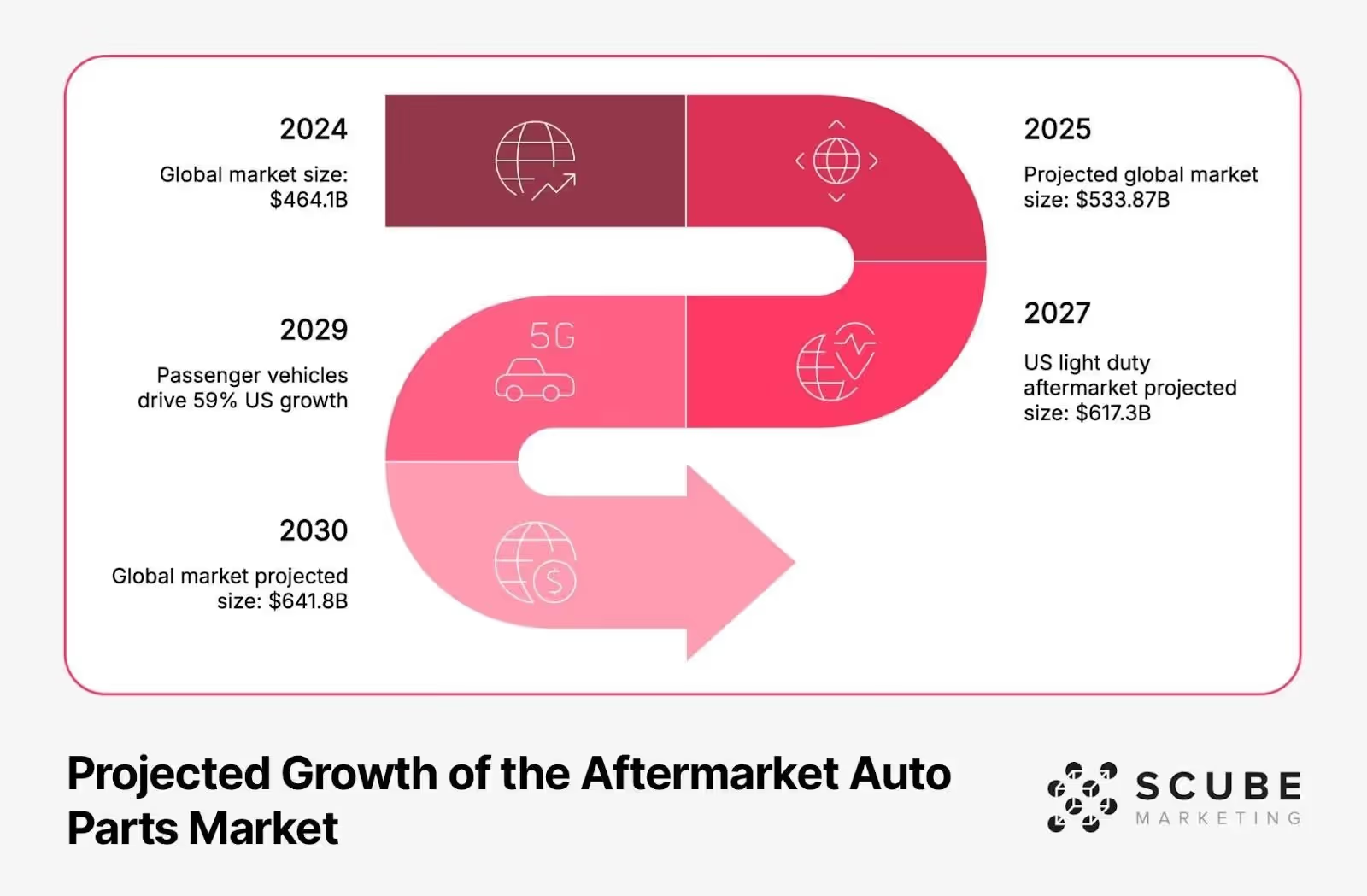
The automotive aftermarket represents an incredible opportunity for online retailers. Global automotive aftermarket revenue is valued at $464.1B in 2024, with projections to reach $533.87B by 2025. This continued growth makes automotive ppc advertising an important channel for brands that want to reach buyers through search engines, drive website traffic, and increase car sales in a highly competitive space.
For many retailers, standing out in the crowded world of ppc advertising requires both technical knowledge and creative approaches. Success depends on understanding how ppc campaigns work in the automotive industry, how buyers search, and how to create ads that connect with the right audience at the right moment.
In this guide, proven strategies will show how to create ppc ads that not only drive clicks but also convert browsers into buyers. From understanding industry nuances to writing compelling ad copy and optimizing landing pages, this section covers what matters most for stronger automotive ppc campaigns and better overall conversion performance.
Before diving into ad creation, it is crucial to understand the market landscape. The US automotive aftermarket alone generated $80.06B in revenue in 2023 and is forecast to reach $93.84B by 2030. This scale creates strong opportunities for automotive businesses using pay per click advertising to reach potential customers through search ads, paid search, and other advertising platforms.
What makes this industry unique is its technical specificity combined with passionate consumer interest. Auto enthusiasts and repair professionals alike search with incredible precision. They often know exactly what they need, down to the part number and vehicle fit. That is why keyword research, relevant keywords, and high intent keywords matter so much in automotive ppc marketing.
This industry continues to evolve rapidly. The US light duty aftermarket grew 8.6% in 2023 to $392B and is expected to reach $617.3B by 2027. As demand grows, auto businesses need a stronger ppc strategy, smarter bid management, and more effective targeted campaigns to compete for visibility in crowded search results.
Understanding regional differences matters too. The aftermarket varies globally:
When creating ppc ads, this market context helps explain search behavior. For instance, tires dominate the US aftermarket with 23.06% revenue share in 2024. This suggests significant search volume and competition in this subcategory, which can affect ad spend, cost per click, and bidding strategy.
Similarly, turbochargers represent the fastest-growing segment in the US market due to increased demand for performance parts. Tapping into these growth areas early can give automotive ppc advertising campaigns a competitive edge and help reach customers searching for trending products.
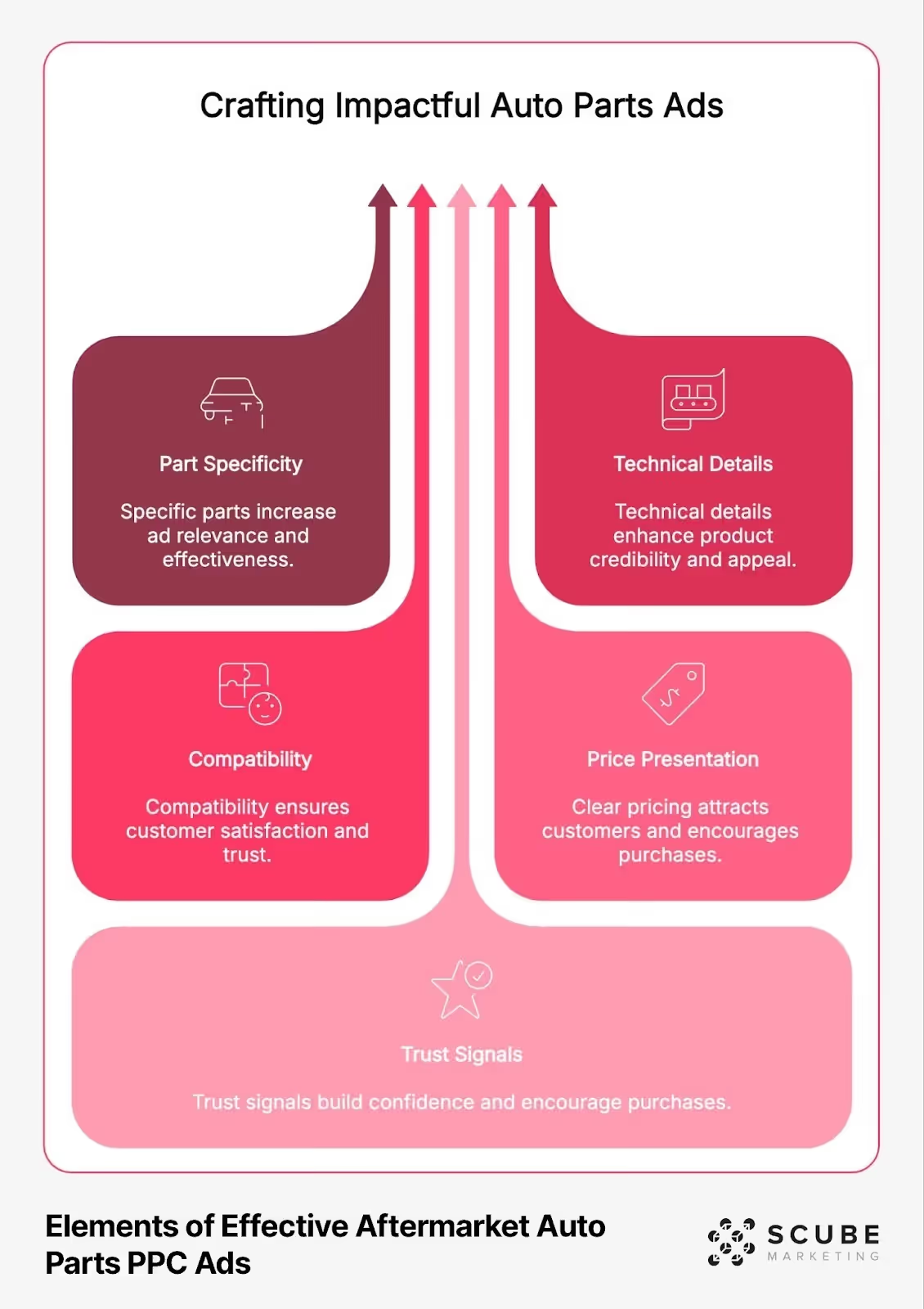
Creating effective PPC ads for auto parts requires balancing technical specificity with compelling marketing. The essential elements that make these ads perform are closely tied to relevance, clarity, and trust.
First, precision matters more than in almost any other industry. Auto parts buyers need exact matches for their vehicles. Generic promises will not cut it when someone is searching for a “2015 Honda Civic EX brake caliper.” This is where automotive ppc strategy becomes critical. Ads should reflect the right keywords, vehicle fitment, and buyer intent.
Second, trust must be built instantly. Parts compatibility is a major concern for buyers, especially when they are comparing multiple ads across Google Ads, banner ads, and other ppc pay per click channels. They need confidence that what they are clicking on will actually fit their vehicle and perform as expected. Strong ad copy, clear pricing, and visible trust signals all support better conversion rates, which is why automotive ppc services for aftermarket brands and car dealerships should focus on accuracy as much as visibility.
Here is what separates winning ads from weaker ones:
This comparison highlights a critical truth: specificity beats generality in auto parts advertising every time. Generic ads waste budget on unqualified clicks, while specific ones attract buyers who know exactly what they want. That is one reason ppc works so well in this market when campaigns are built around strong ad groups, exact product language, and high-intent search behavior.
Looking for a clear, connected view of how auto parts marketing actually works across SEO, PPC, feeds, and marketplaces? Explore the complete guide to auto parts marketing and ecommerce →
Effective auto parts ad copy walks a fine line between technical accuracy and selling benefits. Ads must speak to both the logical and emotional sides of parts purchases.
On the logical side, include specific part numbers, exact fitment information, and technical specifications when space allows.
For headline examples, consider:
Each example leads with specificity but still includes a benefit or offer. That is what makes effective ad copy so important in automotive ppc advertising. Clear and direct messaging helps improve click-through rate, attracts the right audience, and supports stronger conversion performance.
For descriptions, answer these key questions:
The best way to determine which ad copy performs best is through testing. Test variables such as technical specificity in headlines versus benefit-focused headlines, including price versus omitting price, leading with brand names versus leading with part function, and different warranty or guarantee phrasing. This kind of ongoing optimization helps improve more leads, more customers, and ultimately more sales.
For ad extensions, leverage:
These features can support conversion tracking, generate phone calls, and help capture additional clicks from users who are ready to buy.
Keyword strategy for auto parts requires an approach that accounts for highly specific search behavior. Passenger vehicles drive 59% of US aftermarket growth from 2025–2029, making this segment particularly important for keyword planning.
A strong ppc strategy should cover these essential categories:
The most effective automotive ppc campaigns tend to cover all of these keyword types. However, the highest ROI often comes from part number and specific fitment keywords. Those searches usually show the strongest buying intent and help generate qualified leads at a lower cost per acquisition.
Negative keywords are equally important in auto parts PPC. Common terms to exclude include DIY repair terms, OEM dealer terms if selling aftermarket only, rental or used part terms, parts not carried, and geographic locations not served. This improves driving traffic quality and keeps ad spend focused on better opportunities.
Testing different keyword structures can also reveal important insights. In some campaigns, including the vehicle model year in ads or keyword targeting can improve conversion rates and lead quality because it better matches buyer intent.
Organizational structure makes or breaks auto parts campaigns. Here’s how to organize them effectively.
First, separate campaigns by part category or vehicle type. This gives better budget control and makes performance analysis easier at a strategic level. For example, campaigns can be divided into Brake Components, Engine Performance, Exterior Accessories, or Vehicle-Specific categories such as F-150, Mustang, and Civic.
Next, within each campaign, structure ad groups by specific part types or subcategories. For example, a brake campaign can include ad groups for Brake Pads, Brake Rotors, Brake Lines, and Complete Brake Kits.
Finally, within each ad group, include a comprehensive keyword mix using appropriate match types. For example, use exact match for [2022 honda civic brake pads], phrase match for “ceramic brake pads for honda civic,” and broad match modifier style for +honda +civic +brake +pads +ceramic.
This structure allows for targeted messaging while maintaining organizational clarity. It also helps with budget allocation, since more budget can be assigned to higher-converting part categories.
Even the most compelling ad will fail if it leads to a poor landing page. For auto parts, landing page quality is especially critical because the purchase is often technical and buyers need confidence before they click, call, or buy. In automotive ppc advertising, the landing page plays a major role in conversion performance, conversion rates, and whether ppc campaigns actually turn traffic into revenue.
The most successful auto parts landing pages usually share the same core characteristics: immediate vehicle compatibility verification, complete technical specifications, clear pricing and availability, high-quality images from multiple angles, installation difficulty rating or guide access, fitment guarantee or return policy, and customer reviews specific to vehicle applications. These features help automotive businesses build trust, reduce hesitation, and support more qualified conversions from ppc ads.
Let’s examine the performance impact of different landing page elements:
The single most important element is the vehicle compatibility verification tool. Customers need immediate confidence that the part will fit their specific vehicle. Placing this feature prominently above the fold can significantly improve conversion rates and reduce wasted ad spend from users who land on the page but are unsure whether the product is right for them.
Mobile optimization is also non-negotiable. Many auto parts searches happen in garages, parking lots, or auto parts stores while customers compare options across search engines, search ads, and other advertising platforms. A poor mobile experience can quickly send buyers elsewhere, which hurts website traffic value and weakens overall automotive ppc marketing results.
What separates successful online auto parts sellers from struggling ones often comes down to their ability to create landing pages that answer technical questions while still delivering a smooth user experience. In automotive ppc advertising, that means matching the promise in the ad with the experience on the page. When the ad copy, product details, pricing, and compatibility information all align, the buyer is far more likely to convert.
For even stronger landing page performance, consider adding:
These additions can support more leads, more sales, and better results from targeted campaigns, especially when buyers are comparing options before making a decision.
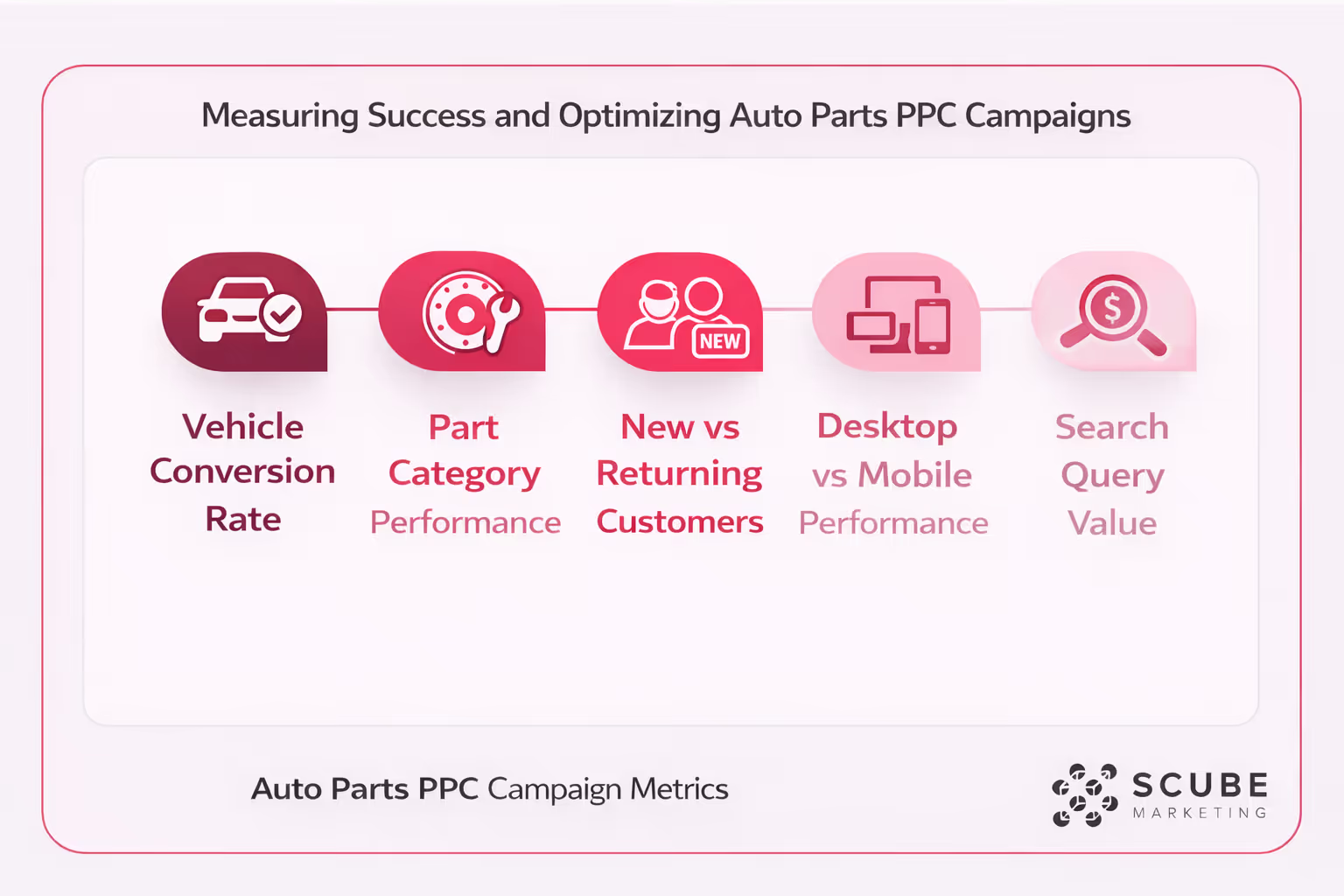
Auto parts ppc campaigns have unique performance indicators that differ from many other ecommerce segments. Standard metrics such as click-through rate, conversion rate, and return on ad spend still matter, but industry-specific measures often provide deeper insight into what is really driving performance.
Here are the key metrics to track for automotive ppc campaigns:
These metrics help reveal which parts of the account are working, where the strongest qualified leads are coming from, and which categories deserve more budget. For automotive ppc services, this kind of tracking supports better bid management, smarter bidding strategy, and stronger ongoing optimization.
A simple A/B testing framework can also help improve performance over time:
For many accounts, landing page tests produce larger gains once the campaign is already stable, while ad copy tests can create faster wins in newer campaigns. Both matter, but the order of priority may change depending on how mature the account is.
Budget allocation for auto parts campaigns should usually follow this hierarchy:
This approach helps focus ad spend on the right keywords, the right audience, and the traffic most likely to convert. It also reduces waste from broad traffic that may generate clicks but not enough buying intent.
Once the basic campaign structure is performing well, more advanced strategies can help take results further.
First, implement ROAS bidding strategies for part categories with enough conversion data. This allows automation to optimize toward profitability rather than just conversion volume. For established automotive ppc advertising accounts, this can improve efficiency and help scale stronger categories without losing control.
Second, build audience segments based on customer behavior. Particularly valuable segments may include previous purchasers of related parts, vehicle-specific browsers who have not yet purchased, shopping cart abandoners, and users who viewed installation guides. These segments can be useful for remarketing ads, dynamic ads, and follow-up ppc advertising across different social media platforms and social networking sites.
Third, create a scaling strategy that balances growth with profitability. For auto parts campaigns, this often means expanding into additional part categories, adding coverage for more makes and models, testing new ad formats, and exploring more channels within a broader digital marketing plan.
It is also important to stay alert to market changes. New vehicle trends, changing demand, and emerging categories can all influence search behavior. Being early in growing segments can give automotive businesses an advantage in search results and help them reach customers before competition intensifies.
Creating effective PPC ads for aftermarket auto parts requires industry knowledge, technical precision, and marketing creativity. By understanding the unique aspects of this market and applying a structured automotive ppc strategy, businesses can improve conversion performance, attract potential customers, and create more effective ppc campaigns.
The aftermarket continues to evolve quickly, and that creates real opportunity for brands willing to improve their targeting, messaging, and landing page experience. Strong automotive ppc advertising is not just about getting clicks. It is about using the right keywords, clear compelling ad copy, strong landing pages, and consistent testing to turn traffic into revenue.
For the best results, continue refining the strategy over time. What works for one part category may not work for another. Data-driven decisions, regular testing, and smart optimization will help improve ROI, lower cost per acquisition, and keep campaigns competitive in a crowded market.
Want to discuss how these strategies might work for a specific aftermarket parts business? Explore our automotive industry expertise or contact us for a personalized strategy session.