
Google Shopping works well for consumer goods, but when marketing for heavy equipment, think excavators, dozers, wheel loaders, backhoes, and skid steers, these items mostly live outside the standard product listing format. The real action happens on dedicated equipment marketplaces like MachineryTrader, IronPlanet, Equipment Trader, and Ritchie Bros, which are built specifically for high-value construction equipment transactions. That said, Google Shopping still plays a role, and knowing where it helps and where to go instead is the difference between spinning your wheels and actually finding the machine you need.
I spend a lot of time thinking about how buyers find products through Google, and heavy equipment is one of those categories that breaks all the standard rules. It's worth getting the full picture before you open a new tab and start searching.
Google Shopping does surface some heavy equipment listings, but its usefulness for buying construction equipment is limited compared to purpose-built equipment marketplaces.
Google Shopping's product listing format is built around items with fixed prices, standard shipping, and merchant-fulfilled returns. Most heavy equipment doesn't fit that box. A used Caterpillar 320 excavator or a John Deere 310 backhoe typically requires a phone call, an inspection, freight logistics, and often financing. Those steps don't map neatly onto a Shopping ad.
What Google Shopping does well for heavy equipment is parts and attachments. Bucket teeth, hydraulic hoses, filters for a Komatsu or Bobcat machine, those show up reliably. For whole machines, especially used heavy equipment above 11 tons, the specialized platforms are where the inventory actually lives.
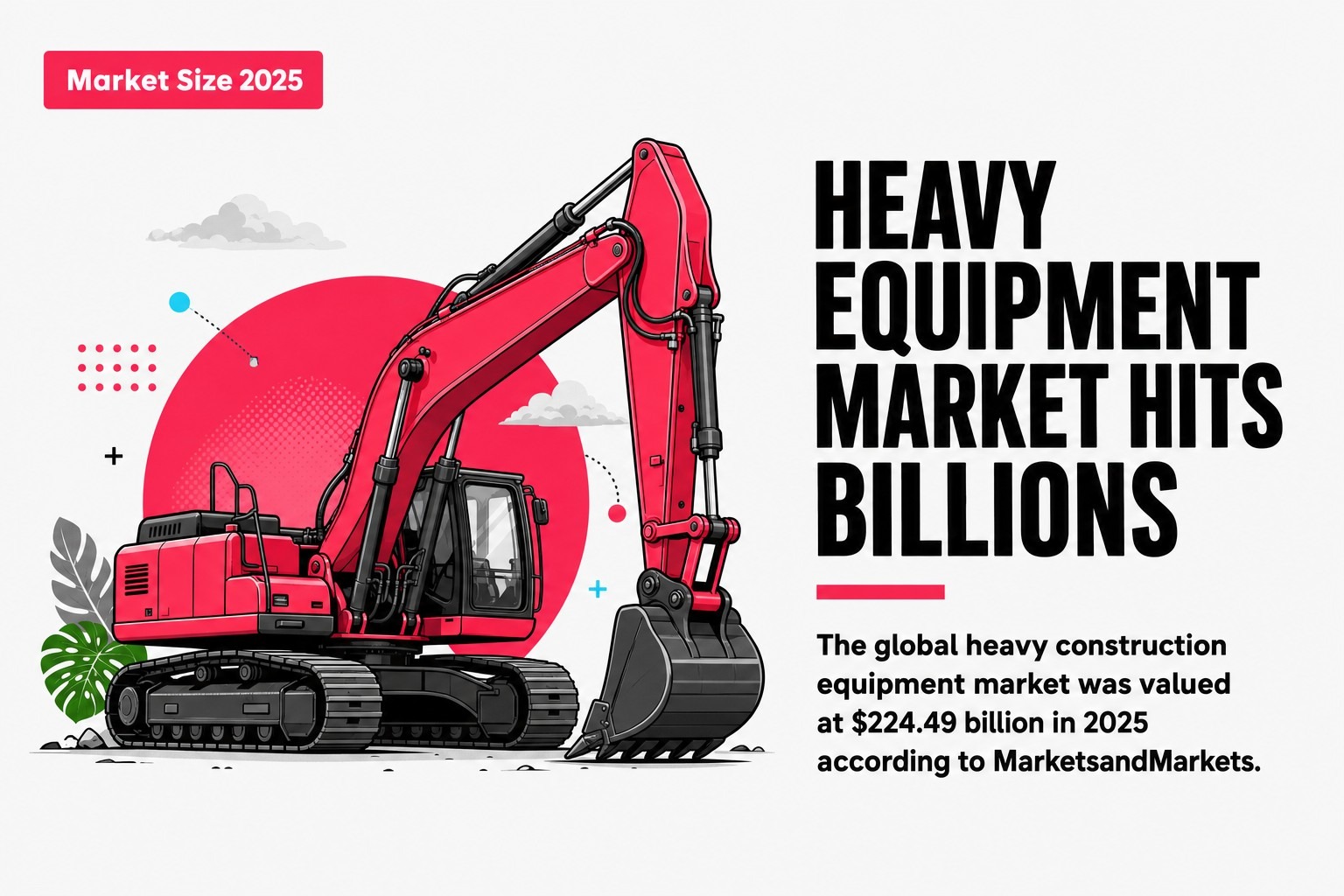
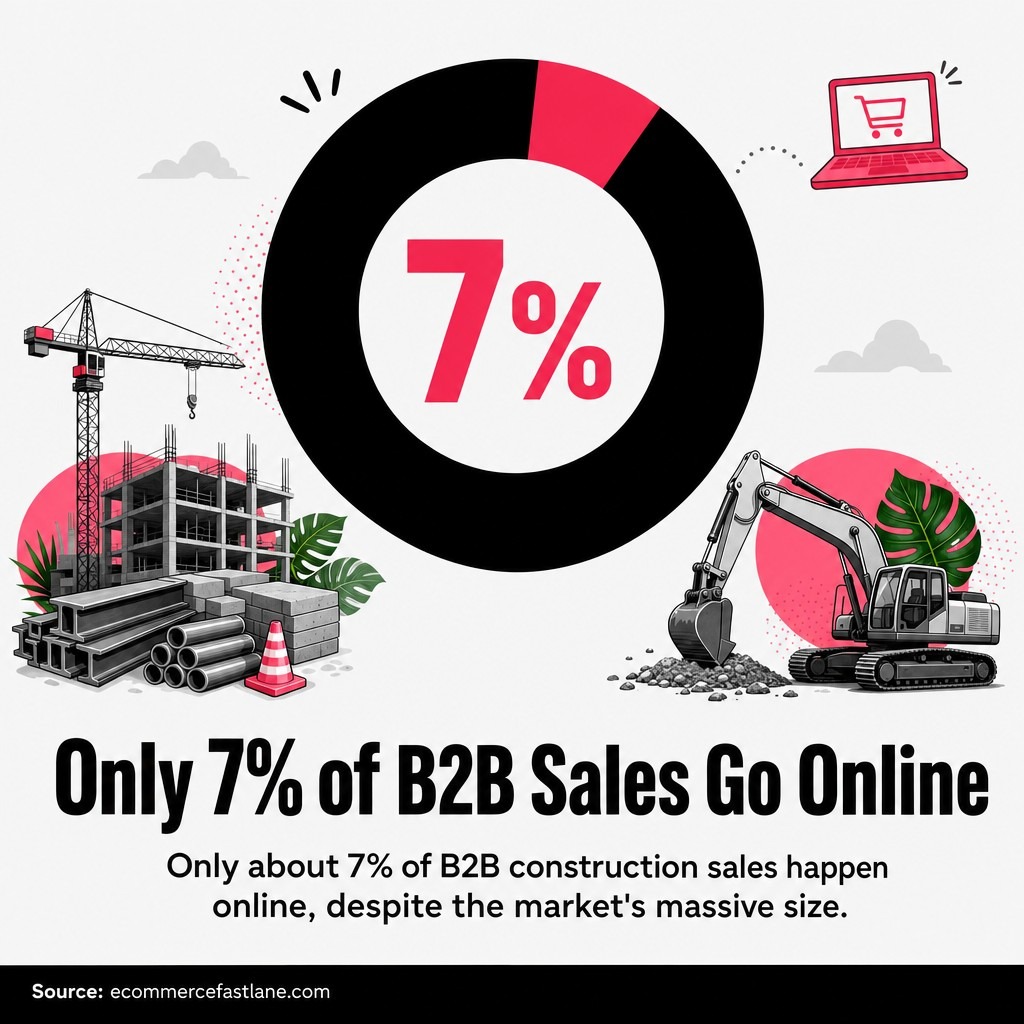
The global heavy construction equipment market was valued at $224.49 billion in 2025 according to MarketsandMarkets. That's a massive market. But only about 7% of B2B construction sales happen online. The gap between market size and digital transaction volume tells you something useful: buyers are researching online, but most deals still close through a mix of digital and direct channels.
If you're selling heavy equipment parts online through Google Shopping, that's a very different conversation. Our Google Shopping ads step-by-step blueprint covers the campaign structure you need for that scenario in detail.
The best platforms for buying heavy equipment online are MachineryTrader, IronPlanet, Equipment Trader, Ritchie Bros, and eBay, each offering different inventory mixes, auction formats, and buyer tools.
Most buyers end up using two or three of these together. That's the practical reality of shopping for a specific make and model.
MachineryTrader is one of the largest construction equipment marketplaces in the U.S., listing new and used machines from dealers and private sellers. You can filter by equipment type, manufacturer, price, year, hours, and location. A mobile app for Android and iOS makes it easy to save searches and get alerts on new listings.
IronPlanet focuses on online auctions for used heavy equipment, with third-party inspection reports included on most machines. That inspection detail is what sets it apart for buyers who can't travel to see equipment in person. IronPlanet reported 22% year-over-year growth in Asia-Pacific online auction volume in early 2025, which shows the appetite for this format is real.
Ritchie Bros runs both live on-site auctions and online timed auctions. It's the largest heavy equipment auctioneer globally. If you want the widest selection of used excavators, dozers, and wheel loaders in one place, this is where serious buyers go.
Equipment Trader lists new and used construction equipment from dealers across the country. Filters include equipment category, manufacturer, year, price, and proximity. The interface is straightforward and well-suited to buyers comparing specific models side by side.
eBay has a surprisingly active heavy equipment section, including skid steers, backhoes, and smaller machines. Prices are sometimes lower than dedicated platforms, but inspection options are minimal. Best used for smaller or lower-risk purchases where you can verify condition another way.
Every major equipment marketplace lets you filter by equipment type, manufacturer, year, price range, hours used, and seller location, and using all of those filters together dramatically narrows a search to only relevant machines.
Most buyers start too broad. Searching "excavator" on MachineryTrader returns thousands of listings. Searching "Caterpillar 320 excavator under 5,000 hours within 300 miles" returns something you can actually work with in an afternoon.
Set up saved searches with email alerts. Every main platform supports this. When a matching machine hits the market, you hear about it first. For auction platforms like IronPlanet and Ritchie Bros, proxy bidding lets you set a maximum bid and walk away. The platform handles incremental increases on your behalf.
On the Mascus platform, which aggregates international listings, you can filter by country and currency, useful when domestic inventory is thin for a specific model.
For sellers and marketers running paid campaigns around these searches, our guide on paid search for construction equipment buyers covers how to structure campaigns around these same high-intent filter combinations.
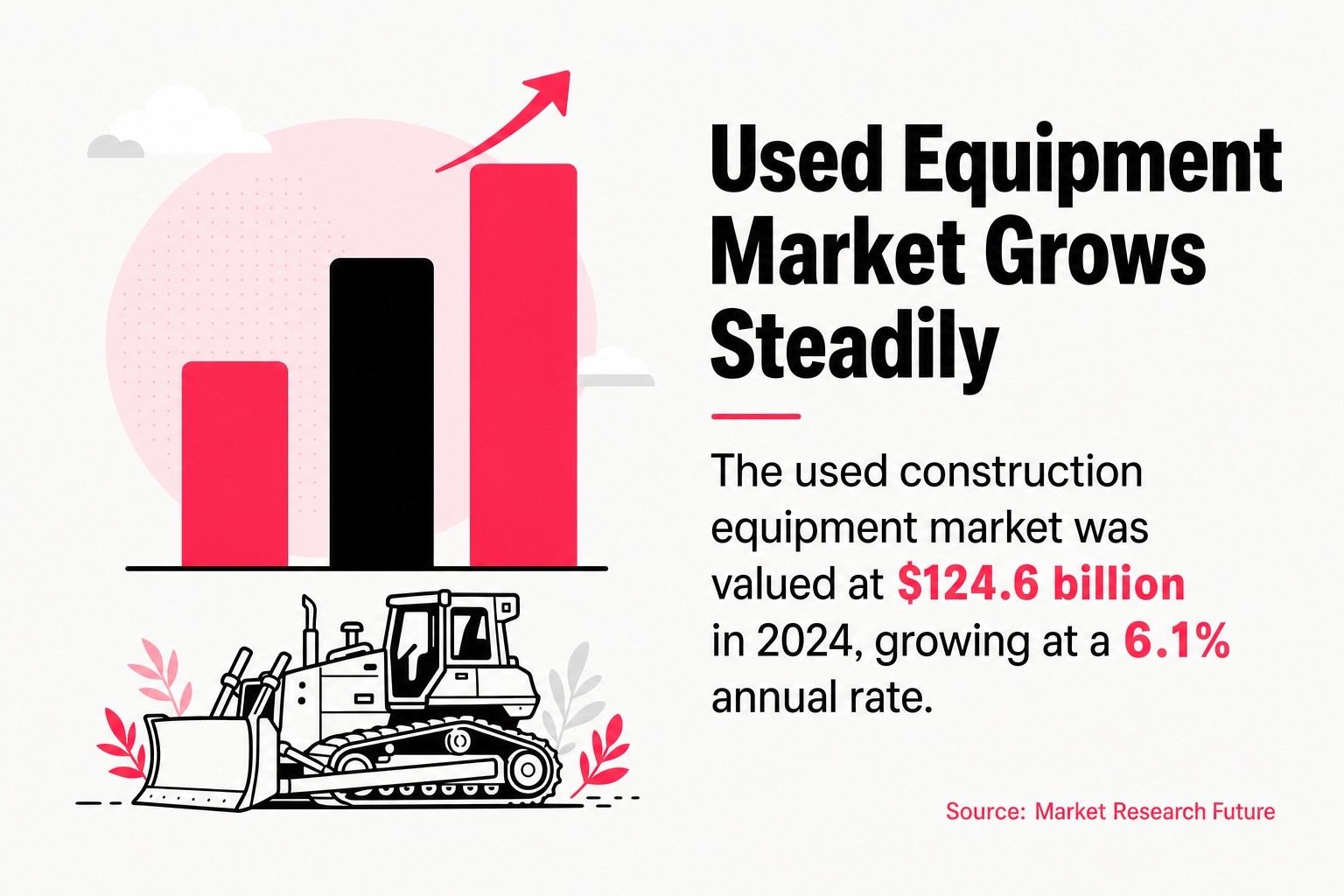
The used construction equipment market was valued at $124.6 billion in 2024 according to Market Research Future, growing at a 6.1% annual rate. That growth reflects real buyer preference, not just budget constraints.
Used heavy equipment dominates online shopping volume for one practical reason: price. A new Caterpillar wheel loader or Volvo articulated hauler carries a price tag that most contractors want to negotiate with a dealer directly. Used machines, priced from low five figures to several hundred thousand dollars, are much more compatible with online browsing and auction formats.
When evaluating used construction equipment online, focus on four things:
New equipment is available through manufacturer dealer networks and platforms like Equipment Trader. Caterpillar, John Deere, Bobcat, and Komatsu all support dealer inventory search on their own sites too. For new machines, the online platform is usually the starting point for research, with the actual purchase closing at the dealership.
Online auctions for heavy equipment, particularly through Ritchie Bros and IronPlanet, give buyers access to large used equipment inventories at market-driven prices, often with better transparency than private listings.
Auction formats vary across platforms. Knowing the type you're dealing with matters.
BigIron Auctions is worth mentioning for agricultural and construction crossover equipment. Purple Wave covers government and municipal fleet disposals, which occasionally include heavy construction equipment at below-market prices.
For anyone running Google Shopping or PPC campaigns around auction-based equipment searches, the PPC guide for heavy equipment addresses how auction intent differs from direct purchase intent and how to structure bids accordingly.
The most commonly listed heavy equipment brands on online marketplaces are Caterpillar, John Deere, Komatsu, Bobcat, Volvo, and Case, with Caterpillar and John Deere typically holding the largest share of used listings in North America.
Brand matters more in heavy equipment than almost any other product category because parts availability, dealer proximity, and resale value are all tied to it. A Caterpillar excavator or Komatsu dozer in a region with strong dealer support is worth more than a comparable machine from a brand with thin local service coverage.
FleetNow's mid-2025 analysis found that boom lifts, scissor lifts, and telehandlers led by lead count among buyer inquiries. Excavators, skid steers, wheel loaders, backhoes, and dozers consistently fill out the top ten. If you're searching for a specific type, filtering by brand first, then model, tends to produce cleaner results than starting with equipment type alone.
Bobcat is the dominant name in compact skid steers and track loaders. Volvo and Komatsu are strong in wheel loaders and articulated dump trucks. Case competes closely with John Deere in backhoes. Knowing the brand landscape helps you compare apples to apples when prices vary across listings.
Most major equipment platforms connect buyers directly to financing, with options including equipment loans, leases, and rent-to-own arrangements that can be pre-qualified before bidding or making an offer.
Ritchie Bros offers financing through its Ritchie Bros Financial Services arm. MachineryTrader connects buyers to third-party lenders directly in the listing interface. IronPlanet has similar arrangements for qualified buyers. On Equipment Trader, many listings come from dealers who offer their own floor-plan financing.
A few things worth knowing before you apply:
The construction equipment rental market was valued at $159.8 billion in 2025 according to GM Insights. Rental is a genuine alternative when a project has a defined timeline or when capital is better deployed elsewhere. Most platforms with new equipment listings also show rental options, making the buy-vs-rent decision easier to evaluate side by side.
Buying heavy equipment online safely comes down to verification: confirm the seller's identity, get an independent inspection on any machine above $20,000, and never wire funds without a documented bill of sale.
The used construction equipment market's growth, a 6.1% annual clip, brings more sellers to online platforms every year. Most are legitimate. Some aren't. The red flags are consistent across platforms.
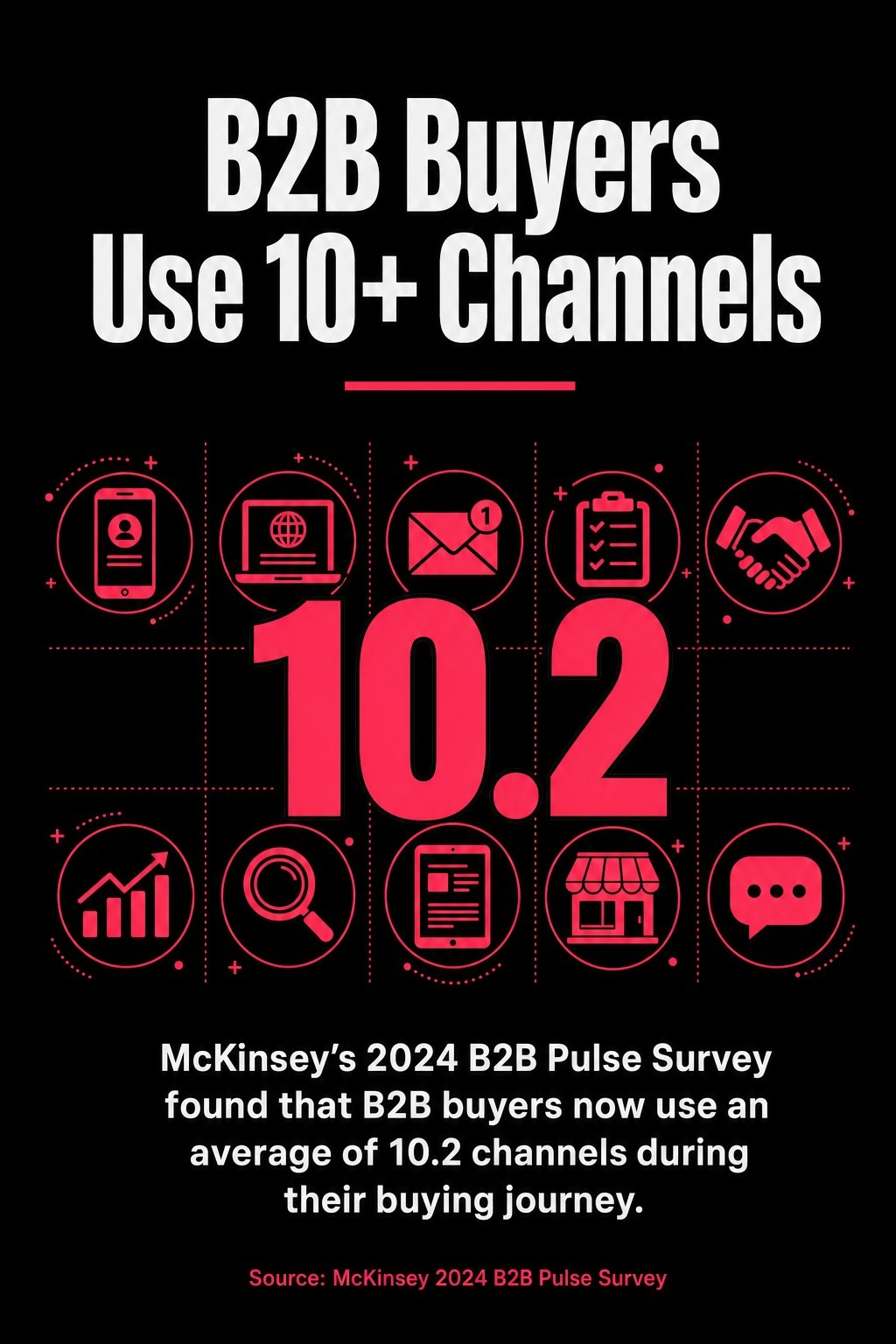
McKinsey's 2024 B2B Pulse Survey found that B2B buyers now use an average of 10.2 channels during their buying journey. That multi-channel behavior is healthy for heavy equipment purchases. Cross-reference any listing you're serious about across at least two platforms. If the same machine appears at dramatically different prices, ask why.
Concrete steps for safer online equipment purchases:
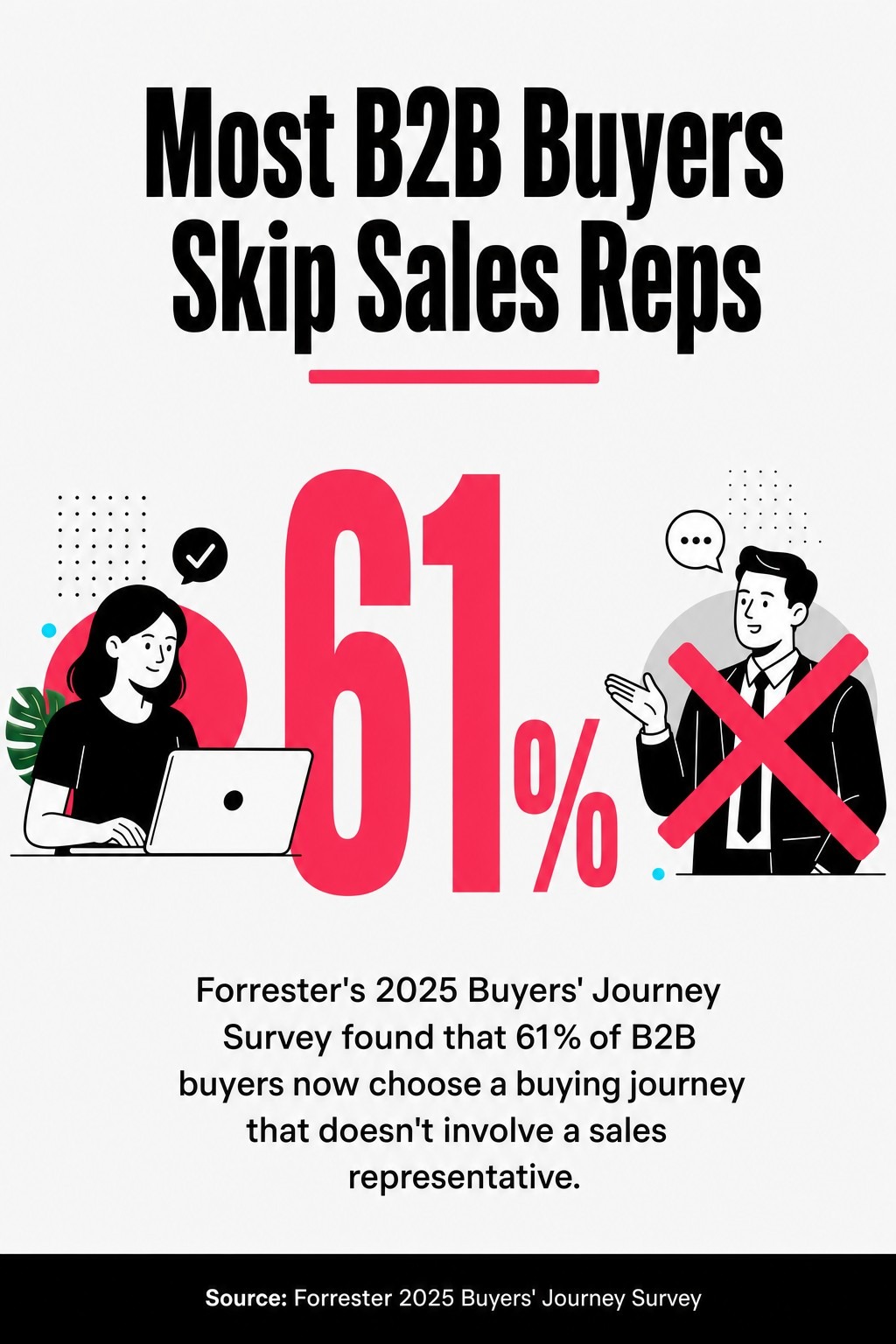
The shift toward online B2B purchasing is real. Forrester's 2025 Buyers' Journey Survey found that 61% of B2B buyers now choose a buying journey that doesn't involve a sales representative. That's a preference for digital-first research and transacting, but it puts more due diligence responsibility on the buyer. The platforms are tools. The verification work is yours.
If you're on the selling side, understanding how buyers move through this process is half the battle. Our full guide on heavy equipment and construction parts ecommerce marketing covers how to position inventory so it gets found by the right buyers at the right stage.
Google Shopping management is one piece of the puzzle for heavy equipment, mostly useful for parts and attachments rather than whole machines. The dedicated platforms handle whole-machine transactions better, with the search tools, auction formats, financing integrations, and inspection infrastructure that high-value construction equipment actually requires. Start on MachineryTrader or IronPlanet for used machines, use Equipment Trader for new dealer inventory, and treat Google Shopping as your entry point for parts and accessories. That's the practical playbook.