.png)
Marine accessory brands face a unique challenge. You're selling specialized products to a passionate but niche audience.
The stakes are high. Miss the mark, and your content vanishes into the digital ocean.
But here's what works: treating content strategy like navigation. You need the right charts, the right heading, and the right crew. Most marine brands throw content overboard without a plan. They post boat photos on Instagram, write generic blog posts about "maintenance tips," and wonder why nobody engages.
The reality? The boating industry averages a social media engagement rate of only 1.3%. That's abysmal.

I've spent years helping ecommerce brands navigate digital marketing. The marine industry isn't that different from automotive aftermarket, where I cut my teeth. Both serve enthusiasts who want specialized knowledge, not sales pitches. Both need content that educates first and sells second.
This guide shows you how to build a content strategy that actually connects with boaters. You'll discover which content types drive engagement, how to tell stories that build trust, and which platforms deserve your attention. No fluff. Just practical tactics that work for marine businesses of all sizes.
Content marketing for marine businesses means creating valuable material that attracts boaters to your brand. It's not advertising. It's earning attention through useful information.
Think about how boaters research purchases. They're not impulse buyers. They read reviews, watch installation videos, and ask questions in forums before pulling out their wallets.
Your content strategy needs to meet them at every stage. The boater researching anchor systems isn't ready to buy yet. They're learning. Your job is to be the expert who teaches them.
Here's what makes marine content marketing different. Your audience is smaller but more engaged. 11.9% of U.S. households own recreational boats. That's roughly 15 million households.

Small audience, big opportunity. These people are serious about boating. They invest in quality accessories. They seek out expertise.
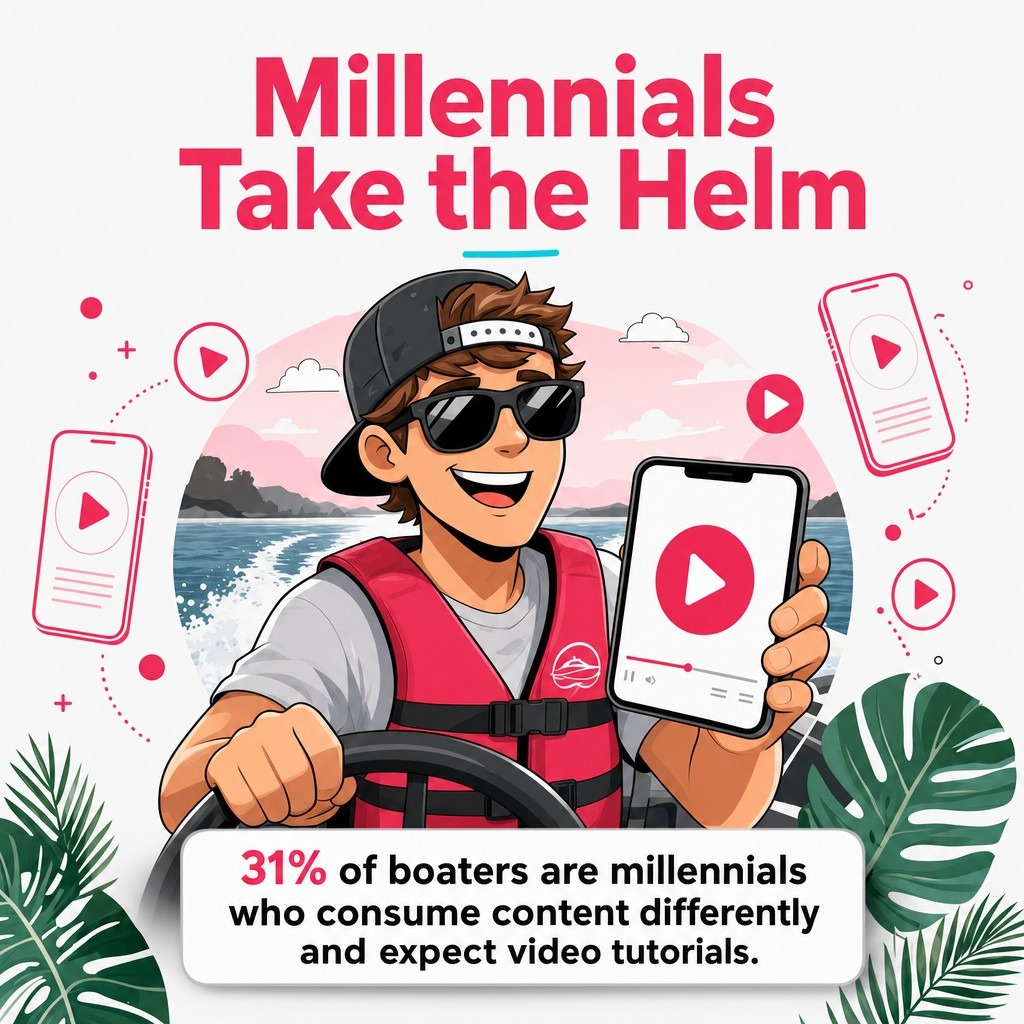
The marine industry demographic is shifting too. 31% of boaters are millennials. Younger boaters consume content differently. They expect video tutorials. They want authentic brand stories. They research on mobile devices.
Content marketing works because it builds relationships before transactions. A boater who learns from your installation guides trusts you. When they need that specific accessory, you're the obvious choice.
Traditional advertising interrupts. Content marketing attracts. That distinction matters when your target audience actively seeks information before making purchase decisions.
Every marine accessory brand has a story. Most never tell it properly.
Your brand story isn't your company history. It's why you exist beyond making money. It's the problem you solve for boaters. It's the values that drive your product decisions.
Start with your origin. Why did someone start this company? What frustration with existing marine accessories led to your first product? That frustration is relatable. Other boaters have felt it too.
Brand storytelling in the marine industry needs authenticity. Boaters can smell marketing nonsense a mile away. They want to know you actually understand their world.
Share your connection to boating. Do your engineers boat every weekend? Did your founder spend years as a charter captain? These details make you real.
Your core narrative should answer three questions. What do you make? Who do you serve? Why does it matter?
Be specific about the "who." Don't say "boaters." Say "offshore fishermen who spend 200+ days on the water annually." Or "weekend cruisers with families who prioritize safety and comfort."
The "why it matters" connects features to benefits. You don't just make marine electronics. You help captains navigate safely in challenging conditions. You give families peace of mind.
Your brand story should run through all your content. Blog posts should reflect your values. Social media should reinforce your identity. Videos should showcase your expertise.
The most powerful brand stories come from your customers. Their experiences validate your claims better than any marketing copy.
Customer testimonials work when they're specific. "Great product!" means nothing. "This anchor held in 40-knot winds when others dragged" tells a story.
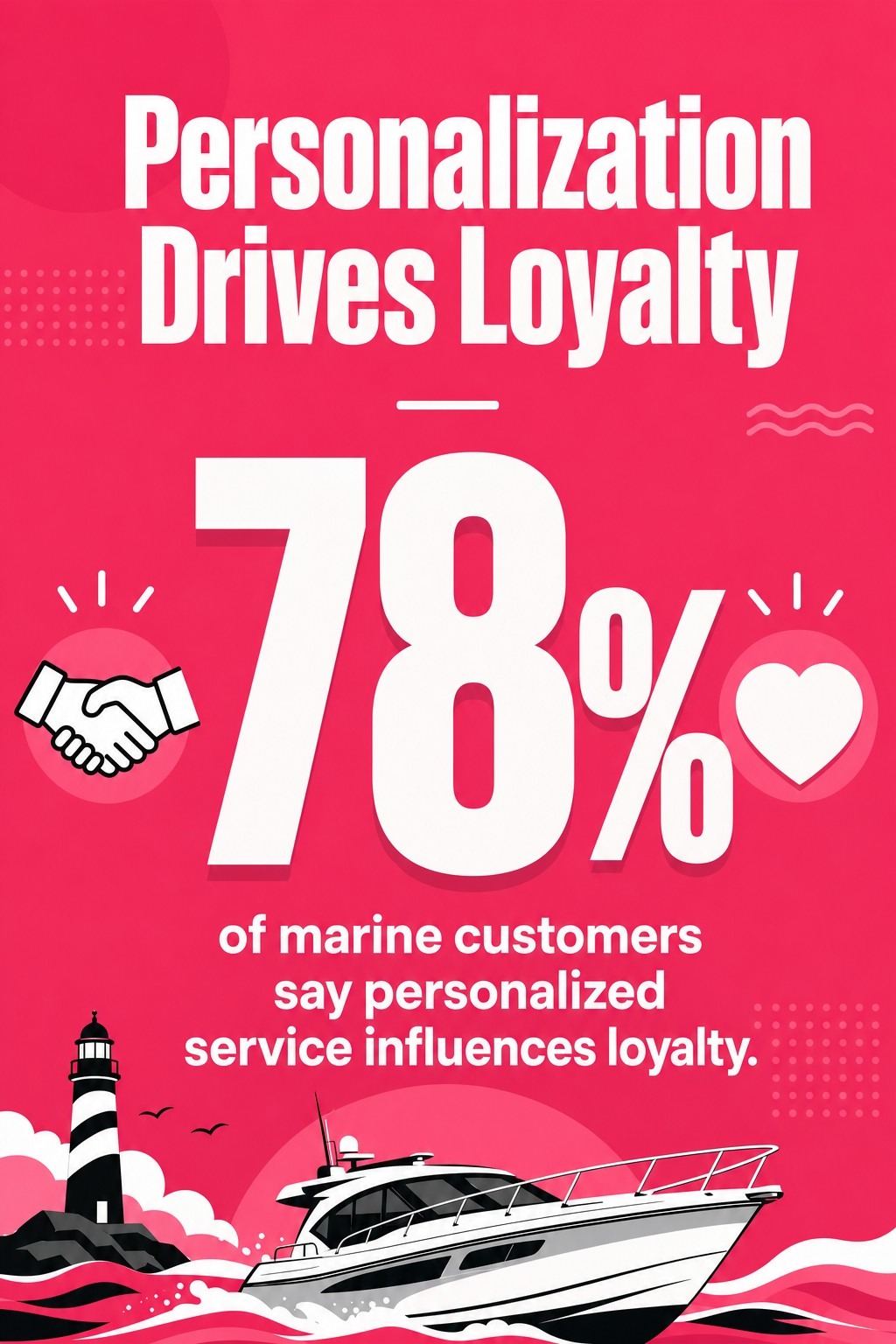
Video testimonials perform even better. Seeing a real boater explain how your product solved their problem creates instant credibility. 78% of marine customers say personalized service influences loyalty.
User-generated content amplifies your brand story. When customers post photos of your accessories on their boats, that's endorsement you can't buy. Encourage it. Feature it. Thank them publicly.
Build a collection of customer success stories. Different boaters face different challenges. Showcase the variety. The offshore racer has different needs than the lake cruiser. Show how you serve both.
Marine accessory brands need a content mix that educates and inspires. Different content types serve different purposes in your strategy.
Blog content forms your foundation. It's permanent, searchable, and builds SEO authority over time. Each blog post should target a specific question your customers ask.
Video content shows what blog posts can't. Installation procedures make sense when someone watches the process. Product comparisons work better when viewers see the differences.
Social media content keeps you visible between purchases. Boaters don't buy accessories every week. They need reasons to stay connected to your brand.
Let's break down which content types deliver results for marine businesses.
Your blog should answer questions boaters actually search for. Use tools like Ahrefs or Answer the Public to find these questions.

Educational articles build authority. Write guides about maintenance, safety procedures, and seasonal preparation. "How to winterize your boat's electronics" attracts readers who might need new electronics next season.
Product comparison articles help decision-makers. Compare your products to competitors honestly. Point out when a competitor's solution might work better for specific use cases. That transparency builds trust.
Installation guides reduce customer support burden while providing value. Detailed step-by-step instructions with photos help customers succeed with your products.
Industry news commentary positions you as an expert. When marine regulations change or new boating trends emerge, provide your perspective. Link relevant accessories to the discussion naturally.
Video content drives engagement for marine brands. It's visual, it's shareable, and it demonstrates expertise clearly.
Product demonstration videos should show real-world usage. Don't film in a warehouse. Take your camera on the water. Show your accessories performing in actual conditions.
Installation tutorials serve dual purposes. They help existing customers while showing prospects exactly what's involved. Detailed tutorials reduce installation anxiety that prevents purchases.
Behind-the-scenes content humanizes your brand. Show your team testing products. Document your design process. Let viewers see the expertise behind your accessories.
Customer story videos create emotional connections. Interview boaters about their experiences. Let them explain how your products enhance their time on the water.
Some marine brands crush video content. Sunseeker's YouTube videos averaged 231,000 views. They invested in quality production and storytelling.
Social media platforms serve different roles in your content strategy. Choose platforms where your target audience actually spends time.
Instagram works well for visually appealing marine content. Boats photograph beautifully. Share customer photos, installation shots, and on-water action. Azimut achieved an Instagram engagement rate over 4% in 2025 by focusing on high-quality visual storytelling.
Facebook groups connect you with boating communities. Join relevant groups. Answer questions. Share helpful content without being pushy. Build relationships first.
YouTube serves as your video library. Organize content into playlists by topic. Optimize titles and descriptions for search. Let your channel become a resource people return to.
LinkedIn reaches marine industry professionals. If you sell to dealers, marinas, or other B2B customers, LinkedIn content builds those relationships.
For more insight into building effective content strategies for niche audiences, check out this guide on content marketing for specialized outdoor industries.
Quality matters more than quantity in marine content marketing. One excellent guide outperforms ten mediocre posts.
Your content creation process needs structure. Start with research. What questions do your customers ask repeatedly? What problems frustrate them? What information do they search for?
Write for boaters, not algorithms. Use the language your customers use. If they call it a "bilge pump," don't write "water removal device" for SEO purposes.
Show your expertise through specifics. Generic advice like "maintain your boat regularly" helps nobody. Detailed guidance like "inspect your through-hull fittings every 30 days during active season" demonstrates real knowledge.
SEO helps boaters find your content when they search. It's not about tricks. It's about matching your content to their search intent.
Keyword research identifies what boaters search for. Tools like SEMrush show search volumes and competition levels. Target specific, long-tail keywords initially.
"Marine electronics" is too broad and competitive. "Best GPS chartplotter for offshore fishing under $1000" targets a specific search with commercial intent.
Optimize your content structure for search engines. Use descriptive headings. Include keywords naturally in titles and first paragraphs. Add alt text to images describing what they show.
Internal linking connects your content. When you mention related topics, link to your other relevant articles. This helps search engines understand your site structure while keeping readers engaged.
Page speed matters for mobile users. Marine accessory markets increasingly serve middle-class boat owners with 61% reporting household incomes below $100,000 annually. These customers often research on mobile devices with varying connection speeds.
For manufacturers looking to strengthen their digital presence, this complete guide to B2B content marketing for manufacturers provides relevant frameworks.
Marine content needs strong visuals. Your products exist in beautiful environments. Show them there.
Product photography should show context. Don't photograph navigation lights on a white background. Show them installed on a boat at dusk, doing their job.
Include multiple angles in product images. Boaters want to see mounting hardware, cable routing, and installation requirements. Answer visual questions they haven't asked yet.
Infographics simplify complex information. Turn installation steps into visual guides. Create comparison charts for product specifications. Make technical data accessible.
Before-and-after images prove your claims. Show the difference your products make. Document installations from start to finish.
Consistent content publishing builds audience expectations. A content calendar keeps you organized and strategic.
Plan seasonal content in advance. Write winterization guides in early fall. Publish spring commissioning content in late winter. Align content with what boaters need when they need it.
Balance content types throughout the month. Mix blog posts, videos, and social media content. Don't publish three blog posts in one week then go silent for a month.
Track which topics perform best. Use Google Analytics to see which blog posts drive traffic. Notice which videos get shares. Double down on what works.
Leave room for timely content. When industry news breaks or new products launch, you need flexibility to create relevant content quickly.
Creating content is half the battle. Getting it seen requires smart distribution across the right channels.
Your website anchors your content strategy. It's the only platform you fully control. Every other channel should drive traffic back to your site.
Email marketing delivers high ROI for marine businesses. Build your email list through website signups, lead magnets, and purchase data. Segment your audience by boat type, activity, or purchase history.
Social media platforms amplify your reach. But don't try to master every platform. Focus on where your audience actually engages.
Your website should organize content logically. Create clear navigation paths to different content types. Blog section, video library, installation guides, and product information should all be easily accessible.
Optimize for mobile users. More boaters research on phones than ever before. Your content needs to read easily on small screens. Test loading speeds. Simplify navigation.
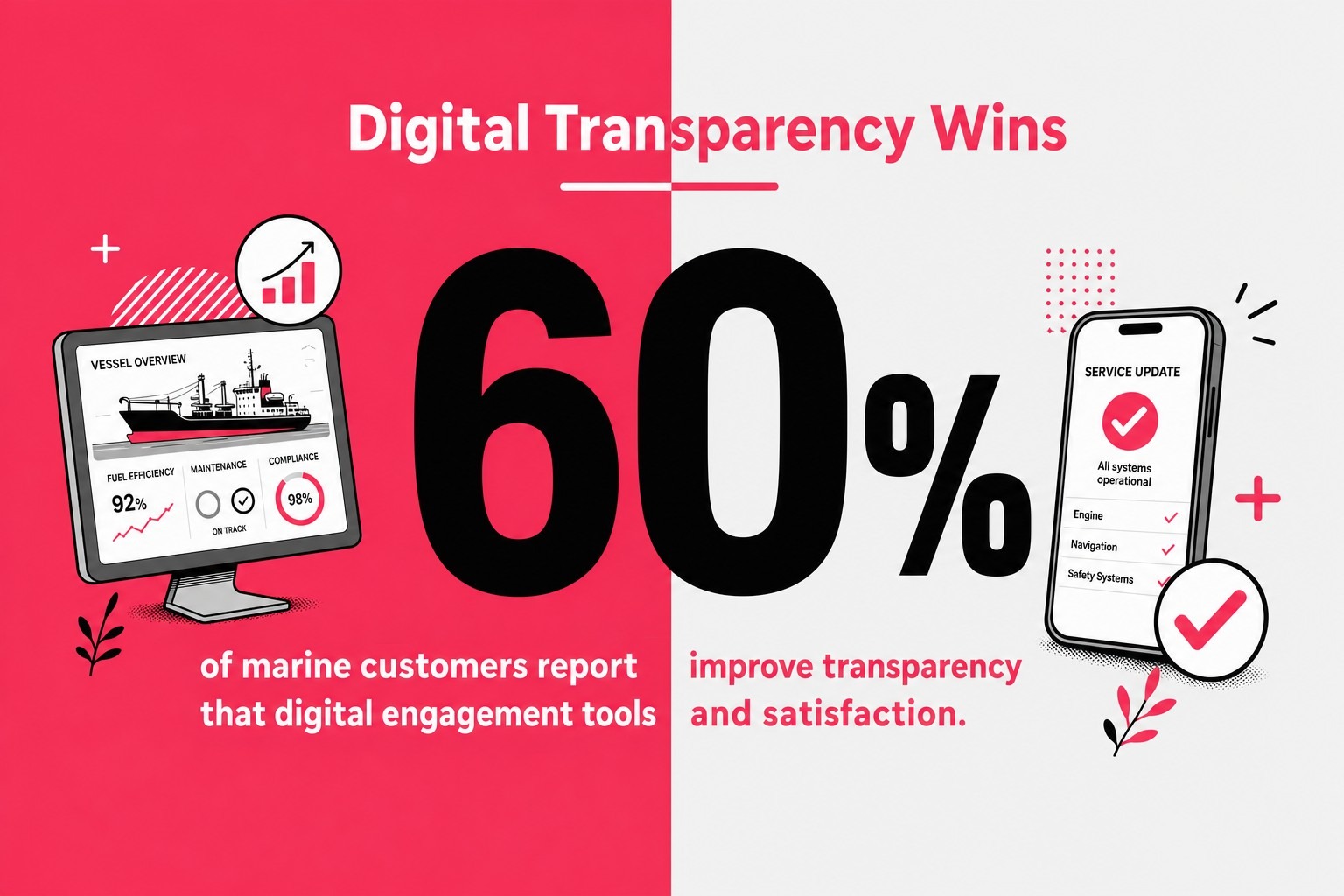
60% of marine customers report that digital engagement tools improve transparency and satisfaction. Make your website a tool, not a brochure.
Add search functionality. When your content library grows, visitors need ways to find specific information. Good site search improves user experience significantly.
Capture emails through strategic calls to action. Offer downloadable guides, maintenance checklists, or seasonal prep resources. Exchange value for contact information.
Email lets you reach customers directly. No algorithm controls who sees your content. Your message lands in their inbox.
Welcome sequences for new subscribers set expectations. Introduce your brand story. Share your best content. Explain what they'll receive.
Regular newsletters keep you top of mind. Share recent blog posts, new products, and helpful tips. Don't make every email a sales pitch. Provide consistent value.
Segmented campaigns perform better than mass emails. Send winterization tips to cold-climate boaters. Share fishing content to anglers. Target content to specific interests.
Abandoned cart emails work for ecommerce marine businesses. Someone added your product to their cart but didn't buy. Follow up with helpful information, not just a discount.
Choose social platforms strategically. Spreading yourself thin across every platform dilutes your efforts.
Facebook groups offer targeted reach. Join groups where your customers hang out. Share expertise. Answer questions. Build reputation before promoting products.
Instagram showcases visual content. Post consistently. Use relevant hashtags like #boatinglife, #marinegear, and specific hashtags for your niche. Engage with followers who comment.
YouTube builds long-term value. Videos stay discoverable for years. Optimize titles and descriptions. Create playlists that guide viewers through related content.
Pinterest works surprisingly well for marine content. Boaters plan projects. They save ideas. Create pins for your how-to guides, product comparisons, and installation tutorials.
If you're targeting marine industry professionals or B2B customers, explore strategies from this complete guide to marine boating parts marketing.
Trust separates marine brands that thrive from those that struggle. Boaters invest significant money in their vessels. They need confidence in their accessory purchases.
Customer engagement builds that trust over time. It's not about transaction frequency. It's about consistent value delivery between purchases.
Respond to every comment on your content. Someone asks a question on your blog post? Answer thoroughly. Comment on your Instagram photo? Acknowledge them. This interaction shows you're listening.
Create community around your brand. Host online forums where customers share experiences. Feature customer installations in your content. Celebrate their successes.
Authentic customer testimonials validate your claims better than any marketing copy you'll write. Collect them systematically.
Ask for specifics when requesting testimonials. "What problem did our product solve for you?" gets better responses than "Did you like it?"
Video testimonials carry extra weight. Seeing a real person describe their experience creates emotional connection. It proves they're not fabricated reviews.
Feature testimonials across your content. Add them to product pages. Include them in blog posts. Share them on social media. Let customer voices amplify your message.
Address negative feedback publicly and professionally. When someone has a problem, solve it transparently. Other customers watch how you handle issues.
Your customers create content about boating constantly. Tap into it strategically.
Encourage customers to tag your brand in their photos. Create a branded hashtag. Feature the best submissions on your channels with permission.
Run photo contests periodically. "Best installation photo" or "Most challenging conditions" contests generate engagement and content. Offer meaningful prizes related to boating.
Share customer stories beyond products. How do they use their boats? Where do they explore? What makes boating meaningful to them? These stories build community.
User-generated content provides social proof while giving you authentic material to share. It's win-win when done respectfully.
Strong communities form around shared interests, not products. Position your brand as a gathering point for boaters with specific interests.
Host virtual events like webinars or Q&A sessions. Bring in guest experts. Discuss topics your audience cares about. Make these educational, not promotional.
Create valuable resources your community can share. Downloadable checklists, seasonal maintenance guides, or troubleshooting flowcharts provide ongoing value.
Recognize community members publicly. Feature "customer of the month" spotlights. Acknowledge longtime supporters. People appreciate recognition.
For practical approaches to creating valuable content that resonates with your audience, this guide to content ideas for parts brands offers actionable strategies.
You can't improve what you don't measure. Track the right metrics to understand what's working in your content strategy.
Vanity metrics like total page views look impressive but don't indicate success. Focus on metrics that connect to business goals.
Engagement metrics show how your audience interacts with content. Time on page, scroll depth, video completion rates, and comments all indicate whether content resonates.
Conversion metrics connect content to revenue. Track which blog posts drive product page visits. Monitor which videos lead to purchases. Measure email signups from content offers.
Use Google Analytics to track website content performance. Set up goals for important actions like email signups or product page visits.
Connect Google Search Console to monitor search performance. See which queries bring visitors to your content. Track ranking improvements over time.
Social media platforms provide native analytics. Facebook Insights, Instagram Analytics, and YouTube Analytics show which content performs best on each platform.
Use email marketing platforms to track open rates, click rates, and conversion rates. Test subject lines and content formats to improve performance.

Regular analysis reveals patterns. Which topics generate most engagement? Which formats drive conversions? Which distribution channels deliver results?
Double down on what works. If installation videos outperform product reviews, create more installation content. If email subscribers convert better than social followers, invest more in email growth.
Improve underperforming content. Low-traffic blog posts might need better SEO optimization. High-bounce-rate pages might need clearer calls to action or better formatting.
Test different approaches systematically. Try different video lengths. Experiment with blog post formats. Test email send times. Small improvements compound over time.
Once your basic content strategy operates smoothly, advanced tactics can amplify results.
Content repurposing extends the value of every piece you create. One comprehensive blog post becomes a video script, social media posts, email content, and infographics.
Influencer partnerships expand your reach into established audiences. Marine industry influencers have dedicated followers who trust their recommendations.
Emerging trends reshape how boaters consume content. The recreational marine telematics market is expected to grow at 11.2% CAGR through 2033. Technology changes create content opportunities.
Start with pillar content. Create comprehensive guides on important topics. These become source material for smaller content pieces.
Turn blog posts into video scripts. Your written content already outlines the key points. Record yourself explaining the same information visually.
Extract social media posts from longer content. Pull interesting statistics, key insights, or helpful tips. Share them with links back to the full piece.
Compile related blog posts into downloadable guides. Add a cover page and table of contents. Offer it as a lead magnet for email signups.
Update and republish evergreen content annually. Refresh statistics, add new examples, and update outdated information. Google rewards fresh, updated content.
Marine influencers range from professional captains to weekend boating enthusiasts with engaged followings. Find influencers whose audiences match your target customers.
Micro-influencers often deliver better ROI than celebrity partnerships. Someone with 5,000 engaged followers in your specific niche provides more value than 100,000 generic boating followers.
Provide products for honest reviews. Don't demand positive coverage. Authentic opinions from trusted voices carry weight. Negative feedback offers product improvement insights.
Collaborate on content creation. Co-produce videos, guest blog posts, or social media takeovers. These partnerships benefit both parties when executed well.
Track results from influencer partnerships. Use unique discount codes or landing pages to measure conversions. Calculate true ROI before expanding influencer programs.
The marine industry evolves. Your content strategy needs flexibility to adapt.
Stay informed about technology trends affecting boaters. As telematics and connected boat systems grow, create content explaining these technologies to less tech-savvy boaters.
Monitor changing regulations and safety requirements. Content that helps boaters comply with new rules provides immediate value while positioning you as an expert resource.
Watch demographic shifts in boat ownership. Younger boaters have different content preferences and purchasing behaviors. Adjust your strategy to serve emerging customer segments.
Experiment with new content formats as they emerge. Interactive content, augmented reality product visualization, or virtual boat shows might become important distribution channels.
Build systems, not one-off campaigns. Document your content creation process. Train team members. Create templates and workflows that survive staff changes.
Strategy without execution accomplishes nothing. Start implementing today with clear priorities.
Begin with your website content foundation. Audit existing content. Identify gaps where your customers ask questions you haven't answered. Create those missing pieces first.
Choose one primary content type to master before expanding. If you're comfortable writing, focus on blog content initially. If video comes naturally, start there. Build competence before diversifying.
Set realistic publishing schedules you can maintain. Two quality blog posts monthly beats sporadic bursts of activity. Consistency builds audience trust and algorithmic favor.
Allocate budget appropriately. Content marketing requires investment in creation tools, distribution platforms, and possibly outsourced expertise. Plan for sustainable spending.
Most importantly, start. The marine accessory brands winning with content marketing didn't achieve perfection immediately. They started, learned, adjusted, and improved over time.
Your competitors are still posting random boat photos without strategy. You now have a framework to create content that educates, engages, and converts. The boaters who need your accessories are searching for information right now.
Be the brand that provides it.