SEO for Marine Parts Companies: Rank for Boat Owners & Dealers

Author:
SEO for Marine Parts Companies: Rank for Boat Owners & Dealers

Marine parts companies need SEO that targets both retail boat owners and wholesale dealers simultaneously. The key is building location-specific landing pages for dealer searches while creating educational content around boat repair terms that capture owner searches. Most marine parts sites fail because they treat these audiences identically when dealers search for "marine parts distributor Miami" while owners search "replace Yamaha outboard propeller."

I've spent years helping eCommerce parts companies rank, and marine businesses face unique challenges.

Your products serve two distinct buyer types with different search behaviors. Dealers want bulk pricing and commercial terms. Owners want installation guides and compatibility charts.

The marine industry adds another layer. Seasonal search patterns. Regional differences in boat types. Brand-specific parts terminology.

This guide shows you how to rank for both audiences without diluting your SEO efforts. You'll learn local optimization tactics, keyword research specific to marine parts, and technical strategies that help search engines understand your inventory.

Why SEO Matters for Marine Parts Companies

Marine parts businesses lose sales daily to competitors who rank higher in Google.

When a boat owner's engine sputters or a dealer needs replacement parts fast, they search online first. If your site doesn't appear on page one, you don't exist.

The marine industry makes this more critical. Parts are expensive. Compatibility matters. Customers need confidence they're buying the right component.

SEO builds that confidence before the first click.

Search visibility establishes authority. A top ranking signals you're a legitimate supplier. It tells dealers you have inventory depth. It shows owners you understand their specific boat model.

Organic traffic converts better than paid ads because searchers already know what they need. They're typing specific part numbers and boat models. These are high-intent searches ready to buy.

The financial impact compounds over time. Paid ads stop generating traffic when you stop paying. SEO keeps working 24/7 once you've established rankings.

Compare the costs. A single click for "marine engine parts" might cost $8 in Google Ads. That same search term could drive hundreds of free clicks monthly through organic rankings.

Now that you understand why SEO drives revenue, let's examine how local optimization captures nearby customers.

Local SEO for Marine Businesses

Local SEO puts your marine parts company in front of customers searching in your area.

Most boat owners and dealers prefer nearby suppliers. They want same-day pickup for urgent repairs. They value relationships with local businesses who understand regional boating conditions.

Google recognizes this intent. When someone searches "marine parts near me" or "boat parts Tampa," Google shows local businesses first.

Location-Based Search Behaviors

Your customers use different search patterns based on their location and needs.

Boat owners typically search for parts near their home marina or storage facility. They add city names or use "near me" frequently. They're mobile searchers standing on a dock with a broken part in hand.

Dealers search differently. They look for distributors and wholesale suppliers within driving distance. They use commercial terms like "marine parts distributor" rather than consumer language.

Understanding these patterns helps you target the right keywords for each audience.

Optimizing for Local Discovery

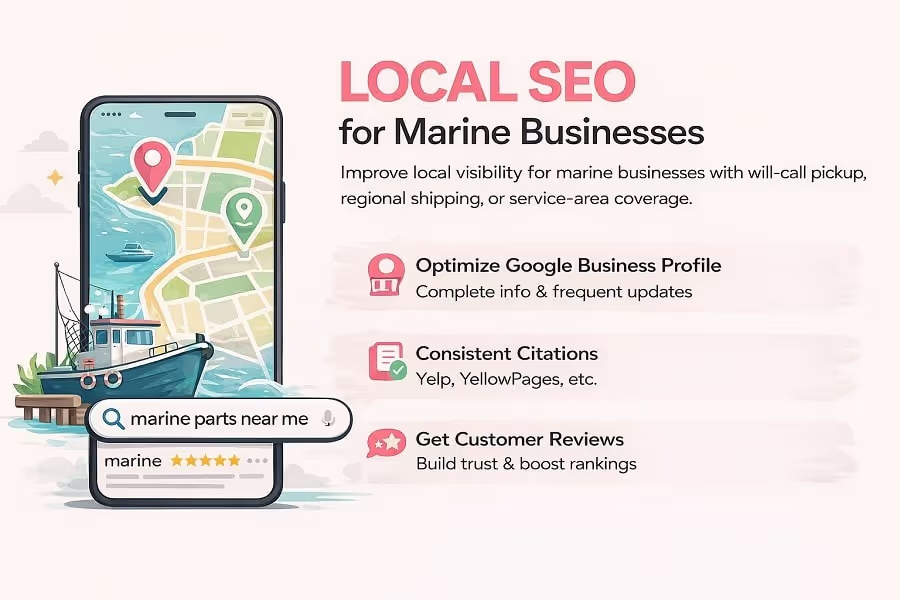
Optimizing Google Business Profile and maintaining consistent business information across directories is essential for local SEO.

Start with your Google Business Profile. This free tool controls how you appear in Google Maps and local search results.

Add your business category as "Marine Supply Store" or "Boat Parts Supplier." Include all relevant secondary categories. Upload photos of your inventory, storefront, and team.

Complete every profile section. Add business hours, phone number, and website link. Enable messaging so customers can contact you directly from search results.

Consistency matters across all online directories. Your business name, address, and phone number should match exactly everywhere they appear online.

List your business in marine-specific directories. Register with industry associations. Get listed on boating forums and regional marine business associations.

Building this local foundation sets you up to target specific keywords that capture high-intent searches.

Keyword Research: Finding What Boat Owners Search For

Effective keyword research uncovers the exact terms your customers type into search engines.

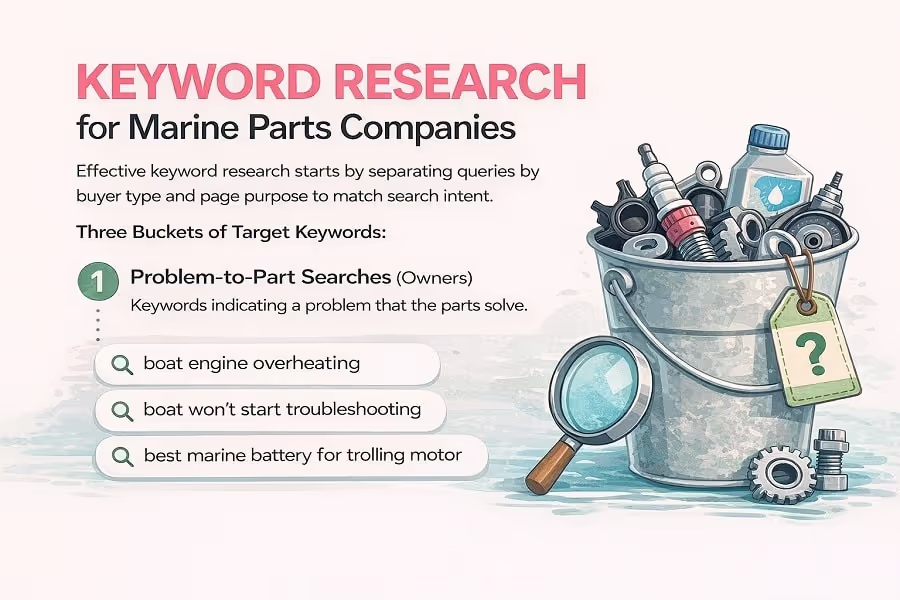
Marine parts companies need keywords that match both owner searches and dealer searches. These audiences use completely different vocabulary.

Marine Search Intent

Boat owners search with questions and problems. They type "why is my outboard overheating" or "replace boat steering cable." These searches show repair intent and need for specific parts.

Dealers search with commercial language. They want "wholesale marine parts" or "Mercury parts distributor." These searches indicate bulk purchasing intent.

Part numbers bridge both audiences. "43-803097A1 Mercury impeller" gets searched by owners and dealers alike. These specific SKU searches convert extremely well.

Finding High-Value Keywords

Marine businesses should use relevant SEO keywords such as "marine parts," "boat maintenance services," and "boat storage near me" to capture high-intent searches from boat owners and dealers.

Start by listing your product categories. Outboard parts, steering systems, electrical components, safety equipment. Each category becomes a keyword cluster.

Add brand names to each category. "Yamaha outboard parts" and "Garmin marine electronics" capture brand-loyal customers.

Include location modifiers for local searches. "Marine parts Miami" or "boat parts dealers Houston" target nearby customers.

Use Google's autocomplete to discover what people actually search. Type your main keywords and see what suggestions appear. These are real searches from your target audience.

Check "People also ask" boxes in search results. These questions reveal informational intent. Create content answering these questions to capture early-stage researchers.

Consider related keyword research strategies from adjacent industries. The keyword research methodology for automotive parts niches applies directly to marine parts targeting.

Organizing Keywords by Buyer Journey

Group your keywords by where customers are in their buying process.

Top-of-funnel keywords show research intent. "How to maintain boat engine" or "best marine battery types" capture people learning about solutions.

Middle-funnel keywords indicate comparison. "Yamaha vs Mercury outboard parts" or "marine battery reviews" show active evaluation.

Bottom-funnel keywords signal purchase readiness. "Buy Yamaha impeller kit" or "marine parts near me open now" capture immediate buyers.

Create different content types for each stage. Educational blog posts for research phase. Comparison guides for evaluation phase. Optimized product pages for purchase phase.

With your keyword list built, you're ready to optimize your Google presence for maximum visibility.

Optimizing Your Google Business Profile

Your Google Business Profile directly influences whether customers find you in local search results.

This free tool appears before your website in many searches. It shows up in Google Maps, local pack results, and knowledge panels.

Complete Profile Setup

Claim your business if you haven't already. Search for your business name in Google Maps and click "Claim this business."

Verify your ownership through postcard, phone, or email. Google sends a verification code to confirm you control the business.

Select your primary category carefully. "Marine Supply Store" targets retail customers. "Boat Dealer" emphasizes sales. "Boat Parts & Supplies" balances both audiences.

Add secondary categories. Include "Boat Repair Shop" if you offer installation. List "Wholesale Marine Parts" if you serve dealers.

Write a detailed business description using your target keywords naturally. Mention specific brands you carry. Note if you serve boat owners, dealers, or both.

Ongoing Profile Management

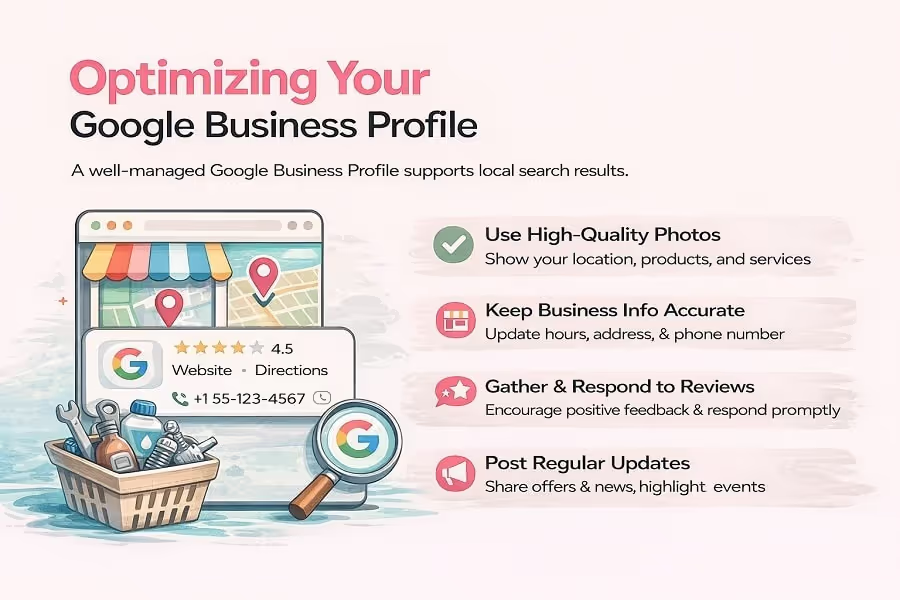
Add high-quality photos regularly. Upload inventory shots showing your parts selection. Include storefront images so customers recognize your location.

Post weekly updates about new inventory, seasonal specials, or marine industry tips. Google treats active profiles as more relevant than abandoned ones.

Collect and respond to customer reviews. Ask satisfied customers to leave feedback. Reply to every review, positive or negative, within 48 hours.

Use Google Q&A to answer common questions. Add questions yourself if none exist. Answer queries about hours, brands carried, and services offered.

Monitor your profile insights. Check which searches trigger your profile. Track how many people call, visit your website, or request directions.

Update your hours immediately during seasonal changes or holidays. Marine businesses often have different summer and winter schedules.

Your optimized Google presence works alongside your website. Next, we'll optimize your site itself for maximum search visibility.

On-Page SEO Essentials for Marine Parts Websites

On-page SEO helps search engines understand what each page on your website offers.

Every product page, category page, and blog post needs optimization. The goal is making your content crystal clear to both search engines and human visitors.

Title Tags and Meta Descriptions

Title tags appear as clickable headlines in search results. They're your first impression.

Write titles that include your target keyword plus a benefit or modifier. "Yamaha Outboard Parts - Fast Shipping | MarineParts.com" works better than just "Outboard Parts."

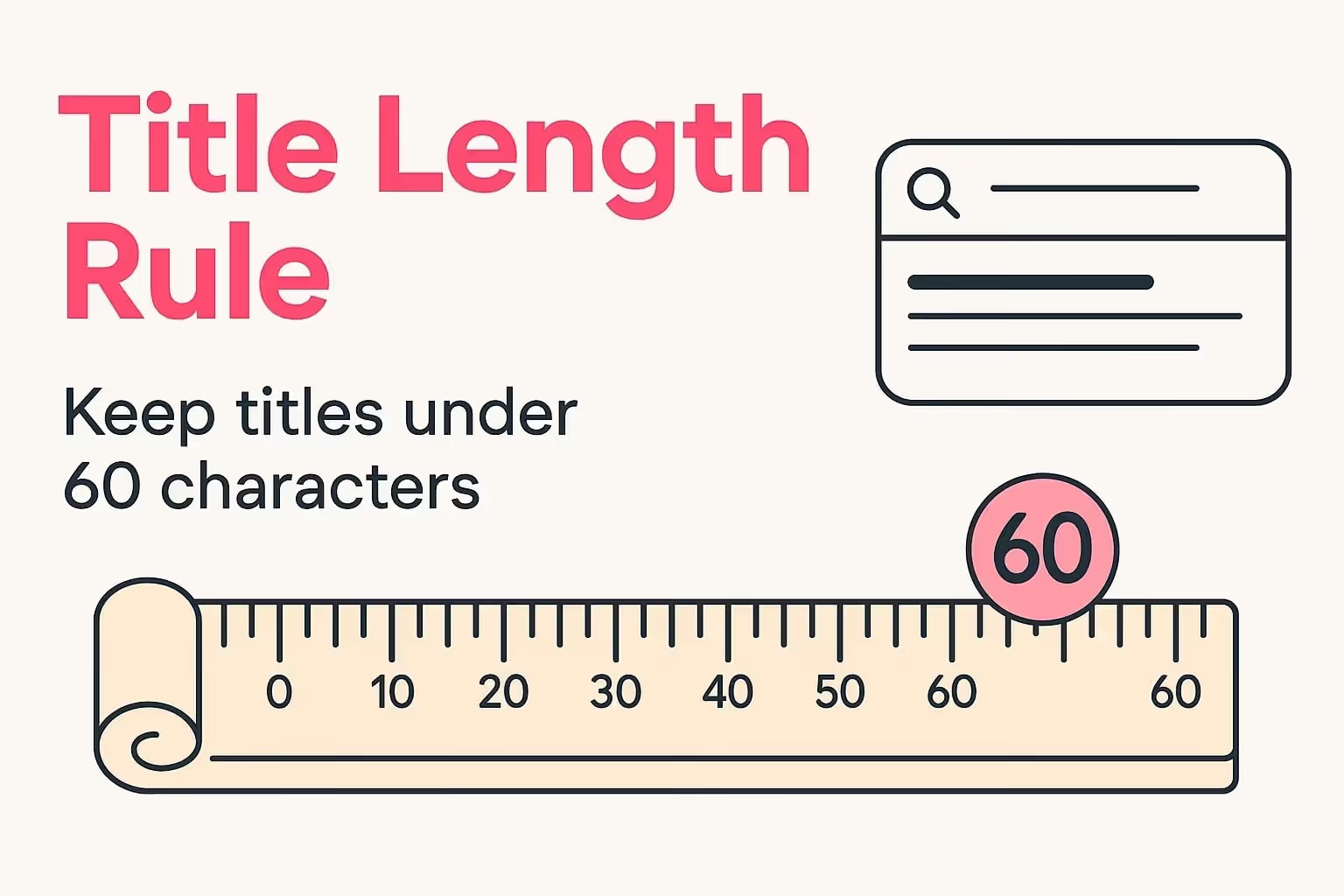
Keep titles under 60 characters. Longer titles get cut off in search results.

Title Length Rule

Keep title tags under 60 characters to avoid truncation in search results.

Make each title unique. Never duplicate titles across multiple pages. Every product and category needs its own optimized title.

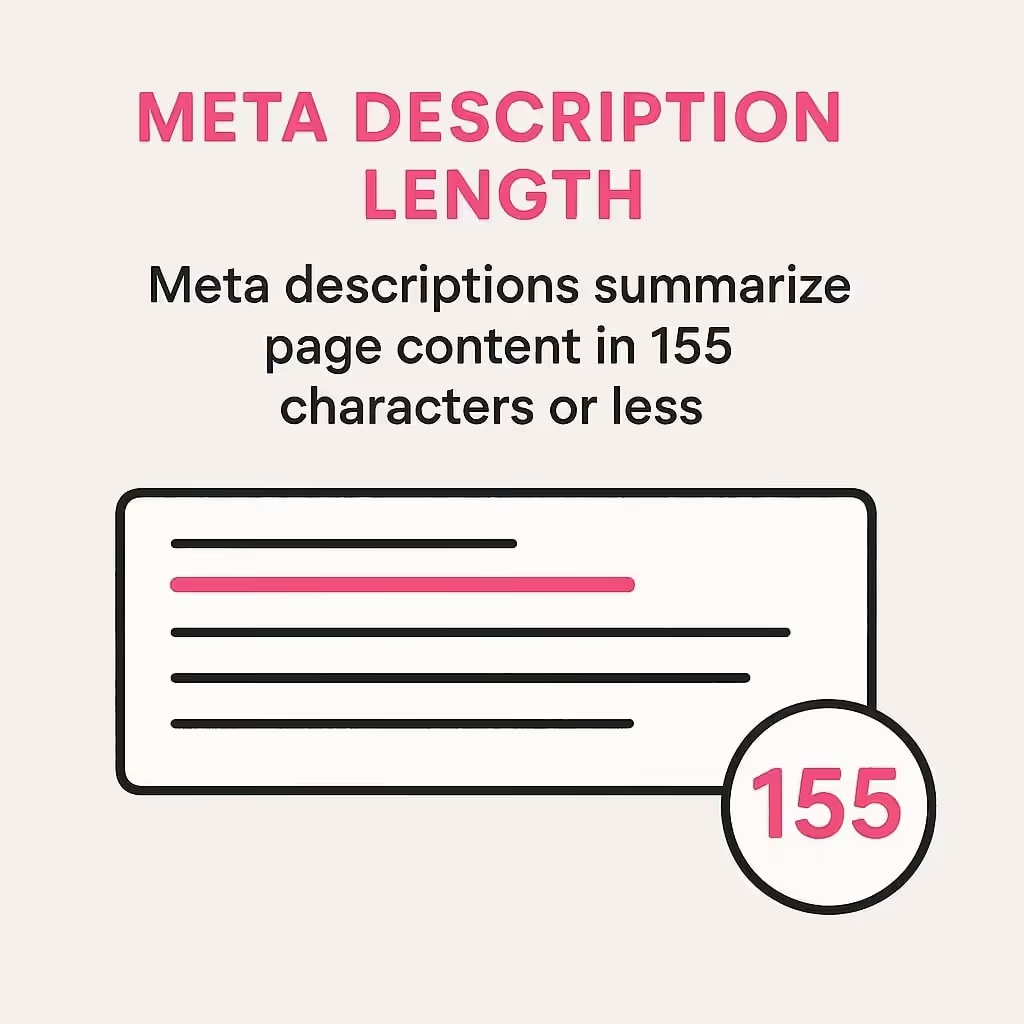
Meta descriptions summarize page content in 155 characters or less. They don't affect rankings directly but influence click-through rates.

Meta Description Length

Write meta descriptions of 155 characters or less to improve click-throughs.

Write compelling descriptions that promise value. "Shop genuine Yamaha outboard parts with same-day shipping. Free installation guides with every order. Authorized dealer since 2005."

Header Structure and Content Organization

Use H1 tags for page titles. Include your primary keyword naturally. "Mercury Outboard Parts & Accessories" clearly states what the page offers.

Structure content with H2 and H3 subheadings. Break information into scannable sections. "Propellers," "Fuel Systems," and "Electrical Components" work as H2s on a parts category page.

Place your target keyword in the first paragraph. Google weights early content more heavily. "We stock over 5,000 Mercury outboard parts for all engine models" immediately establishes relevance.

Write naturally for humans first. Keyword stuffing hurts more than it helps. Use synonyms and related terms instead of repeating the same phrase.

Product Page Optimization

Product pages need detailed optimization because they generate sales.

Write unique product descriptions for every item. Never copy manufacturer descriptions. Explain what problem the part solves and which boats it fits.

Include compatibility information prominently. List boat makes, models, and years. This helps both customers and search engines understand product fit.

Add part numbers to product titles. "43-803097A1 Mercury Water Pump Impeller Kit" captures specific SKU searches.

Use high-quality images from multiple angles. Add descriptive alt text to each image. "Mercury 75hp outboard water pump impeller replacement" helps image search visibility.

For more insights on creating compelling product content, review conversion-focused product description strategies that apply to marine parts.

URL Structure Best Practices

Clean URLs help search engines and users understand page content.

Use descriptive URLs that include keywords. "marinepartsco.com/mercury-outboard-parts" beats "marinepartsco.com/category?id=847."

Keep URLs short and readable. Remove unnecessary words like "and," "the," or "for."

Use hyphens to separate words. "mercury-propellers" is correct. "mercury__propellers" or "mercurypropellers" make URLs harder to read.

With your pages properly optimized, it's time to build authority through strategic content creation.

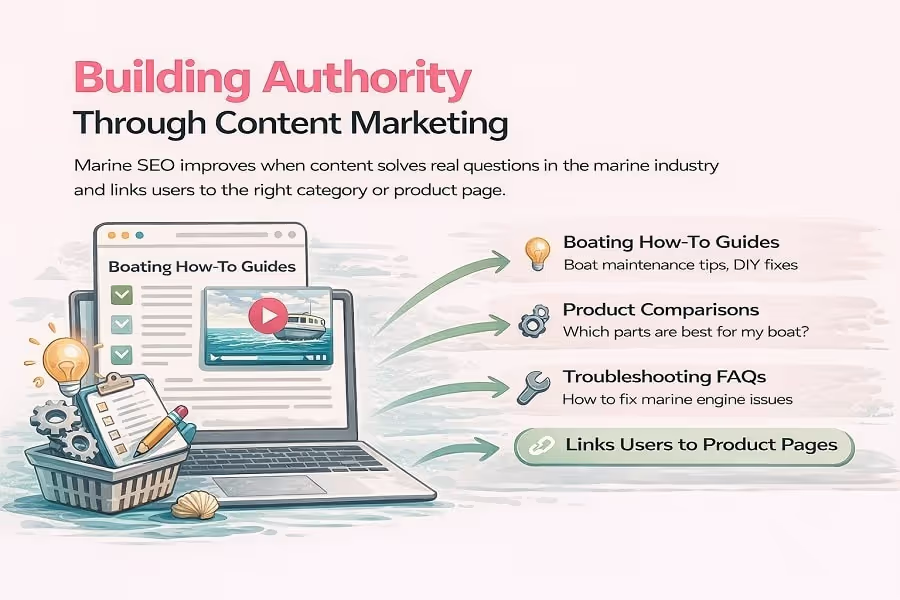
Building Authority Through Content Marketing

Content marketing establishes your marine parts company as an industry expert.

Educational content attracts customers earlier in their buying journey. They find your installation guides and maintenance tips long before they're ready to buy.

This builds trust. When purchase time comes, they remember your helpful content.

Creating Valuable Educational Content

Write guides that solve real problems boat owners face. "How to Replace Your Boat's Fuel Filter" or "Winterizing Your Outboard Engine: Complete Checklist" attract searches and provide genuine value.

Create compatibility guides for popular boat models. "Complete Parts List for 2018 Boston Whaler 170 Montauk" becomes a resource customers bookmark and return to.

Develop seasonal content aligned with boating cycles. Spring articles about preparing boats for launch. Fall content about winterization. Summer posts about maintenance in hot weather.

Answer common questions you hear from customers. Every "How do I..." question becomes a potential blog post. These questions are exactly what people search online.

Video Content for Marine Parts

Video demonstrations outperform text for mechanical procedures.

Film installation videos for complex parts. Show the entire process from unboxing to final installation. Customers gain confidence knowing they can do it themselves.

Create comparison videos between similar products. "Aluminum vs Stainless Steel Propellers: Which is Right for Your Boat?" helps customers make informed decisions.

Upload videos to YouTube with optimized titles and descriptions. YouTube is the second-largest search engine. It drives additional traffic to your site.

Embed relevant videos on product pages. Video content increases time on page, which signals quality to Google.

Leveraging User-Generated Content

Customer reviews provide fresh, unique content that search engines value.

Encourage reviews by following up after purchases. Send an email asking for feedback 10-14 days after delivery.

Email Review Timing

Request a review by email 10–14 days after delivery to capture timely feedback.

Display reviews prominently on product pages. They add keyword-rich content and build trust simultaneously.

Answer questions in review responses. This adds more relevant content to the page while showing excellent customer service.

Showcase customer photos when possible. Boat owners love sharing their projects. Feature these images with proper credit.

Strong content builds authority, but technical performance determines whether search engines can access it. Let's optimize your site's technical foundation.

Technical SEO: Making Your Site Fast and Crawlable

Technical SEO ensures search engines can access, crawl, and index your website efficiently.

Even perfect content won't rank if Google's crawlers can't process your site. Fast-loading websites, intuitive navigation, and streamlined contact forms are critical for converting visitors into leads.

Site Speed Optimization

Page speed affects both rankings and conversions. Slow sites frustrate users and lose sales.

Compress images before uploading. Large product photos often exceed 1MB when they should be under 200KB. Use tools like TinyPNG or image compression plugins.

Image Compression

Compress large product photos to under ~200KB when possible to improve page speed.

Enable browser caching. This stores frequently accessed files locally on visitor devices, speeding up repeat visits.

Minimize code bloat. Remove unused CSS and JavaScript. Every unnecessary line slows loading times.

Use a content delivery network (CDN). CDNs serve your site from servers geographically closer to each visitor, reducing latency.

Test your site speed regularly using Google PageSpeed Insights. This free tool identifies specific issues slowing your site.

Mobile Optimization Requirements

Most marine parts searches happen on mobile devices. Boat owners search from marinas, dealers search from warehouses.

Use responsive design that adapts to any screen size. Your site should work perfectly on phones, tablets, and desktops.

Make buttons and links large enough for finger taps. Small click targets frustrate mobile users.

Simplify navigation for mobile. Complex dropdown menus don't work on small screens. Use a hamburger menu with clear categories.

Avoid pop-ups on mobile. Google penalizes intrusive interstitials that block content on mobile devices.

Crawlability and Indexing

Help search engines discover and index all your important pages.

Create an XML sitemap listing every product, category, and content page. Submit this to Google Search Console.

Fix broken links immediately. Dead links waste crawl budget and create poor user experience. Check for 404 errors monthly.

Use internal linking strategically. Link from high-authority pages to important product categories. This helps search engines understand your site structure.

Implement structured data markup. Schema.org markup helps Google understand your products, prices, and availability.

Check your robots.txt file. Make sure you're not accidentally blocking important pages from search engines.

HTTPS Security

Google requires HTTPS for all websites. It's a confirmed ranking factor.

Install an SSL certificate if you haven't already. Most web hosts offer free certificates through Let's Encrypt.

Update all internal links to use HTTPS. Mixed content warnings harm both security and SEO.

Verify that payment pages are properly secured. This protects customer data and builds trust.

Technical optimization creates the foundation. Now let's build authority through external signals like directory listings.

Directory Listings and Citation Management

Directory listings and citations build local SEO authority for your marine parts business.

Citations are mentions of your business name, address, and phone number across the web. Consistent citations signal legitimacy to search engines.

Essential Marine Industry Directories

List your business in general directories first. Google Business Profile, Bing Places, Apple Maps, and Yelp form the foundation.

Add marine-specific directories next. Register with boating industry associations, regional marine business groups, and boat club directories.

Target local business directories in your area. Chamber of commerce listings, city business directories, and regional guides help local SEO.

Include supplier directories if you serve dealers. B2B directories and wholesale supplier listings capture commercial searches.

Citation Consistency Rules

Use exactly the same business name everywhere. "Marine Parts Co." and "Marine Parts Company" look like different businesses to search engines.

Match your address format precisely. Use the same abbreviations, suite numbers, and formatting across all listings.

Keep phone numbers consistent. Always use the same primary number in citations.

Update citations immediately when business information changes. Moving locations or changing phone numbers requires updating every citation.

Managing and Monitoring Citations

Audit your current citations quarterly. Search for your business name online and verify the information is correct.

Claim listings you don't control. Many directories create automatic listings from public records. Claim and verify these to ensure accuracy.

Remove duplicate listings. Multiple listings for the same business dilute SEO value and confuse customers.

Monitor for incorrect citations. Sometimes third-party sites list wrong information. Request corrections through their processes.

Building Quality Backlinks

Backlinks from other websites signal authority to search engines.

Earn links through helpful content. Your installation guides and maintenance articles naturally attract links from boating blogs and forums.

Partner with complementary businesses. Marinas, boat dealerships, and marine service shops can link to your parts inventory.

Get featured in industry publications. Marine industry news sites and regional boating magazines provide high-authority backlinks.

Avoid link schemes and paid links. Google penalizes manipulative link building. Focus on earning legitimate links through quality content.

Sponsor local boating events or clubs. Event sponsors often receive website links from organizers.

Tracking Performance and Staying Competitive

Monitor your SEO performance to understand what's working.

Use Google Search Console to track which keywords drive traffic. See which pages rank highest and identify opportunities for improvement.

Set up Google Analytics to measure user behavior. Track where visitors come from, which pages they view, and where they convert to customers.

Monitor keyword rankings monthly. Track your position for target keywords and watch for changes.

Analyze competitor strategies. See which keywords they rank for that you don't. Identify content gaps you can fill.

Tracking industry trends and adapting content is recommended for staying competitive.

Adjust your strategy based on data. Double down on content types that drive traffic and conversions. Eliminate tactics that don't move the needle.

For additional perspectives on parts company SEO, explore aftermarket parts SEO strategies and automotive parts SEO frameworks that share similar principles.

Your Marine Parts SEO Action Plan

You now have a complete framework for ranking your marine parts company in search results.

Start with your Google Business Profile today. Claim it, complete every section, and upload photos. This takes 30 minutes and immediately improves local visibility.

Next week, conduct keyword research. Build your list of boat owner terms, dealer terms, and part numbers. Organize them by search intent.

Within 30 days, optimize your top 20 product pages. Write unique titles, descriptions, and compatibility information for your best-selling parts.

The marine parts industry rewards businesses that show up when customers search. Your competitors are already fighting for these rankings.

SEO isn't a one-time project. It's an ongoing process of optimization, content creation, and performance monitoring. Start with these fundamentals and build from there.

Your first sale from organic search makes all the effort worthwhile. Every additional ranking compounds your visibility and revenue.

what makes scube
different

Expertise, results & communication

Our customers value boutique agency approach with access to a seasoned team, profit-based goals, and clear communication.

get your game plan