

Plumbing wholesalers face a unique digital marketing challenge. Your customers aren't homeowners searching for a quick fix. They're contractors, retailers, and facility managers buying in bulk.
The winning strategy? Stop marketing like you're selling to end consumers. A majority of the B2B buying journey is completed digitally before contacting sales, which means your digital presence needs to answer trade-specific questions before your competitors do.
Traditional plumber marketing focuses on emergency services and residential repairs. Wholesale distribution requires a different approach. You need to reach business buyers during their research phase with technical data, bulk pricing structures, and product availability.
This guide covers eight proven digital marketing strategies specifically designed for plumbing wholesalers. You'll learn how to optimize for B2B search intent, build relationships with contractors, and create a digital sales channel that works 24/7.
Your marketing needs differ fundamentally from retail plumbing businesses. Residential plumbers target homeowners with leaking pipes. You target purchasing managers placing bulk orders.
This distinction shapes every digital marketing decision. Search behavior differs. Contractors search "wholesale plumbing fixtures near me" or "commercial pipe distributor." They want technical specifications, not emergency service promises.
The buying cycle extends longer too. A homeowner needs a plumber today. A contractor researches suppliers over weeks, comparing pricing, availability, and delivery terms.
U.S. B2B e-commerce sales are forecast to exceed $2 trillion, which signals massive opportunity for distributors who build strong digital channels.

U.S. B2B e-commerce sales are forecast to exceed $2 trillion.
Your digital marketing strategy must address these B2B realities. Focus on building long-term business relationships, not quick residential fixes.
Your website serves as your digital showroom for trade professionals. It needs to function differently than a residential plumber's site.
Start with a clear value proposition on your homepage. State that you serve contractors, retailers, and commercial buyers. Don't bury this message. Make it prominent.
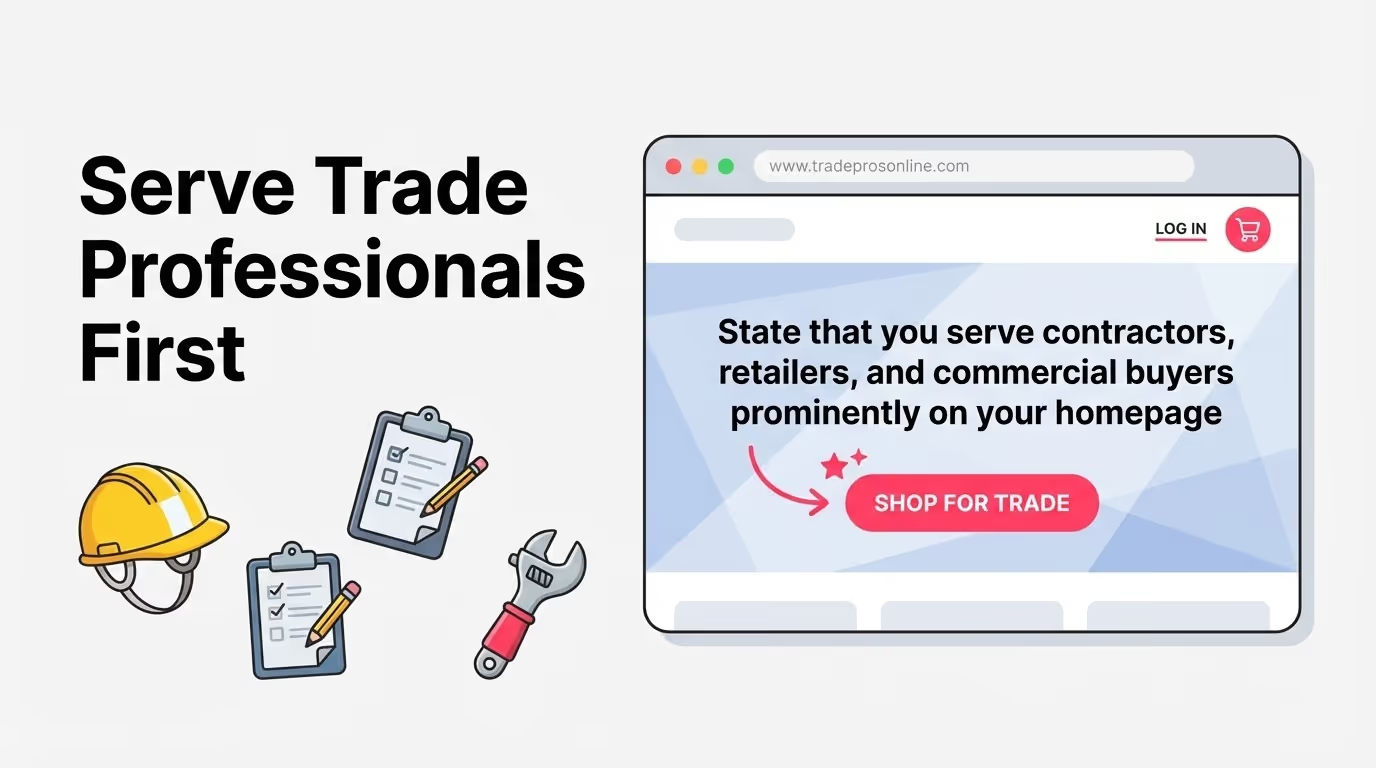
State that you serve contractors, retailers, and commercial buyers prominently on your homepage.
Trade professionals expect specific functionality. Your website should include:
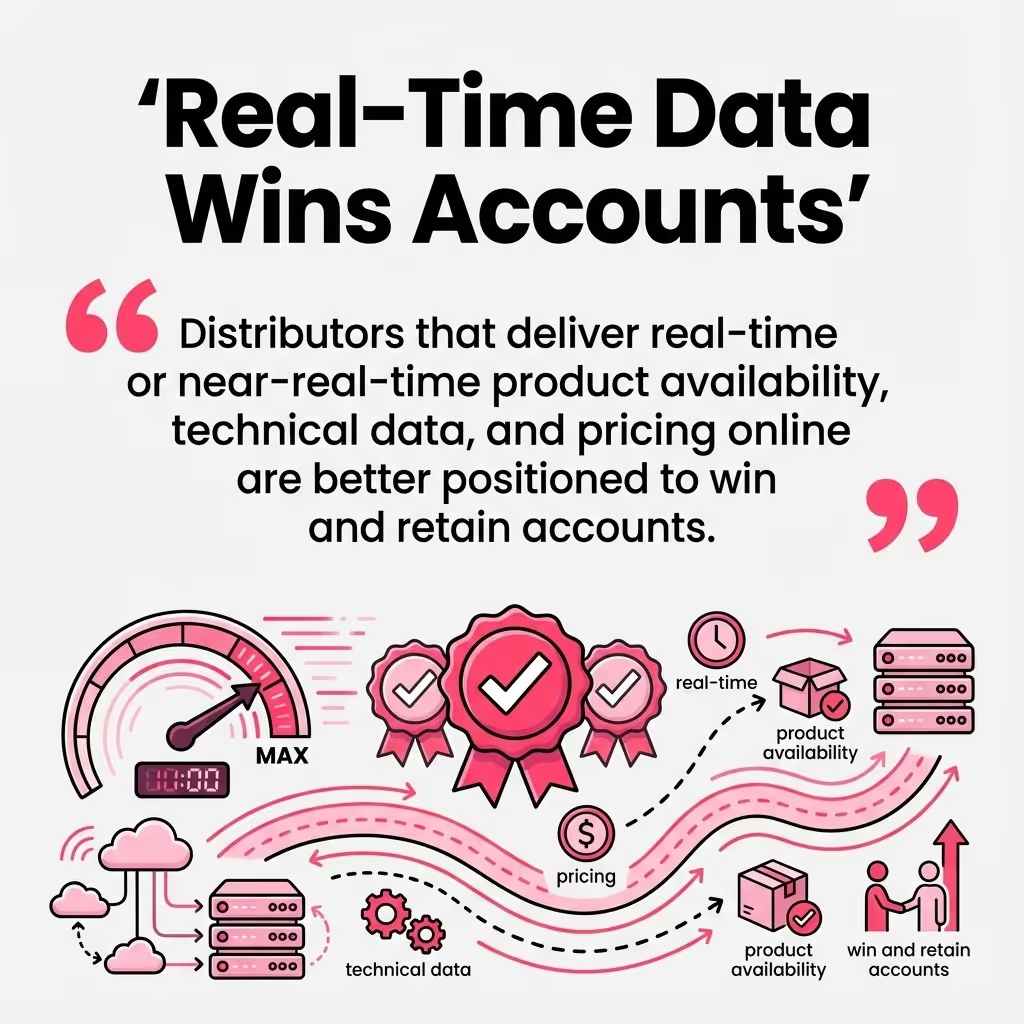
"Distributors that deliver real-time or near-real-time product availability, technical data, and pricing online are better positioned to win and retain accounts."
Mobile optimization matters for field contractors. They're checking inventory from job sites. Your site must load quickly and display clearly on smaller screens.
Include clear calls to action. "Request a Quote," "Check Inventory," or "Create Trade Account" work better than generic "Contact Us" buttons.
Create content that answers technical questions. Write about product comparisons, installation best practices, and code compliance issues.
Skip the DIY content that residential plumbers use. Your audience consists of professionals who already know how to install fixtures. They need supplier information, not how-to tutorials.
Consider adding a resources section with:
This positions your plumbing business as a knowledgeable partner, not just a product supplier.
Local SEO helps contractors find your location when they need supplies quickly. But the strategy differs from residential plumber SEO.
Wholesale and distribution businesses should focus on B2B/trade-oriented keywords rather than consumer emergency terms.
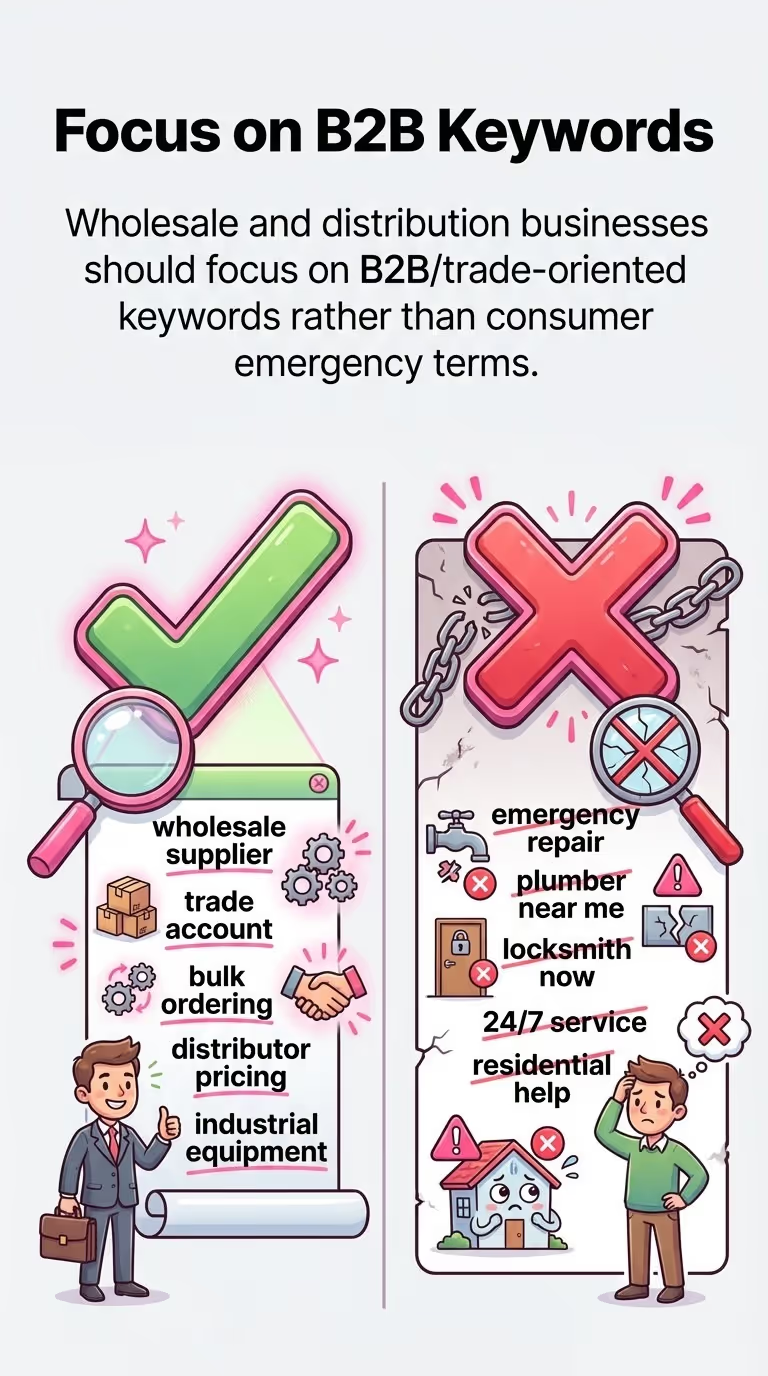
Wholesale and distribution businesses should focus on B2B/trade-oriented keywords rather than consumer emergency terms.
Target keywords that reflect B2B search intent. Focus on terms like:
Avoid wasting effort on residential keywords like "emergency plumber" or "water heater repair." Those searches won't convert to wholesale accounts.
Use long-tail keywords that capture specific product needs. "PEX tubing wholesale prices" or "commercial grade toilet suppliers" attract more qualified traffic than generic "plumbing supplies."
Our long-tail keyword guide for industrial businesses explains how to find these specific search terms.
If you operate multiple warehouse locations, build dedicated pages for each. Include specific address information, hours, inventory specialties, and local contact details.
Each location page should target "[service] in [city]" keywords. This helps contractors find the closest branch when they need supplies.
Add unique content to each location page. Describe the local team, highlight specialized inventory at that location, or mention major contractors you serve in that area.
Your Google Business Profile serves as your digital storefront in local search results. Optimize it for trade professionals, not homeowners.
Select the correct business category. Choose "Plumbing Supply Store" or "Industrial Supply" rather than "Plumber." This signals that you serve contractors, not end consumers.
Fill out every section completely. Include:
Upload photos of your warehouse, product displays, and delivery trucks. Show contractors what to expect when they visit.
Create posts about new product lines, manufacturer promotions, or industry certifications. This keeps your profile active and relevant.
Encourage satisfied contractors to leave reviews. Their testimonials carry more weight with other trade professionals than residential customer reviews.
Respond to every review professionally. Thank contractors for positive feedback. Address concerns in negative reviews promptly and offer to resolve issues directly.
Request reviews specifically about B2B factors. Ask about product availability, staff knowledge, delivery reliability, or pricing competitiveness.
Content marketing for plumbing wholesalers looks different than residential plumbing content. You're educating professional buyers, not panicked homeowners.
Focus on educational content that helps contractors make better purchasing decisions or solve installation challenges.
Create content around:
This type of content positions your plumbing company as an industry resource. Contractors bookmark your site and return when they need information.
Check out our content marketing strategies for technical B2B industries for more detailed approaches.
Create short videos demonstrating product features or installation techniques. Contractors appreciate visual references they can watch on job sites.
Keep videos focused and practical. A 3-minute video showing proper installation of a commercial valve provides more value than a 15-minute promotional overview.
Post videos on YouTube with detailed descriptions including product model numbers. This helps contractors find specific information through search engines.
Email marketing builds ongoing relationships with existing trade accounts. It keeps your plumbing business top-of-mind when contractors need supplies.
Marketing automation integrated with CRM can materially increase email-driven revenue, especially when you segment your audience properly.
Different types of contractors have different needs. Segment your email list by:
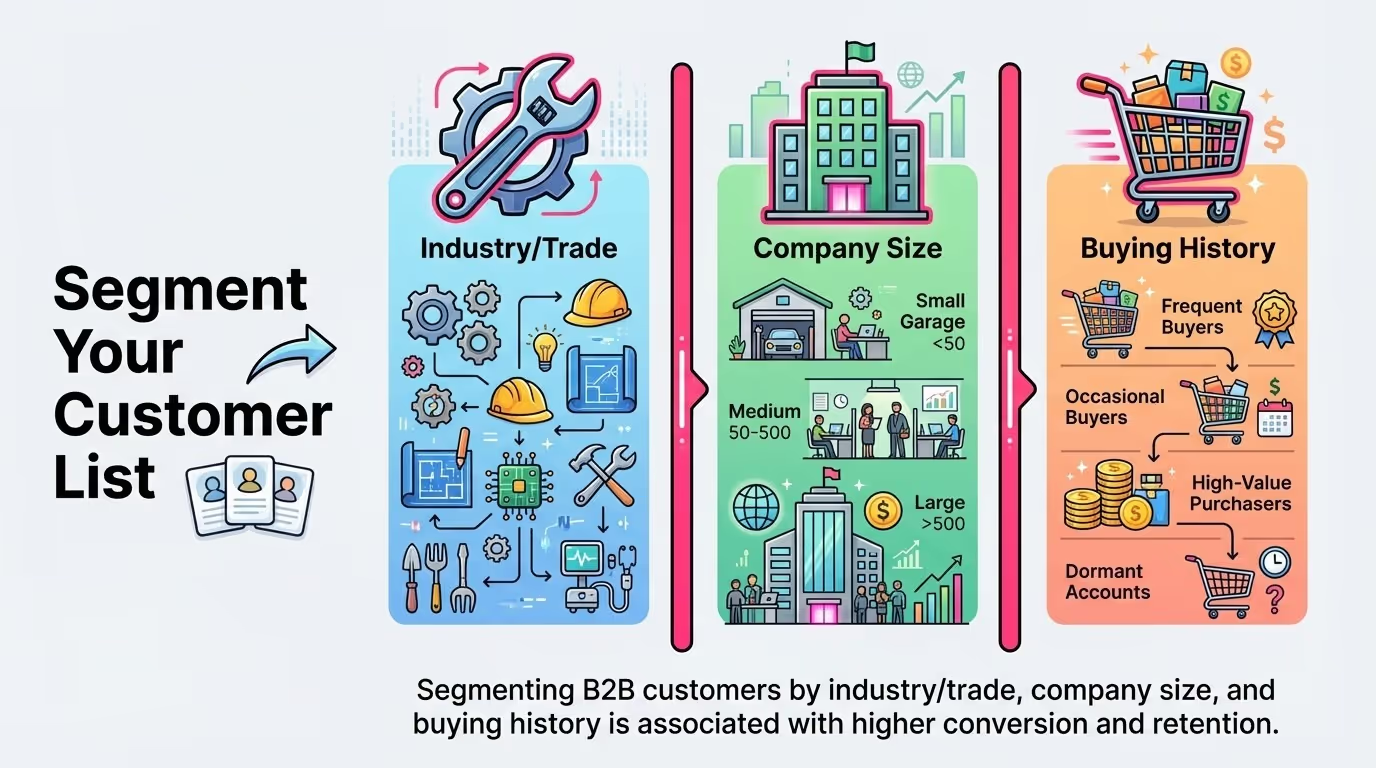
Segmenting B2B customers by industry/trade, company size, and buying history is associated with higher conversion and retention.
Send relevant promotions based on these segments. A commercial HVAC contractor doesn't need residential fixture promotions. Target messages to specific trade needs.
Create regular email campaigns featuring:
Keep emails concise and scannable. Contractors are busy. Get to the point quickly with clear calls to action.
Set up automated email sequences for new trade accounts. Welcome them, explain your ordering process, and highlight your most popular product categories.
PPC advertising for plumbing wholesalers requires different targeting than residential plumber campaigns. You're bidding on B2B keywords with lower search volume but higher purchase values.
Focus your Google Ads campaigns on trade-specific keywords. Bid on terms like:
Use negative keywords to exclude residential searches. Add terms like "emergency," "repair," "broken," and "leaking" to prevent wasting budget on consumer searches.
Create separate campaigns for different product categories. This allows better budget control and more relevant ad copy for specific searches.
Build dedicated landing pages for paid campaigns. Don't send PPC traffic to your homepage.
Each landing page should match the ad message. If your ad promotes commercial-grade fixtures, the landing page should feature those products prominently.
Include clear calls to action like "Request a Quote," "Create Trade Account," or "View Bulk Pricing." Make it easy for contractors to take the next step.
Set up remarketing campaigns to re-engage contractors who visited your website. They often research multiple suppliers before making decisions.
Create separate remarketing audiences based on pages viewed. Someone who looked at commercial toilets gets different ads than someone browsing pipe fittings.
Use longer remarketing windows for wholesale. B2B buying cycles extend weeks or months. Set audience duration to 90 days rather than 30.
Social media marketing for plumbing wholesalers focuses more on LinkedIn and less on consumer-focused platforms. Your audience consists of business professionals, not homeowners.
LinkedIn offers the best platform for reaching contractors and facility managers. Build your company page with complete information about your distribution services.
Post regularly about:
Encourage your sales team to connect with contractors and engage with their content. B2B relationships often develop through personal connections.
Join LinkedIn groups where contractors gather. Participate in discussions, answer questions, and share expertise without overtly selling.
While less B2B-focused than LinkedIn, Facebook still offers value for connecting with local contractors. Many small plumbing companies maintain Facebook presence.
Use Facebook to:
Keep content professional but personable. Show your team, highlight local projects (with permission), and demonstrate your knowledge.
For detailed targeting approaches, see our social media audience targeting guide.

Article referenced: Audience targeting strategies for social media (2025)
Product data quality directly impacts your ability to generate plumbing leads online. Contractors need detailed specifications to make purchasing decisions.
Organize your online catalog with technical details:
Each product page should include downloadable spec sheets. Contractors often need these for permit applications or client proposals.
Add high-quality product images from multiple angles. Include dimensional drawings when relevant for commercial applications.
Our guide to product data optimization for industrial businesses covers this strategy in depth.
Add schema markup to product pages so search engines understand your offerings better. Use Product schema with commercial properties.
Include structured data for:
This helps your products appear in rich search results when contractors search for specific items.
Tracking the right metrics helps you understand which digital marketing strategies actually generate plumbing leads and revenue for your wholesale business.
Focus on metrics that matter for B2B marketing:
Set up conversion tracking in Google Analytics for these actions. Create goals for quote requests, account signups, and phone calls.
Use Google Analytics to track which marketing channels drive the most valuable traffic. Compare performance across organic search, paid ads, email campaigns, and social media.
Wholesale purchasing decisions rarely happen on first website visit. Contractors research multiple suppliers over weeks or months.
Use multi-touch attribution to understand the full customer journey. A contractor might discover you through organic search, return via email campaign, and finally convert after clicking a remarketing ad.
Track these touchpoints so you don't over-credit the final interaction. Every channel plays a role in building the relationship.
Our analytical framework for lead generation optimization helps identify which touchpoints drive the most valuable conversions.
Review your marketing performance monthly. Look at trends over time rather than day-to-day fluctuations.
Ask these questions during reviews:
Test improvements continuously. Try different ad copy, landing page layouts, or email subject lines. Small optimizations compound over time.
For deeper insights on measuring what matters, check our guide to analytics for lead generation businesses.
Not every digital marketing channel delivers equal results for plumbing wholesalers. Your budget and resources are limited. Focus on channels that reach trade professionals most effectively.
Start with local SEO and website optimization. These form your foundation. Contractors research suppliers online before making contact. Your online presence needs to answer their questions.
Add email marketing once you have a customer base. It's cost-effective for staying connected with existing trade accounts and encouraging repeat orders.
Layer in paid advertising when you're ready to expand. PPC works well for reaching contractors actively searching for suppliers in your area.
Social media comes last for most wholesalers. It requires consistent effort and delivers slower results than other channels. But it helps build long-term industry relationships.
Read our traffic source selection guide to evaluate which channels fit your specific situation.
The key is starting strategically. Master one or two channels before spreading yourself thin across everything.
Digital marketing for plumbing wholesalers differs fundamentally from residential plumber marketing. You're reaching business buyers with longer sales cycles and larger order values.
The strategies covered here focus specifically on B2B dynamics. Optimize for trade-specific keywords. Build relationships with contractors. Provide technical information that helps professional buyers make decisions.
Start with these immediate actions:
Pick one area to improve this month. Small, consistent progress builds into significant competitive advantage over time.
The plumbing wholesale market continues growing as construction activity increases. Contractors need reliable suppliers with strong digital presence. Position your business to capture that demand.