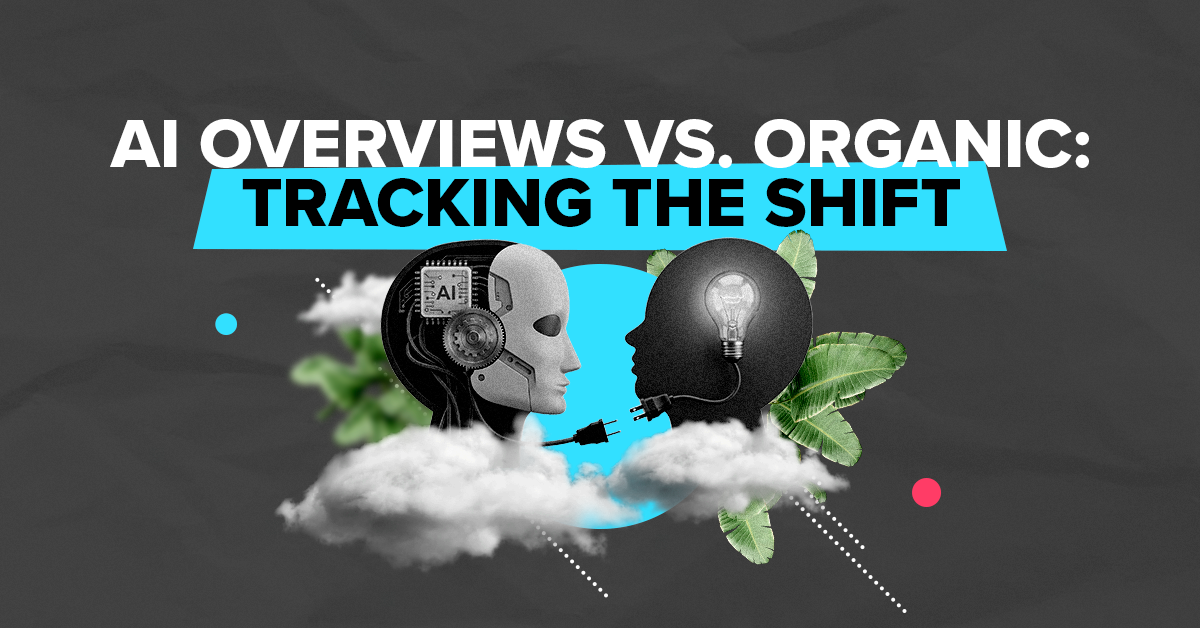
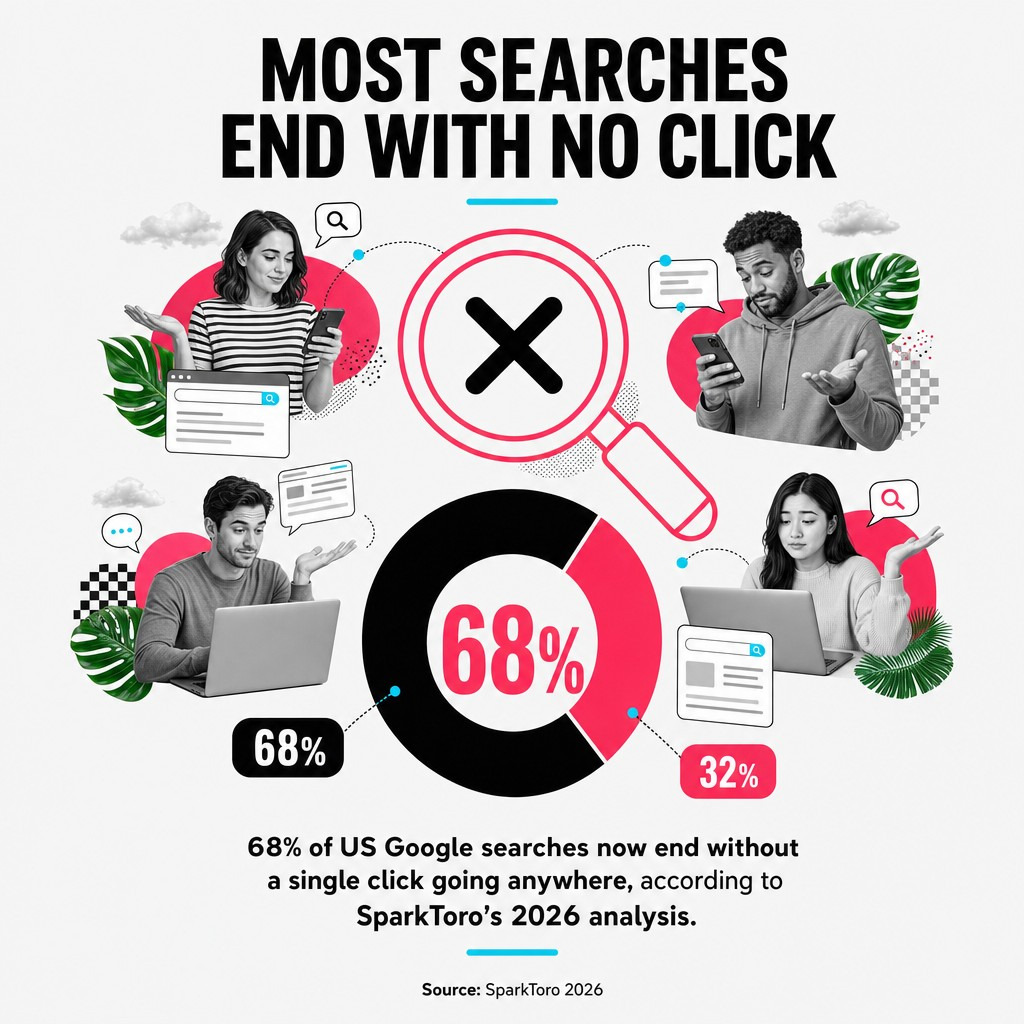
AI Overviews now generate for about 48% of all tracked search queries and, immediately after Google rolled out the feature globally in May 2024, Seer Interactive said organic click through rates on those queries fell by 61%. On a page with an AI Overview, the number one ranked listing gets roughly 42% less than average. In addition, SparkToro reported that as of 2026, 68% of U.S. Google searches now go without a single click being generated to another location.
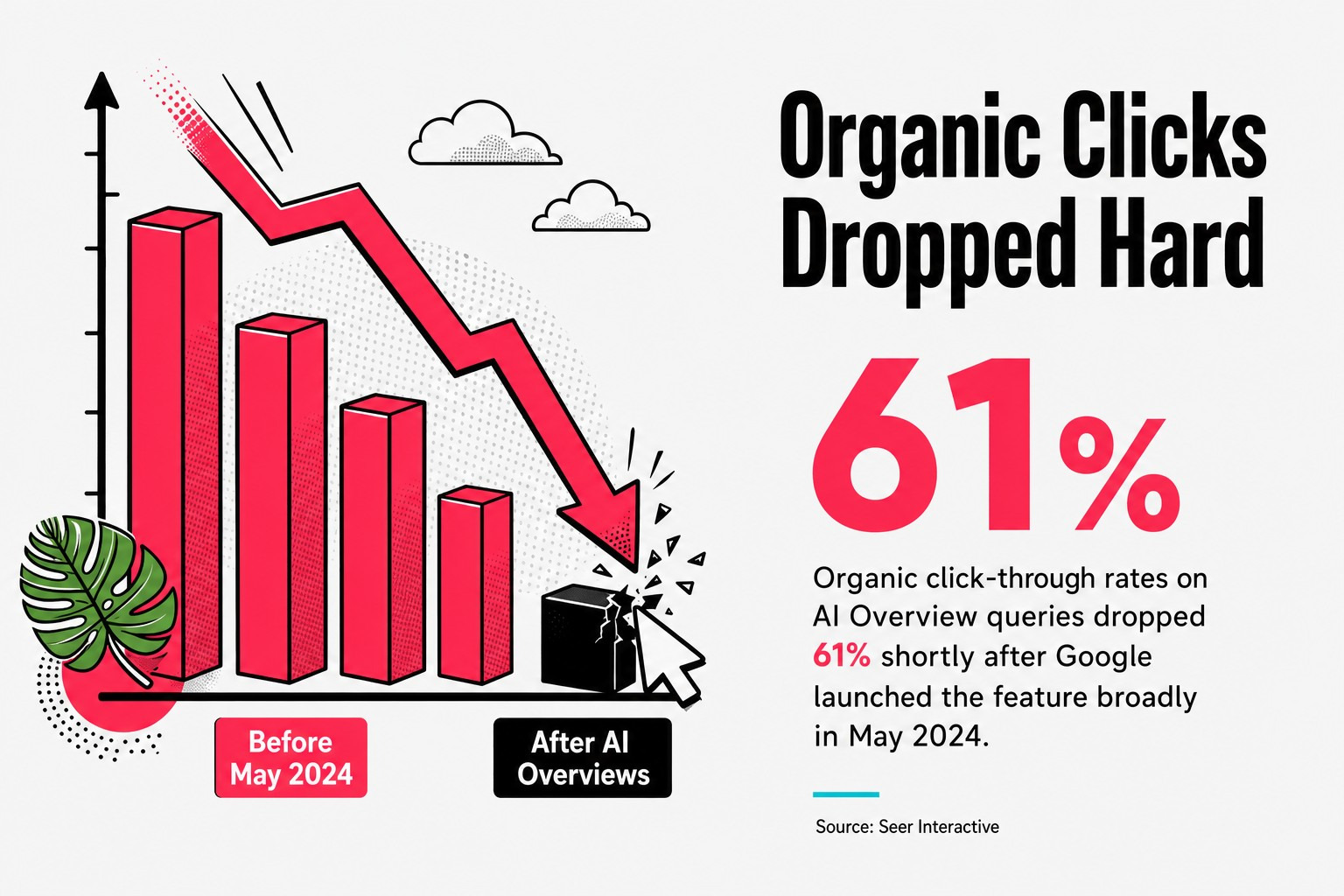
This is one of those shifts where you are going to have to seriously revise your playbook. Not adjust. Not say, “Keep doing what you’re doing and things will work out.” Seriously revise how you get traffic from Google Search. The good news is that the traffic hasn’t disappeared. It has simply moved; and when you find out where it’s at, you can go there too.
AI Overviews represent a generated summary created through an AI engine used by Google to provide synthesized answers from multiple online sources as a preview above any other organic link(s).
Google’s Gemini processes a user-entered search question, generates a multi-source answer and provides links to additional supporting information. AI Overviews rolled out in the U.S. in May 2024 and was eventually available worldwide later in 2024, as reported by Conductor's AI Overviews report.
Although both AI Overviews and featured snippets may appear in response to a user entered question; they serve two very different purposes. A featured snippet takes a quote from one website. An AI Overview does this but uses multiple source material to create an original piece of writing. This creates a difference in how you optimize for either feature.
As an extension to the AI Overviews, Google has released another feature called "AI Mode." It is a search mode that presents itself as being much more conversational. In addition to being able to produce longer responses to user inputted questions, AI Mode also allows users to ask follow-up questions. Similar to the AI Overviews, AI Mode utilizes many of the same ranking signals, therefore optimizing for AI Overviews can help improve visibility within AI Mode.
AI Overviews show up most frequently for inquiry-based and informational searches; they appear more often than not on question-format queries. 60% of all question-format queries trigger AI overview summary boxes compared to just 8% of one word or two word queries that Pew Research found in their study of AI summaries in Google Search for 2025. This is a MASSIVE difference. It indicates that the structure of your query alone determines if you see an AI overview at all.
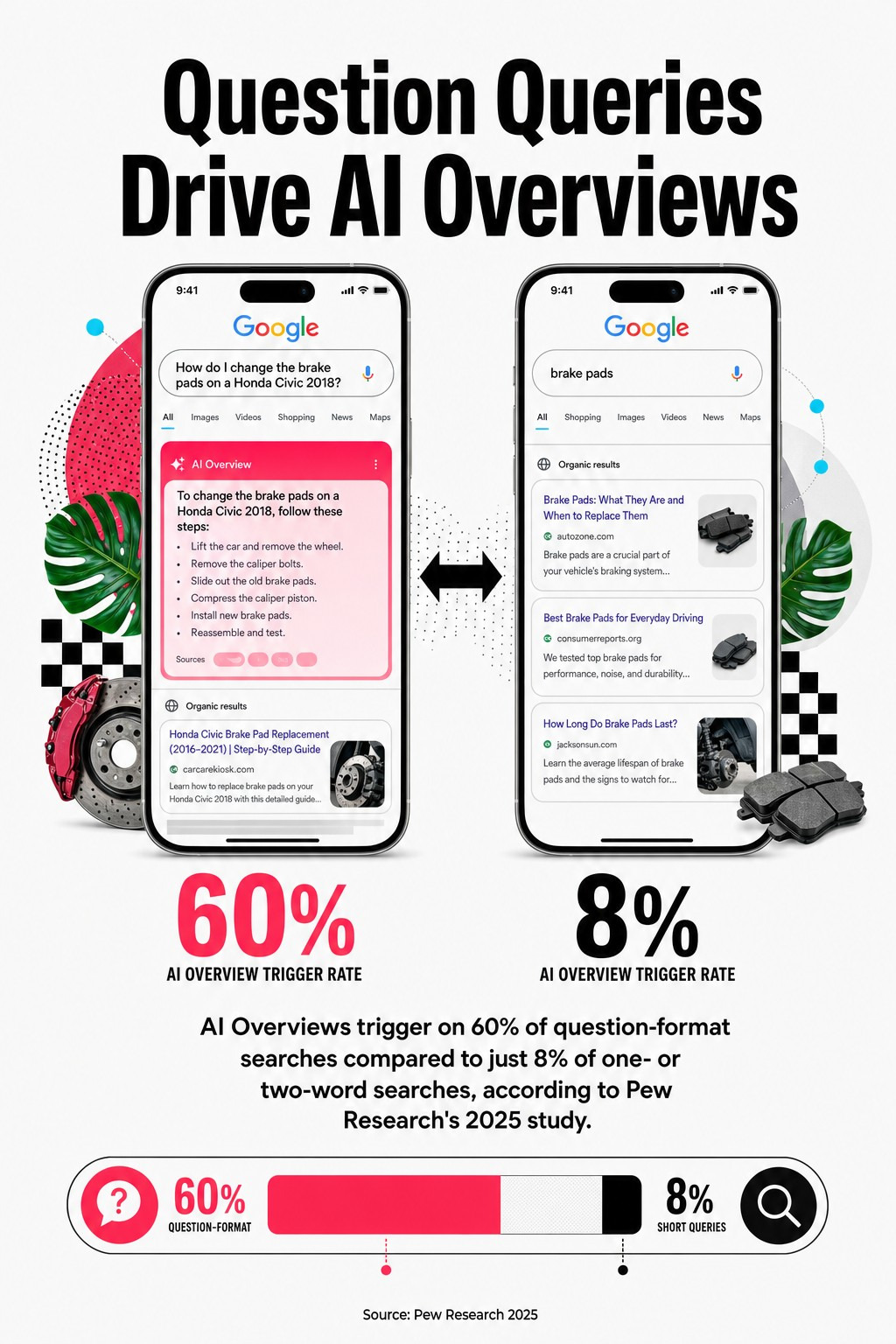
Shorter, navigational search formats like "Nike running shoes" almost never trigger an AI overview. Long-form informational search formats that contain multiple parts of a query almost always will. And then there are transactional search formats with purchase intent that fall somewhere in between. And Google has been very conservative regarding when to place an AI overview summary box on a search format where it is apparent that the user wants to make a purchase.
AI Overviews occur much more frequently on long-tail keyword phrases that consist of four or more words than they do on shorter head terms. If you rely heavily on informational long-tail keyword phrases for your organic traffic strategy then you are being affected by AI Overviews more so than businesses who compete based upon product and category page content.
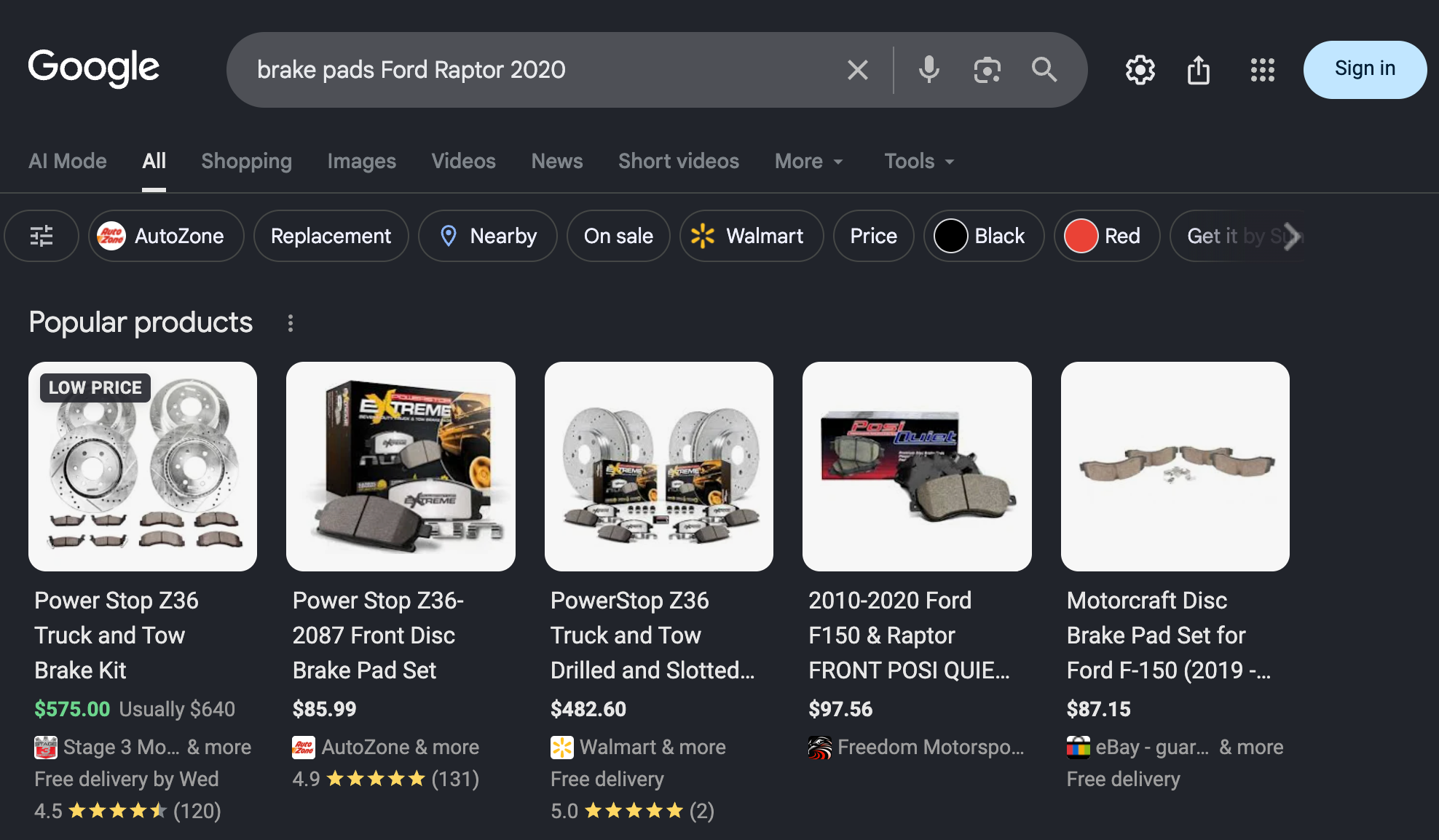
When your query more closely resembles a research question, you’re more likely to see an AI Overview above the organic results. If you search using a "how do I" or "what is" query you can basically count on seeing an AI Overview at the top of your results page. “Best product for” questions with a very obvious commercial purpose are much harder to predict. You almost never see an AI Overview with pure navigation searches (e.g., Facebook Login).
This impacts how you develop your keyword strategy. Look at all of your top organic landing pages; determine if those pages rank for some form of a question-type query. All of those pages have a greater risk of losing clicks due to an AI Overview and as such require greater focus on their optimization.
Google uses a method referred to as “query fan-out”. Query fan-out has two primary elements. First, it uses Google’s Gemini model to take a user's single question or query and separates it into various other questions that relate to the original. Second, once the queries have been separated (subqueries), Google searches for all of the different subqueries separately. After all of the separate searches are completed, the answers are compiled together in order to provide a single response to the user.
This process is essentially what powers AI Overviews. In essence, if a user types in "How can I optimize my product pages for seasonal e-commerce traffic?", Google does not simply perform a search using that exact term. Instead, Google creates subqueries; i.e., "SEO for product pages in e-commerce", "optimizing your website for seasonal e-commerce traffic", "product page conversion tips", etc. Once the subqueries have been created, Google performs a search for all of them and compiles the relevant information to create a cohesive answer.
In terms of relevance to your business this is significant. With AI Overviews, a page does not necessarily need to be ranked number one for its corresponding parent query in order to receive citation. It merely needs to rank well within at least one of the respective subqueries. As such, well-researched, well-written, and focused content pages can obtain citations from AI Overviews regardless of whether they can out-rank prominent sites on a broader head-term.
Before you spend any time on content optimization, Google needs to be able to crawl and include your pages in search results. The citations made from the pages within the “AI Overview” only reference pages that Googlebot has crawled and can access. Therefore, if the pages have been prevented from being accessed through robots.txt, are tagged with noindex, or contain the data-nosnippet attribute then these pages will never be referenced regardless of the quality of the content. It is very important to first address the issues preventing crawlers from accessing the most relevant pages.
You can check Google Search Console to see your crawl coverage. You want to make sure that important pages don’t fall into the “Crawled, not currently indexed” or “Discovered, not indexed” buckets. If you do see them there, see what Google needs you to fix, sometimes it’s as simple as submitting it again for indexing.
Core Web Vitals (Largest Contentful Paint, First Input Delay, Cumulative Layout Shift), Mobile-Friendly, and HTTPS play a part in determining which pages Google is going to consider when using them as a citation source in AI Overviews. If a user lands on a page that takes longer than three seconds to load on their mobile device it is highly unlikely that Google will view this page as trustworthy enough to use as a citation source in AI Overviews.
AI Overviews have generated a dual effect on organic search. Click through rates on individual queries have dropped off significantly; however, overall Google search impression numbers have experienced a significant increase (approximately 49%) since AI Overviews were first introduced, as noted by The Letter Two's impressions and clicks study. The net result for most sites depends on which effect dominates in their specific niche.
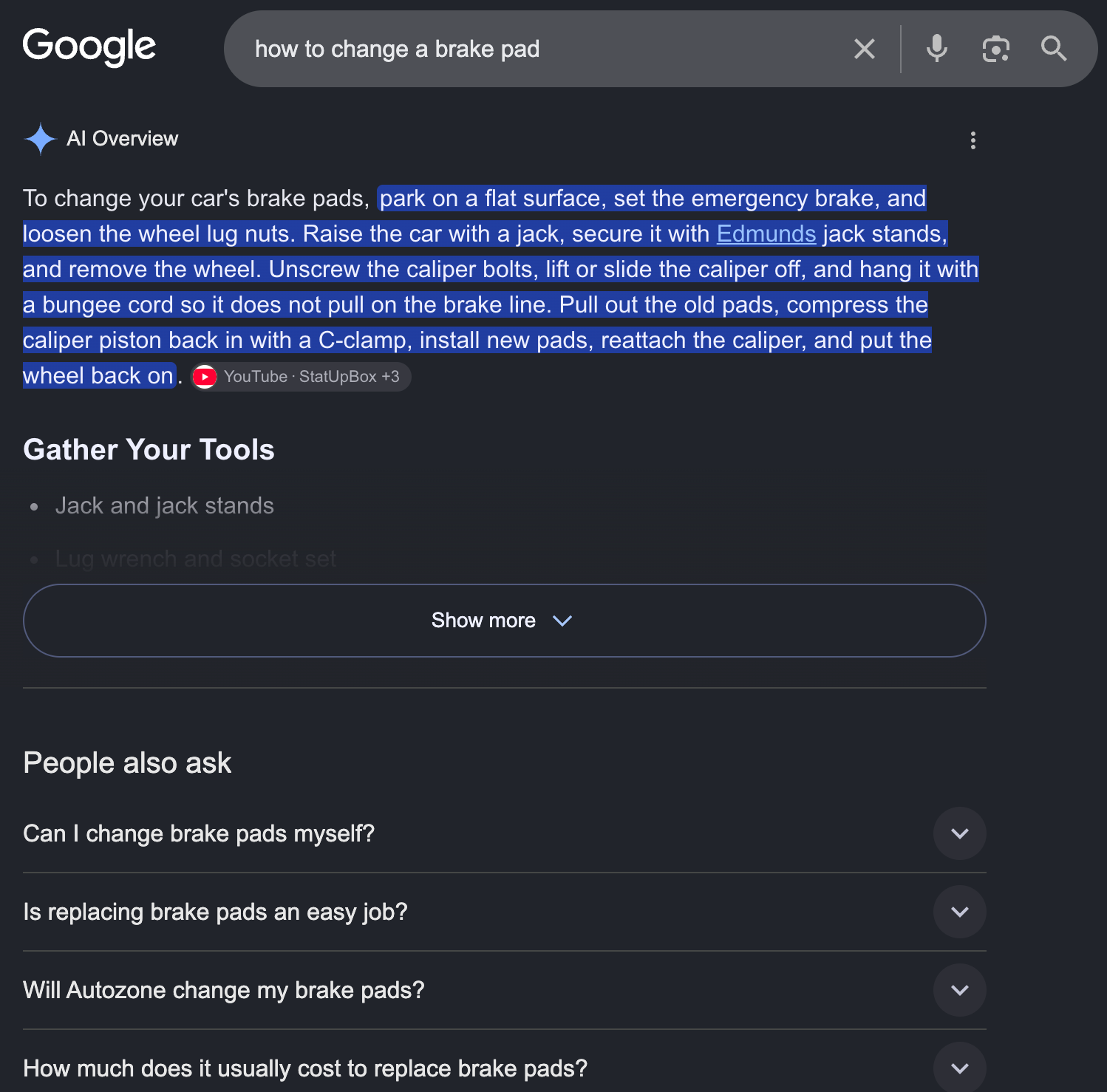
The "Zero-Click" Problem is growing. When an AI Overview appeared in the results page of a search, users clicked any of the remaining traditional organic results only 8% of the time, according to Search Engine Journal's report covering Pew Research findings. This has been particularly difficult for news publishers who have seen zero-click rates jump to 69% in May 2025 for search terms that trigger AI Overviews.
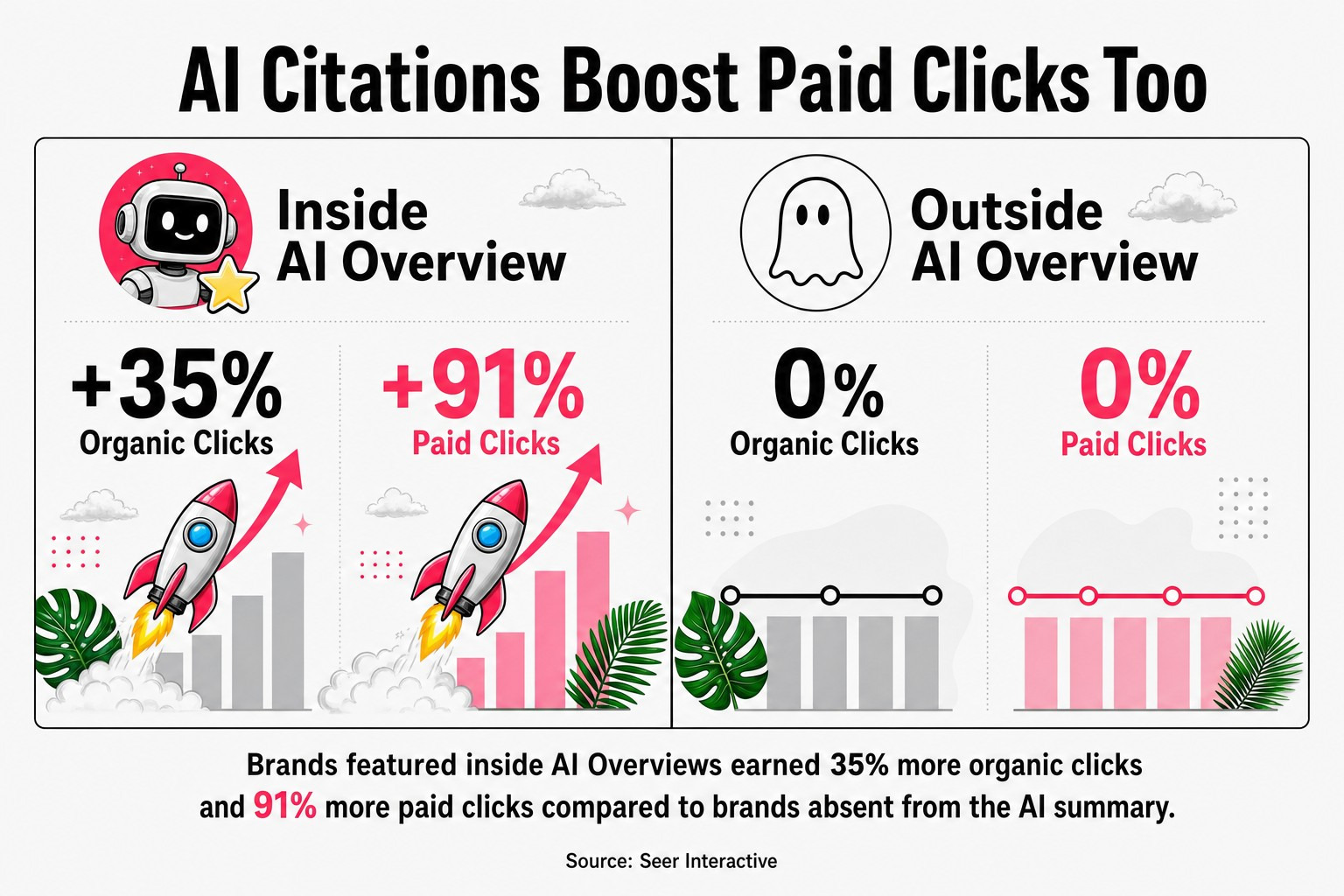
However, there is an upside for brands that can earn citations. According to Seer Interactive's study on the citation impacts of AI Overviews, brands referenced or included inside AI Overviews received 35% more organic clicks and 91% more paid clicks compared to brands that did not receive a mention in the AI Summary. I believe that this 91% lift in paid clicks may be the number that many people are missing. Getting mentioned or referenced in an AI Overview increases the visibility of your brand which allows your paid advertising to work more effectively. There is compounding here.
There has been some movement over time regarding the CTR picture. The drop from 1.76% to .61% was concerning. As of February 2026, the organic CTR on queries resulting in AI Overviews returned to 2.4% as reported by OmniBound's AI Overviews statistics analysis. From what we can tell at this point in time, users seem to be adapting to their new behavior and the web properties that remained committed to producing quality content continued to perform relatively well versus sites that panicked.
For ecommerce brands and marketers focused on diversifying how they reach buyers, our breakdown of website traffic sources and how to choose what's best for your business lays out the full picture of where to invest when one channel gets squeezed.
The most frequently cited AI Overview Pages will have citations based on those pages which have a strong PageRank, relevant backlinks, possess solid E-E-A-T signals, and create structured content that can answer each of the subqueries created during query expansion (query "fan out").
There is considerable overlap between traditional SEO ranking factors and ranking factors for AI Overview citations. Authority still reigns. A page within a trusted domain with links pointing to it is much more likely to be referenced than a well-written page on a brand-new or lower authority website. PageRank has not lost relevance simply because AI is in the mix.
Google’s content quality framework (E-E-A-T) includes four key components: Experience, Expertise, Authoritativeness and Trustworthiness. These four elements represent how Google evaluates content. For overviews of AI, these quality content signals are even more important since they will be cited by Gemini to hundreds of thousands of users.
Thin content produced for search engine optimization (SEO) purposes doesn’t perform as well in the AI overview section as does high-quality content. Google rewards those pages providing clear answers to users’ questions from a position of true expertise. Thin, vague, “hedged,” and “padded” content that provides an answer to a question through indirect means versus providing a direct answer rarely gets selected by Gemini.
Schema markup and structured data assist Google in understanding your content’s context, relationships to entities, etc. Properly schema’d pages — whether using FAQ schema, Article schema, HowTo schema or Product schema — provide Gemini with clearer signals on what a particular page is covering. While using schema/structured data is not a guarantee you’ll receive citation(s) in an AI Overview section, eliminating ambiguity is always beneficial.
AI Overviews want fresh sources. Any outdated article will be replaced from the search results with a newer version. If you have some of the most important informational pages on your website that were last modified in the past 18+ months, place those articles on the "refresh" list today.
Though images, charts, and videos do not specifically affect how likely it is that a given page will receive citations in an AI Overview, these types of content can indicate to Google's quality assessment processes that your site has invested time and effort into creating in-depth content. An informational page with original data visualizations is perceived as more authoritative than a text-only informational page.
Optimizing for AI Overviews needs a structured approach and will involve technical SEO, content quality and entity authority in a specific order to ensure foundational issues don't get skipped for flashier tactics.
I have seen too many marketers jump straight into "add schema markup", before first confirming their pages are even being indexed correctly. That's like painting a house with leaky roofs. Fix the foundation first.
Go through the Indexing report in Google Search Console. If you have any of your important pages showing errors or "not indexed", then you'll need to get those fixed before moving on. Also, confirm that your robots.txt file is not preventing Googlebot from accessing your most important pages. Verify that none of your critical pages are carrying a noindex tag by accident.
Also make sure Googlebot can crawl your pages as a mobile user agent. Google has switched over to using mobile-first Indexing. So if your mobile experience blocks crawlers, or loads differently than your desktop experience, you're going to have an incomplete index coverage.
The most likely long-tail keyword search phrases — which will be the most productive to use for triggering an AI Overview — will be the ones users have searched for as questions (e.g., “How,” “Why,” “What” and “Which”) that relate to what you’re trying to sell.
Use the Performance report from Search Console to determine which search queries you currently hold position 4 –15 for, and for which there is now an AI Overview showing up before yours. These are the top priority opportunities for optimizing your current rankings.
Build individual content pages for each of these search queries — answering only one question per page, with the first paragraph providing the direct answer — and provide further details on each topic thereafter. This will help your site take advantage of how query fan-out works.
AI Overviews extract based on individual segments of content; usually as an H2 or H3 section instead of being able to read the entire article. As such, each segment you create should begin with a self contained answer to the implied question. Do not hide the answer at the bottom of a three paragraph overview.
Use clear hierarchy levels (use H2 for top level, use H3 for secondary levels) when writing your articles. Write straight forward, declarative sentences. Use of language such as "Some Experts Suggest..." or "...It Could Be Argued...". Gemini prefers content that makes its claim(s) clearly and supports those claim(s) with specifics.
Implement relevant schema markup on your content pages. FAQ schema is particularly useful for question-based content, since it mirrors the format AI Overviews often use. HowTo schema works well for process-oriented content. Article schema with author information supports E-E-A-T by making authorship explicit to Google's systems.
Use Google's Rich Results Test to verify your structured data is valid and error-free. Invalid schema doesn't help and can confuse crawlers.
It is rare to get consistent AI Overview citations from one well-optimized page. Authority in a topical area is shown by creating a group of linked pages addressing a topic from multiple aspects. This tells Google that your site has become an authoritative source on a subject. Create a "hub" page around your main topic and create additional, focused "content" pages supporting your hub page but providing answers to some of the subqueries your hub cannot answer individually.
A good SEO strategy will pay for itself. If you are looking for a framework to develop this type of authority while minimizing time wasted developing the wrong pages, our article on SEO results via planning vs. execution outlines how to best organize the work.
Backlinks are still one of the primary signals used by AI to select sources for an overview. While a well-written page from a lower authority domain can sometimes outperform a poorly written page from a high authority domain with good backlink equity, this does not usually happen. Find the informational pages on your site with the poorest backlink profile, develop a targeted outreach plan to obtain backlinks to each of these pages (one at a time).
Do not scatter your link building efforts across all areas of your site. Focus your efforts on the informational pages that will likely become AI Overview candidates. This includes questions format or structured information about topics where AI Overviews currently exist.
Google Search Console is the primary tool for tracking how AI Overviews affect your organic search visibility, and the Performance report contains the data you need to measure both citation presence and traffic impact.
In the Google Search Console Performance report, filter by query and look for queries where your pages receive high impressions but declining clicks. That pattern (lots of impressions, low CTR) is often a signal that an AI Overview is appearing for that query and absorbing user attention before they reach your result.
Google Search Console doesn't yet have a dedicated "AI Overview citations" filter, which is genuinely frustrating. To work around this, compare your CTR trends before and after May 2024 for your most important informational queries. A sustained CTR drop without a rankings drop points to AI Overview interference.
There are several tools from third parties which can track whether or not an AI Overview is present at scale. Semrush reported that as of July 2025, it tracked AI Overviews to be visible on approximately 24.61% of all tracked keywords, based upon the Search Engine Land article using data from Semrush AIO. The tracking tools include Brightedge which tracks keyword level AI Overviews in addition to those that Search Console does not.
Create a tracking list for your top conversion generating searches with the most value. Use tags (yes/no/sometime) to indicate if each query has an AI Overview. Monitor that status every month. If there are AI Overviews being added to the queries that were never previously shown the AI Overviews, you will know to take action and make improvements to the associated content pages.
Publishers have the ability to tell Google not to utilize their content in Google’s AI Overview by adding certain meta tags or robots directives to their site. With these tools, publishers will now have an opportunity to determine exactly what information they want to be shown in their generated search results.
The nosnippet meta tag tells Google not to display any snippet from the page, which effectively removes it from AI Overview consideration. The data-nosnippet attribute can be applied to specific HTML elements rather than the whole page, letting you block AI from using particular sections while keeping others available. The max-snippet directive limits how much text Google can extract from a page.
To block Google's AI crawler specifically, you can disallow Google-Extended in your robots.txt file. This prevents Google's AI training and AI Overview systems from using your content. Note that this is a meaningful business decision. Blocking AI Overview access trades citation potential for content control. For some publishers, particularly news organizations watching their zero-click rates climb, that trade makes sense.
AI Mode is Google’s more conversational search product powered by Gemini. As a result, it shares the same limitations as AI Overviews regarding how users can access content. In general if a page has been blocked from being crawled by AI Overview, the user will be unable to reference that page as an external source within their use of AI Mode.
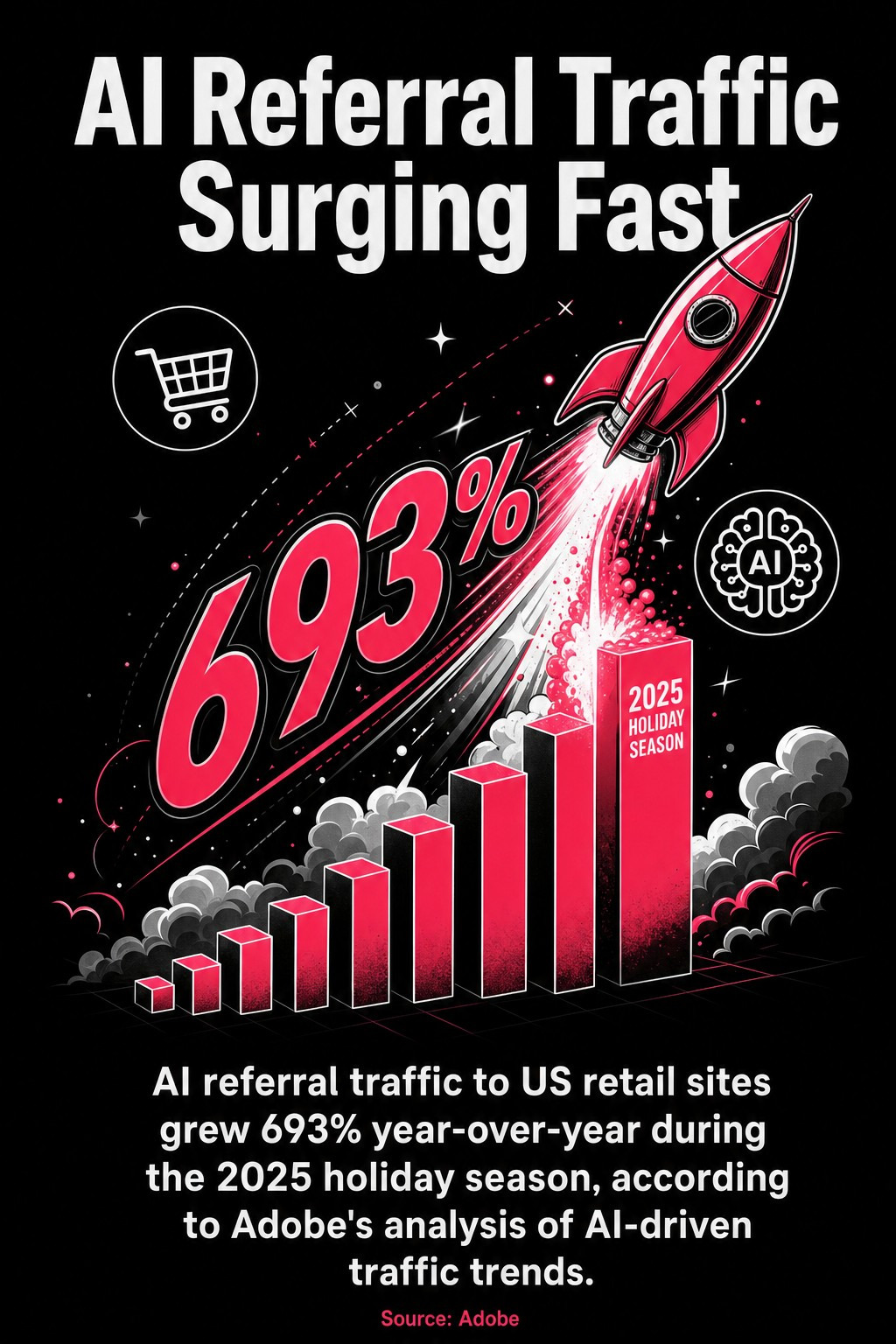
Therefore, if you decide to block crawlers from accessing your site (to prevent the use of AI Overview) consider how this decision may affect the ability for your content to appear in other tools such as ChatGPT or Perplexity which offer AI generated answers that include references to cited web pages. All of these tools rely on web pages that have been crawled and indexed in order to generate answers. As a result all of these tools require the same type of crawling and indexing practices used to provide good results for AI Overview. This larger category of "Generative Engine Optimization" is something you should keep track of. AI referral traffic to US retail sites grew 693% year-over-year during the 2025 holiday season, according to Adobe's analysis of AI-driven traffic trends. That number will keep climbing.
When considering the AI Overviews that have won citations, there is a single characteristic these sites all shared: they created and continue to create high-quality, relevant, authoritative content prior to the emergence of AI Overviews and continued to produce such content post-AI Overviews.
There is simply no substitute for creating quality content as part of your overall SEO strategy; therefore, there is no "trick" to replace developing and maintaining quality content.
AI Overviews accounted for 48% of all tracked searches as per BrightEdge’s 1-year AI Overviews study. This increase represents an annual growth of 58%.
This trend indicates that AI Overviews will likely be the new normal with respect to informational searching. The time has come to adjust your SEO strategy to accommodate the reality of AI Overviews. Waiting until the decline in organic traffic becomes apparent in your analytics is far too late.
Your practical priorities should be as follows: address any crawl or indexing issues, develop your topical authority through content clusters, implement structured data into your site, work to establish links pointing to your highest-value content pages, and track your performance using Google Search Console. These steps are ordered based upon dependency; each step requires completion of the previous one.
With AI Overviews reducing organic top-of-funnel clicks, users clicking through to visit your website become significantly more valuable. Optimizing for these visits is more important today than it was previously. Our five-step guide on how to optimize your conversion rates from analytics to action provides detailed instructions on how to maximize your remaining organic traffic.
Organic traffic has not disappeared but it has become more difficult to acquire, more concentrated around authoritative websites, and flows primarily through AI-moderated interfaces. Produce the type of content that AI Overviews will want to reference. Creating this type of content will provide the longest-term ROI for your current SEO efforts.