
Most aftermarket accessory sellers chase clicks. They pour budget into broad keywords, stack ad groups, and wonder why their ROAS stays flat.
The problem isn't traffic. It's timing.
I structure campaigns around buyer readiness, not search volume. When someone types "car phone mount," they're browsing. When they search "best magnetic phone mount for Honda Civic 2024," they're buying. Same product category, completely different intent, and your campaign structure should reflect that difference.
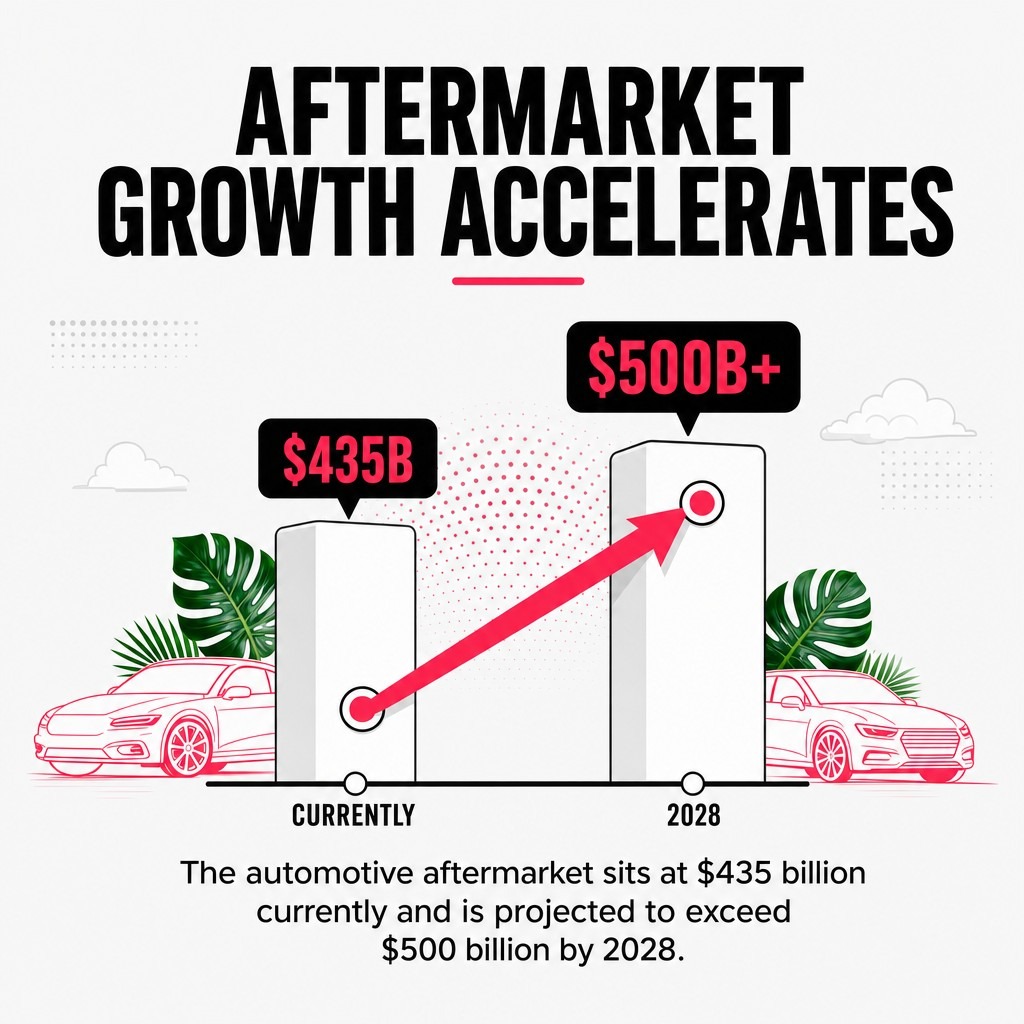
The automotive aftermarket sits at $435 billion currently and is projected to exceed $500 billion by 2028. That's a massive opportunity, but it also means intense competition for every keyword. You can't win by outbidding everyone. You win by putting your budget where buyers are ready to convert.
This guide shows you how to build PPC campaigns that match your ad spend to purchase intent. You'll learn how to segment campaigns by decision stage, allocate budget based on conversion probability, and structure ad groups that speak directly to where buyers are in their journey.
The result? Higher conversion rates, better ROAS, and ads that feel like they're reading your customers' minds.
I've managed enough aftermarket campaigns to know the pattern. Sellers launch with one search campaign, dump keywords into a few ad groups, and optimize for impressions or clicks.
Three months later, they're frustrated. Traffic looks good on paper, but conversions are thin.
The issue isn't the keywords themselves. It's treating all searches as equal when they're not. A buyer searching "aftermarket accessories" is exploring options. A buyer searching "WeatherTech floor mats for 2023 F-150 SuperCrew" knows exactly what they want and is comparing prices.
Decision-stage alignment means building separate campaigns for each phase of the buyer journey. You're not just bidding on keywords. You're bidding on buyer intent, and you're allocating budget based on how close someone is to pulling the trigger.
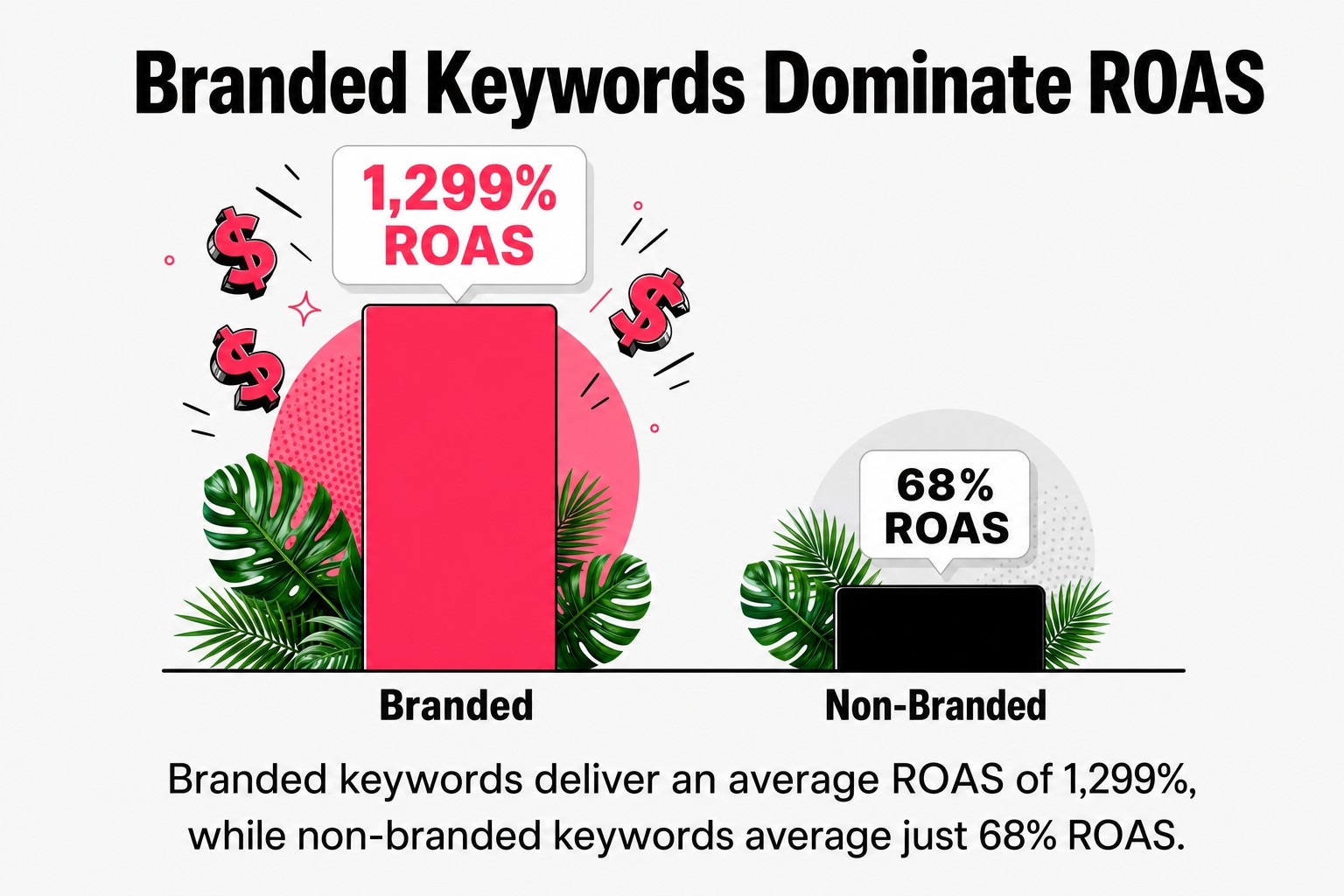
This approach works because branded keywords deliver an average ROAS of 1299%, while non-branded keywords average just 68% ROAS. That's not a small difference. That's the difference between profitable growth and burning cash.
Aftermarket buyers move through three distinct stages, and each stage has different search behavior, keyword patterns, and conversion rates.
Stage 1: Problem Awareness (Top of Funnel)
The buyer knows they have a need but hasn't decided on a solution. They're searching generic terms like "best truck bed covers" or "how to protect car seats from dog hair."
These searches have high volume but low immediate conversion intent. The buyer is researching, comparing product types, and building their shortlist.
Stage 2: Solution Evaluation (Middle of Funnel)
The buyer has narrowed their options and is comparing specific products or brands. Searches look like "tonneau cover vs. bed cap" or "WeatherTech vs. Husky floor liners."
Volume drops here, but intent rises. These buyers are closer to purchase and more receptive to comparative messaging and product-specific benefits.
Stage 3: Purchase Decision (Bottom of Funnel)
The buyer knows what they want and is ready to buy. They're searching product names with vehicle fitment details, SKU numbers, or "buy now" modifiers.
Examples: "WeatherTech DigitalFit floor mats Honda Pilot 2024" or "Thule roof rack for Subaru Outback free shipping."
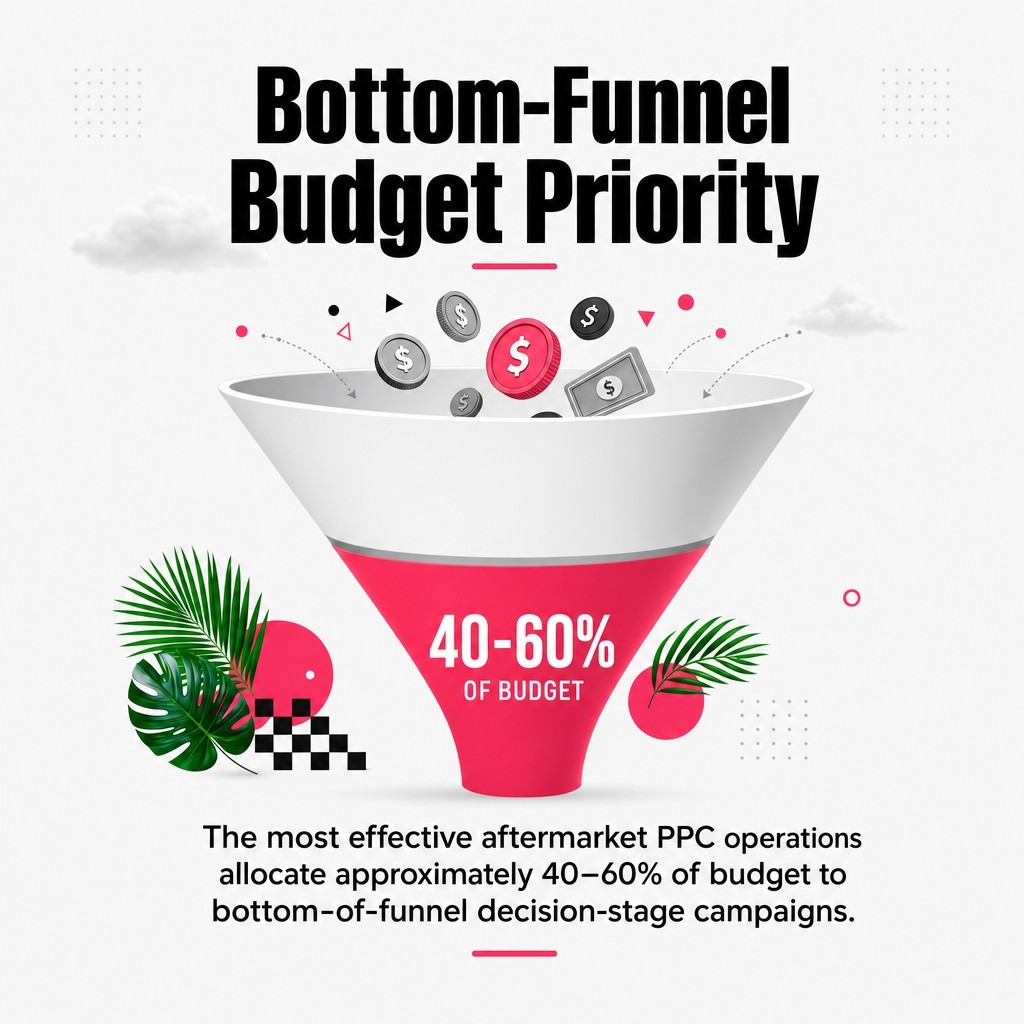
These searches have the lowest volume but the highest conversion rates. This is where the most effective aftermarket accessory PPC operations allocate approximately 40-60% of budget to bottom-of-funnel decision-stage campaigns.
Most PPC platforms default to volume. Google Ads shows you search volume first. Keyword research tools sort by monthly searches. The temptation is to bid aggressively on high-volume terms.
But high volume at the top of the funnel means you're paying for tire-kickers. You're buying traffic from people who aren't ready to buy, and you're competing with everyone else chasing the same broad keywords.
The math doesn't work. If a top-of-funnel keyword has 10,000 monthly searches and a 0.5% conversion rate, you get 50 conversions. If a bottom-of-funnel keyword has 500 searches and a 5% conversion rate, you get 25 conversions. Same ballpark results, but the bottom-of-funnel campaign has higher purchase intent and lower competition.
Decision-stage alignment flips the script. You bid highest where buyers are closest to converting, and you treat top-of-funnel campaigns as brand awareness plays with separate performance expectations.
Now that you understand the stages, here's how to structure your campaigns to match them. This isn't about creating more campaigns for the sake of organization. It's about giving yourself the control to bid, message, and optimize differently based on buyer intent.
I use a three-tier structure that separates campaigns by funnel stage. Each tier has distinct goals, bidding strategies, and ad copy approaches.
Tier 1: Discovery Campaigns (Top of Funnel)
These campaigns target problem awareness searches. Budget allocation is lower here because conversion rates are lower. The goal is brand visibility and initial consideration.
Keyword types include generic product categories, problem-focused searches, and broad informational queries. Examples: "truck accessories," "car organization ideas," "winter driving gear."
Bidding strategy should be manual CPC or Maximize Clicks with a conservative daily budget cap. You're not chasing conversions here. You're building awareness.
Tier 2: Comparison Campaigns (Middle of Funnel)
These campaigns target solution evaluation searches. Budget allocation increases here because buyers are narrowing options and actively comparing.
Keyword types include product comparisons, brand names, and feature-specific searches. Examples: "best bed liner for daily driver," "WeatherTech alternatives," "folding vs. roll-up tonneau cover."
Bidding strategy should be Target CPA or Maximize Conversions. You're optimizing for actions now, not just clicks.
Tier 3: Decision Campaigns (Bottom of Funnel)
These campaigns target purchase decision searches. This is where you allocate the majority of your budget because these buyers are ready to convert.
Keyword types include specific product names with vehicle fitment, SKU-level searches, and transactional modifiers. Examples: "WeatherTech 443851 floor mats," "Thule WingBar Evo 135cm buy now," "Husky X-Act floor liners Silverado 2024 free shipping."
Bidding strategy should be Target ROAS or Maximize Conversion Value. You're optimizing for revenue and profitability, and you're willing to pay more per click because conversion probability is highest.
Here's how budget allocation typically breaks down across the three tiers:
These ranges shift based on your product mix, competition, and average order value. But the principle holds: allocate more budget where buyers are closer to converting.
Within each campaign tier, I organize ad groups by product category and keyword theme. This keeps ad copy tightly aligned with search intent.
For Discovery campaigns, ad groups are broad: "Floor Protection," "Bed Storage," "Cargo Management." Each ad group contains 15-25 related keywords.
For Comparison campaigns, ad groups get more specific: "Tonneau Cover Comparisons," "Floor Mat Brands," "Roof Rack Systems." Each ad group contains 10-15 keywords focused on evaluation language.
For Decision campaigns, ad groups are highly granular: "WeatherTech Floor Mats Honda," "Thule Roof Racks Subaru," "Husky Bed Liners Ford F-150." Each ad group contains 5-10 tightly matched keywords, often with exact match or phrase match types.
This structure gives you maximum control over messaging. Your ad copy for someone comparing brands is completely different from your ad copy for someone ready to buy a specific product for their specific vehicle.
Keyword research for decision-stage campaigns is different from standard keyword research. You're not just looking for search volume. You're looking for intent signals that indicate where a buyer is in their journey.
Certain words and patterns in search queries reveal buyer readiness. Learn to spot them, and you can classify keywords into the right campaign tier.
Top-of-Funnel Intent Signals:
Middle-of-Funnel Intent Signals:
Bottom-of-Funnel Intent Signals:
When you're pulling keyword lists from tools like Google Keyword Planner, sort and tag based on these signals. That classification becomes the foundation for your campaign structure.
Long-tail keywords are your secret weapon for bottom-of-funnel campaigns. These are the highly specific, low-volume searches that most competitors ignore because they don't show impressive numbers in keyword tools.
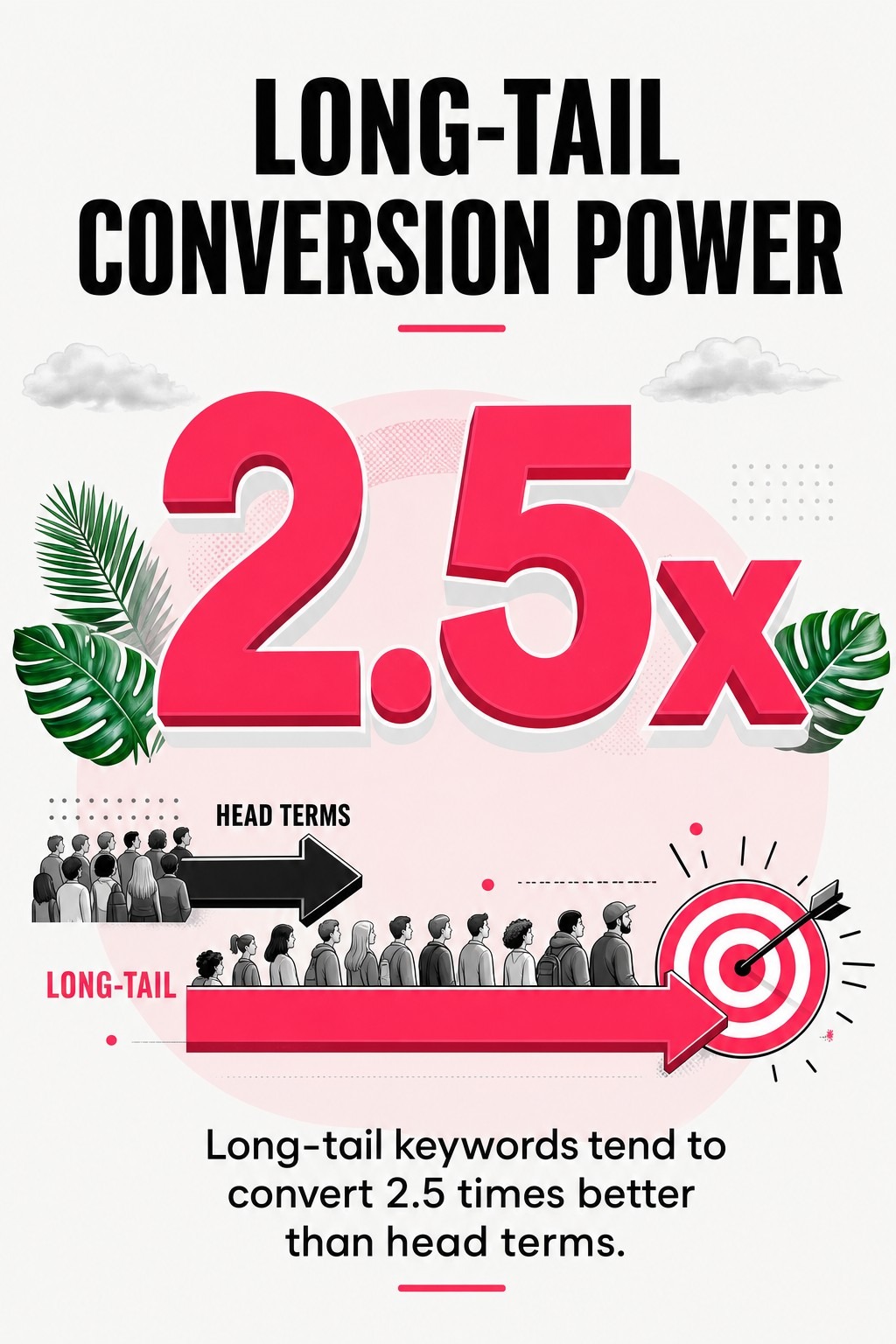
But long-tail keywords tend to convert 2.5 times better than head terms. A buyer searching "black rubber floor mats" is browsing. A buyer searching "WeatherTech All-Weather floor mats 2024 Toyota Tacoma Double Cab black" is ready to buy.
The vehicle fitment detail is crucial here. Aftermarket accessories are vehicle-specific, so including year, make, model, and trim in your keywords helps you match buyers who have already done their research and confirmed fitment.
Build your bottom-of-funnel ad groups around these long-tail combinations. Yes, each keyword has lower search volume. But when you aggregate hundreds of these specific searches, the total volume is significant, and the conversion rate blows away your generic keywords.
Decision-stage alignment only works if your campaigns stay clean. If your bottom-of-funnel campaign starts matching on top-of-funnel searches, your performance tanks.
Negative keywords prevent this contamination. You're telling Google which searches should NOT trigger ads in specific campaigns.
For bottom-of-funnel campaigns, add broad negative keywords that indicate early-stage research: "how to," "what is," "DIY," "homemade," "cheap," "budget," "ideas," "tips."
For top-of-funnel campaigns, add negative keywords that indicate purchase intent: "buy," "order," "purchase," "free shipping," "in stock," specific SKU patterns.
For brand defense campaigns (which I'll cover shortly), add negative keywords that indicate competitor intent: competitor brand names, "vs [your brand]," "alternative to [your brand]."
Check your search terms report weekly and add new negatives as you discover irrelevant queries. This keeps your campaign tiers focused on their intended funnel stage.
For more on keyword strategy tailored to aftermarket parts, see our guide on keyword research strategies for high-performance auto parts.
Google Shopping campaigns are critical for aftermarket accessories because buyers want to see the product, confirm fitment, and compare prices visually. But standard Shopping campaign structures don't align well with buyer readiness stages.
Most sellers run one Shopping campaign with all products lumped together. That approach works for general awareness, but it doesn't let you bid differently based on purchase intent.
Instead, segment your product feed using custom labels. These labels let you create separate Shopping campaigns or ad groups based on product characteristics that correlate with buyer readiness.
Here are the custom labels I use for aftermarket accessories:
Custom Label 0: Product Specificity
Custom Label 1: Price Tier
Custom Label 2: Seasonality
With these labels in place, you can create separate Shopping campaigns for vehicle-specific products with higher bids. These products attract buyers who have already confirmed fitment and are closer to purchase.
Your generic product campaigns run with lower bids, capturing awareness-stage traffic without overspending on browsers.
Product titles in Shopping campaigns are your primary relevance signal. Google uses titles to match products to search queries, so how you structure them directly impacts which searches trigger your ads.
For bottom-of-funnel performance, load your titles with specificity. Include brand, product name, vehicle fitment, and key features in the first 70 characters.
Top-performing title structure: [Brand] [Product Type] [Year] [Make] [Model] [Trim] [Color/Material]
Example: "WeatherTech Floor Mats 2024 Honda Pilot Elite 3-Row Black"
This title matches specific searches and attracts buyers who have already narrowed their options. Contrast that with a generic title like "WeatherTech Floor Mats for Honda," which attracts broader, less-ready traffic.
For products that fit multiple vehicles, create separate feed entries for each major vehicle application. Yes, this multiplies your SKU count in the feed, but it dramatically improves your matching for high-intent searches.
Once your feed is segmented and your titles are optimized, adjust bids based on product specificity and buyer intent.
Vehicle-specific products get the highest bids. These products match bottom-of-funnel searches, and buyers are ready to convert.
Brand-specific products get mid-level bids. Buyers know the brand they want but may still be comparing models or checking prices.
Generic products get the lowest bids. These products capture awareness traffic, but conversion rates are lower.
If you're running Target ROAS bidding, set different ROAS targets for each segment. Vehicle-specific campaigns can handle a lower ROAS target because conversion rates are higher. Generic campaigns need a higher ROAS target to remain profitable given lower conversion rates.
For a deeper look at Shopping campaign structure, check out our article on structuring Performance Max campaigns for auto parts.
Search campaigns give you the most control over messaging and targeting. This is where decision-stage alignment really shines because you can craft ad copy that speaks directly to buyer readiness.
Your ad copy should match the mindset of the buyer at each stage. Discovery-stage copy is educational and exploratory. Decision-stage copy is direct and transactional.
Top-of-Funnel Ad Copy Structure:
Headline 1: Problem statement or benefit hook
Headline 2: Product category or solution type
Headline 3: Brand name or differentiation
Description: Educational angle with soft CTA
Example for "truck bed organization":
Headline 1: Keep Your Truck Bed Organized
Headline 2: Bed Storage & Management Solutions
Headline 3: Built for Daily Work & Adventure
Description: Explore bed dividers, toolboxes, and cargo management systems designed for durability and easy access.
Bottom-of-Funnel Ad Copy Structure:
Headline 1: Specific product name with fitment
Headline 2: Transactional hook (price, availability, shipping)
Headline 3: Trust signal (warranty, reviews, guarantee)
Description: Product benefits with strong CTA
Example for "WeatherTech floor mats Honda Pilot 2024":
Headline 1: WeatherTech Floor Mats - 2024 Honda Pilot
Headline 2: Free Shipping - In Stock - Ships Today
Headline 3: Lifetime Guarantee - 4.8★ Rated
Description: Perfect fit for your 2024 Pilot. All-weather protection with easy installation. Order now and protect your investment.
Notice the difference? Top-of-funnel copy invites exploration. Bottom-of-funnel copy assumes the buyer knows what they want and removes purchase friction.
Ad extensions give you more real estate and more ways to communicate value. But not all extensions work equally well at every funnel stage.
For bottom-of-funnel campaigns, prioritize transactional extensions:
For top-of-funnel campaigns, use informational extensions:
Extensions improve click-through rate and Quality Score across all campaigns, but matching extension types to buyer intent makes them even more effective.
This is where many campaigns fall apart. You've structured campaigns by buyer stage, written stage-specific ad copy, and then you send everyone to the same generic landing page.
Bottom-of-funnel searches should land on product pages. The buyer searched for "WeatherTech floor mats 2024 Honda Pilot." They should land on a page that shows WeatherTech floor mats for 2024 Honda Pilot, with clear pricing, add-to-cart, and vehicle fitment confirmation.
Middle-of-funnel searches should land on comparison or category pages. The buyer searched for "best tonneau covers." They should land on a page comparing different tonneau cover types, with pros and cons, use cases, and links to specific products.
Top-of-funnel searches can land on educational content or broad category pages. The buyer searched for "truck accessories." They should land on a page showcasing different accessory categories with imagery and brief descriptions.
Landing page alignment reduces bounce rate and improves conversion rate because the page delivers what the search query promised. It also improves Quality Score, which lowers your cost per click.
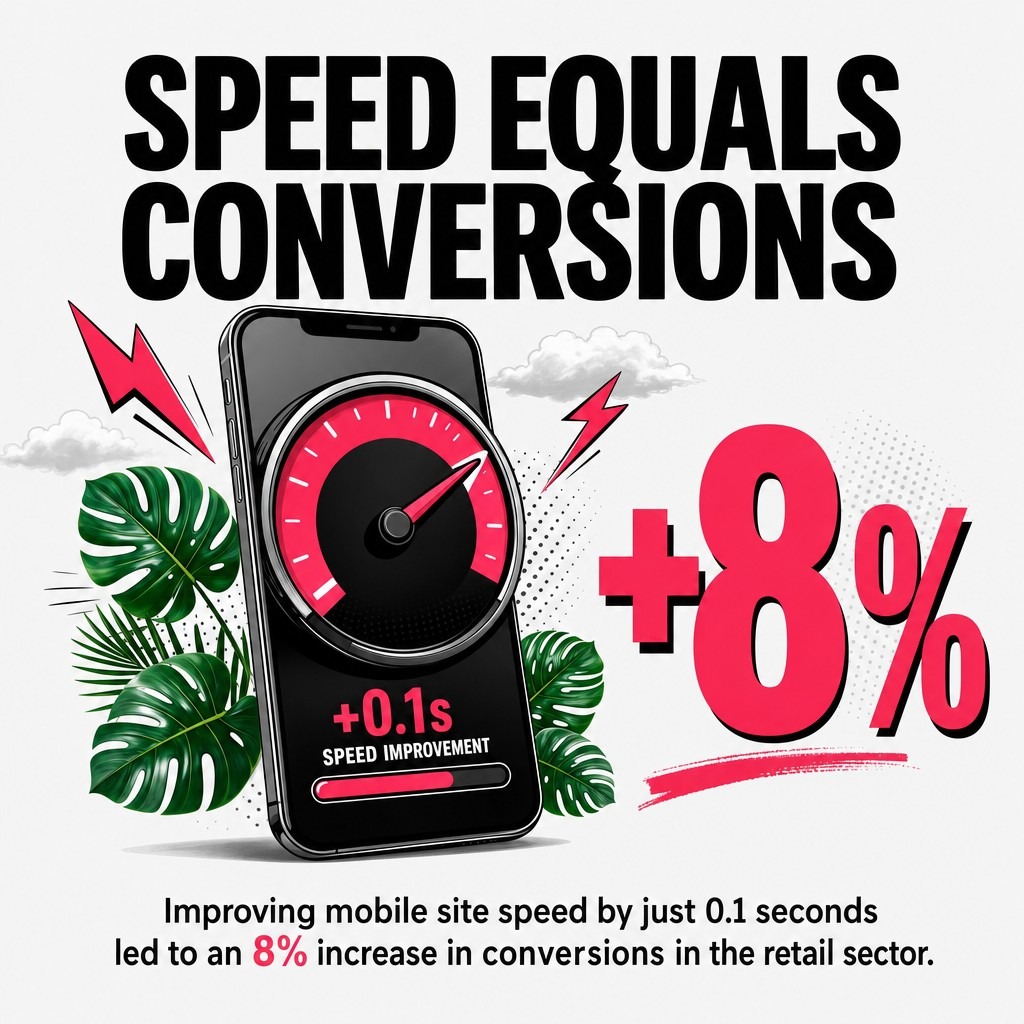
One critical landing page factor: mobile speed. Improving mobile site speed by just 0.1 seconds led to an 8% increase in conversions in the retail sector. Buyers won't wait for slow pages, especially on mobile. If your bottom-of-funnel traffic is converting poorly, check your landing page speed first.
If you sell branded accessories or if your store name has brand recognition in your niche, you need a dedicated brand defense campaign. This campaign bids on your own brand name to prevent competitors from stealing your traffic.
Brand searches are the highest-intent traffic you'll ever get. Someone searching for your store name or your branded product line already knows you and is looking to buy from you specifically.
If you don't bid on your brand, competitors will. They'll show up above your organic listing and intercept buyers who intended to click on you.
Brand campaigns are also incredibly cost-effective. Branded keywords deliver an average ROAS of 1299%, while non-branded keywords average just 68% ROAS. That's 19x better return.
Set up a separate search campaign for brand terms with exact match keywords for your brand name, product line names, and common misspellings. Bid aggressively to ensure top position.
Competitor campaigns flip the script. You're bidding on competitor brand names to capture buyers who are considering alternatives.
This is a middle-of-funnel tactic. Buyers searching competitor names are evaluating options. Your ad copy should acknowledge their search and present your brand as a comparable or superior alternative.
Example ad copy for a competitor search "Brand X floor mats":
Headline 1: Compare Brand X to [Your Brand]
Headline 2: Same Quality - Better Price - Faster Shipping
Headline 3: 30-Day Money-Back Guarantee
Description: See why drivers choose [Your Brand] floor mats over Brand X. Precision fit, lifetime warranty, and free shipping on all orders.
Competitor campaigns require careful budget management. Click costs are often higher because you're bidding on another brand's name, and conversion rates are lower than brand campaigns because buyers have some loyalty to the competitor.
But for market share growth, competitor campaigns are effective. You're getting in front of buyers who might not know you exist, and you're offering them a reason to consider switching.
Not every buyer converts on first visit. Aftermarket accessories often have longer consideration periods, especially for higher-ticket items like tonneau covers or roof rack systems.
Remarketing campaigns bring back visitors who didn't convert, and they work because the buyer has already expressed interest by visiting your site.
The key to effective remarketing is audience segmentation. Not all visitors are equal, and your remarketing ads should reflect where they stopped in the journey.
Create separate remarketing audiences for:
Each audience gets different messaging and different bid strategies.
Cart abandoners are your highest-intent remarketing audience. They were ready to buy and something stopped them. Your ads should address common objections: price concerns, shipping costs, fitment uncertainty. Consider offering a limited-time discount or free shipping to close the deal.
Product viewers are mid-intent. They're interested but not committed. Your ads should reinforce product benefits, highlight reviews or testimonials, and create urgency without heavy discounts.
Category browsers are lowest-intent remarketing traffic. They're still exploring. Your ads should showcase product variety, highlight your brand story, or offer educational content like fitment guides or installation videos.
Dynamic remarketing takes personalization further by showing ads featuring the exact products the visitor viewed. Google generates these ads automatically from your product feed.
For aftermarket accessories, dynamic remarketing is powerful because it reminds buyers of the specific product they were considering, complete with vehicle fitment and pricing.
Set up dynamic remarketing through Google Ads by linking your product feed and installing the enhanced ecommerce tracking code. Google will then create ads showing the products each visitor viewed, with automatic updates if pricing or availability changes.
Dynamic remarketing works especially well for cart abandoners and product viewers because it removes the friction of finding the product again. The buyer clicks the ad and lands right back on the product page they were considering.
You've built campaigns around buyer readiness. Now you need to allocate budget to match conversion probability at each stage.
This framework prioritizes bottom-of-funnel campaigns where conversion rates are highest, while maintaining presence at earlier stages for brand building and audience capture.
40-50% to bottom-of-funnel decision campaigns. These campaigns target high-intent searches and deliver the best ROAS. Allocate the majority of your budget here.
30-40% to middle-of-funnel comparison campaigns. These campaigns capture buyers in the consideration phase and have solid conversion rates, though not as high as decision campaigns.
10-20% to top-of-funnel discovery campaigns. These campaigns build awareness and capture early-stage interest, but conversion rates are lowest. Keep budgets modest here.
These percentages shift based on your business goals. If you're an established brand focused on maximizing short-term ROAS, you might push 60% to bottom-of-funnel campaigns. If you're a new brand building awareness, you might allocate 25-30% to top-of-funnel to capture more early-stage traffic.
Aftermarket accessories have seasonal demand patterns. Seasonal demand sees electronics and technology accessories surge during back-to-school (July-September) and the November-December holiday period.
For automotive accessories specifically, demand peaks around:
Adjust budgets seasonally to capture these demand shifts. Increase bottom-of-funnel budgets during peak season for your product categories, and scale back during off-peak periods.
You can also adjust bids by time of day and day of week based on when your target buyers are most active. Check your conversion data for patterns and increase bids during high-conversion windows.
Decision-stage campaigns require different performance expectations. Your top-of-funnel campaigns won't have the same ROAS as your bottom-of-funnel campaigns, and that's fine. The key is measuring each campaign tier against the right benchmarks.
Each campaign tier has primary and secondary KPIs that reflect its purpose.
Top-of-Funnel Discovery Campaigns:
Primary KPI: Impression share and click-through rate
Secondary KPI: Cost per click and assisted conversions
Acceptable Conversion Rate: 0.5-1.5%
Acceptable ROAS: 100-200%
These campaigns build awareness. You're measuring visibility and engagement more than immediate conversions.
Middle-of-Funnel Comparison Campaigns:
Primary KPI: Conversion rate and cost per acquisition
Secondary KPI: Click-through rate and Quality Score
Acceptable Conversion Rate: 1.5-3.5%
Acceptable ROAS: 200-400%
These campaigns drive consideration. You're measuring how effectively you're moving browsers toward purchase.
Bottom-of-Funnel Decision Campaigns:
Primary KPI: ROAS and conversion value
Secondary KPI: Conversion rate and average order value
Acceptable Conversion Rate: 4.0-8.0%
Acceptable ROAS: 400-800%+
These campaigns drive revenue. You're measuring profitability and efficiency at converting high-intent traffic.
For context on broader ecommerce performance, apparel and accessories average between 1.5% to 2.9% conversion rates, while home and furniture categories reach only 0.9% to 3.0%. Automotive parts and accessories conversion rates vary widely, and case-study data shows performance can move meaningfully with site speed and campaign quality.
Buyers rarely convert on first click. They search multiple times, visit multiple sites, and return several times before purchasing. If you're only measuring last-click conversions, you're undervaluing your top and middle-of-funnel campaigns.
Switch to data-driven attribution or position-based attribution in Google Ads. These models give credit to multiple touchpoints in the buyer journey, showing you how your discovery and comparison campaigns contribute to final conversions.
Position-based attribution gives 40% credit to first and last clicks, and 20% to middle interactions. This model recognizes that top-of-funnel campaigns initiated the journey and bottom-of-funnel campaigns closed the deal.
Data-driven attribution uses machine learning to assign credit based on actual conversion patterns in your account. It's the most accurate model if you have sufficient conversion volume.
With better attribution, you'll see that your top-of-funnel campaigns generate more value than last-click metrics suggest. This justifies maintaining budget allocation across all stages rather than over-concentrating on bottom-of-funnel.
Aftermarket accessories have regional demand variations. Winter products sell heavily in northern states. Truck accessories sell more in rural areas and the South. Off-road gear concentrates in regions with trail access.
Location-based targeting outperforms broad geographic campaigns, achieving 4.2x higher engagement. You're matching your ads to buyers who are more likely to need your specific products.
Start by analyzing your existing customer data by state or region. Look for concentrations of sales for specific product categories.
Then create location-specific campaigns or adjust bids by location based on performance.
For example, if floor mat sales concentrate in northern states during winter months, create a separate campaign targeting those states with increased bids from October through March. Your ad copy can reference winter weather protection, which resonates more strongly in those markets.
If you sell truck bed accessories and see higher sales in Texas, Oklahoma, and Montana, increase bids in those states and create ad copy that speaks to truck culture in those regions.
Location targeting is especially powerful for bottom-of-funnel campaigns because you're focusing high-intent budget on the markets most likely to convert.
If you have physical locations or regional warehouses, Local Inventory Ads let you show in-stock products to nearby buyers with "available nearby" messaging.
For aftermarket accessories, this solves a key buyer concern: immediate availability. A buyer searching for "floor mats near me" wants to know where they can get the product today, not in 3-5 business days.
Local Inventory Ads pull from your inventory feed and show real-time stock status. Set these up through Google Merchant Center by uploading both your product feed and your local inventory feed.
Bid more aggressively on Local Inventory Ads because these buyers have high immediate intent and are less price-sensitive when they need the product urgently.
Campaign structure gets you 70% of the way there. The last 30% comes from ongoing testing and refinement.
Test different ad copy variations within each campaign tier to find which messaging resonates best at each stage.
For top-of-funnel campaigns, test educational vs. product-focused headlines. Does "Floor Mat Buying Guide" outperform "Premium Floor Mats for All Vehicles"? Your data will tell you whether buyers at this stage prefer education or product variety.
For bottom-of-funnel campaigns, test transactional elements. Does "Free Shipping" outperform "In Stock - Ships Today"? Does including star ratings in headlines improve CTR? Test and measure.
Run responsive search ads with multiple headline and description variations. Google's machine learning will find the best-performing combinations, but review the asset report regularly to identify which messages work best.
Pause underperforming assets and add new variations based on winning patterns.
Your bottom-of-funnel campaign is performing well, but conversion rate is lower than expected. Before increasing bids, check your landing pages.
Test different landing page elements specifically for high-intent traffic:
Small changes to landing pages can produce significant conversion rate improvements, which compounds across your entire campaign spend.
Theory is useful, but seeing the framework in action makes it click. Here's how these principles played out in an actual campaign.
A pet accessories retailer restructured their PPC campaigns around buyer readiness stages. Previously, they ran one broad search campaign and one Shopping campaign, both optimized for clicks.
After restructuring into three campaign tiers with separate budgets and bidding strategies, a pet accessories PPC campaign generated $346,000 in revenue at 5.12x ROAS.
The restructure involved:
The decision-stage campaigns delivered 6.8x ROAS despite receiving only 50% of total budget. Discovery campaigns delivered 2.1x ROAS but contributed significant assisted conversions that showed up in position-based attribution reports.
The lesson: decision-stage alignment doesn't just improve your best campaigns. It gives you clarity on what each campaign is supposed to achieve, which lets you optimize more effectively across the entire funnel.
You understand the framework. Now here's how to implement it in your own campaigns without blowing up what's currently working.
Start by auditing your existing campaigns. Pull keyword reports and classify searches by buyer intent stage. Look for patterns: which keywords drive the most conversions? Which keywords have high clicks but low conversions?
Document your current performance metrics by campaign. You need baseline data to measure improvement.
Create your three campaign tiers in Google Ads but don't launch yet. Build out keyword lists, write stage-specific ad copy, and set up landing pages.
Launch your new campaign structure alongside existing campaigns at 25% of your total budget. This lets you test the approach without risking full performance.
Monitor closely for the first two weeks. Check search terms reports, adjust negative keywords, and refine ad copy based on early data.
Compare performance of new decision-stage campaigns against your old campaigns. You should see higher conversion rates and better ROAS on high-intent traffic.
If parallel testing confirms improved performance, shift 100% of budget to the new structure. Pause old campaigns but don't delete them yet in case you need to reference historical data.
Focus optimization efforts on:
Within three months, you should see measurable improvement in overall ROAS and a clearer understanding of which traffic sources drive the most profitable conversions.
For additional optimization strategies, explore our guide on amplifying PPC performance for auto parts retailers.
Even with the right framework, there are execution mistakes that can derail your results.
It's possible to create too many campaigns with too few keywords each. If your decision-stage campaigns are split across 50 tiny ad groups, none of them will have enough volume for Google's machine learning to optimize effectively.
The fix: consolidate ad groups within campaign tiers when individual ad groups have fewer than 20 clicks per week. Google's algorithms need minimum volume to learn.
If you judge your top-of-funnel campaigns only on last-click conversions, they'll look like failures. But if those campaigns are initiating buyer journeys that convert later through bottom-of-funnel campaigns, they're valuable.
The fix: review assisted conversion reports in Google Ads under Tools & Settings > Measurement > Attribution. This shows which campaigns contribute to conversions even when they're not the final click.
Your initial budget allocation is a hypothesis. If your decision-stage campaigns consistently hit budget caps while delivering strong ROAS, they need more budget. If your discovery campaigns underspend while delivering weak ROAS, they need less.
The fix: review budget utilization weekly and reallocate based on performance. High-performing campaigns with budget constraints should receive more budget from underperforming campaigns.
You don't need more traffic. You need the right traffic at the right stage with the right message.
Decision-stage alignment works because it matches your ad spend to buyer readiness. You're bidding highest where buyers are closest to converting, and you're treating early-stage traffic differently than purchase-ready traffic.
The three-tier campaign structure gives you the control to optimize for different goals at each stage. Discovery campaigns build awareness. Comparison campaigns nurture consideration. Decision campaigns close sales.
Start by auditing your current campaigns and classifying keywords by intent stage. Build your three campaign tiers with stage-specific ad copy and landing pages. Allocate 40-50% of budget to bottom-of-funnel decision campaigns where conversion rates are highest.
Test in parallel for the first month, then migrate fully once you've confirmed improved performance. Monitor assisted conversions to understand the full value of your top and middle-funnel campaigns.
Within three months, you'll have a campaign structure that delivers better ROAS, clearer performance insights, and ads that feel like they're speaking directly to buyers at exactly the right moment.
The aftermarket opportunity is massive, but only for sellers who understand that not all searches are created equal. Structure your campaigns around buyer readiness, and you'll capture more of that opportunity with every dollar you spend.
The main types are Search Ads (text ads on search results), Display Ads (visual ads on websites), Shopping Ads (product listings with images and prices), Video Ads (on platforms like YouTube), and App Campaigns (for app installs and engagement). Each targets specific goals like traffic, sales, or leads.
$20/day ($600/month) is a solid starting budget for small businesses or testing in low-competition niches, potentially yielding 50-200 clicks at $1-3 CPC. However, it's insufficient for high-competition industries like finance or insurance, which need $50+/day for viable volume and conversions. Scale based on ROAS data after 2-4 weeks of testing.
A common example is a Google Search Ads campaign targeting keywords like "WeatherTech floor mats Honda Pilot 2024" with text ads linking to a specific product page, using automated bidding for conversions, remarketing lists, and location targeting to drive sales. The campaign tracks performance through Google Analytics to measure ROI and optimize based on conversion data.