

The wholesale HVAC market is heating up. U.S. residential HVAC sales are projected to rise roughly 7.4-7.5% annually, driven by refrigerant transitions, heat pump adoption, and a retrofit boom.
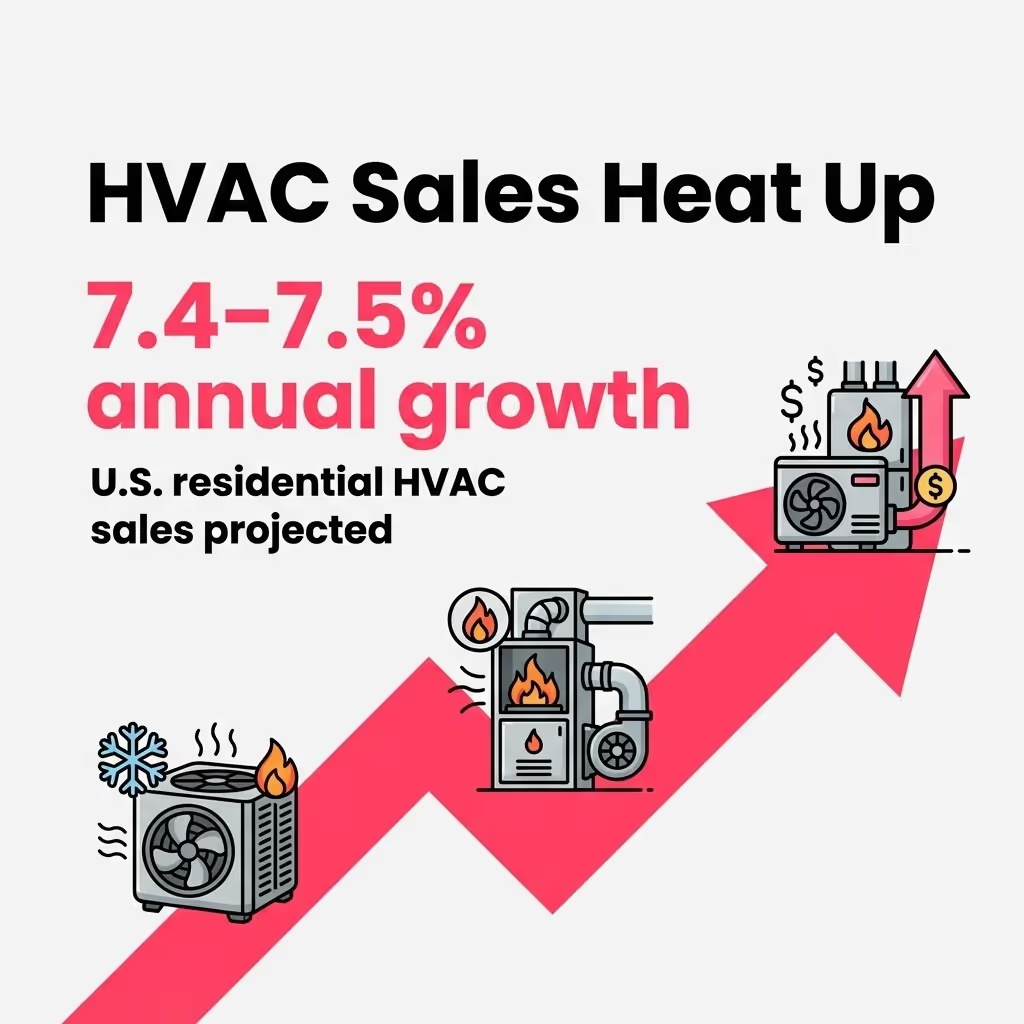
U.S. residential HVAC sales are projected to rise roughly 7.4–7.5% annually.
That growth creates opportunity. But here's the catch: your contractors are being pulled in ten directions by digital noise, algorithm changes, and economic pressure.
I've watched wholesale distributors struggle with this shift. They've built relationships on handshakes and counter conversations, only to watch younger contractors Google their way to competitors who show up first in local search.
This isn't about abandoning what works. It's about layering digital strategy onto your existing relationships so you're visible when contractors search, credible when they research, and top-of-mind when they're ready to buy.
By the end of this piece, you'll know which HVAC marketing trends matter for 2026, how AI and generative search are reshaping contractor discovery, and which digital marketing strategies deserve your budget. You'll also get tactical steps for SEO, content marketing, and account-based marketing that fit wholesale operations.
The wholesale distributors who win in 2026 won't just sell equipment. They'll position themselves as the authority contractors trust before they ever pick up the phone.
The wholesale HVAC market looks different than it did three years ago. Contractors are younger, more digitally fluent, and less patient with slow-moving suppliers.
Retrofit and replacement projects commanded 62.5% of the U.S. HVAC equipment market in 2024. That means steady demand, but it also means fierce competition for contractor loyalty.
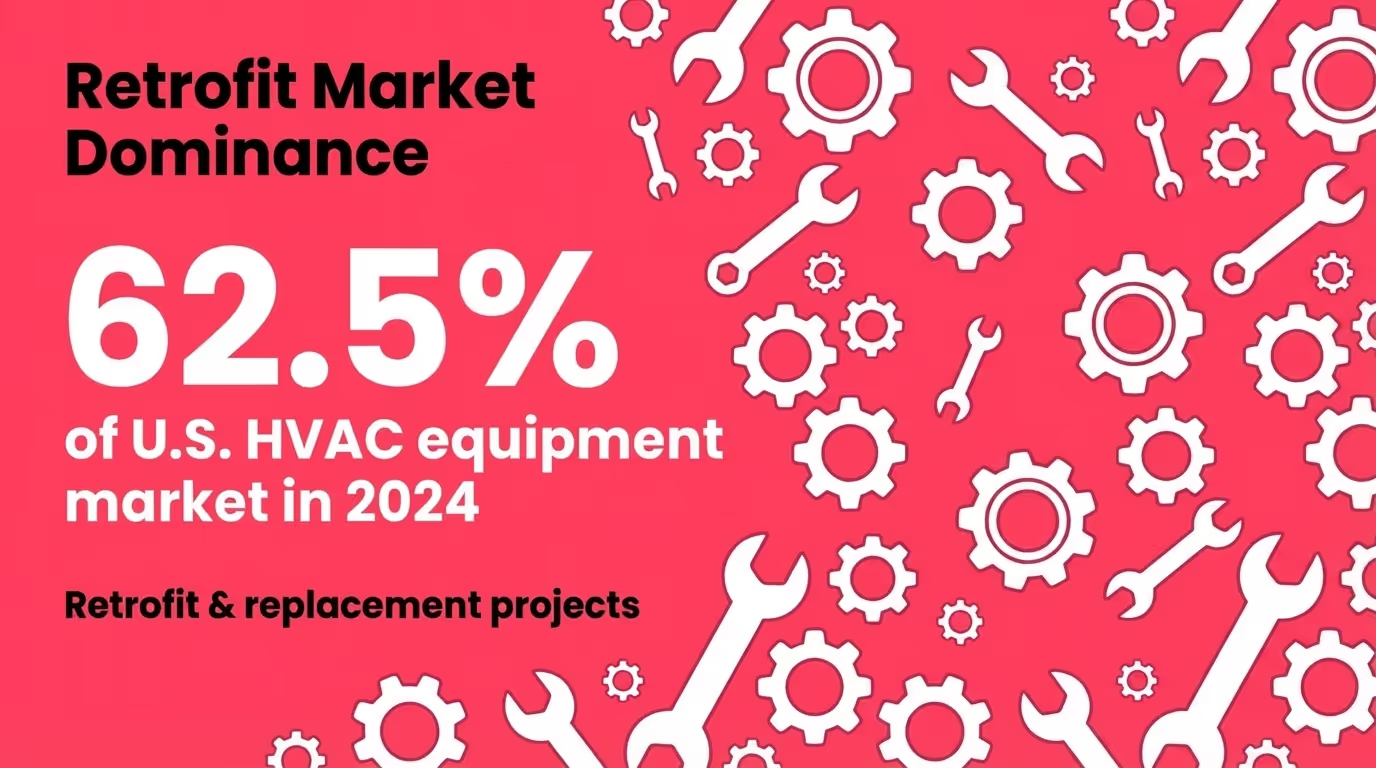
Retrofit and replacement projects commanded 62.5% of the U.S. HVAC equipment market in 2024.
Three major forces are reshaping how contractors find and choose wholesale partners:
Digital marketing isn't optional anymore. It's the first impression you make before a contractor ever visits your counter.
Google search, local business listings, and website content determine whether you're considered or ignored. Your competitors know this. The ones investing in digital channels are capturing market share while traditional players wonder where their contractors went.
HVAC marketing in 2026 requires a dual approach: maintain your relationship strength while building digital presence that meets contractors where they already spend time.
Industry trends create marketing opportunities. The wholesalers who align their messaging with contractor pain points will capture attention and loyalty.
The R-410A phaseout isn't just a compliance issue. It's a massive education and positioning opportunity.
Contractors need suppliers who can explain the transition clearly, stock A2L equipment, and provide training on safe handling. Your HVAC marketing should emphasize readiness, education, and support.
Create content that answers contractor questions before they ask. Write blog posts about A2L refrigerant handling procedures. Film short videos showing proper installation techniques. Build trust by being the authority on regulatory compliance.
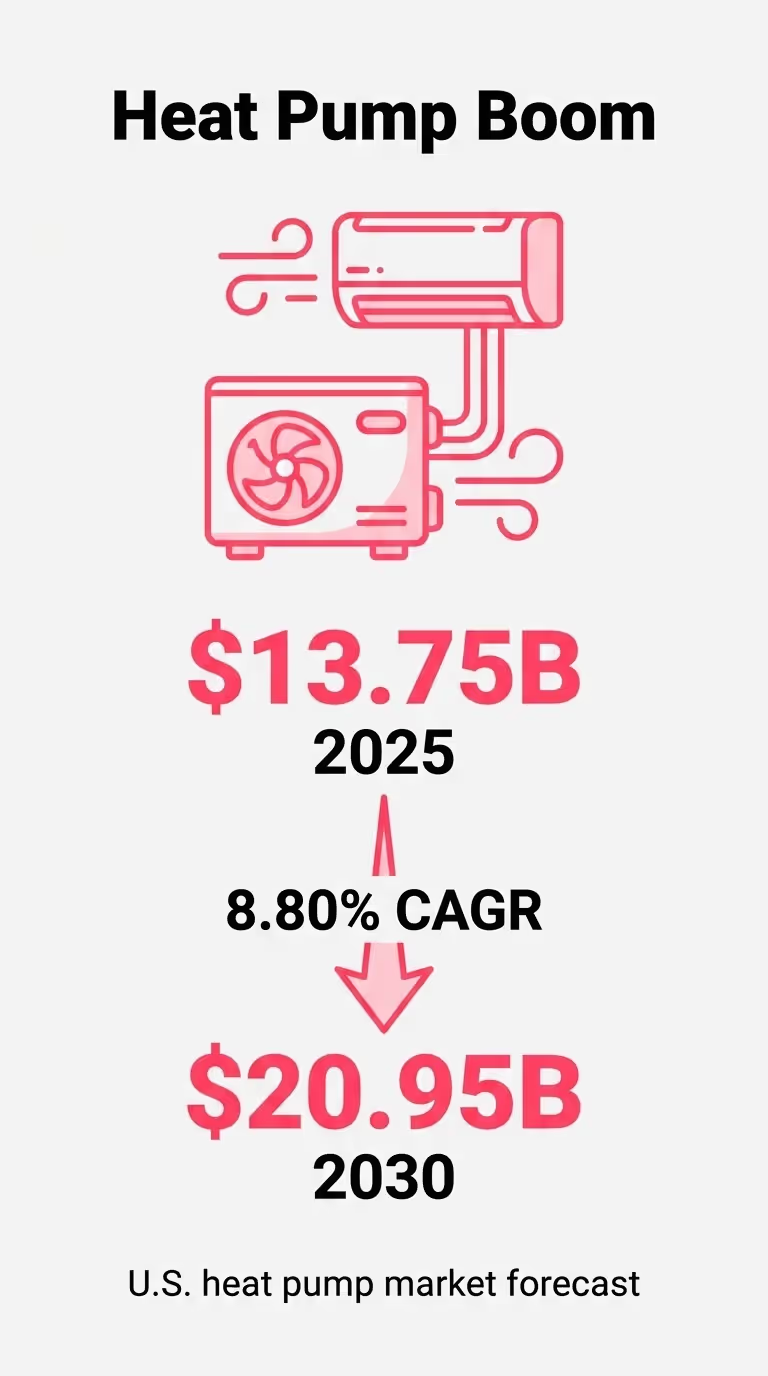
U.S. heat pump market: $13.75B in 2025, growing to $20.95B by 2030 (8.8% CAGR).
Cold-climate heat pumps are growing at 11.23% CAGR. That's not a niche anymore. That's mainstream.
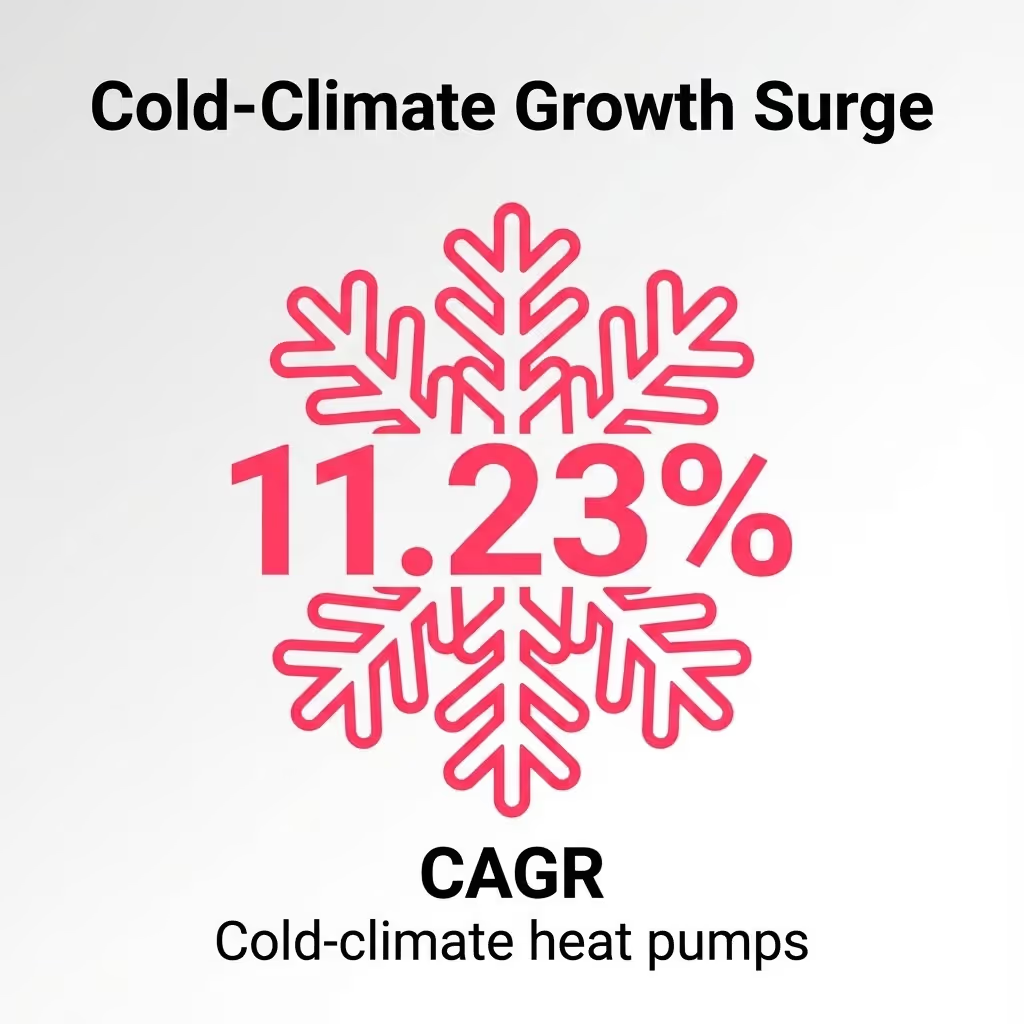
Cold-climate heat pumps are growing at 11.23% CAGR.
Contractors who've spent careers installing gas furnaces now face homeowners asking about heat pumps. They need wholesale partners who can educate them, stock the right units, and provide technical support.
Your HVAC marketing should highlight heat pump expertise. Offer training sessions. Create comparison guides. Position your team as the go-to resource for navigating this transition.
Construction wages have increased 4.2% year-over-year as of August 2025. Finding and keeping skilled technicians is harder than ever.
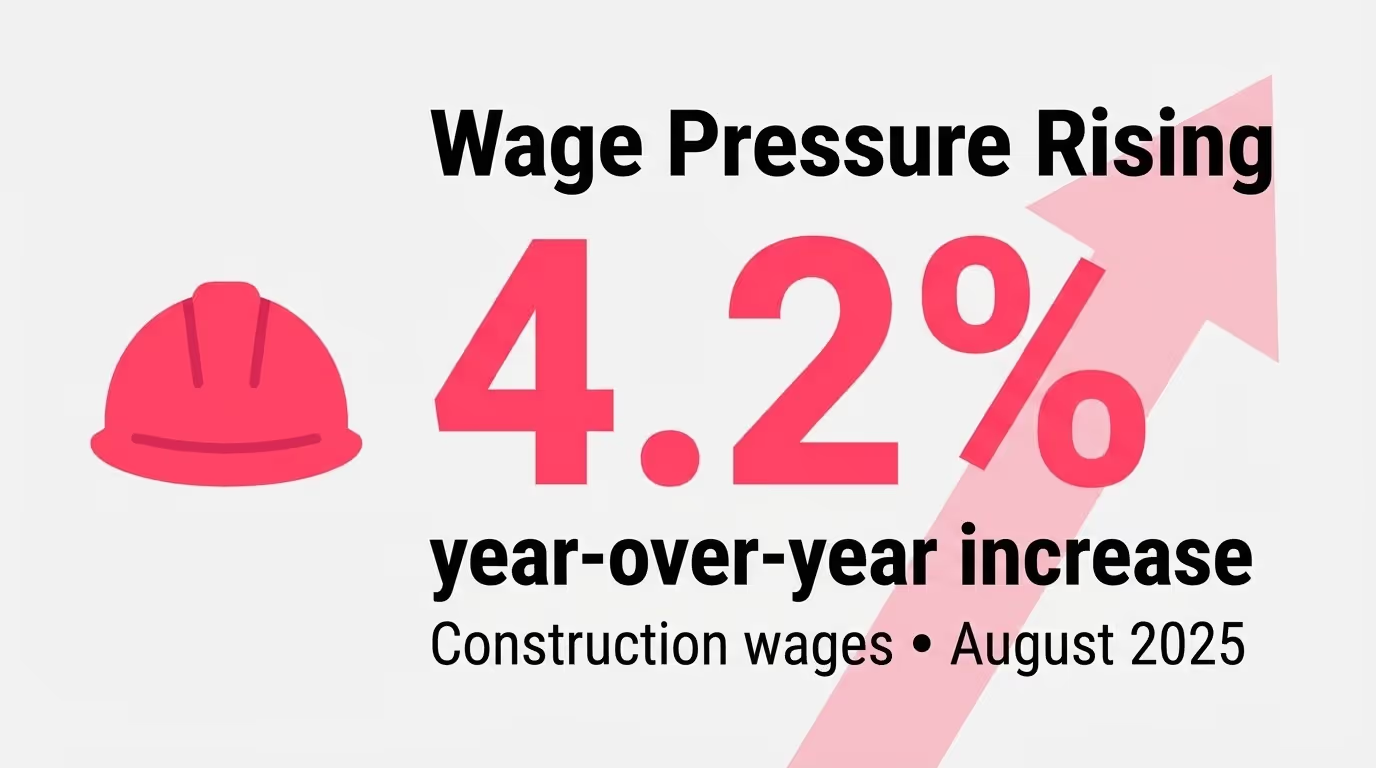
Construction wages increased 4.2% YoY as of August 2025, intensifying labor constraints.
Contractors can't afford wasted trips to your counter or stockouts on common parts. They need suppliers who streamline ordering, offer accurate inventory data, and provide same-day availability.
Digital marketing can showcase your operational efficiency. Use your website to display real-time inventory. Implement online ordering with contractor-specific pricing. Make it easier to do business with you than with your competitors.
Marketing isn't just about attracting contractors. It's about demonstrating you understand their time constraints and solve their problems.
AI is changing how contractors find information. Google search results now include AI-generated overviews that pull content from multiple sources.
ChatGPT, Perplexity, and other AI tools answer contractor questions without sending them to your website. That's a problem if your content isn't structured to appear in these AI-generated responses.
Contractors increasingly get answers without clicking through to websites. AI overviews provide summaries, comparisons, and recommendations directly in search results.
Your HVAC marketing needs to adapt. Create content that AI tools can easily parse and cite. Use clear headings, bulleted lists, and structured data markup.
Answer specific questions contractors ask. Write content like "How to handle A2L refrigerants safely" or "Heat pump sizing guide for cold climates." Make your expertise easy for AI to extract and reference.
Traditional SEO focused on keywords and backlinks. AI-powered search prioritizes authoritative, well-structured content that directly answers questions.
Structure your content with clear headings that match common contractor queries. Use schema markup to help search engines understand your content type. Include technical specifications, product comparisons, and step-by-step guides.
Google's algorithms reward content that demonstrates expertise and trustworthiness. Your wholesale business already has that expertise. You just need to make it visible and accessible.
AI tools cite sources they trust. That means consistent, high-quality content published regularly on your website.
Start a blog focused on contractor education. Publish technical guides, product comparisons, and regulatory updates. Make your site the authoritative source for HVAC information in your market.
When contractors ask AI tools for HVAC advice, you want your content showing up as the trusted source. That requires investment in content creation, but it pays dividends in visibility and credibility.
Digital marketing for wholesale HVAC isn't about flashy campaigns. It's about being visible, credible, and accessible when contractors need you.
Your website is your digital storefront. It needs to load fast, work on mobile devices, and make information easy to find.
Contractors visit your site looking for three things: product availability, pricing, and technical specs. Make all three immediately accessible.
Include real-time inventory displays. Offer contractor login for account-specific pricing. Provide downloadable spec sheets and installation guides. The easier you make their job, the more likely they are to buy from you.
Add a resources section with technical content. Publish refrigerant transition guides, heat pump sizing calculators, and compliance checklists. Position yourself as more than a supplier. Be the expert they rely on.
Email remains one of the most effective channels for B2B marketing. Contractors check email regularly and appreciate updates from trusted suppliers.
Segment your email list by contractor type. Residential contractors care about different products than commercial installers. Send targeted messages based on their needs.
Share new product announcements, seasonal promotions, and educational content. Use email to drive traffic to your website resources and build ongoing relationships.
Tools like Mailchimp or HubSpot make email campaigns manageable even for small teams.
Video content engages contractors better than text alone. Short, practical videos demonstrate expertise and build trust.
Film product demonstrations, installation tips, and troubleshooting guides. Keep videos under three minutes. Focus on solving specific contractor problems.
Post videos on YouTube and embed them on your website. Use video thumbnails in email campaigns to increase click-through rates.
Video doesn't require expensive production. A smartphone, good lighting, and clear audio are enough to create valuable content. For helpful strategies on creating engaging content in specialized industries, check out our content marketing guide for boring industries.
SEO gets contractors to your website. Local search optimization ensures they find your physical location when they need equipment fast.
Most contractor searches include location terms. "HVAC supply near me" or "wholesale distributor Denver" are common queries.
Claim and optimize your Google Business Profile. Include accurate business hours, location, contact information, and photos of your facility and team.
Encourage contractor reviews. Positive reviews improve local search rankings and build credibility. Respond to all reviews, both positive and negative, to show you value feedback.
Consistency matters. Ensure your business name, address, and phone number match across your website, Google Business Profile, and all directory listings.
Google rewards websites that demonstrate expertise. Publishing technical HVAC content signals authority and improves search rankings.
Write blog posts answering common contractor questions. Cover refrigerant handling, heat pump installation, efficiency ratings, and compliance requirements.
Use keyword research tools like Ahrefs or SEMrush to identify search terms contractors use. Create content targeting those specific queries.
Link related content together. When you write about A2L refrigerants, link to your heat pump guides and compliance checklists. Internal linking helps search engines understand your content relationships and improves user navigation.
If you're looking to understand which traffic sources work best for your business model, our guide on website traffic sources can help you prioritize your efforts.
SEO takes time. Track your progress with tools like Google Analytics and Google Search Console.
Monitor which keywords drive traffic to your site. Identify which pages contractors visit most. Use that data to inform future content creation.
Track conversions, not just traffic. Are website visitors calling your counter? Requesting quotes? Downloading resources? Measure actions that lead to sales.
For detailed guidance on measuring what matters for lead generation businesses, explore our post on Google Analytics for lead generation.
Not all contractors are equal. Your largest customers deserve personalized attention and targeted marketing.
Account-based marketing focuses resources on high-value accounts. Instead of broad campaigns, you create tailored messages for specific contractors or companies.
Start by analyzing your customer data. Which contractors generate the most revenue? Which have the highest growth potential?
Create a list of 20-30 priority accounts. These are the contractors who deserve custom marketing attention.
Research each account. Understand their business focus, growth plans, and pain points. Use LinkedIn to identify decision-makers and track company updates.
Generic marketing doesn't work for high-value accounts. Create content and offers tailored to their specific needs.
If a contractor specializes in commercial retrofits, send them case studies about successful commercial projects. Offer exclusive training sessions on new commercial equipment.
Use email, direct mail, and personal outreach. Combine digital touches with in-person meetings to strengthen relationships.
Tools like Salesforce or HubSpot help track ABM campaigns and coordinate team outreach.
Track engagement with your target accounts. Are they opening emails? Attending events? Increasing purchase frequency?
ABM success shows up in account growth, not just lead volume. Measure revenue increase, purchase frequency, and share of wallet.
Adjust your approach based on account response. Some contractors prefer digital communication. Others value face-to-face meetings. Personalize your tactics to match their preferences.
The HVAC labor shortage affects both contractors and wholesalers. Contractors struggle to find qualified technicians. Wholesalers need knowledgeable counter staff and delivery drivers.
Marketing can help attract and retain talent in this competitive environment.
Job seekers research potential employers online. Your website and social media presence influence hiring success.
Create a careers page highlighting company culture, benefits, and growth opportunities. Share employee stories and testimonials.
Post regularly on LinkedIn showcasing team achievements, training programs, and company values. Make your workplace appealing to potential hires.
Help your contractor customers address their labor challenges. Offer training programs on new equipment and technologies.
Partner with technical schools and apprenticeship programs. Position your business as a resource for workforce development.
Create educational content contractors can share with their technicians. Video tutorials, installation guides, and certification prep materials demonstrate your commitment to the industry.
IoT-connected systems and smart controls reduce the skilled labor required for installations and maintenance.
Market your expertise in smart HVAC technology. Show contractors how connected systems simplify diagnostics and reduce callback rates.
Offer training on smart thermostats, zone controls, and predictive maintenance systems. Position these tools as workforce multipliers that help contractors do more with smaller teams.
Content marketing builds authority over time. Consistent, valuable content attracts contractors, improves search rankings, and establishes your expertise.
Random content creation doesn't work. Plan topics quarterly based on industry trends, seasonal needs, and contractor questions.
Cover refrigerant transitions in winter when contractors prep for spring installs. Publish heat pump content as temperatures drop. Align content with contractor needs.
Aim for consistency over volume. Two quality posts monthly outperform eight rushed articles. Focus on depth and usefulness.
Contractors research on phones between job sites. Your website must load quickly on mobile devices.
Test site speed using Google PageSpeed Insights. Compress images, minimize code, and use reliable hosting.
Ensure mobile navigation is intuitive. Large buttons, clear menus, and easy-to-read text improve user experience and reduce bounce rates.
Landing pages serve specific purposes. Product promotions, event registrations, and resource downloads each need dedicated pages.
Keep landing pages focused. One goal, one call-to-action, minimal distractions. Use clear headlines that match the marketing message that brought contractors there.
Test different approaches. Try variations in headlines, images, and form lengths. Use data to optimize conversion rates over time.
Organic search takes time. Paid advertising delivers immediate visibility for competitive search terms.
Google Local Service Ads appear at the top of search results for service-based businesses. While primarily used by contractors advertising to homeowners, wholesalers can learn from their effectiveness.
Monitor how contractors in your market use these ads. Understanding their customer acquisition strategies helps you position your wholesale services effectively.
Pay-per-click advertising through Google Ads targets contractors actively searching for wholesale suppliers.
Bid on terms like "HVAC wholesale distributor," "refrigerant supplier," and location-specific searches. Create ad copy emphasizing availability, expertise, and service.
Use negative keywords to filter out residential customers. Focus budget on commercial and contractor searches.
For strategies to make PPC traffic more cost-effective, check out our guide on making PPC inexpensive and effective.
PPC success requires ongoing optimization. Monitor click-through rates, conversion rates, and cost per lead.
Test different ad copy and landing pages. Small changes in messaging can significantly impact results.
Adjust bids based on performance. Increase investment in keywords that drive qualified leads. Reduce spending on underperforming terms.
Contractors trust peer recommendations. Online reviews influence their choice of wholesale partners.
Satisfied contractors will leave reviews if asked. Create a simple process for requesting feedback after successful transactions.
Send follow-up emails with direct links to your Google Business Profile. Make leaving a review as easy as possible.
Focus on timing. Request reviews after you've solved a problem or delivered exceptional service. Catch contractors while the positive experience is fresh.
Review responses show you value feedback and care about customer experience.
Thank contractors for positive reviews. Acknowledge specific details they mention to personalize your response.
Address negative reviews professionally. Apologize for shortcomings, explain corrective actions, and offer to make things right. Potential customers read how you handle problems.
Feature positive reviews on your website and marketing materials. Testimonials from respected contractors build credibility.
Create case studies highlighting successful contractor partnerships. Show how you've helped contractors overcome challenges and grow their businesses.
Social proof reduces risk perception. Contractors feel more confident choosing suppliers with strong reputations and satisfied customers.
Effective HVAC marketing requires understanding how contractors think and make purchasing decisions.
Contractors prioritize reliability over price. They need suppliers who have parts in stock, provide accurate information, and solve problems quickly.
Contractors follow predictable patterns when choosing wholesale partners.
First, they identify a need based on job requirements. Then they research options through Google searches, peer recommendations, and past experience.
Next, they evaluate suppliers based on product availability, pricing, location, and reputation. Finally, they make initial purchases and assess service quality.
Your marketing should address each stage. Be visible during research. Demonstrate reliability during evaluation. Deliver exceptional service during trial purchases.
To better understand how contractors find and evaluate suppliers, read our insights on understanding customer behavior online.
Product availability ranks highest. Contractors can't afford to chase parts across multiple suppliers.
Technical expertise matters. Contractors value counter staff who understand systems and can recommend solutions.
Speed and convenience influence loyalty. Online ordering, delivery options, and extended hours build contractor preference.
Emphasize these factors in your HVAC marketing. Show contractors you understand what matters to their business success.
Residential contractors need different products than commercial installers. New construction specialists have different concerns than retrofit experts.
Segment your marketing messages by contractor type. Residential contractors care about homeowner-friendly products and warranty support. Commercial contractors prioritize large-capacity equipment and project timelines.
Create targeted content, email campaigns, and promotions for each segment. Personalized marketing resonates better than generic messages.
Regulatory changes create contractor confusion. Wholesalers who provide clarity gain competitive advantage.
The transition to A2L refrigerants continues through 2025 and beyond. Contractors need suppliers who understand compliance requirements.
Create educational content explaining regulatory timelines, affected equipment, and handling procedures. Position yourself as the authority contractors trust for compliance guidance.
Offer training sessions on safe A2L handling. Provide certification information and resources. Make compliance easier for your contractor customers.
SEER standards and energy efficiency regulations evolve constantly. Contractors struggle to keep current on requirements.
Publish updates when regulations change. Explain how new standards affect product selection and installation procedures.
Use your website and email campaigns to keep contractors informed. Being the first to communicate changes positions you as a valuable industry resource.
Marketing should emphasize product compliance. Contractors want assurance they're installing equipment that meets current standards.
Label products clearly on your website and in your facility. Create comparison charts showing efficiency ratings and compliance status.
Make compliance a selling point, not an afterthought. Contractors appreciate suppliers who remove regulatory uncertainty from their purchasing decisions.
Marketing investment requires accountability. Track performance to justify spending and optimize resource allocation.
Define success metrics for each marketing channel. Website traffic, lead generation, conversion rates, and customer acquisition costs provide measurable benchmarks.
Track contractor inquiries from different sources. Use unique phone numbers or landing pages for each campaign to identify what's working.
Measure both quantity and quality. A channel generating many leads but few sales needs adjustment. Focus on metrics that correlate with revenue.
Start with a mixed approach across channels. Test SEO, PPC, email marketing, and content creation simultaneously.
After three to six months, analyze results. Increase investment in channels delivering the best ROI. Reduce or eliminate underperforming tactics.
Balance short-term and long-term strategies. PPC delivers immediate results but requires ongoing spending. SEO and content marketing build long-term value but take time to show results.
Wholesale HVAC relationships span years. Calculate the total revenue potential of acquiring a new contractor account.
Compare customer lifetime value against acquisition costs. Spending $500 to acquire a contractor who generates $50,000 annually is excellent ROI.
Use lifetime value calculations to justify marketing investments. Long-term relationship value supports higher upfront acquisition spending than transactional businesses can afford.
The wholesale HVAC market is growing, but competition is intensifying. Digital marketing separates industry leaders from those struggling to maintain relevance.
Start with foundational elements. Build a modern website that serves contractor needs. Optimize your Google Business Profile for local search. Create educational content that demonstrates expertise.
Layer in advanced tactics as you build capability. Implement email campaigns targeting contractor segments. Test PPC advertising for competitive search terms. Develop account-based marketing for your highest-value customers.
Focus on what contractors value: availability, expertise, and reliability. Your HVAC marketing should reinforce these strengths while making your business more accessible and visible.
The refrigerant transition and heat pump growth create unprecedented education opportunities. Position yourself as the authority helping contractors navigate change.
Track everything. Measure which marketing tactics drive contractor inquiries and sales. Double down on what works. Eliminate what doesn't.
Wholesale HVAC marketing in 2026 isn't about choosing between relationship-building and digital presence. It's about using digital tools to strengthen relationships and reach contractors before your competitors do.
The wholesalers who invest now will own contractor mindshare for years to come.