
Precision agriculture transforms dealerships from equipment vendors into technology partners. This approach promotes targeted use of water, fertilizers, and pesticides, reducing environmental footprints while maintaining or improving crop productivity. Your marketing must shift from showcasing horsepower to demonstrating data literacy and service depth. Dealers who master precision ag marketing win farmers' trust during equipment decisions and retain them through ongoing technology support.
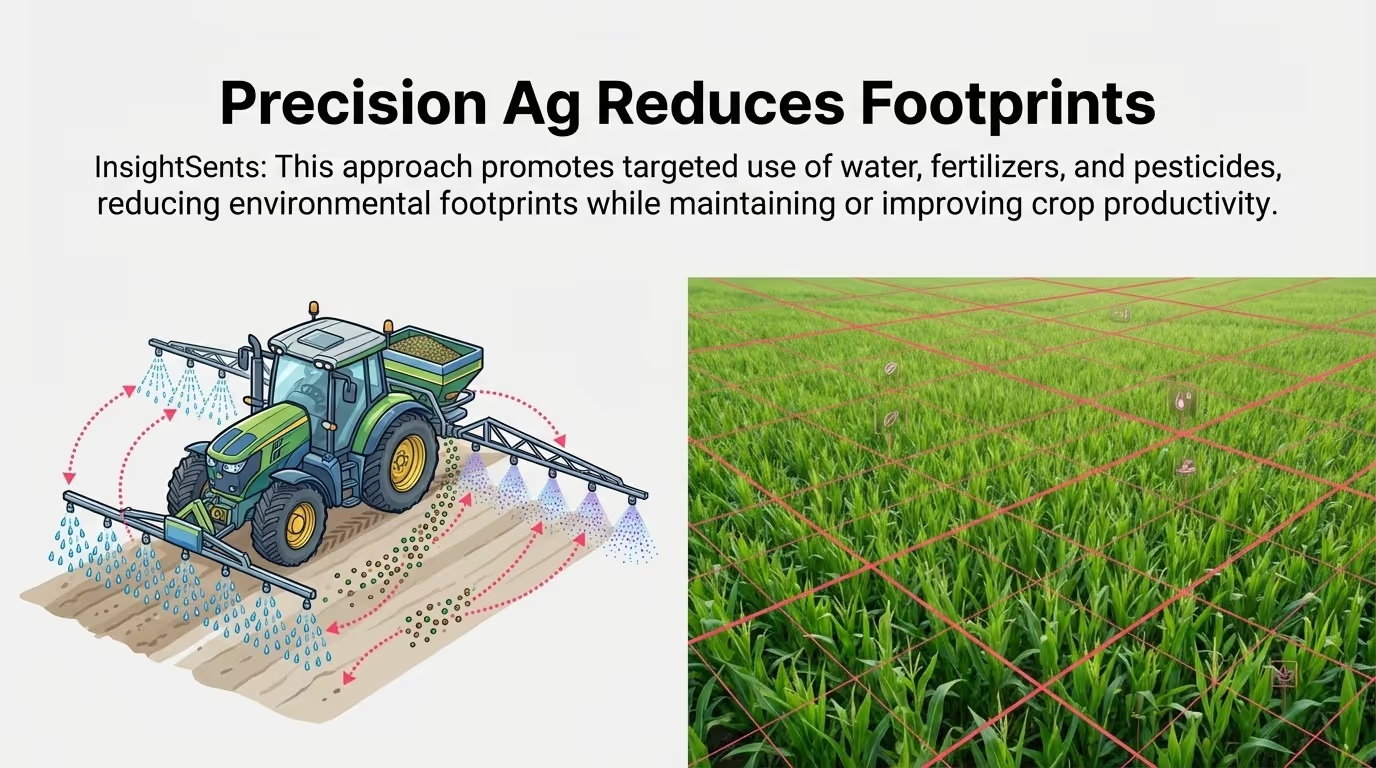
Targeted inputs reduce environmental impact while maintaining or improving crop productivity—set this as a core message in your positioning.
The challenge? Most dealerships still market precision technology like traditional machinery. They highlight features instead of outcomes. They sell products instead of partnerships.
This guide shows you how precision agriculture fundamentally changes what farmers need, how they research, and why they choose one dealer over another. You'll learn to position your dealership as a precision technology leader, train staff to speak the language of data-driven farming, and create digital marketing strategies that connect with farmers exploring precision solutions.
By the end, you'll understand how to align your entire marketing approach with the precision ag revolution happening across agriculture.
Precision agriculture uses data, sensors, and satellite technology to tailor farming practices. This isn't just GPS guidance anymore. Modern precision ag involves soil preparation, seeding, crop care, harvest, weighing, and feed management.
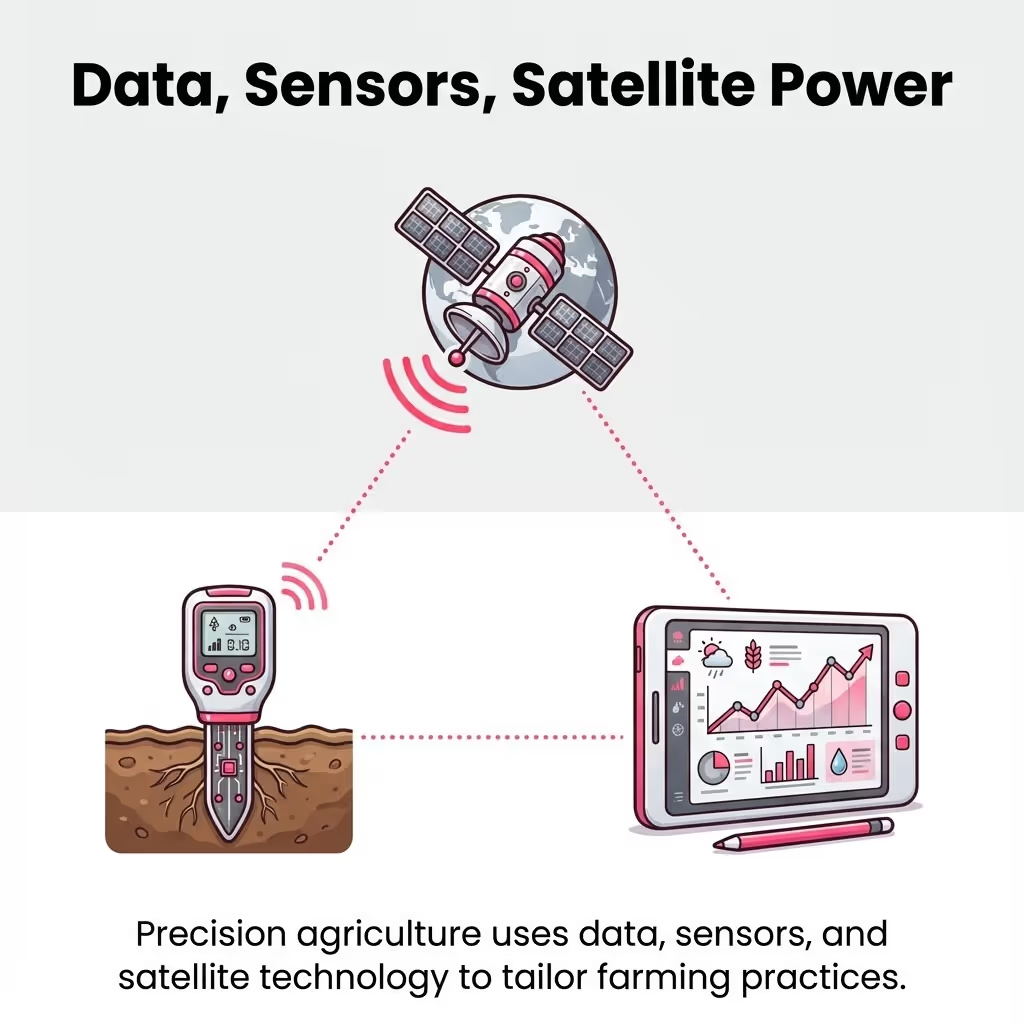
Data, sensor networks, and satellite connectivity now underpin every stage of modern farming workflows.
The technology stack has evolved dramatically. Farmers now manage multiple systems working together.
GPS guidance systems form the foundation. AutoTrac and similar systems enable precise field navigation. Receivers communicate with satellite networks like StarFire to provide centimeter-level accuracy.
Variable rate technology applies inputs based on field zones. Farmers use prescriptions to adjust seeding rates, fertilizer applications, and pesticide treatments. This requires data integration from soil sampling, yield mapping, and field imagery.
Connectivity ties everything together. Telematics systems track equipment performance, monitor service needs, and enable remote diagnostics. Data flows between tractors, combines, spray equipment, and farm management software.
OEMs increasingly offer factory-installed precision packages. These integrated systems work seamlessly with equipment controls and displays. Factory fit provides better warranty coverage and dealer support.
Retrofit solutions let farmers add precision capabilities to existing equipment. Third-party systems offer flexibility but require more technical knowledge. Compatibility challenges arise when integrating multiple brands.
Your dealership likely supports both approaches. Marketing must address each customer segment differently based on their equipment age and technology adoption timeline.
Traditional equipment sales focused on horsepower, capacity, and price comparisons. Precision agriculture introduces ongoing service relationships that extend years beyond the initial purchase.
Farmers need continuous support as technology evolves. Software updates, calibration services, and data management assistance become recurring touchpoints.
Precision ag demands consultative selling approaches. Salespeople must understand farming operations, not just equipment specifications. They need to assess field conditions, discuss agronomic goals, and recommend technology packages that match specific situations.
This requires deeper agricultural knowledge. Your sales team can't just quote prices and delivery dates. They must discuss variable rate applications, prescription maps, and data analytics workflows.
Training becomes essential. Staff need education on precision technology principles, not just product features. Understanding how customers research and make decisions helps your team engage effectively throughout longer buying cycles.
Service technicians transition from mechanical repairs to technology troubleshooting. They diagnose software issues, calibrate sensors, and configure connectivity systems. Traditional mechanical skills remain important but insufficient.
Precision technology creates profitable service opportunities. Subscription-based support packages generate recurring revenue. Annual calibration services, software updates, and data management assistance provide steady income streams.
Your marketing should highlight service capabilities alongside equipment offerings. Farmers evaluate dealer support quality before committing to precision technology investments.
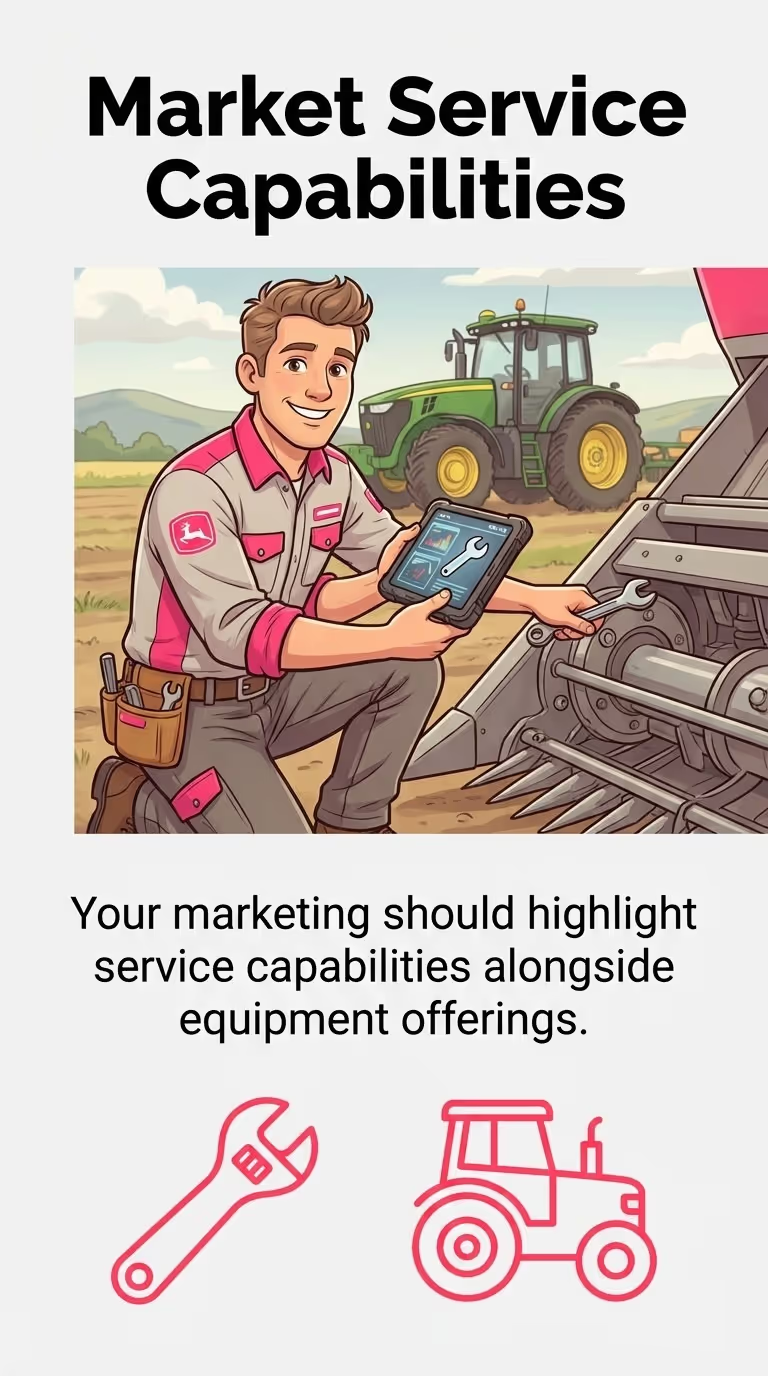
Showcase calibration, software updates, and data support services prominently to build trust and drive recurring revenue.
Mainstreaming precision technology across your dealership separates leaders from followers. Every department needs baseline precision knowledge, even if they don't directly support technical systems.
The technician shortage in agriculture makes training current staff more critical than hiring specialists you can't find.
Parts counter staff need to understand precision components. They should recognize guidance receivers, rate controllers, and display units. Basic troubleshooting knowledge helps them direct customers to appropriate resources.
Administrative staff handle precision service scheduling and support contract management. They need familiarity with common service requests and warranty procedures for technology components.
Sales teams require the deepest training. They must demonstrate systems, explain ROI calculations, and address implementation concerns. Product knowledge training should cover both technical specifications and practical applications.
Many successful dealerships establish dedicated precision ag specialists. These individuals become go-to resources for complex questions, implementation planning, and ongoing farmer education.
Specialists handle initial system setup, provide field support during planting and harvest, and assist with data analysis. They bridge gaps between equipment sales and agronomic applications.
Marketing this role demonstrates your dealership's commitment to precision agriculture. Feature your specialists in content marketing, social media profiles, and customer communications.
Equipment manufacturers offer training resources for dealers. Factory programs cover new technology introductions, software updates, and troubleshooting procedures. Take advantage of these manufacturer-provided educational opportunities.
Certification programs validate your team's expertise. Display certifications in marketing materials to build credibility with farmers evaluating dealer capabilities.
Online training modules enable continuous learning. Staff can complete courses during downtime and stay current with technology evolution.
Farmers researching precision technology start online. Your digital presence must demonstrate expertise, answer technical questions, and showcase successful implementations.
Generic equipment marketing doesn't work for precision agriculture prospects. They need specialized content addressing their data-driven concerns.
Create educational content explaining precision agriculture concepts. Blog posts covering variable rate technology, guidance systems, and data management help farmers understand their options.
Video content demonstrates systems in action. Field demonstrations, setup tutorials, and customer testimonials show real-world applications. Farmers want to see technology working before investing.
Technical industries benefit from educational content strategies that break down complex topics into accessible explanations.
Optimize website content for precision ag search terms. Farmers search for "variable rate fertilizer," "GPS guidance systems," and "farm data management solutions." Target these specific queries with dedicated pages.
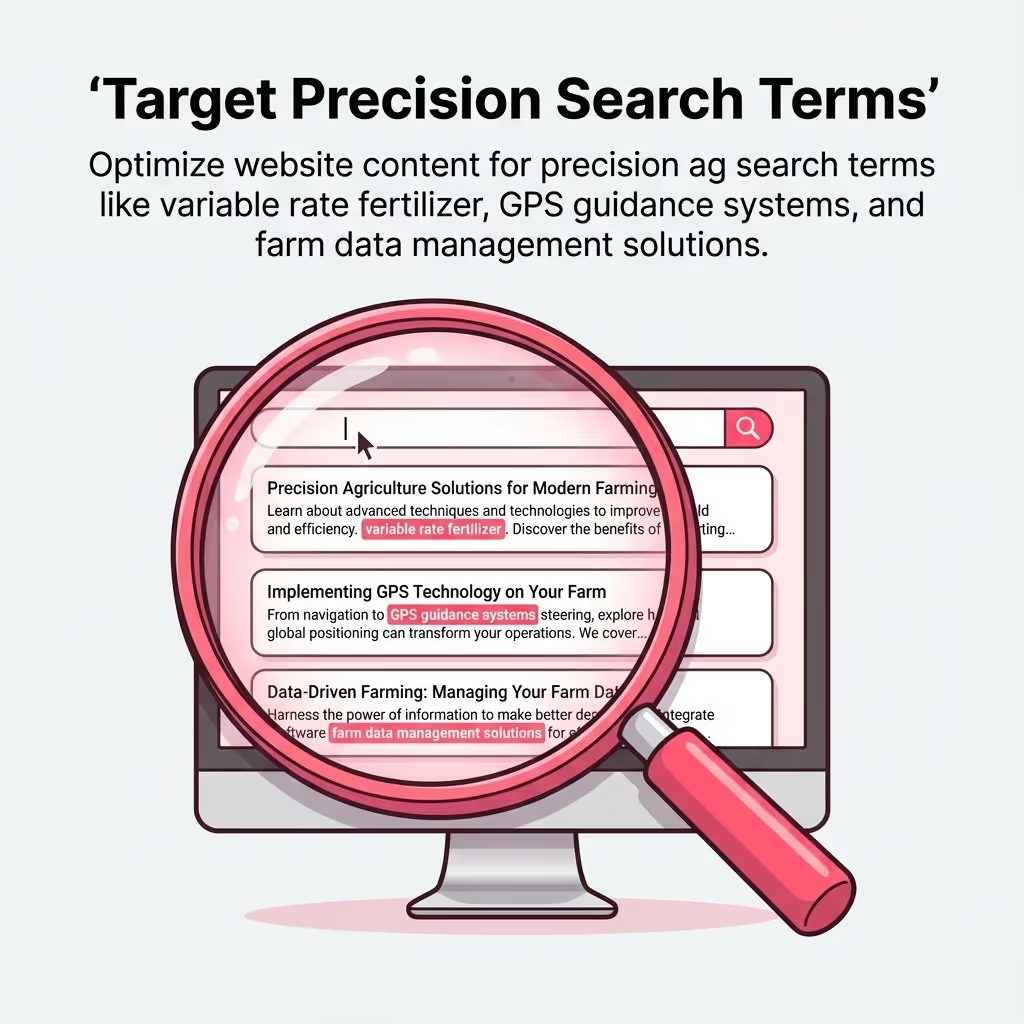
Build pages for high-intent keywords such as variable rate fertilizer, GPS guidance systems, and farm data management solutions.
Local SEO matters for dealer selection. Optimize for "[your city] precision ag dealer" and "[region] farm technology support" searches. Google Business Profile optimization helps you appear in local search results.
Create location-specific content discussing regional farming conditions. Soil types, crop mixes, and climate considerations vary by area. Content addressing local situations resonates with nearby farmers.
Share precision technology success stories on social platforms. Before and after comparisons, yield improvements, and efficiency gains demonstrate value to prospective customers.
User-generated content from satisfied customers builds credibility. Farmer testimonials and field implementation photos provide authentic proof points.
Behind-the-scenes content humanizes your dealership. Show technicians calibrating systems, specialists analyzing field data, and staff attending training. This demonstrates your precision ag commitment.
Target precision ag advertising to farmers actively researching technology. Social advertising platforms enable audience targeting based on farming interests and equipment ownership.
Promote precision ag service packages during planning seasons. Farmers consider technology investments before planting and after harvest. Time campaigns to match these decision windows.
Retargeting campaigns keep your dealership visible throughout extended research periods. Precision technology purchases involve long consideration cycles with multiple touchpoints.
Track precision-specific marketing metrics separately from traditional equipment campaigns. Different customer journeys require different measurement approaches.
Lead quality matters more than lead volume for precision technology. You need engaged prospects with genuine implementation interest, not casual browsers.
Monitor precision ag content engagement rates. Time on page, scroll depth, and video completion rates indicate content quality. High engagement suggests your educational materials resonate with farmers.
Track service package inquiry rates. Farmers requesting information about ongoing support demonstrate genuine interest. These leads convert at higher rates than equipment-only inquiries.
Implement tracking systems that attribute precision technology sales to specific marketing touchpoints. Understanding which content drives conversions helps optimize future campaigns.
Map the precision ag customer journey from initial research through purchase and ongoing support. Identify content gaps where farmers need more information.
Survey customers about their decision process. Learn which information sources influenced their dealer selection. Use insights to strengthen weak touchpoints.
Analyze time-to-purchase for precision technology buyers. Longer sales cycles require sustained marketing engagement. Plan content calendars that nurture prospects over months.
Consistent precision agriculture messaging across all marketing channels reinforces your dealership's technology leadership position. Farmers encounter your brand through multiple touchpoints during research.
Disconnected messaging creates confusion and weakens positioning.
Segment email lists based on precision technology adoption stages. New technology prospects need educational content. Existing precision ag customers want updates, tips, and advanced techniques.
Automated email sequences nurture long-term prospects. A welcome series for precision ag inquiries provides foundational education. Follow-up sequences address common concerns and showcase implementations.
Service reminders keep customers engaged. Annual calibration notices, software update announcements, and training event invitations maintain relationships between equipment purchases.
Feature precision agriculture prominently at farm shows and field days. Interactive demonstrations let farmers experience technology firsthand. Strategic exhibition planning maximizes event ROI.
Host educational workshops addressing precision ag topics. Sessions on data management, variable rate applications, and technology ROI attract engaged audiences.
Collect qualified leads through technology assessments. Offer complimentary farm evaluations identifying precision ag opportunities. This positions your dealership as a consultative partner.
Target direct mail to farmers operating larger acreage or growing high-value crops. These operations justify precision technology investments and need dealer support.
Personalize messaging based on equipment ownership data. Farmers with aging technology may be ready for upgrades. Recent equipment buyers might add precision capabilities.
Include clear calls to action directing recipients to specific landing pages. Track response rates using unique URLs or phone numbers for each campaign.
Position your dealership as a regional precision agriculture knowledge center. Authority builds trust and influences dealer selection decisions.
Farmers prefer working with dealers who demonstrate deep expertise beyond product catalogs.
Conduct local precision ag surveys documenting adoption rates, common challenges, and desired support services. Share findings through blog posts, presentations, and media outreach.
Analyze field data trends from customer implementations. Anonymized case studies showing yield improvements and efficiency gains demonstrate real-world value.
Publish annual precision ag outlooks discussing emerging technologies, regulatory changes, and market trends. This positions your dealership as an industry thought leader.
Industry influencer partnerships extend your reach to engaged farming audiences. Agronomists, farm consultants, and agricultural educators carry credibility with farmers.
Invite guest contributors to share expertise on your platforms. Their participation enhances content quality and brings their audiences to your channels.
Participate in industry podcasts, webinars, and panel discussions. Speaking opportunities establish your dealership representatives as precision ag experts.
Precision agriculture requires rethinking your complete marketing approach, not just adding technology mentions to existing campaigns.
Modern dealer marketing strategies integrate multiple channels and customer touchpoints into cohesive experiences.
Dedicate specific budget to precision ag marketing initiatives. Separate from traditional equipment advertising, this ensures adequate resources for technology-focused campaigns.
Allocate more to digital channels than traditional equipment marketing. Precision ag prospects conduct extensive online research. Your digital presence must match their information needs.
Invest in content creation and educational resources. Long-form guides, video tutorials, and interactive tools require upfront investment but generate ongoing returns.
Align sales, service, and marketing teams around consistent precision ag messaging. Everyone should articulate your dealership's technology positioning similarly.
Create messaging guidelines documenting key value propositions, technical explanations, and competitive differentiators. This ensures consistency across customer touchpoints.
Regular team meetings keep everyone updated on precision ag initiatives. Share campaign results, customer feedback, and competitive developments.
Commit to multi-year precision ag marketing investment. Technology leadership positioning develops gradually through sustained effort.
Set annual milestones for capability development and market perception. Track progress through customer surveys, market share analysis, and competitive positioning assessments.
Adapt strategies as precision agriculture evolves. Autonomy, artificial intelligence, and advanced analytics will continue changing farming technology. Your marketing must evolve alongside these developments.
Precision agriculture continues evolving toward autonomous farming systems. Forward-looking dealers prepare marketing strategies for these emerging capabilities.
Farmers increasingly discuss autonomy, robotics, and AI-driven decision support. Your marketing should address these topics even before widespread adoption.
Autonomous tractors and implements are transitioning from concept to commercial reality. Dealers need messaging that explains autonomous technology benefits without overpromising capabilities.
Address farmer concerns about autonomous equipment directly. Safety, reliability, and supervision requirements are common questions. Educational content should provide honest assessments.
Position your dealership as prepared to support autonomous technology. Highlight technician training, service capabilities, and partnership with manufacturers developing these systems.
AI-driven analytics help farmers make better decisions using precision ag data. Machine learning algorithms identify patterns humans miss, recommend optimal input applications, and predict yield outcomes.
Marketing AI capabilities requires careful explanation. Avoid technical jargon while conveying genuine value. Focus on practical outcomes rather than algorithmic complexity.
Demonstrate AI tools working with existing precision technology. Integration matters as much as capability. Farmers need solutions that work within current workflows.
Stay informed about emerging precision ag innovations. Attend industry conferences, participate in manufacturer advisory panels, and monitor agricultural technology publications.
Test new technologies before marketing them broadly. Pilot programs with early adopter customers provide implementation experience and testimonials.
Update marketing materials regularly to reflect current offerings. Outdated information damages credibility with tech-savvy farmers researching the latest solutions.
Precision agriculture is defined as a management strategy that gathers, processes, and analyzes temporal, spatial, and individual plant and animal data. This enables farmers to apply the right input, at the right amount, to the right place, at the right time. The approach maximizes efficiency, increases crop yields, reduces input costs, and minimizes environmental damage.
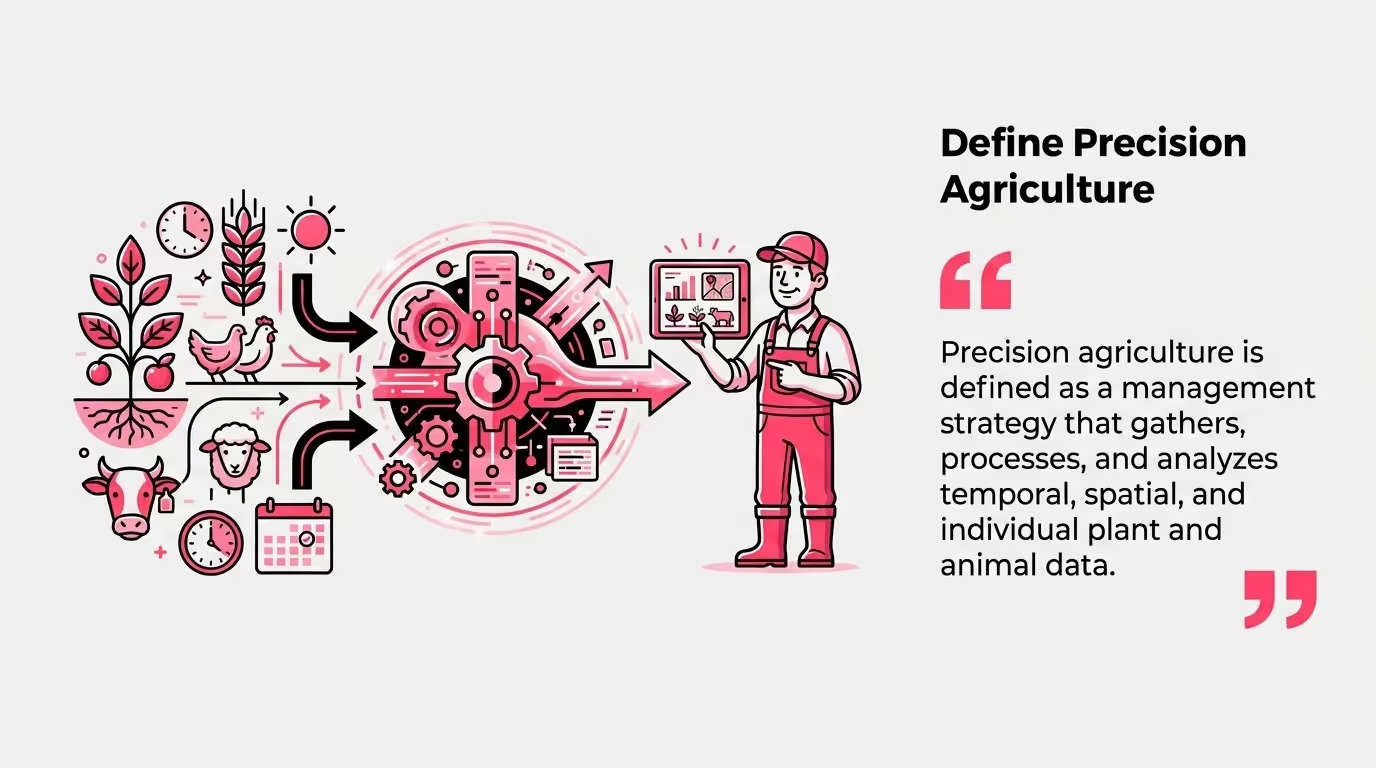
Precision ag: data-driven management to deliver the right input, at the right rate, in the right place and time.
Focus on accessible entry points. Highlight basic guidance systems and simple variable rate solutions rather than complex integrated packages. Emphasize cost savings from reduced input waste. Small operations need affordable starting points with clear ROI.
Start with fundamental precision agriculture concepts covering GPS technology, variable rate applications, and data management principles. Add product-specific training for systems you sell. Include agronomic education so salespeople understand farming applications beyond equipment specifications.
Hardware typically functions for five to ten years. Software requires regular updates, sometimes annually. Connectivity standards evolve faster than mechanical components. Market ongoing support and upgrade paths as part of initial sales.
Yes. Row crop farmers, specialty crop growers, and livestock operations have different precision technology needs. Segment marketing messages addressing specific applications. Corn and soybean producers need different solutions than orchard operators or dairy farmers.