If you're entering the FR clothing market, you need to understand that you're not just selling workwear. You're selling life-saving equipment to industries where compliance isn't optional.
The stakes are higher here than in most e-commerce niches. A wrong purchase decision can mean serious injury or regulatory penalties for your customers.
That means your marketing must balance technical accuracy with accessibility. You need to demonstrate expertise in safety standards while making complex information digestible for purchasing managers who might not be safety specialists themselves.
The flame retardant apparel market is projected to grow from USD $1.7 billion in 2025 to USD $2.5 billion by 2035, at a CAGR of 3.9%. That growth creates opportunity, but also competition.
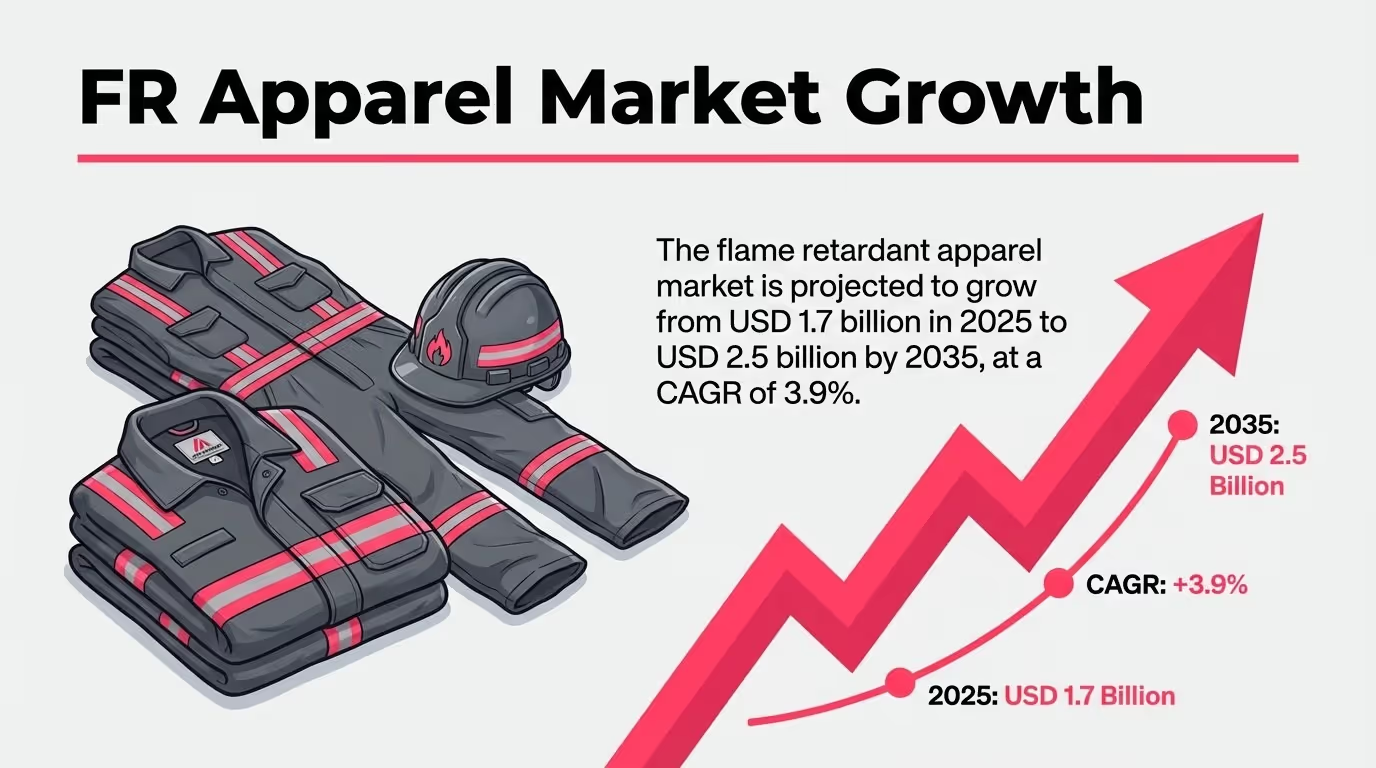
FR apparel market outlook: USD 1.7B in 2025 to USD 2.5B by 2035 (3.9% CAGR) signals rising demand and competition.
Success in this space requires understanding the technical requirements that govern FR workwear, identifying the right distribution channels, and building trust with safety-conscious buyers. You'll need to master product knowledge that goes far beyond typical clothing retail, from ATPV ratings to fabric treatment methods.
I'm going to walk you through the essential steps to build a profitable online presence in the FR clothing and safety gear market. We'll cover market fundamentals, product selection, supplier partnerships, and the specific marketing channels that work for this industry.
The FR clothing market operates differently than typical apparel retail. Your customers aren't shopping for style or comfort as primary factors.
They're making purchasing decisions based on regulatory compliance, protection levels, and workplace hazard assessments. The global workwear market was valued at $67.92 billion in 2025, with flame-resistant clothing representing a specialized but growing segment.
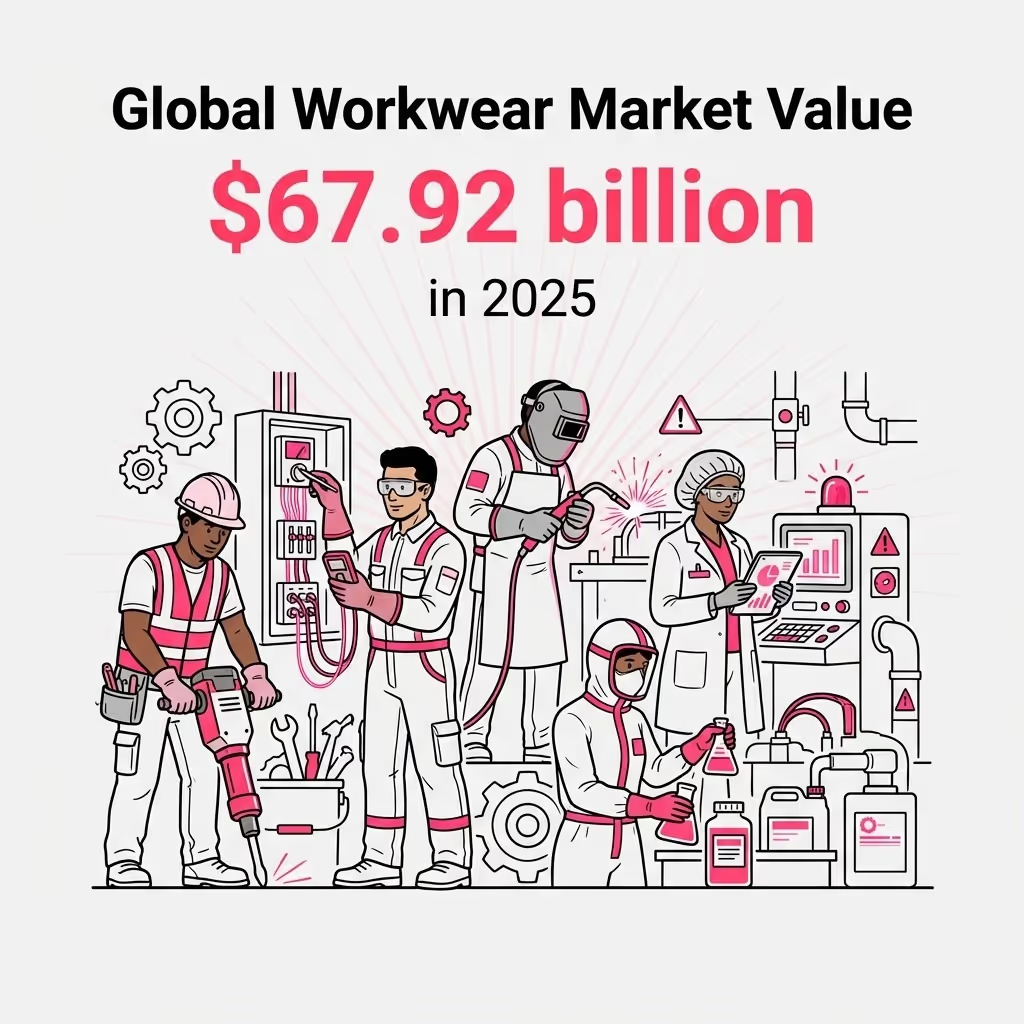
Global workwear market: $67.92B in 2025, with FR apparel as a specialized, fast-evolving segment.
The primary industries driving demand include oil and gas operations, electrical utilities, petrochemical facilities, and manufacturing plants. Workers in these environments face arc flash and flash fire hazards daily.
Oil and gas workers need FR clothing that meets NFPA 2112 standards for flash fire protection. These garments must self-extinguish when the flame source is removed.
Electrical industry professionals require clothing that meets NFPA 70E and ASTM F1506 standards for arc flash protection. The arc rating and ATPV values become critical specifications.
Construction and utility workers need versatile FR workwear that provides protection while allowing mobility. Comfort becomes more important when workers wear these garments for 10-12 hour shifts.
Manufacturing facilities have varying requirements based on specific processes. Some need inherent FR fabrics, while others can use treated materials.
Understanding buyer motivation helps you position your products effectively. Companies don't purchase FR clothing because they want to spend money on personal protective equipment.
They buy because OSHA regulations require proper protection for employees exposed to flame and arc flash hazards. Non-compliance means fines, shutdown orders, and liability exposure.
Safety managers and purchasing departments typically make these decisions. They're balancing multiple factors: regulatory compliance, worker comfort, durability, and total cost of ownership.
Industrial manufacturing facilities in Texas, California, and Pennsylvania are leading adoption centers for safety protection operations. Geographic concentration matters when you're planning local marketing efforts.
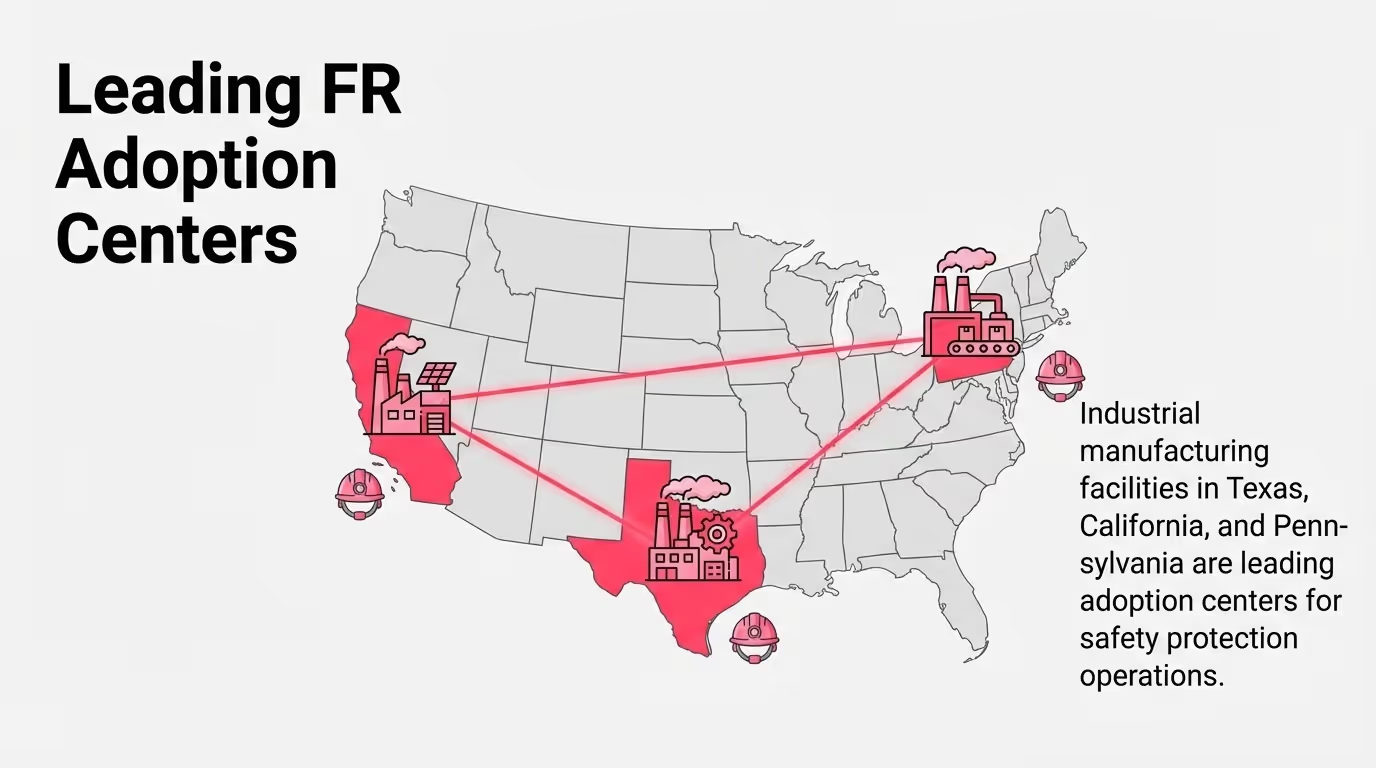
Leading adoption centers for FR programs: industrial hubs in Texas, California, and Pennsylvania.
Now that you understand who's buying and why, you need deep product knowledge to market effectively. FR clothing isn't a commodity product where all options are interchangeable.
The technical specifications directly impact worker safety. Your marketing content must demonstrate you understand these differences.
Inherent flame-resistant fabrics have fire protection built into the fiber structure. Materials like Nomex, Kevlar, and modacrylic blends won't lose their protective properties through washing or wear.
Treated FR fabrics start as regular materials that receive chemical treatment to resist flames. Chemical treatment accounts for approximately 61.0% of the flame retardant apparel market share.
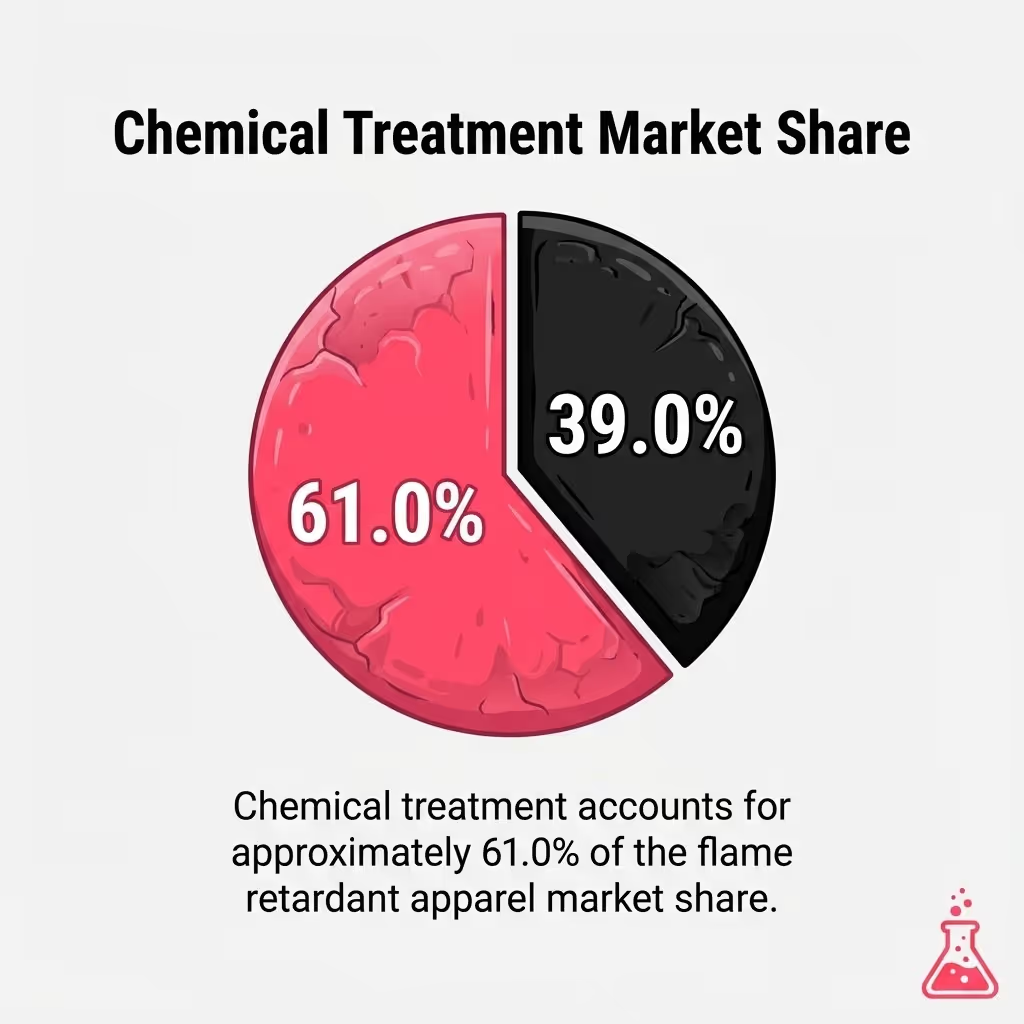
Market composition: treated fabrics represent ~61% of FR apparel—key for positioning entry-level vs. premium offerings.
Treated fabrics cost less but require careful maintenance. The FR properties can diminish with repeated washing or contamination from oils and chemicals.
This distinction becomes a key selling point. Inherent FR clothing commands premium pricing but offers better long-term value for harsh environments.
NFPA 2112 covers flash fire protection for industrial workers. Garments must pass vertical flame tests and meet specific after-flame and char length requirements.
NFPA 70E provides electrical safety requirements in the workplace. It establishes arc flash protection boundaries and required PPE levels based on incident energy exposure.
ASTM F1506 specifies performance requirements for textile materials used in FR clothing for electric arc exposure. This standard defines arc ratings and ATPV values.
OSHA regulations reference these standards and require employers to provide appropriate protective equipment. Your marketing should clearly state which standards each product meets.
Arc Thermal Performance Value measures the incident energy level that results in a 50% probability of second-degree burn. Higher ATPV ratings provide greater protection.
Common ATPV ratings range from 4 cal/cm² for light-duty applications to 40+ cal/cm² for high-risk electrical work. Your product descriptions must include these specifications.
Hazard risk assessments determine required protection levels. A facility might need different ATPV ratings for various tasks and work areas.
Marketing materials should help buyers match ATPV ratings to their specific hazard assessments. Educational content explaining this matching process builds trust and positions you as an expert resource.
With technical knowledge established, product selection becomes strategic rather than arbitrary. Not every FR clothing item makes sense for your initial inventory.
You need products that balance market demand, profit margins, and your ability to provide expert guidance.
FR shirts and pants form the foundation of most workwear programs. Long-sleeve work shirts with button fronts dominate the market.
FR coveralls provide single-piece protection for mechanics and maintenance workers. They're popular in automotive facilities and manufacturing plants.
FR jackets and outerwear extend protection during cold weather. These items often have higher price points and better margins.
Specialized items include FR rainwear, FR hi-vis clothing, and FR headwear. These niche products serve specific industry needs.
Start with high-demand basics: work shirts, work pants, and coveralls in standard sizes. These items have predictable turnover.
Add specialized products as you establish market presence. FR rainwear might be essential for outdoor utility workers but irrelevant to indoor manufacturing facilities.
Consider offering both inherent and treated FR options at different price points. This gives budget-conscious buyers accessible entry options while premium customers can choose superior protection.
Understanding how clothing retailers personalize shopping experiences helps you adapt proven retail strategies to industrial workwear.
Industrial sizing differs from regular retail. Workers need room for layering and movement.
Offer extended size ranges. Many FR clothing buyers need sizes beyond typical retail inventory.
Provide detailed measurement guides. Returns cost more with specialty safety gear, so accurate first-time fits matter.
Some suppliers offer custom sizing for corporate accounts. This capability becomes a competitive advantage when pursuing large contracts.
Product knowledge means nothing without reliable suppliers who can deliver compliant, certified FR clothing. Your supplier relationships directly impact your reputation with safety-conscious buyers.
Verify that suppliers provide products meeting current NFPA, ASTM, and OSHA standards. Request certification documentation for every product line.
Check how suppliers handle testing and quality control. Reputable manufacturers conduct regular third-party testing to maintain certifications.
Specialist safety contractors handle a large share of complex industrial integration work, particularly where regulatory and technical requirements are stringent. Working through established distributors provides access to tested supply chains.
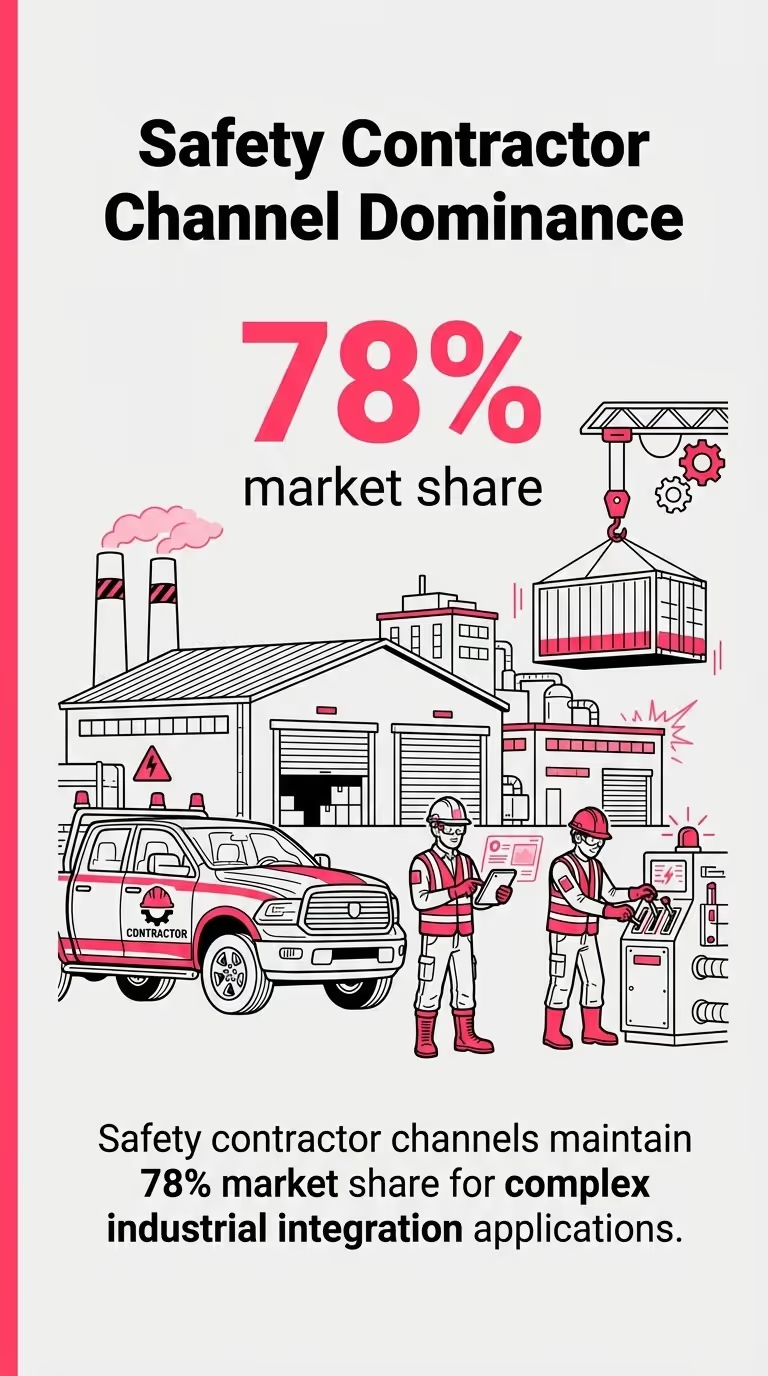
Distribution insight: safety contractor channels control 78% share for complex industrial integrations—vital for go-to-market.
Ask about product liability insurance. FR clothing failures can result in serious injuries, so supplier insurance becomes your protection too.
Direct manufacturer relationships offer the best margins but require higher minimum orders. This works when you have established sales volume.
Authorized distributors provide smaller minimum orders and faster fulfillment. You'll pay more per unit but gain inventory flexibility.
Dropshipping partnerships minimize inventory risk but reduce your control over fulfillment quality and speed. This model works for testing new product categories.
Managed apparel service partnerships handle everything from inventory to cleaning. You become a referral partner rather than a direct seller.
Start conversations by demonstrating market knowledge. Suppliers invest more support in partners who understand the FR clothing market.
Ask about marketing support and co-op advertising programs. Many manufacturers provide product images, specification sheets, and technical documentation.
Negotiate payment terms that match your cash flow. Net 30 or Net 60 terms help you fulfill orders before paying suppliers.
Request access to product training and certification programs. The more you know about supplier products, the more effectively you can market them.
Now that you have products and suppliers lined up, you need customers to find you online. Marketing outdoor and adventure equipment shares similar B2B dynamics with FR clothing and safety gear.
Target long-tail keywords that include specific standards and industries. "NFPA 70E compliant arc flash clothing" attracts more qualified traffic than "flame resistant clothing."
Create separate landing pages for each industry vertical. Oil and gas buyers search differently than electrical utility workers.
Optimize for local search when targeting regional manufacturing centers. "FR clothing supplier Pennsylvania" captures buyers near major industrial areas.
Build content around compliance questions. Purchasing managers search for information about requirements before they search for products.
Publish comprehensive guides explaining safety standards and product selection criteria. These pages establish expertise while capturing search traffic.
Create comparison content showing differences between fabric types, protection levels, and certification standards. Buyers need this information to make informed decisions.
Develop industry-specific resources addressing unique challenges. "Arc Flash Protection Guide for Electrical Contractors" targets a specific buyer segment.
Understanding customer behavior online helps you create content that matches how industrial buyers research purchases.
Include complete specifications on every product page. List fabric composition, weight, arc rating, ATPV values, and certifications.
Add detailed sizing information with measurement guides. Industrial buyers need precise fit information.
Show high-quality images from multiple angles. Include close-ups of construction details, closures, and pockets.
Write descriptions explaining which hazards each product protects against. Connect product features to workplace safety requirements.
Search traffic alone won't build a sustainable FR clothing business. You need a multi-channel approach that reaches buyers where they make purchasing decisions.
FR clothing works well in Google Shopping campaigns when properly optimized. Include all required attributes: brand, size, color, and GTIN codes.
Add custom labels for certifications met, protection levels, and target industries. This enables segmentation in campaign management.
Automating product listings through Google Shopping API saves time when managing large FR clothing catalogs.
Set competitive bids for high-intent keywords. "Buy NFPA 2112 coveralls" indicates strong purchase intent.
Create campaigns organized by industry vertical and product category. This structure enables budget allocation based on performance.
Use ad copy that emphasizes compliance and certification. "NFPA 70E Certified" in headlines attracts qualified clicks.
Essential paid search strategies for e-commerce apply directly to selling FR clothing and safety gear online.
Implement remarketing campaigns targeting visitors who viewed specific product categories. Safety equipment purchases often require approval, so buying cycles extend longer than typical e-commerce.
Attend regional safety conferences and industry trade shows. These events connect you directly with purchasing decision-makers.
Sponsor local safety training programs and certification courses. This builds relationships with safety professionals who influence equipment purchases.
Partner with safety consultants who conduct workplace hazard assessments. They often recommend specific vendors to their clients.
Join industry associations like the American Society of Safety Professionals. Membership directories provide credibility and referral opportunities.
Develop relationships with corporate procurement departments. Many companies prefer approved vendor lists for safety equipment purchases.
Create corporate account programs with volume pricing and dedicated support. Businesses buying for entire workforces need special handling.
Offer bulk order capabilities and custom embroidery services. Company logos and employee names on FR clothing are common requirements.
Build rental and managed service options for companies wanting to outsource workwear management. This recurring revenue model provides predictable income.
With marketing channels driving traffic and conversions, operational excellence determines profitability. FR clothing has unique inventory and fulfillment considerations.
Start with core sizes in high-demand styles. Maintain depth in medium, large, and extra-large sizes.
Keep minimal inventory of extended sizes but establish quick-ship relationships with suppliers. This balances cash investment with customer service.
Track inventory turnover by product category and size. Some items move faster in specific industries or regions.
Consider consignment arrangements with major suppliers. You only pay when products sell, reducing inventory risk.
Research competitor pricing across different channels. FR clothing prices vary significantly between online retailers and traditional distributors.
Price based on value delivered, not just cost-plus margins. Expertise, fast shipping, and knowledgeable support justify premium pricing.
Offer volume discounts for corporate accounts. Tiered pricing encourages larger orders.
Advanced remarketing strategies help you maximize repeat business from industrial clients who reorder regularly.
Ship orders quickly. Industrial buyers often need replacement workwear immediately when existing garments fail inspection.
Provide accurate order tracking. B2B buyers expect visibility into shipment status.
Maintain knowledgeable customer service staff who understand FR clothing specifications. They should answer questions about certifications, sizing, and care instructions.
Create easy return and exchange processes. Despite detailed sizing information, industrial workwear returns happen.
Some FR clothing categories show seasonal patterns. Outdoor workers need more insulated FR jackets in winter.
Plan inventory purchases ahead of budget cycles. Many companies make safety equipment purchases at fiscal year-end.
Seasonal promotion strategies can be adapted for FR clothing targeting industries with predictable demand patterns.
Monitor industry hiring trends. New worker onboarding drives demand for complete FR clothing sets.
There is no single best FR clothing brand. The optimal choice depends on industry needs and budget. Leading manufacturers include Tyndale USA, Lapco FR, Rasco FR, and Big Bill, each specializing in different sectors like oil and gas, utilities, and petrochemicals with varying price points.
Yes, FR clothing is essential for workers in hazardous environments. Flame-resistant garments can save lives by preventing catastrophic injuries during arc flash and flash fire events. Most fatalities in these incidents result from flammable clothing igniting and continuing to burn.
Understanding traffic sources helps you develop an effective online marketing strategy. Focus on channels where industrial buyers research safety equipment purchases.